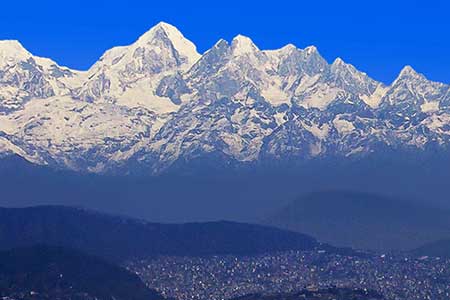
Kathmandu, NepalKathmandu, the capital of Nepal and often called the trekking capital of the world, sits in a broad valley ringed by the Himalayan mountains, its skyline punctuated by ancient pagoda temples and vibrant historic squares.
Lhasa, Tibet, ChinaTibet, set high on the vast Tibetan Plateau, is an autonomous region of China often called the “Roof of the World.” It is the traditional homeland of the Dalai Lama and a place where butter‑lamp (yak‑butter) candles still illuminate monasteries, preserving centuries‑old Buddhist ritual life.
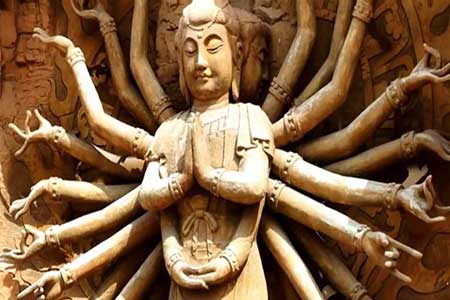
Mogao Caves, Dunhuang, China The Mogao Caves—today famed for their 492 Buddhist grottoes—stand at the crossroads of the Silk Road, framed by the hauntingly beautiful Singing Sand Dunes of the Gobi Desert.
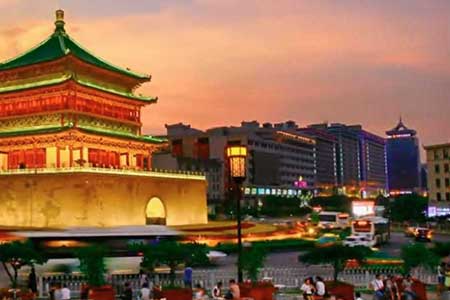
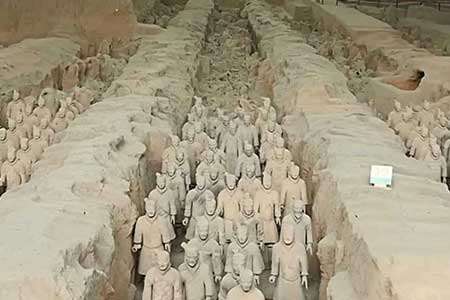
Xian, ChinaXi’an rose as China’s cultural and political center during the Zhou Dynasty (1046–256 BC), a legacy still visible in its monumental ancient city wall and the nearby Museum of the Terracotta Army—one of the world’s most important archaeological sites.
The Terracotta ArmyThe Terracotta Army Necropolis Museum houses the vast ranks of terracotta warriors created to portray the armies of Qin Shi Huang, the first emperor of China (259–210 BC).
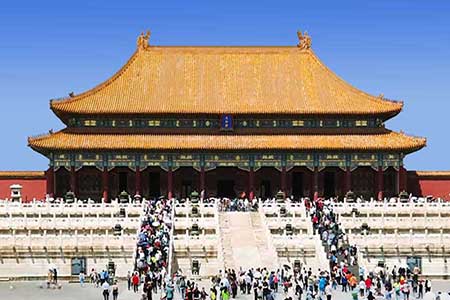
Beijing, ChinaThe Forbidden City and Tiananmen Square, located in the heart of Beijing—the capital of China—form a sweeping testament to imperial power and enduring cultural heritage, complemented by the nearby Great Wall, one of the most iconic architectural achievements in human history.
 Kathmandu, Nepal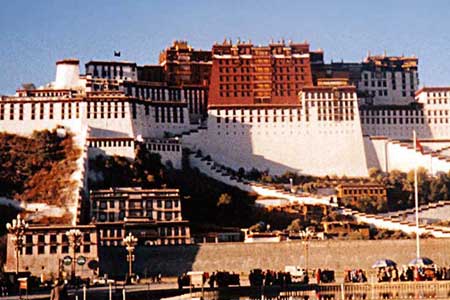
 Top
Top