Beijing China

The Forbidden City and Tiananmen Square sit at the center of Beijing and reflect the grandeur of China’s imperial past. Commissioned in 1406 by the Yongle Emperor of the Ming Dynasty and first occupied in 1420, the Forbidden City was long restricted to the imperial court, giving rise to its evocative name. A popular myth claims it contains 9,999 rooms, though this number isn’t supported by surveys. Designed as the ceremonial and political heart of the ancient walled capital, the complex is surrounded by the larger Imperial City. Today, it remains one of China’s most iconic historic sites, inviting visitors to explore the legacy of its dynastic rulers.
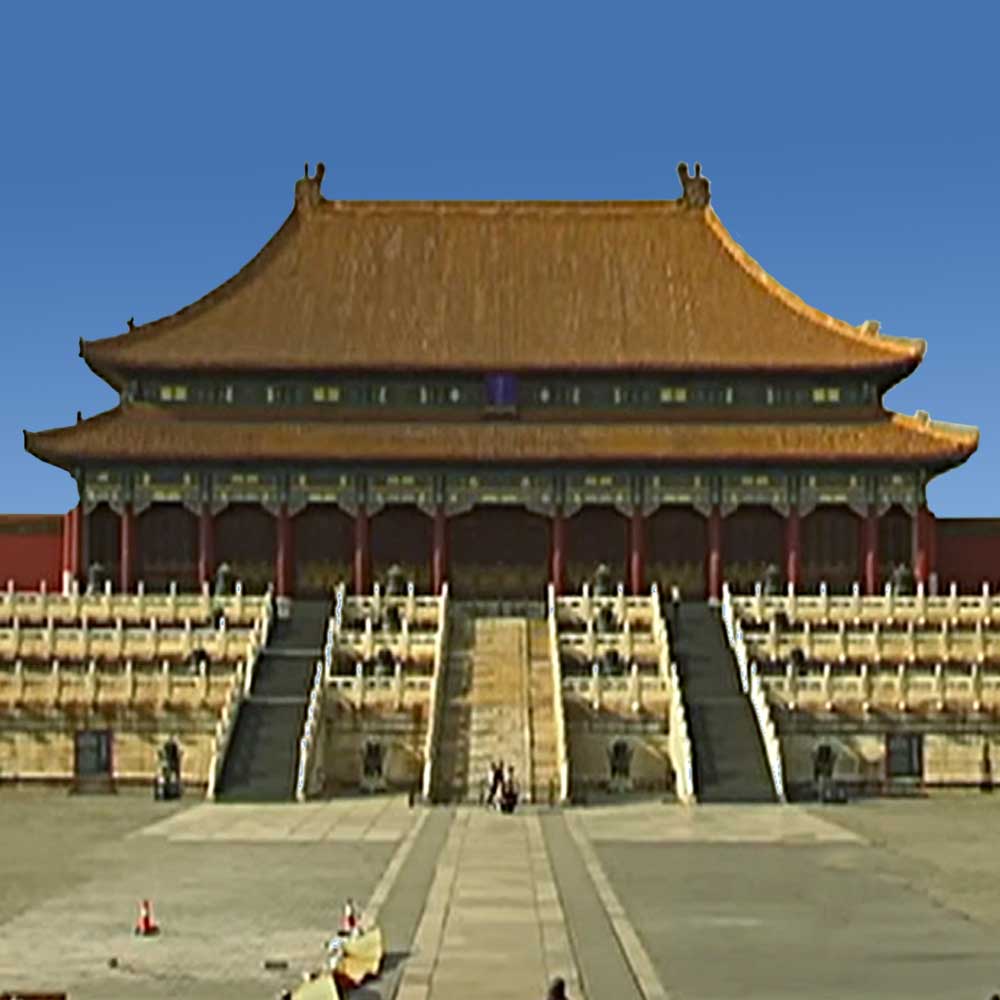
1.) The Magnificent Hall of Supreme Harmony built by the Emperor of China from the Ming dynasty in 1420
2.) The Forbidden City lasted from the Ming dynasty to the end of the Qing dynasty, between 1420 and 1924
3.) China was taken over by Mao Zedong and the Communist Party of China, in 1949
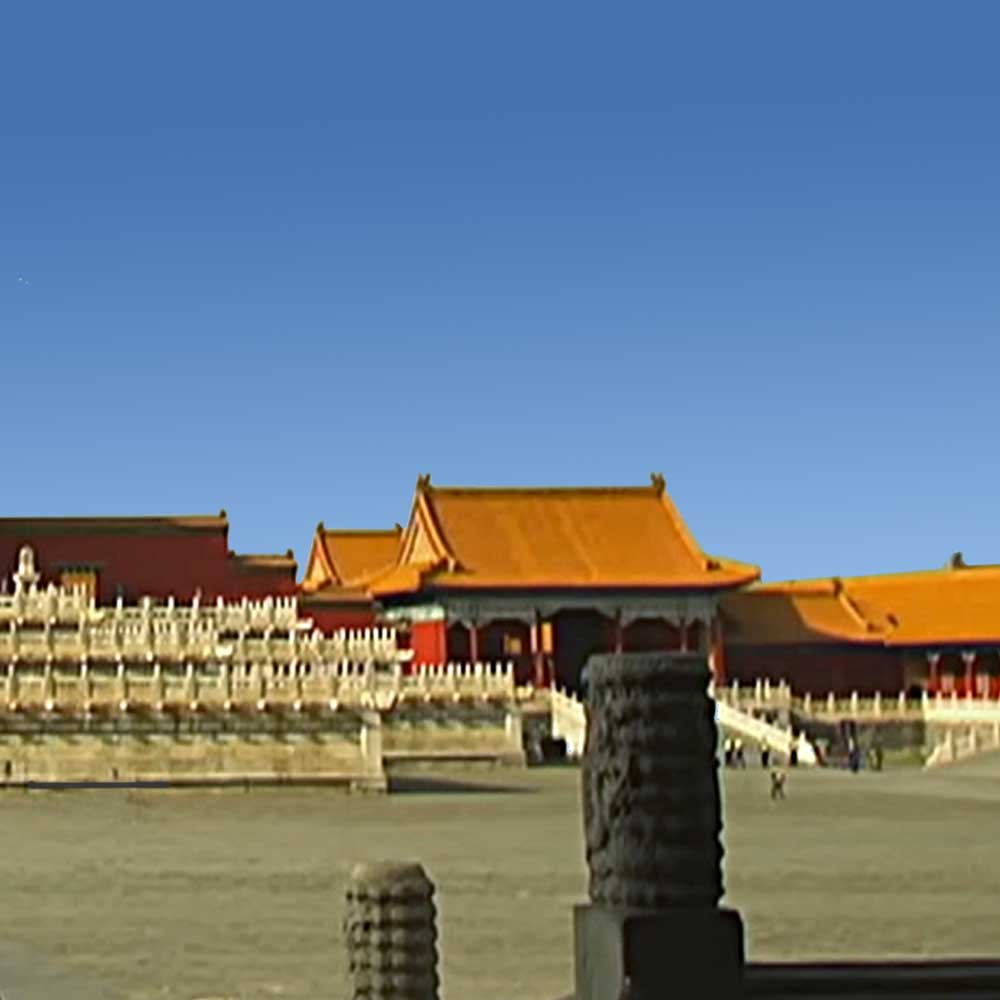
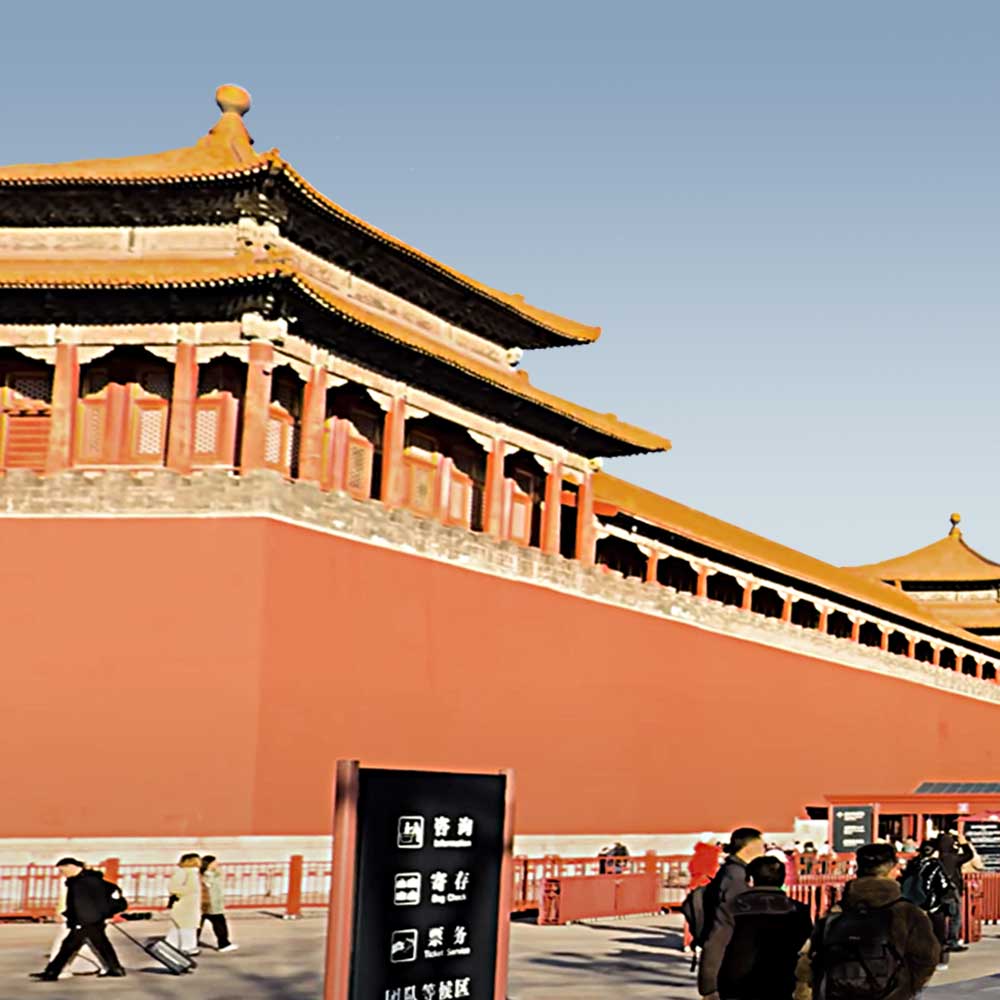
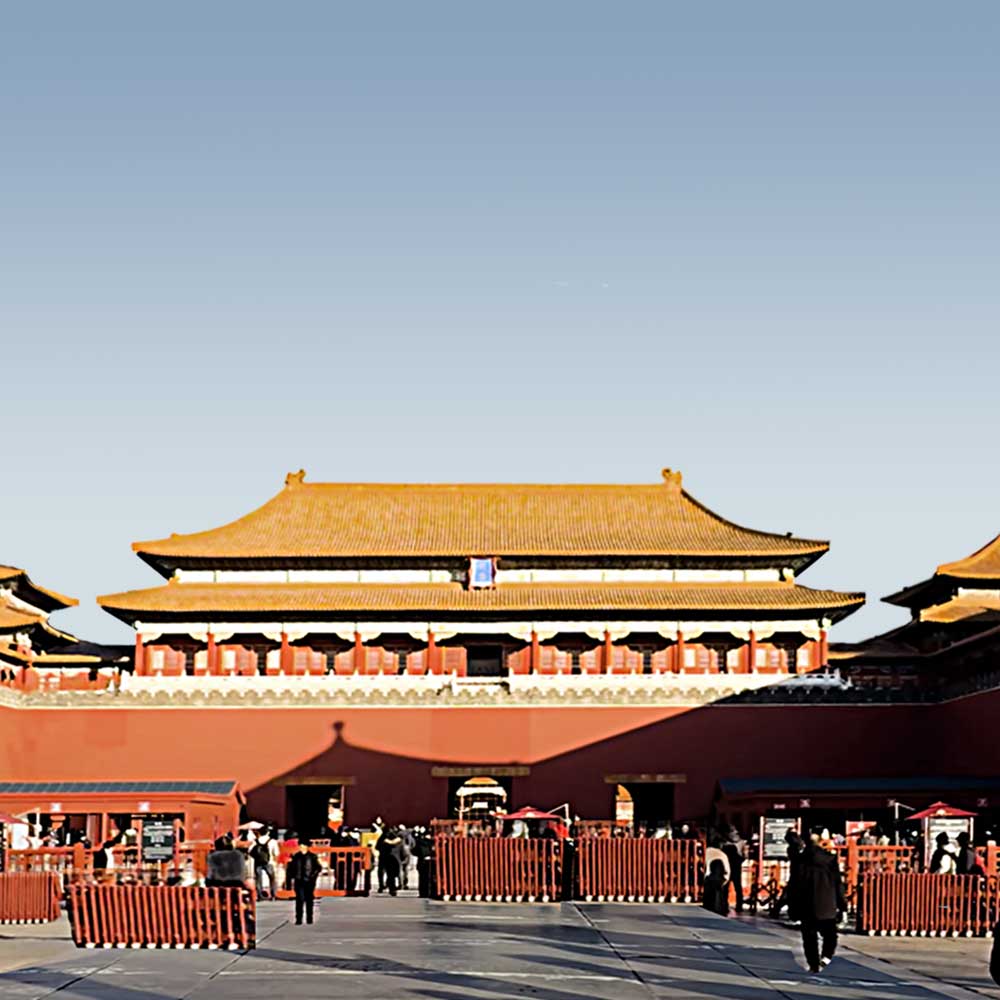
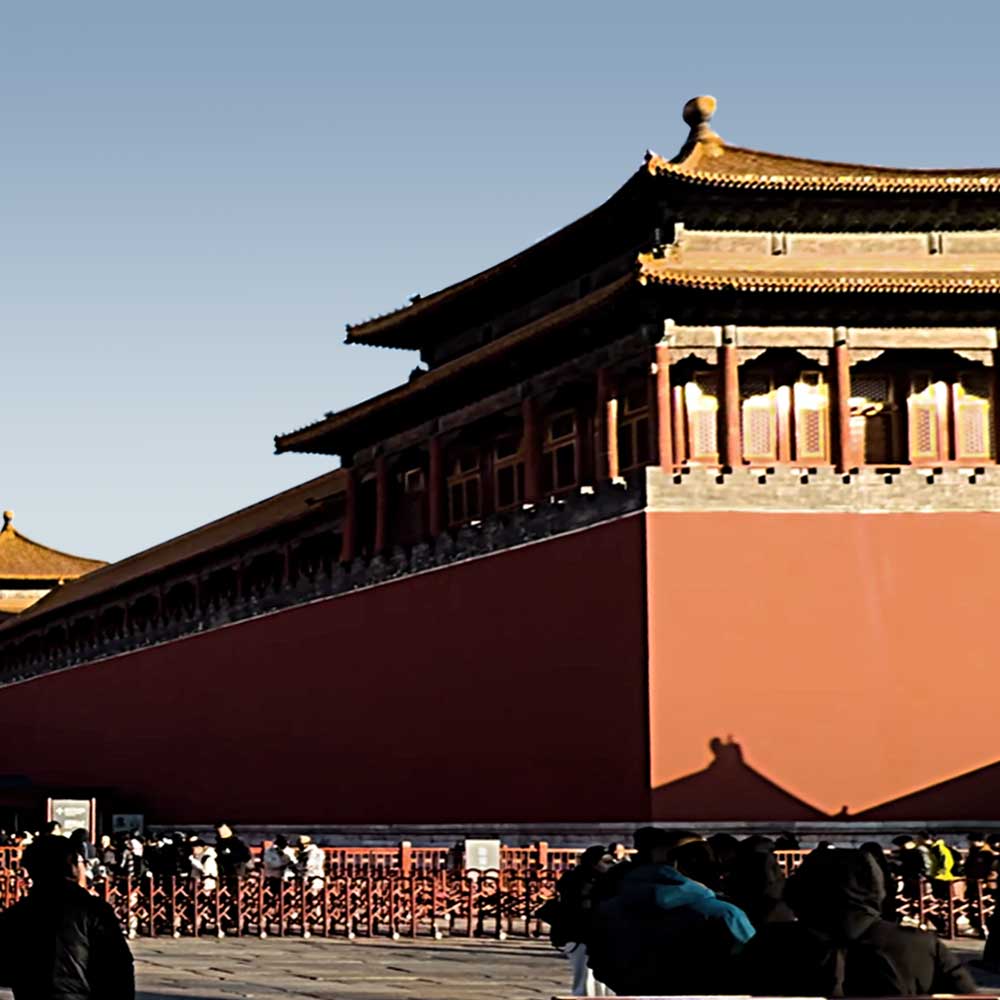
1.) Entering The Forbidden City,
2.) and Imperial Palace complex,
3.) at the heart of Beijing
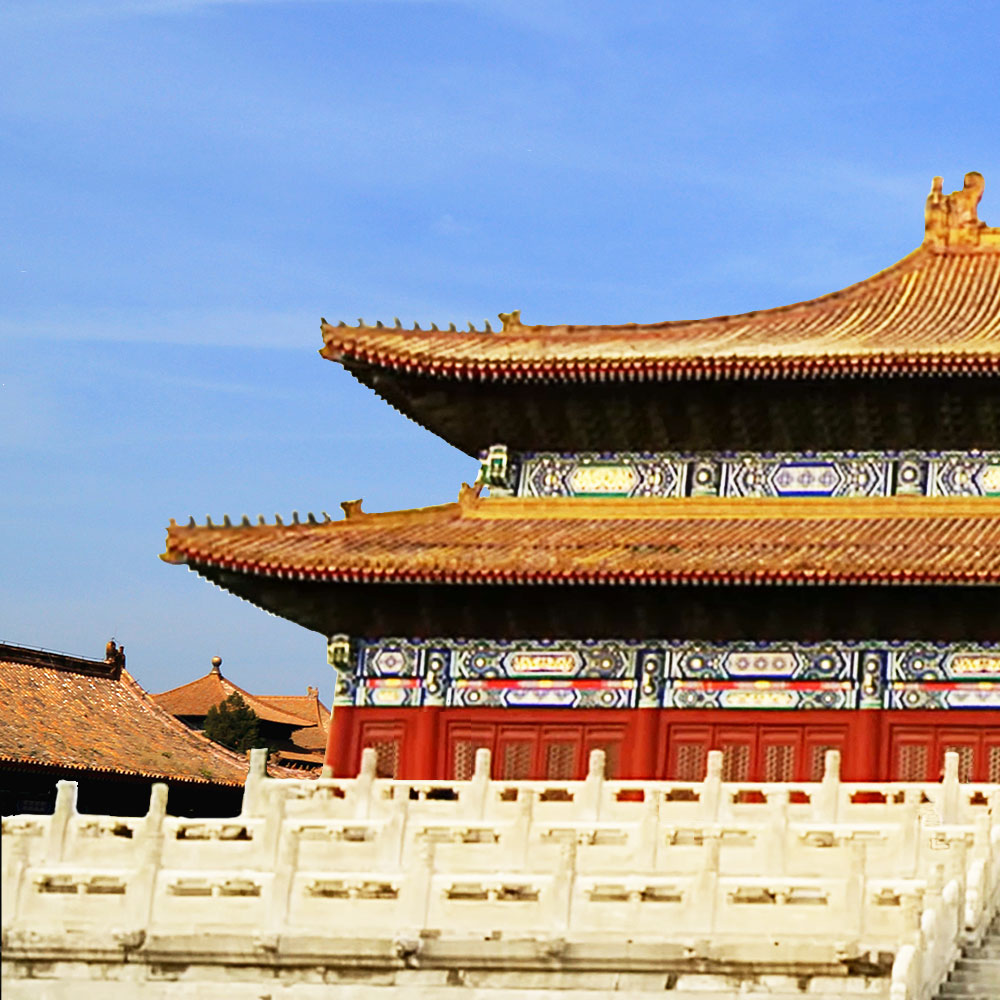
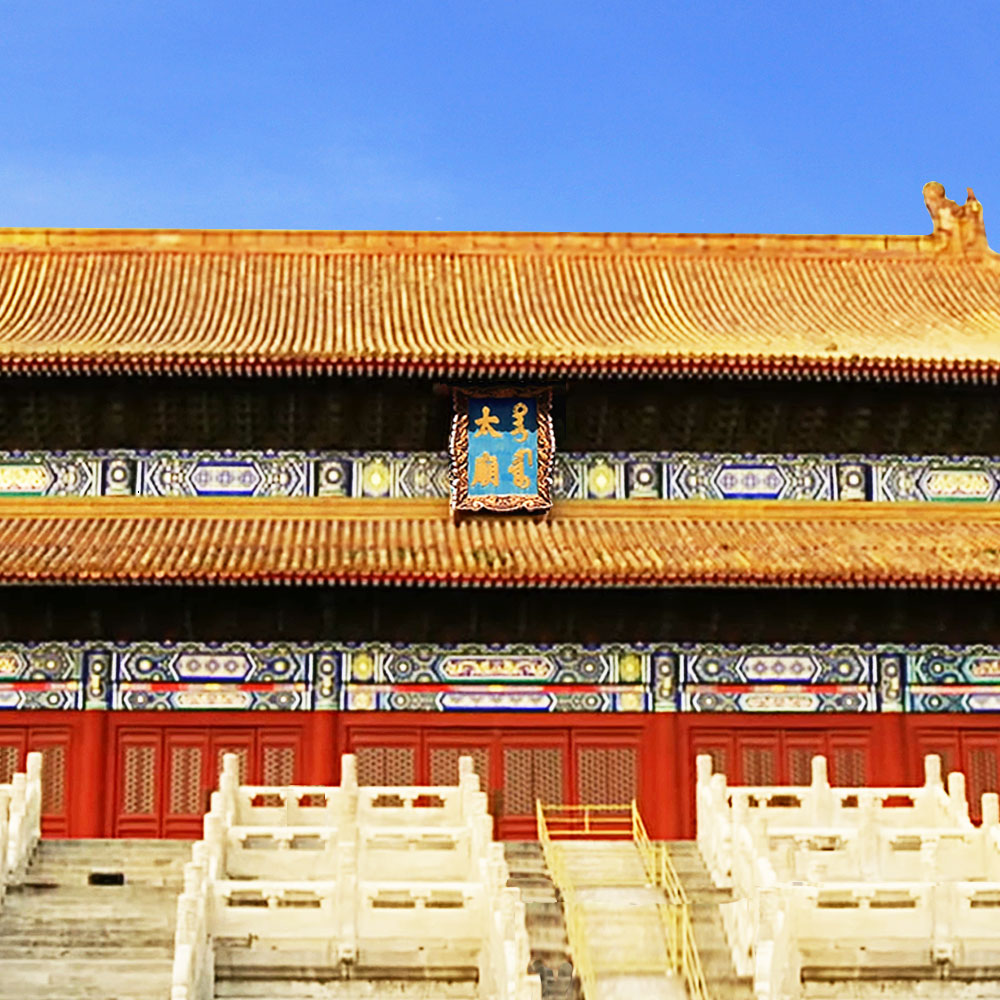
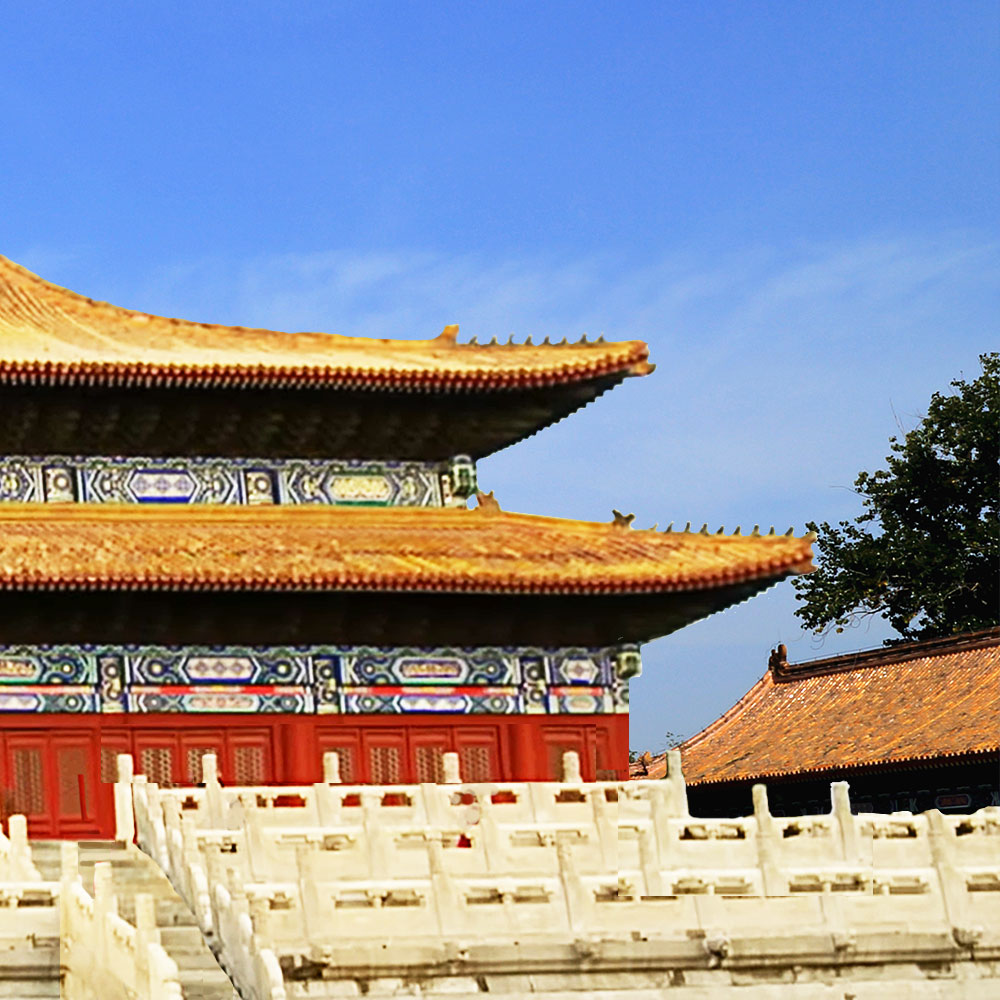
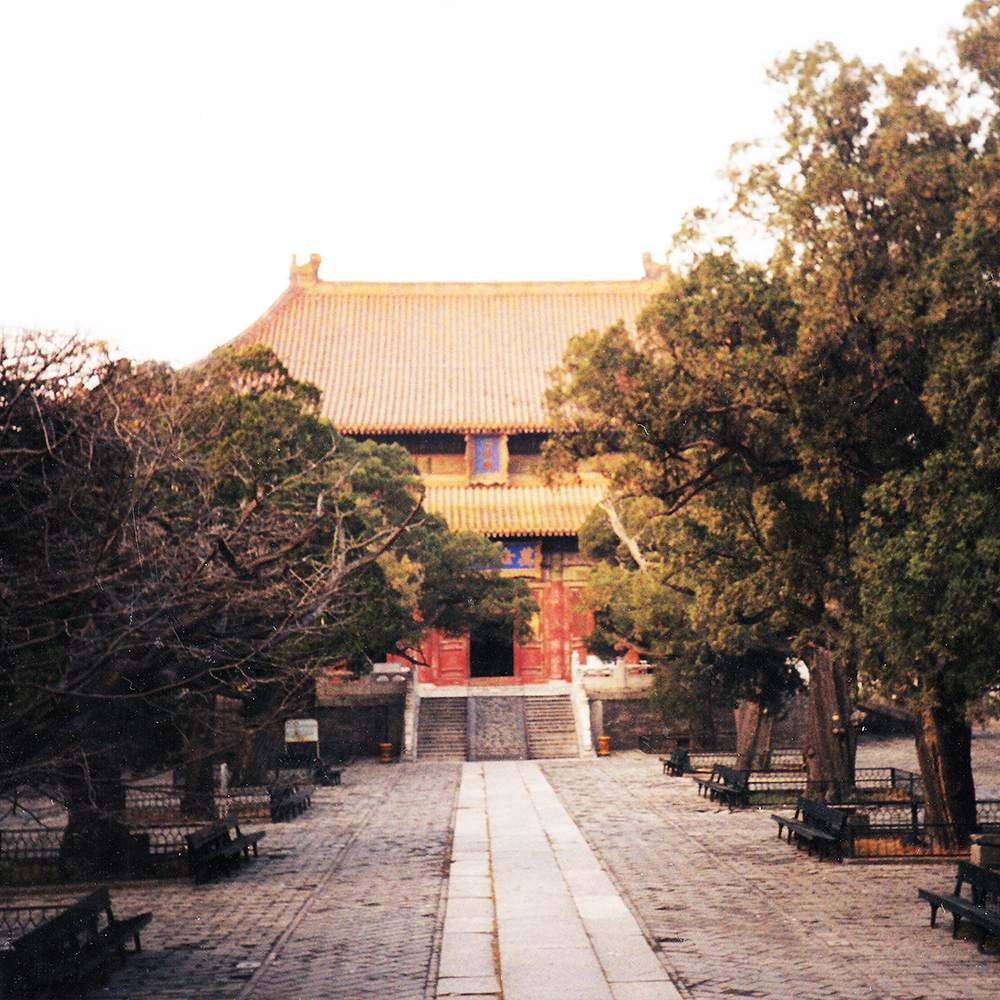
1.) The Imperial Ancestral Temple, a historic site in the Imperial City,
2.) just outside the Forbidden City, during the Ming and Qing dynasties,
3.) where sacrificial ceremonies were held during important festivals
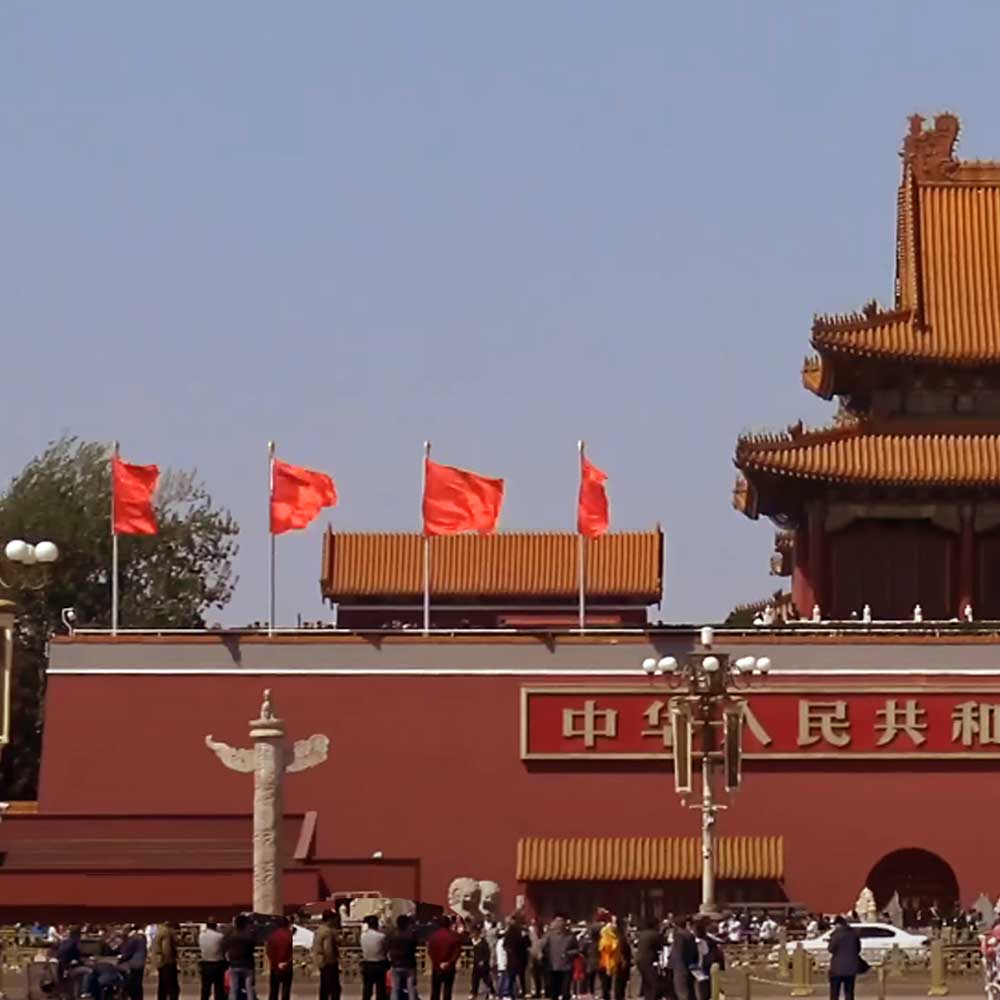
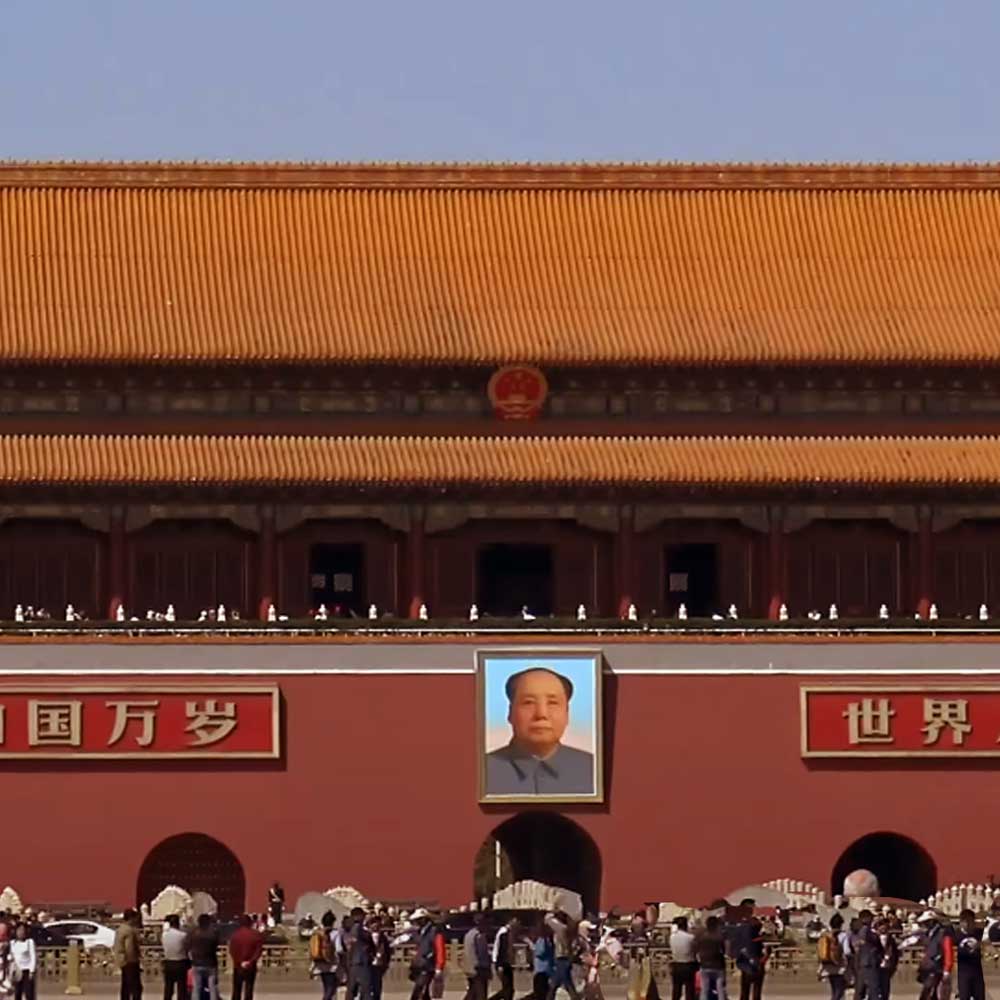
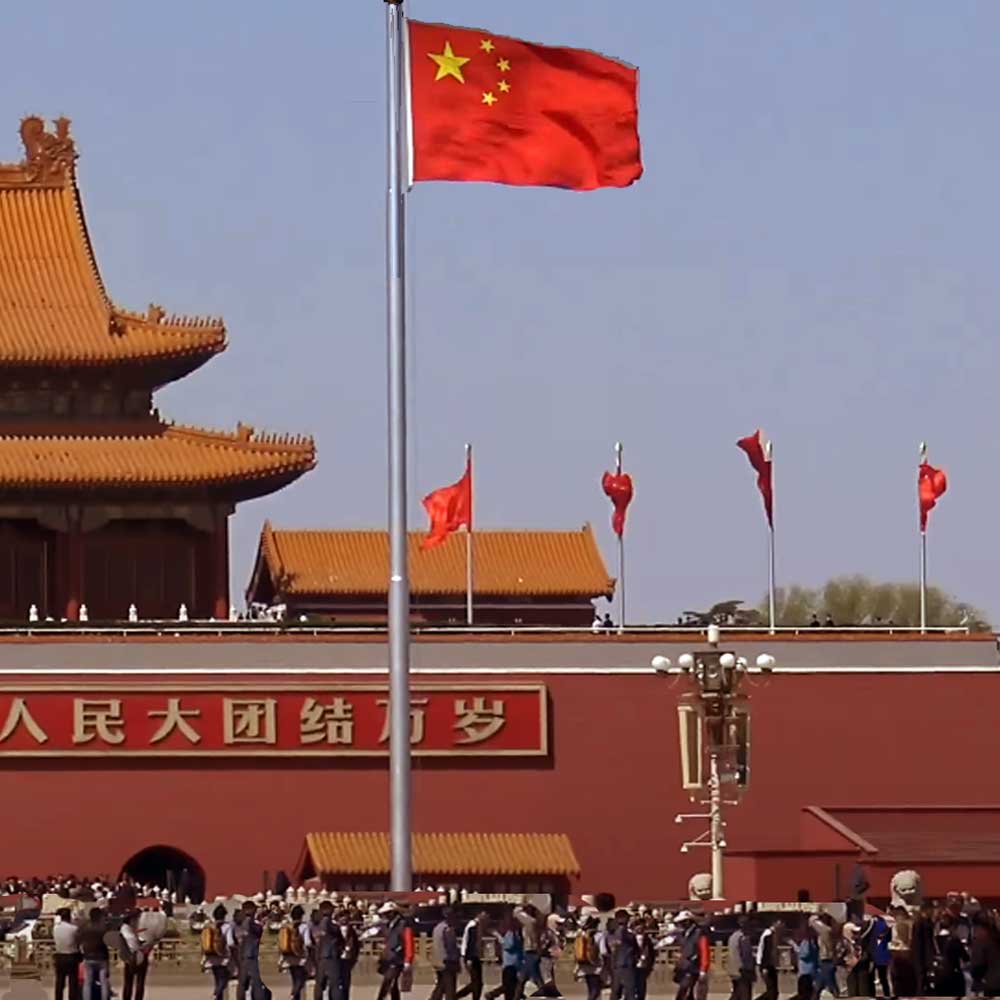
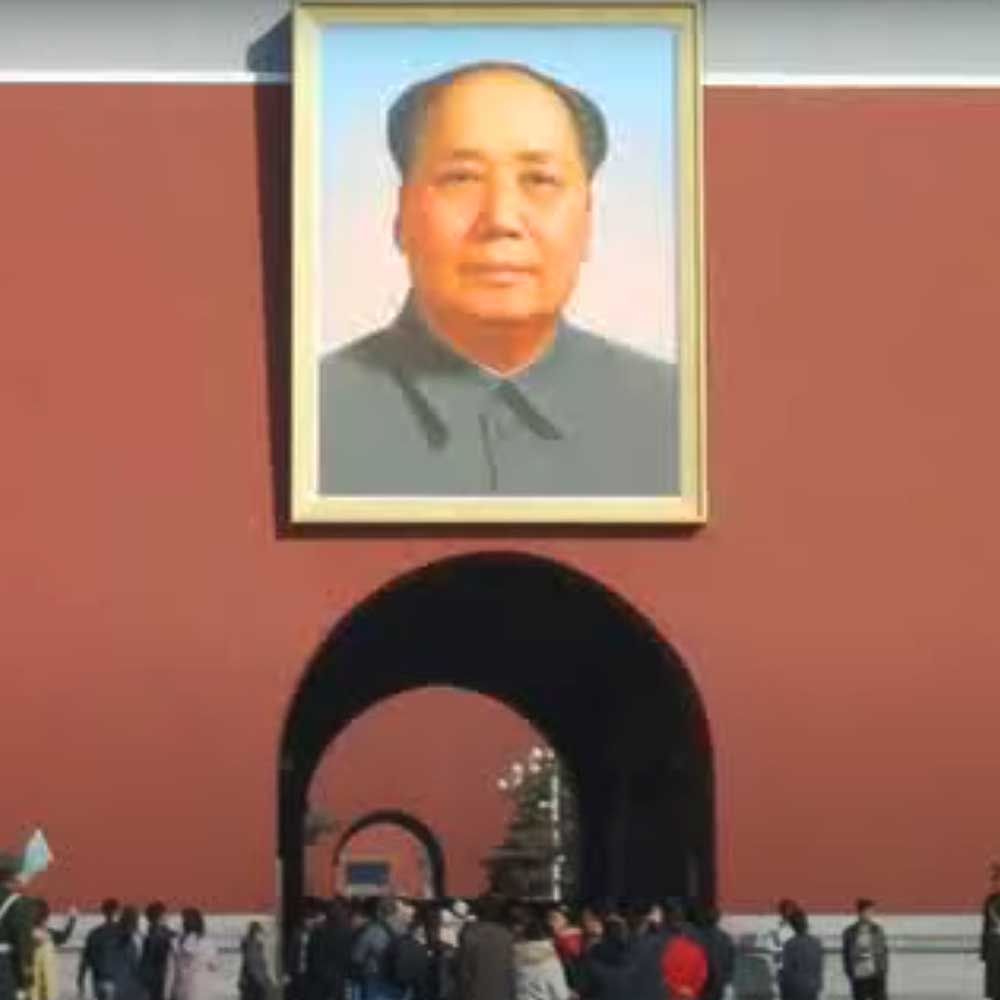
1.) Tiananmen Gate with the picture of Mao, at Tiananmen Square
2.) gate to The Forbidden City and Imperial Palace complex,
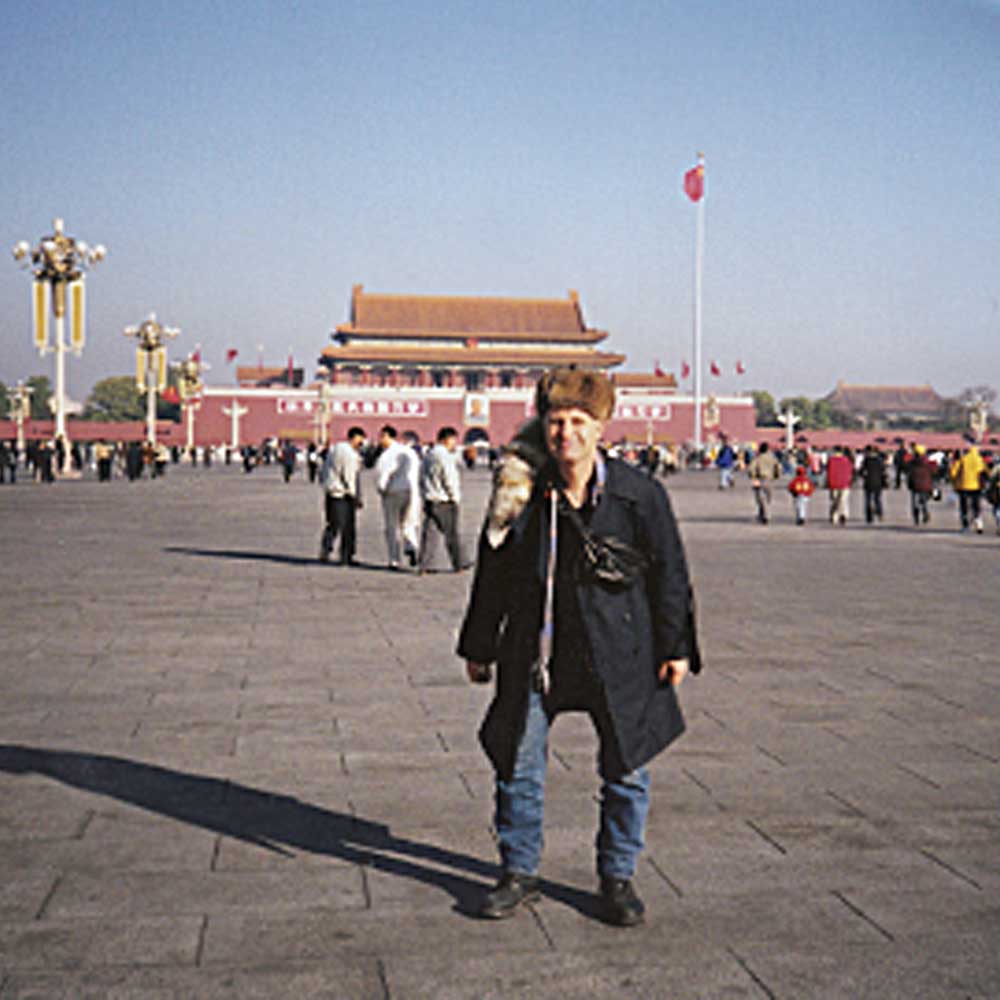
3.) Tiananmen Square, Beijing
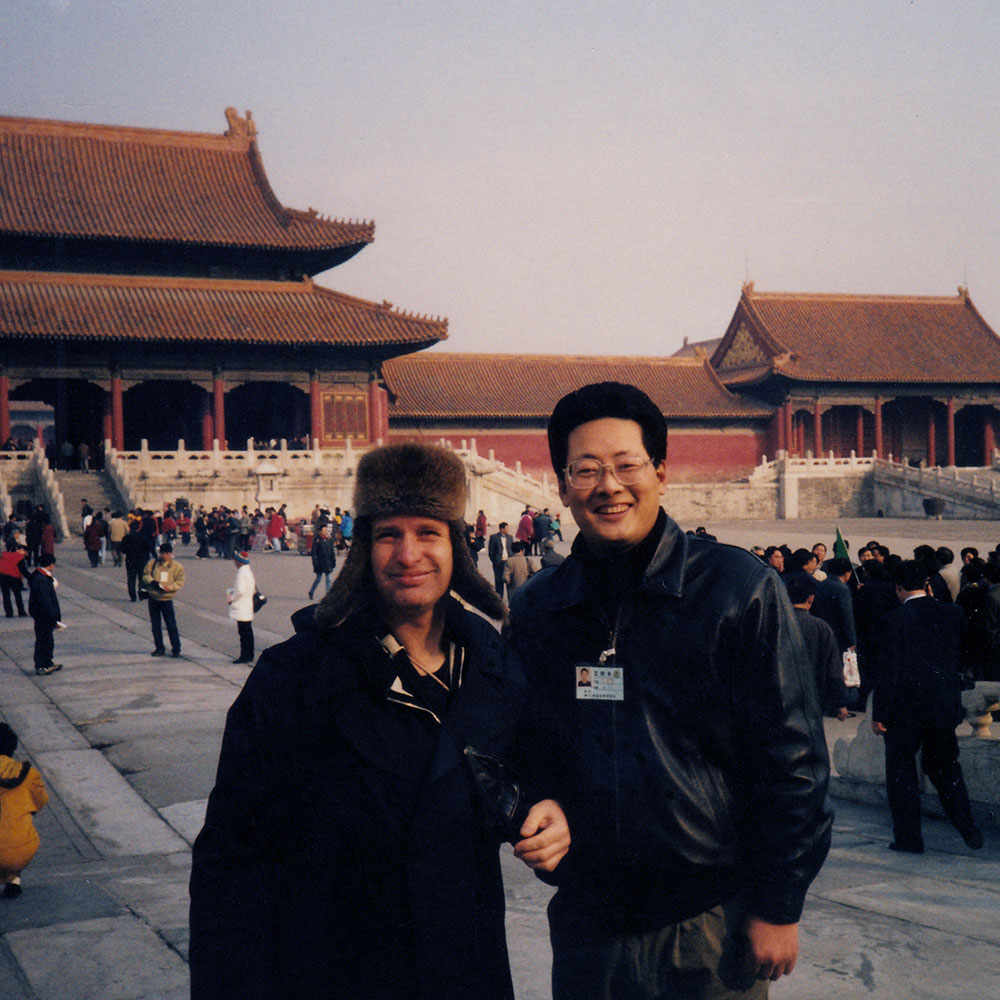
I with a tour guide at The Forbidden City
Entering Tiananmen Gate with the picture of Mao above
Tiananmen Square, best known for the 1989 protests and massacre that ended with a military crackdown due to international media coverage, (I wearing a Mongolian racoon hat)
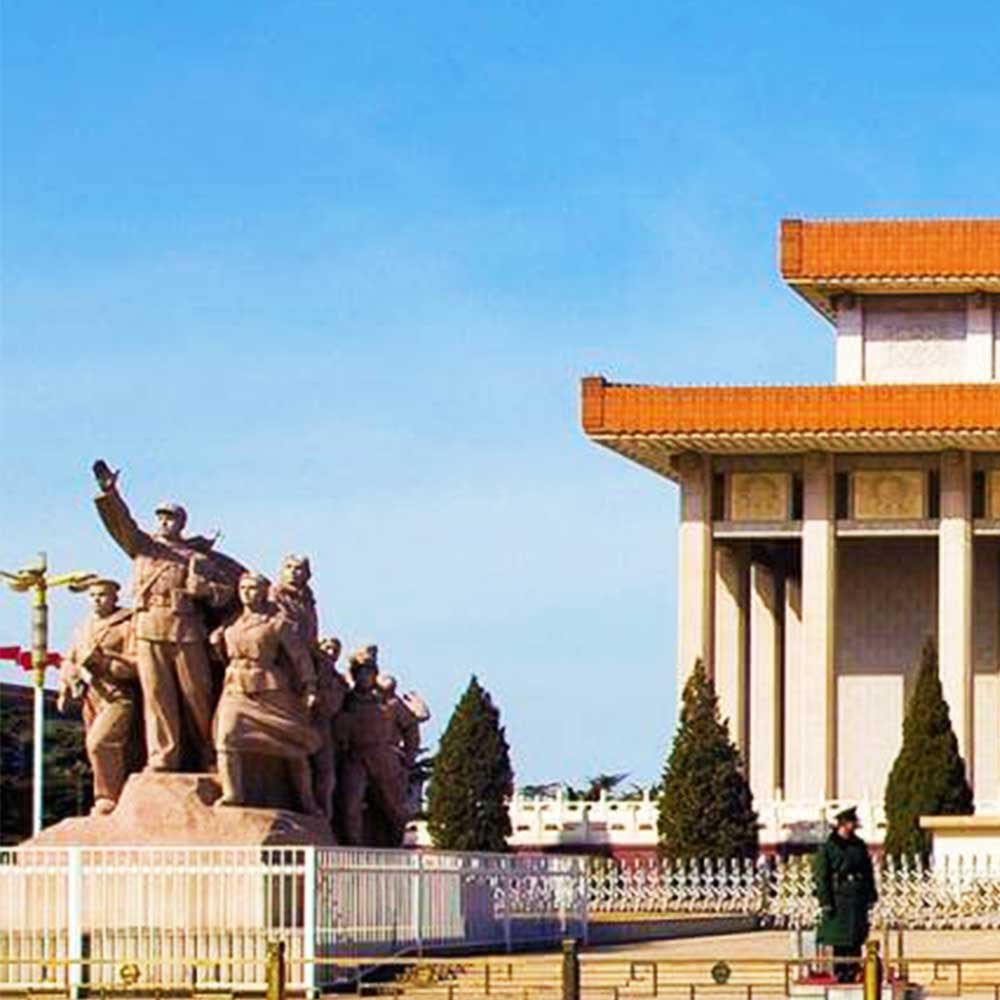
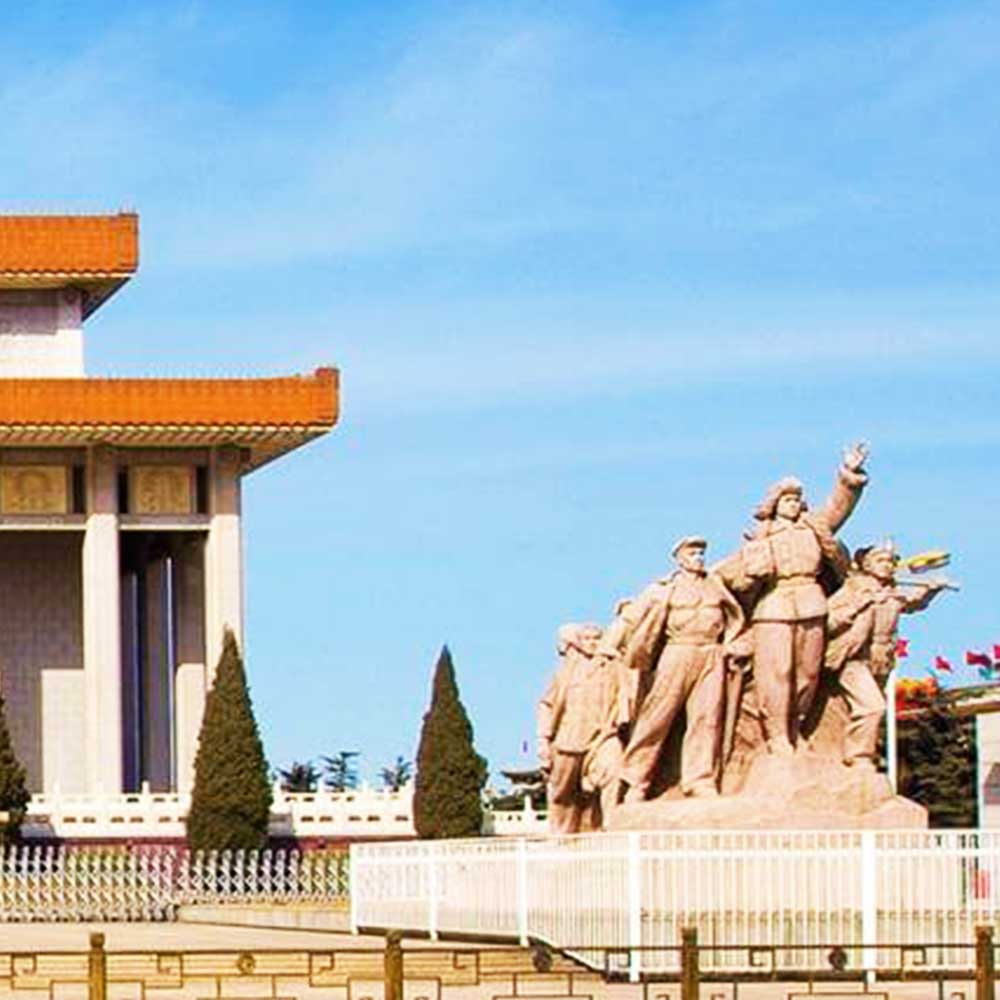
1.) Entrance to Memorial Hall and Mausoleum of Mao Zedong, (far left corner) Chinese Communist Party West Sculpture of Fighting Soldiers Monument, Tiananmen Square
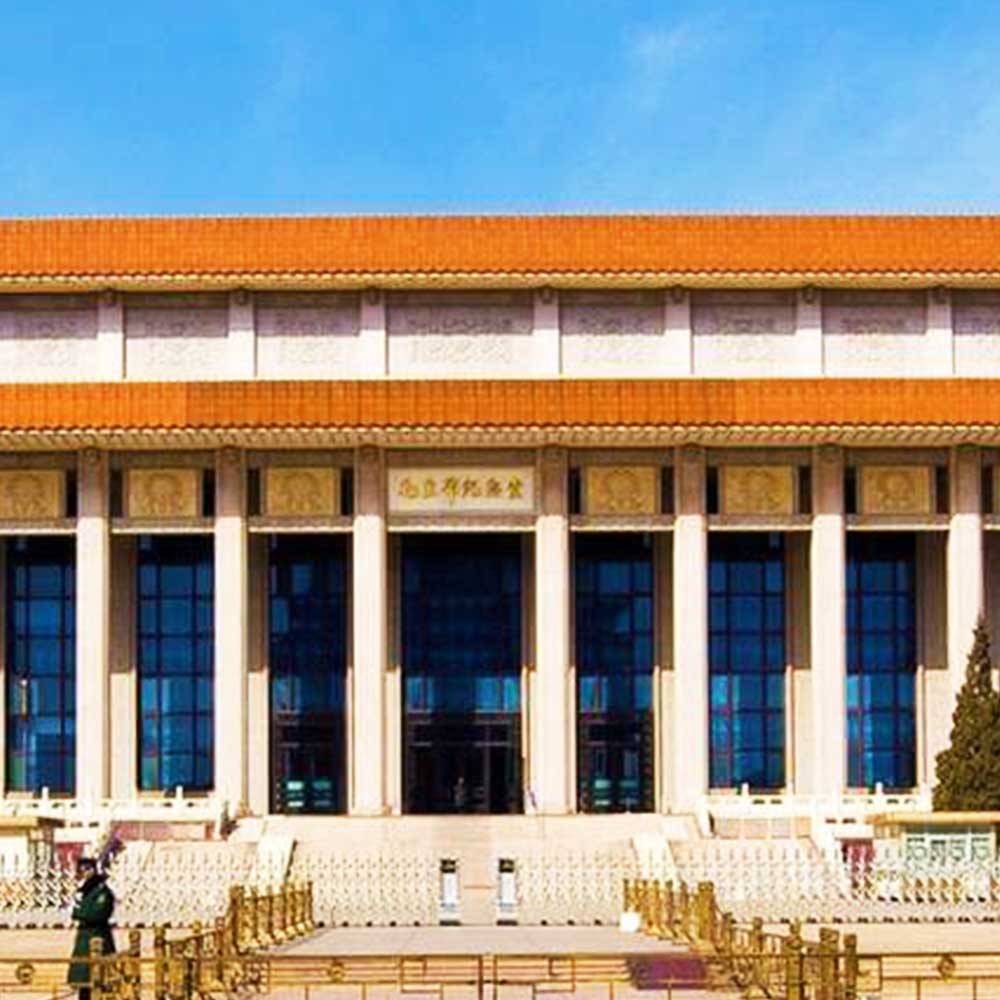
2.) Entrance to Memorial Hall and Mausoleum of Mao Zedong Chairman of the Chinese Communist Party until his death in 1976, one of Beijing's gruesome spectacles, Mao Zedong's refrigerated embalmed corpse on public display behind glass, Tiananmen Square
3.) Entrance to Memorial Hall and Mausoleum of Mao Zedong, (far right corner) Heroic Group Sculpture of Revolutionary Soldiers, Workers, and Peasants, Tiananmen Square
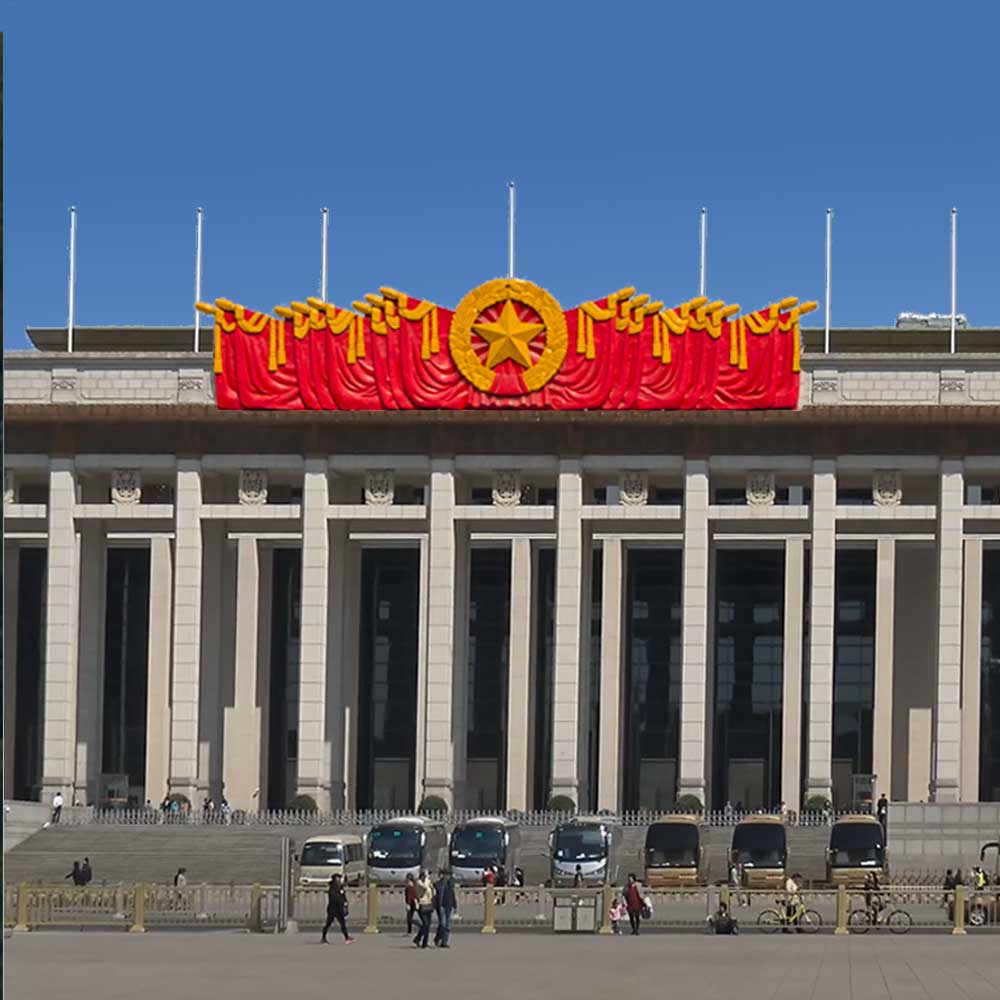
The National Museum of China, is an art and history museum, with 200,000 square meters or 1.3 million square ft., built in 1959, Tiananmen Square
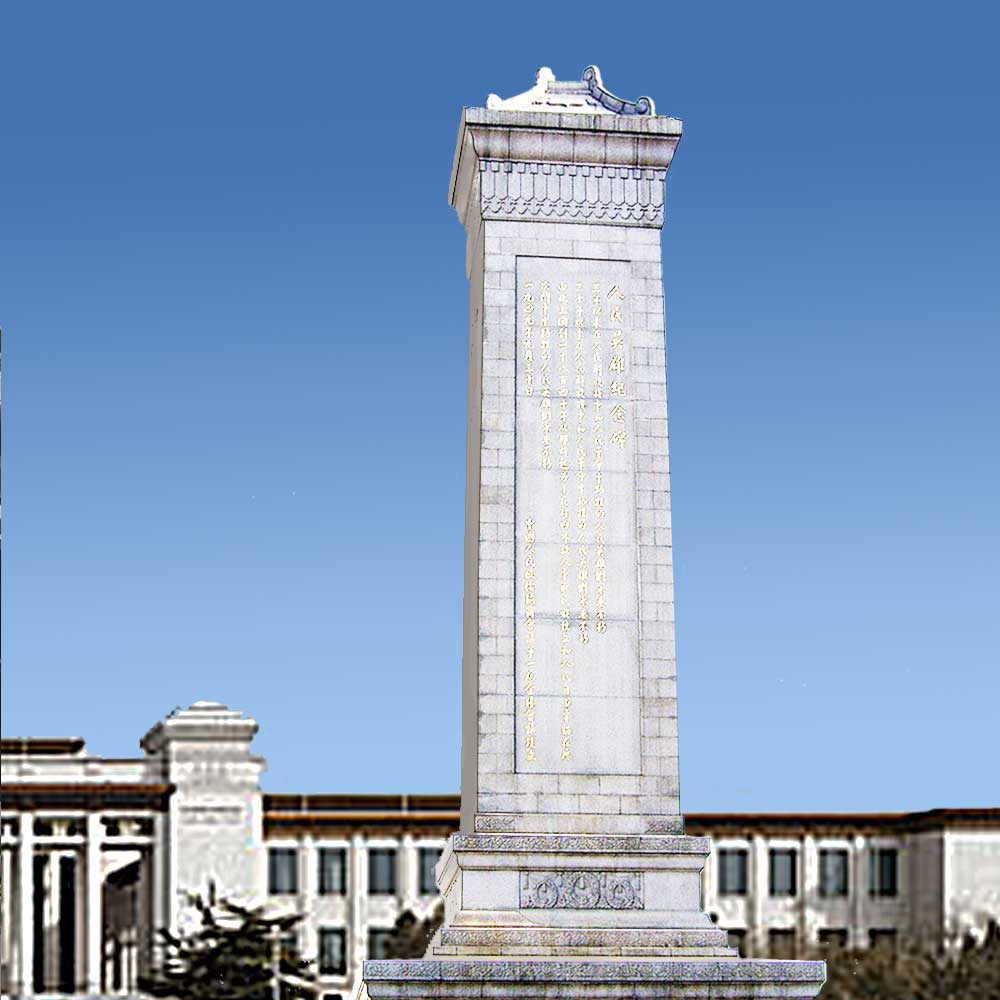
Monument to the People's Heroes, cut marble & granite, Height: 38 metres (125 ft), completed: 1958, Tiananmen Square
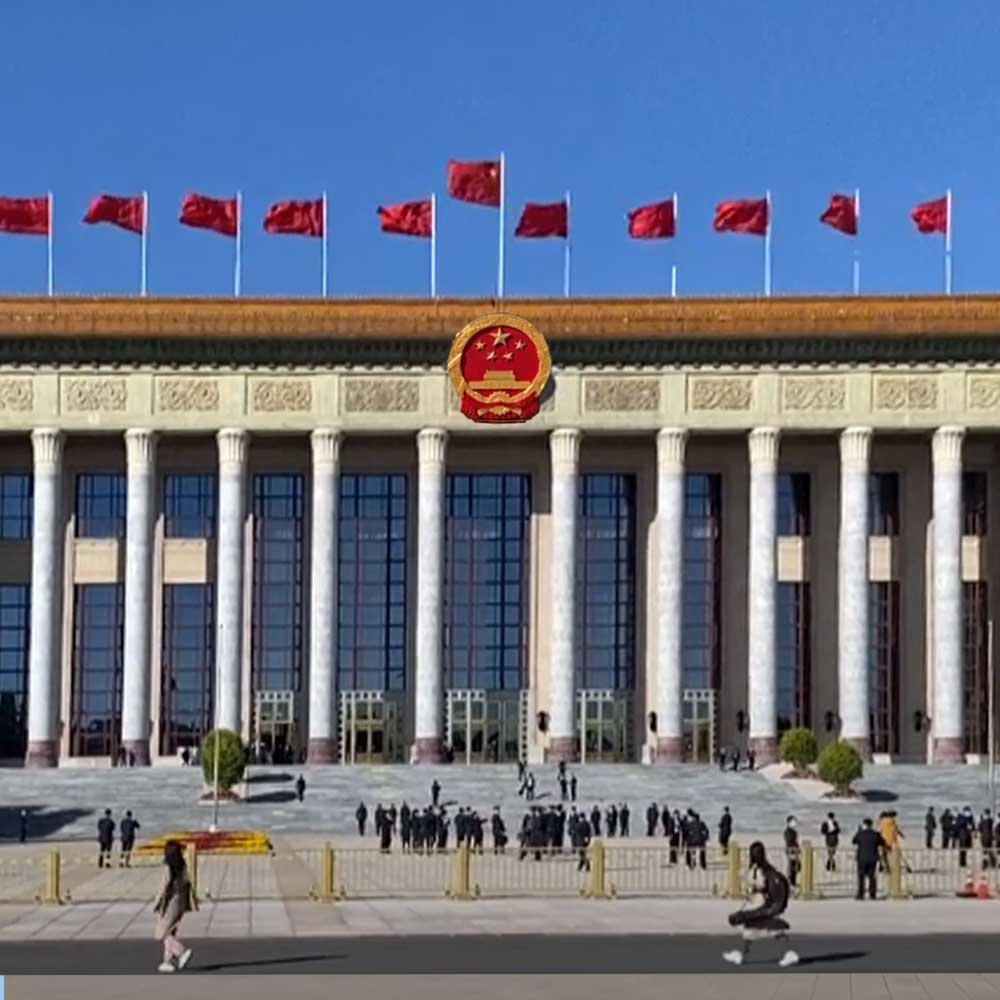
The Great Hall of the People, completed in 1956, is used for legislative activities for the government of the People's Republic of China at Tiananmen Square
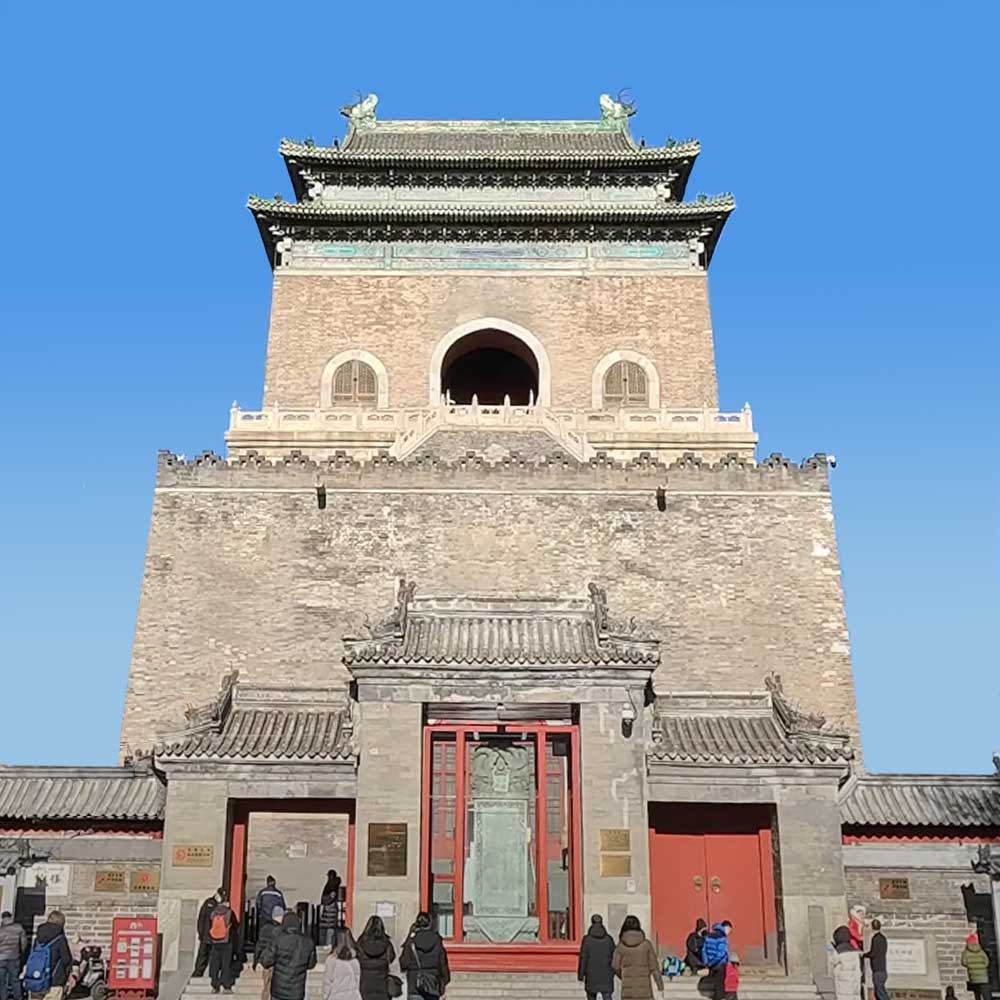
The Bell Tower of Beijing, built in the 13th century during the Yuan dynasty
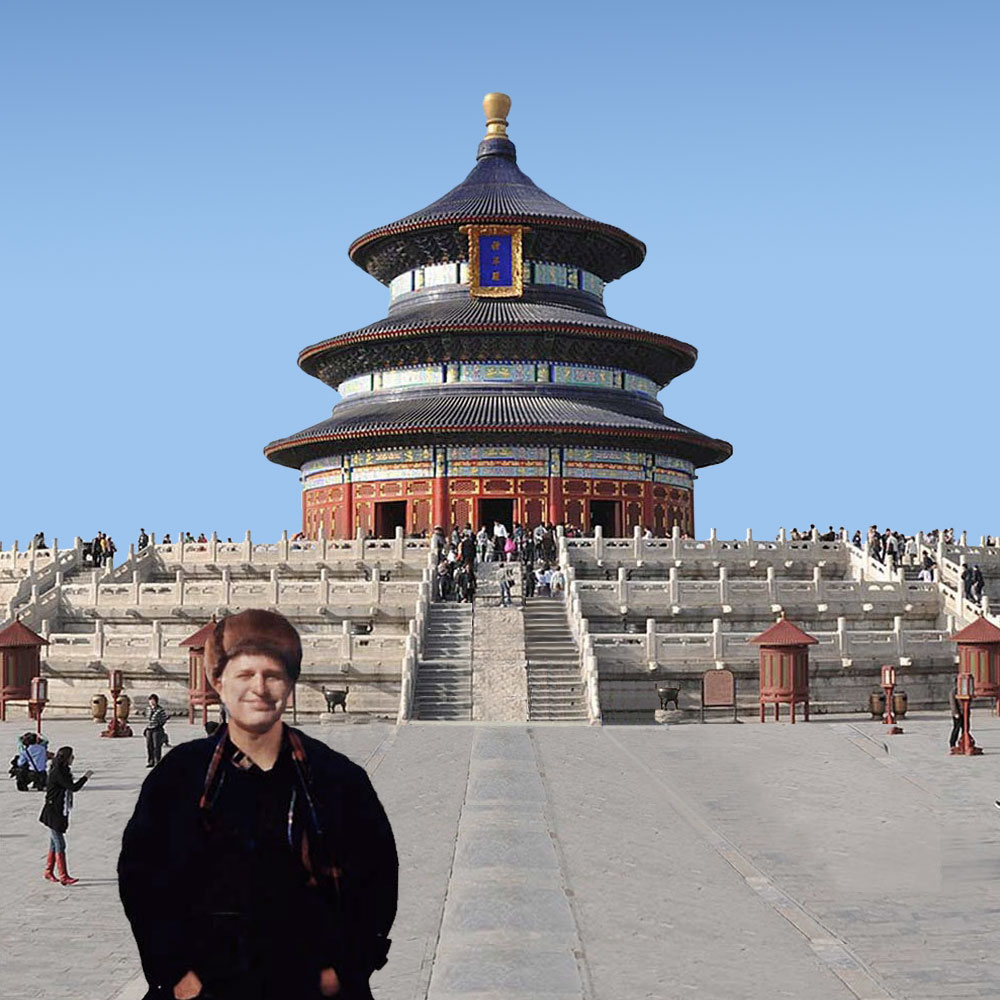
The Temple of Heaven in Beijing was visited by the Emperors of the Ming to the Qing dynasties for annual ceremonies of prayer to Heaven for a good harvest,
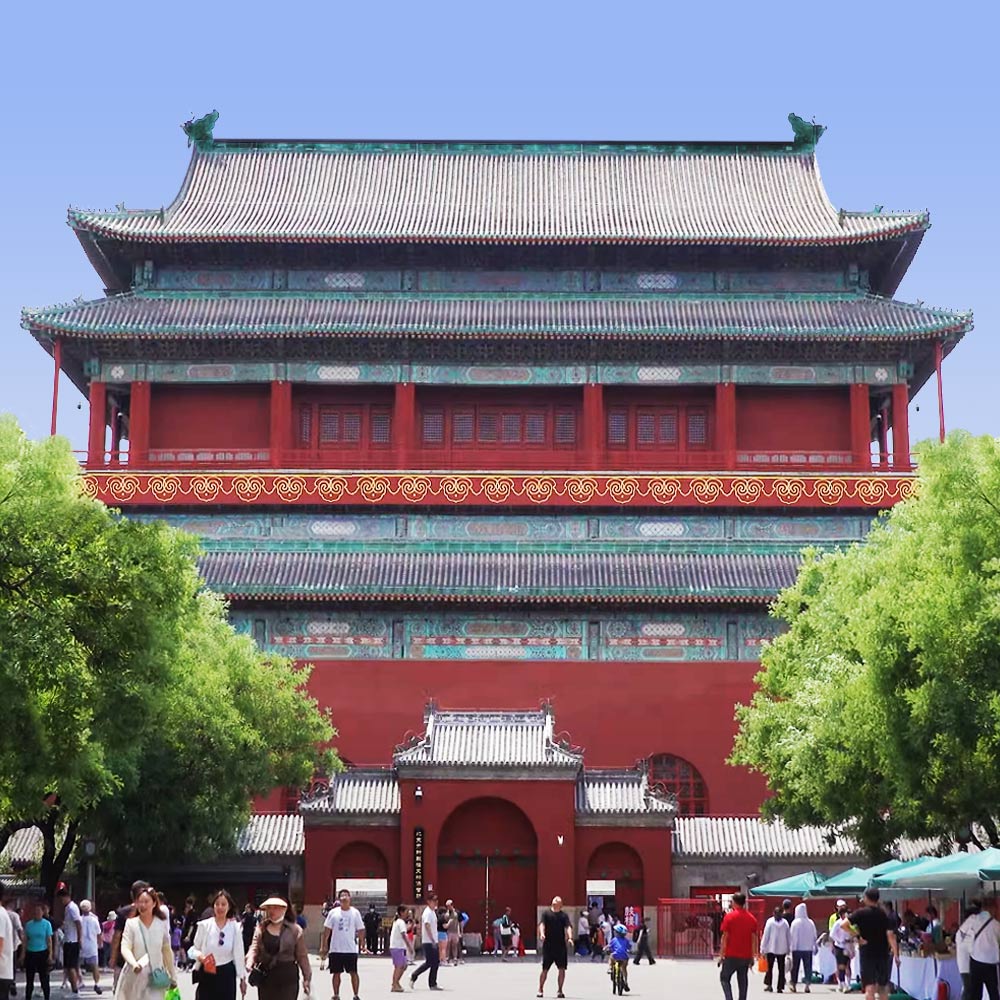
The Drum Tower of Beijing, built in the 13th century during the Yuan dynasty
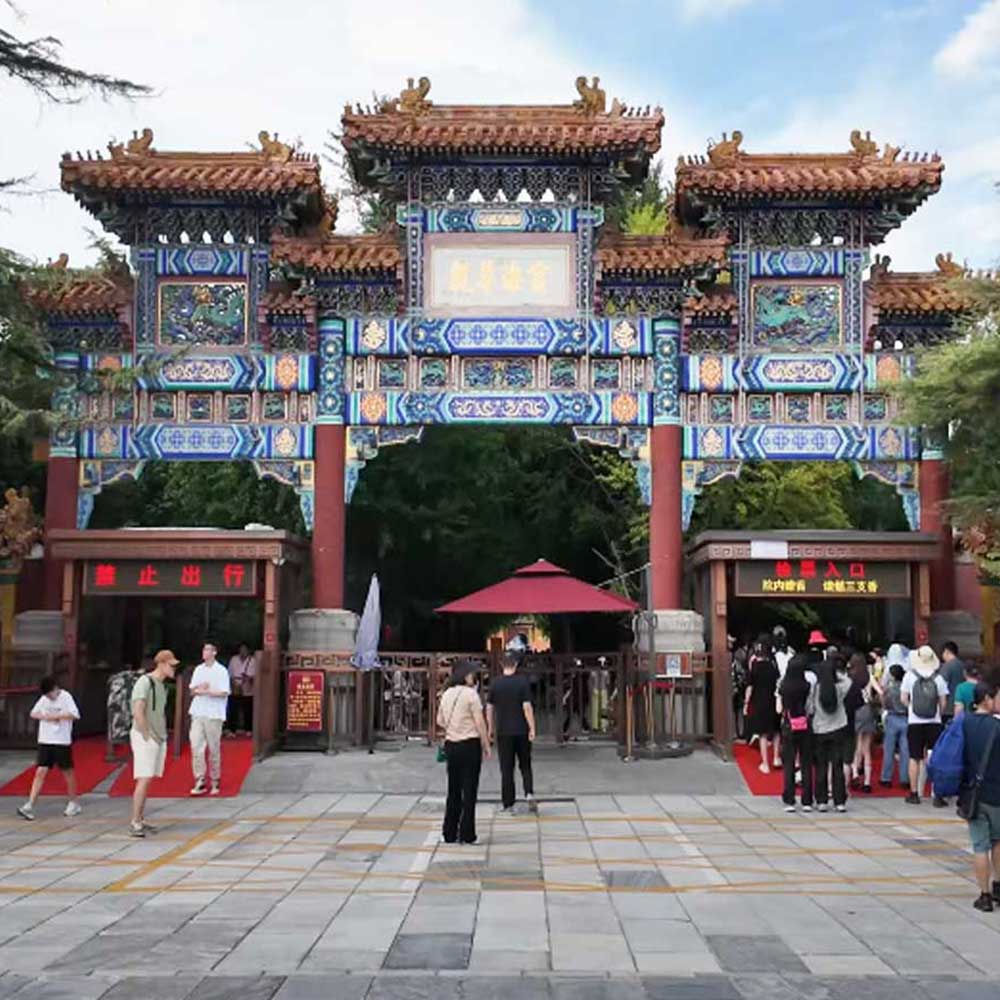
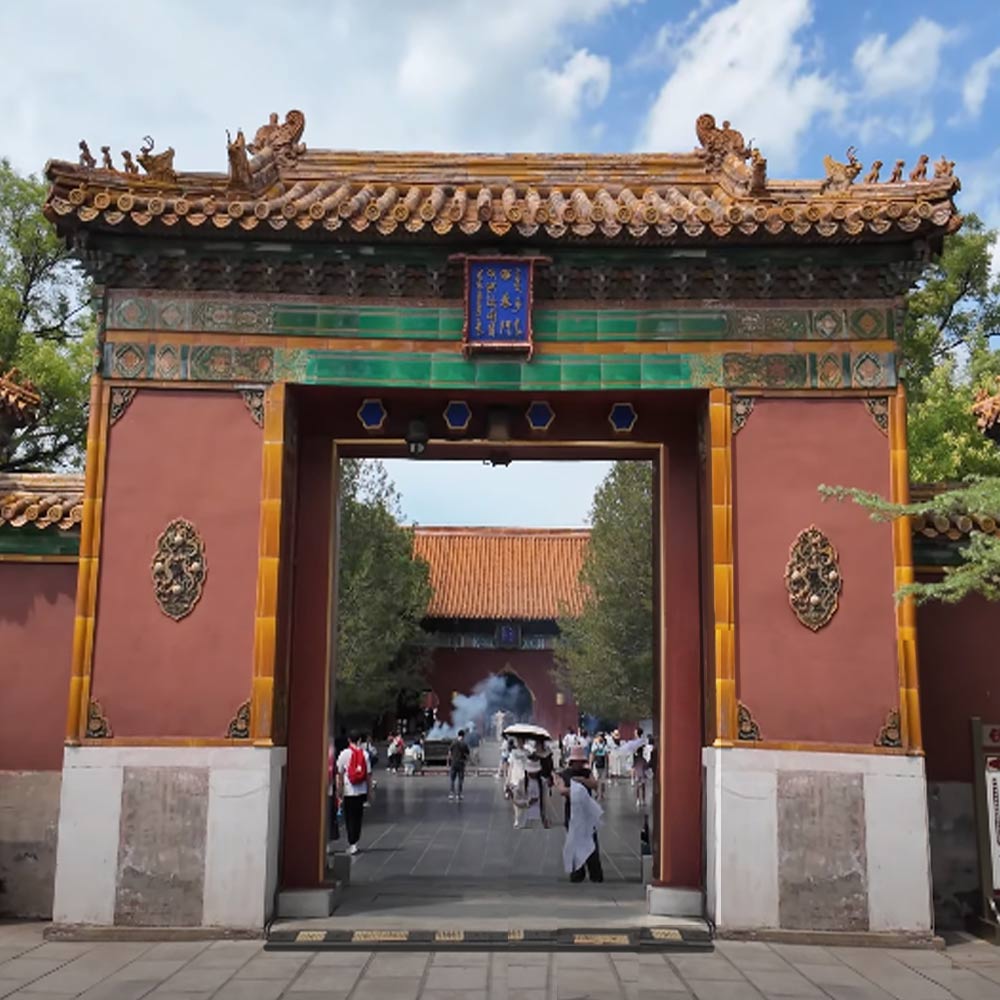
Entrance to The Yonghe Temple, or Lama Temple, Sect: Tibetan Buddhism, built in 1694, located on 12 Yonghegong Street, Dongcheng District, Beijing
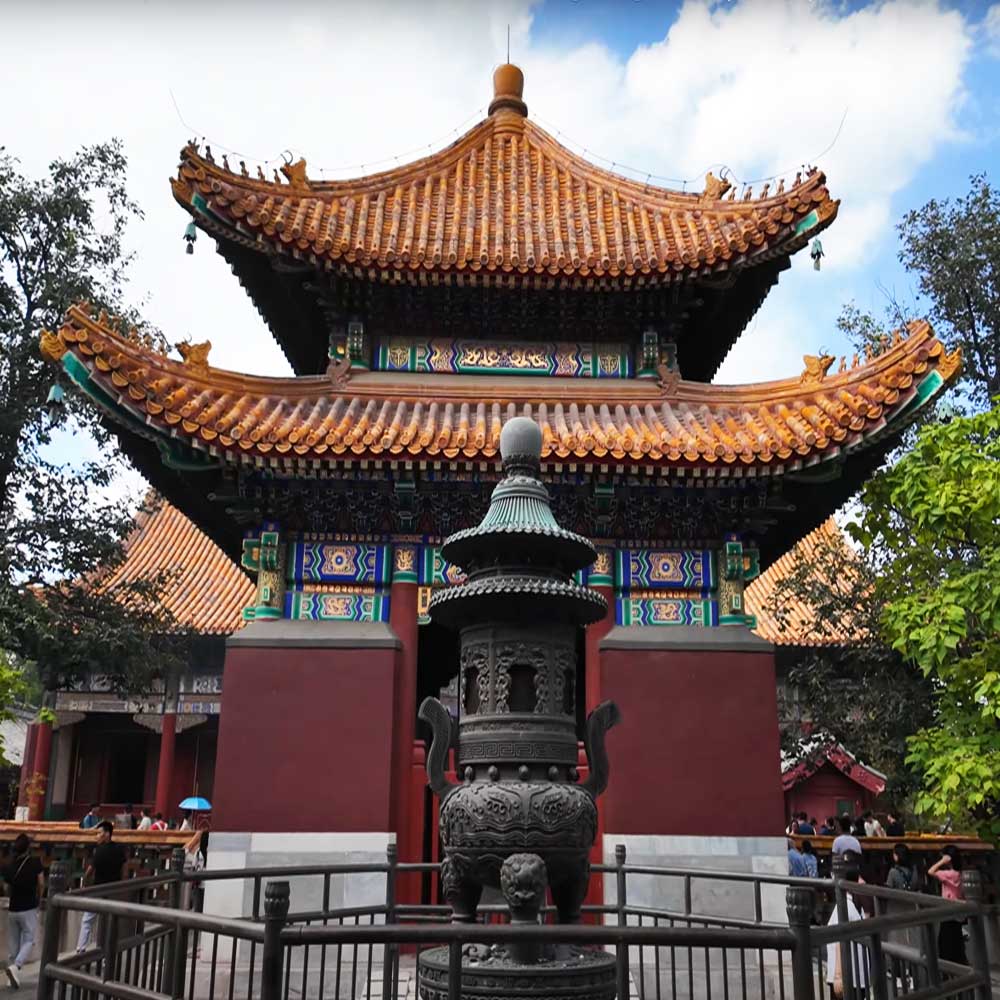
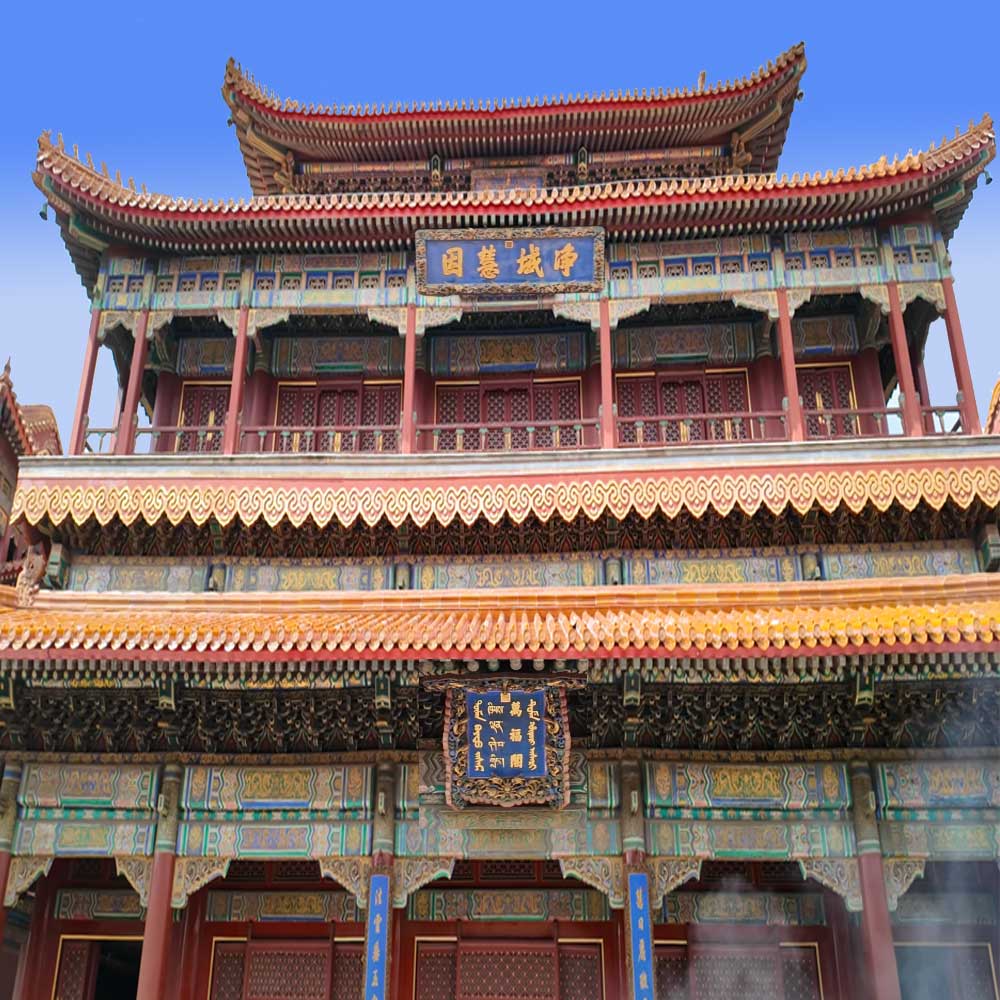
The Yonghe Temple, or Lama Temple, Hall of Harmony and Peace, Lama Temple, Beijing
The Yonghe Temple, or Lama Temple, Statue of Manjushri Bodhisattva enshrined in the Tanzong Hall, Beijing
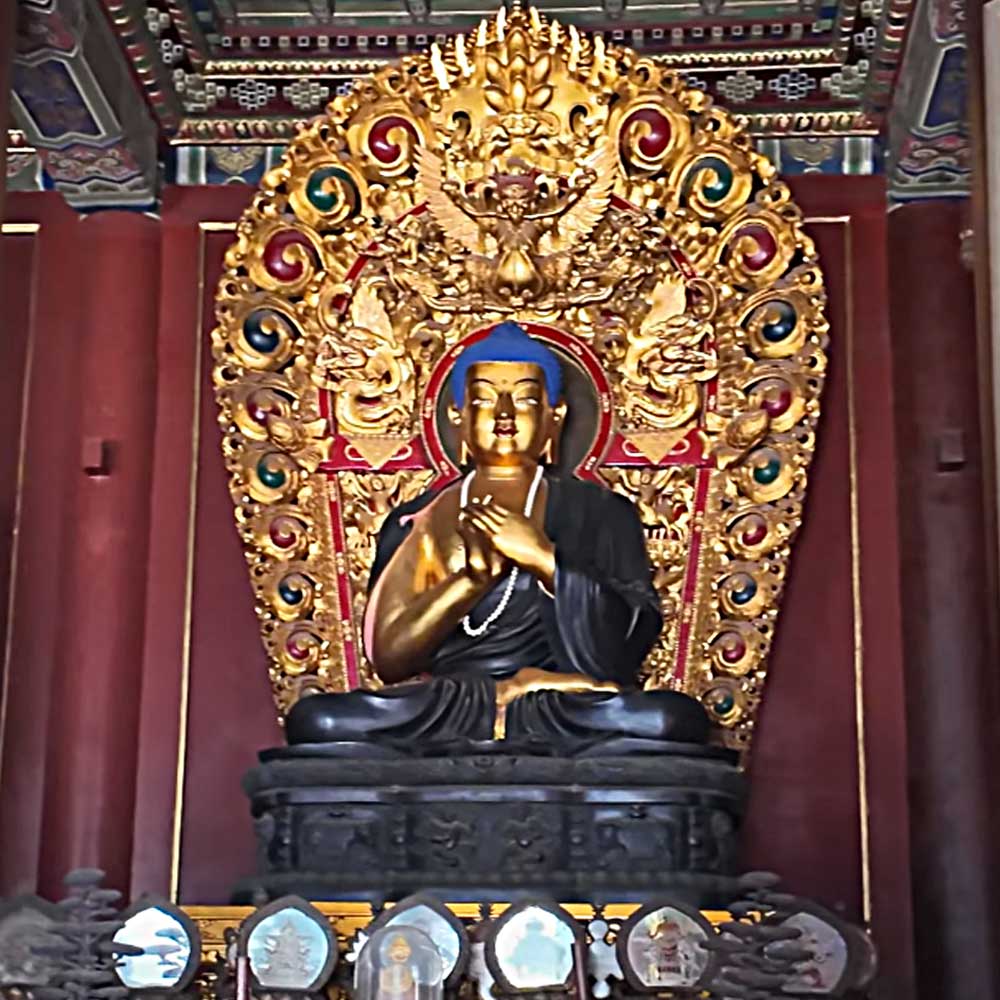
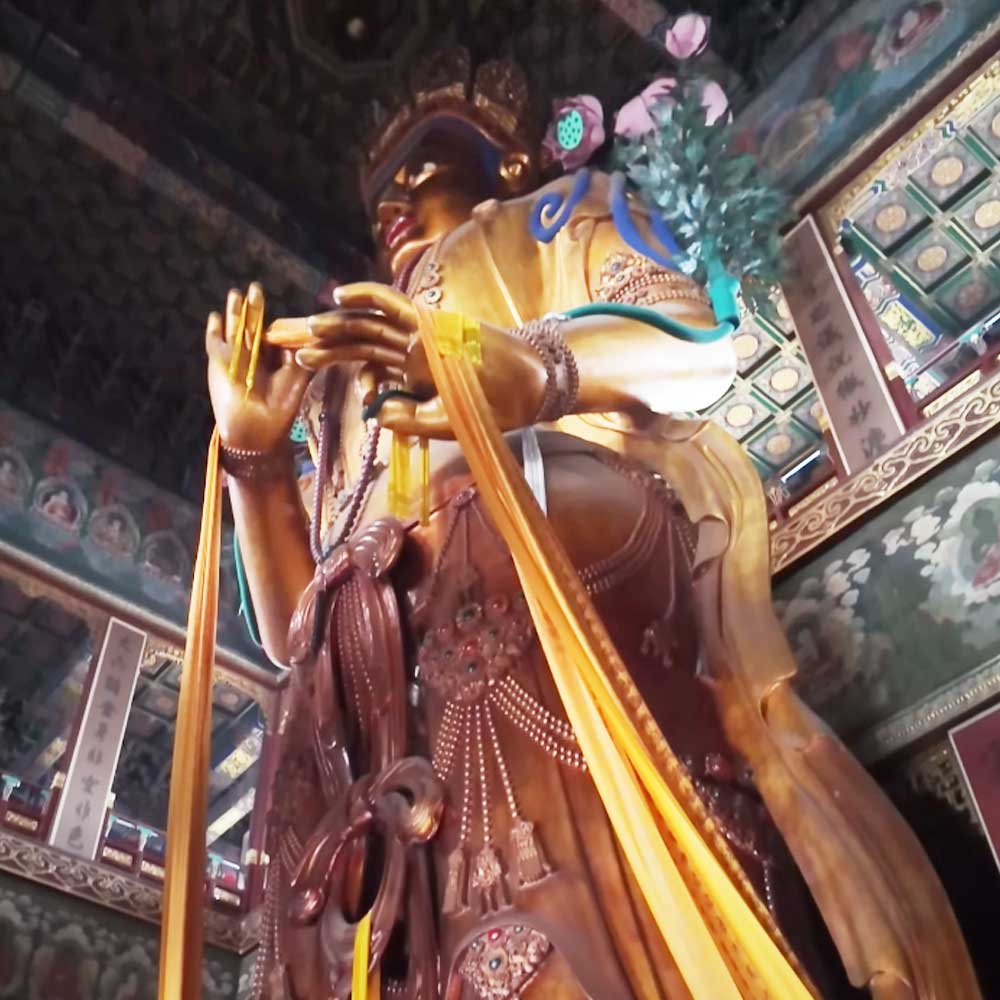
Statue of the Maitreya Buddha, white sandalwood, 18m or 60 foot high, in main hall, Lama Temple, Sect: Tibetan Buddhism, built in 1694
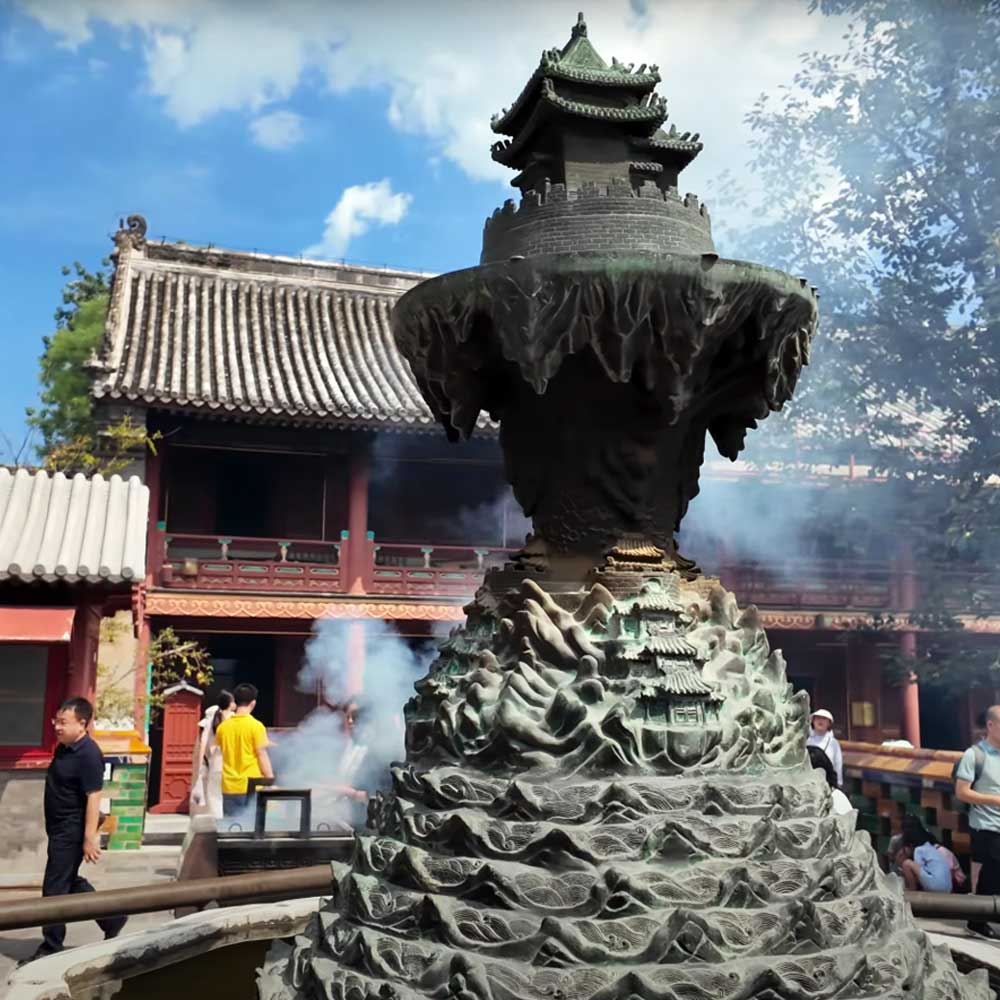
The Hall of Harmony and Peace (雍和宮), Lama Temple,  fountain and incense burner, Sect: Tibetan Buddhism, built in 1694
The Pavilion of Ten Thousand Happinesses, Lama Temple, Sect: Tibetan Buddhism, built in 1694
Entrance thru Zhaotai Gate, to the Hall of Harmony and Peace, Lama Temple, Sect: Tibetan Buddhism, built in 1694
Lama Temple, The main building and its many halls and walk way connections, Sect: Tibetan Buddhism, built in 1694
The Shrine of Tsongkhapa, 1357–1419, was an influential Tibetan Buddhist monk, philosopher and tantric yogi, Lama Temple, Sect: Tibetan Buddhism, built in 1694
The Temple of Confucius in Beijing is the place where people paid homage to Confucius during the Yuan Dynasty (1271-1368), the temple now houses the Beijing Capital Museum, built 1302
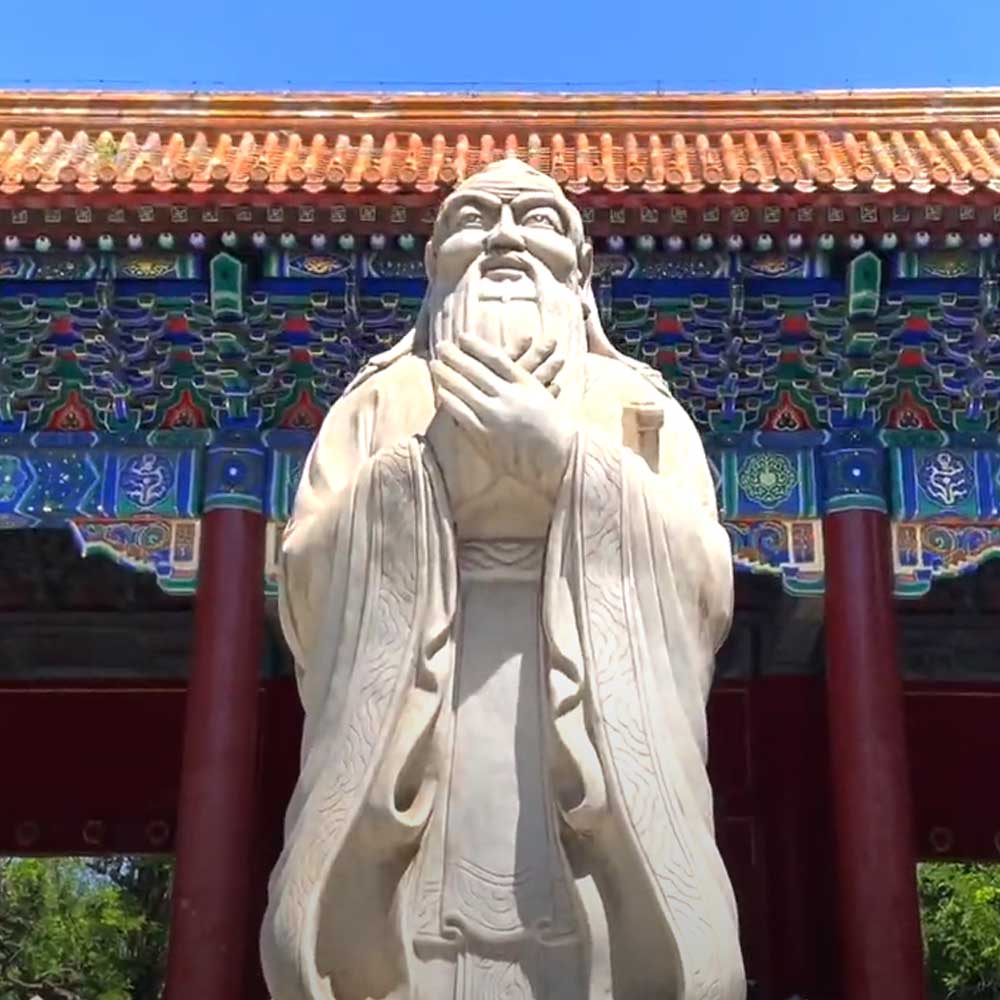
Confucius Statue at the Confucius Temple Beijing, carved marble in 1369
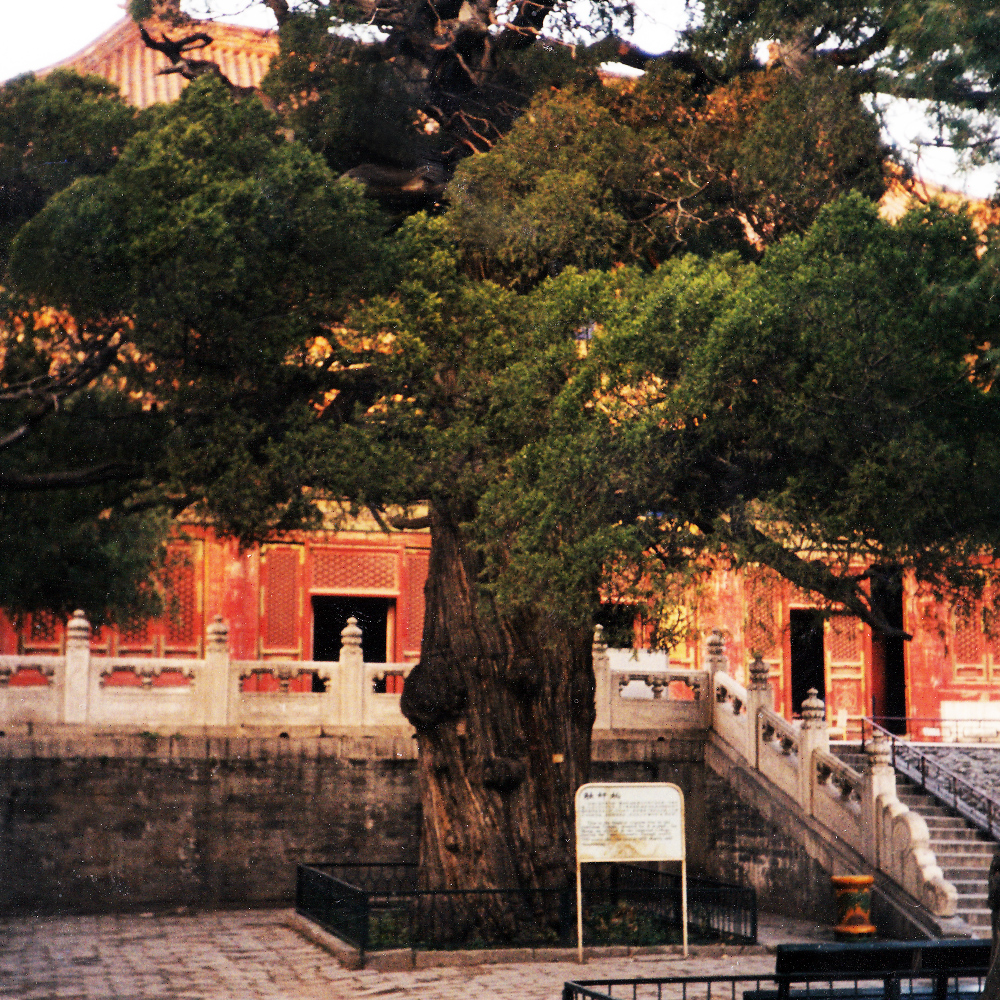
700 YEAR OLD CYPRESS, Chujian Bai (Touch of Evil Cypress) Temple of Confucius Beijing,
The GREAT WALL OF CHINA
The Great Wall of China is a vast series of fortifications built across northern China to defend against nomadic invasions. Constructed, rebuilt, and expanded from the 5th century BC through the 16th century, it is celebrated as one of the world’s great architectural wonders for its scale, history, and engineering. Soldiers, prisoners, and local laborers all contributed to its construction. I visited three sections: Badaling, Simatai, and a Han‑era stretch in the Gobi Desert dating back to the time of Qin Shi Huang.
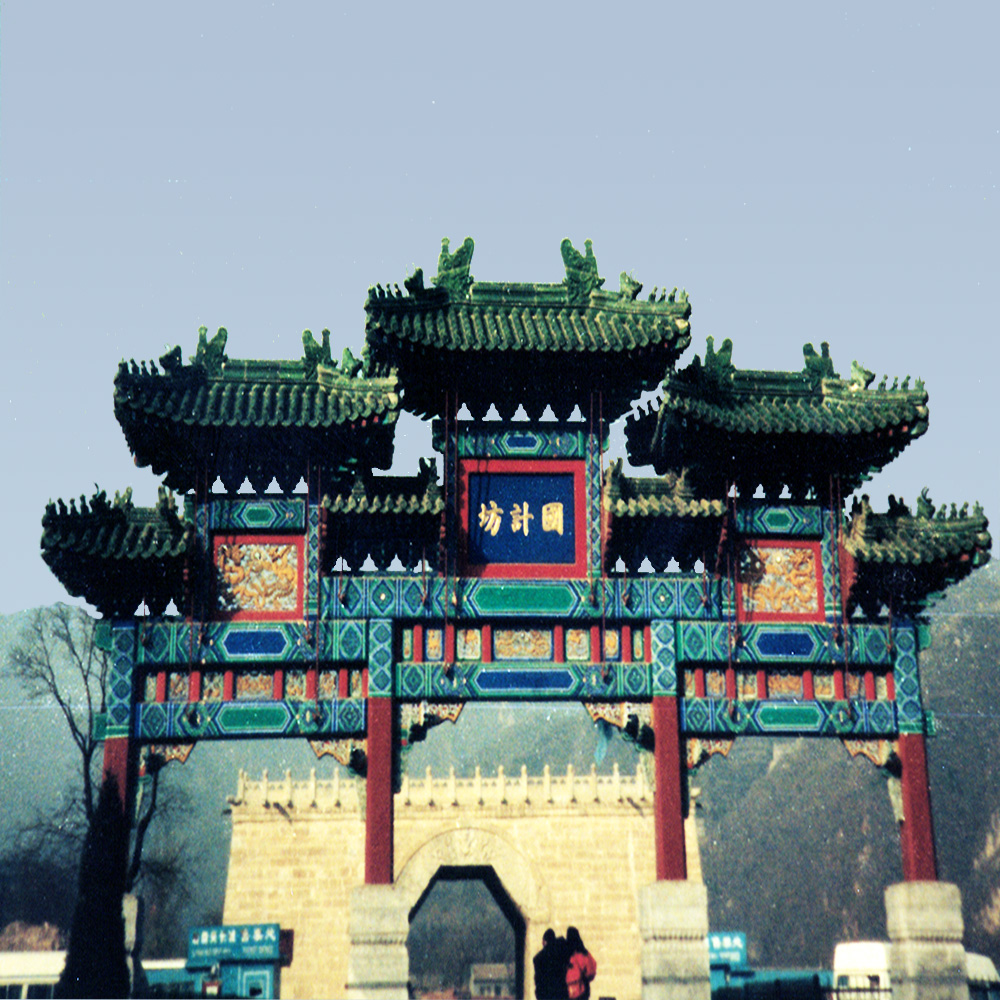
1.) The Badaling Great Wall Entrance, 43 miles from Beijing is the favorite of the Chinese and tourist
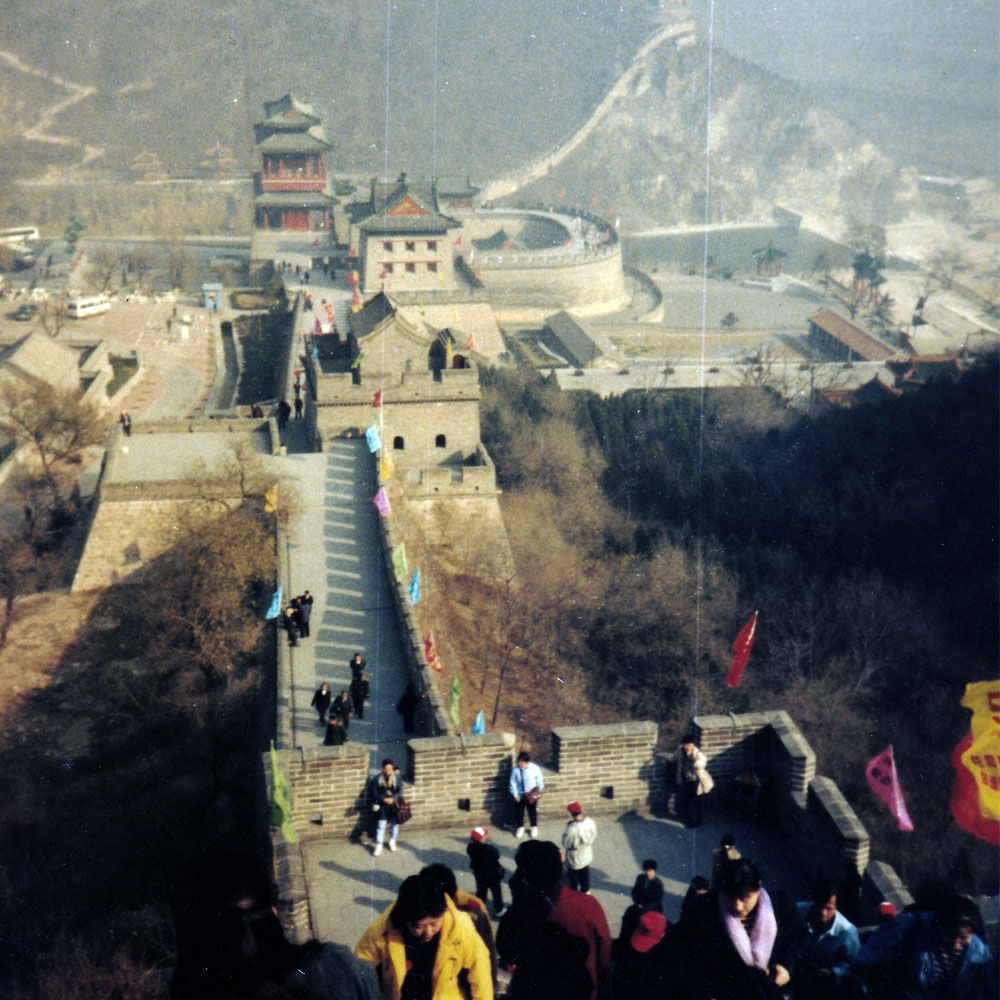
2.) Built and reinforced during the Ming Dynasty 1368-1644, Badaling is the best maintained section of The Great Wall, Beijing
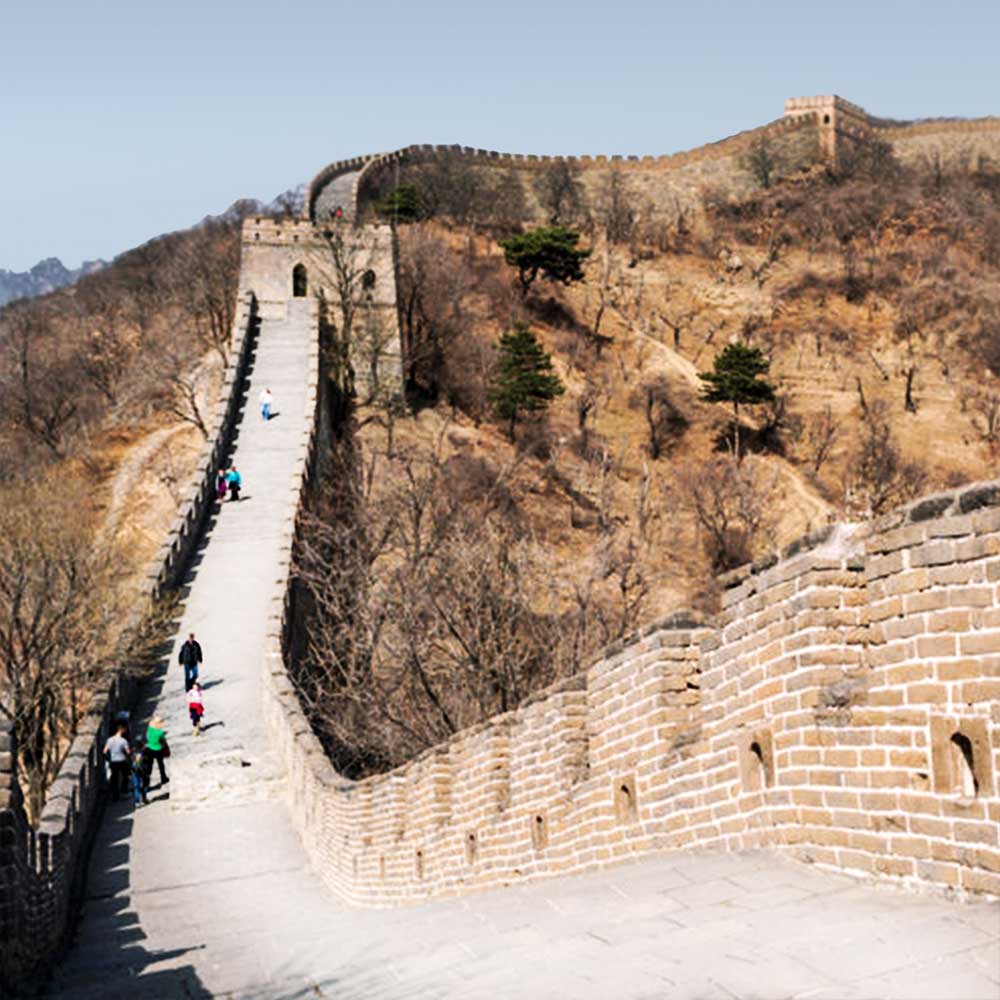
3.) There are 43 towers on the Badaling section of the Great Wall near Beijing
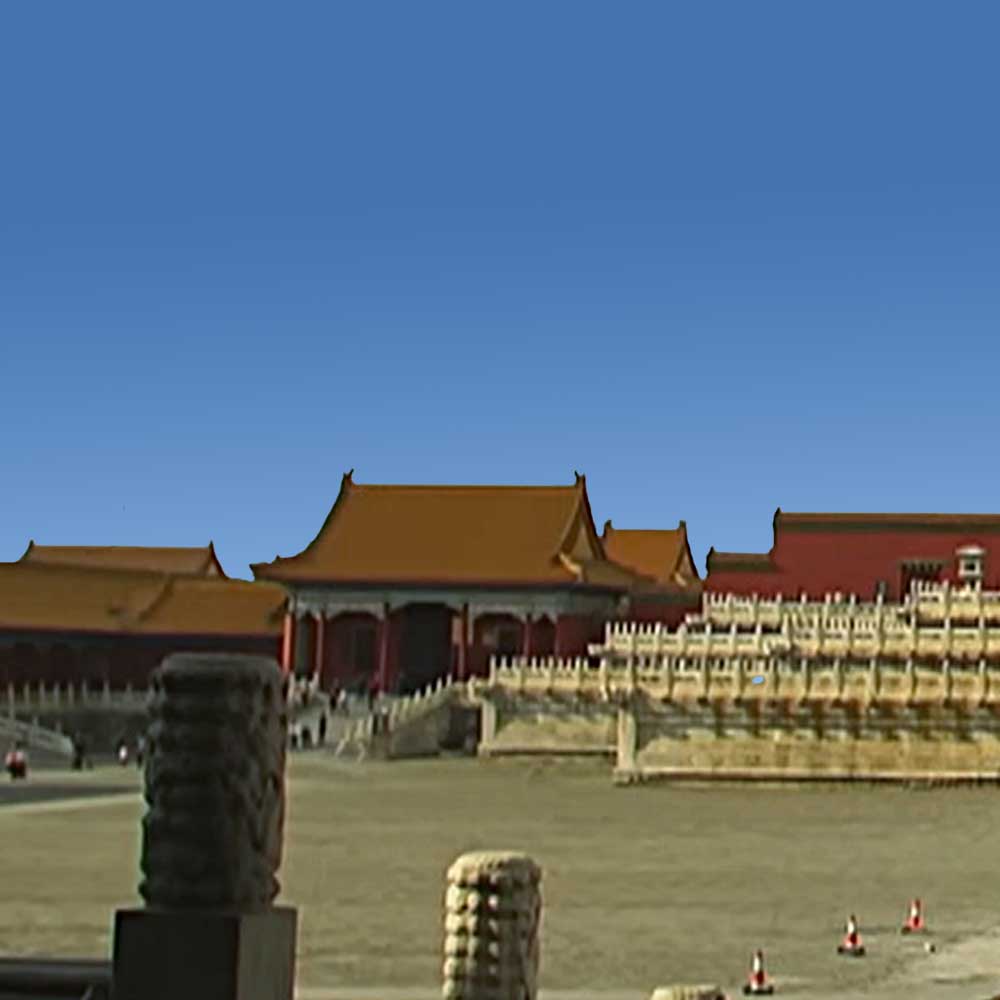
4.) The Wall winds up and down the mountain ridges with incredible scenic views, Beijing
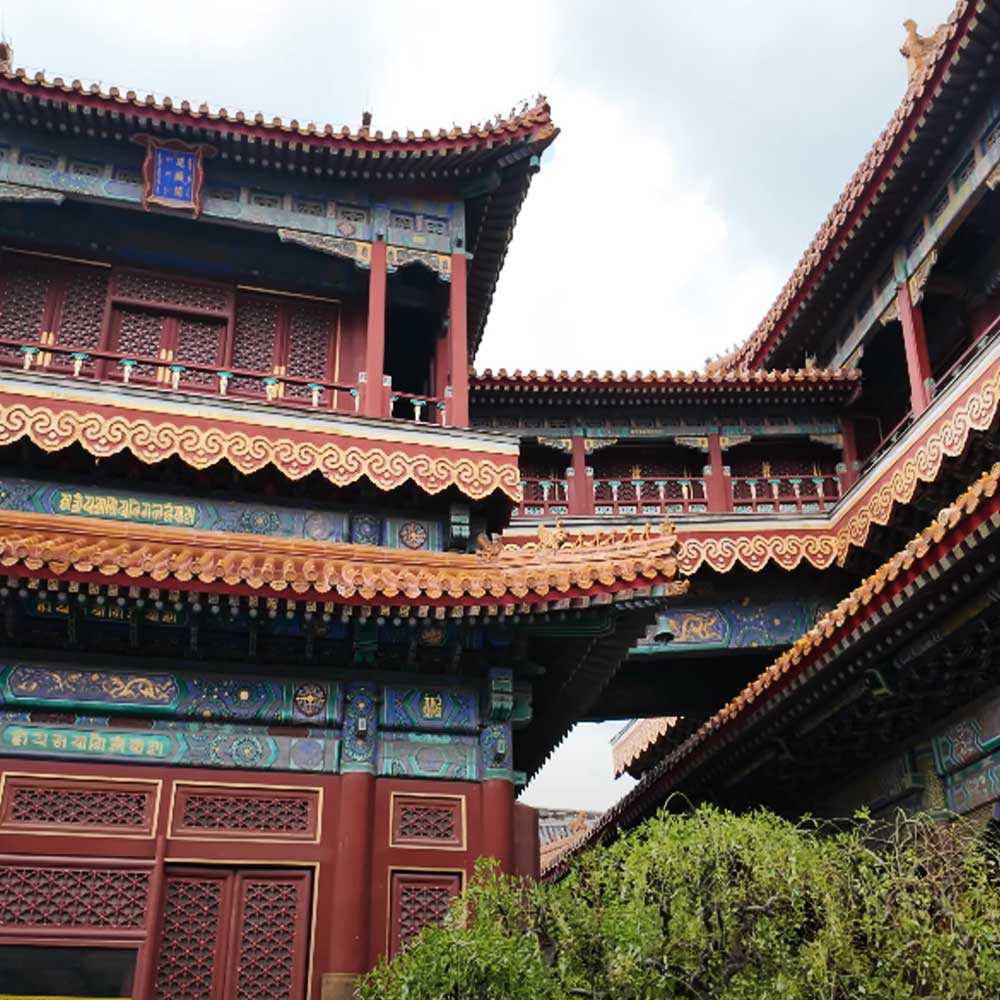
5.) Badaling Great Wall was built in the Ming Dynasty (1505) to occupy a commanding and strategic position for protecting Beijing and the Juyongguan Pass
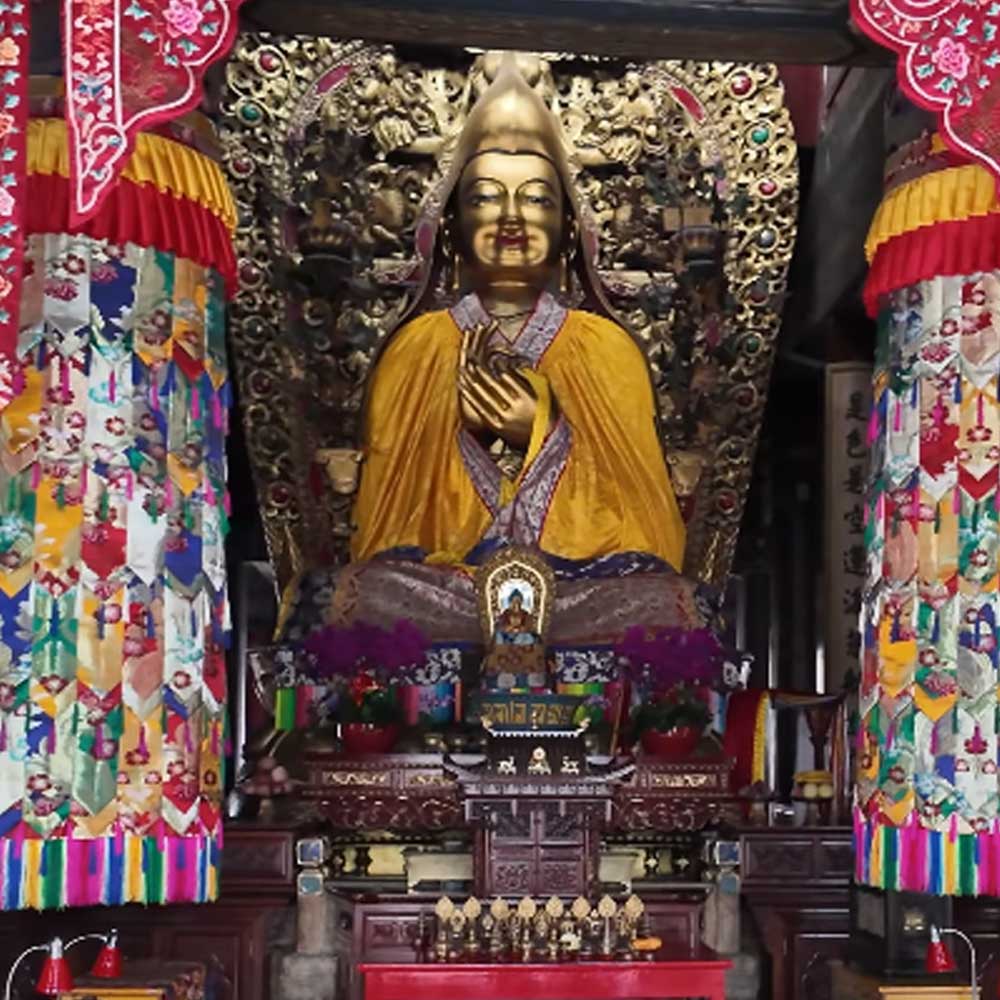
6.) The highest point of Badaling is Beibalou at 1,015 meters, (3,330 ft) and the view is magnificent, Beijing
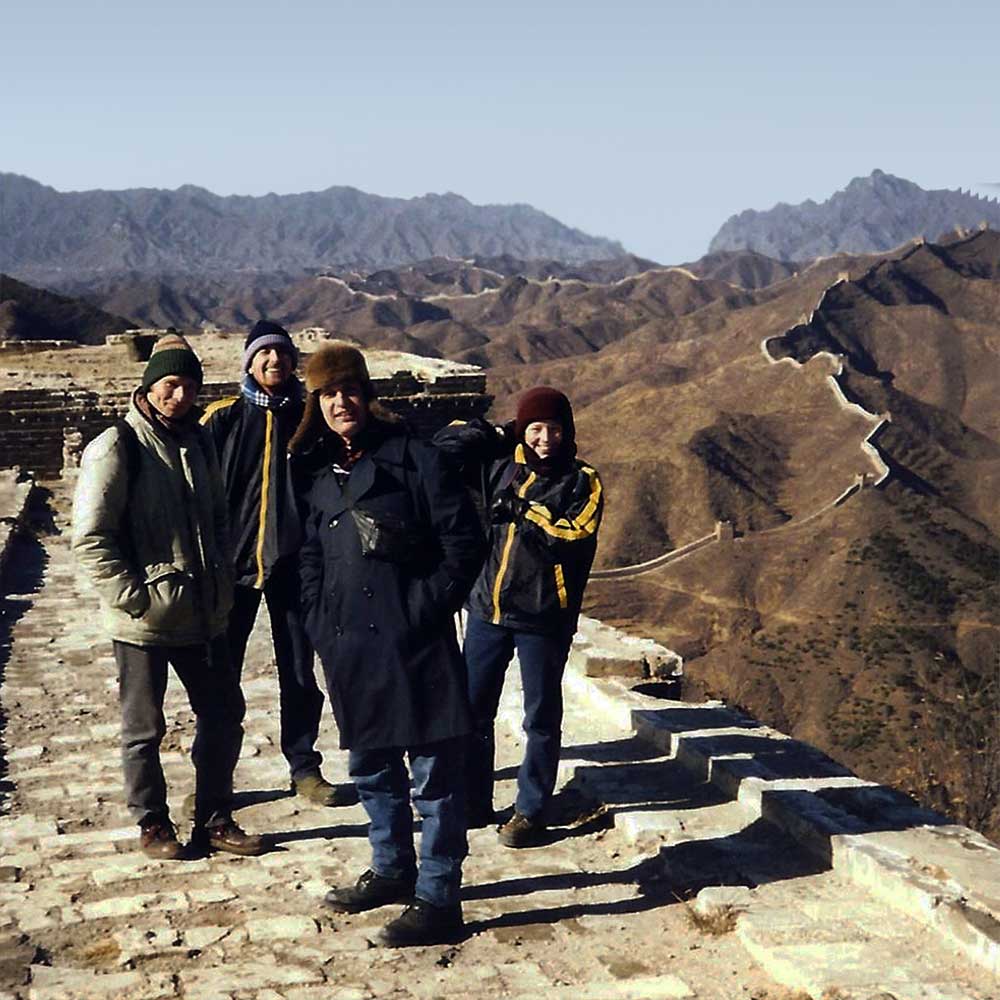
7.) I and other traveling tourist at the Simatai Great Wall, a section located 120 km or 75 miles north-east of Beijing, in Miyun County, built during the Qi Dynasty (550–577 AD), Miyun
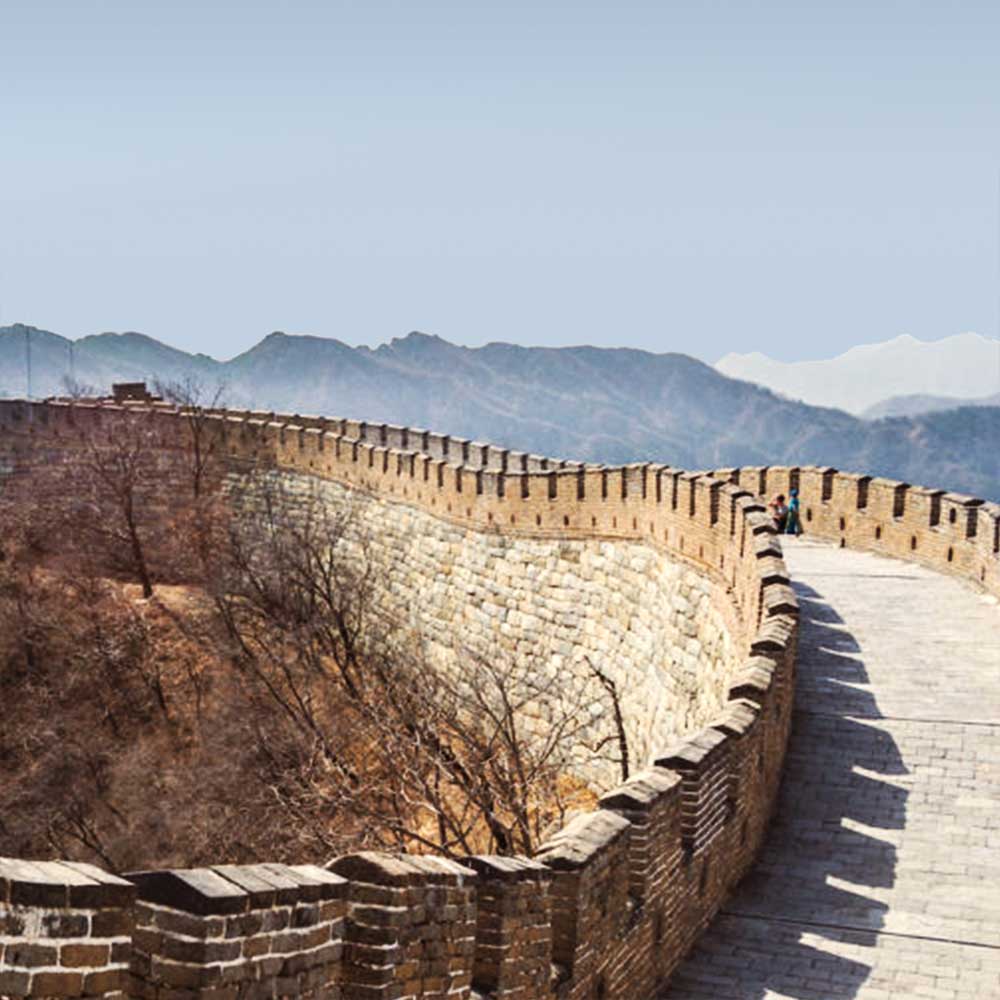
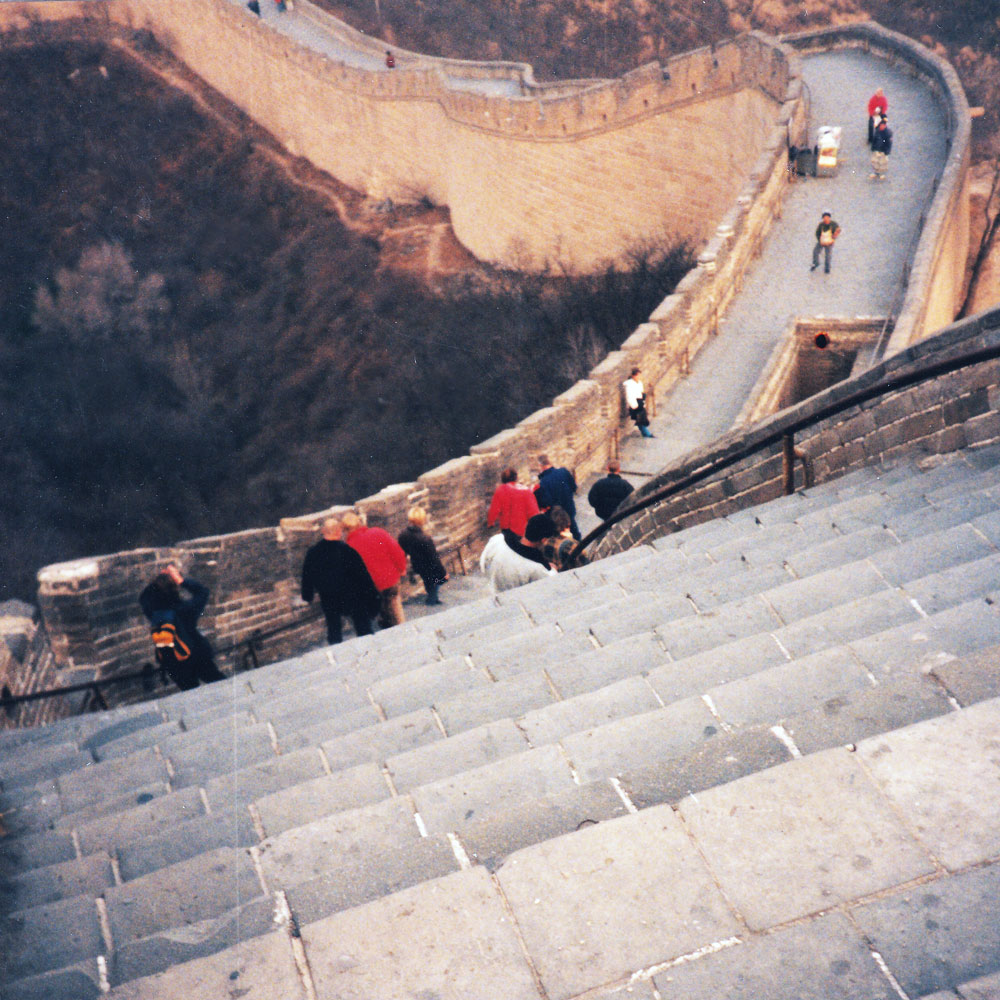
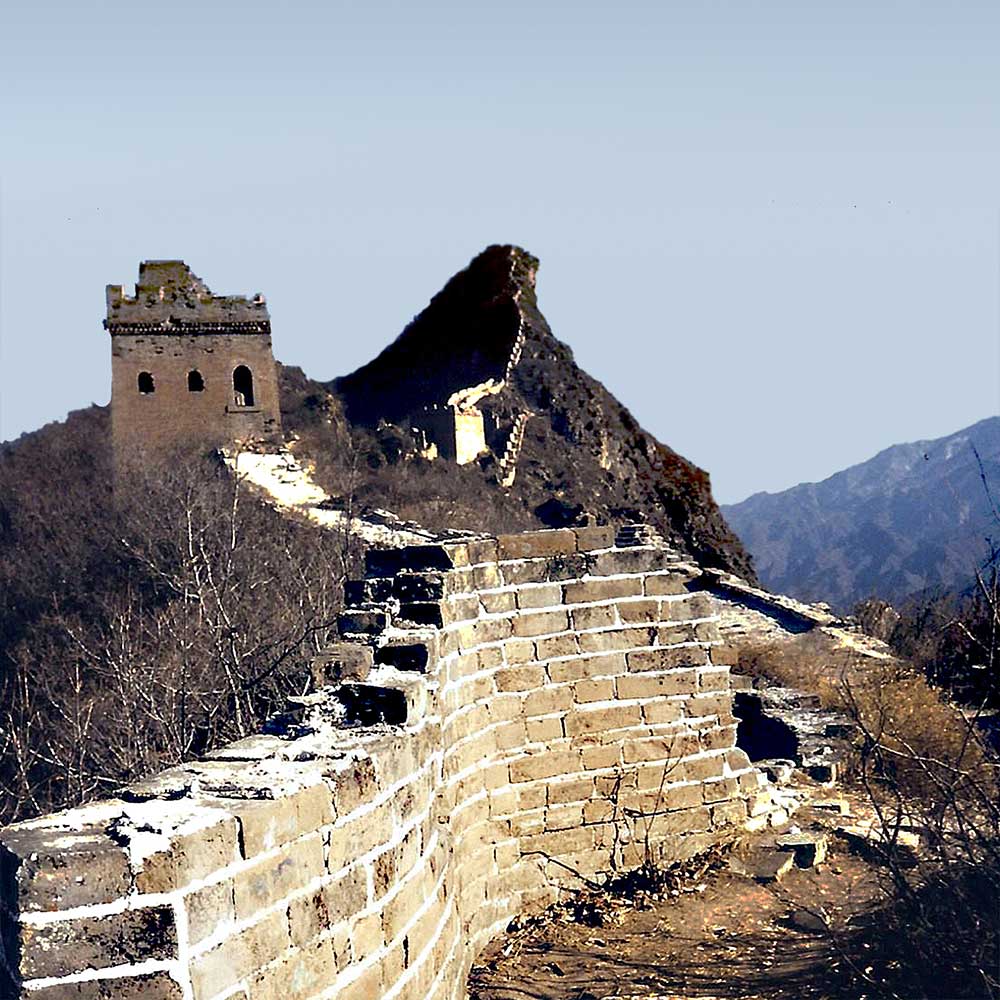
8.) The Simatai Great Wall in Miyun, continues to wind along the rolling hills for enless miles, not as well maintained as Badaling but worth the visit
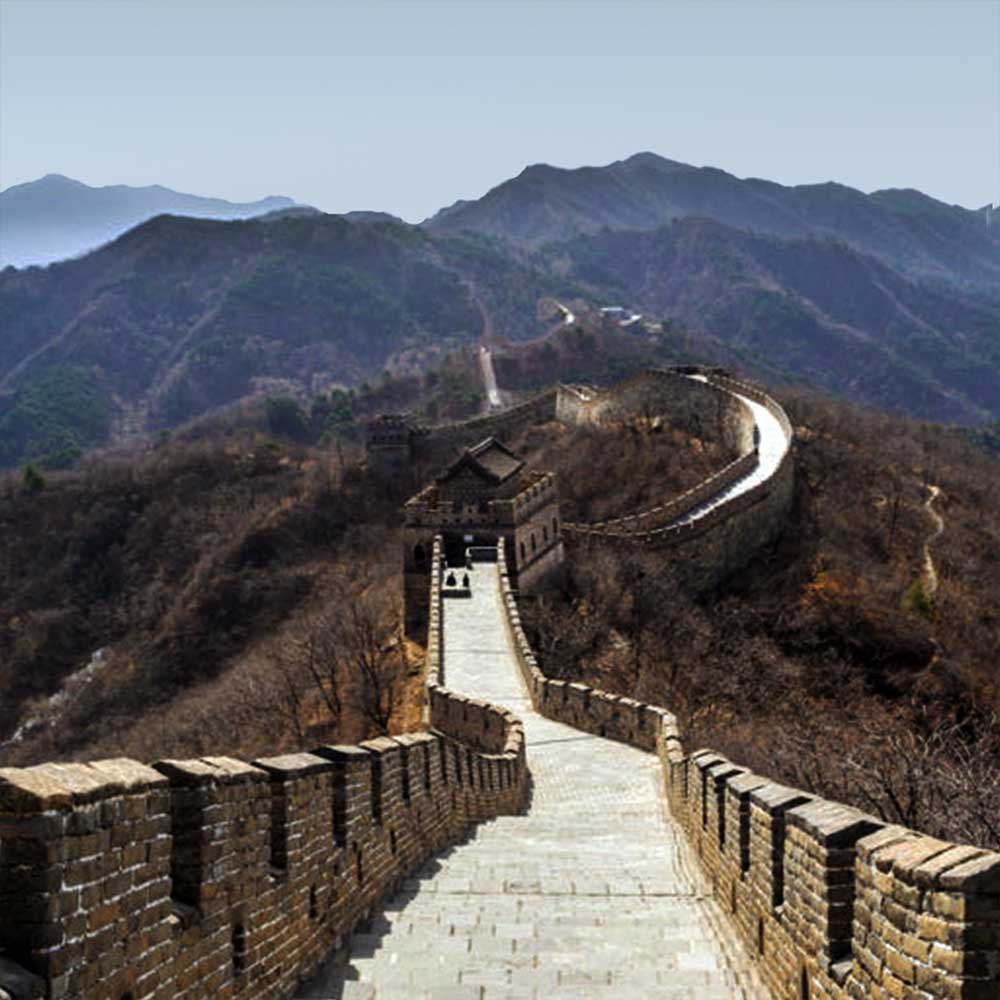
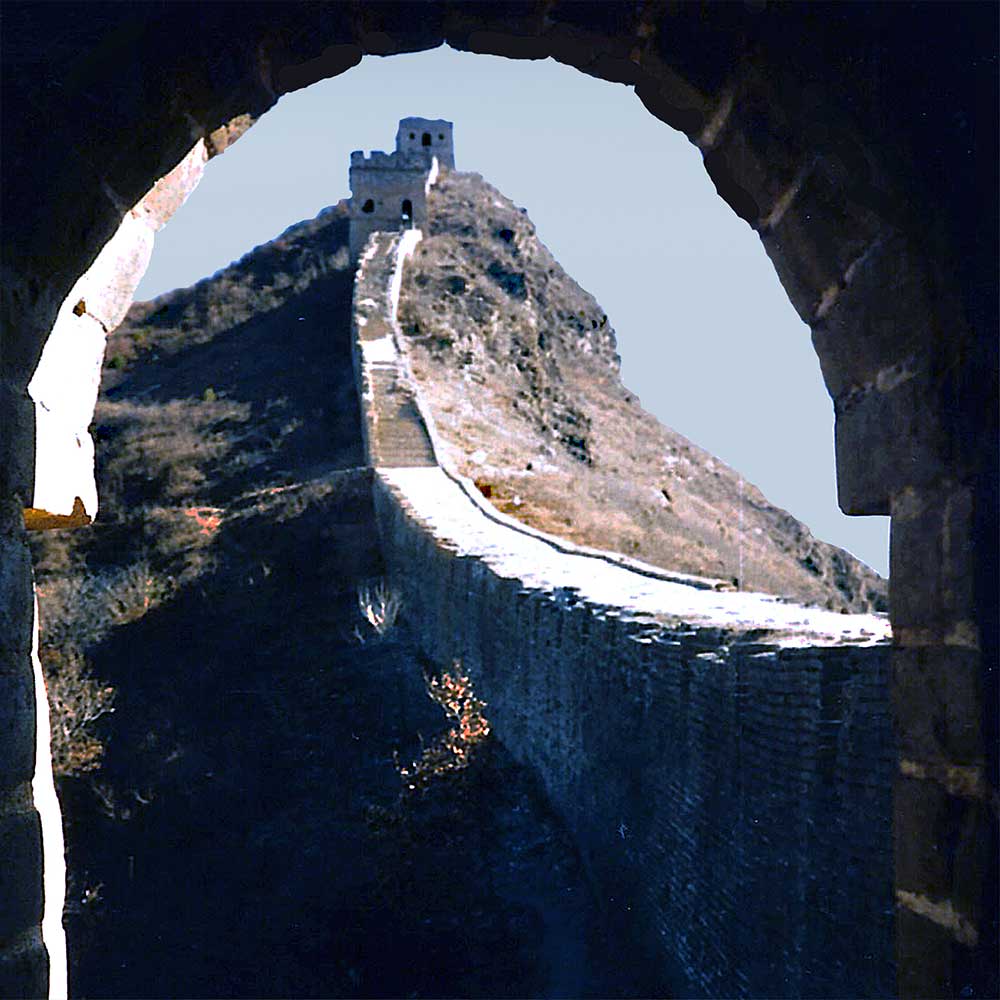
9.) The Simatai Great Wall in Miyun, has 17 watchtowers hanging precariously onto the Yan Mountains known for their steepness
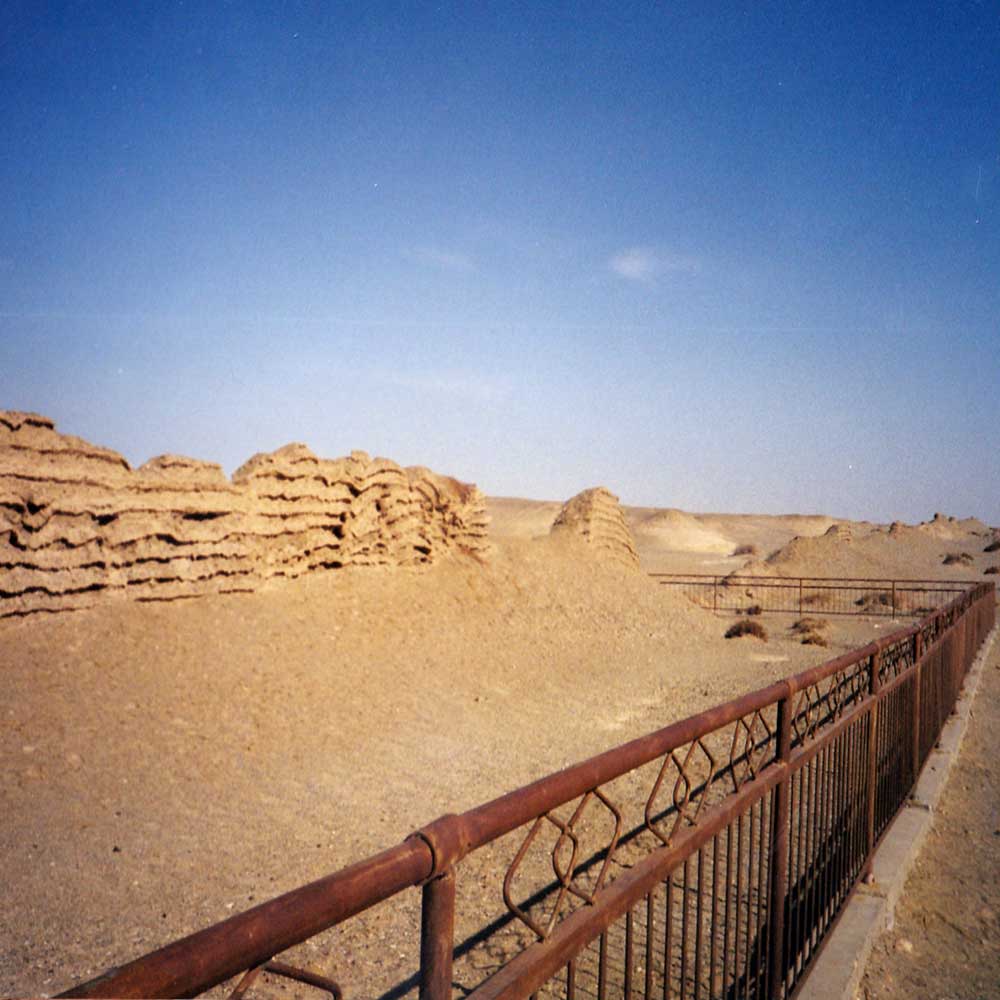
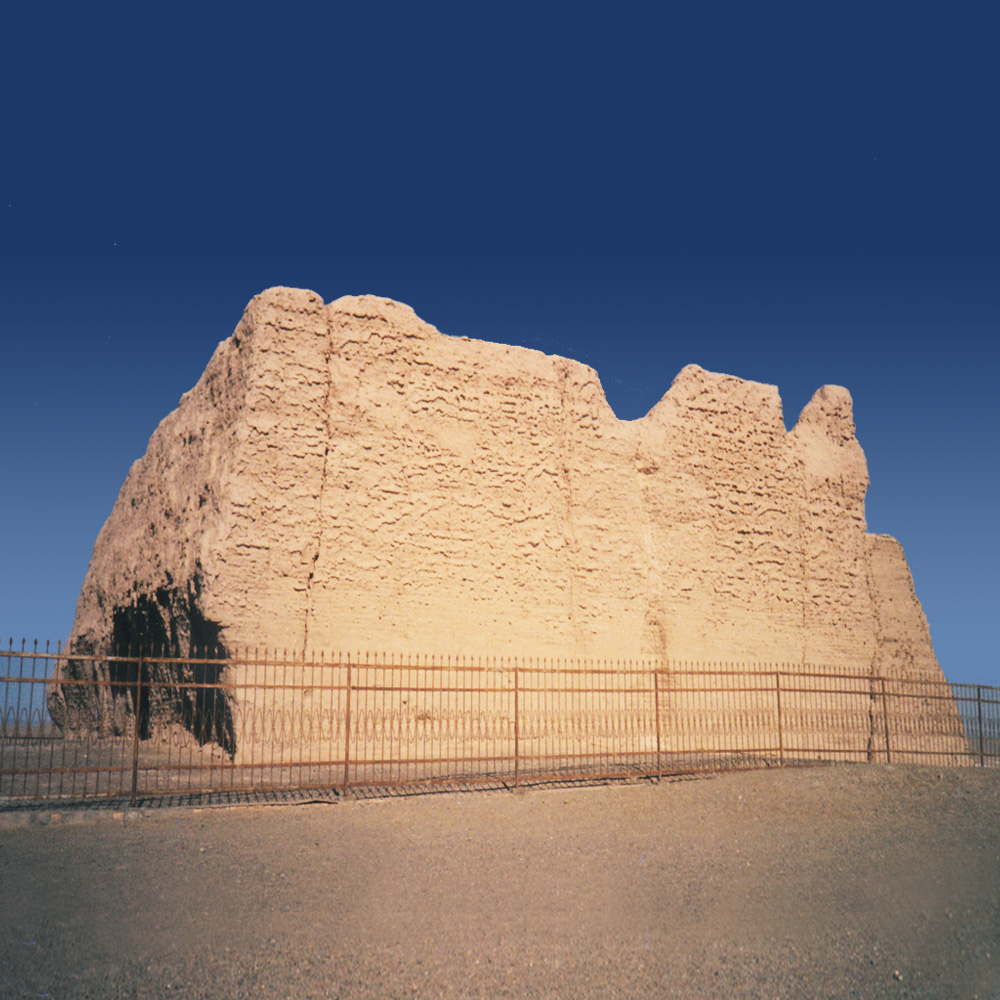
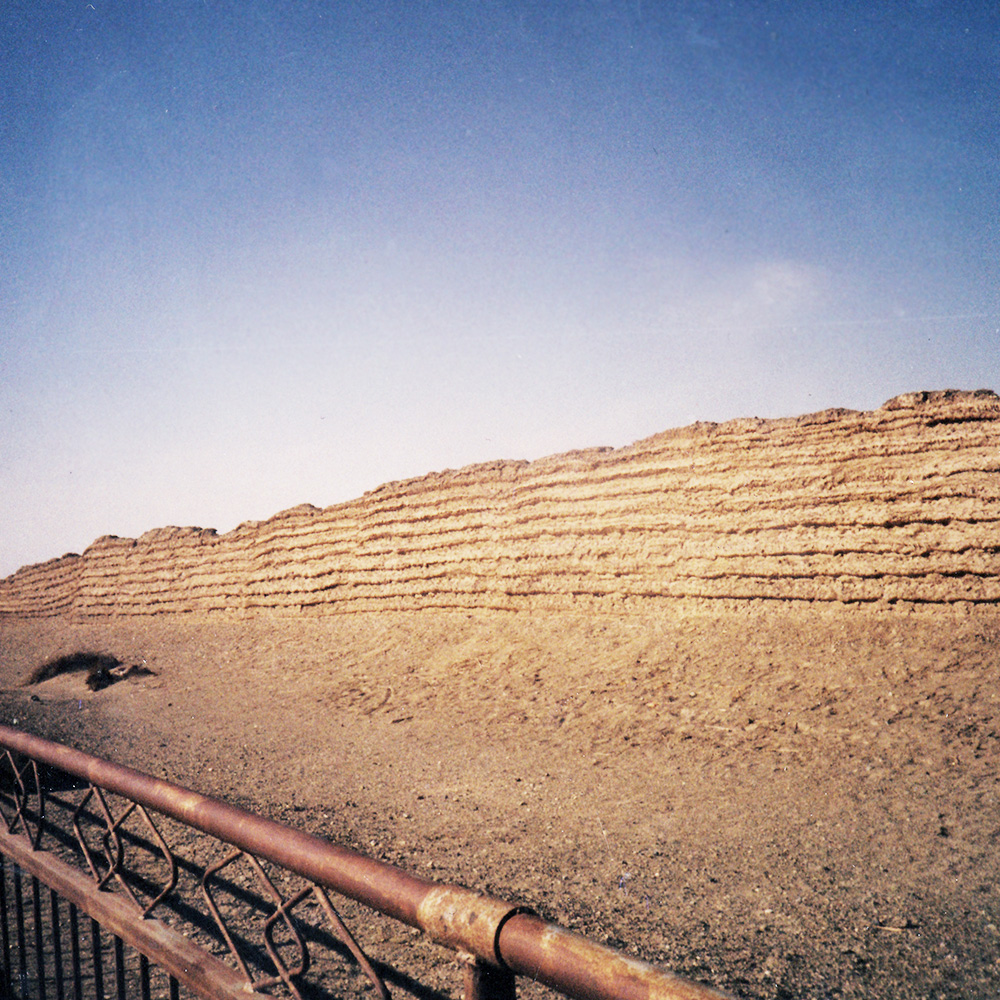
10.) Ruins of the original Han Dynasty Great Wall in the Gobi Desert, 2nd Century BC, Dunhuang
11.) Ruins of the watchtower at Yumen Pass, the Great Wall, built by Emperor Wudi, around 121 BC, Han dynasty, in the Gobi Desert, Dunhuang
12.) Ruins of the original Han Dynasty Great Wall in the Gobi Desert, 2nd Century BC, Dunhuang
Website & Content Created by Richard Brafford, © 2025, All Rights Reserved, Fair Use Disclaimer for Non-Commercial Use for Educational & Entertainment Purposes OnlyTop