Mogao Caves, DUNHUANG, CHINA
Dunhuang, located in China’s Gansu Province on the edge of the Gobi Desert, was once a vital Silk Road outpost. It is best known for the
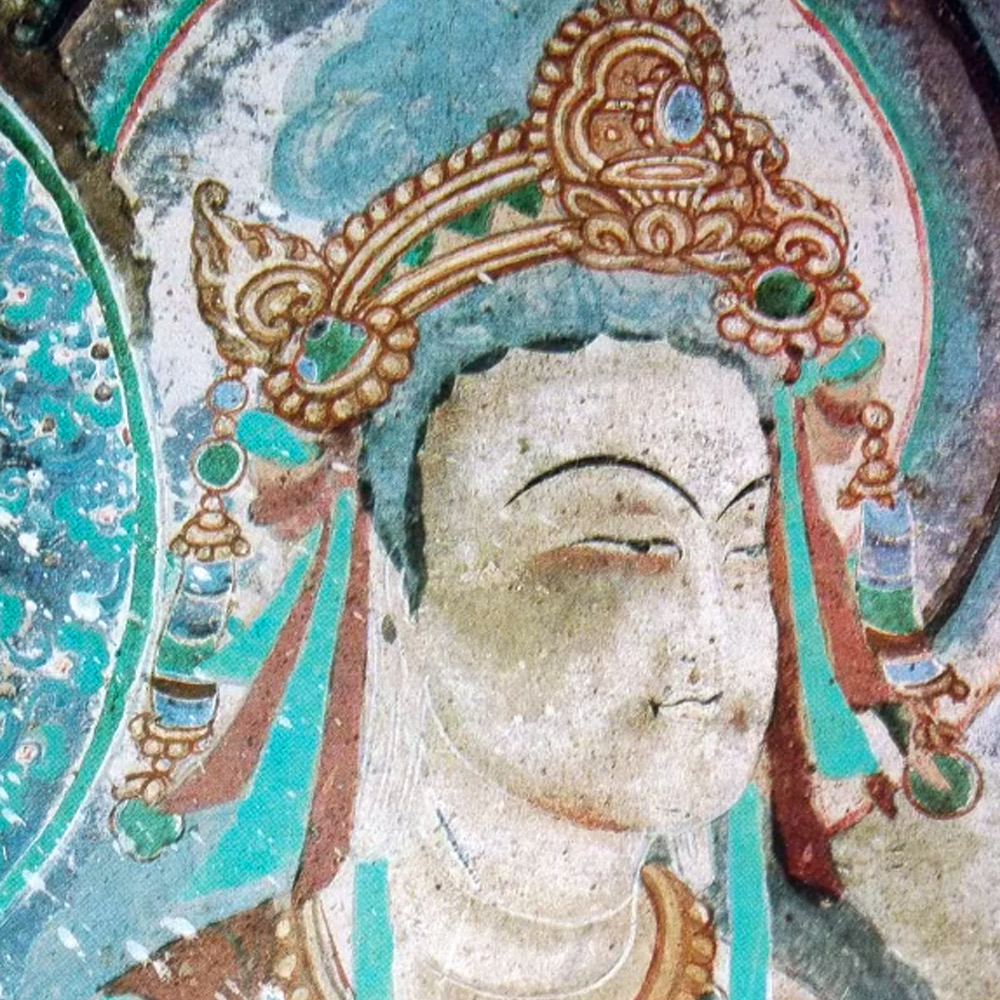
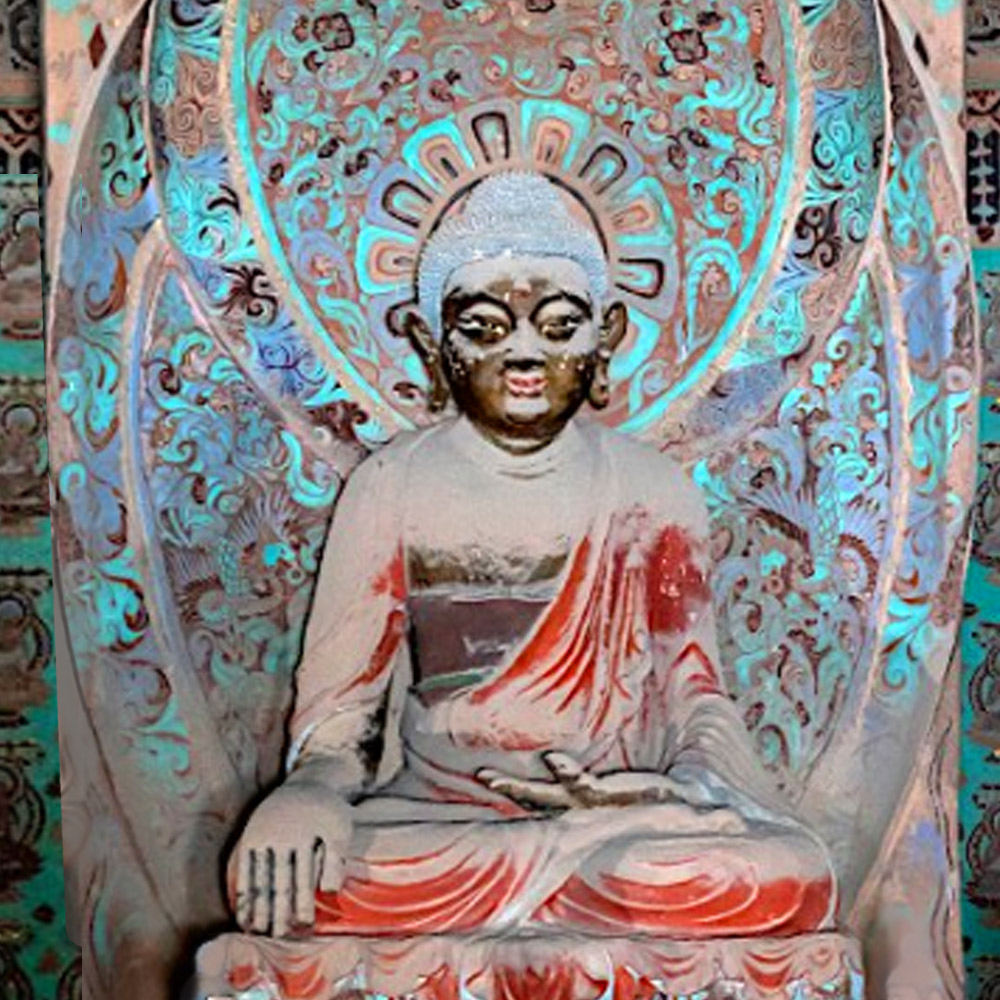
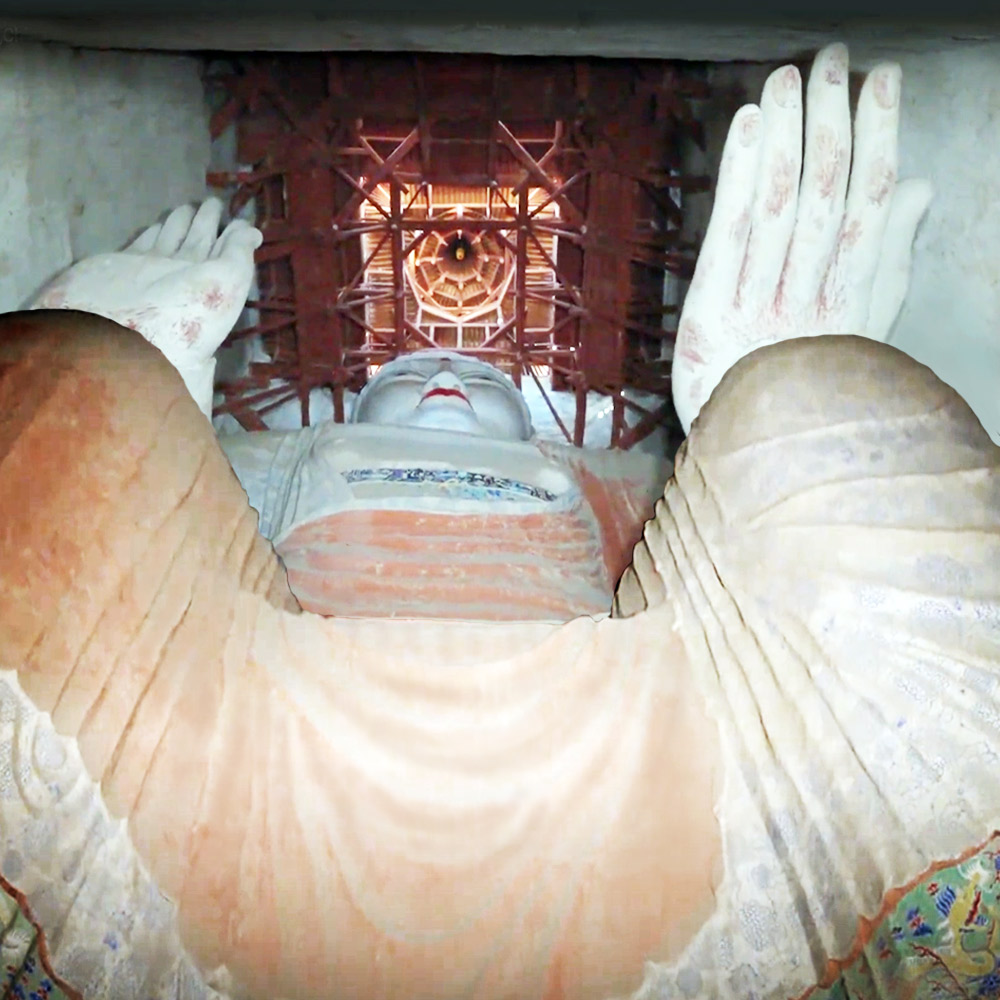
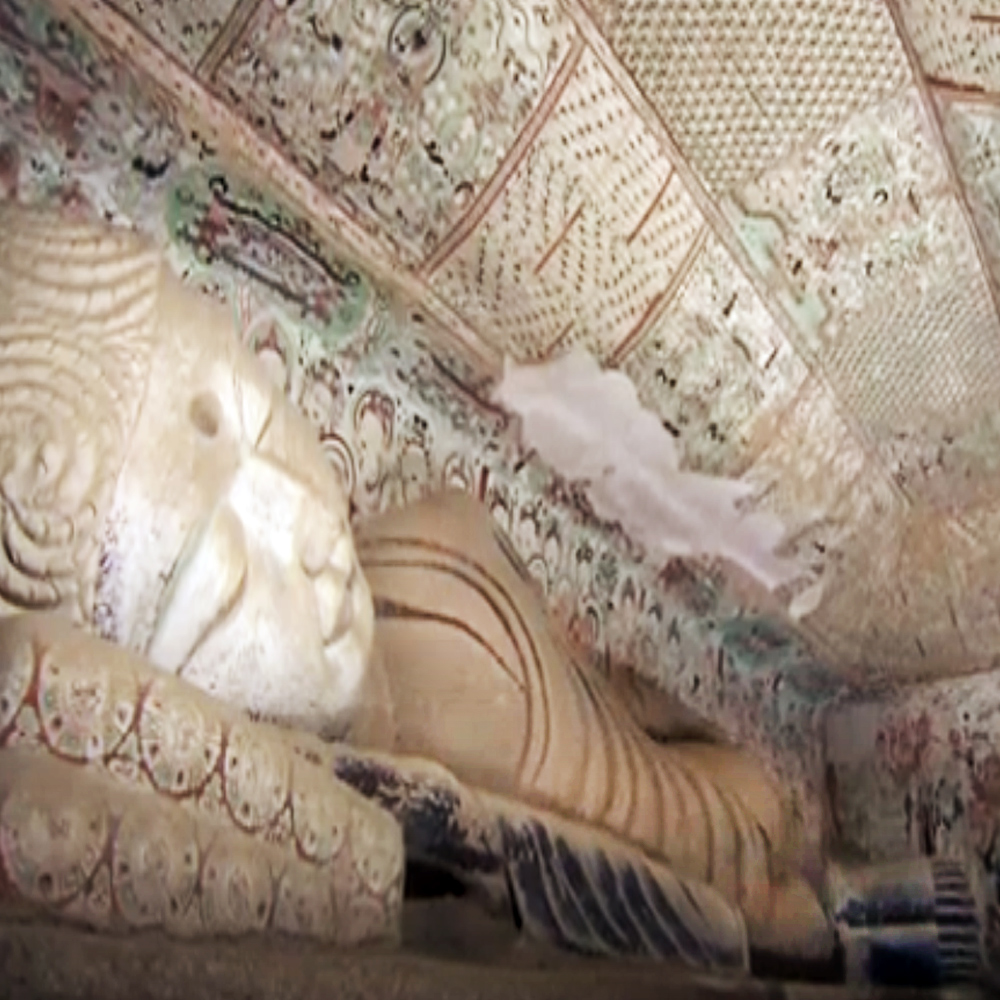
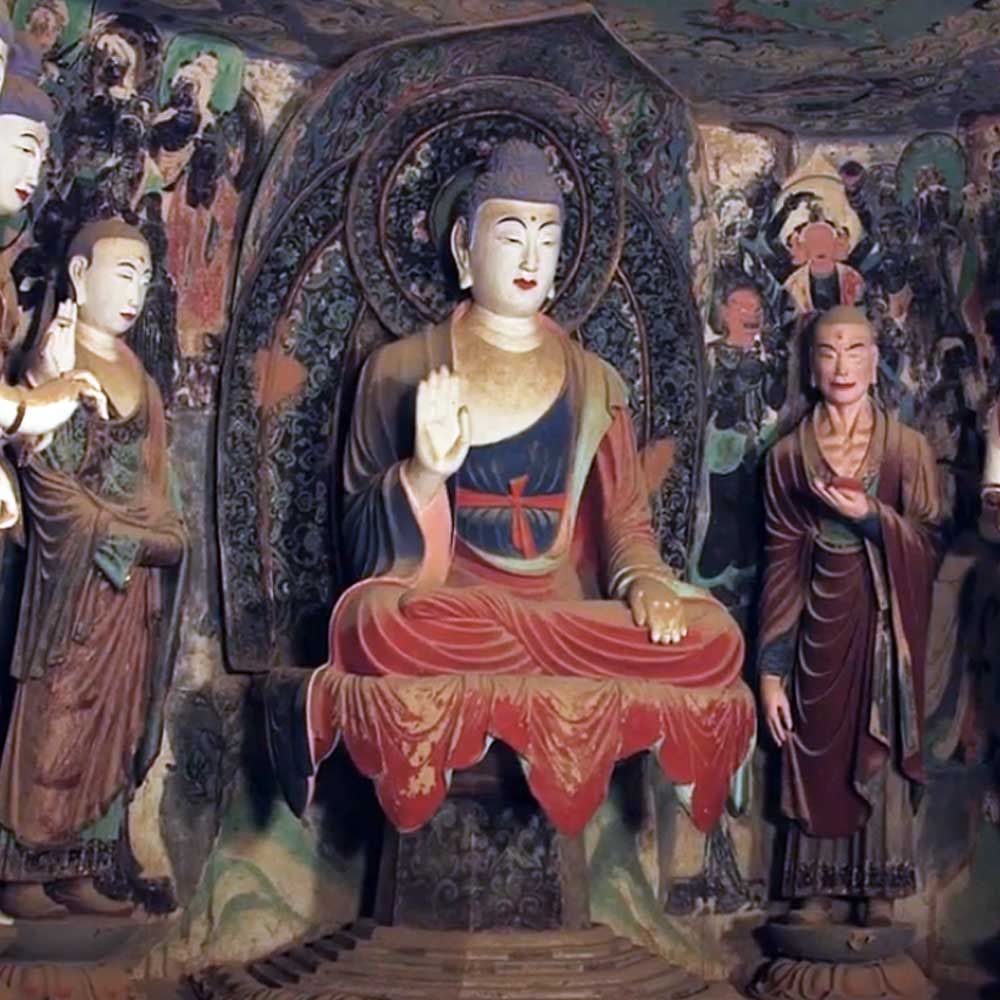
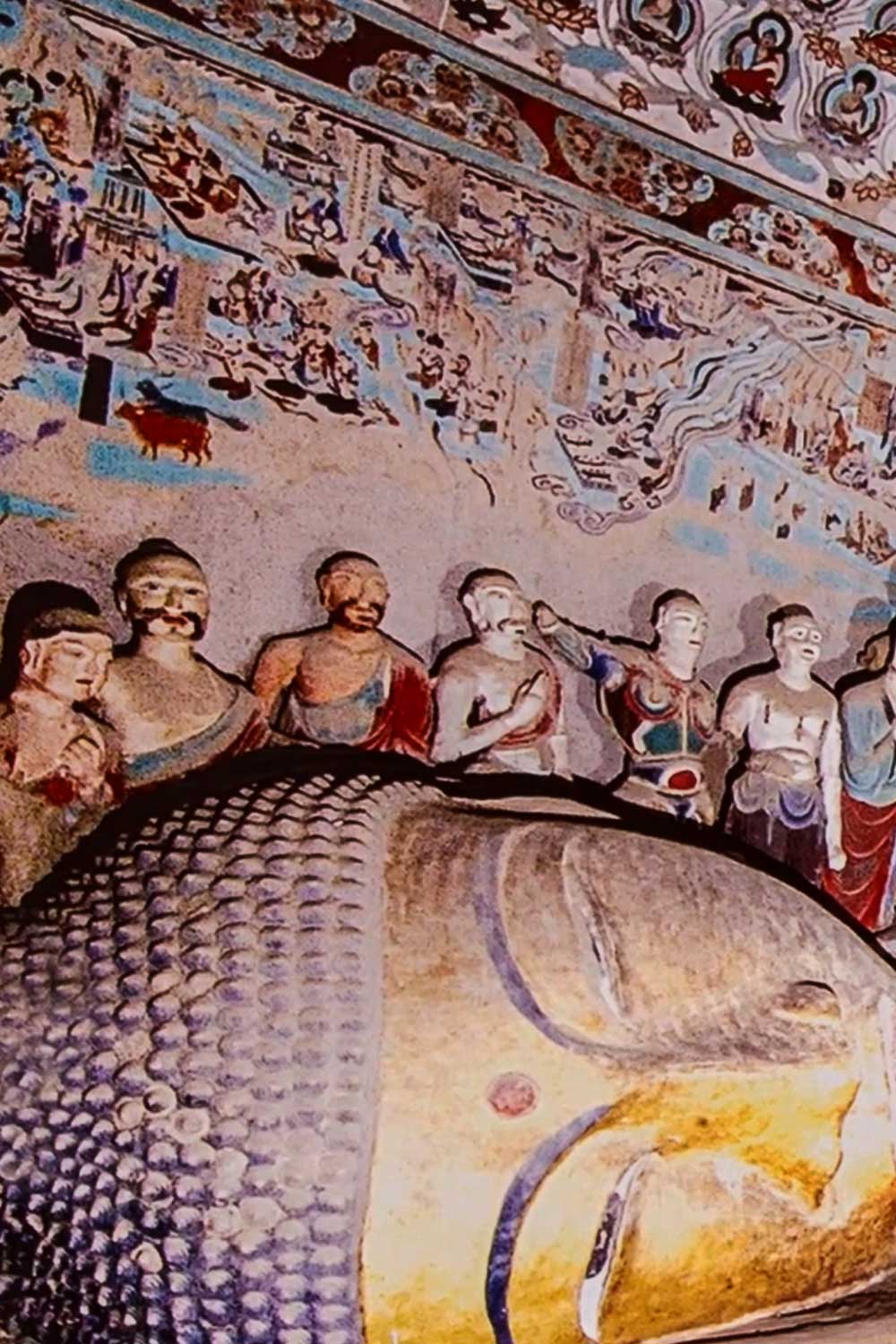
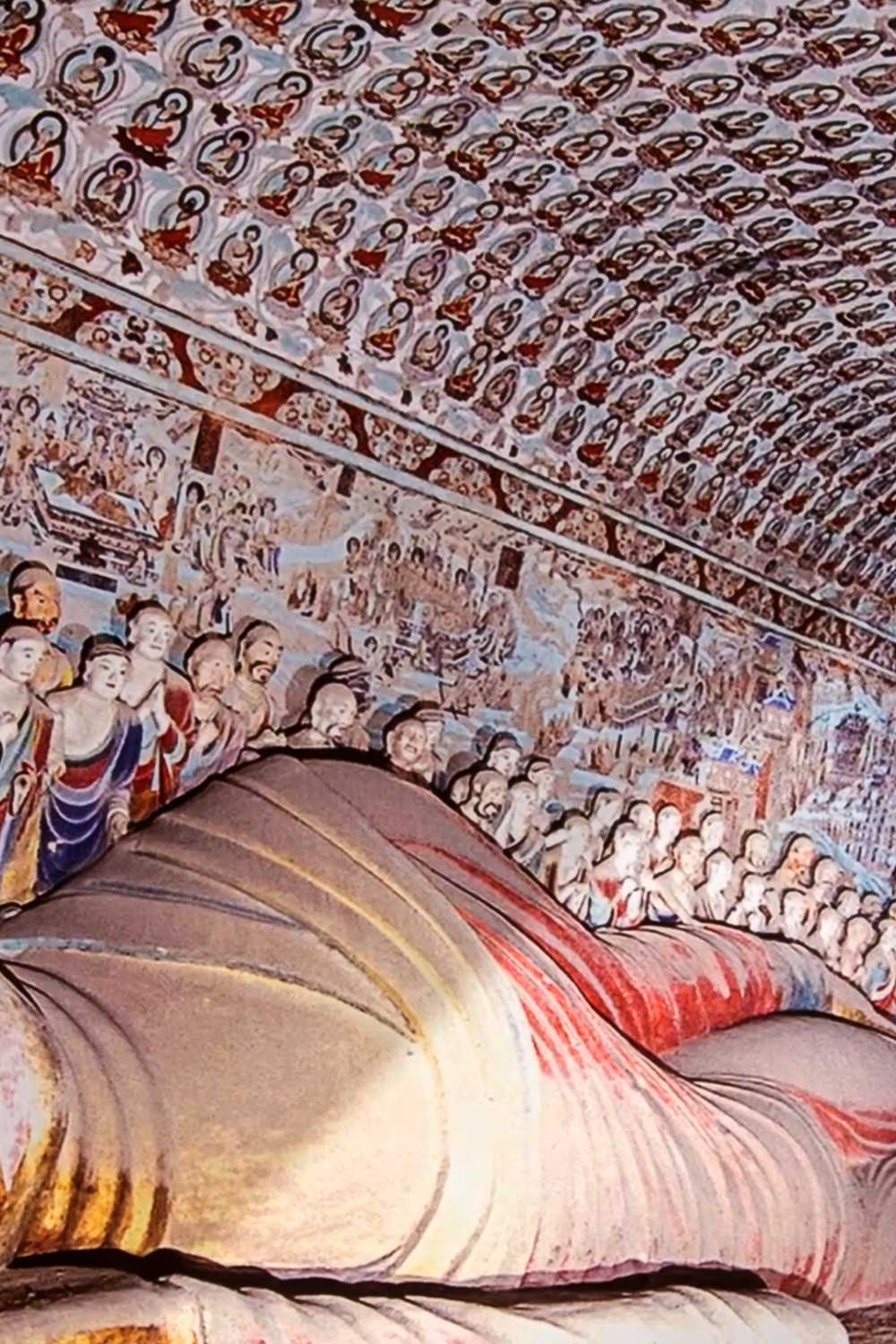
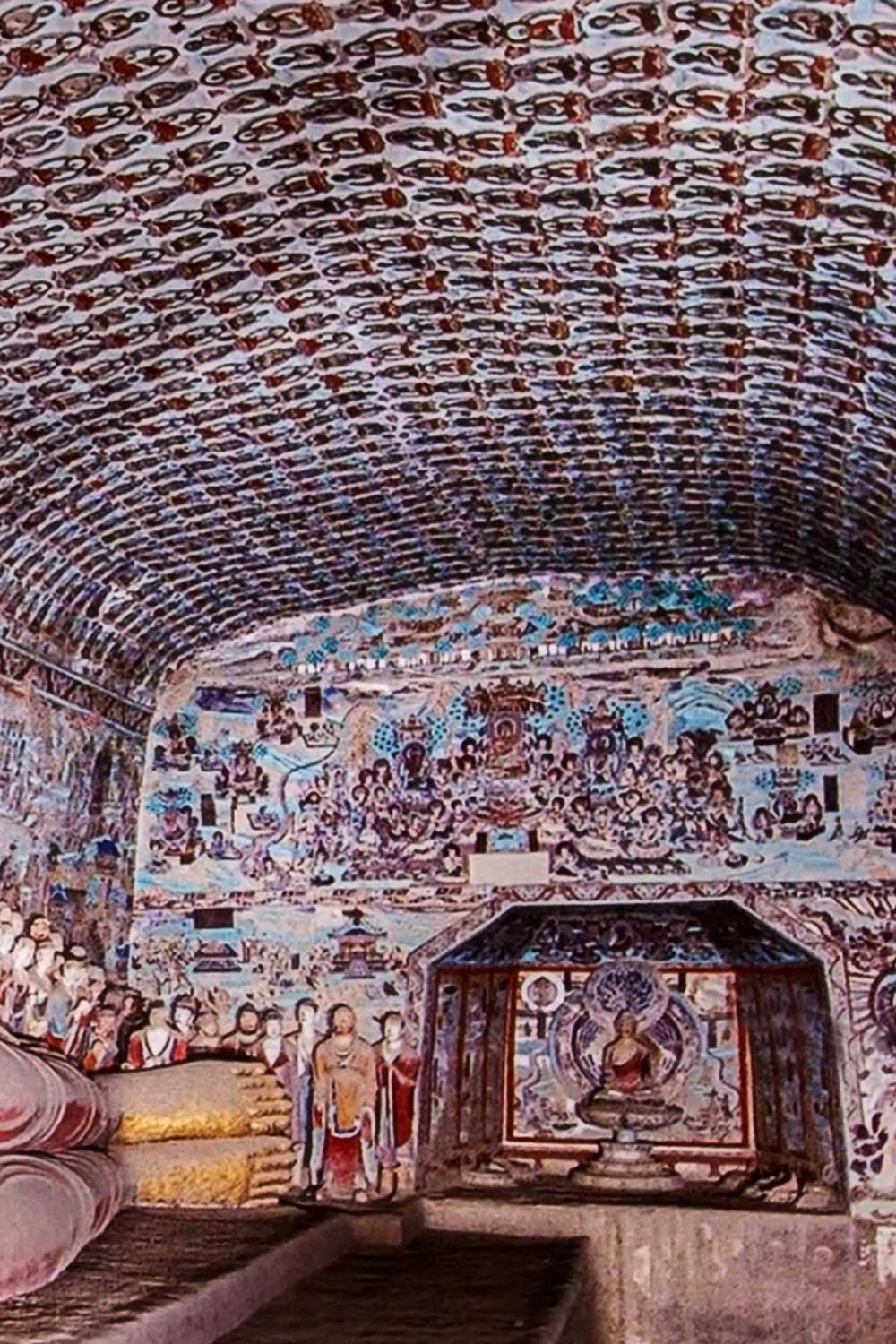
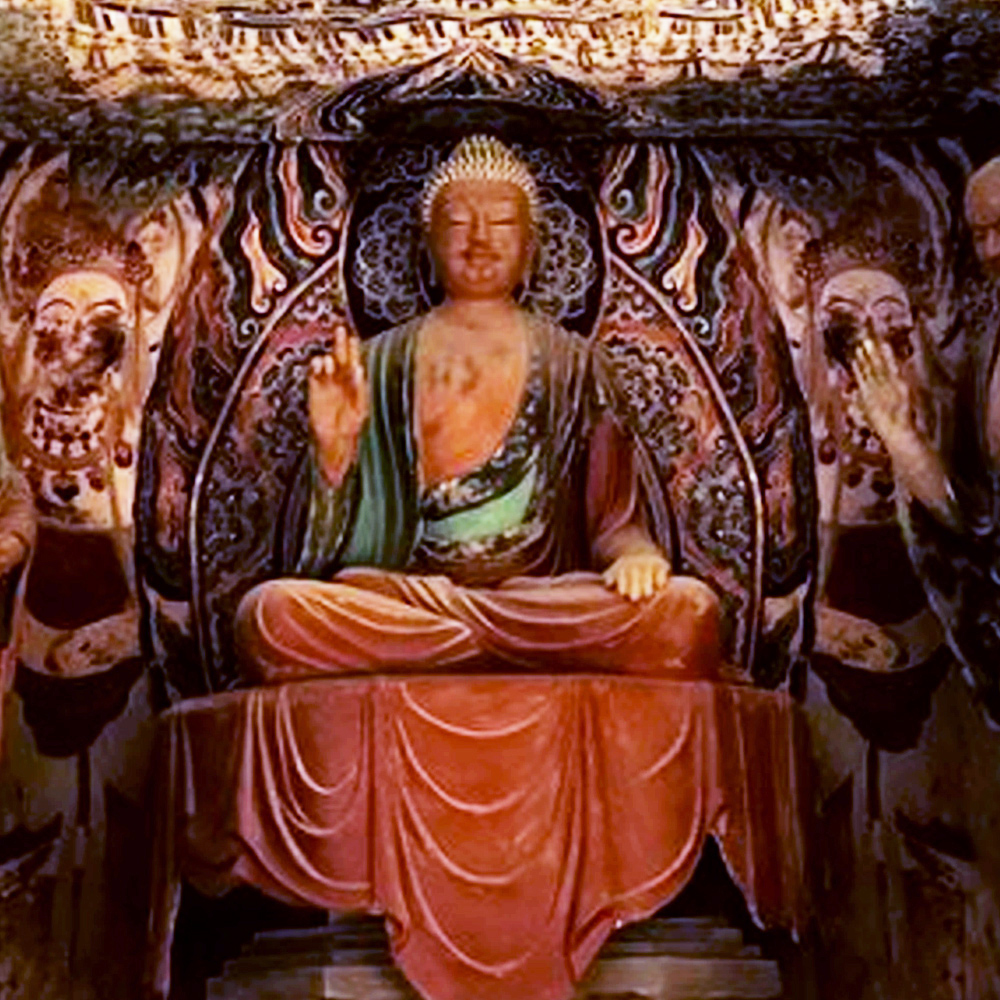
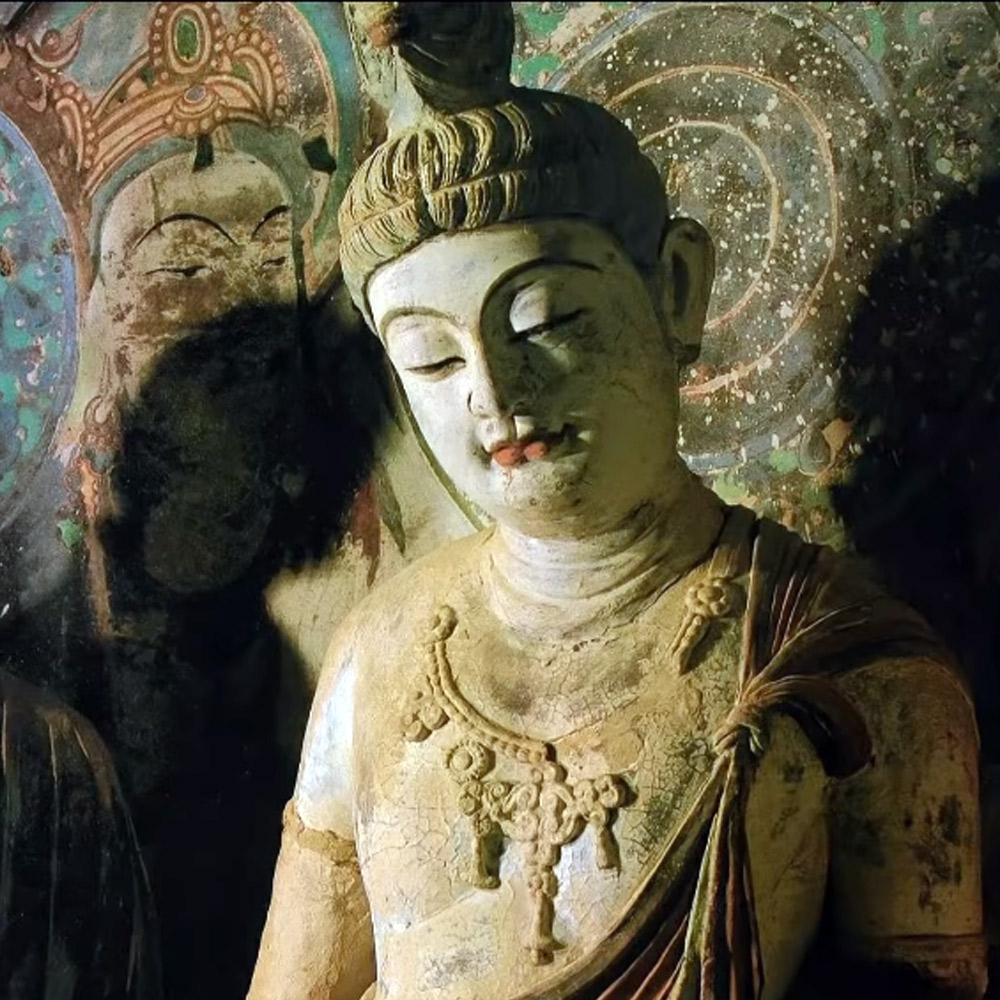
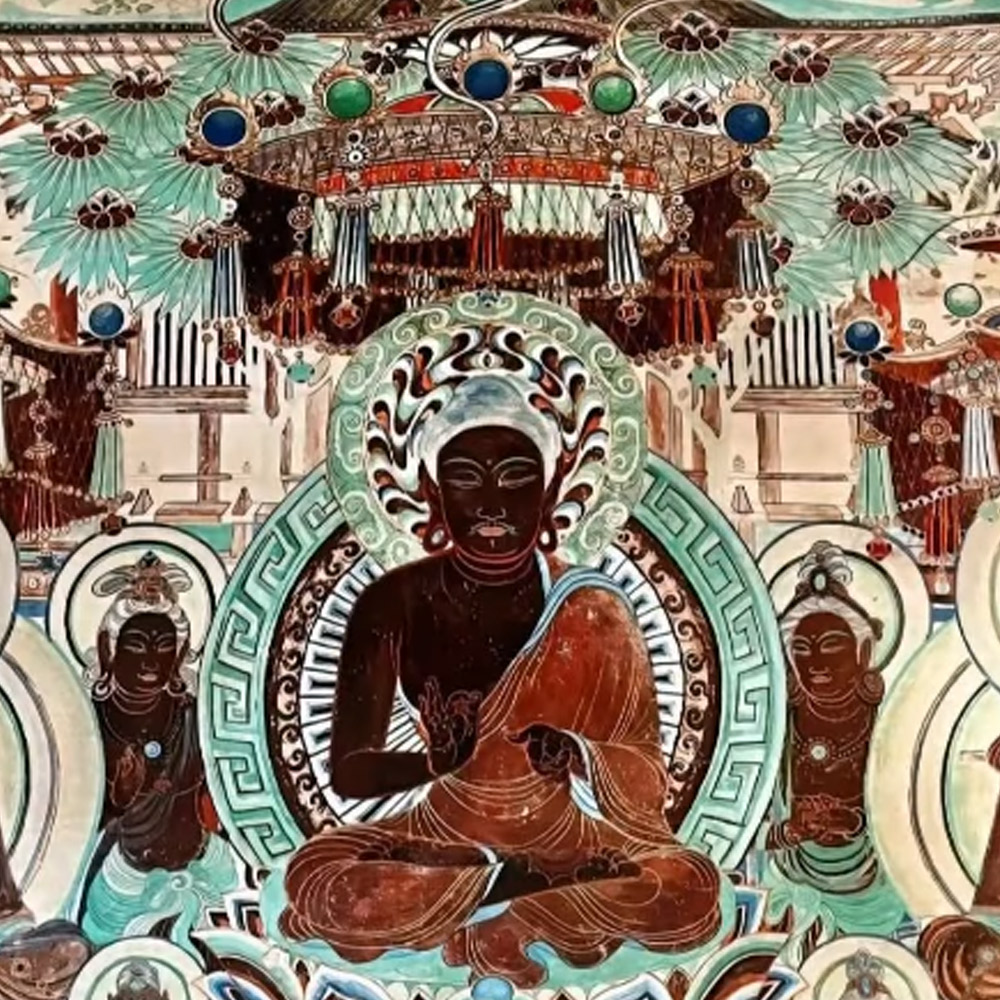
Mogao Caves—492 grottoes carved between the 4th and 14th centuries and filled with Buddhist murals and sculptures that document a thousand years of political,
cultural, and religious life in western China. Dunhuang art blends Han Chinese traditions with influences from India, Gandhara, the Turks, Tibetans, and other groups,
creating a distinctive style. Many of these works are considered masterpieces of exceptional skill.
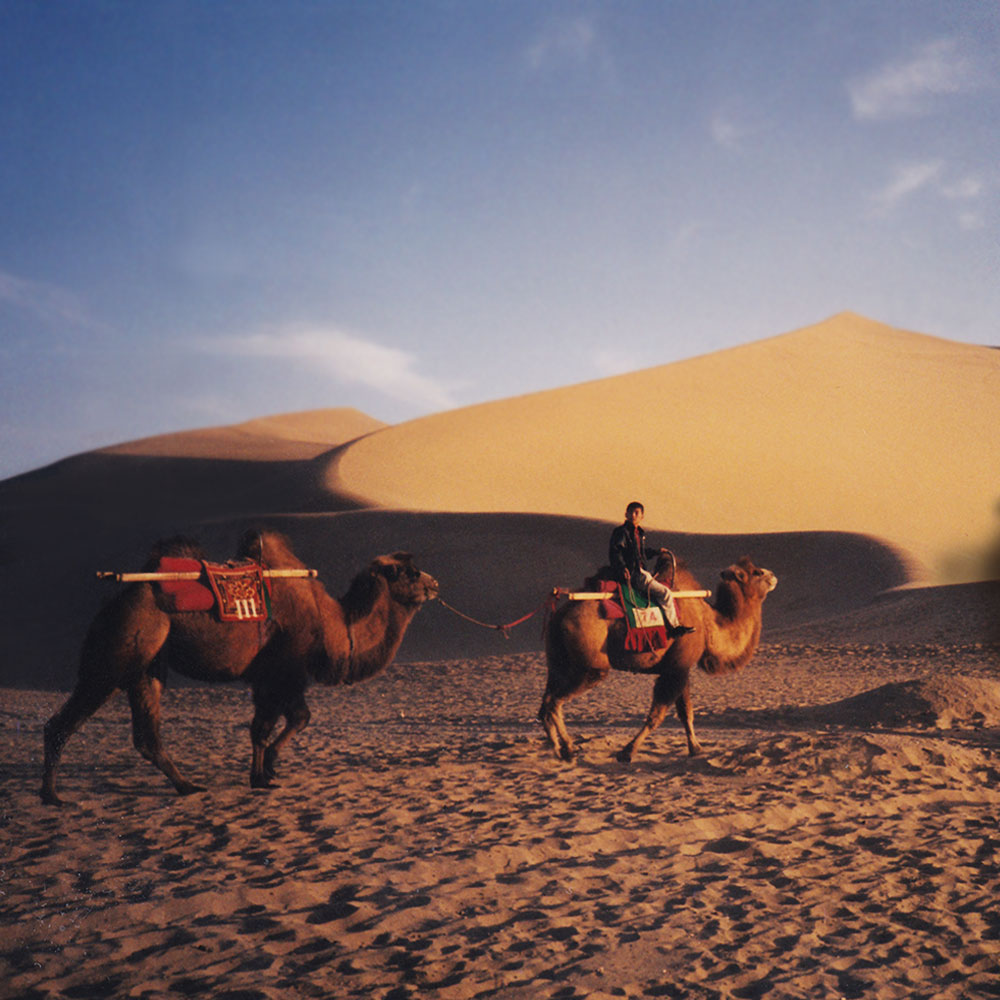
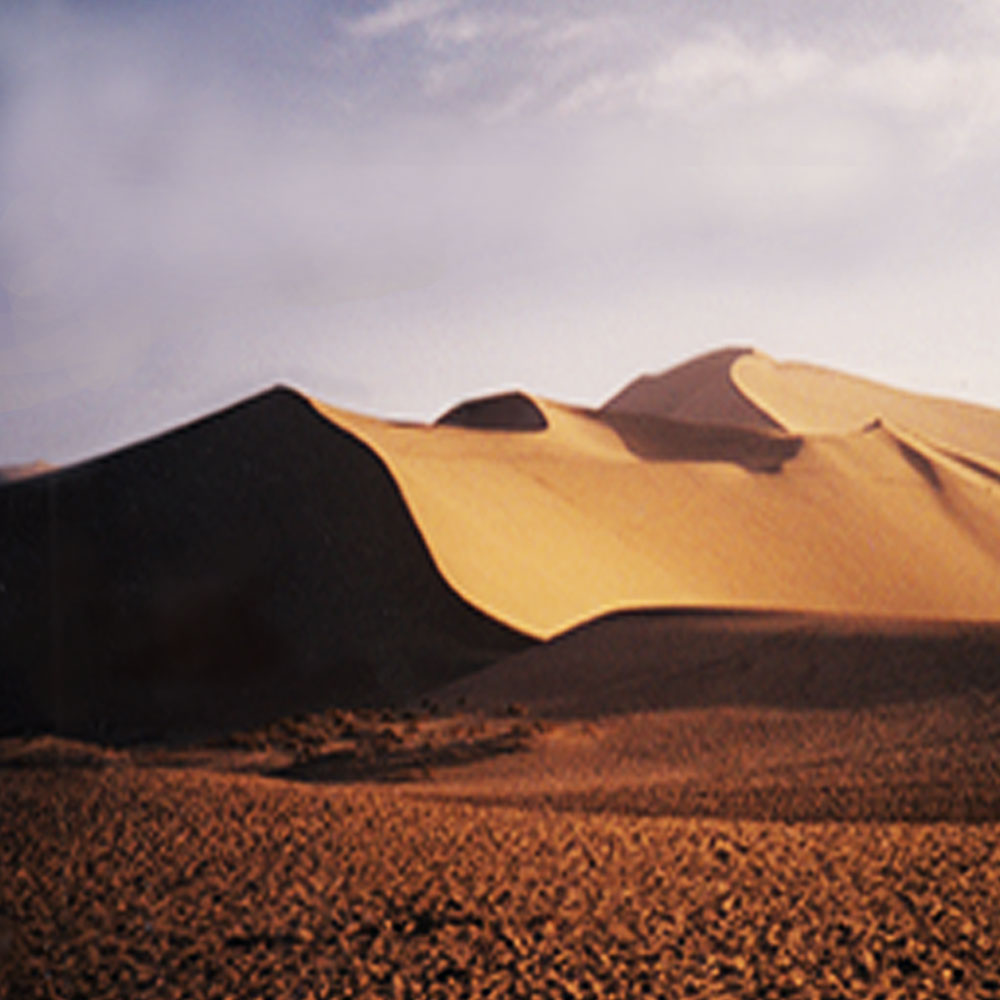
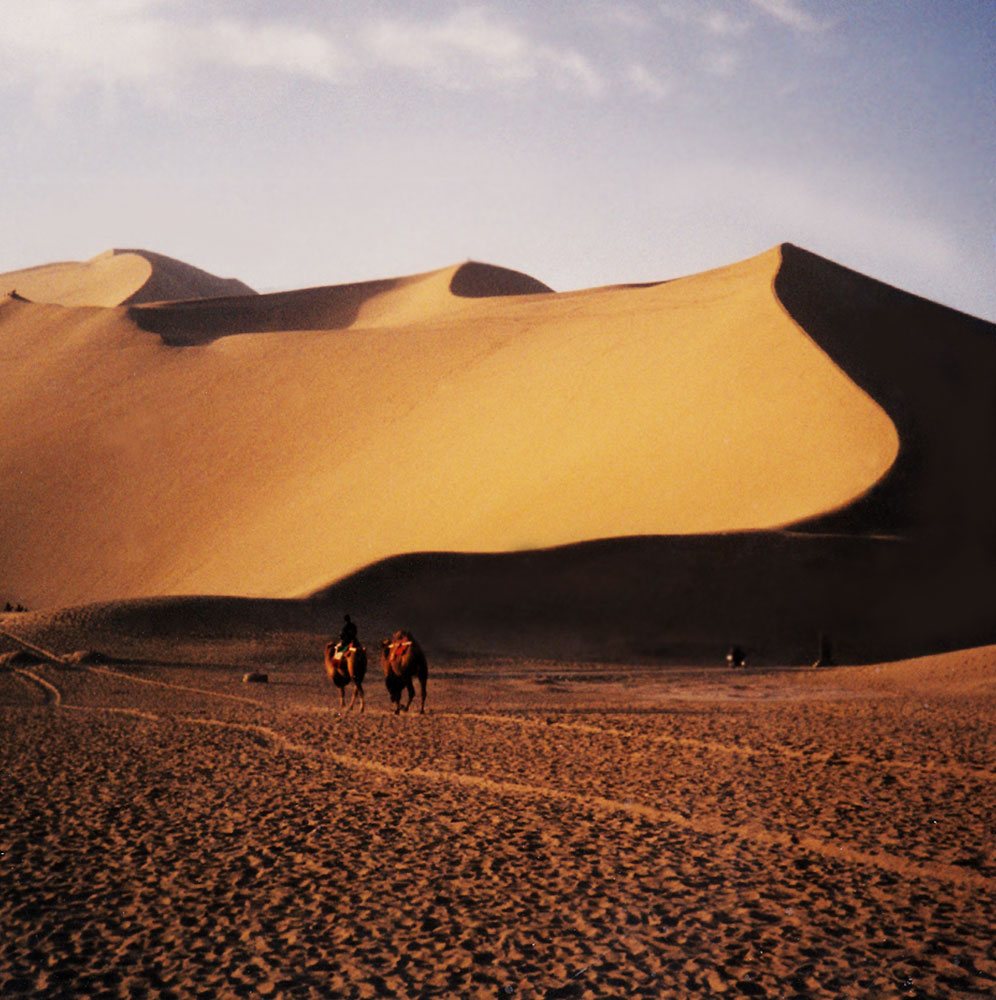
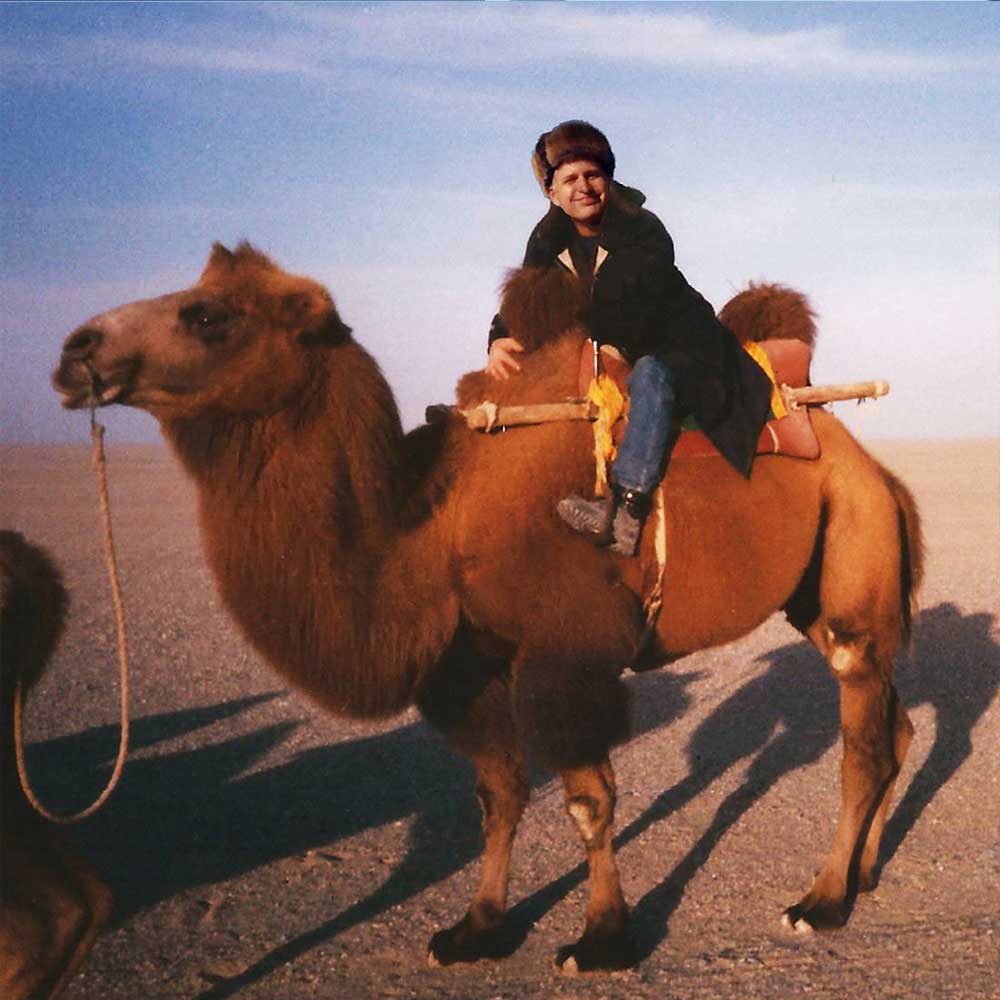 The Gobi, is one of the world's great deserts, and a
camel ride is a must. Join group tours, with camel drivers and ride across Echoing Singing-Sands Mountain after your visit to the Mogao Caves,
Dunhuang, China
The Gobi, is one of the world's great deserts, and a
camel ride is a must. Join group tours, with camel drivers and ride across Echoing Singing-Sands Mountain after your visit to the Mogao Caves,
Dunhuang, China
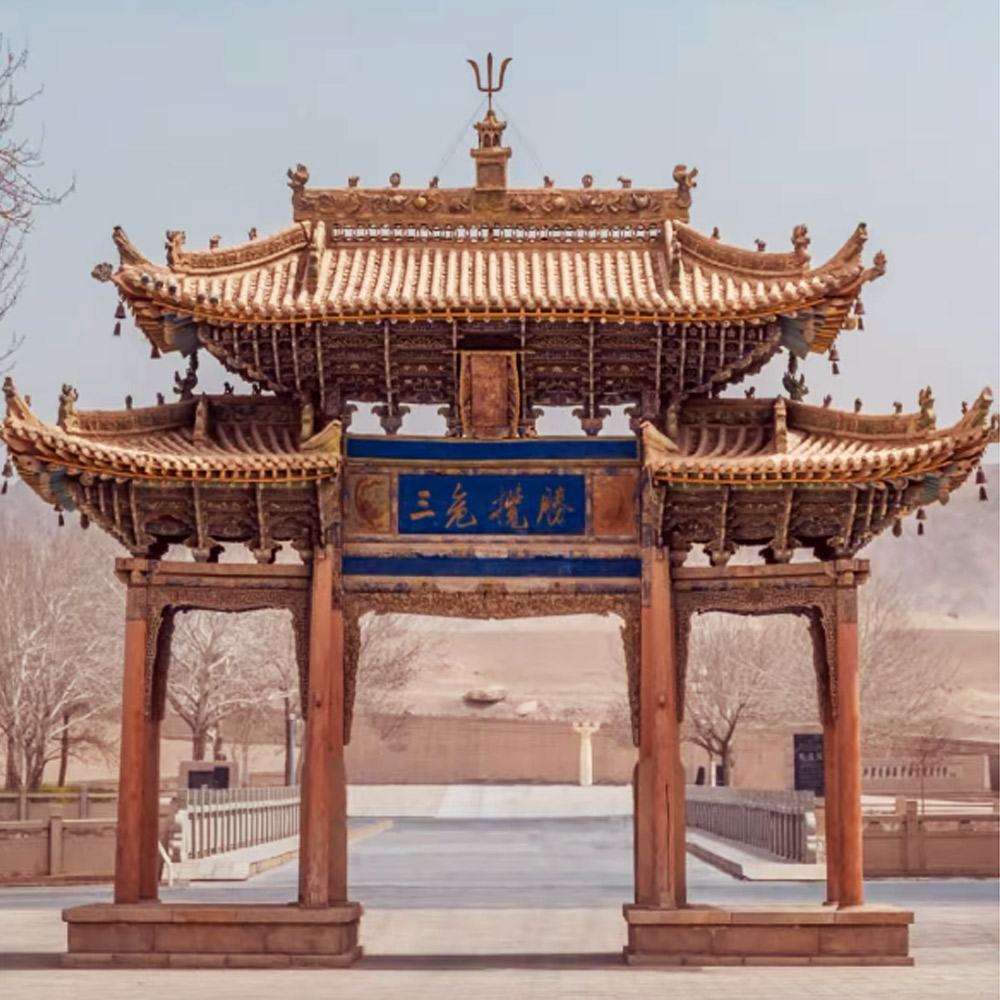
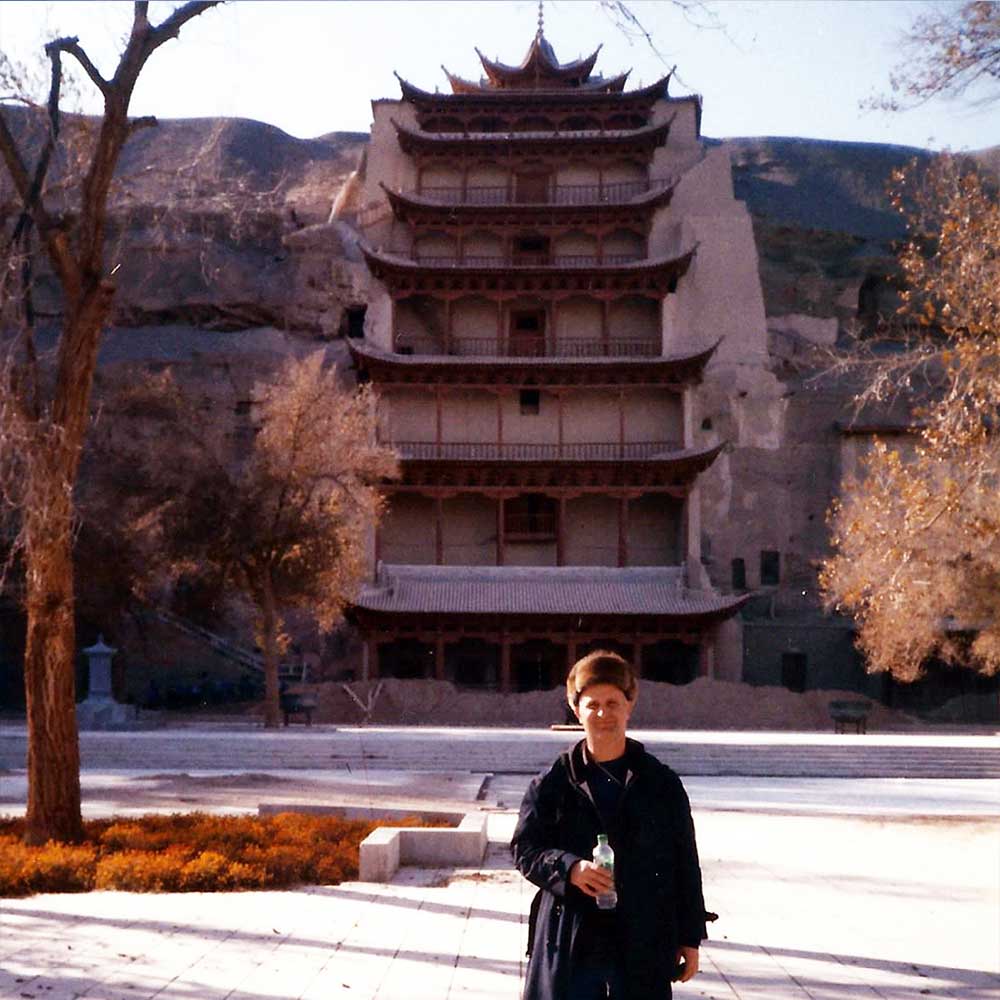 Mogao Caves Entrance to the 492 cells and cave
sanctuaries situated on a strategic point along the Silk Route at the crossroads of trade as well as religious, cultural and intellectual
influences, Dunhuang, China
Mogao Caves Entrance to the 492 cells and cave
sanctuaries situated on a strategic point along the Silk Route at the crossroads of trade as well as religious, cultural and intellectual
influences, Dunhuang, China
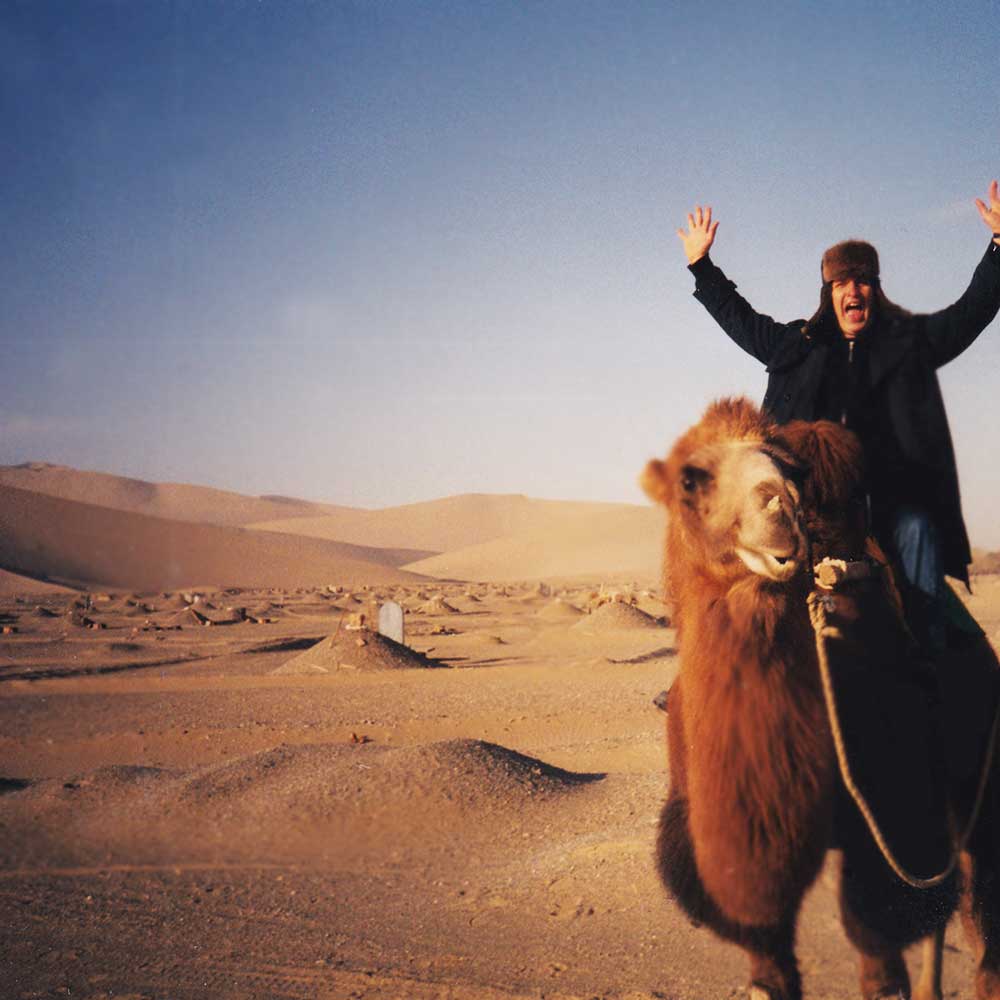 Riding camels through the Dunhuang Buddhist Cemetery
on the way to visit the Mogao caves, Dunhuang, China
Riding camels through the Dunhuang Buddhist Cemetery
on the way to visit the Mogao caves, Dunhuang, China
 Top
Top