xi'an, china
Xi’an rose as a major cultural and political center during the Zhou Dynasty. As China’s first ancient capital and the starting point of the
Silk Road, it is best known for the Terracotta Army and the mausoleum of Qin Shi Huang, the first emperor to unify China under the Qin Dynasty (221–206 BC). Construction
of the Terracotta Army began soon after he took the throne. The city’s first wall was built in 194 BC and completed in four years. Later, the Giant Wild Goose Pagoda
was constructed in 652 AD to house Buddhist sutras (foundational sacred texts) brought back from India by the monk Xuanzang. The current Ming‑era city wall, built in 1370, still stands today.
 Wild Goose Pagoda, Tang dynasty, built in 648 AD,
64 m (209.97 ft) in height, built to store the translations of Buddhist sutras obtained from India by Xuanzang, Xi'an, Shaanxi Province, China
Wild Goose Pagoda, Tang dynasty, built in 648 AD,
64 m (209.97 ft) in height, built to store the translations of Buddhist sutras obtained from India by Xuanzang, Xi'an, Shaanxi Province, China
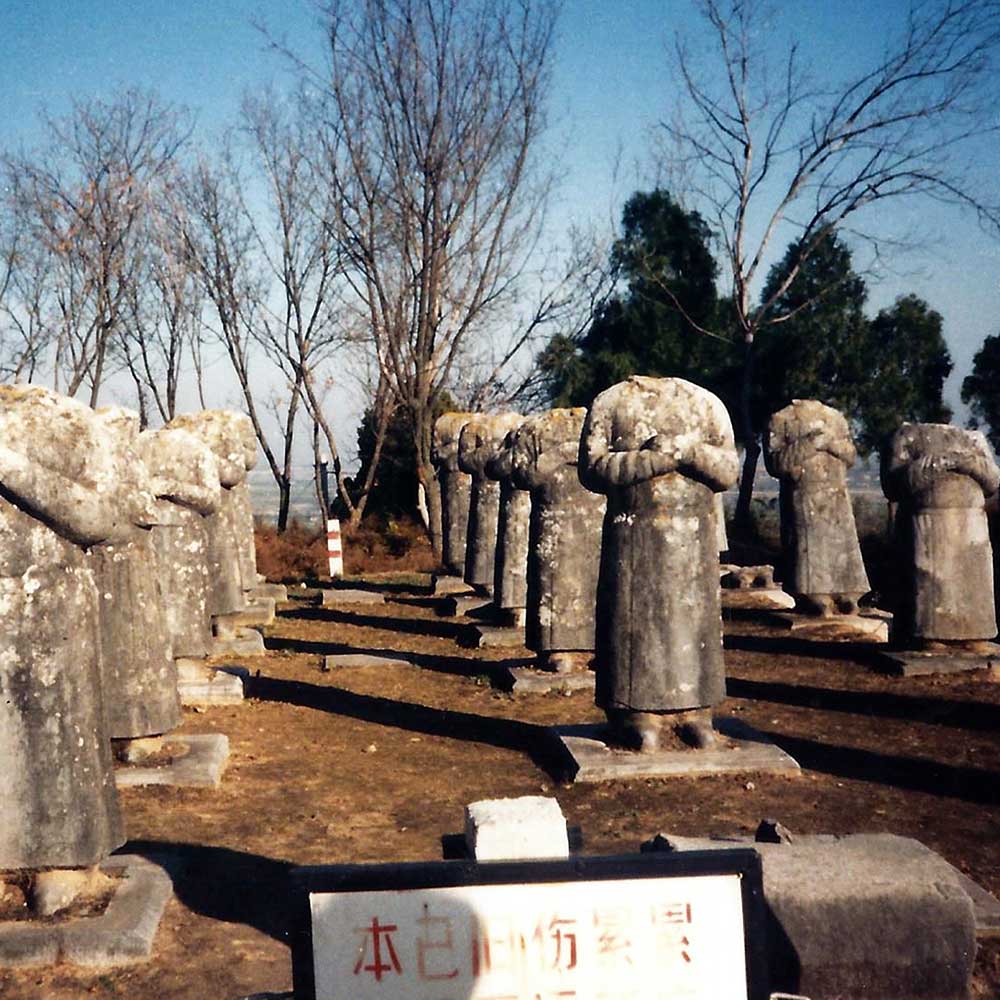 Qian Mausoleum, Tomb of Kao Tsung, (53 miles)
northwest from Xi'an, Sixty-one Headless Vassals Figures sculpted in the 680s represents the "far-reaching power and international standing" of
The Tang dynasty (618–907 AD), Shaanxi Province, China
Qian Mausoleum, Tomb of Kao Tsung, (53 miles)
northwest from Xi'an, Sixty-one Headless Vassals Figures sculpted in the 680s represents the "far-reaching power and international standing" of
The Tang dynasty (618–907 AD), Shaanxi Province, China
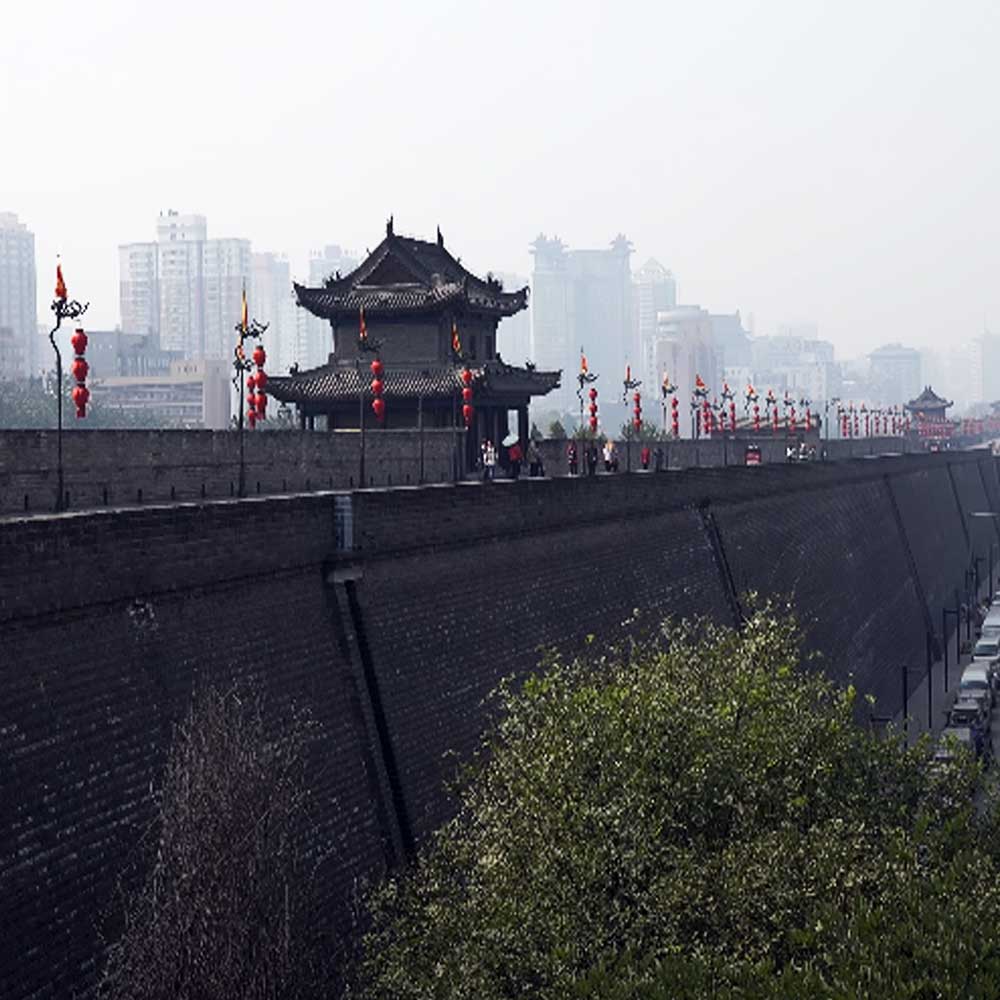
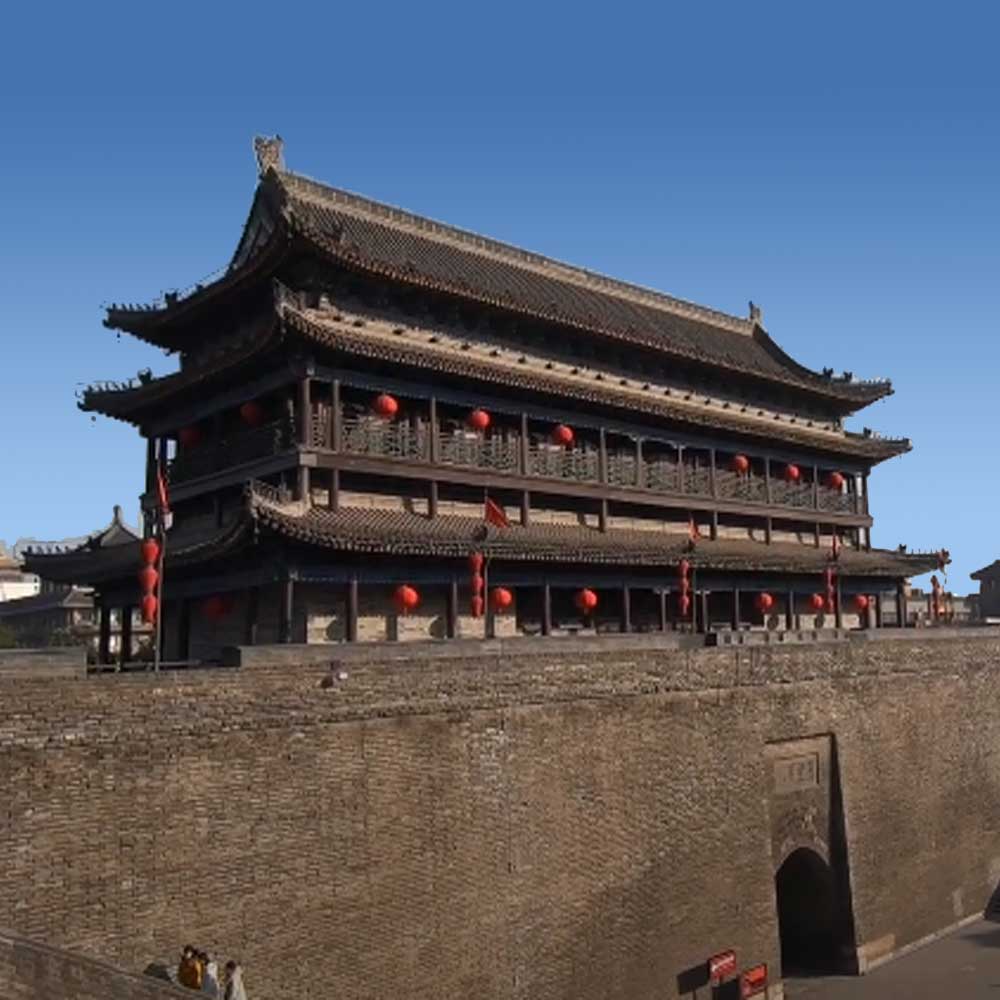
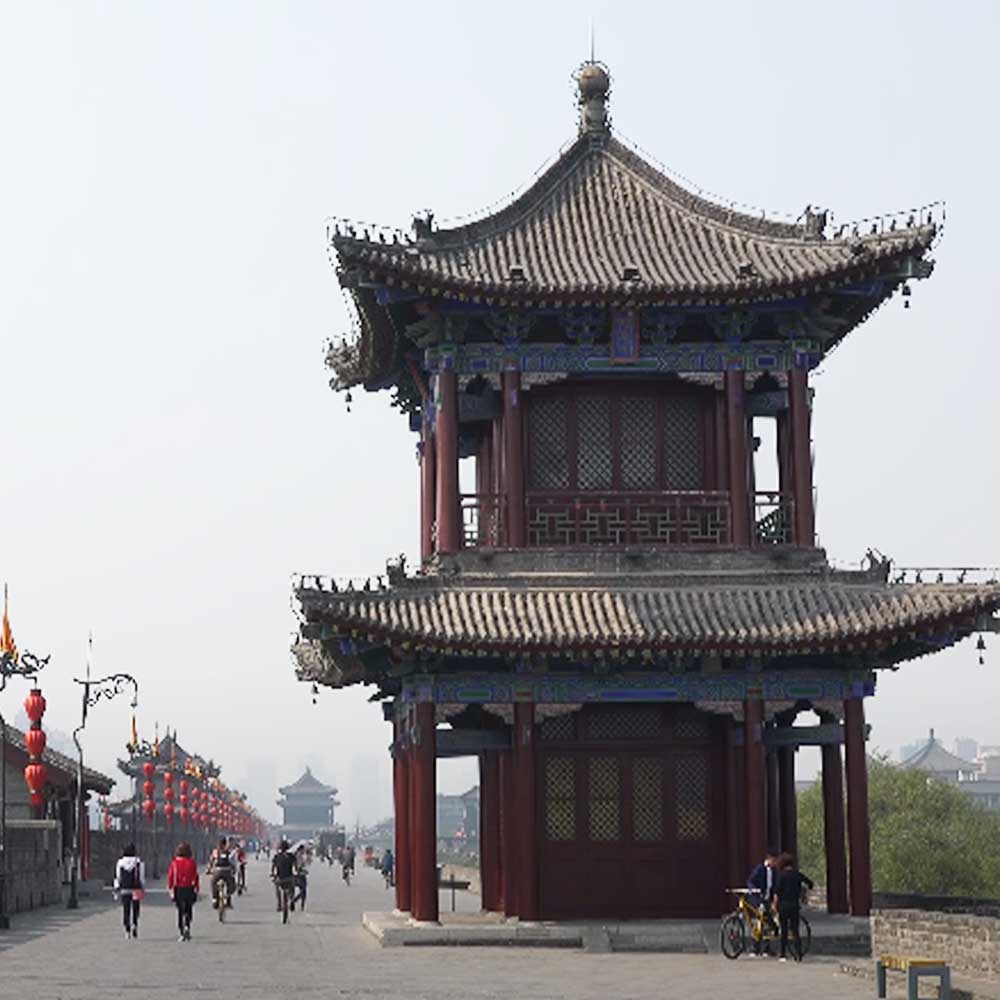
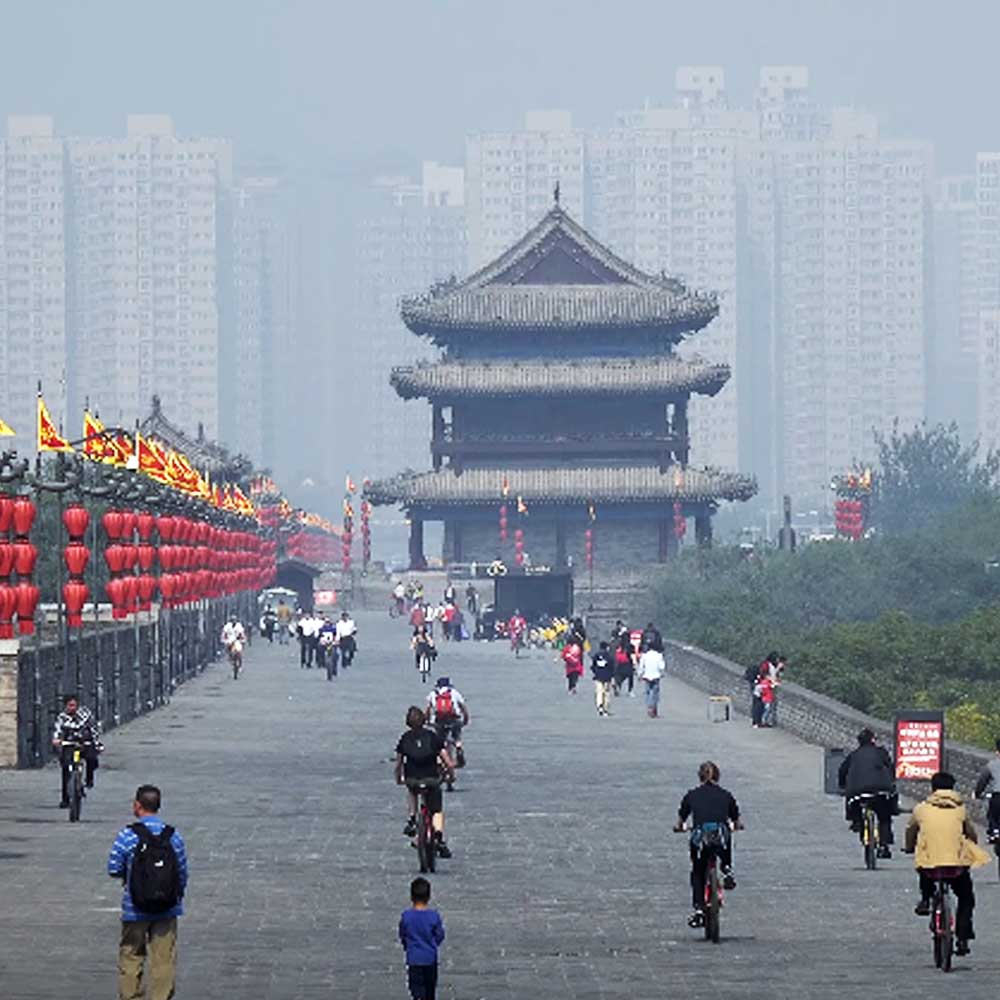
 Xi'an City Wall built in 1368 AD by the Emperor of
the Ming Dynasty (1368-1644 AD), the largest fortified ancient military defensive systems in the world. Xi'an, Shaanxi Province, China
Xi'an City Wall built in 1368 AD by the Emperor of
the Ming Dynasty (1368-1644 AD), the largest fortified ancient military defensive systems in the world. Xi'an, Shaanxi Province, China
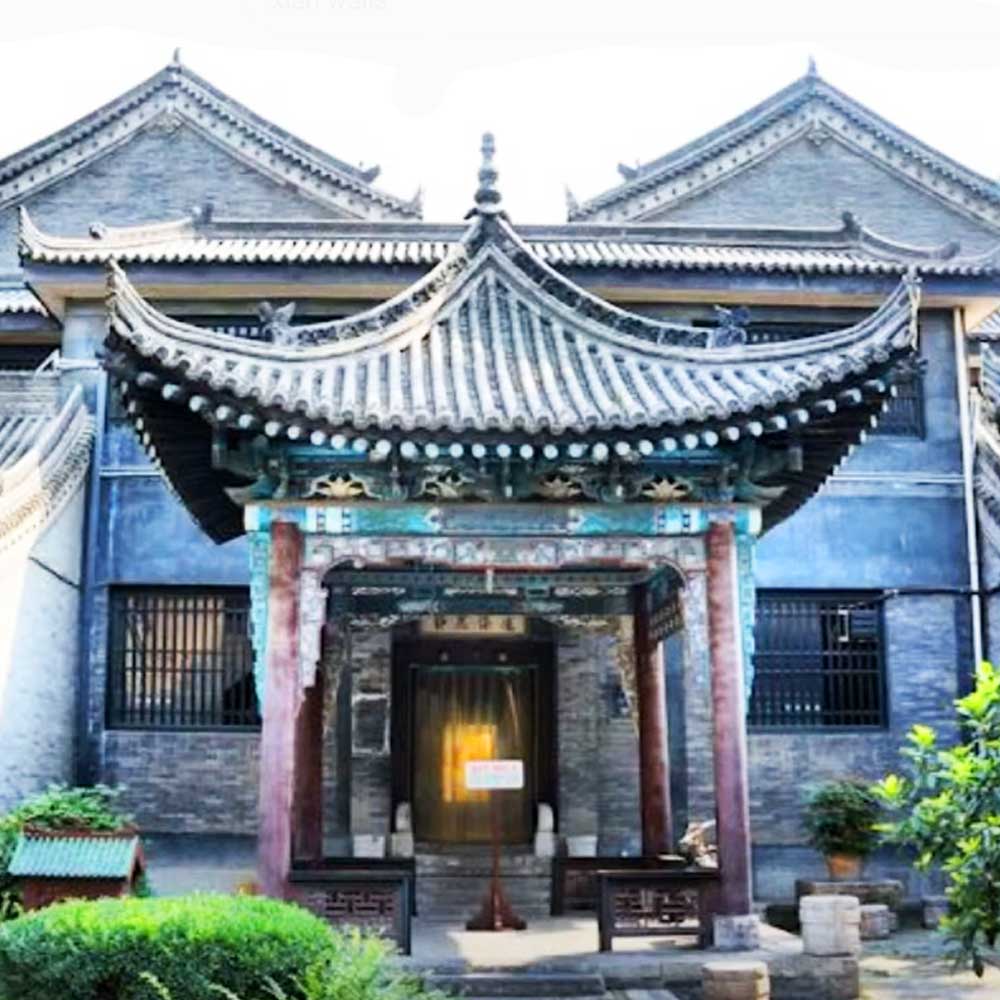
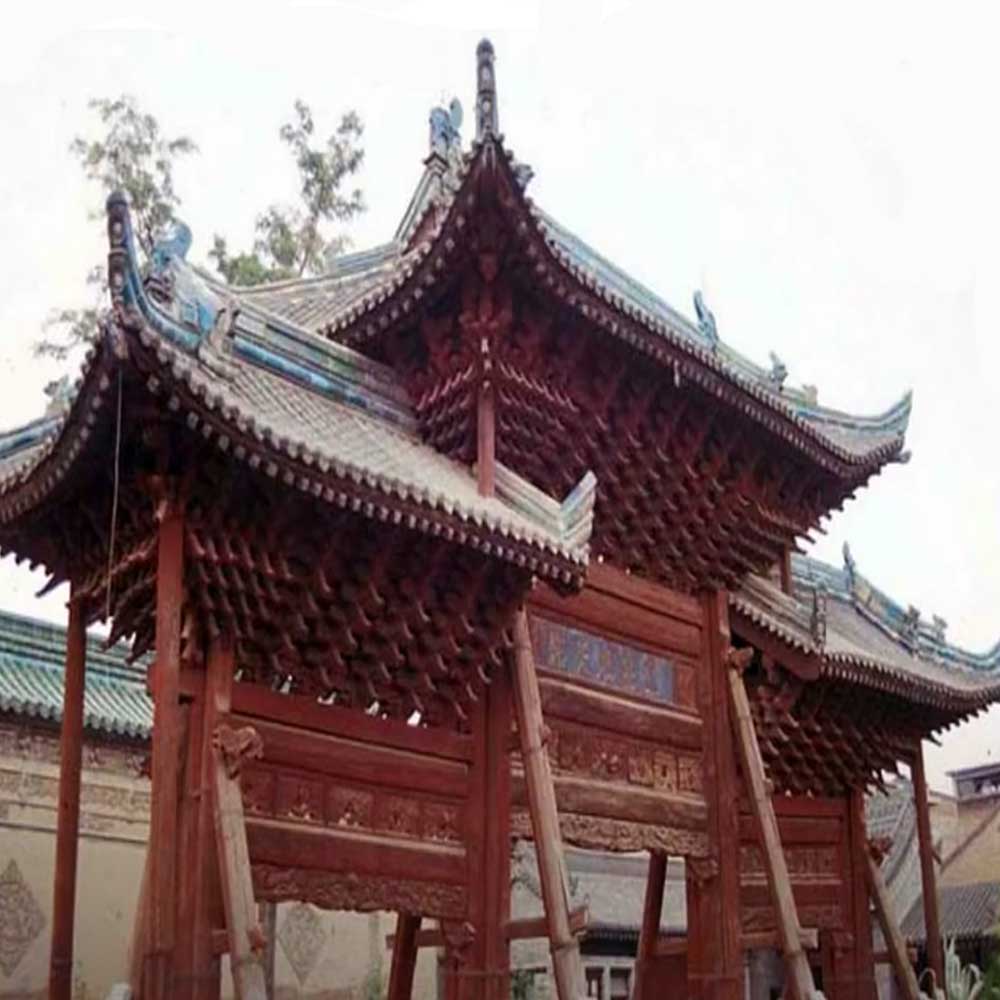
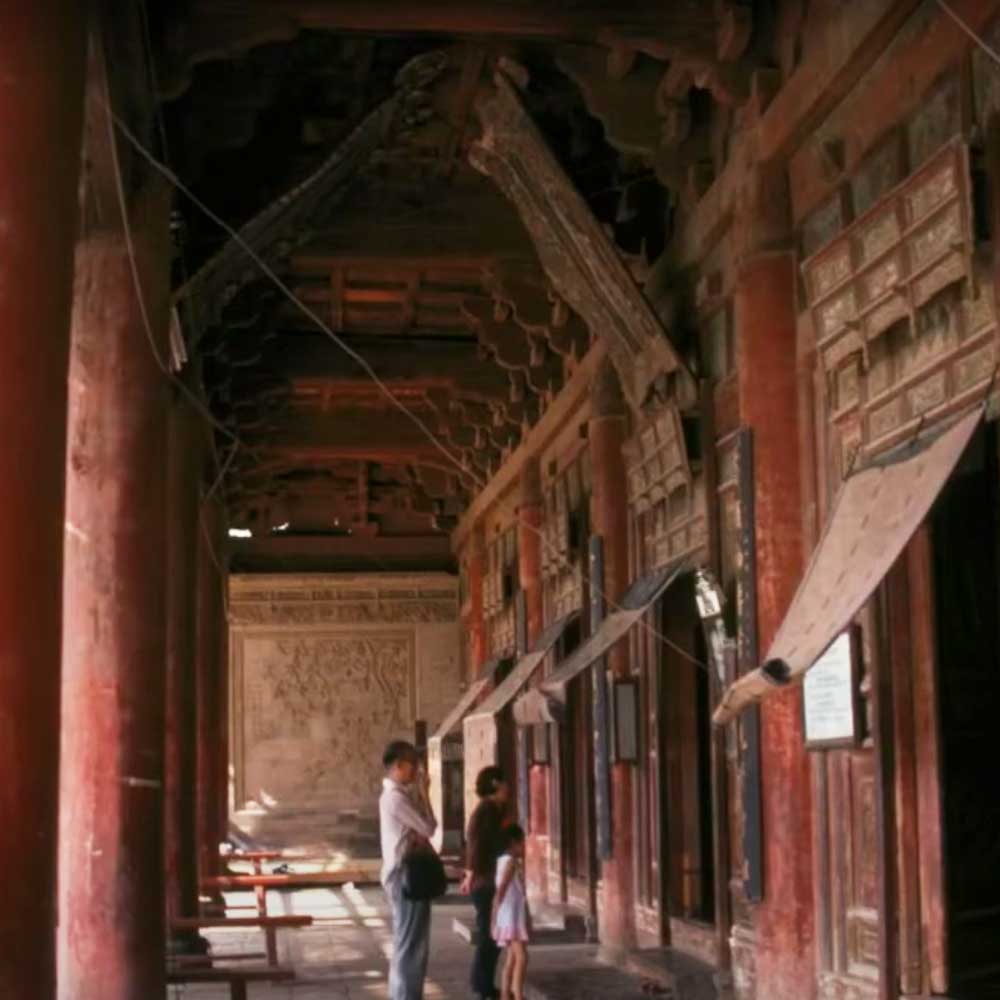
THE GREAT MOSQUE OF XI'AN
The Great Mosque of Xi'an is a grand mosque located in the city of Xi'an, became the first mosque to stand in China. The
mosque was founded in the 8th century AD. Although the mosque was first built in the year 742 AD during the Tang dynasty, its current form was
largely constructed in 1384 AD during Emperor Hongwu's reign of the Ming dynasty. The Mosque of Xi'an is the largest and one of the most important
Islamic places of worship in China, The Mosque was last reconstructed in the 18th century AD, in the Chinese/Islamic architectural style, Xi'an,
Shaanxi Province, China
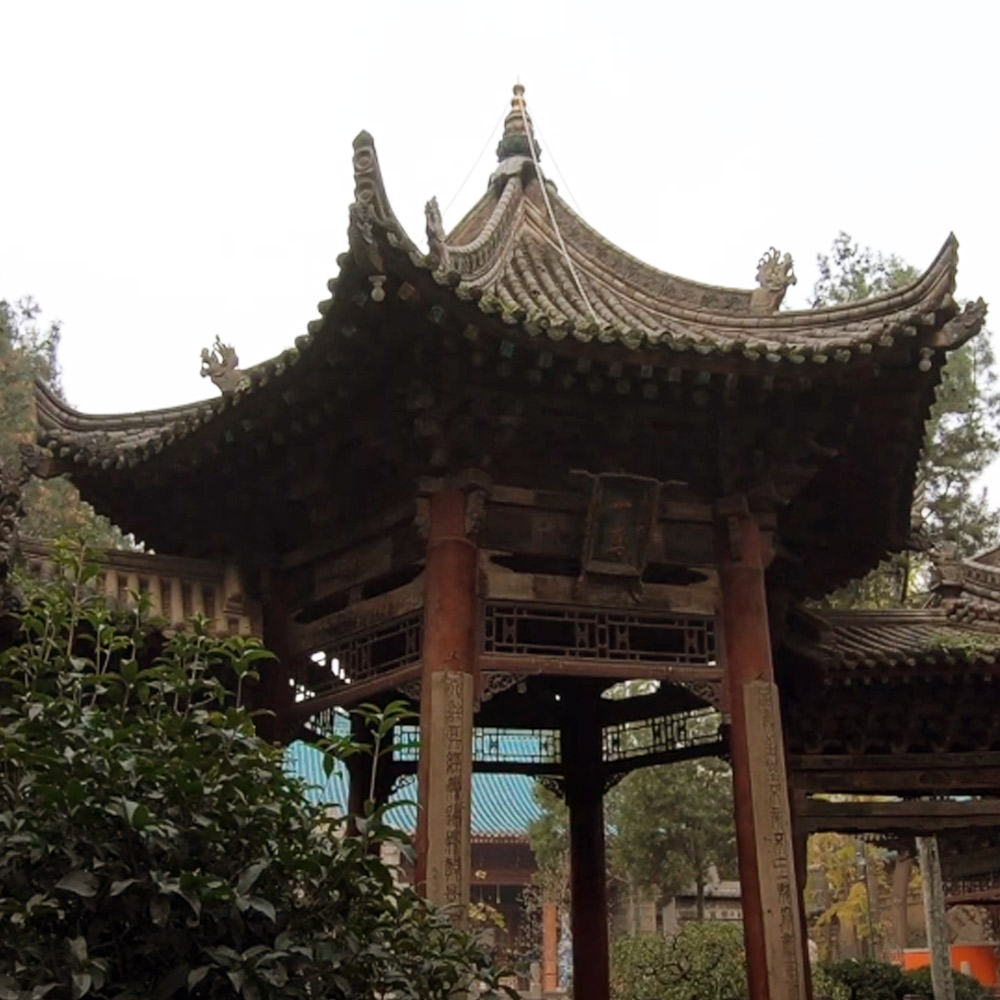
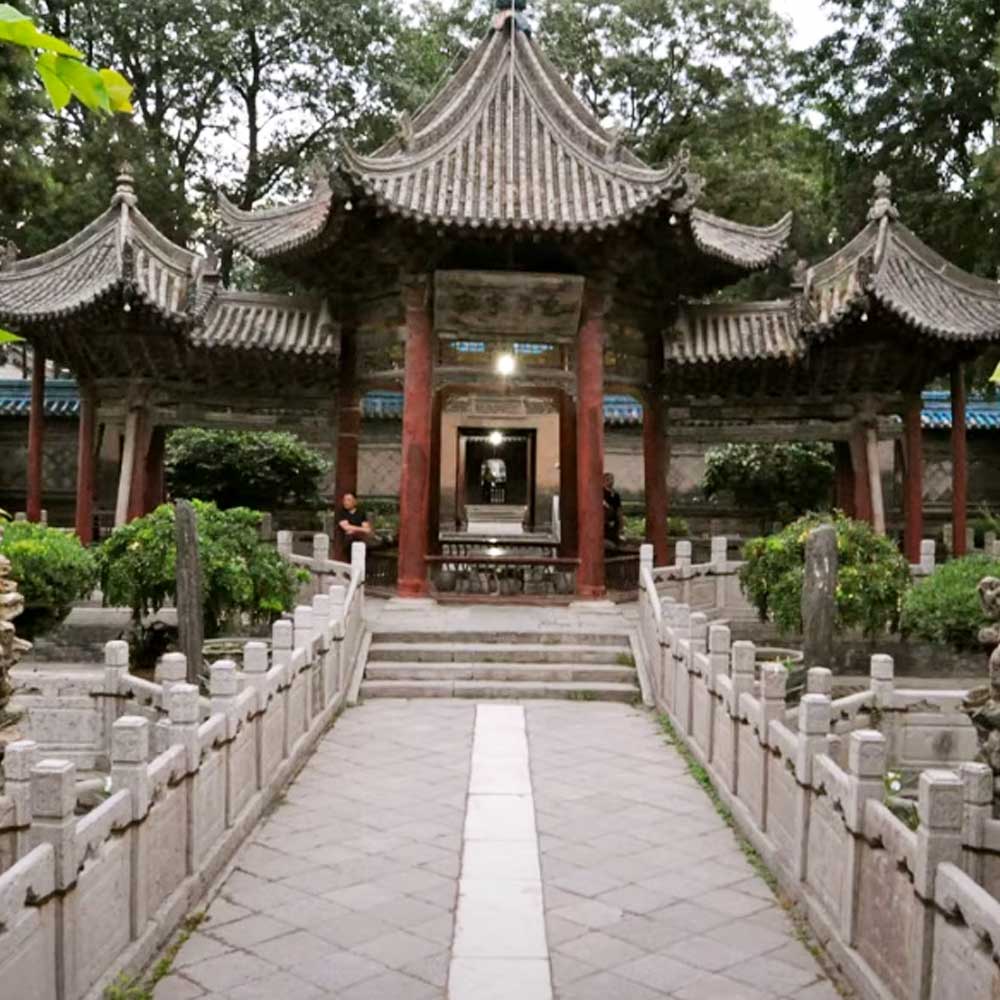
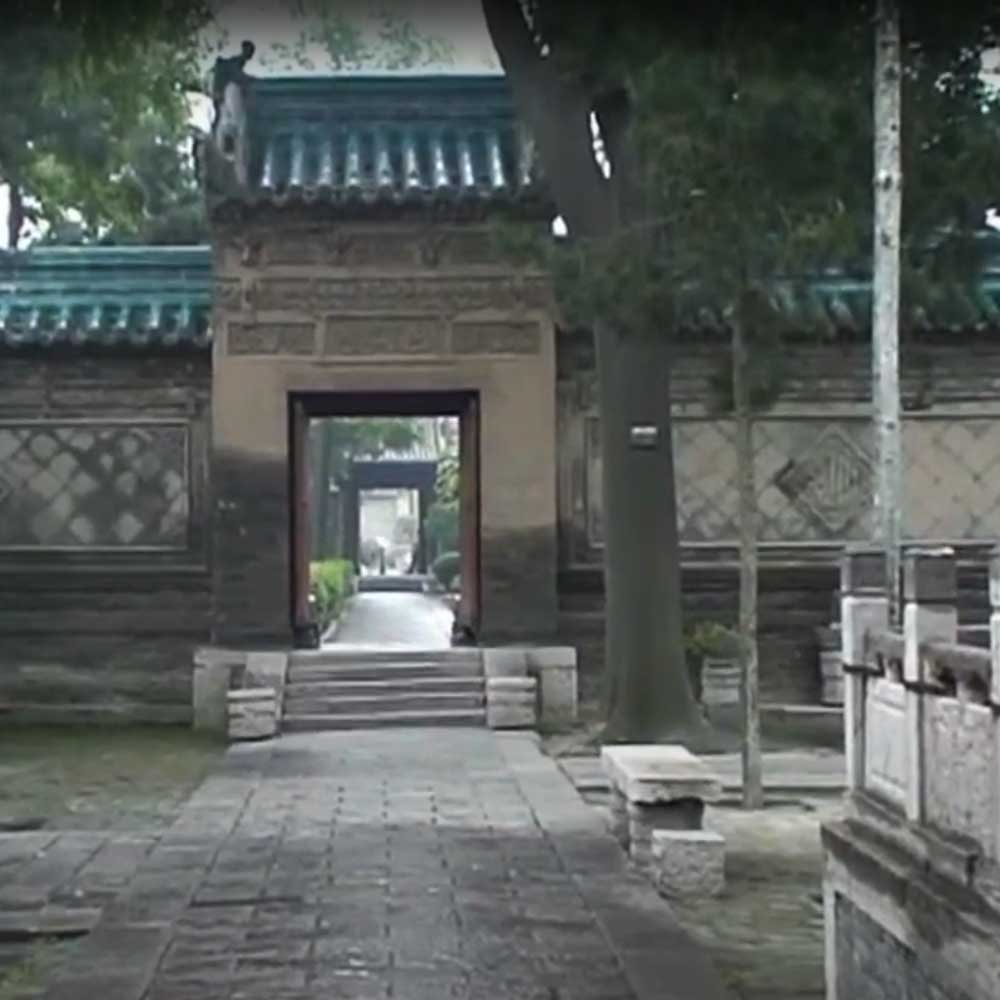
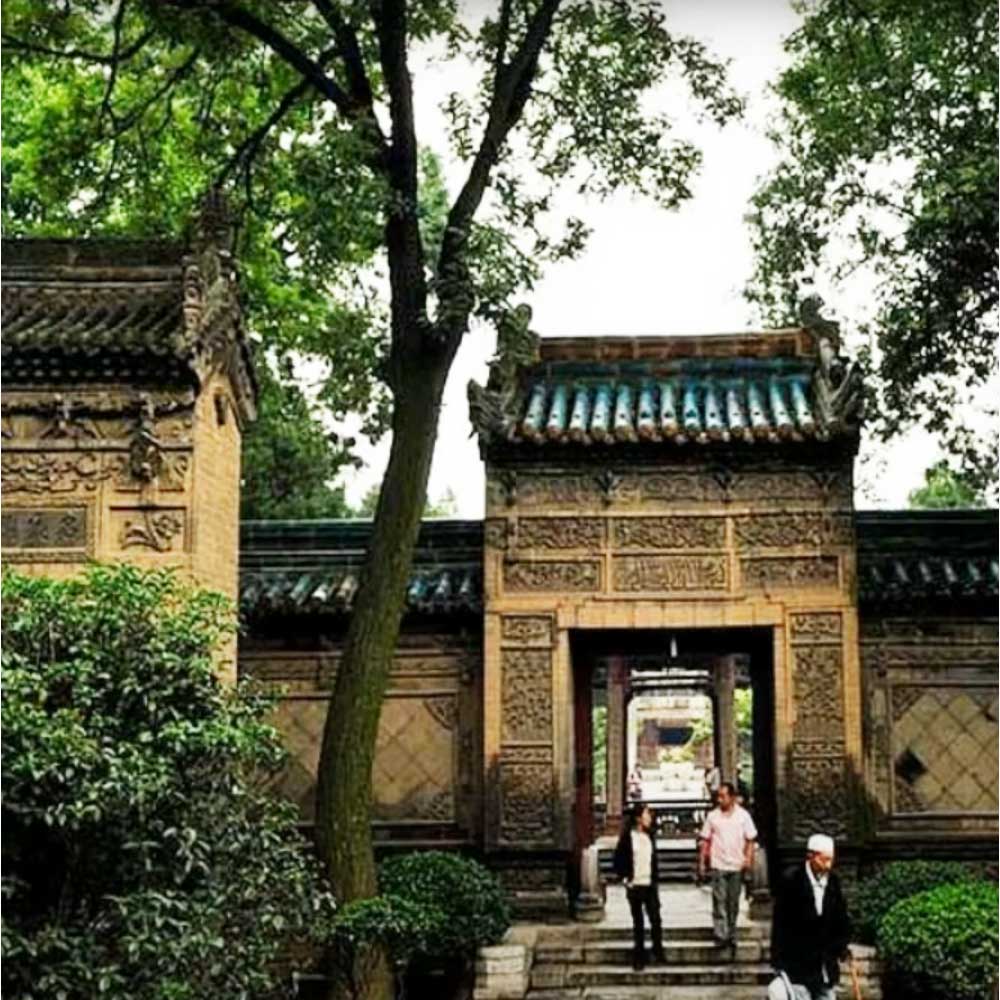
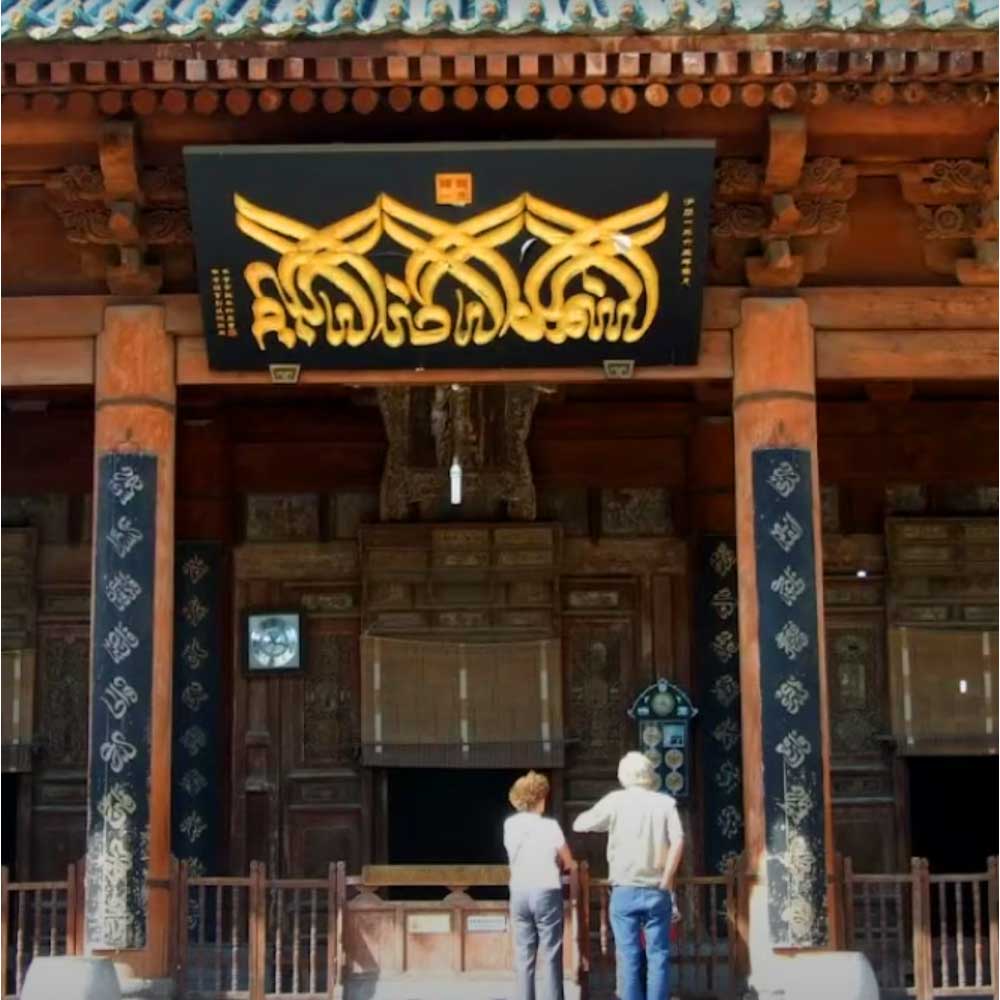 The Great Mosque of Xi'an is the first mosque in
China, Xi'an, Shaanxi Province, China
The Great Mosque of Xi'an is the first mosque in
China, Xi'an, Shaanxi Province, China
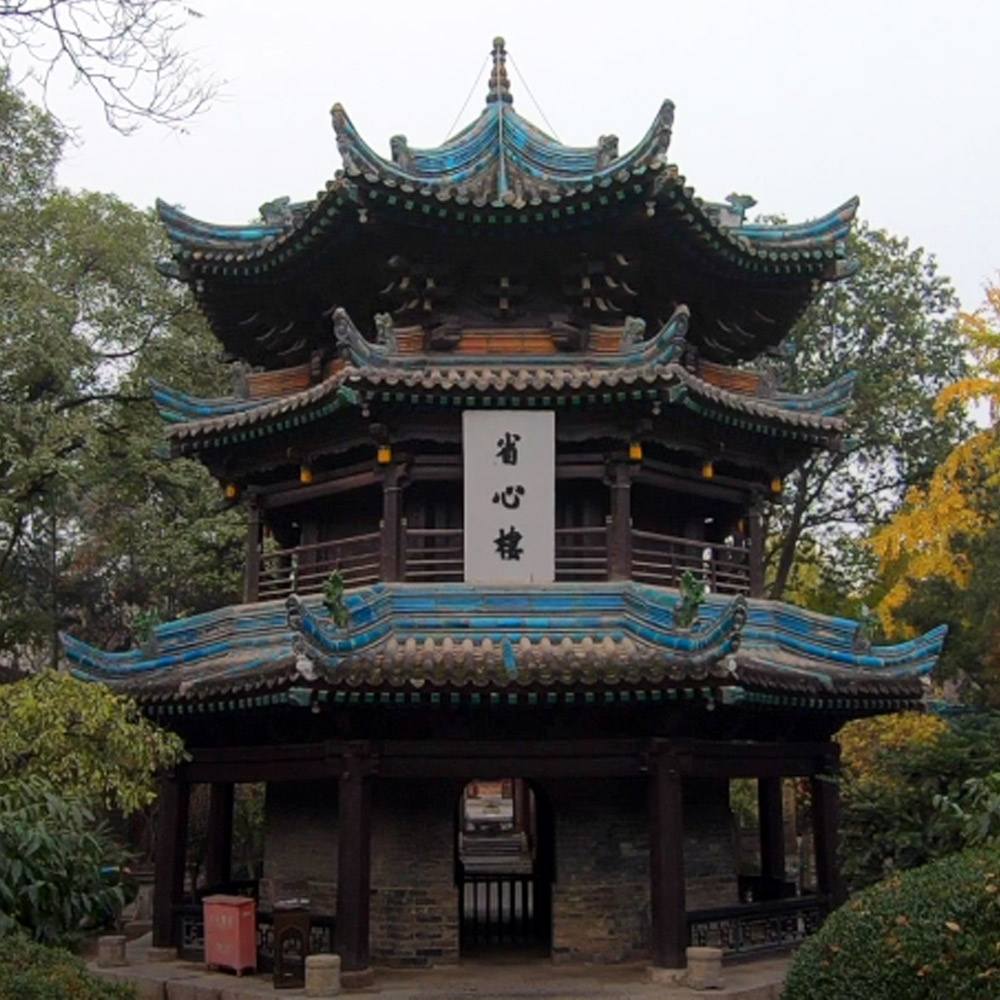
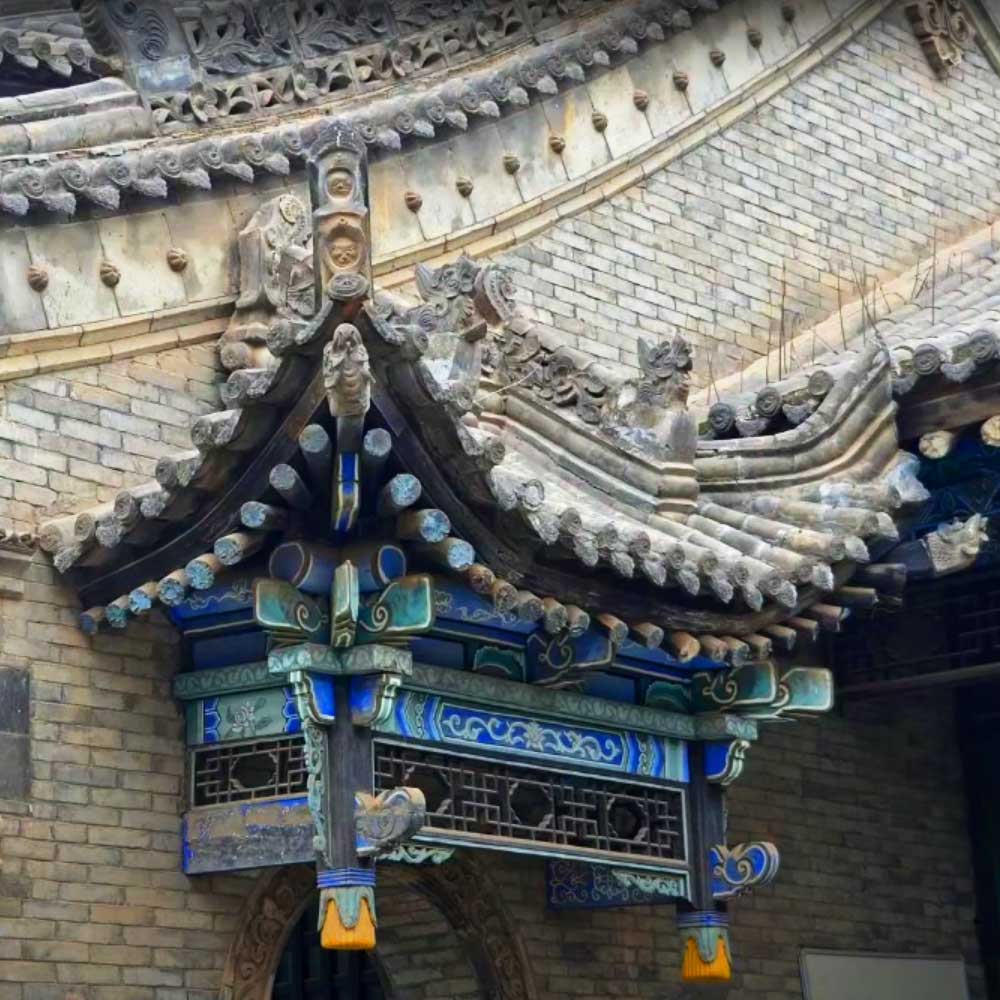
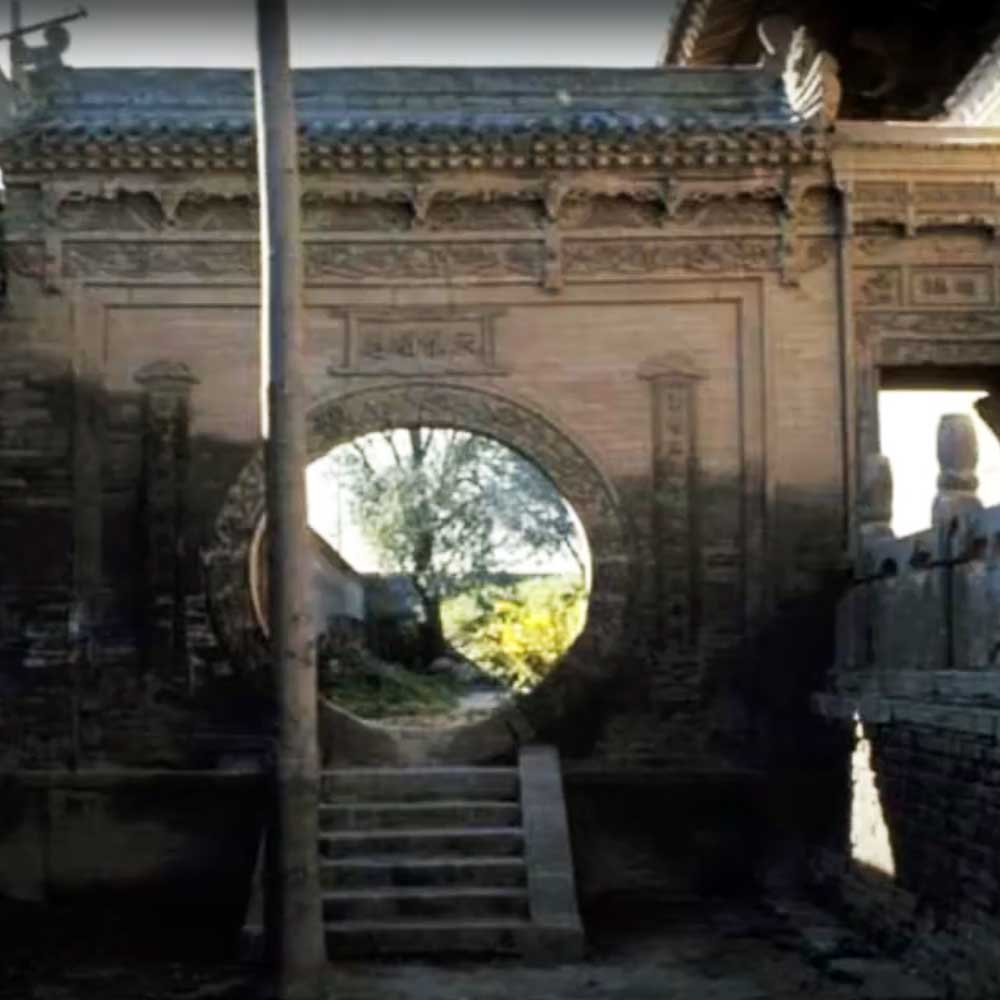
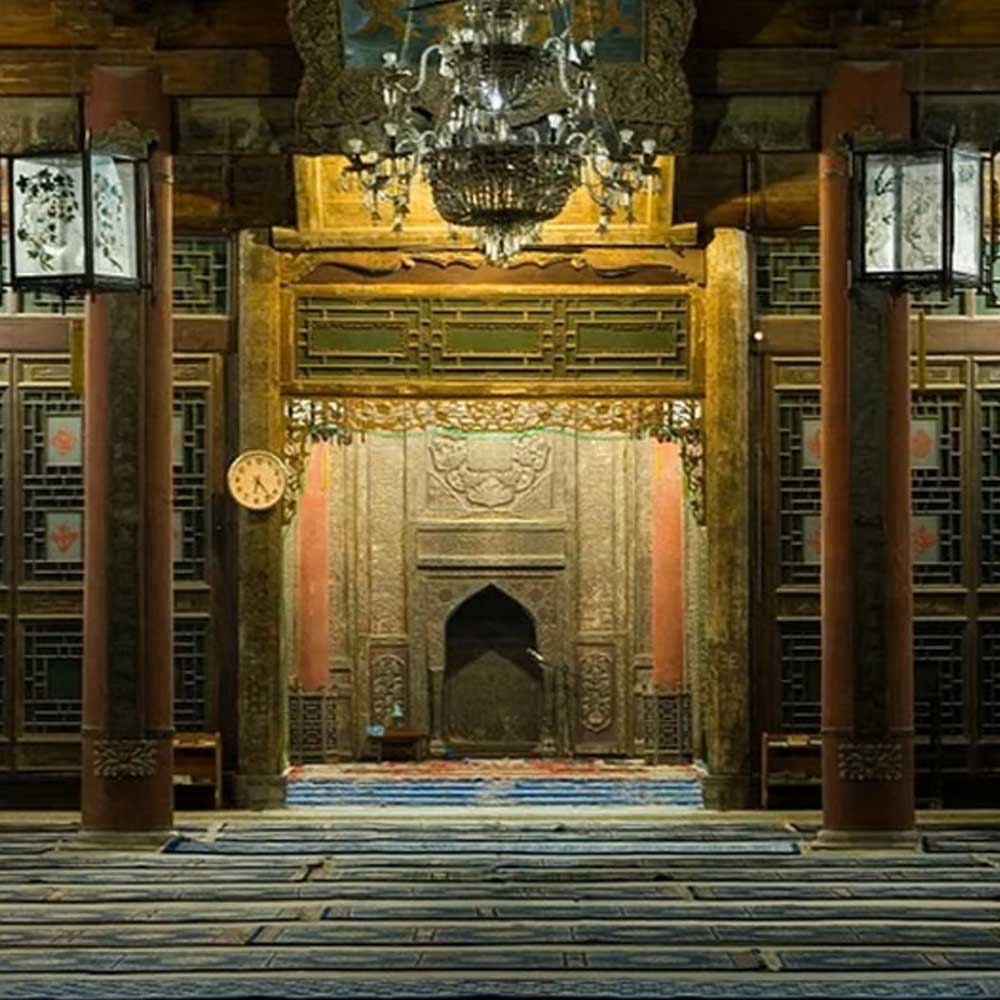
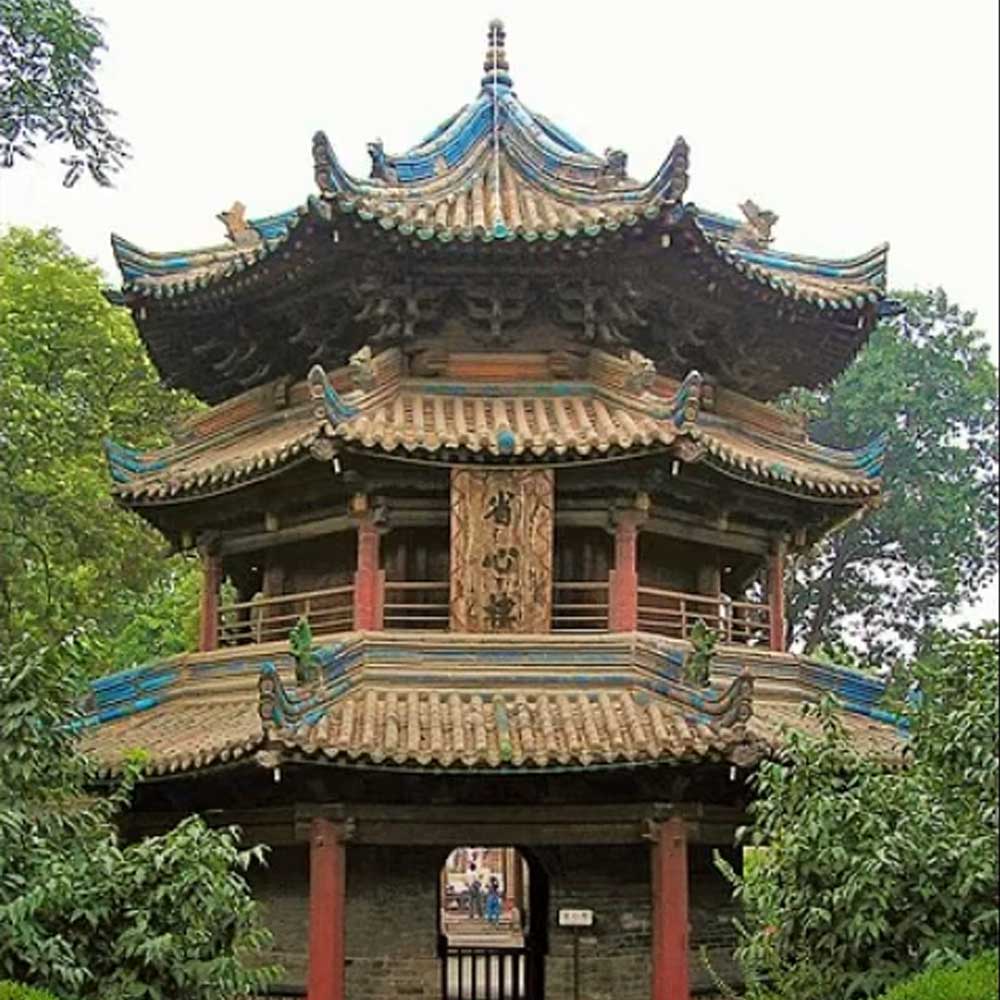 The mosque was founded in the 8th century AD. and
it still follows traditional Chinese Islamic architecture, Xi'an,
The mosque was founded in the 8th century AD. and
it still follows traditional Chinese Islamic architecture, Xi'an,
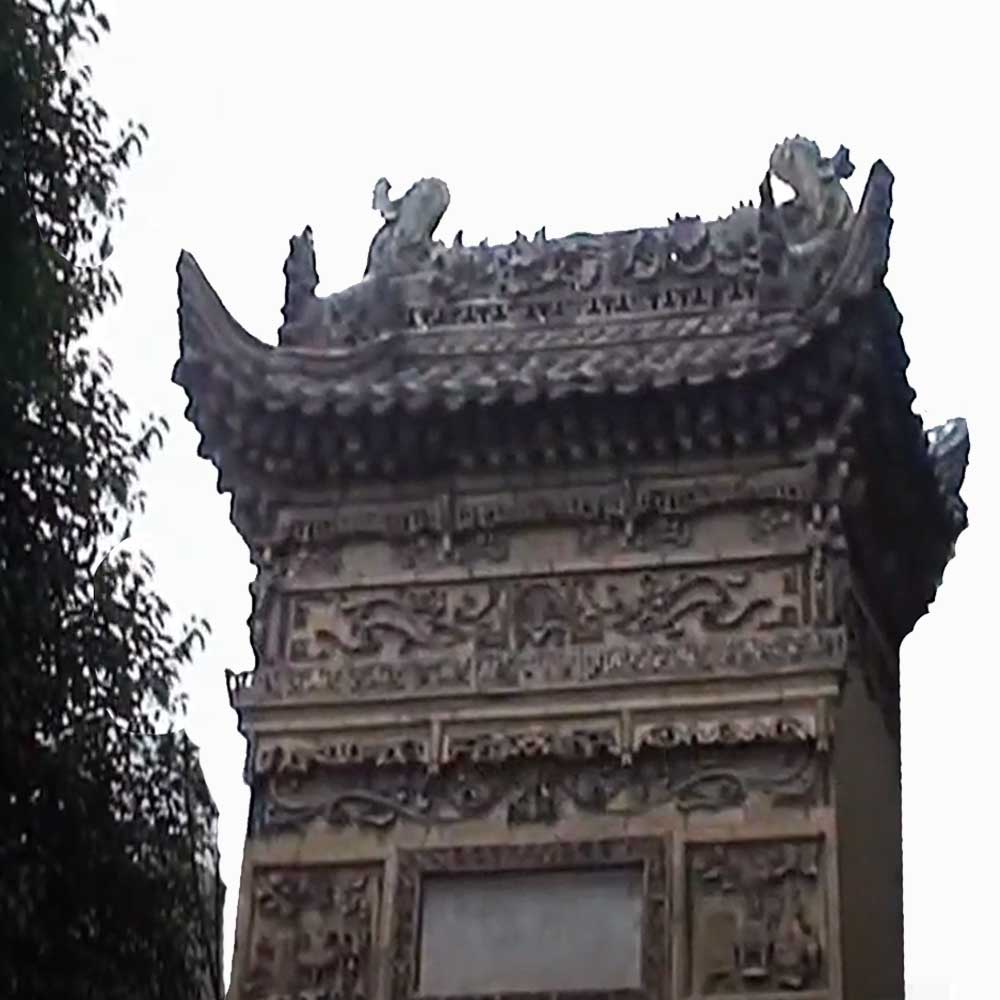
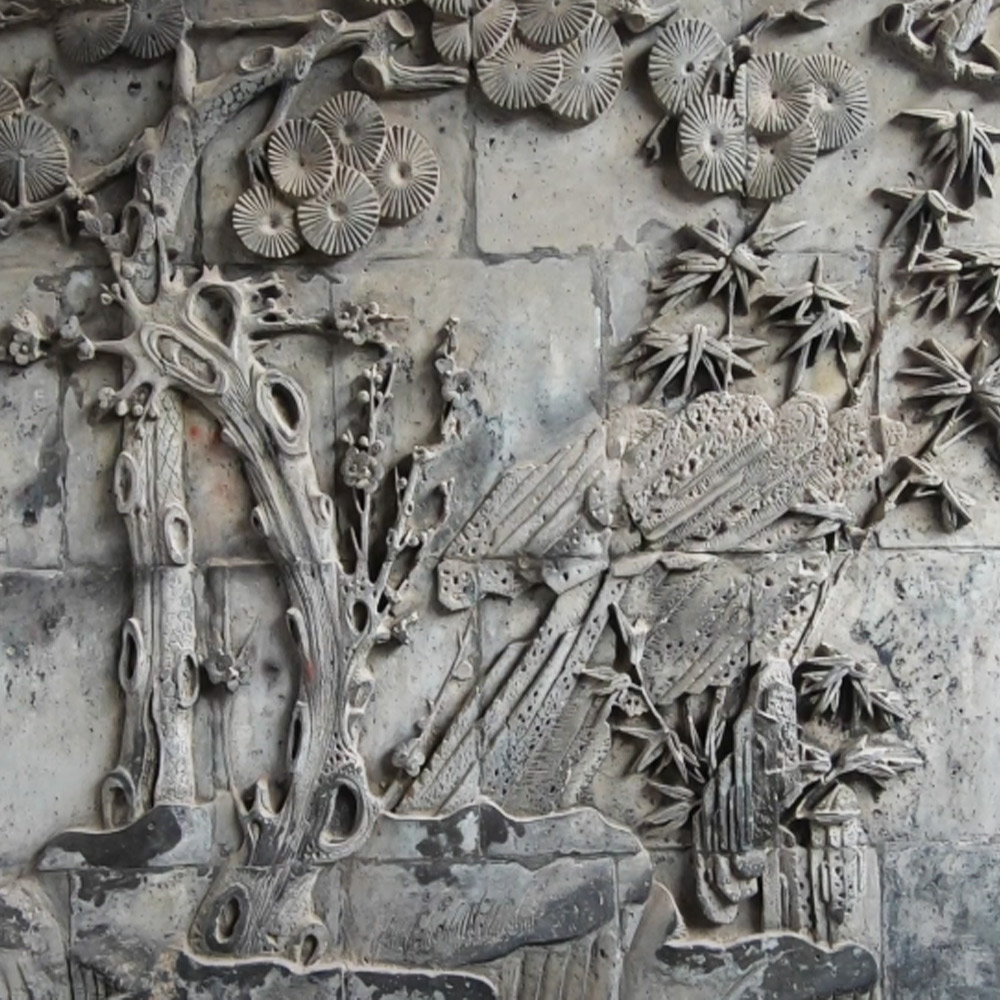 Relief sculpture depecting a garden dating to the
8th century AD, Xi'an, Shaanxi Province, China
Relief sculpture depecting a garden dating to the
8th century AD, Xi'an, Shaanxi Province, China


 Top
Top