THE GREAT STUPA OF SANCHI
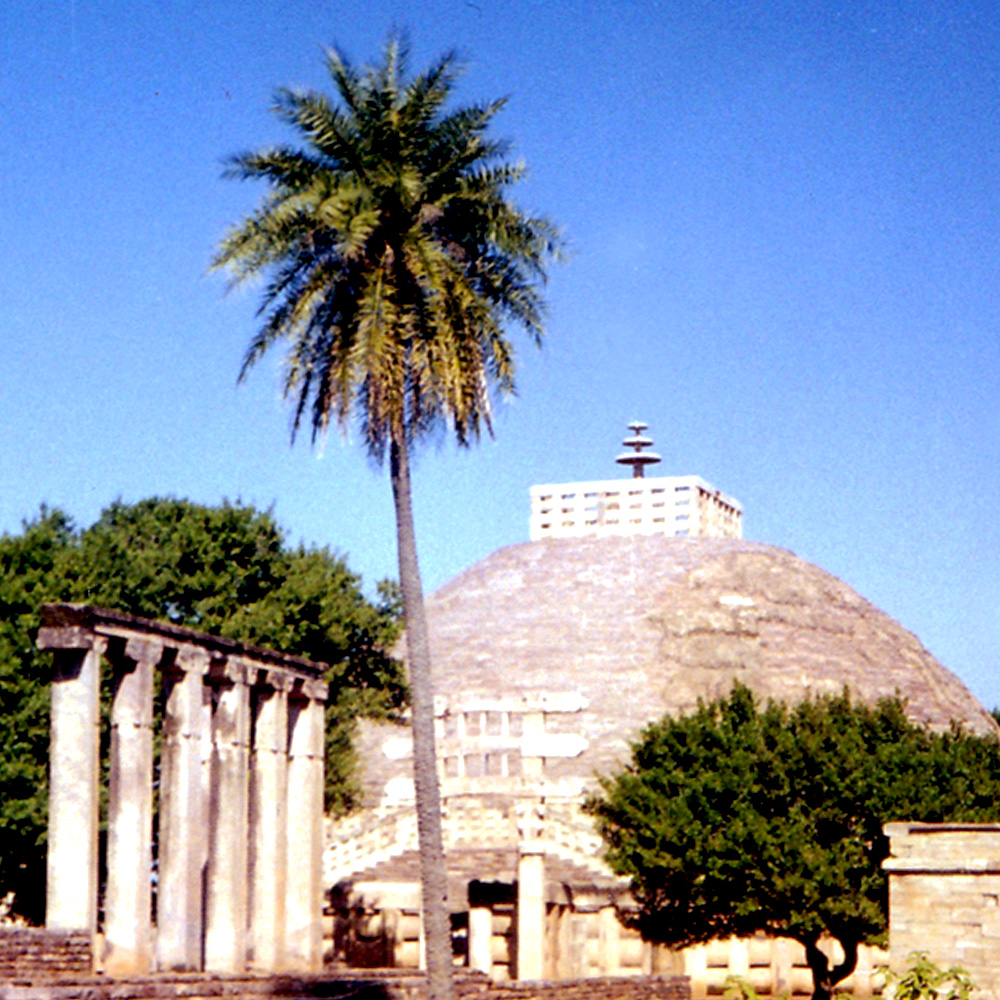
The Great Stupa at Sanchi, commissioned by Emperor Ashoka in the 3rd century BCE, is one of the earliest and most influential monuments of
Indian Buddhist architecture. Originally a modest brick mound enshrining the Buddha’s relics, it was enlarged and encased in stone during the Shunga period,
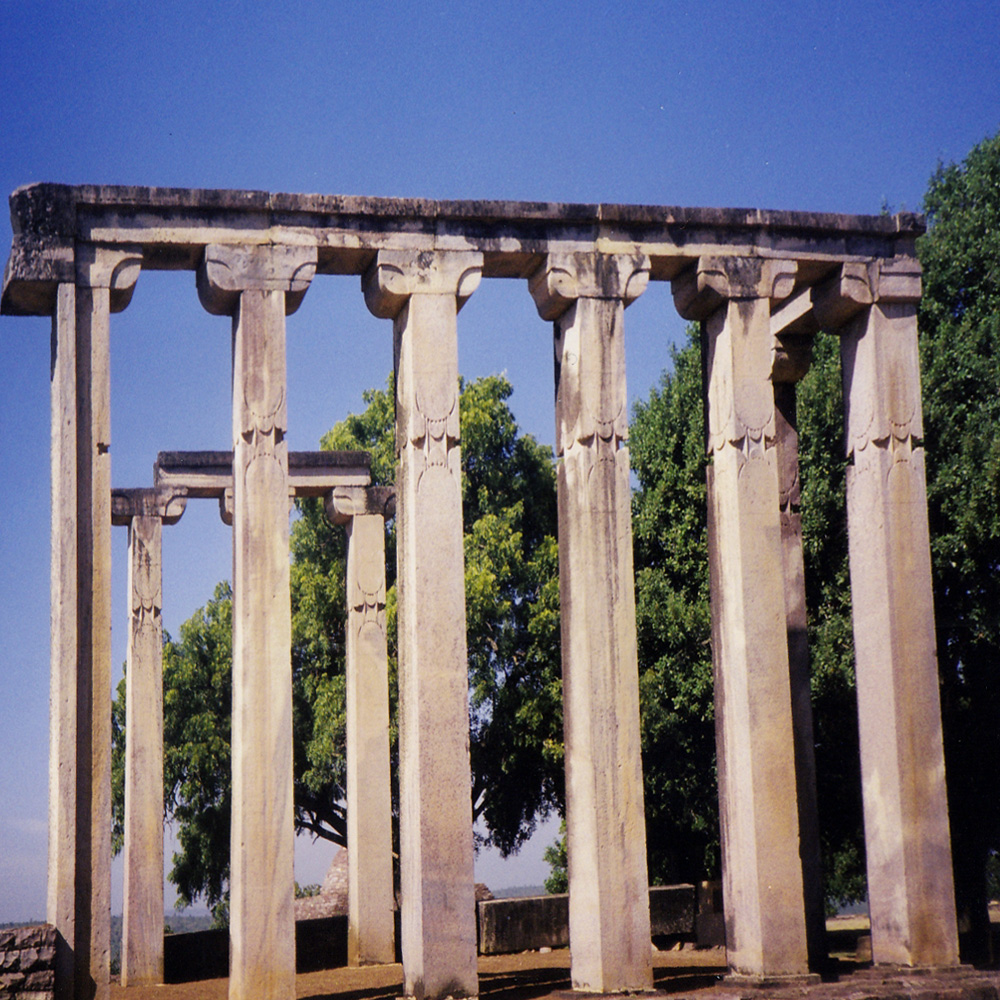
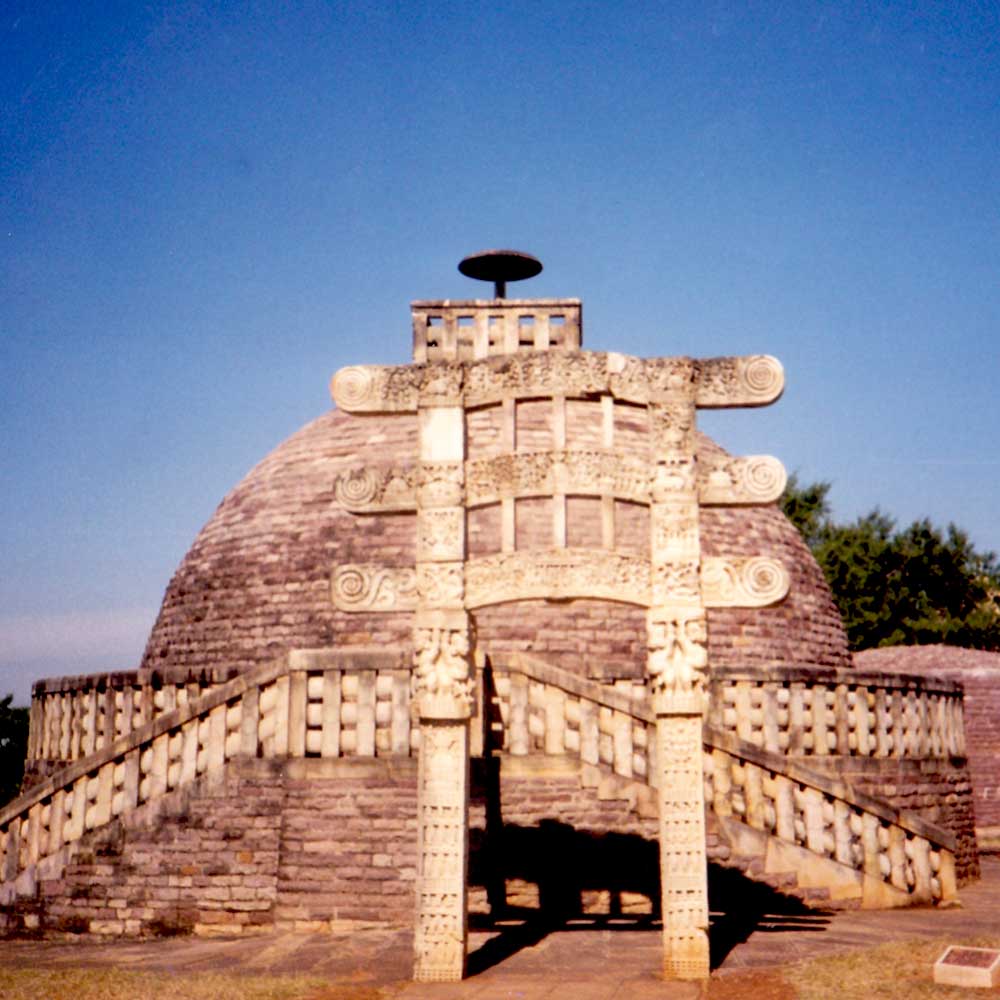
forming the grand hemispherical dome crowned by a chhatra symbolizing spiritual sovereignty. A stone railing and pradakshina patha encircle the stupa, guiding
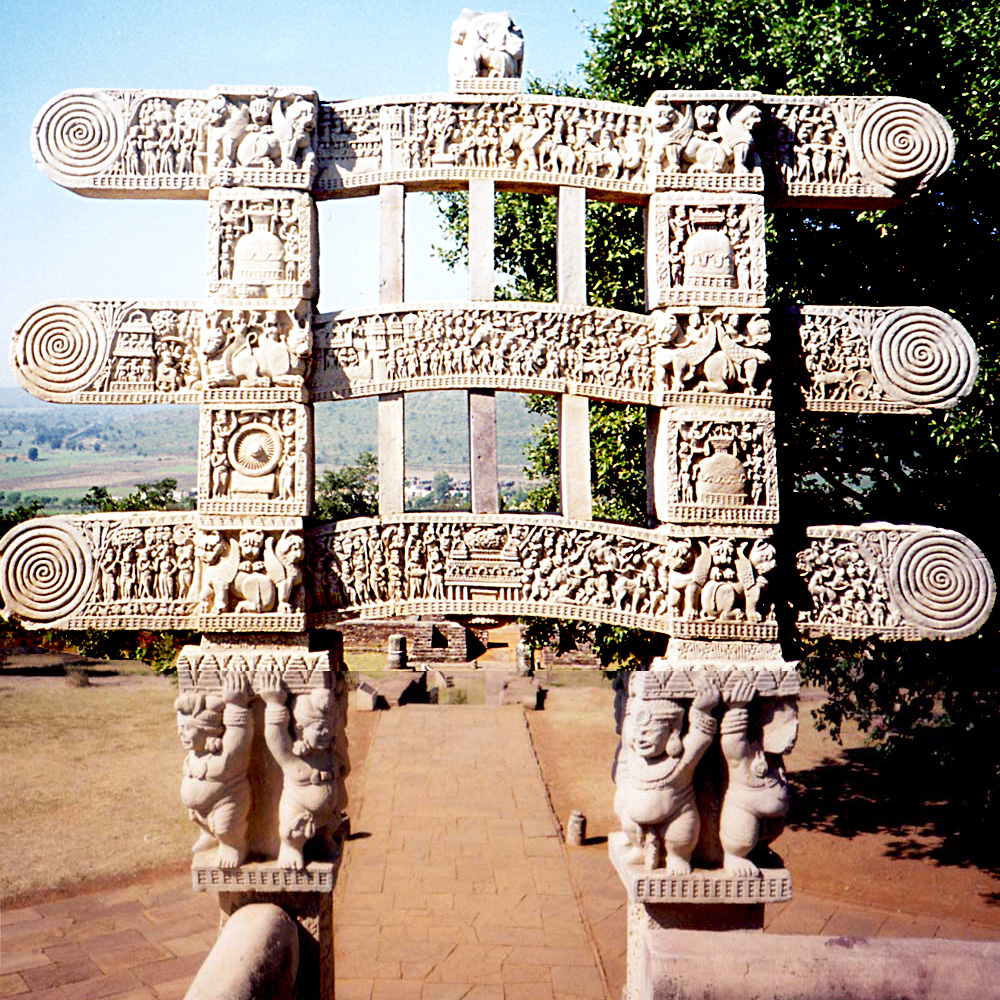
devotees in ritual circumambulation. In the 1st century BCE, four elaborately carved toranas were added at the cardinal points. Their dense reliefs—depicting
Jataka tales, scenes from the Buddha’s life, and symbolic representations of his presence—are among the finest examples of early Indian stone sculpture. Recognized
as a UNESCO World Heritage Site, the Great Stupa became a model for Buddhist sacred architecture across Asia, its vocabulary of dome, railing, gateways, and ritual
pathway shaping stupa design for centuries.
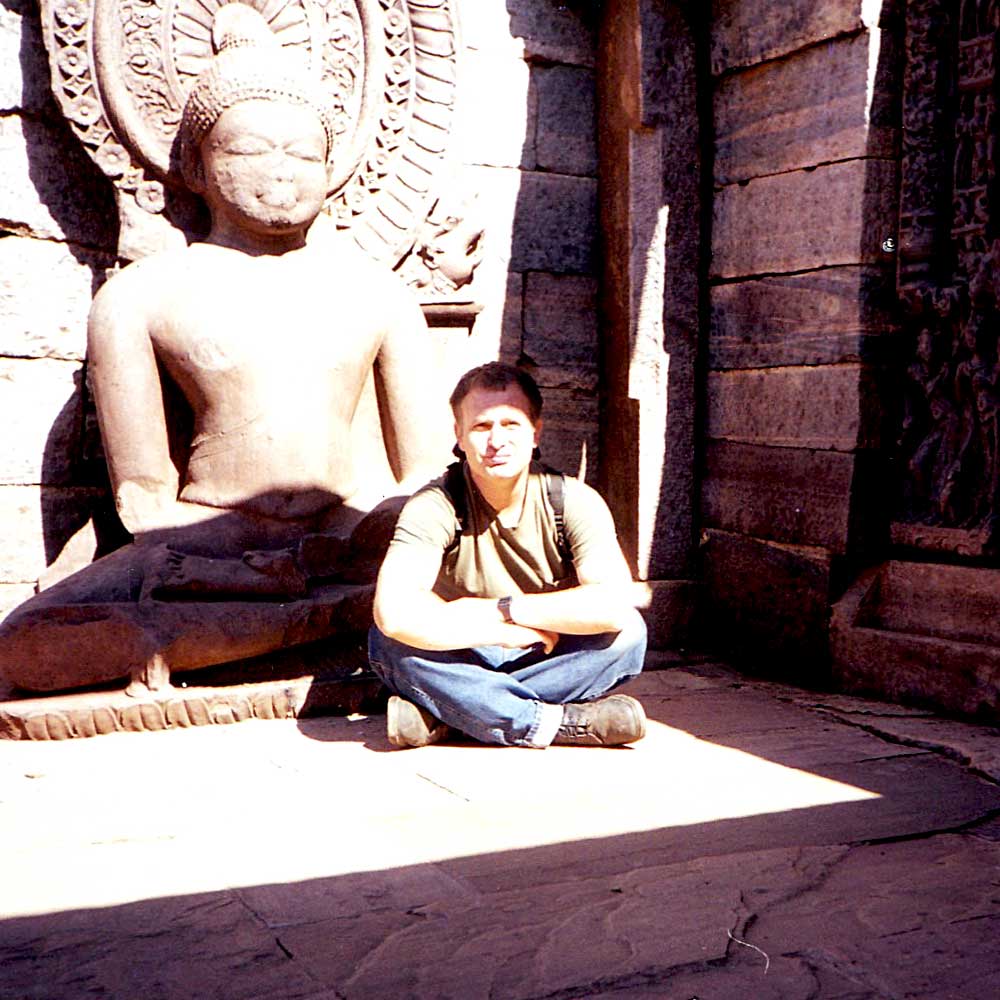
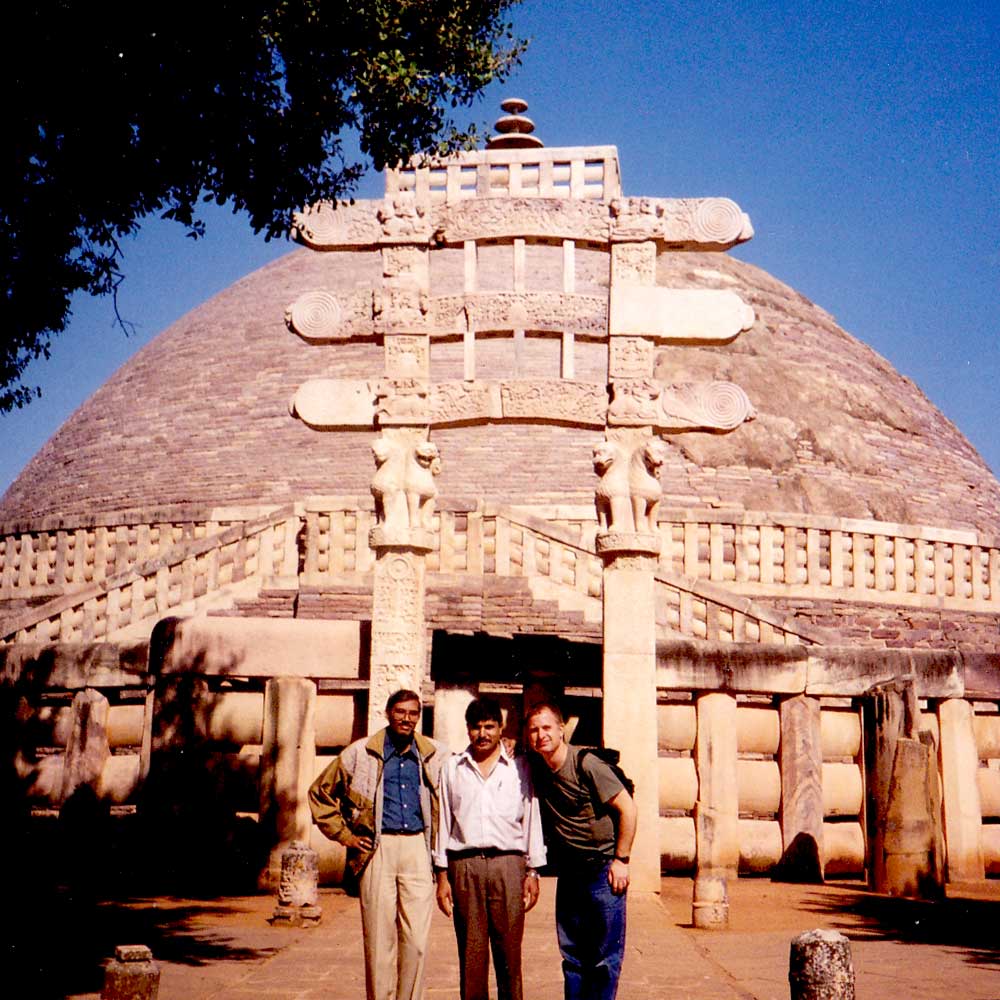 I and local indians at the Great Stupa of Sanchi
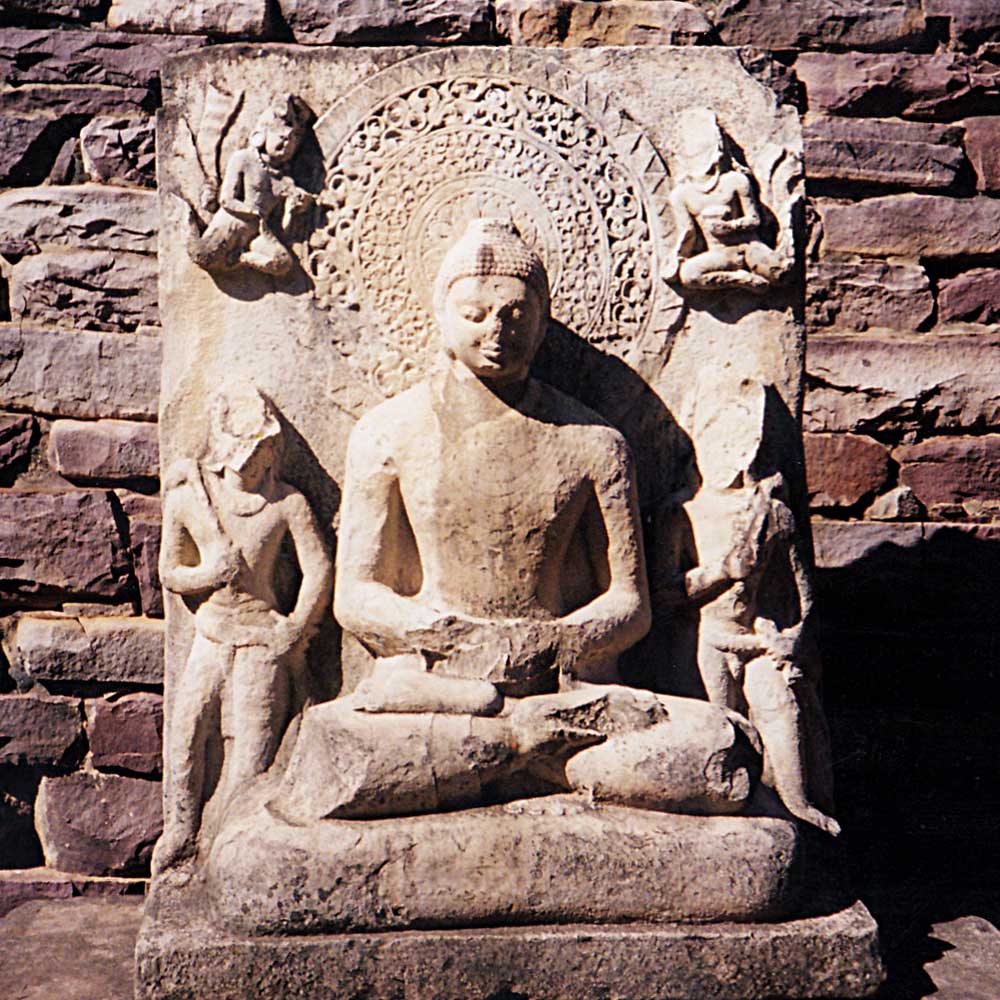 Gupta Empire, Buddha Shakyamuni statue, meditating in the lotus position, 4th century AD, The Great Stupa of Sanchi complex
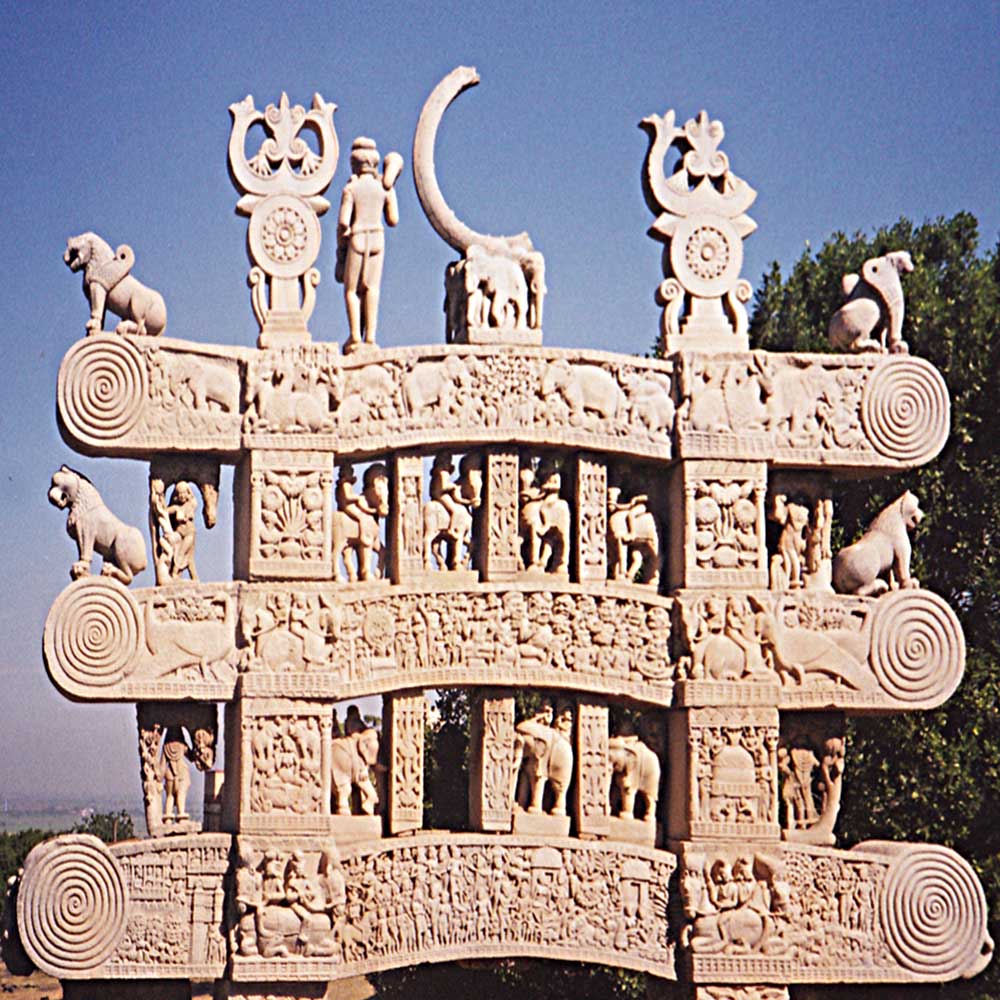
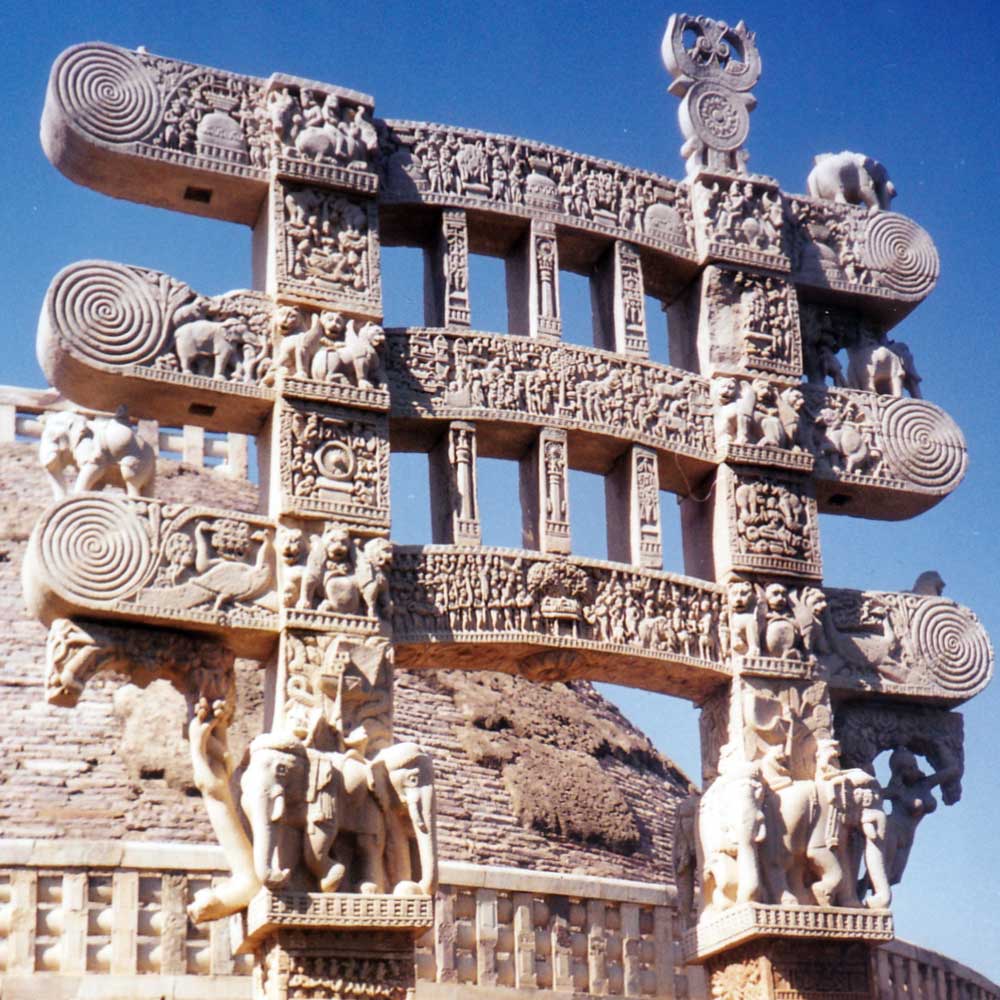 One of the most influential examples of sculpture and narrative carving techniques in Indian history are the gate toranas depicting the life of the
Buddha, the Great Stupa of Sanchi, 3rd century BC
One of the most influential examples of sculpture and narrative carving techniques in Indian history are the gate toranas depicting the life of the
Buddha, the Great Stupa of Sanchi, 3rd century BC
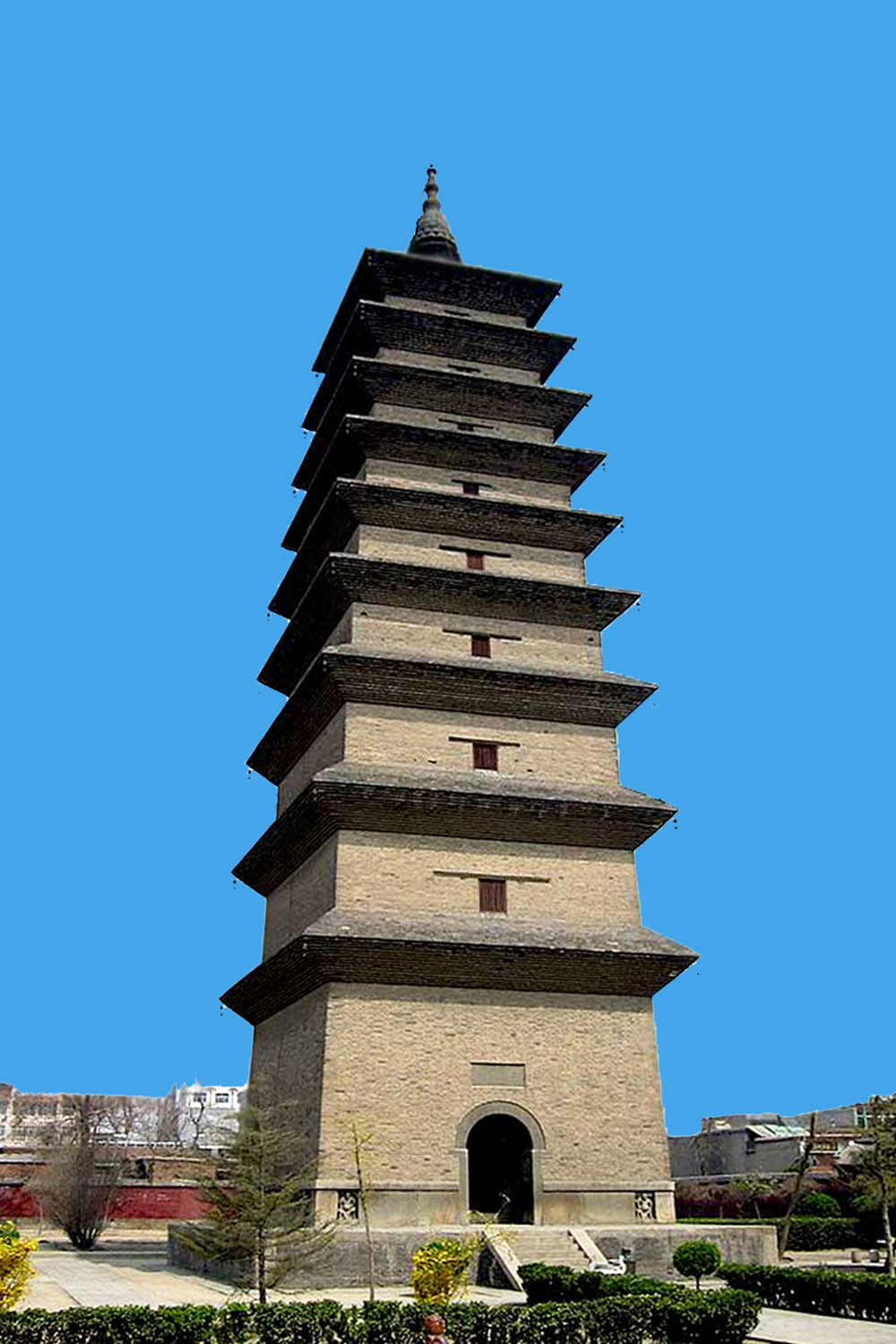
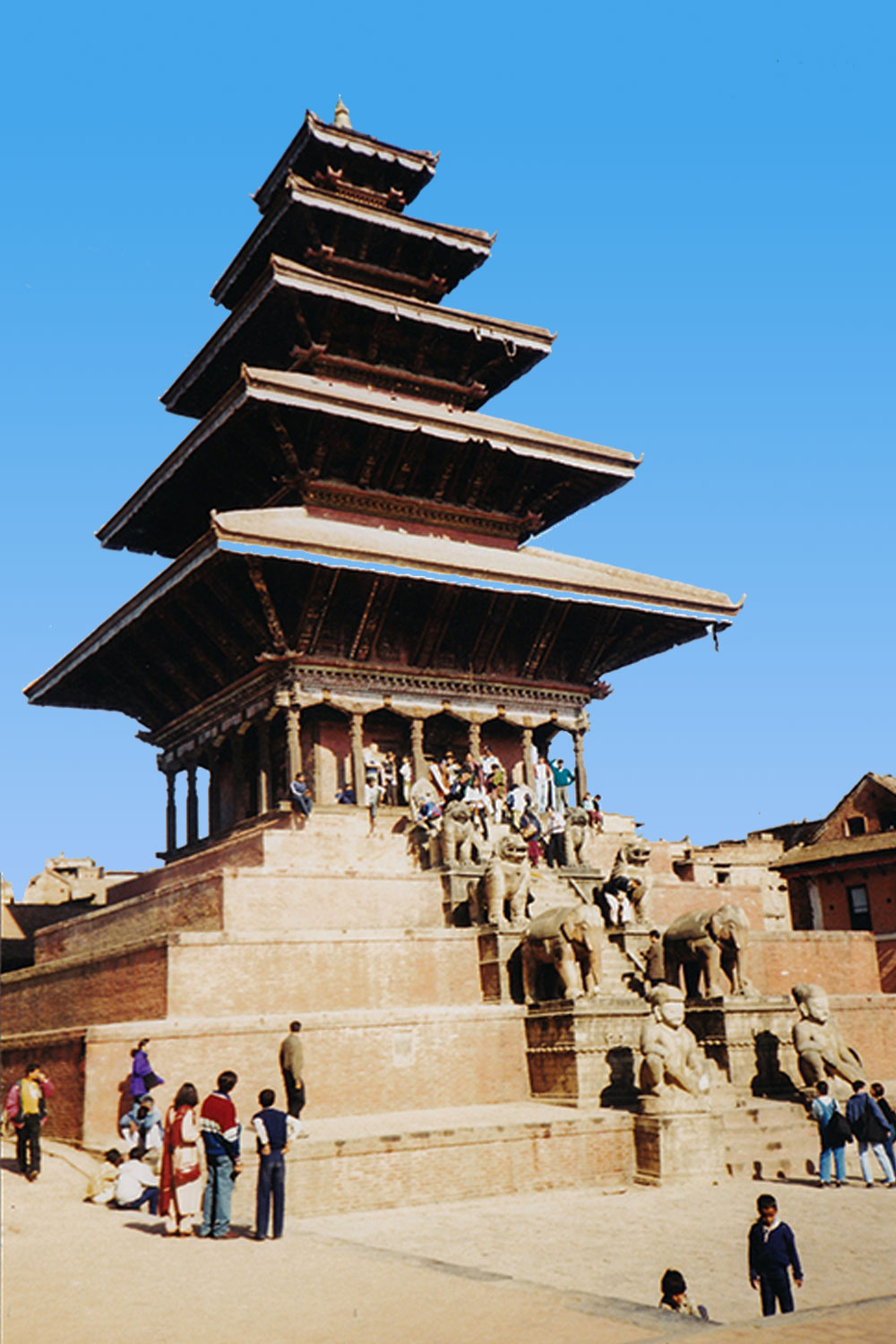
Pagoda architecture
Pagoda architecture evolved from the ancient Indian Buddhist stupa, transforming the original mound into a multistoried, tiered tower designed to
house sacred relics. While early pagodas served as the central focus of temple complexes, they later became standalone monuments—sometimes built in pairs—constructed to
protect holy objects, honor revered individuals, and symbolize the Buddha’s presence. As the stupa form spread across Asia, it adapted to regional traditions, producing a
wide variety of pagoda styles. Most pagodas feature an odd number of tiers—typically between three and thirteen—with gracefully diminishing eaves that create the
classic upward‑soaring silhouette.
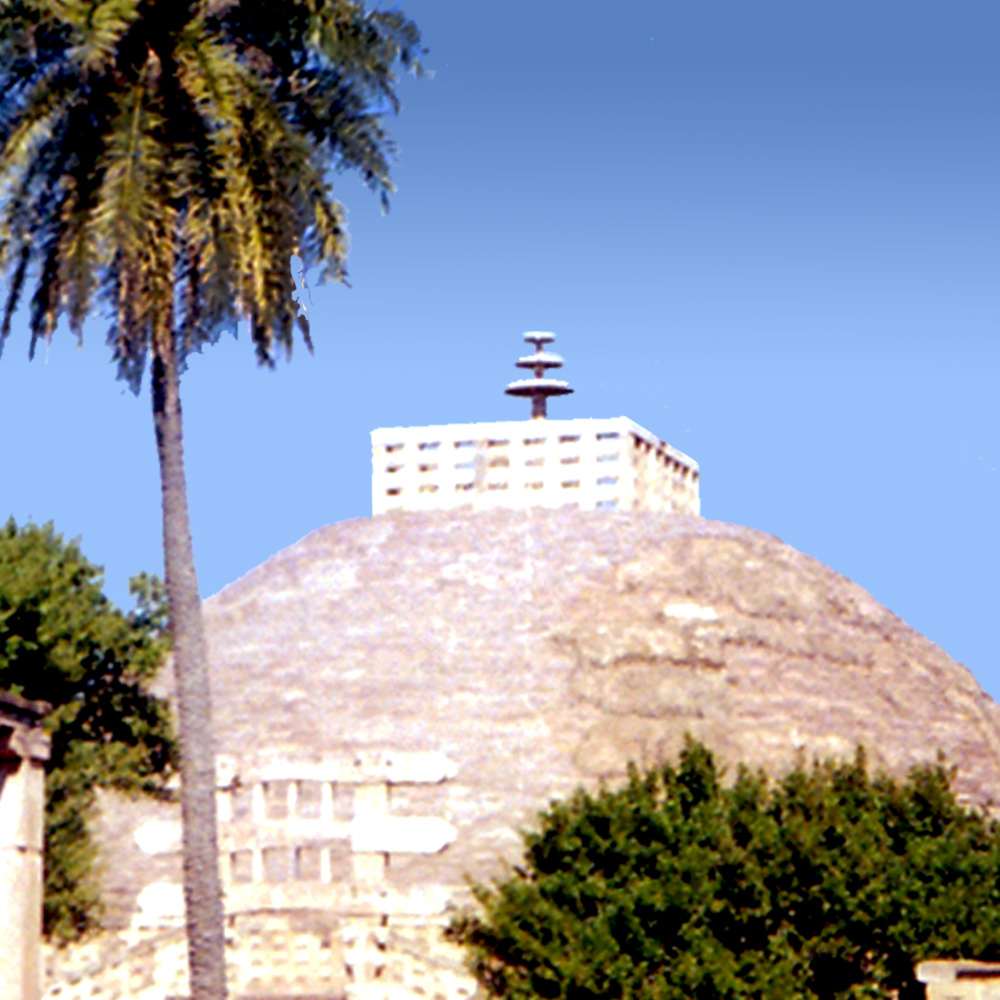 The Pagoda that spread across India to China evolved from the three circular umbrella-like multi-tiered disks that represent the three Jewels of Buddha on
top of the Great Stupa of Sanchi from the 3rd century BC.
The Pagoda that spread across India to China evolved from the three circular umbrella-like multi-tiered disks that represent the three Jewels of Buddha on
top of the Great Stupa of Sanchi from the 3rd century BC.
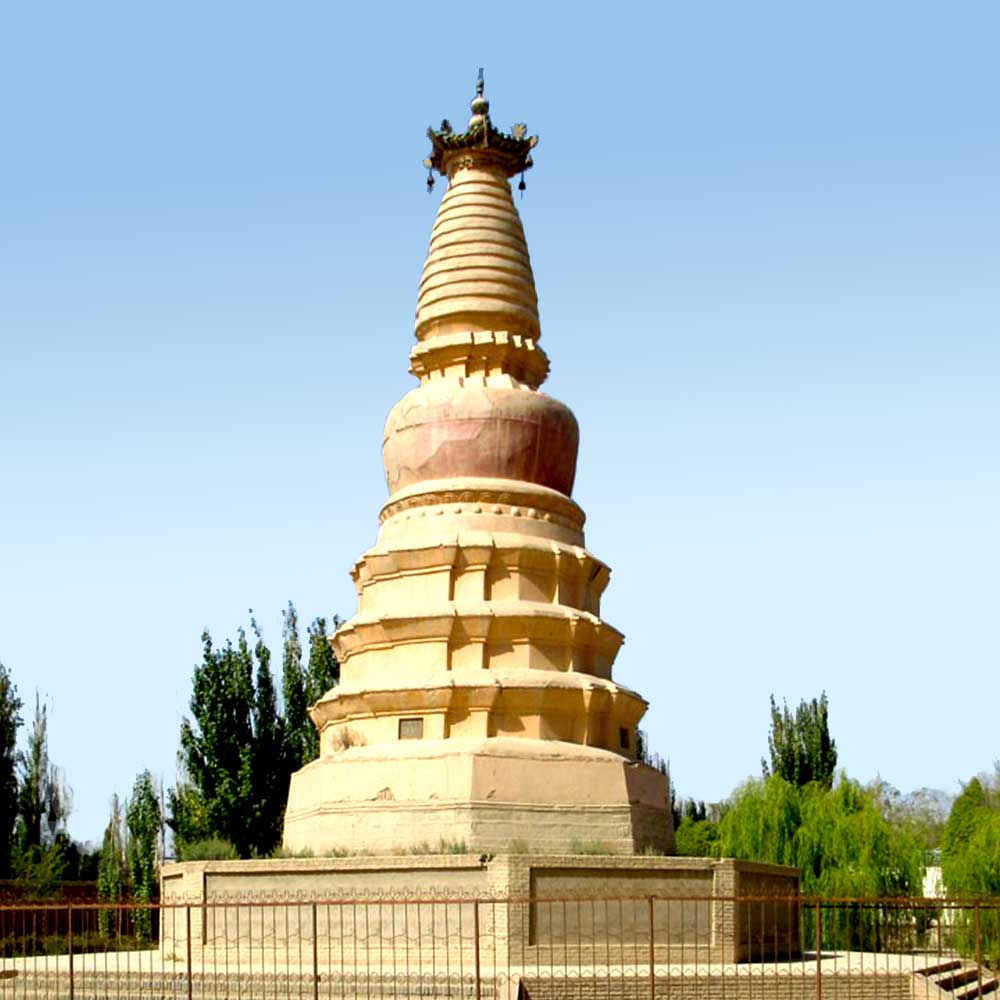 White Horse Pagoda, one of the earlest Chinese Pagoda's built in 384 CE, it is 12 metres (39 feet) high and 7 metres (23 feet) in diameter and consists of 9 levels in
total, Dunhuang, Gansu, China
White Horse Pagoda, one of the earlest Chinese Pagoda's built in 384 CE, it is 12 metres (39 feet) high and 7 metres (23 feet) in diameter and consists of 9 levels in
total, Dunhuang, Gansu, China
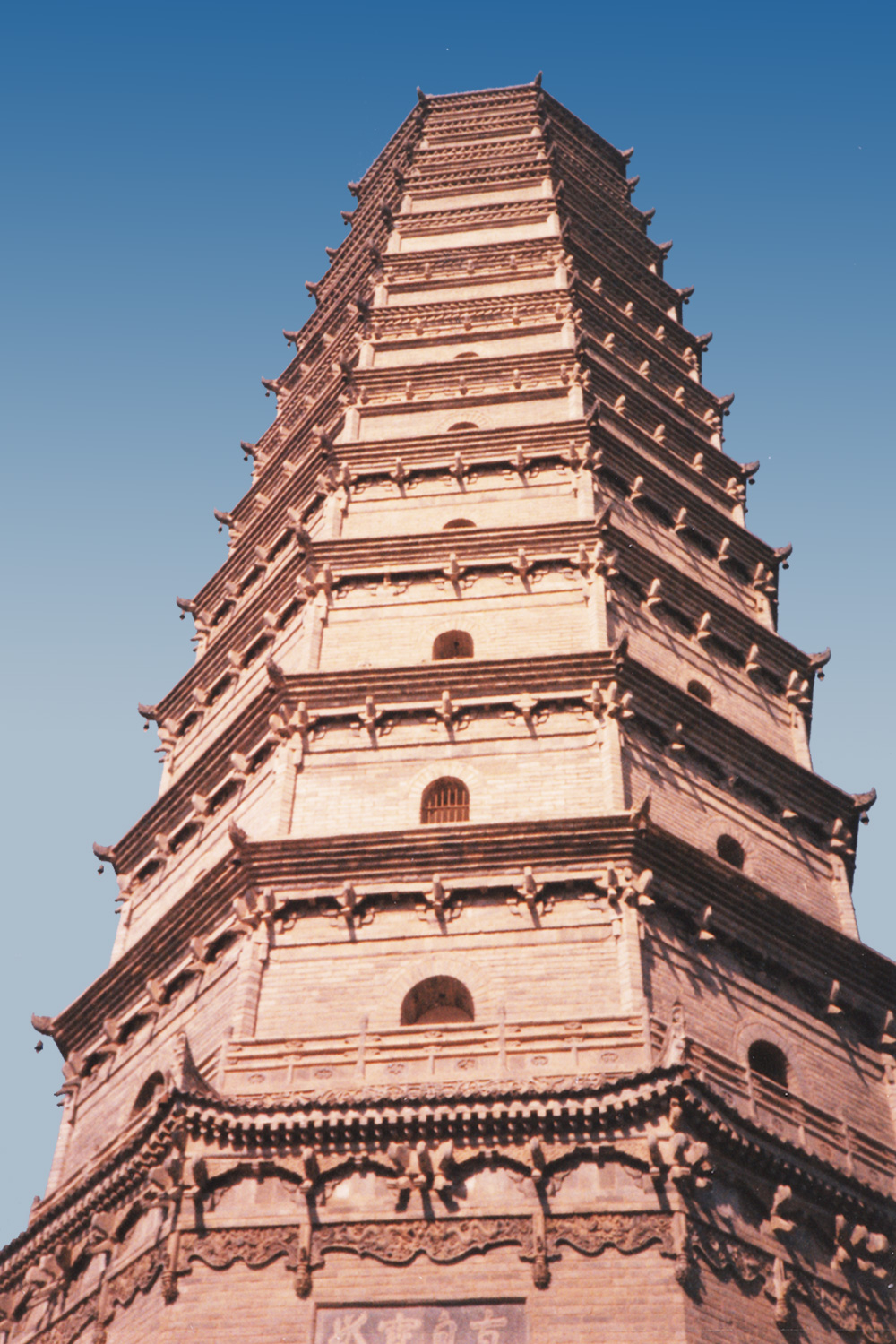
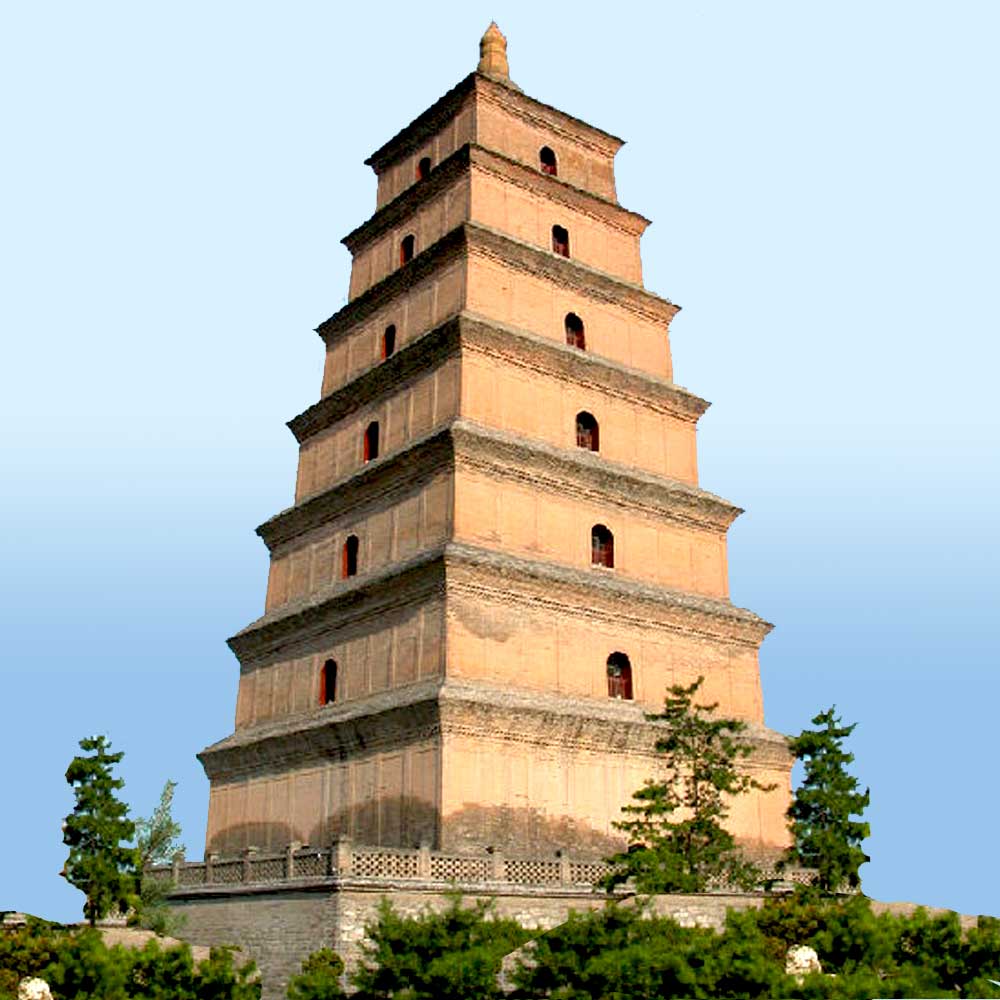 Giant Wild Goose multi-tiered Pagoda, the style of architecture is typical of traditional Chinese style on a square base, built in 649 CE, Tang Dynasty, Xi'an,
China
Giant Wild Goose multi-tiered Pagoda, the style of architecture is typical of traditional Chinese style on a square base, built in 649 CE, Tang Dynasty, Xi'an,
China
 Top
Top