The STEP PYRAMID
The Old Kingdom necropolis of Saqqara (2700–2200 BCE), known as the “Age of the Pyramids,” marks a transformative era in Egyptian architecture and art.
The Step Pyramid of King Djoser, built around 2670 BCE and designed by Imhotep—the first architect known by name—is the earliest Egyptian pyramid and the
oldest monument constructed entirely of cut stone. Rising 205 feet (62.5 meters) in six tiers, it represents the shift from mud‑brick to monumental stone
building. This period also saw major advances in sculpture and funerary art, including naturalistic works like the seated scribe, refined relief carving,
and vibrant wall paintings and hieroglyphic inscriptions used to sustain the deceased in the afterlife. Imhotep’s innovations extended to the pyramid
complex itself, with stone columns modeled on bundled reeds, papyrus‑shaped capitals, and intricate reliefs and glazed tiles in the underground chambers—features
that influenced Egyptian architecture for millennia.
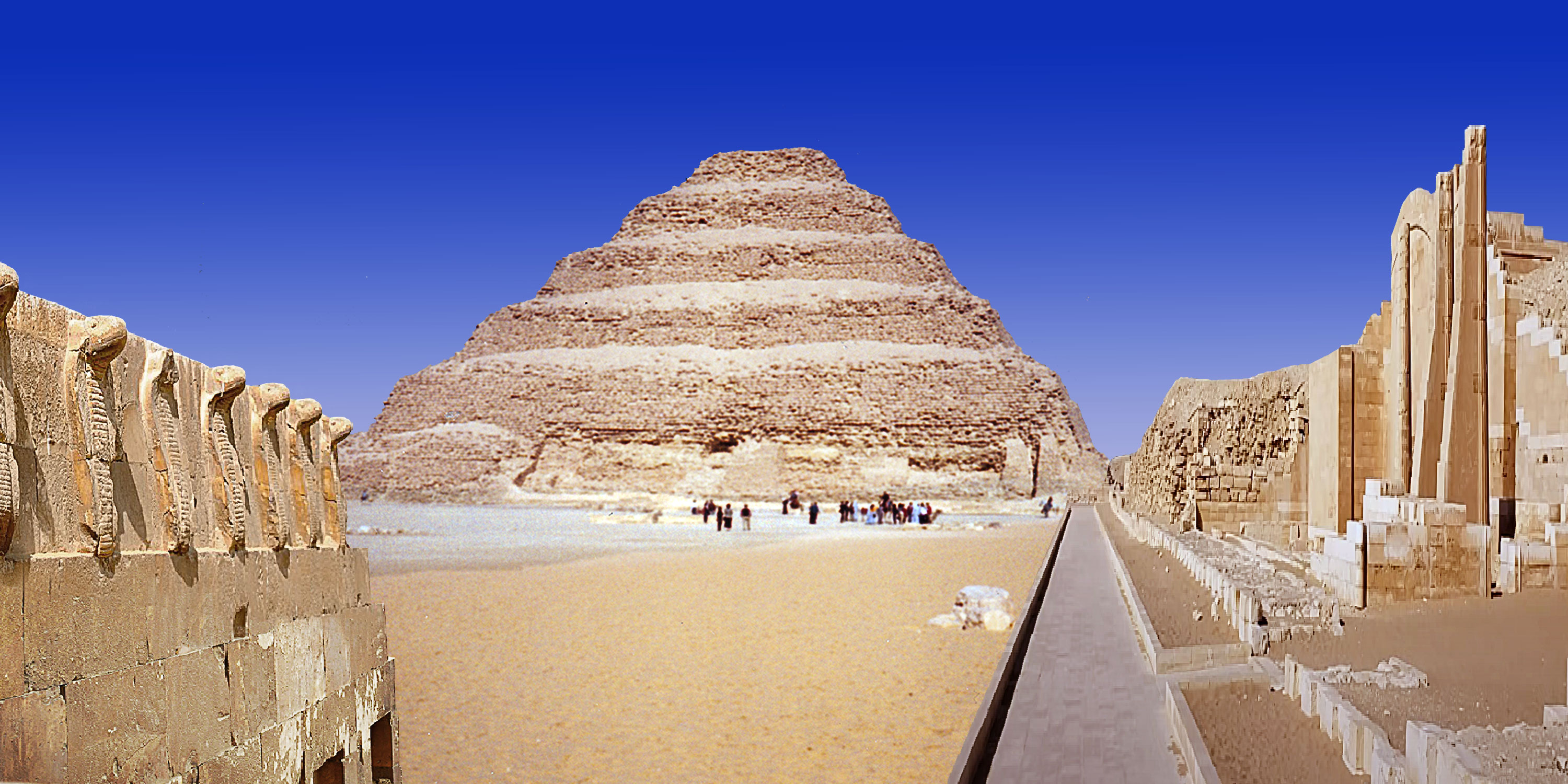 1.) A frieze of cobras symbolizes protection for
King Djoser in front of his Stepped Pyramid at Saqqara, Egypt's first true pyramid built of cut stone 2630 BCE by the first known architect, Imhotep, the Stepped Pyramid
complex is part of the Enclosure Wall at the South-side, 3rd Dynasty, 27th century BCE., Saqqara, Egypt.
1.) A frieze of cobras symbolizes protection for
King Djoser in front of his Stepped Pyramid at Saqqara, Egypt's first true pyramid built of cut stone 2630 BCE by the first known architect, Imhotep, the Stepped Pyramid
complex is part of the Enclosure Wall at the South-side, 3rd Dynasty, 27th century BCE., Saqqara, Egypt.
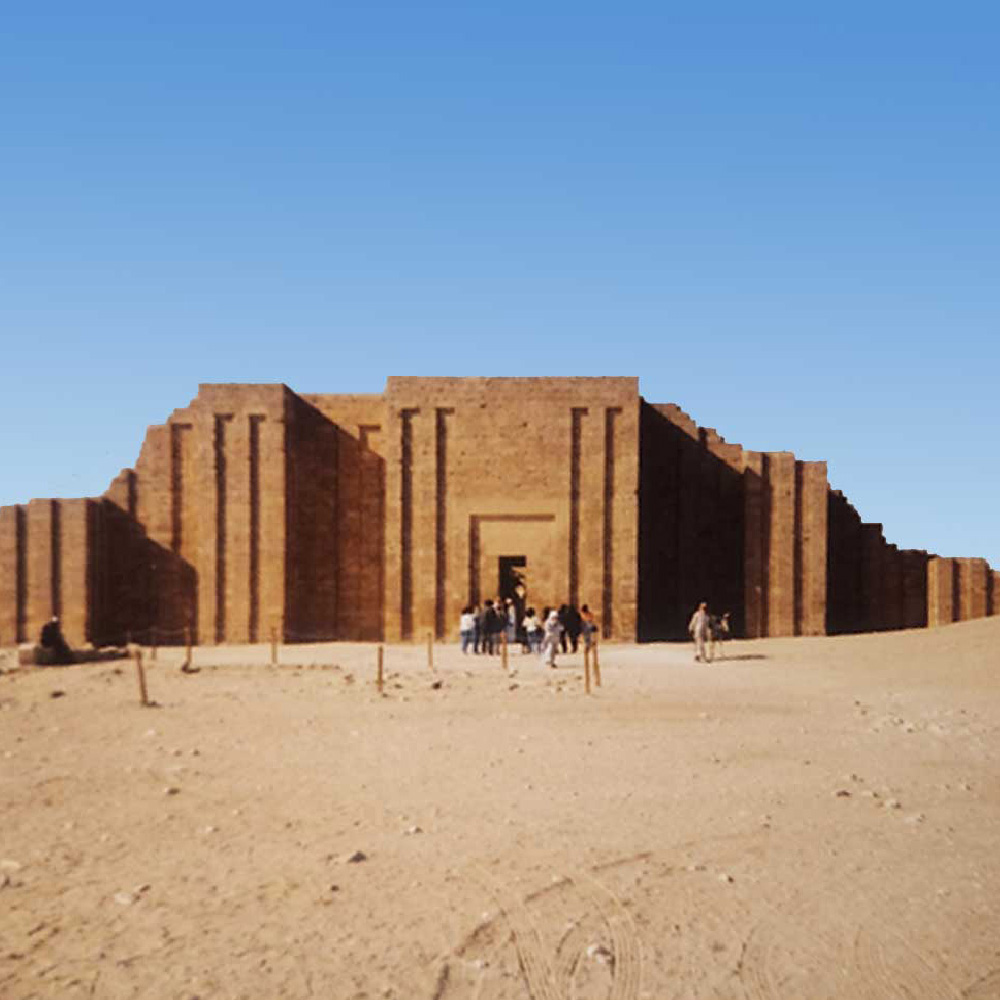 1.) Entrance to the Stepped Pyramid Complex in Saqqara
for the first time introducing columns made of cut stone..
1.) Entrance to the Stepped Pyramid Complex in Saqqara
for the first time introducing columns made of cut stone..
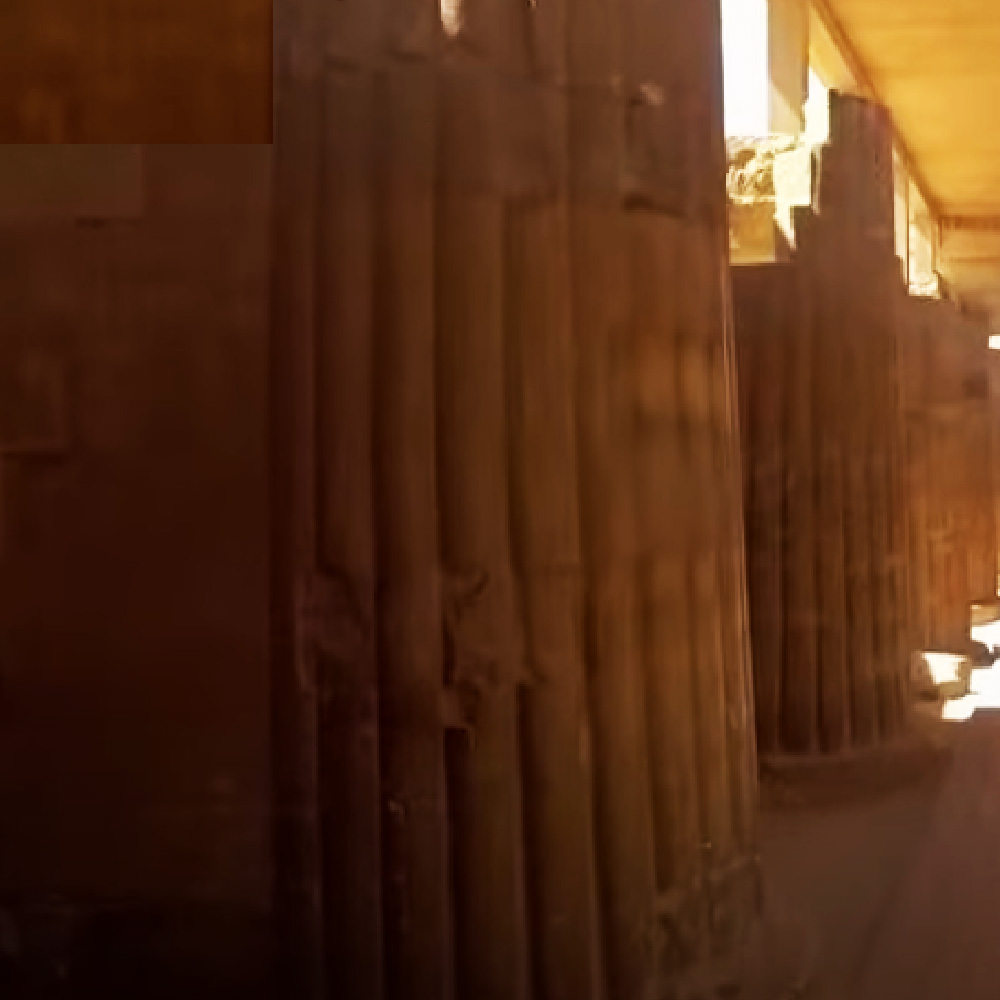 2.) The entrance colonnade corridor leading into
the funerary complex is a narrow 1.05 m (3.4 ft) wide by 6 m (20 ft) long corridor this is followed by a wider corridor flanked by..
2.) The entrance colonnade corridor leading into
the funerary complex is a narrow 1.05 m (3.4 ft) wide by 6 m (20 ft) long corridor this is followed by a wider corridor flanked by..
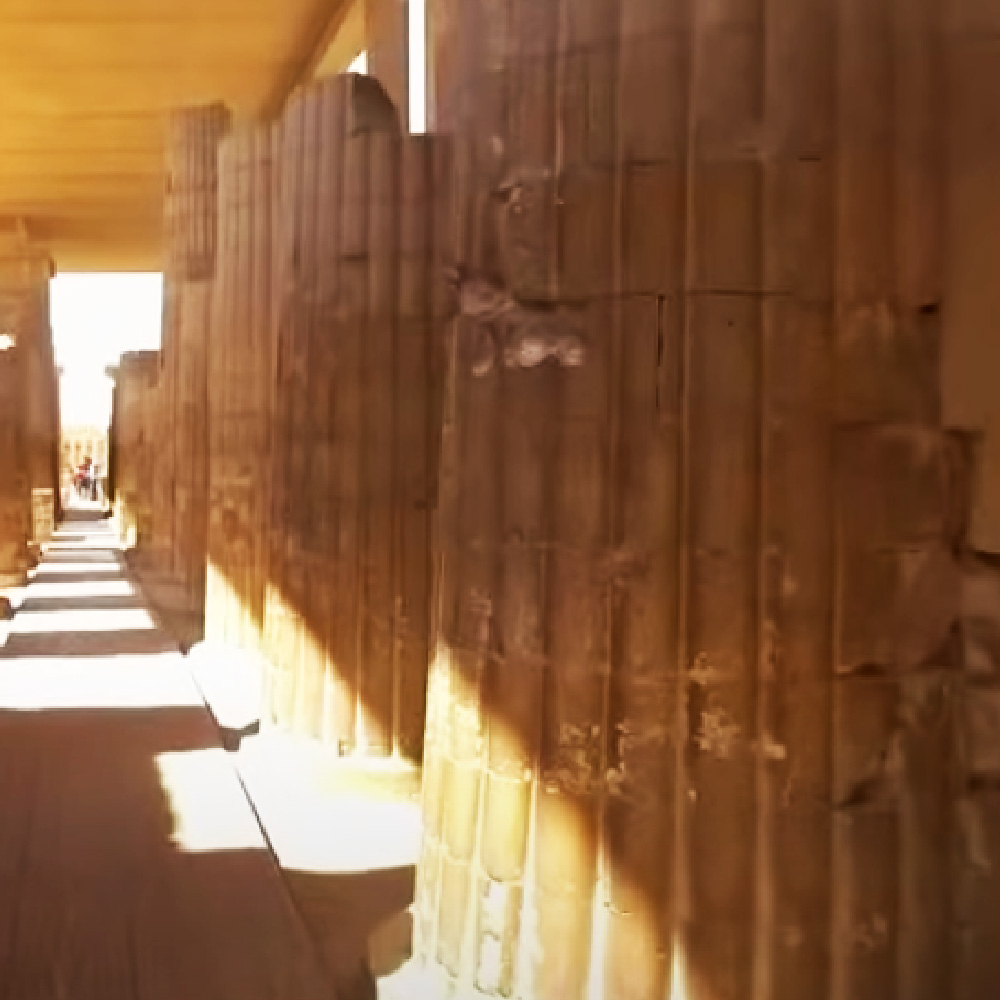 3.) 40 limestone columns, each nearly 6 m (20 ft)
tall and were fashioned for the first time to resemble bundled reeds that had between seventeen and nineteen ribs, 3rd Dynasty, 27th century BCE.,
Saqqara, Egypt
3.) 40 limestone columns, each nearly 6 m (20 ft)
tall and were fashioned for the first time to resemble bundled reeds that had between seventeen and nineteen ribs, 3rd Dynasty, 27th century BCE.,
Saqqara, Egypt
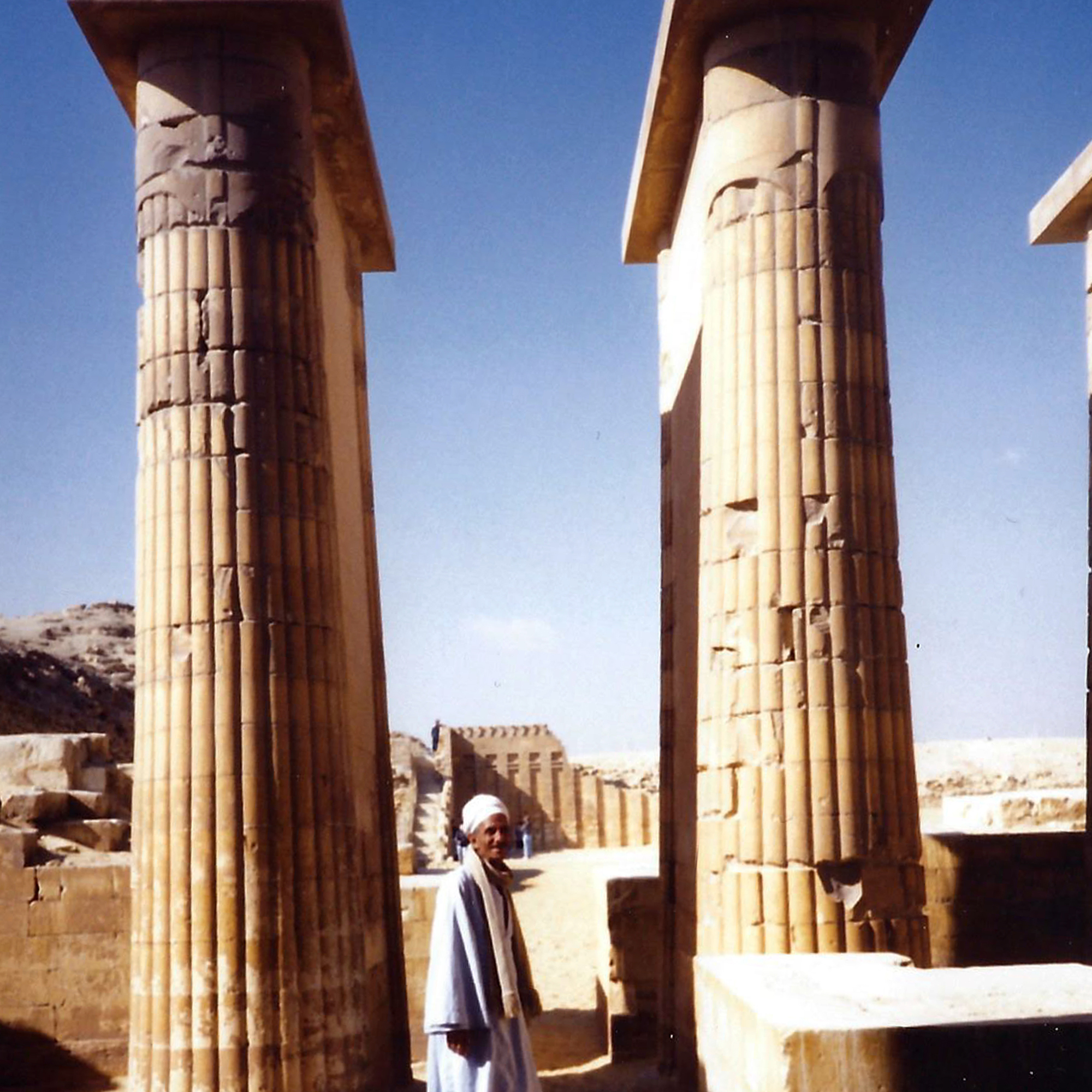 World's first stone columns at Saqqara Step Pyramid,
the columns made of cut stone are 20 ft tall and were fashioned for the first time in history to resemble bundled reeds that had between seventeen
to nineteen ribs, Saqqara, Egypt.
World's first stone columns at Saqqara Step Pyramid,
the columns made of cut stone are 20 ft tall and were fashioned for the first time in history to resemble bundled reeds that had between seventeen
to nineteen ribs, Saqqara, Egypt.
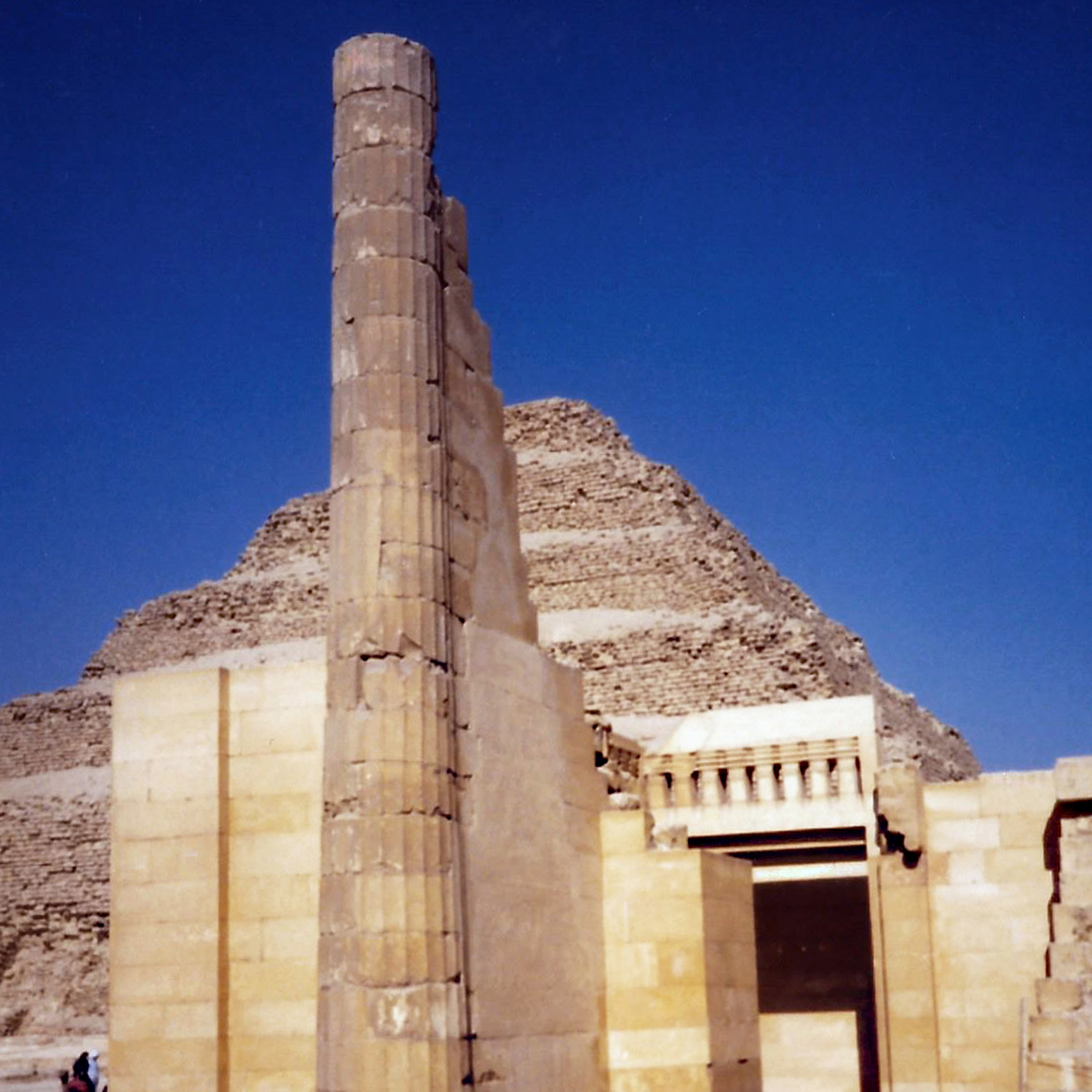 Memphis, Wall with Columns, Saqqara Necropolis, A
view on Temple 'T' with the Step Pyramid in the background, Saqqara, Egypt.
Memphis, Wall with Columns, Saqqara Necropolis, A
view on Temple 'T' with the Step Pyramid in the background, Saqqara, Egypt.
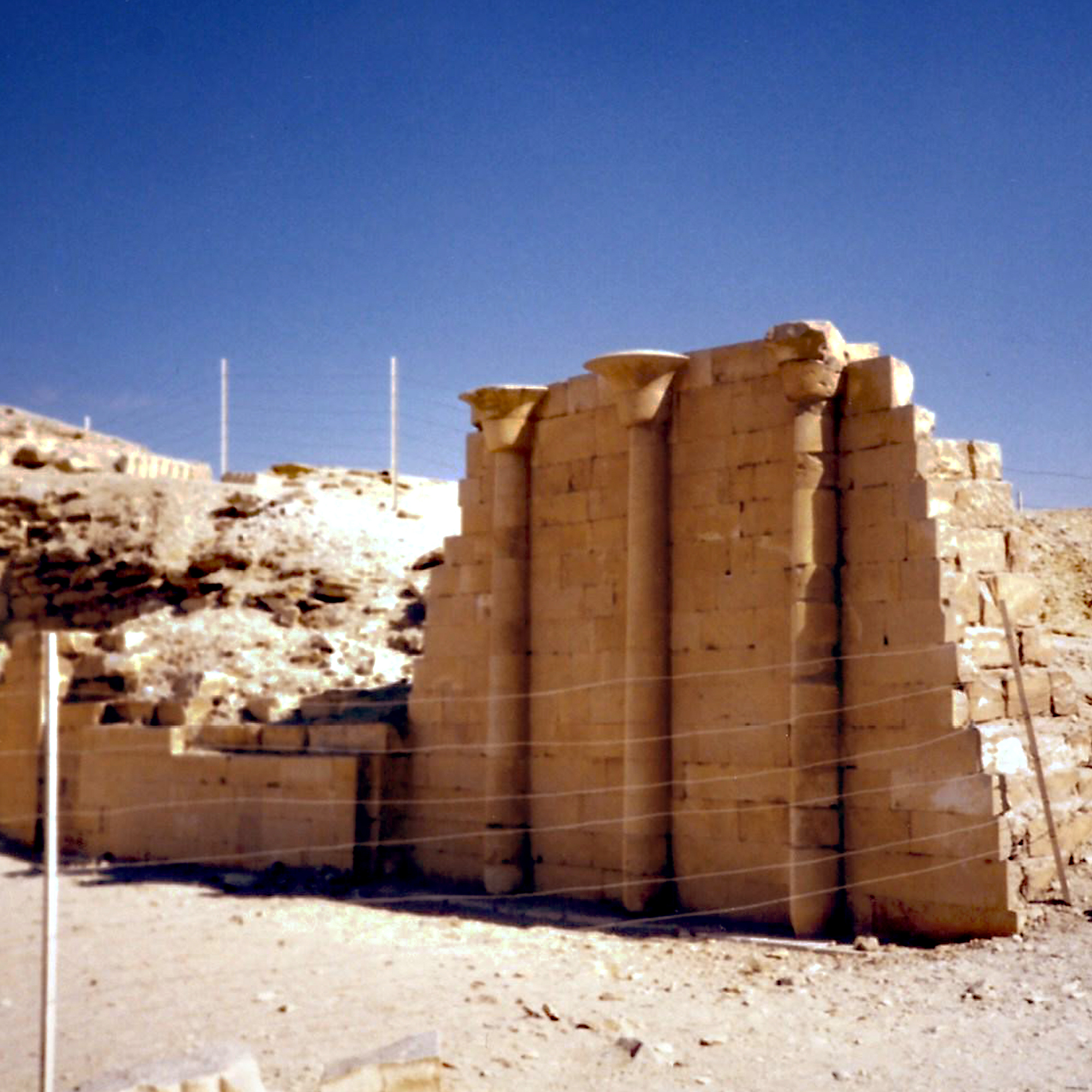 The false columns in the open court of the House of
the North have papyrus-shaped capitals, these columns were nothing more than a rendering in highly raised relief and did not have a supporting
function, Saqqara, Egypt.
The false columns in the open court of the House of
the North have papyrus-shaped capitals, these columns were nothing more than a rendering in highly raised relief and did not have a supporting
function, Saqqara, Egypt.
THE SEATED SCRIBE
The seated scribe statues, carved from painted limestone and dating to the 4th Dynasty (2620–2500 BCE), are among the earliest and most
celebrated works of ancient Egyptian sculpture. The example from Saqqara is especially significant for its rare naturalism: unlike the idealized, rigid forms
typical of Egyptian art, this figure shows a lifelike body, alert posture, and inlaid eyes that convey intelligence and psychological depth. His steady gaze
suggests a moment of contemplation, as if preparing to record a thought. Scribes held one of the most important roles in ancient Egypt, representing knowledge,
administration, literature, and cultural memory. As members of a highly educated elite, they preserved history, managed state affairs, and served the pharaoh
directly. Their skills were considered so essential that many officials ensured their scribes accompanied them into the Afterlife, believing their literacy would
remain invaluable beyond death.
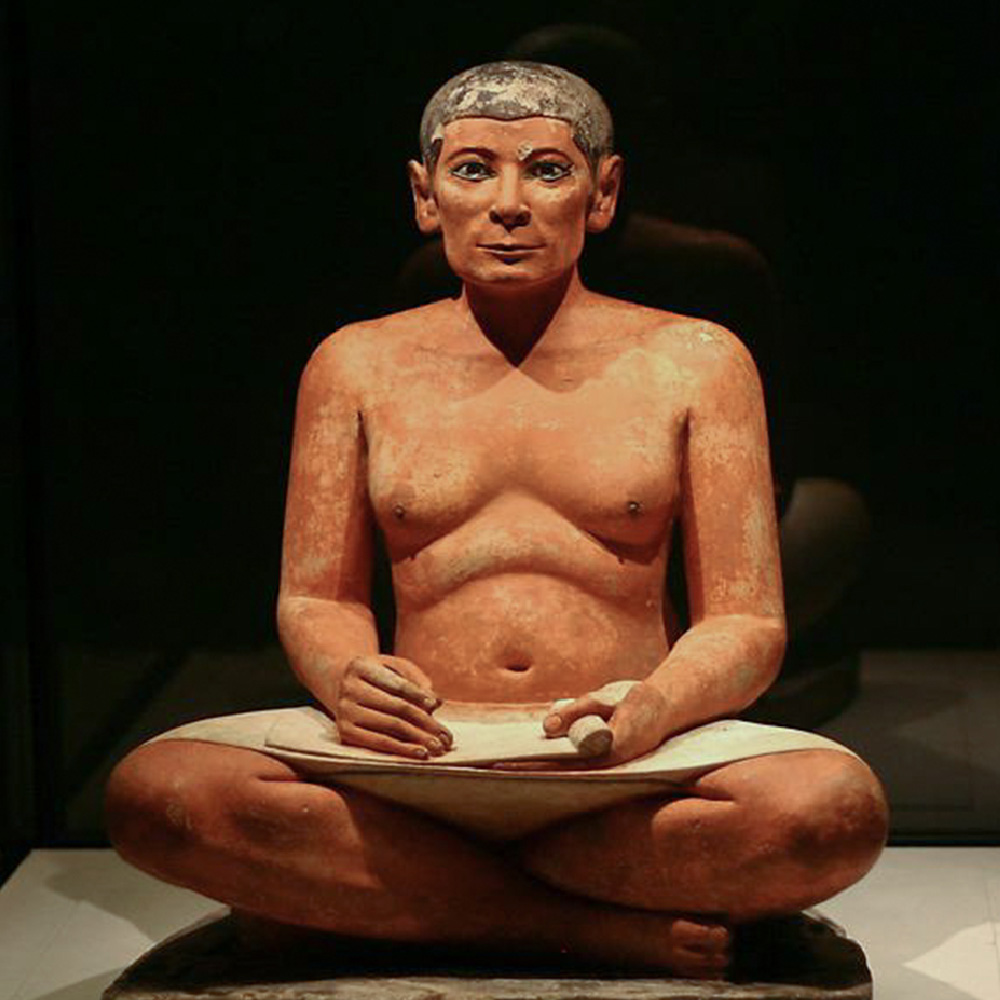 Seated scribe, carved & painted limestone, with eyes inlaid
with rock crystal, magnesite, and copper, unearthed in 1850 at Saqqara, 4th dynasty, (2620–2500 BCE), The Lourve, Paris
Seated scribe, carved & painted limestone, with eyes inlaid
with rock crystal, magnesite, and copper, unearthed in 1850 at Saqqara, 4th dynasty, (2620–2500 BCE), The Lourve, Paris
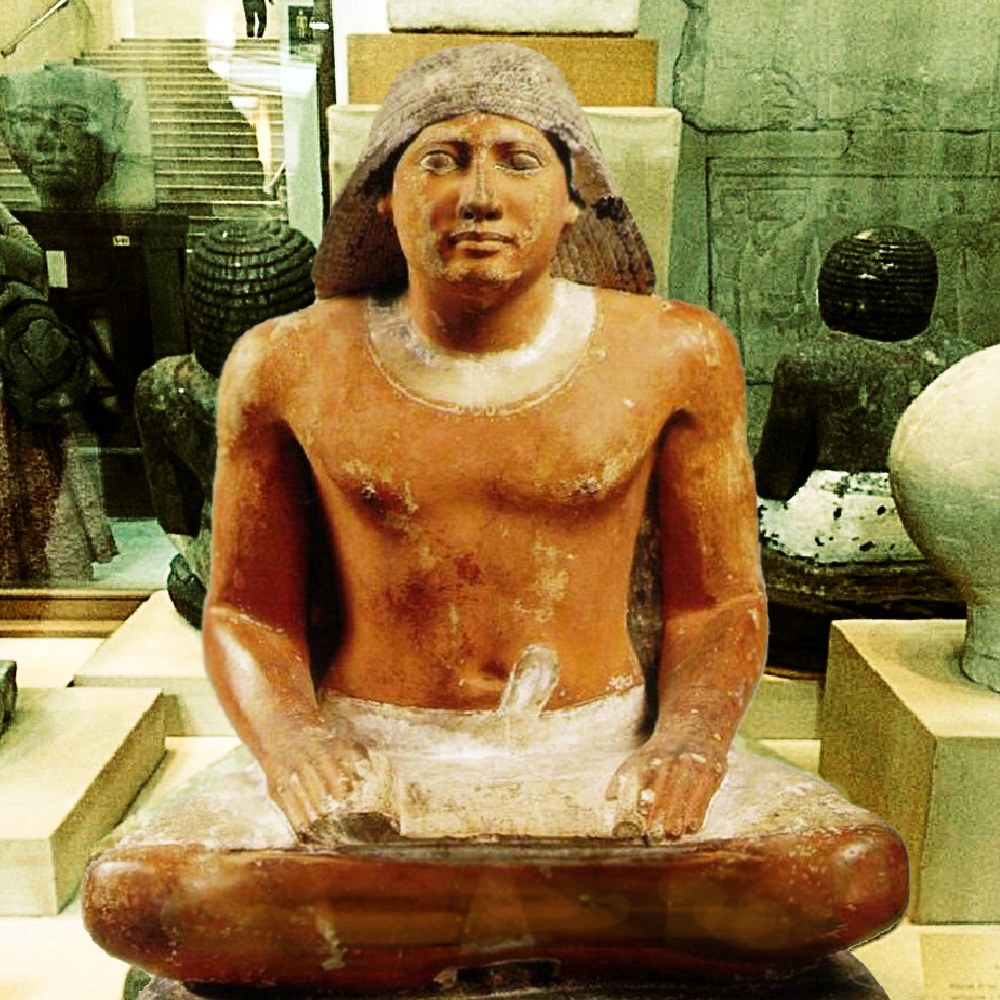 Seated scribe, carved & painted limestone, with eyes inlaid
with rock crystal, magnesite, and copper, 5th dynasty, (2450–2325 BCE), Egyptian Museum, Cairo
Seated scribe, carved & painted limestone, with eyes inlaid
with rock crystal, magnesite, and copper, 5th dynasty, (2450–2325 BCE), Egyptian Museum, Cairo
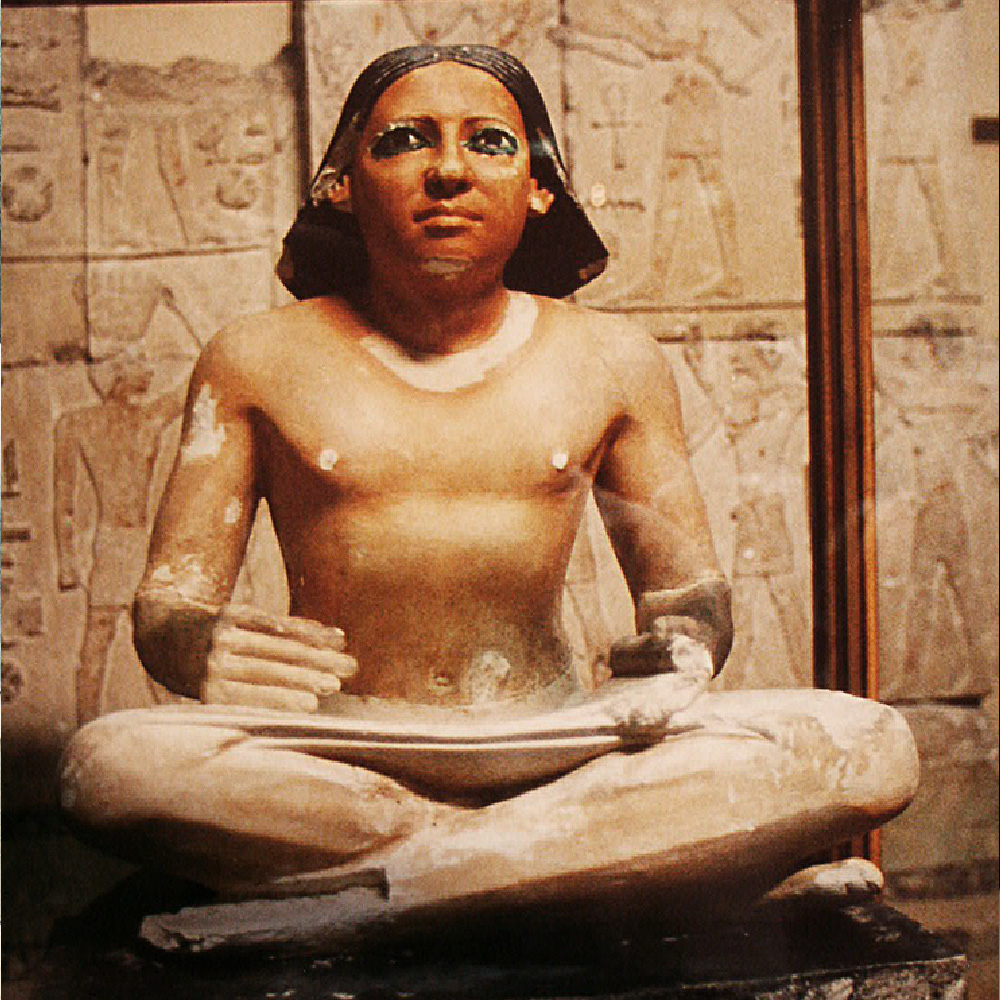 Seated scribe, carved & painted limestone, with eyes inlaid
with rock crystal, magnesite, and copper, called the “Cairo Scribe”, unearthed in 1893 at Saqqara, 5th dynasty, (2450–2325 BCE), Egyptian Museum, Cairo
Seated scribe, carved & painted limestone, with eyes inlaid
with rock crystal, magnesite, and copper, called the “Cairo Scribe”, unearthed in 1893 at Saqqara, 5th dynasty, (2450–2325 BCE), Egyptian Museum, Cairo
THE FALSE DOOR
A false door is a carved or painted, nonfunctional doorway that served as a symbolic portal for the deceased in ancient Egypt. First appearing
in the Third Dynasty and common through the Old Kingdom, these recessed niches—often carved from a single block of limestone or wood—were decorated with reliefs,
inscriptions, and offering formulas. By the Middle Kingdom, false doors were frequently incorporated into rectangular stelae and placed on the west wall of the
tomb’s offering chapel, where family members presented food and drink believed to be received by the spirit through this sacred threshold. Though central to tomb
architecture, they were rarely placed on coffins, as their ritual power depended on the tomb’s orientation and ceremonial setting.
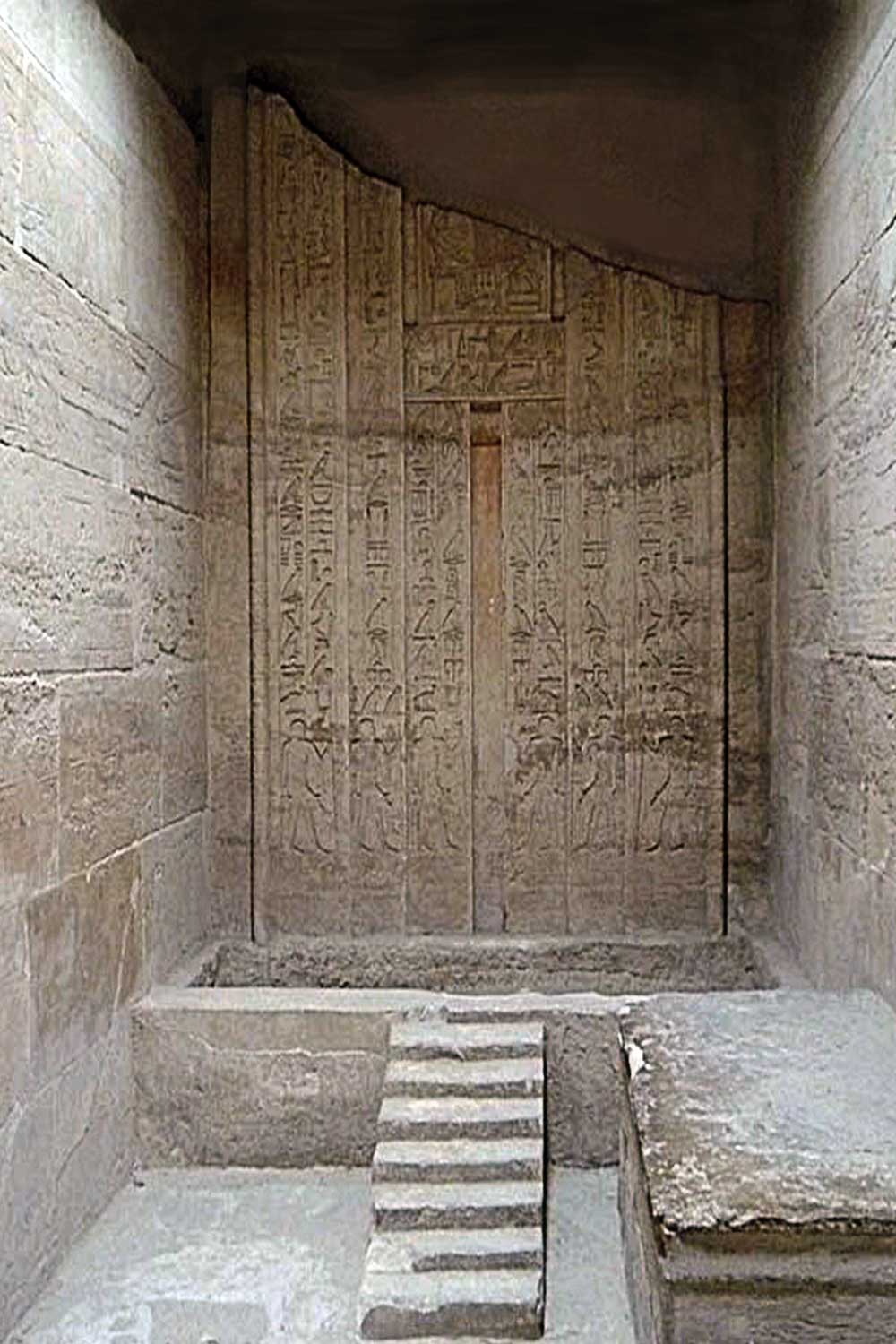 False Door of Kagemni, 6th dynasty
(2345-2181 BCE), Saqqara
False Door of Kagemni, 6th dynasty
(2345-2181 BCE), Saqqara
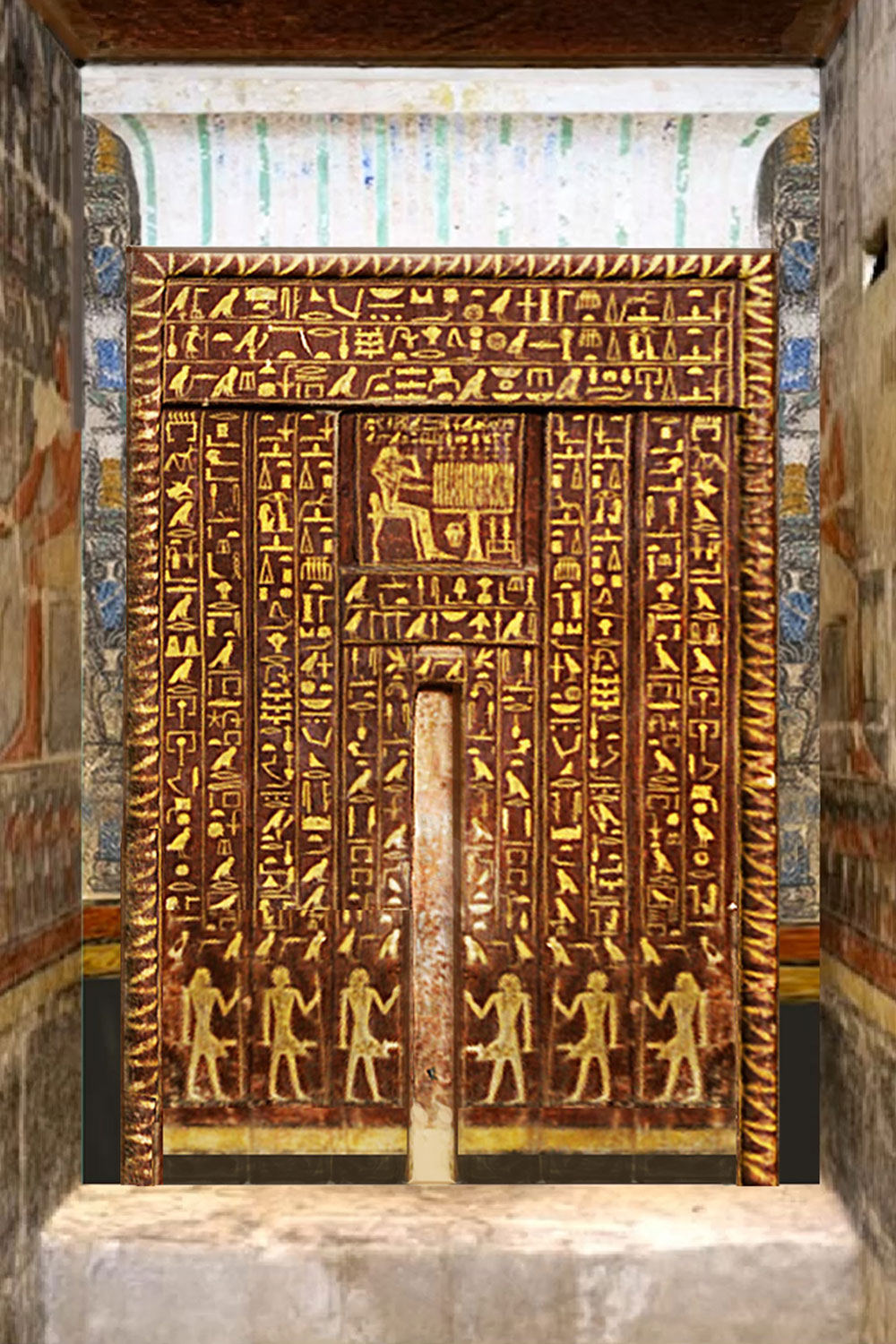 False Door of Mehu, 6th dynasty, (2345-2323 BCE), Saqqara
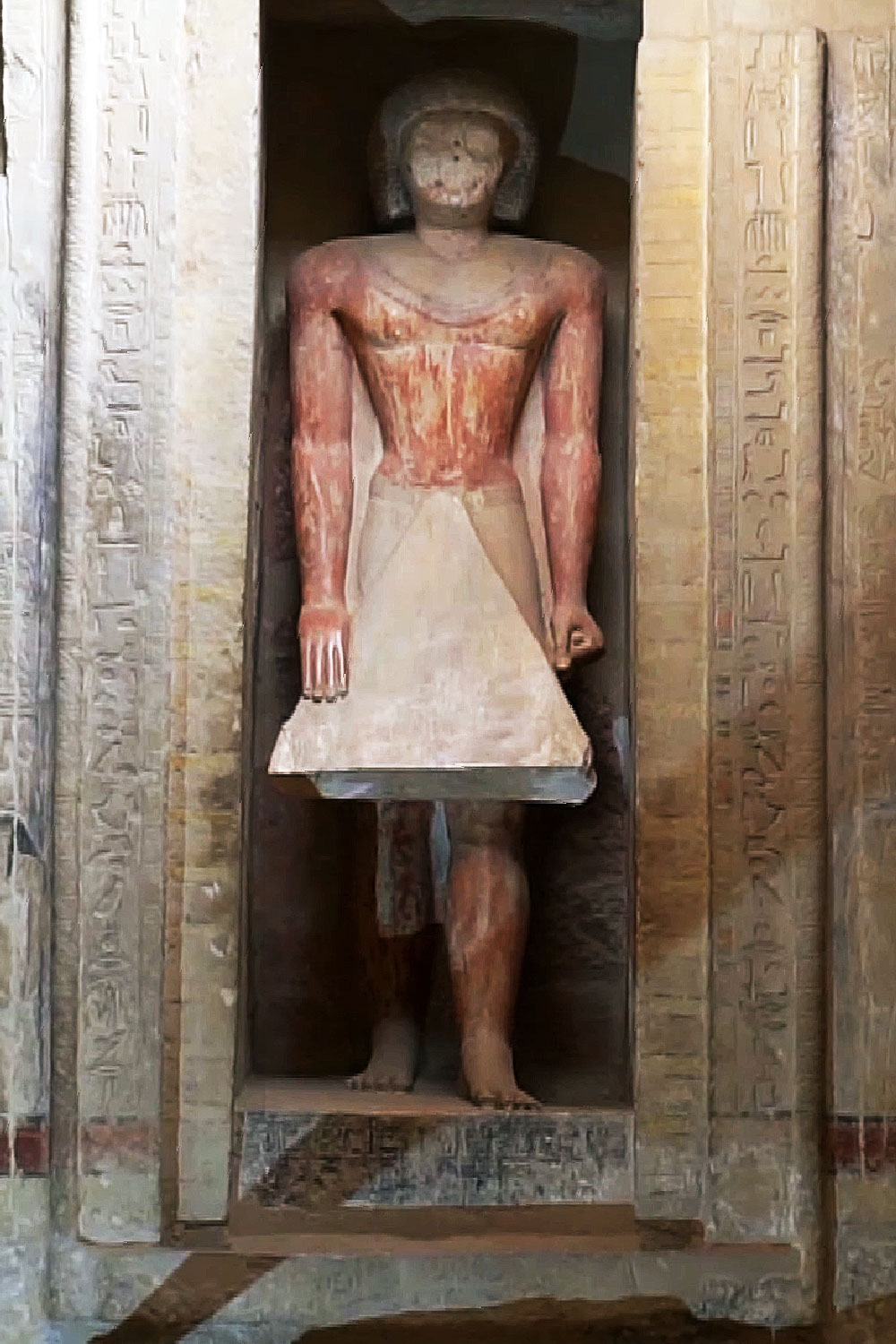 False Door of Mereruka, 6th dynasty, (2345-2181 BCE), Saqqara
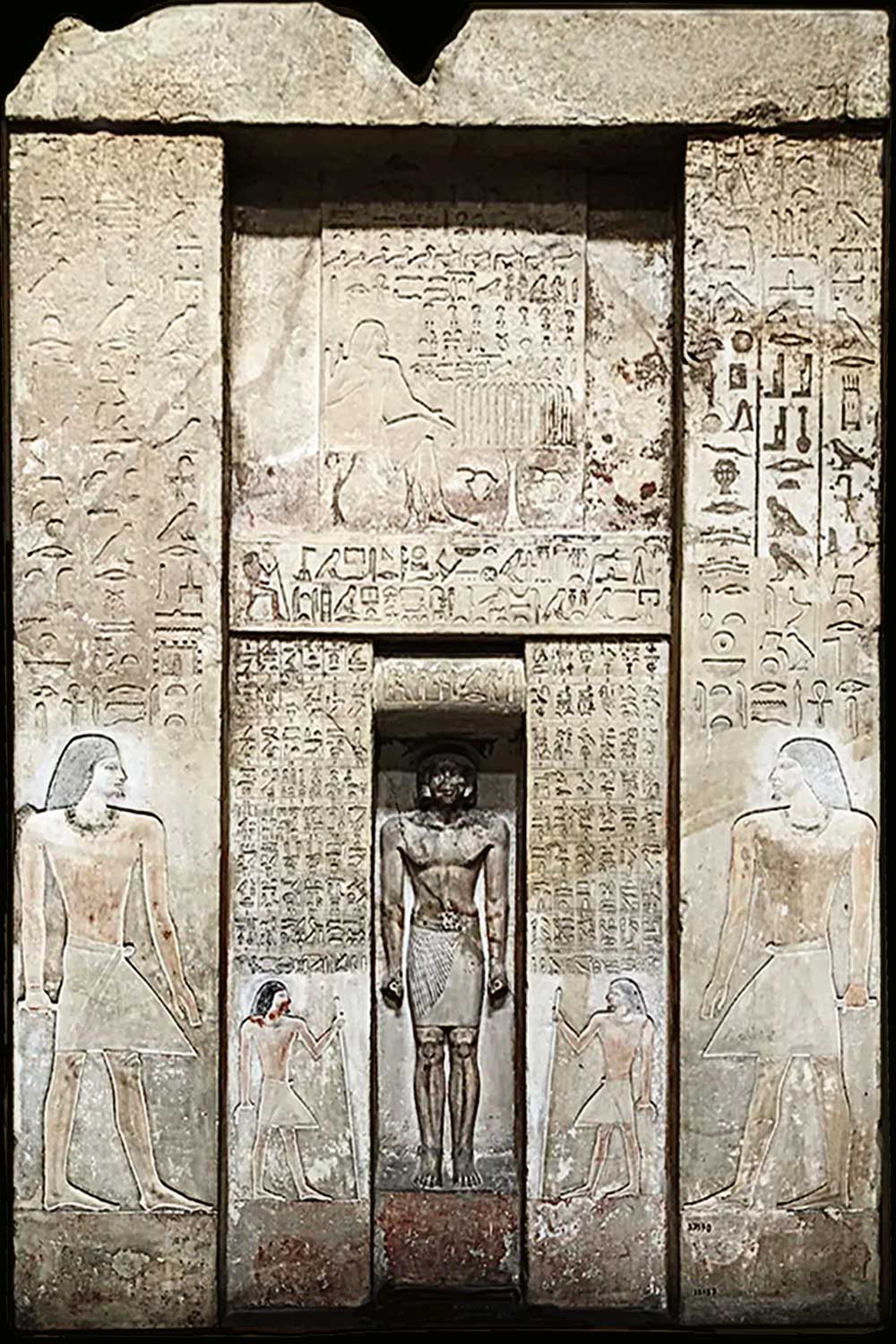 False door with statue from tomb of Iteti
Ankhiris, Excavated by A. Mariette in 1861, 6th dynasty 2345-2181 BCE, Saqqara Necropolis, Egyptian Museum, Cairo
False door with statue from tomb of Iteti
Ankhiris, Excavated by A. Mariette in 1861, 6th dynasty 2345-2181 BCE, Saqqara Necropolis, Egyptian Museum, Cairo
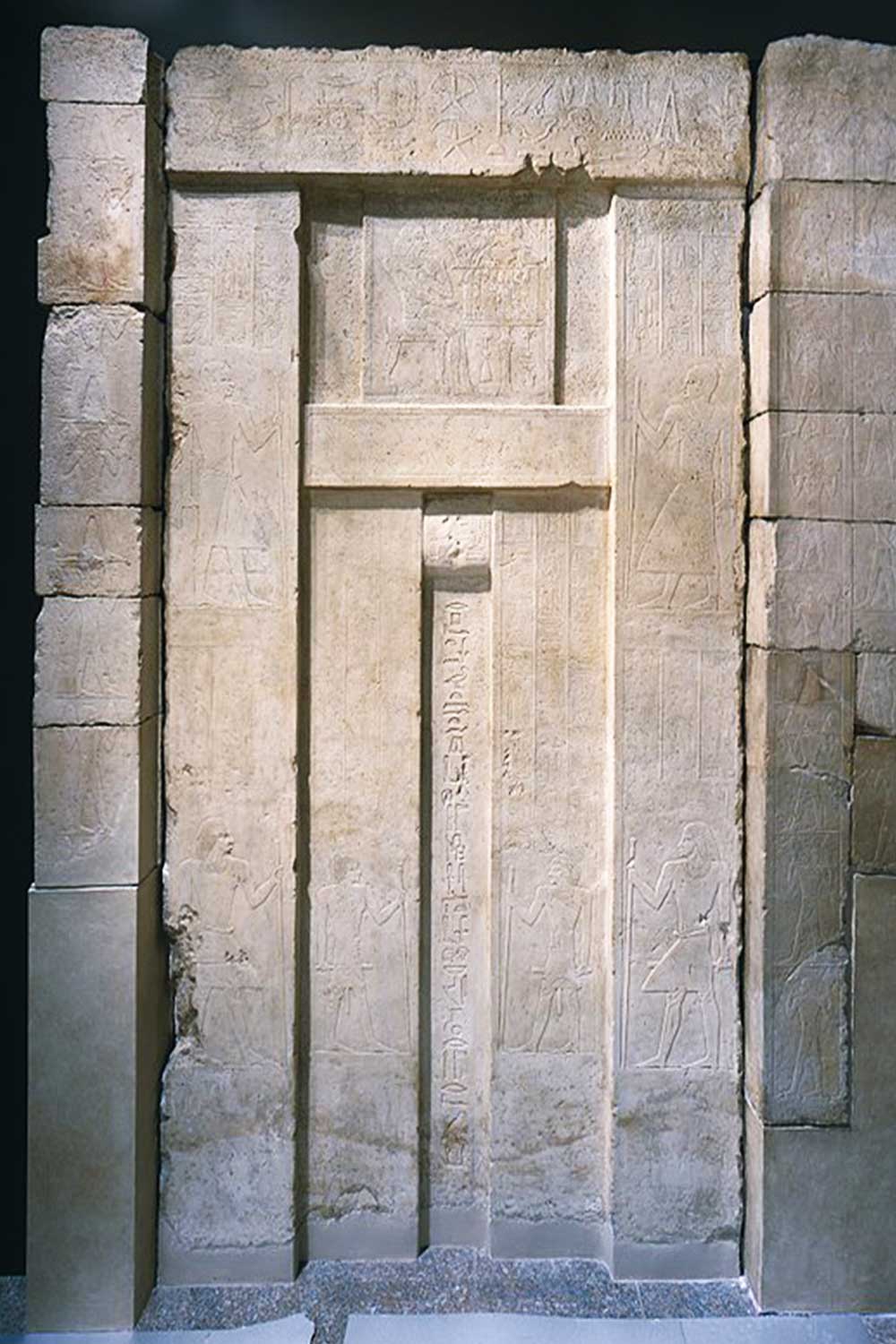 False Door on West Wall of Tomb Chapel of
Raemkai: 5th dynasty 2400 BCE, The Met, NYC
False Door on West Wall of Tomb Chapel of
Raemkai: 5th dynasty 2400 BCE, The Met, NYC
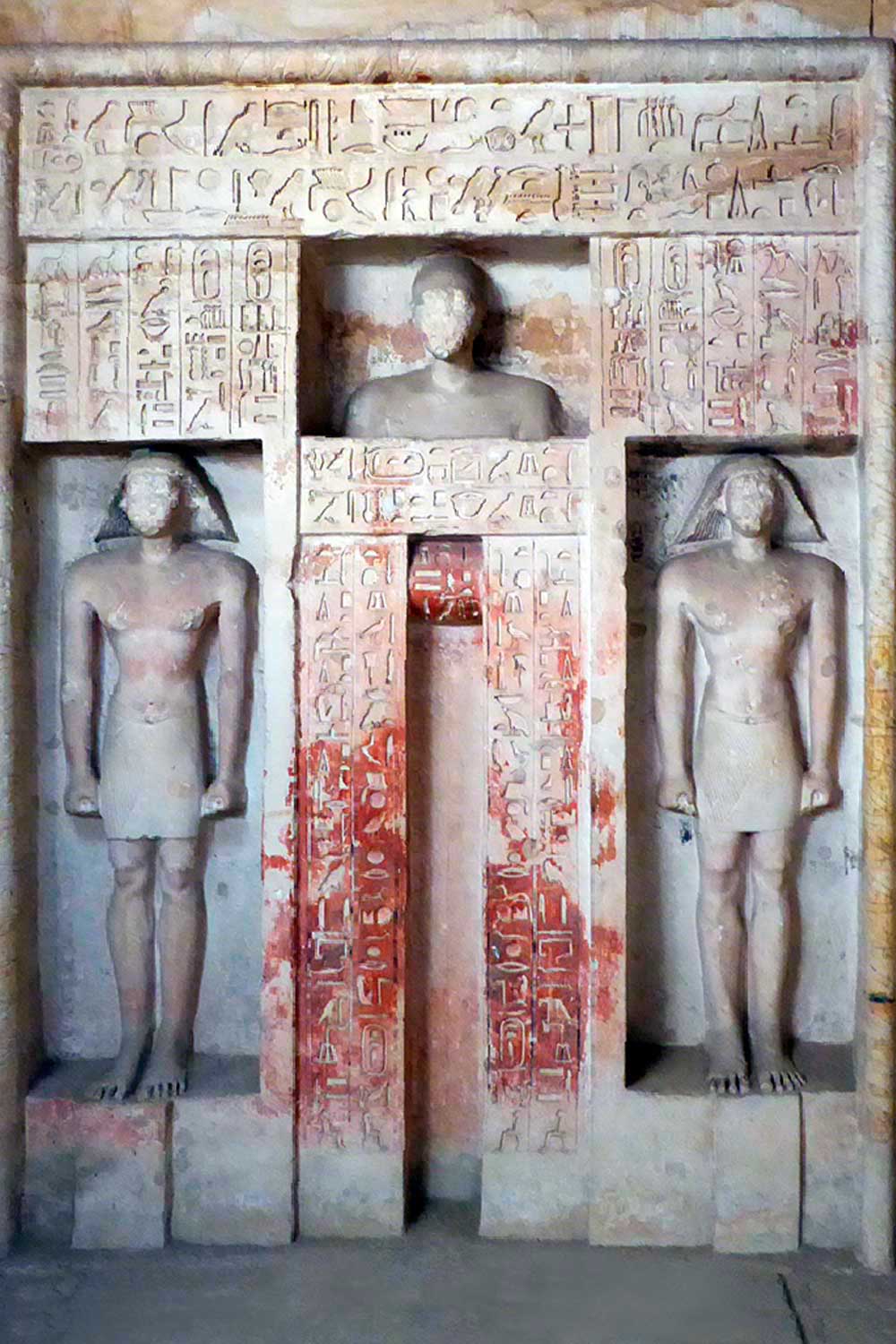 False door of Nefer-Seshem-Ptah, Sakkara, 2300
BCE, source: Brooklyn Museum, NYC
False door of Nefer-Seshem-Ptah, Sakkara, 2300
BCE, source: Brooklyn Museum, NYC
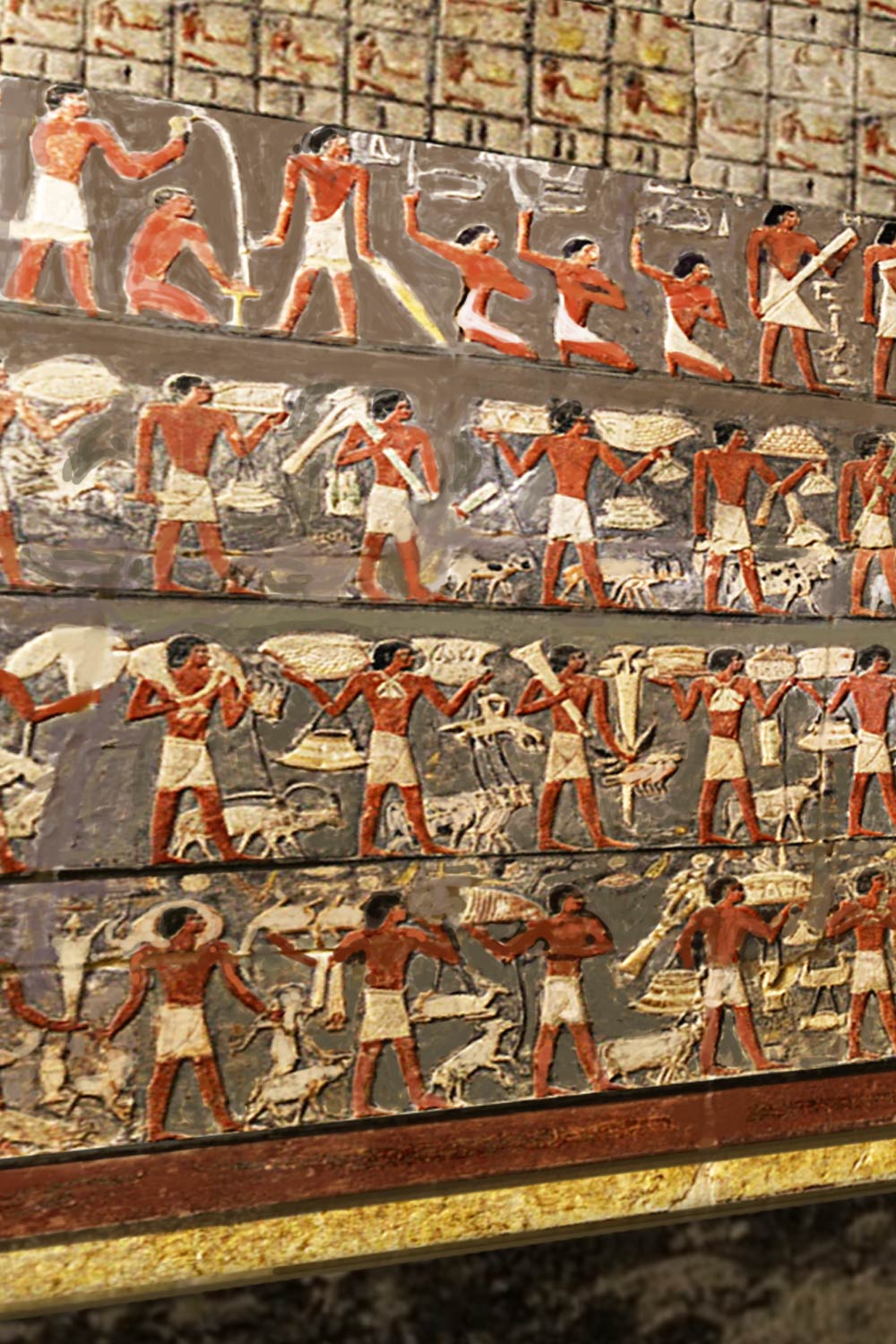 1.) The false door in the Tomb of Mehu, chief
justice and vizier
1.) The false door in the Tomb of Mehu, chief
justice and vizier
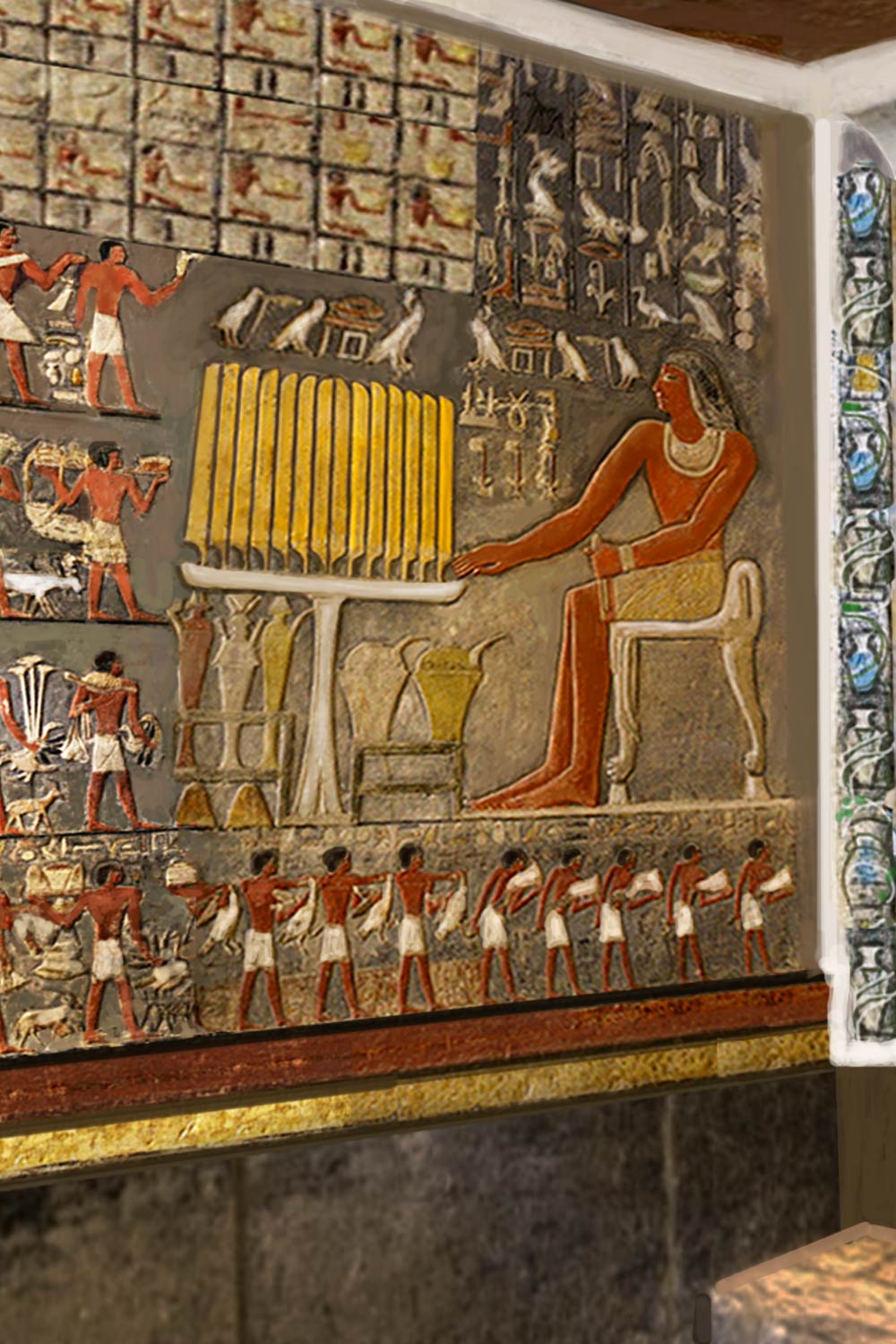 2.) for King Teti, 6th dynasty 2345-2181 BCE,
Saqqara
2.) for King Teti, 6th dynasty 2345-2181 BCE,
Saqqara
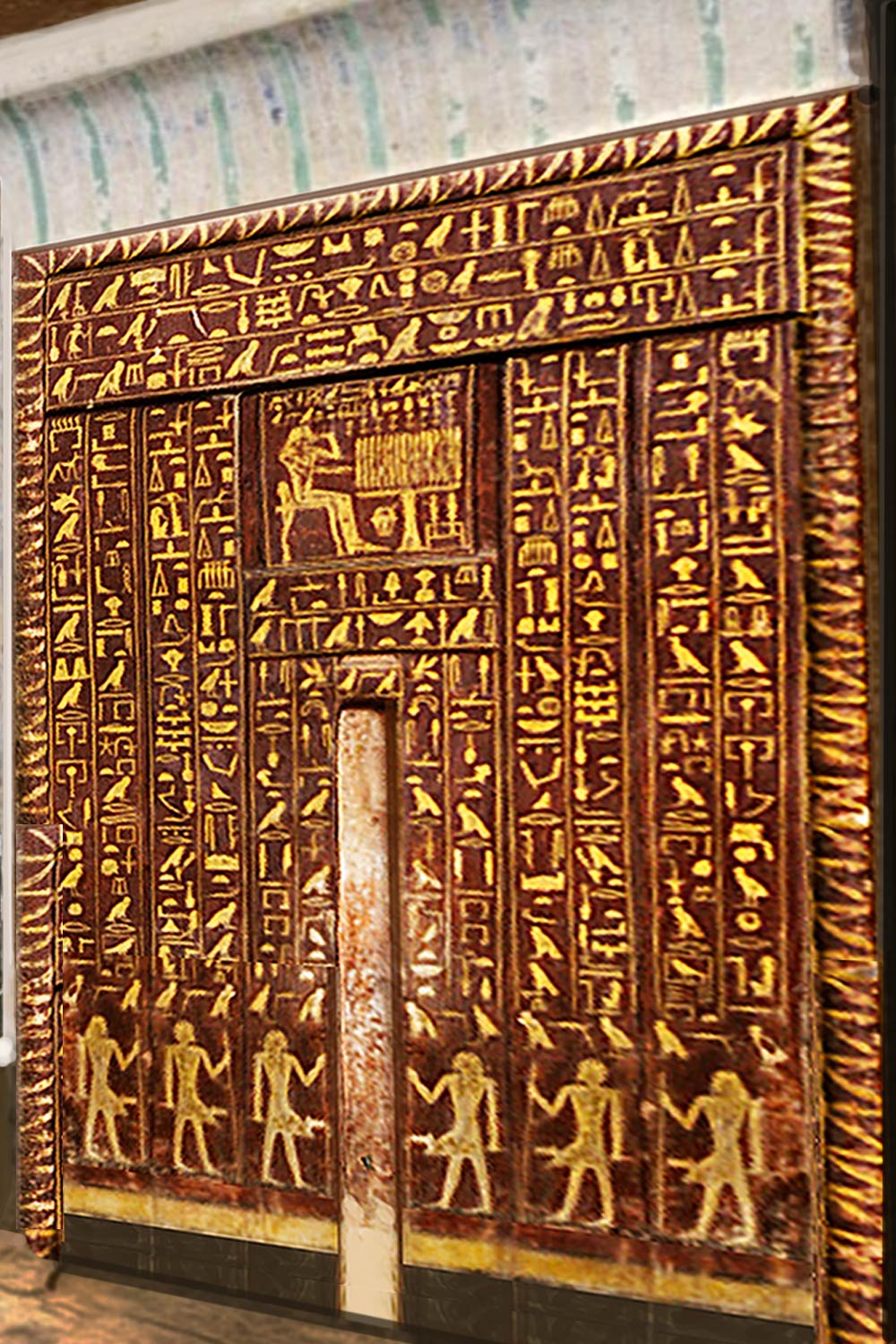 3.) (recreated by R Brafford)
TOMB EMBELLISHMENT
The ancient Egyptians used relief sculpture—three‑dimensional carving that projects from a flat surface—to decorate tomb walls with scenes,
paintings, and hieroglyphic inscriptions. These texts often included prayers and spells meant to guide pharaohs and other elites safely into the afterlife. The word
hieroglyph comes from the Greek hieros (“sacred”) and gluptien (“carved in stone”), reflecting their ritual importance. Hieroglyphs were believed to hold magical power,
especially in funerary texts like the Book of the Dead, which equipped the deceased with the knowledge needed to navigate the Duat, the Egyptian underworld. Upon
entering this realm, the soul encountered protective gods such as Thoth, Isis, and the hawk‑headed Horus before being presented to Osiris, ruler of the dead. There,
the heart was weighed against a feather to determine whether the deceased was worthy of a peaceful afterlife.
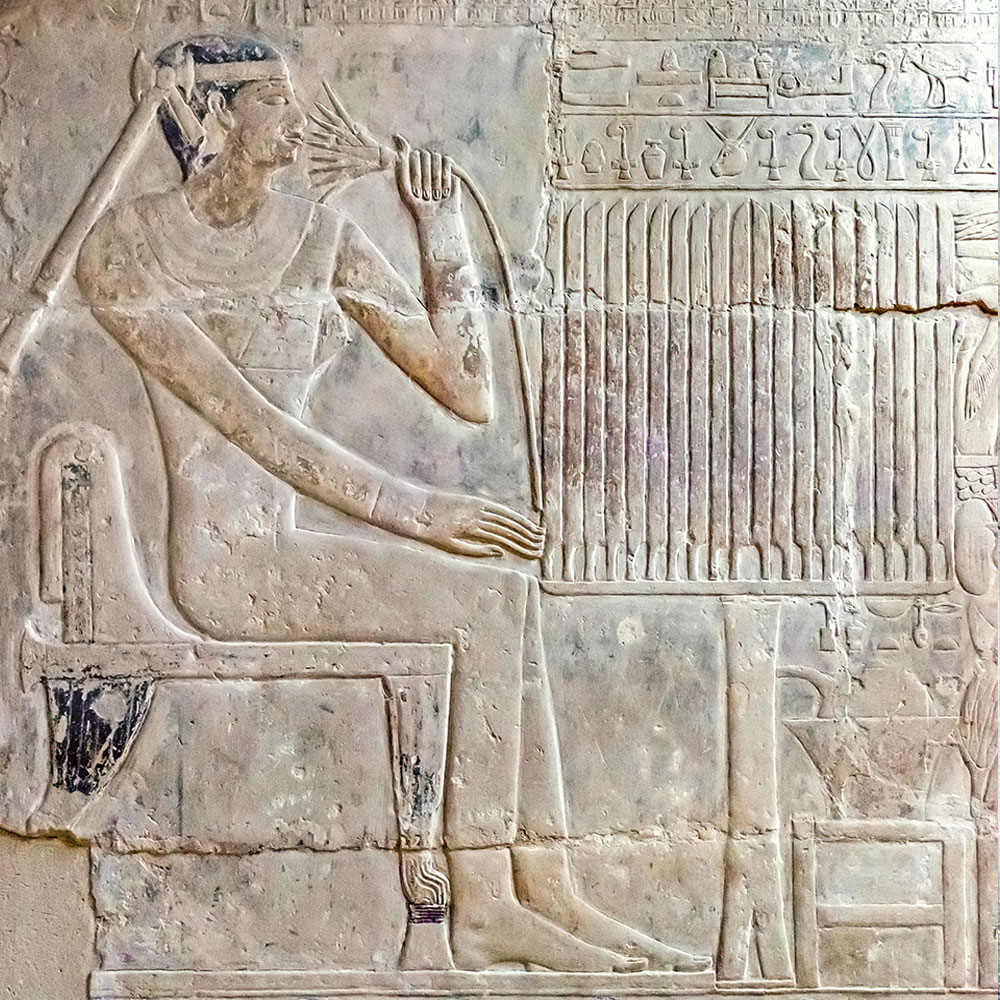 1.) Relief of Mastaba tomb of Mereruka seated
before the offerings table,
1.) Relief of Mastaba tomb of Mereruka seated
before the offerings table,
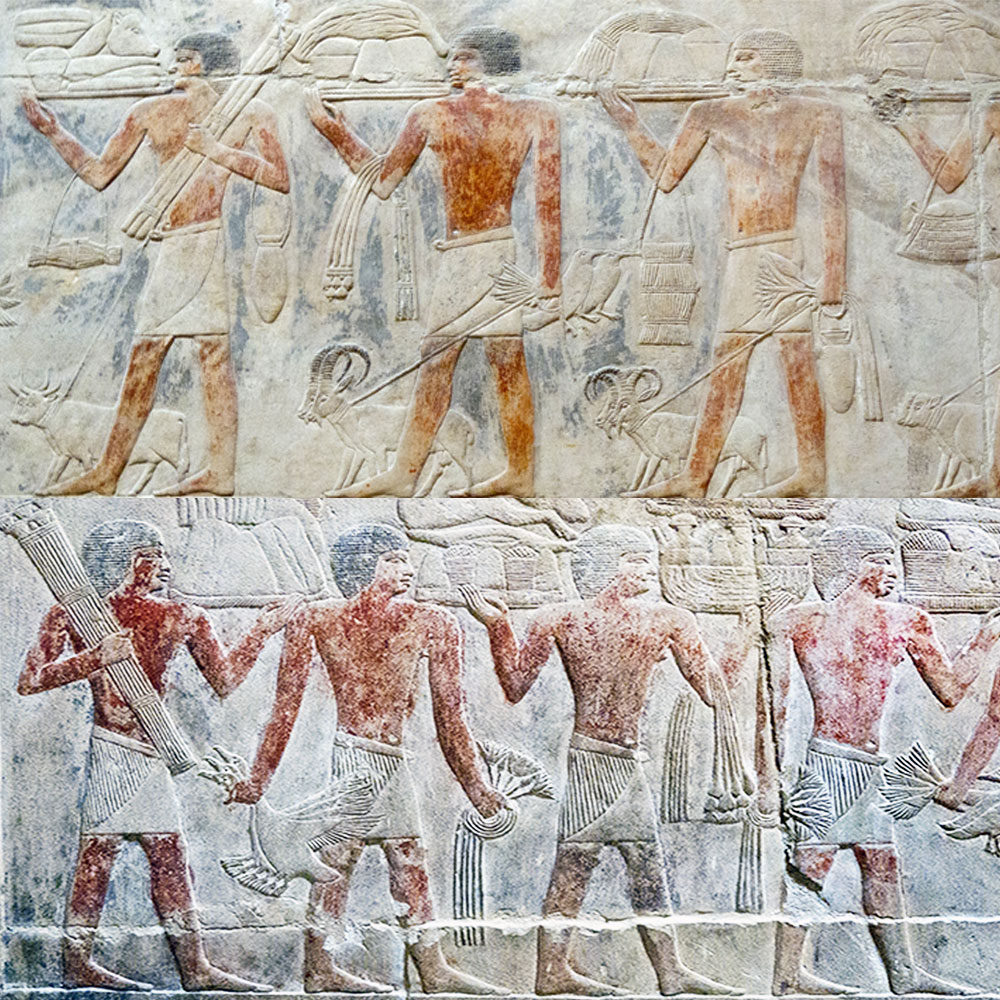 2.) servers preparing and bringing funerary food,
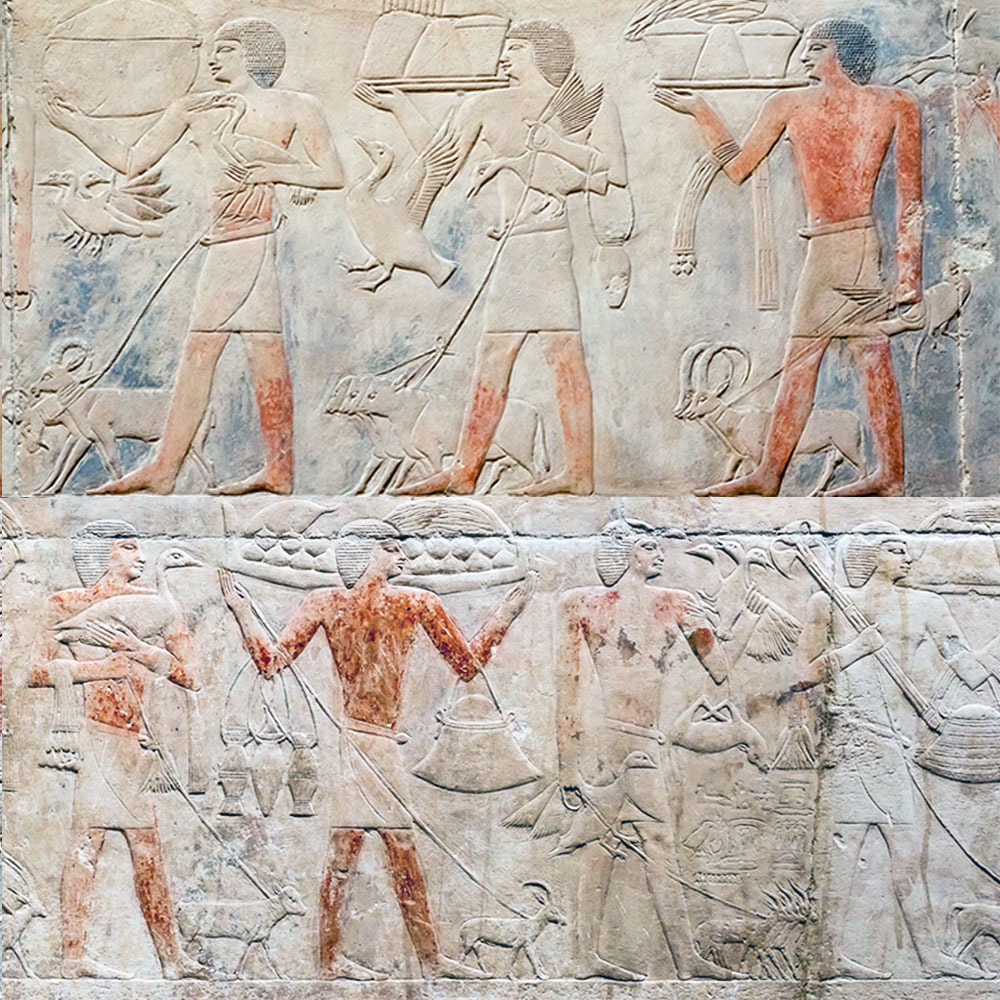 3.) 2360 BCE, Saqqara, photo: kairoinfo4u
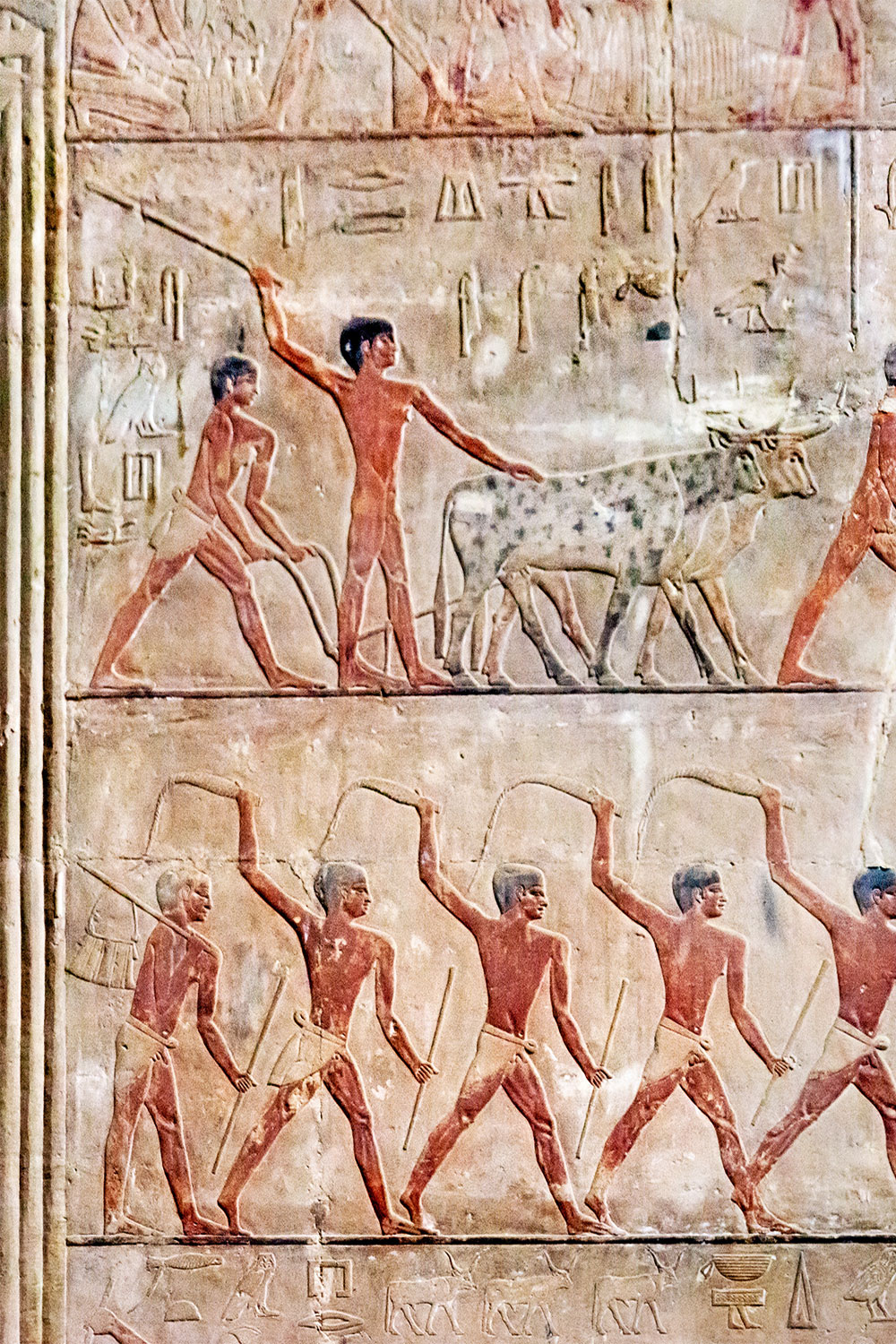 1.) Relief of Mastaba tomb of Mereruka depicting
priests and servants
1.) Relief of Mastaba tomb of Mereruka depicting
priests and servants
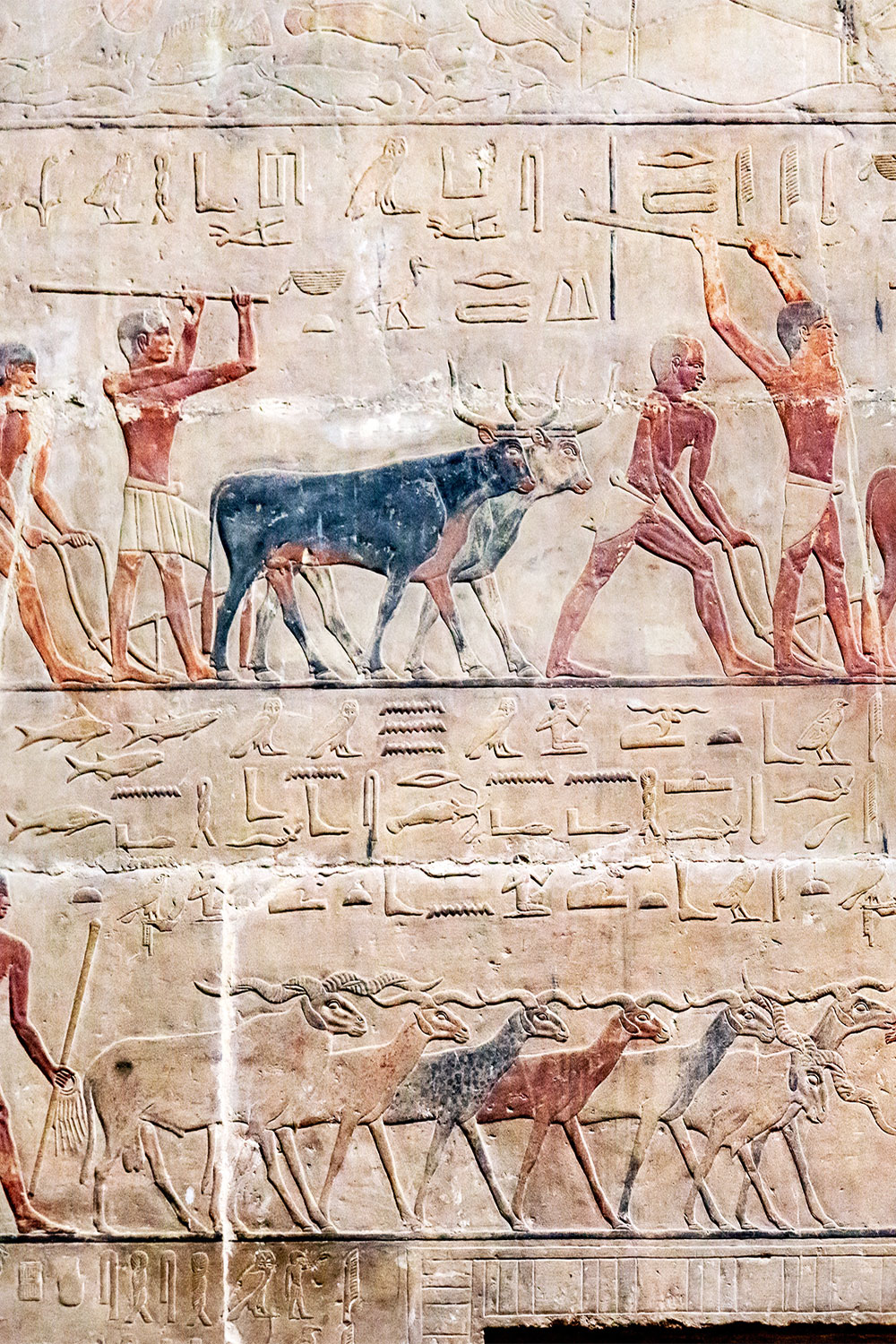 2.) bringing food offerings for the Afterlife,
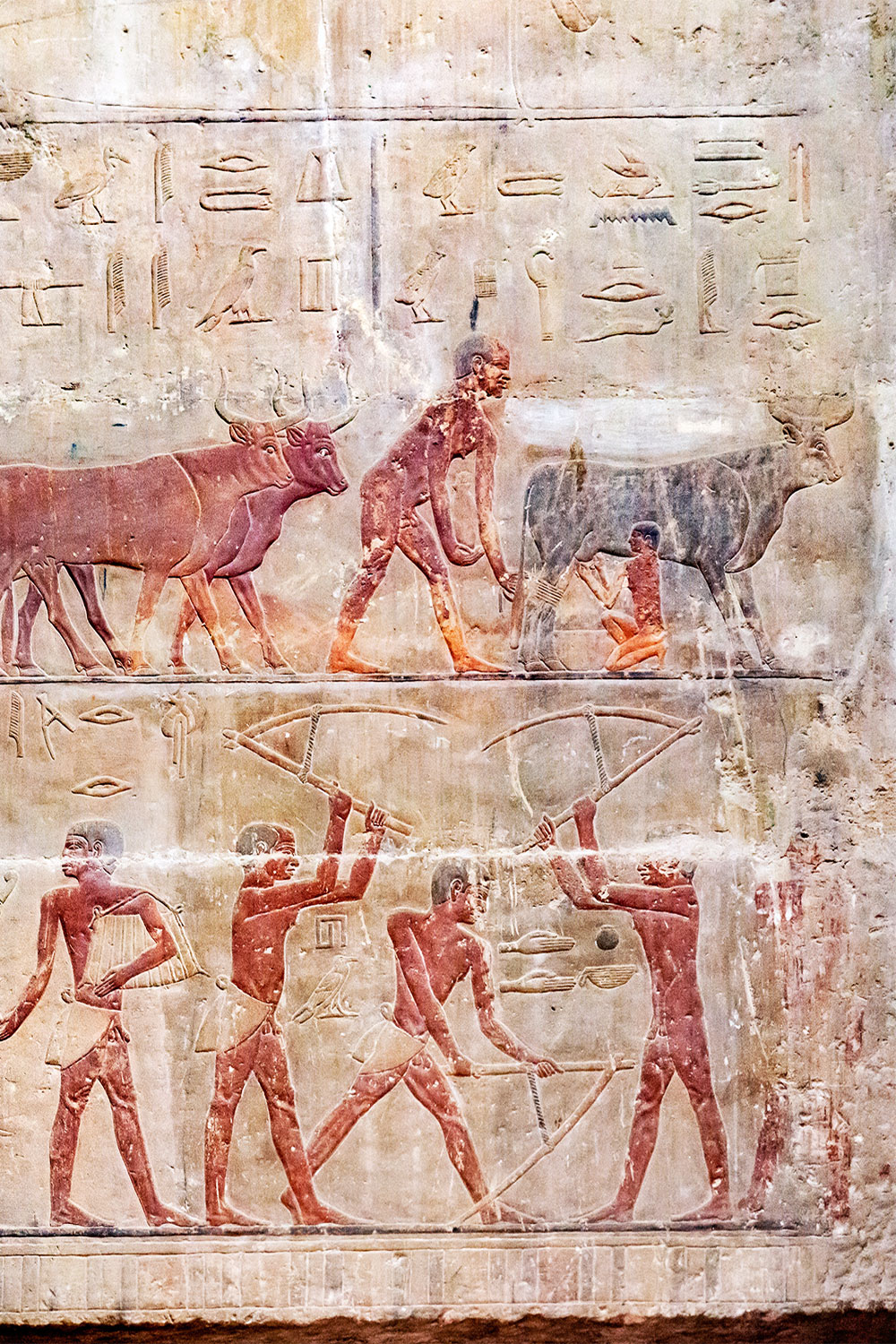 3.) 2330 BCE; Saqqara, photo: kairoinfo4u
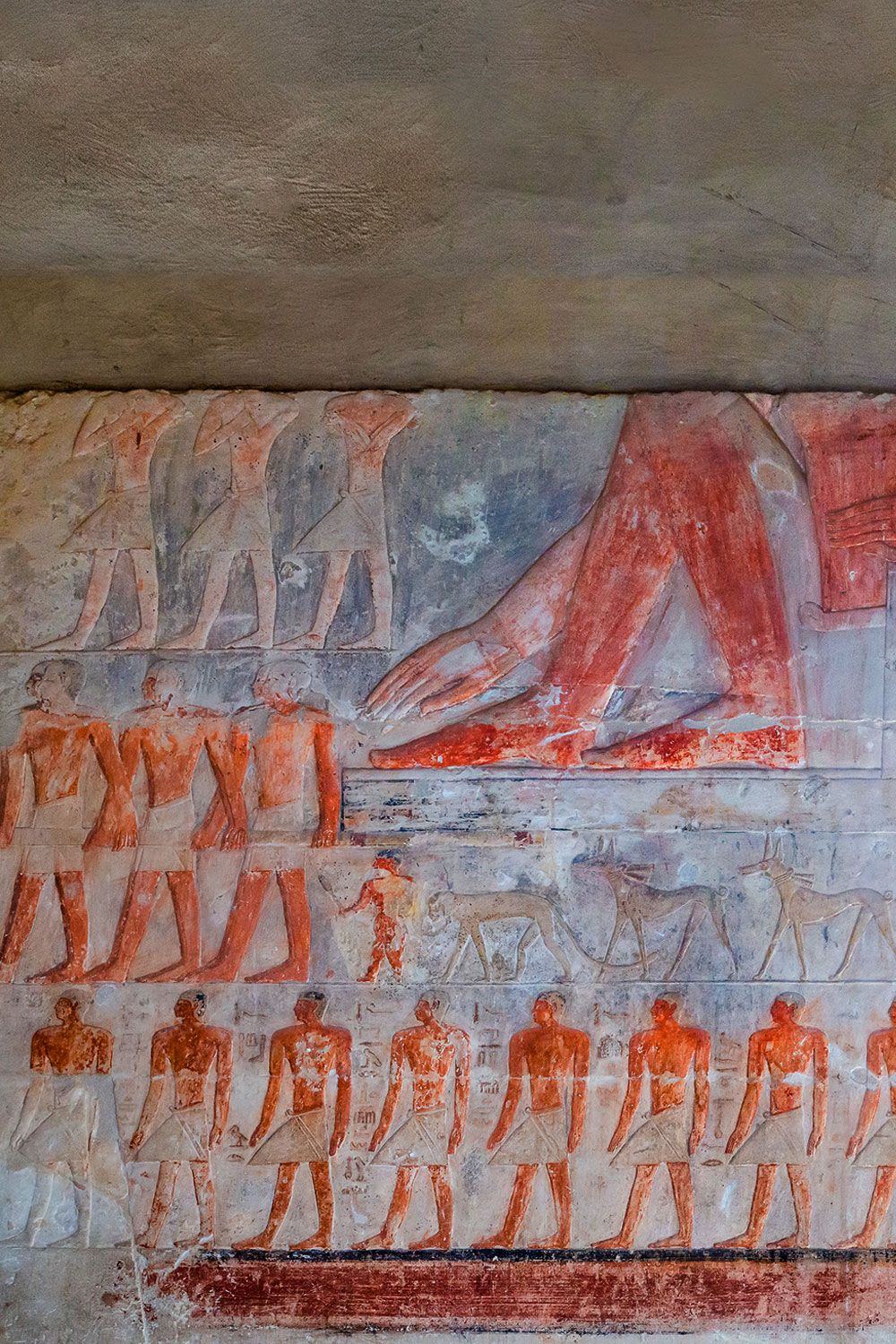 1.) Relief of Mastaba tomb of Mereruka depicting
priests and servants
1.) Relief of Mastaba tomb of Mereruka depicting
priests and servants
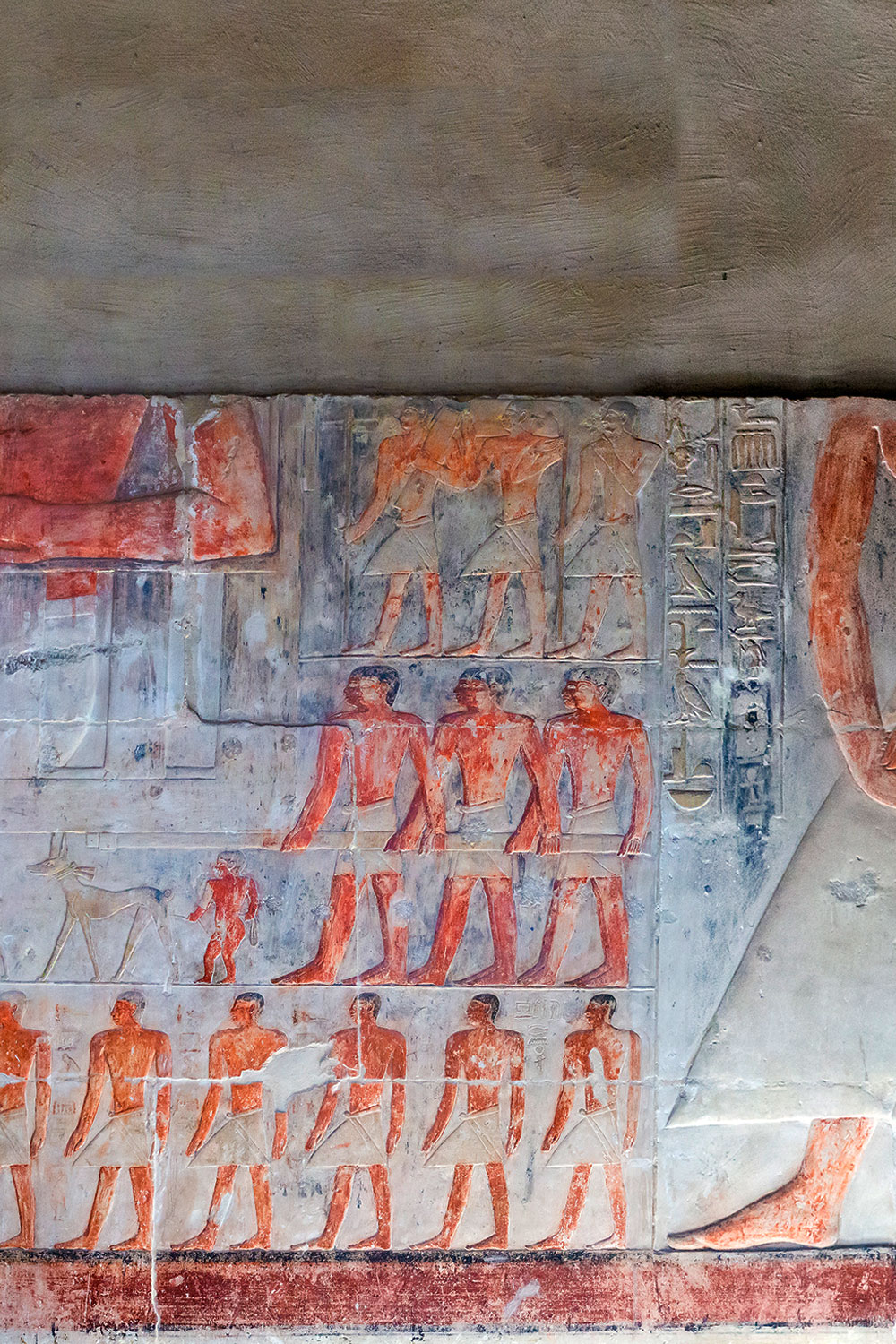 2.) bringing food offerings for the Afterlife,
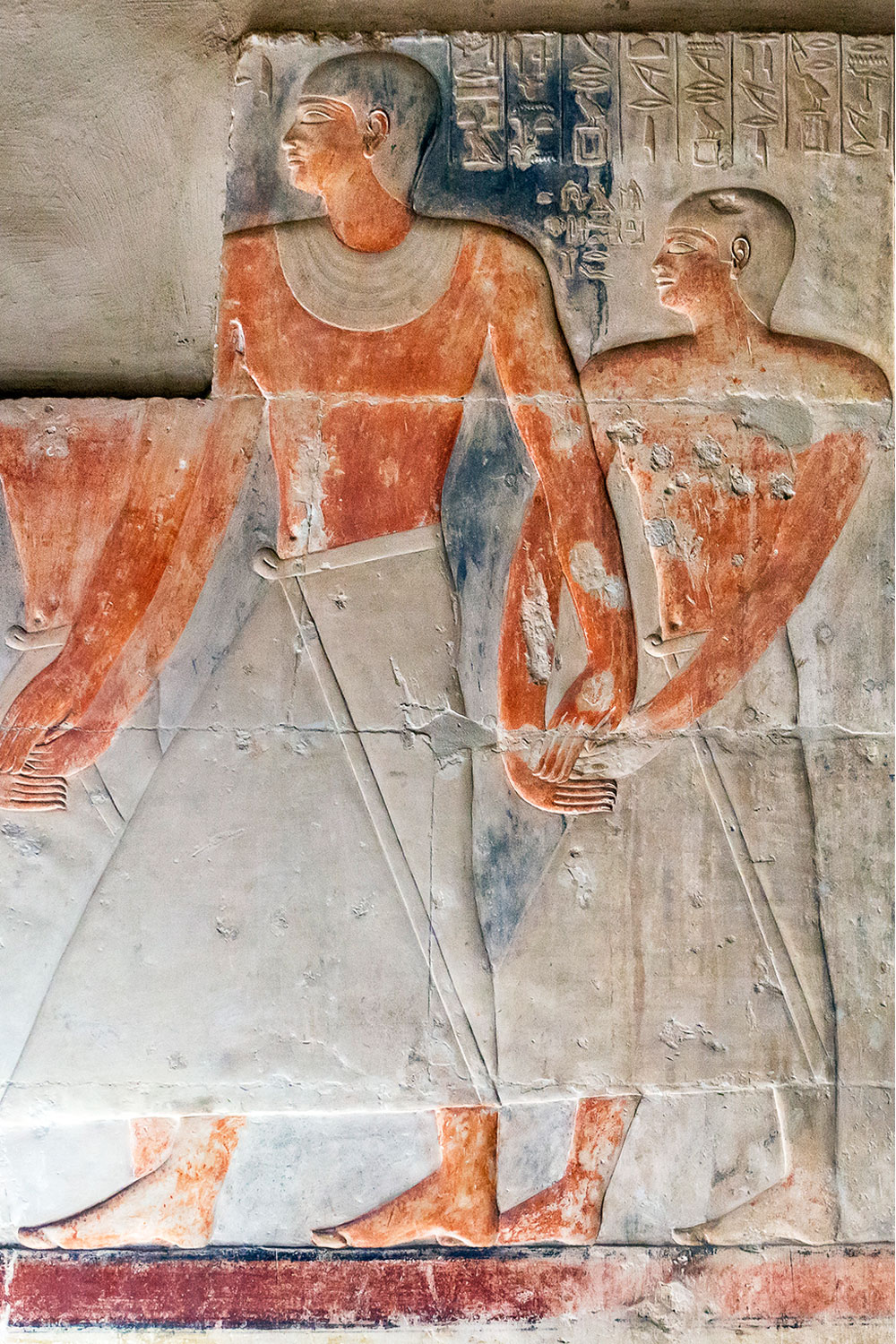 3.) 2330 BCE; Saqqara, photo: kairoinfo4u
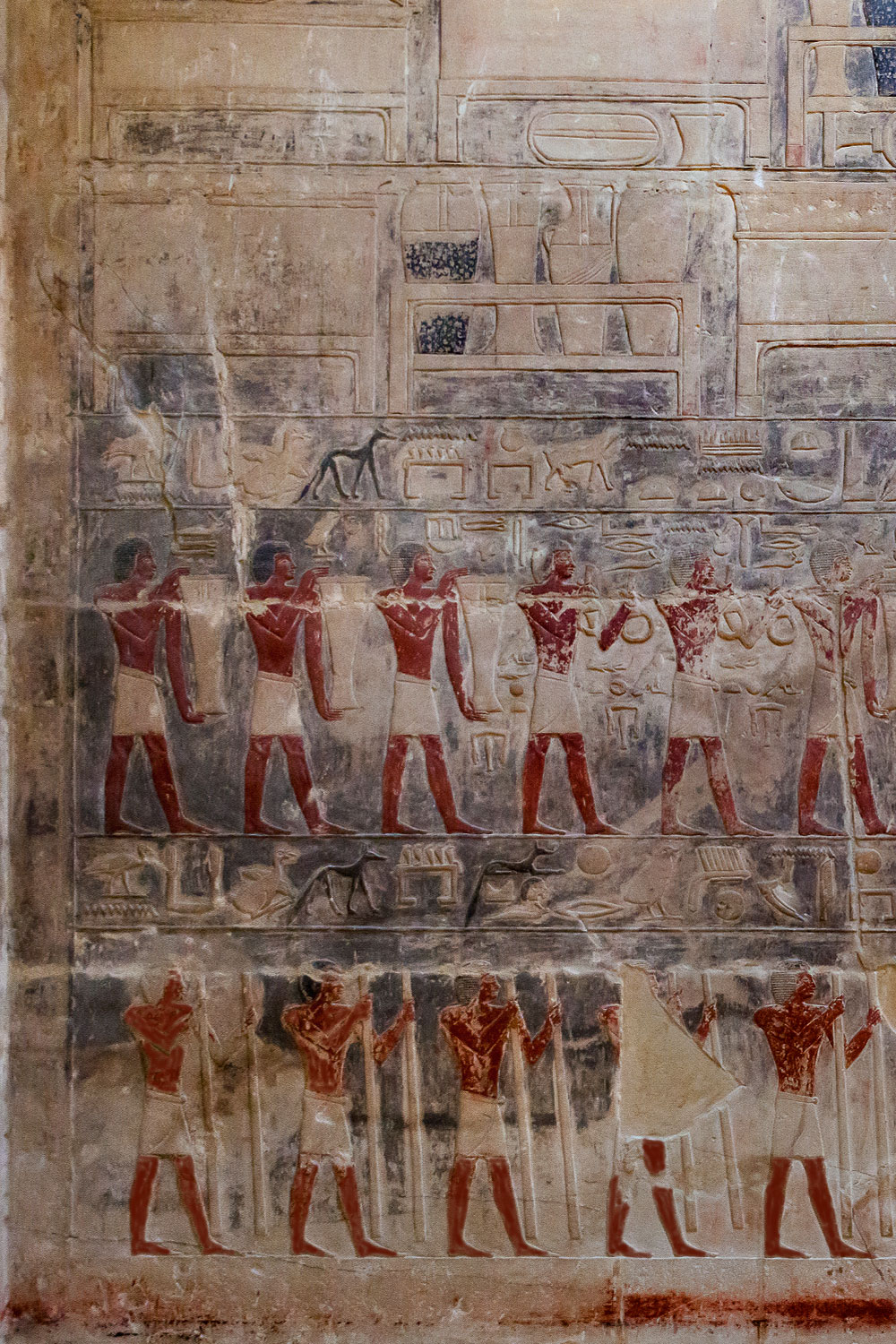 1.) Mastaba tomb of Kagemni guarding Hieroglyphic
text and wall painted relief,
1.) Mastaba tomb of Kagemni guarding Hieroglyphic
text and wall painted relief,
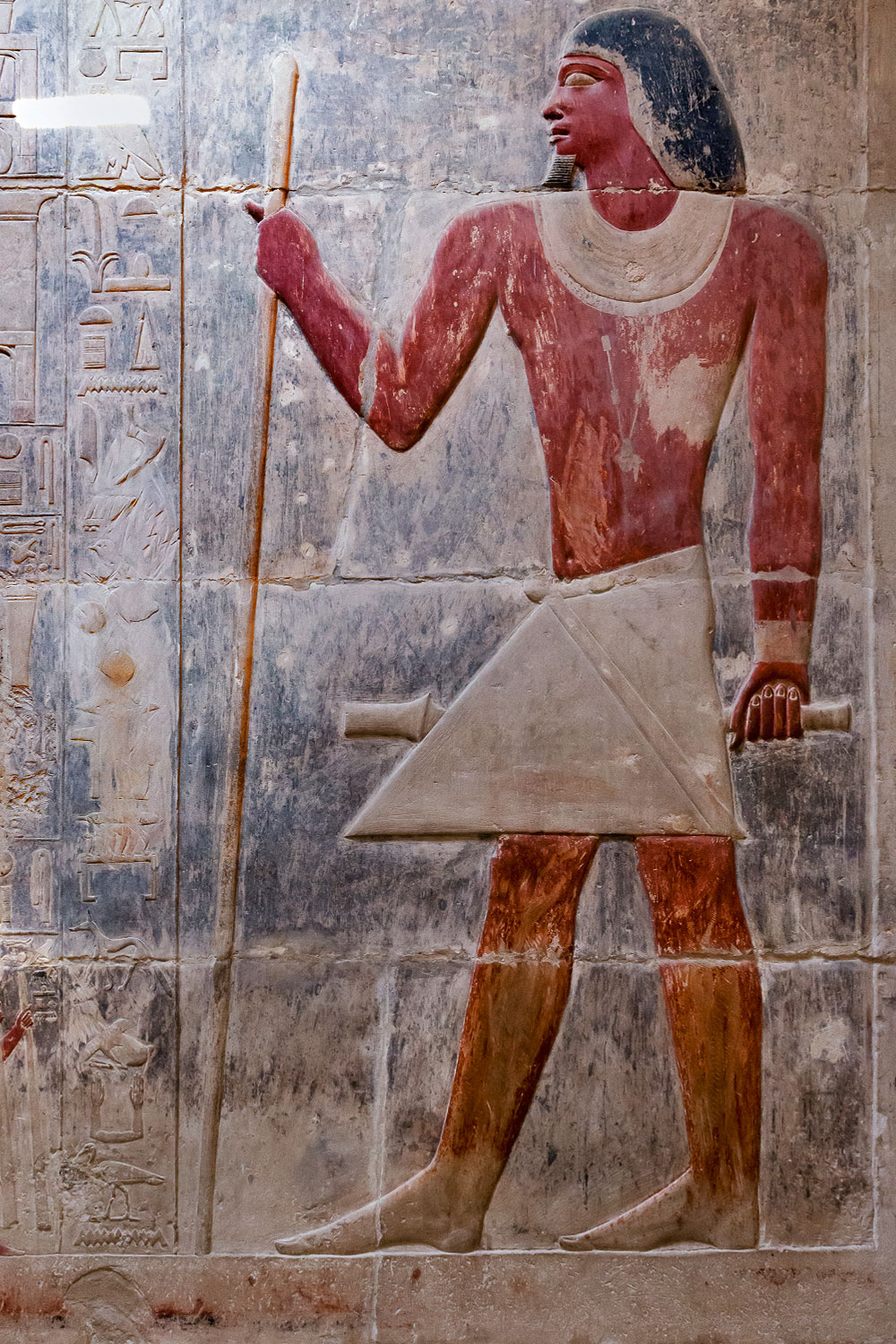
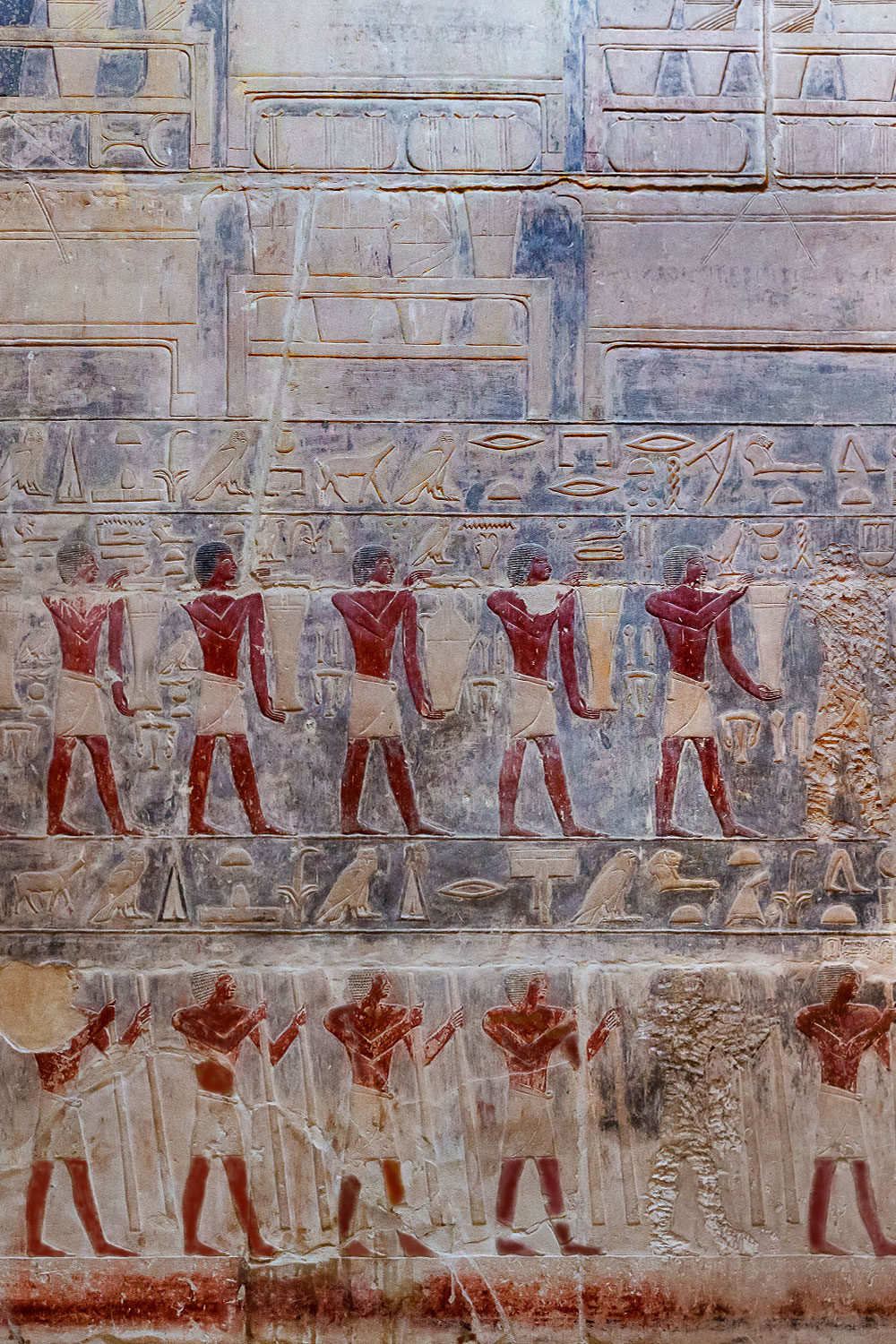 2.) depicting Vizier Kagemni, in the left column,
with a list of sacrificial offerings,
2.) depicting Vizier Kagemni, in the left column,
with a list of sacrificial offerings,
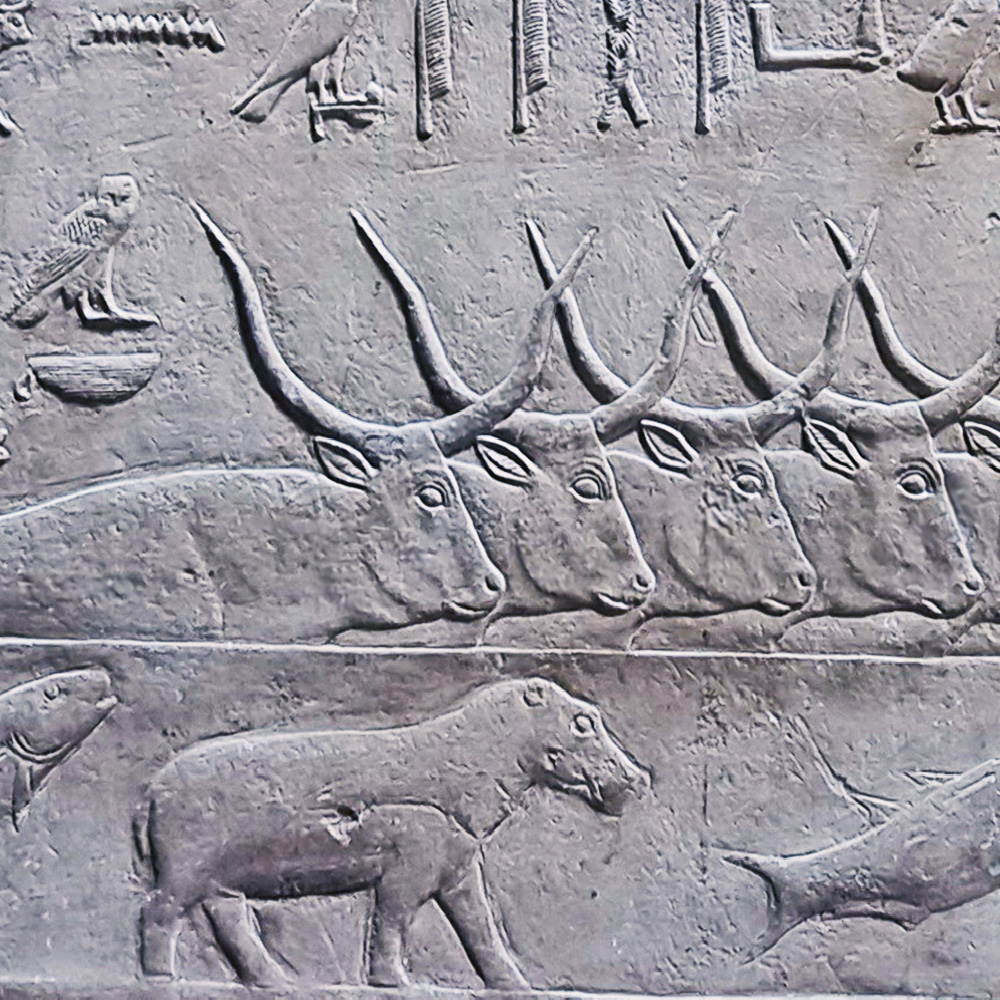
 3.) fat cattle, poultry from the three courts, desert
game and fruits from vast waters, Saqqara, photo: kairoinfo4u
3.) fat cattle, poultry from the three courts, desert
game and fruits from vast waters, Saqqara, photo: kairoinfo4u
 1.) Mastaba tomb of Mereruka, wall sculpture relief
of scribes rendering account of Mereruka's estate, of agriculture, tending cattle, papyrus harvest, continue next...
1.) Mastaba tomb of Mereruka, wall sculpture relief
of scribes rendering account of Mereruka's estate, of agriculture, tending cattle, papyrus harvest, continue next...
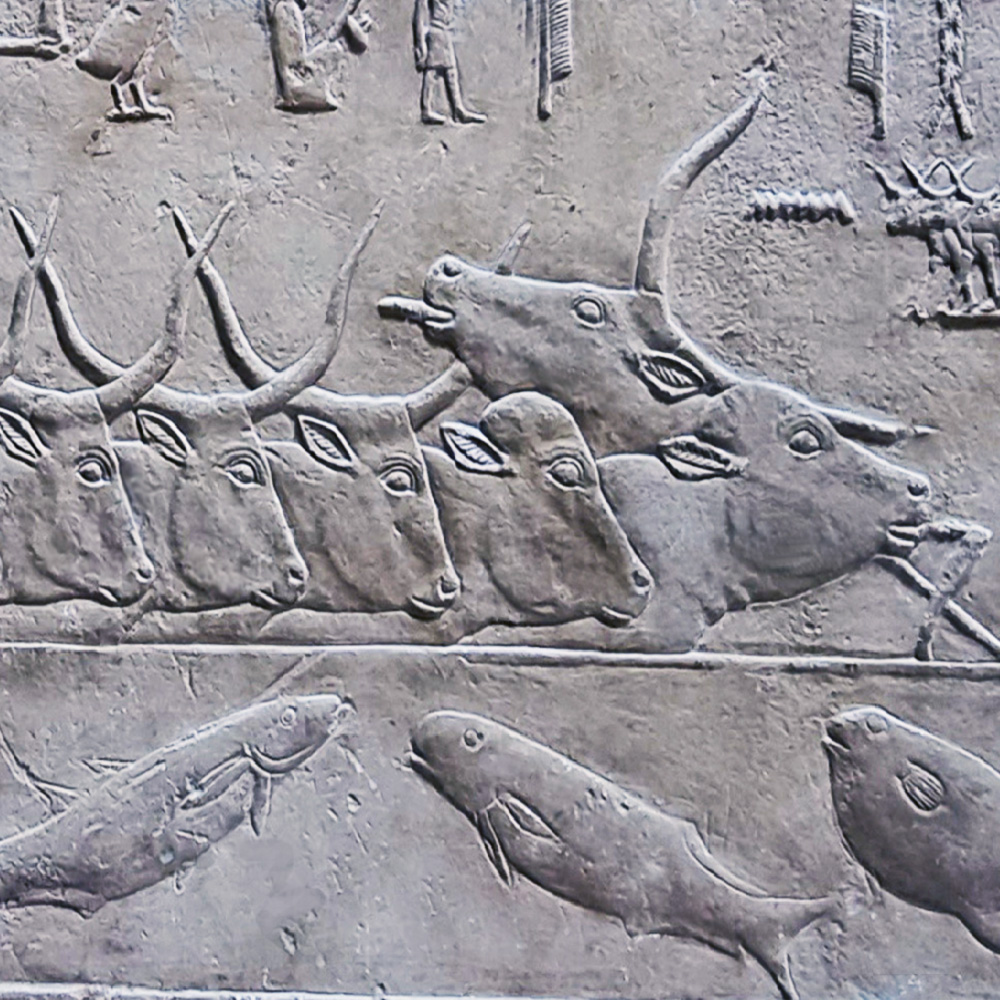 2.) fishing with dip nets, men in papyrus boats
tricking cattle into crossing a stream, they take a calf away from its mother, sailing away slowly to force the mother to follow them. Continue
next...
2.) fishing with dip nets, men in papyrus boats
tricking cattle into crossing a stream, they take a calf away from its mother, sailing away slowly to force the mother to follow them. Continue
next...
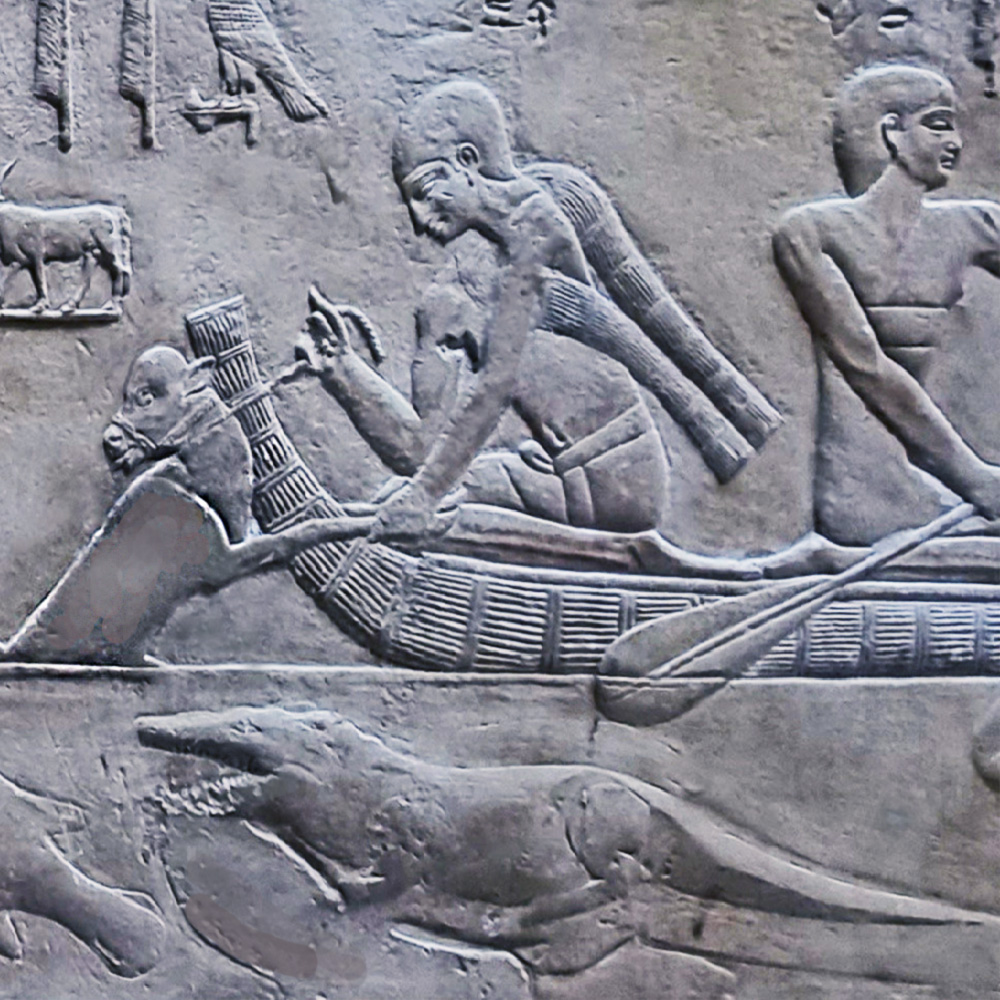 3.) Thus, the entire herd follows, and the job is
done: 2360 BCE, Saqqara, photo: kairoinfo4u
3.) Thus, the entire herd follows, and the job is
done: 2360 BCE, Saqqara, photo: kairoinfo4u
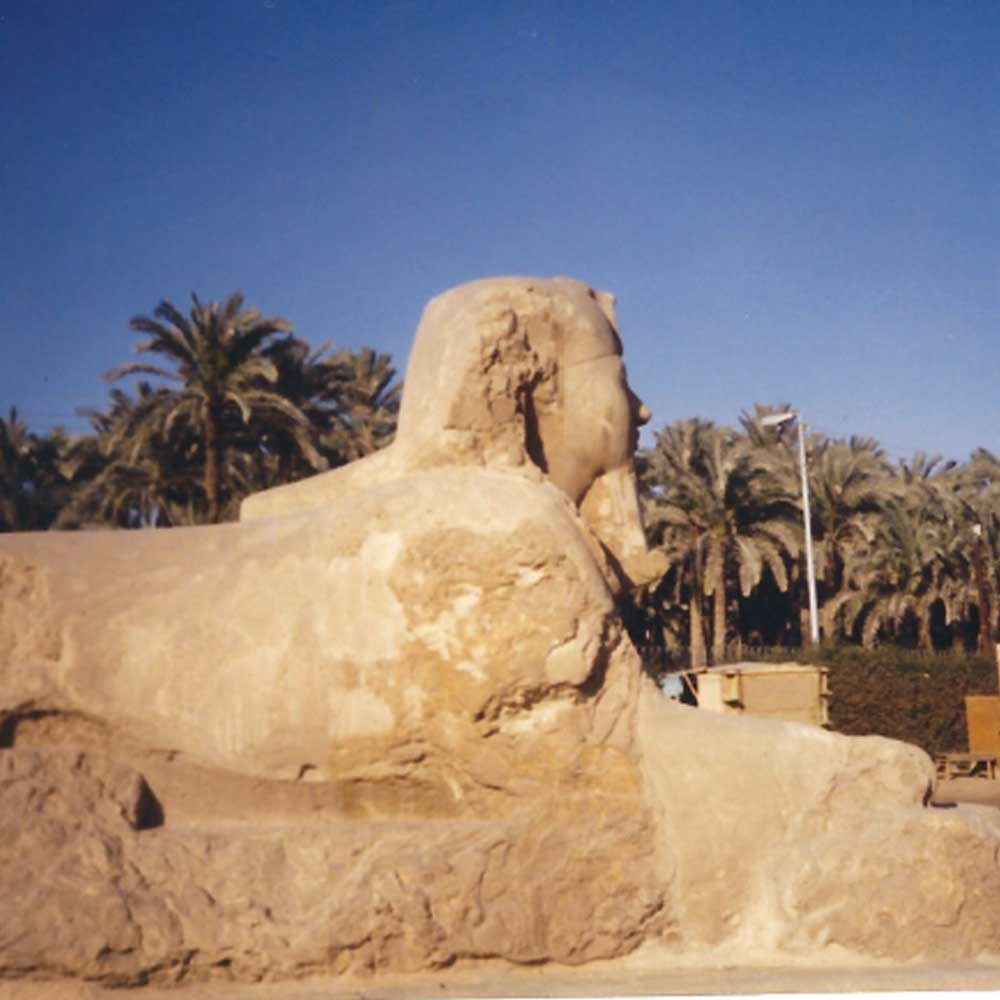 Alabaster Sphinx, early 18th Dynasty, attributed to
either Amenhotep I or Thutmose I, Memphis Museum, Saqqara
Alabaster Sphinx, early 18th Dynasty, attributed to
either Amenhotep I or Thutmose I, Memphis Museum, Saqqara
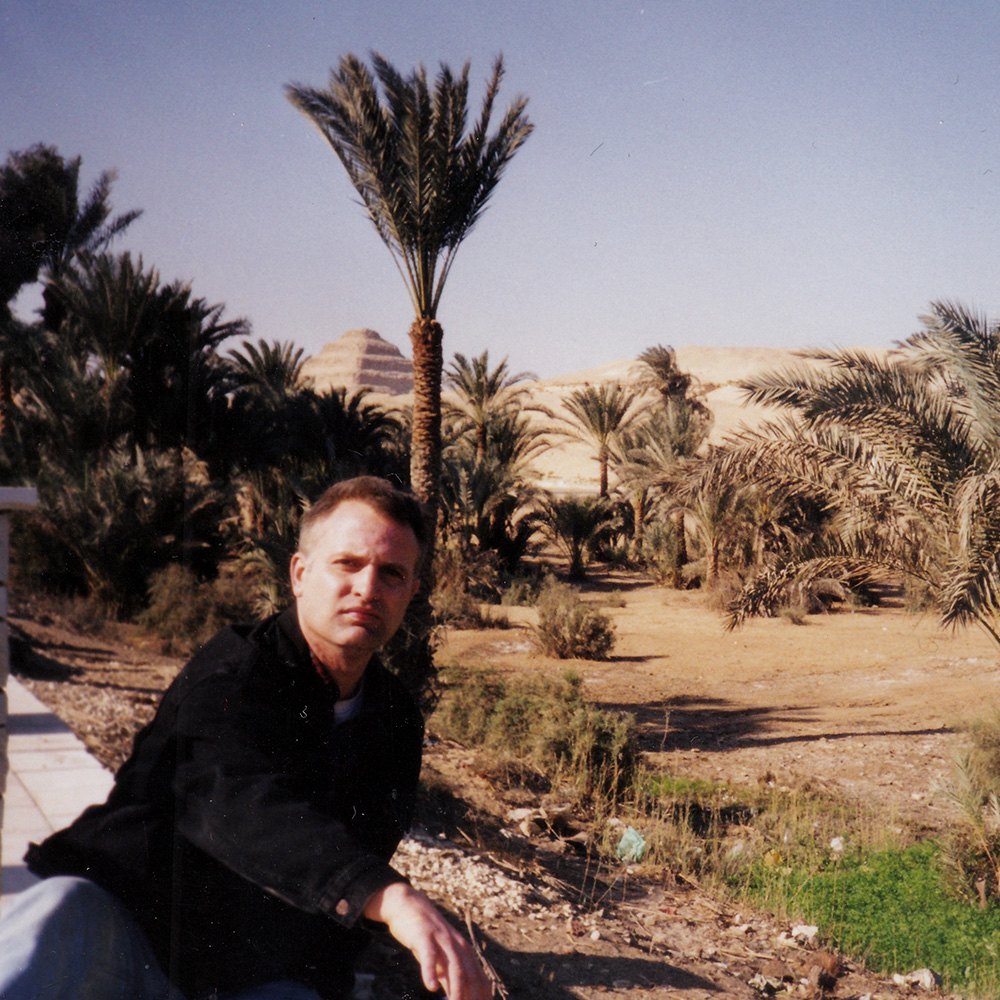 I am at the Saqqara Necropolis, home of King Djoser's
iconic Step Pyramid and the Old Kingdom Mastaba tomb of Mereruka, Saqqara
I am at the Saqqara Necropolis, home of King Djoser's
iconic Step Pyramid and the Old Kingdom Mastaba tomb of Mereruka, Saqqara
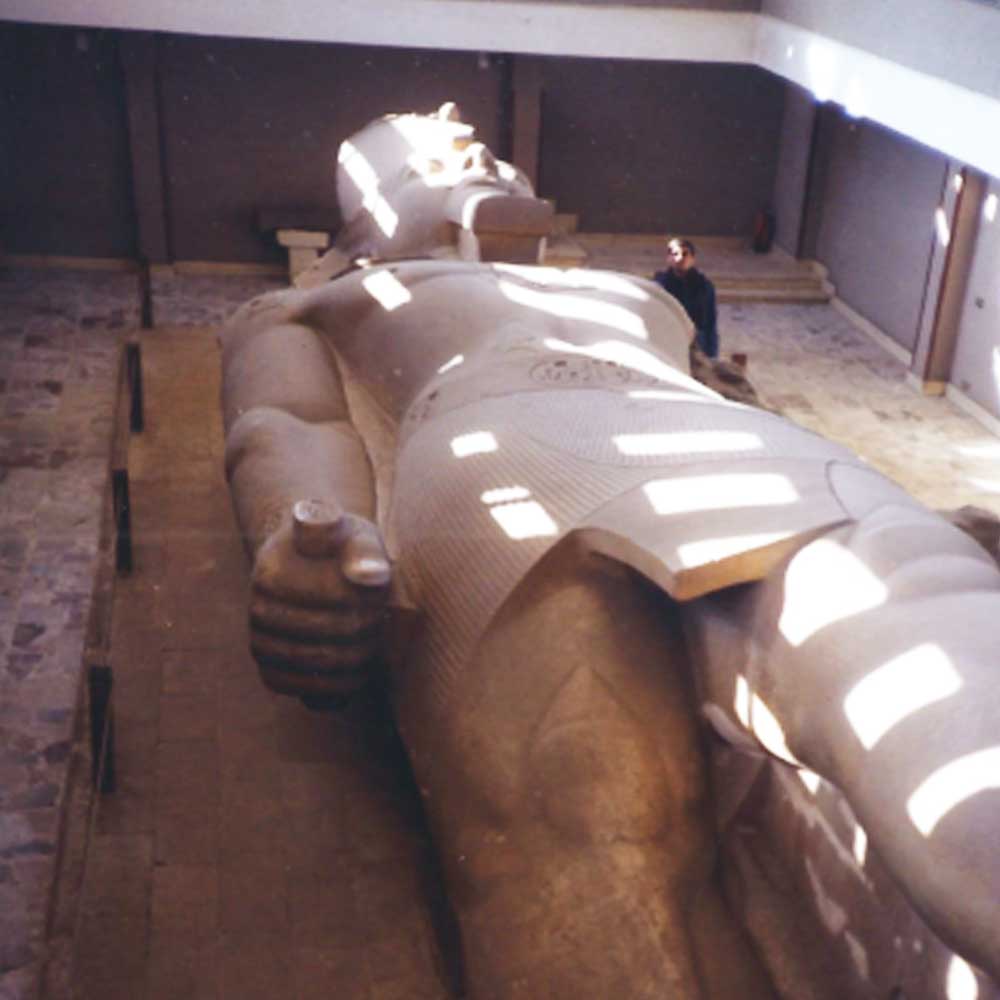 Rameses II: Colossal Statue Located in the remainings
of ancient Memphis, a 10-meter length statue carved from limestone was discovered near the temple of god “Ptah” in 1820, Saqqara
Rameses II: Colossal Statue Located in the remainings
of ancient Memphis, a 10-meter length statue carved from limestone was discovered near the temple of god “Ptah” in 1820, Saqqara
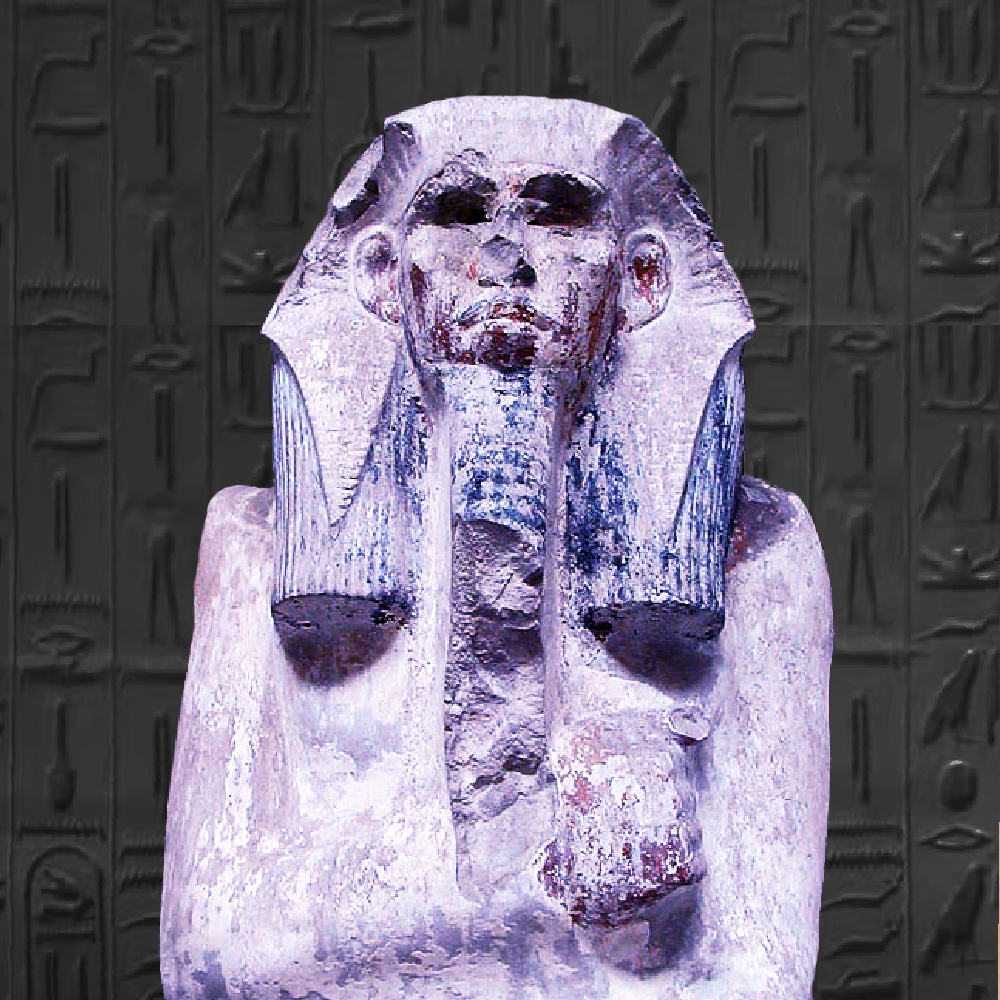 Pharaoh Djoser, 2649-2611 BCE, of the 3rd Dynasty,
Saqqara, Egypt, carved limestone, Egyptian Museum, is the oldest known life-sized Egyptian statue, 27th century BCE
Pharaoh Djoser, 2649-2611 BCE, of the 3rd Dynasty,
Saqqara, Egypt, carved limestone, Egyptian Museum, is the oldest known life-sized Egyptian statue, 27th century BCE
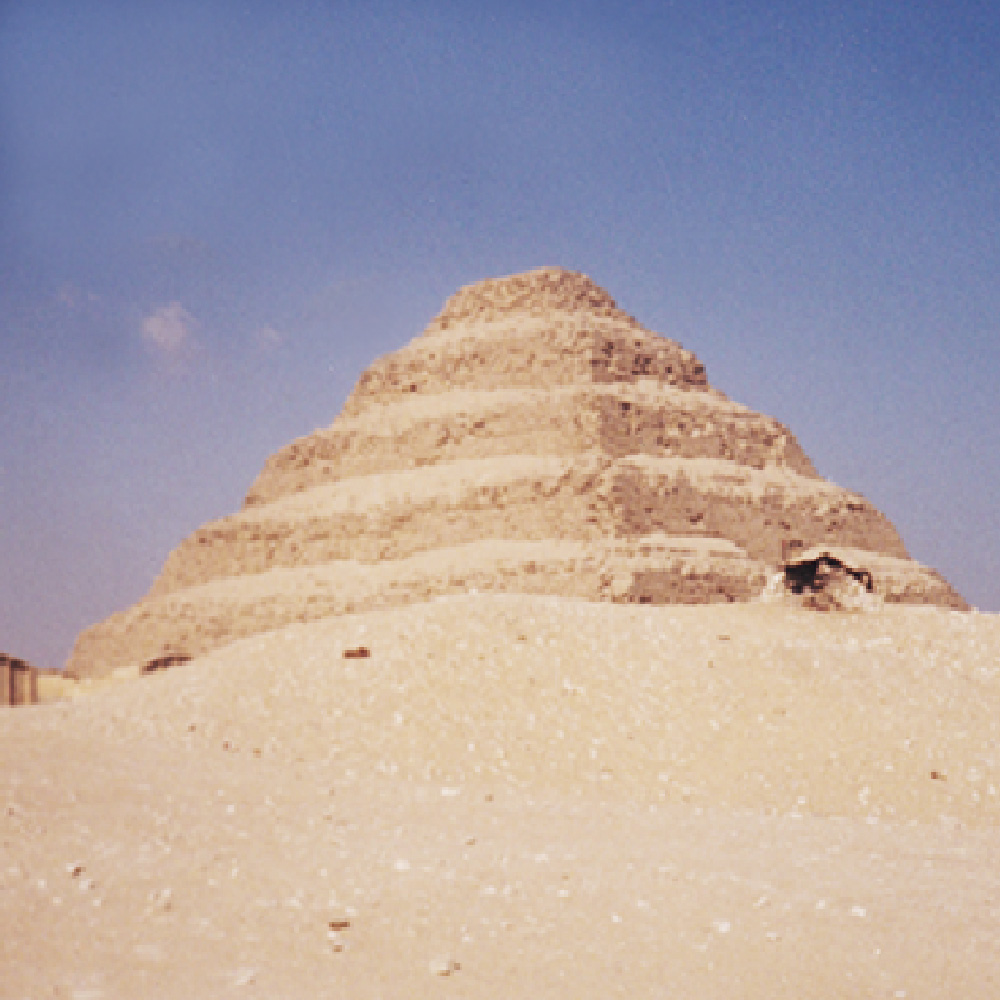 Djoser's step pyramid is a structure that uses flat
platforms that steps back receding from the ground up, architect: Imhoptep, dated: 27th century BCE. Saqqara
Djoser's step pyramid is a structure that uses flat
platforms that steps back receding from the ground up, architect: Imhoptep, dated: 27th century BCE. Saqqara
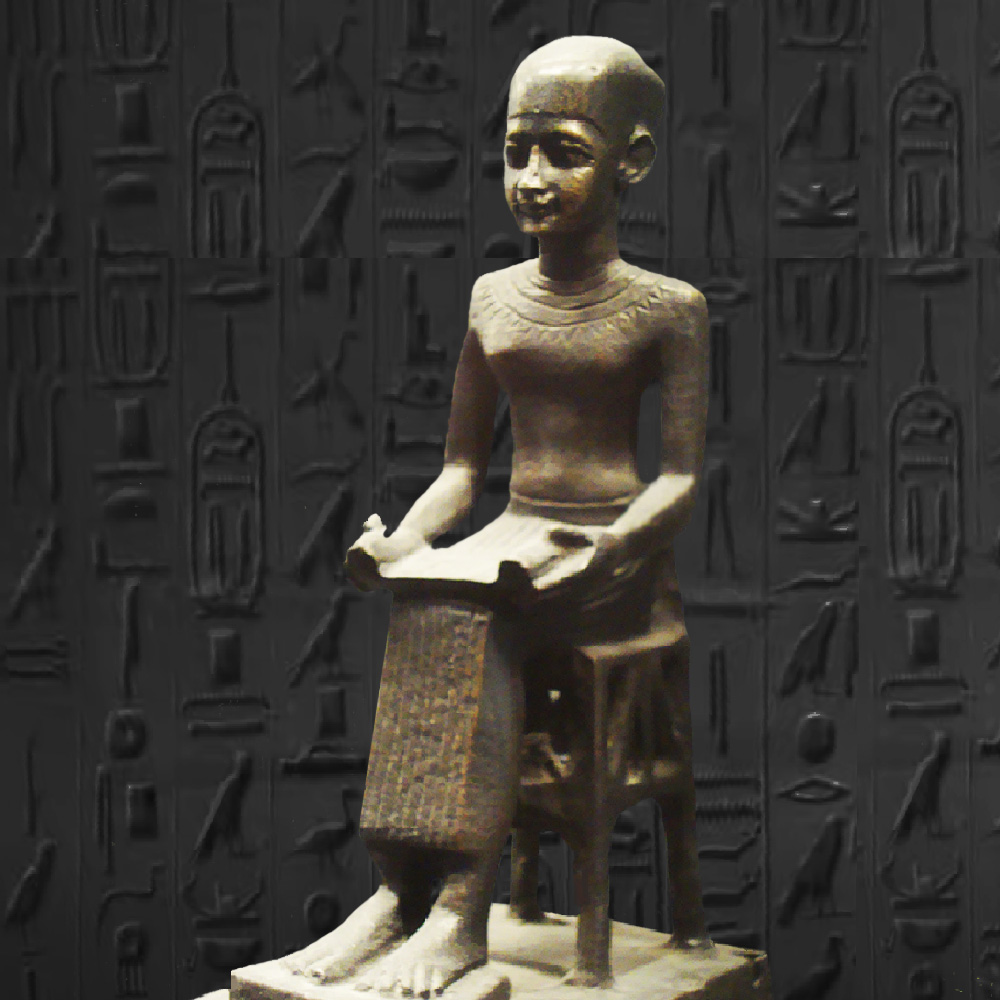 Imhotep, architect of Pharaoh Djoser's step pyramid
who reigned 2630-2611 BCE, The bronze figurine of Imhotep, dated: 332 BCE, Louvre Museum, Paris
Imhotep, architect of Pharaoh Djoser's step pyramid
who reigned 2630-2611 BCE, The bronze figurine of Imhotep, dated: 332 BCE, Louvre Museum, Paris
Step Pyramid Historical photos and Artwork
Historical photography and artwork of the Step Pyramid complex and the wider Saqqara necropolis dates back nearly two centuries. Ancient Egyptian monuments quickly became
popular subjects in the early years of photography, especially after French academician François Arago announced in 1839 that the new medium would make it possible
to record “the millions and millions of hieroglyphics” covering sites such as Thebes, Memphis, and Karnak. Soon after, artist‑travelers began arriving in Egypt with
early cameras and metal—and later glass—photographic plates, documenting monuments that had previously been known in Europe only through drawings and engravings.
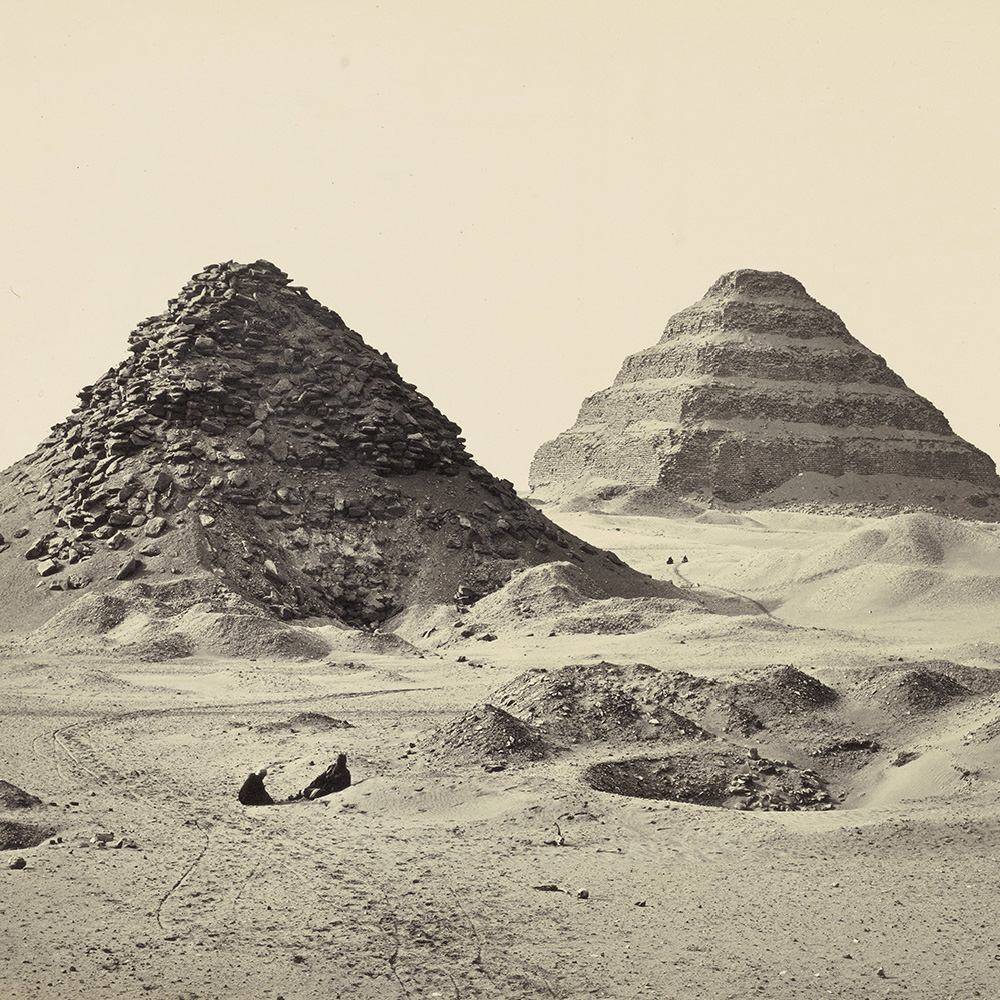 The Pyramids of Sakkarah from the North East,
Date: 1857, Medium: Albumen silver print, Photo: William Henry Goodyear, 1846–1923, Source: Brooklyn Museum, 🅮Public Domain
The Pyramids of Sakkarah from the North East,
Date: 1857, Medium: Albumen silver print, Photo: William Henry Goodyear, 1846–1923, Source: Brooklyn Museum, 🅮Public Domain
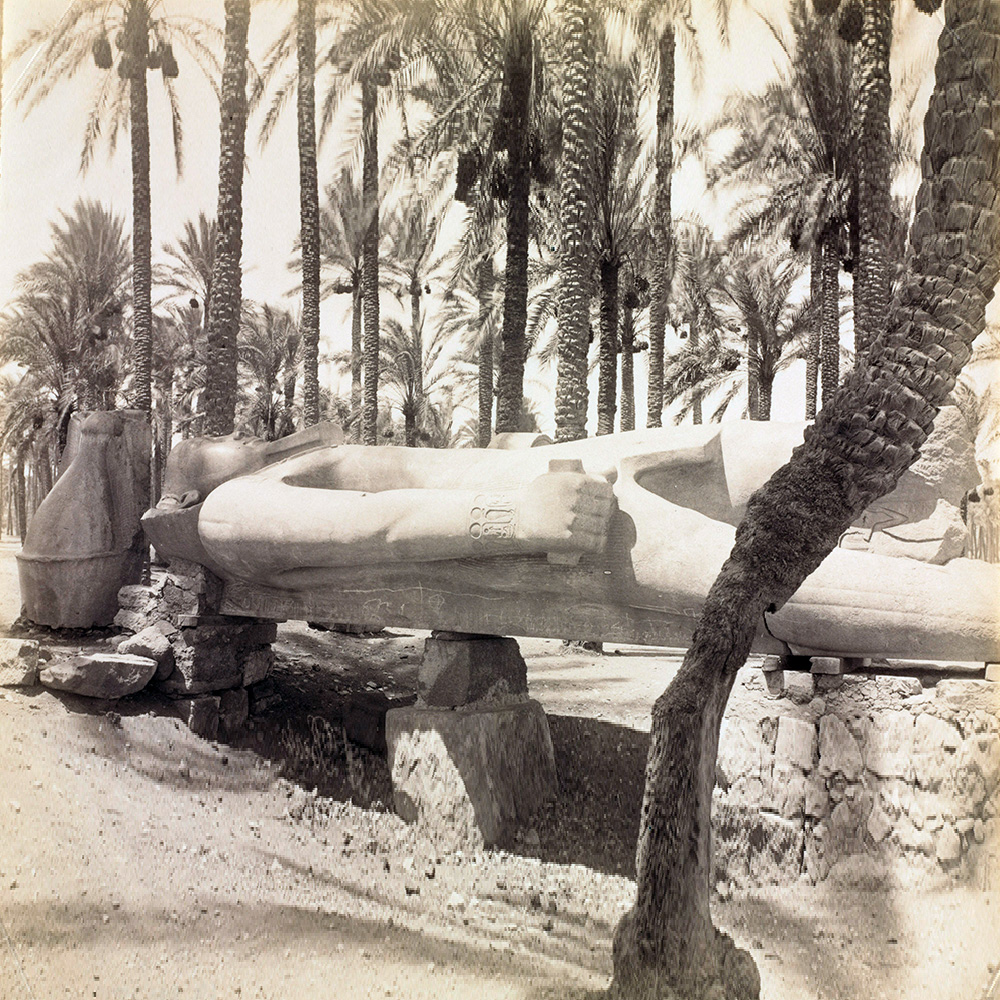 A statue of Ramses II lying down amid a stand of
palm trees at Memphis, date: 1890, Photographer: H.W. Dunning, 🅮Public Domain
A statue of Ramses II lying down amid a stand of
palm trees at Memphis, date: 1890, Photographer: H.W. Dunning, 🅮Public Domain
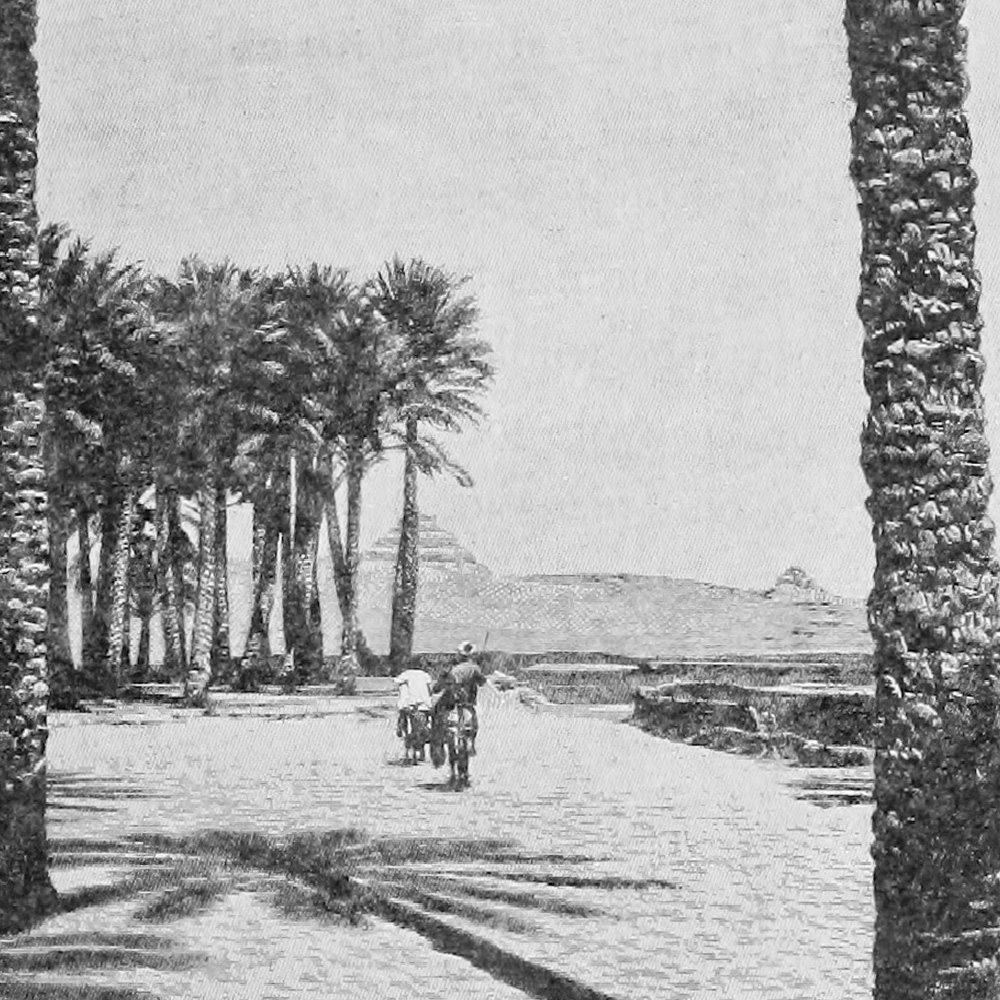 History of Egypt, Chaldea, Syria, Babylonia and
Assyria, Date: 1903, Photographer: Maspero, G. (Gaston), 1846-1916, Sayce, A. H. (Archibald Henry), 1845-1933, Publisher: London, Grolier Society,
🅮Public Domain
History of Egypt, Chaldea, Syria, Babylonia and
Assyria, Date: 1903, Photographer: Maspero, G. (Gaston), 1846-1916, Sayce, A. H. (Archibald Henry), 1845-1933, Publisher: London, Grolier Society,
🅮Public Domain
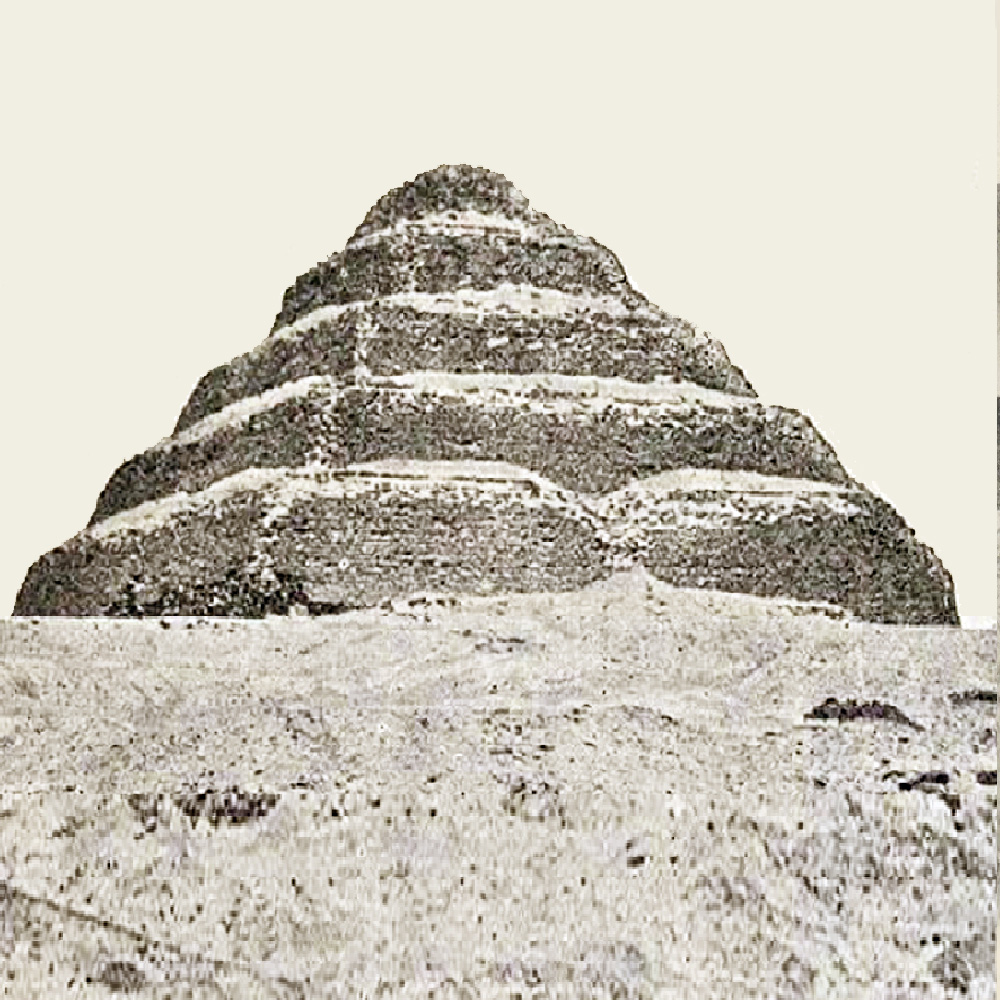 The Step Pyramid at Sakkara, TIMEA, Date: 1902,
Photograph of the Step Pyramid at Sakkara, Source: E. A. Wallace Budge, 🅮Public Domain
The Step Pyramid at Sakkara, TIMEA, Date: 1902,
Photograph of the Step Pyramid at Sakkara, Source: E. A. Wallace Budge, 🅮Public Domain
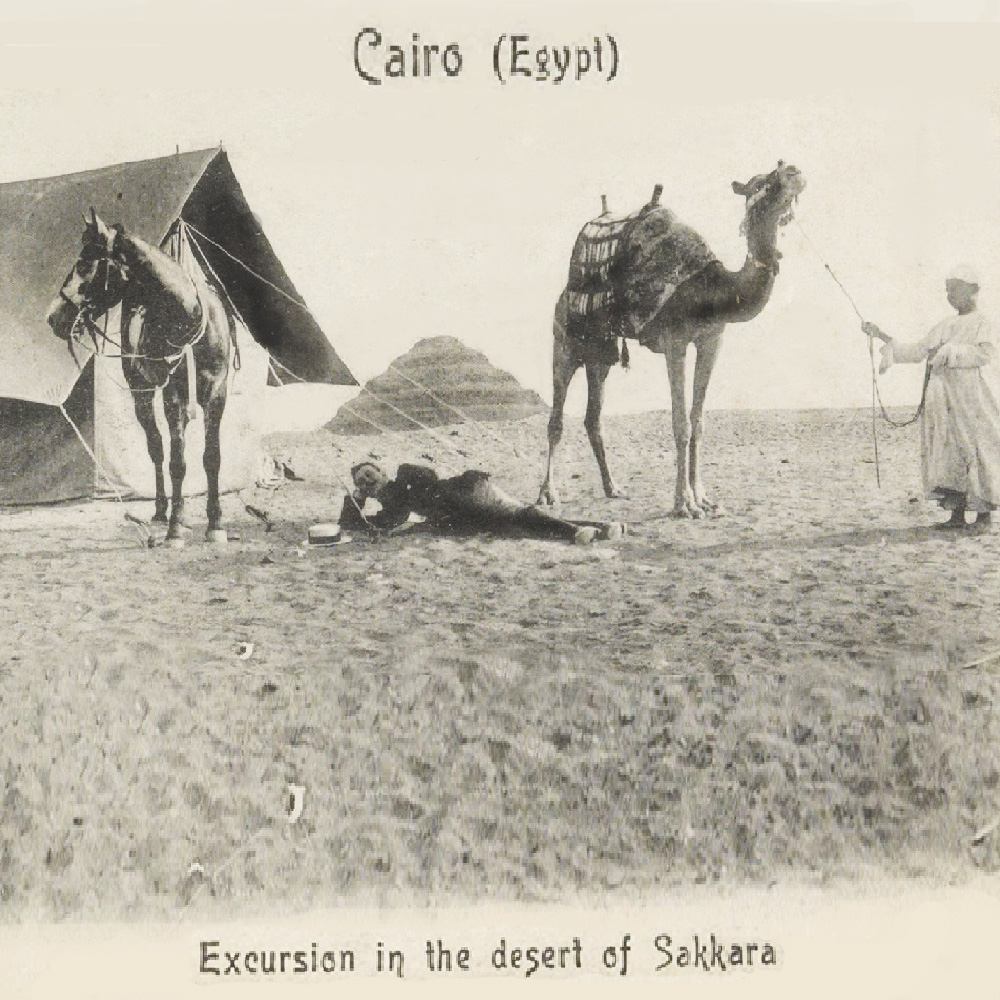 Excursion in the desert of Sakkara, Date: 1895,
Author: Rijks Museum, 🅮Public Domain
Excursion in the desert of Sakkara, Date: 1895,
Author: Rijks Museum, 🅮Public Domain
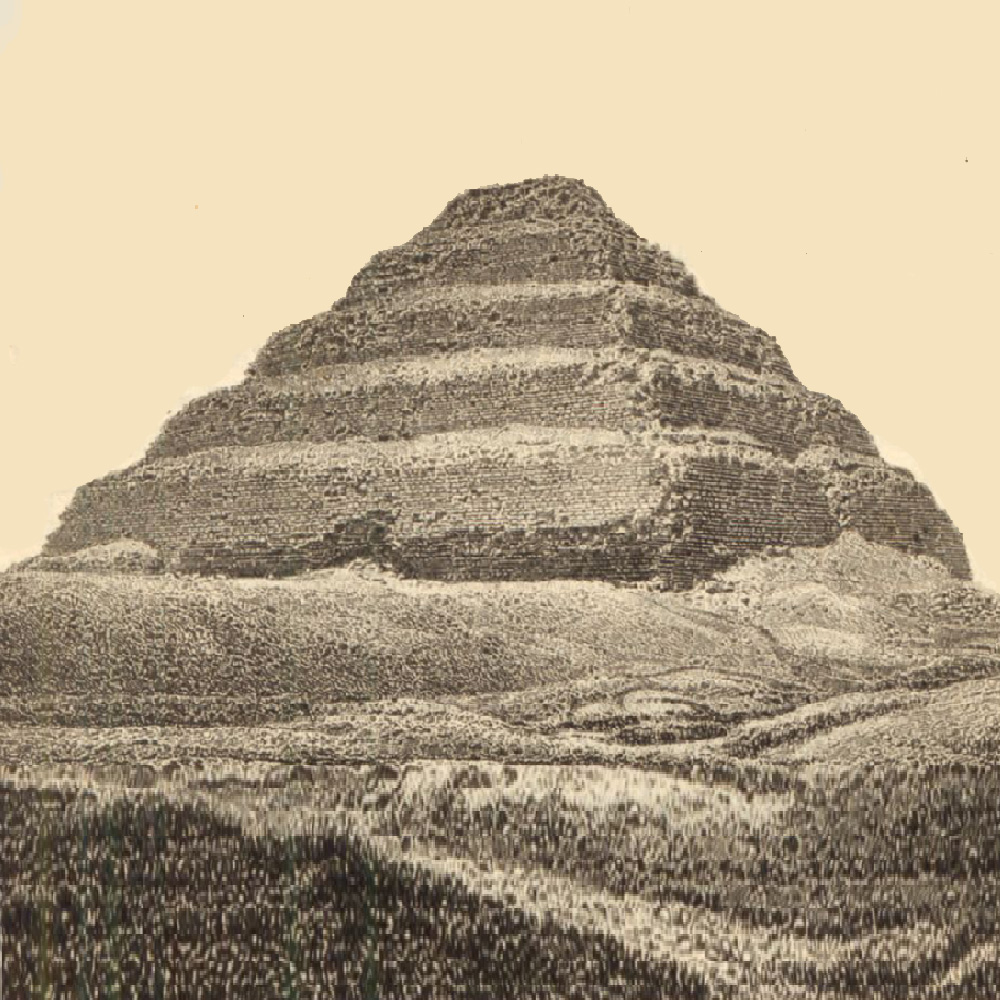 View of the Step-Pyramid of Sakkâra, TIMEA, Date:
1885, Description: Pyramid with stair-step sides, Line drawing, Publisher: Karl Baedeker, Source: Travelers in the Middle East Archive, TIMEA, 🅮Public Domain
View of the Step-Pyramid of Sakkâra, TIMEA, Date:
1885, Description: Pyramid with stair-step sides, Line drawing, Publisher: Karl Baedeker, Source: Travelers in the Middle East Archive, TIMEA, 🅮Public Domain
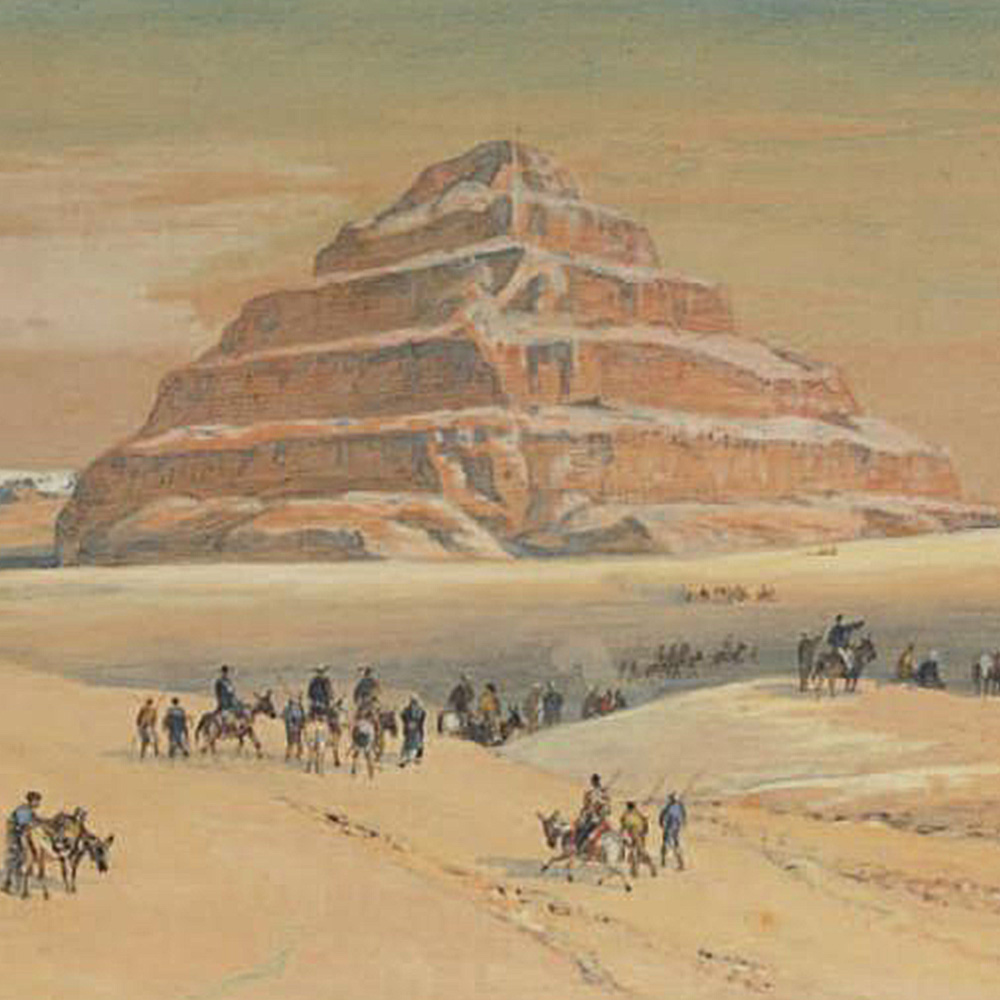 Berard-Pyramids, Date: 1881, Painting of the Step
Pyramid at Sakkara, Author: Évremond de Bérard (1824-1881), Source: Kahn & Associates, 🅮Public Domain
Berard-Pyramids, Date: 1881, Painting of the Step
Pyramid at Sakkara, Author: Évremond de Bérard (1824-1881), Source: Kahn & Associates, 🅮Public Domain
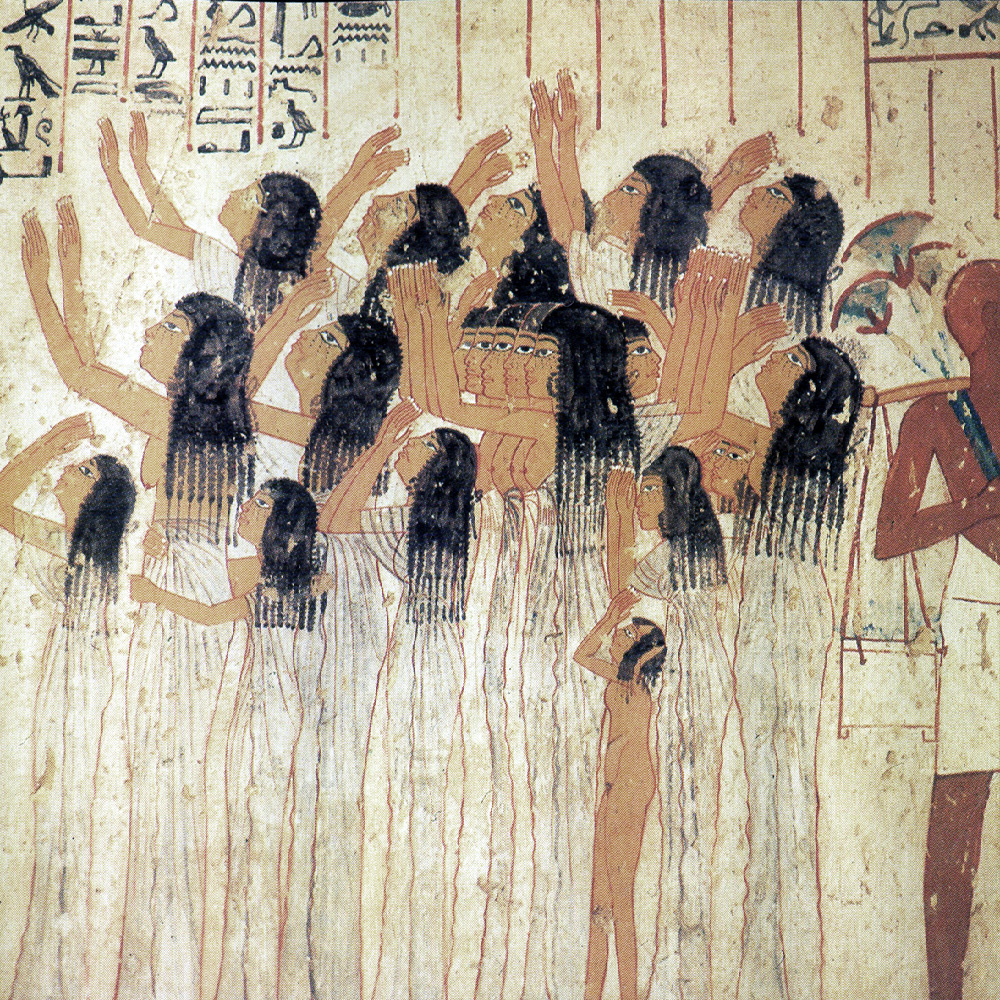 Lamenting Women, from the tomb (TT55) of Ramose,
1411–1375 BCE, Author: Unknown author, Source: Science & Avenir Hors Série n°157 - Janvier/Février 2009, 🅮Public Domain
Lamenting Women, from the tomb (TT55) of Ramose,
1411–1375 BCE, Author: Unknown author, Source: Science & Avenir Hors Série n°157 - Janvier/Février 2009, 🅮Public Domain
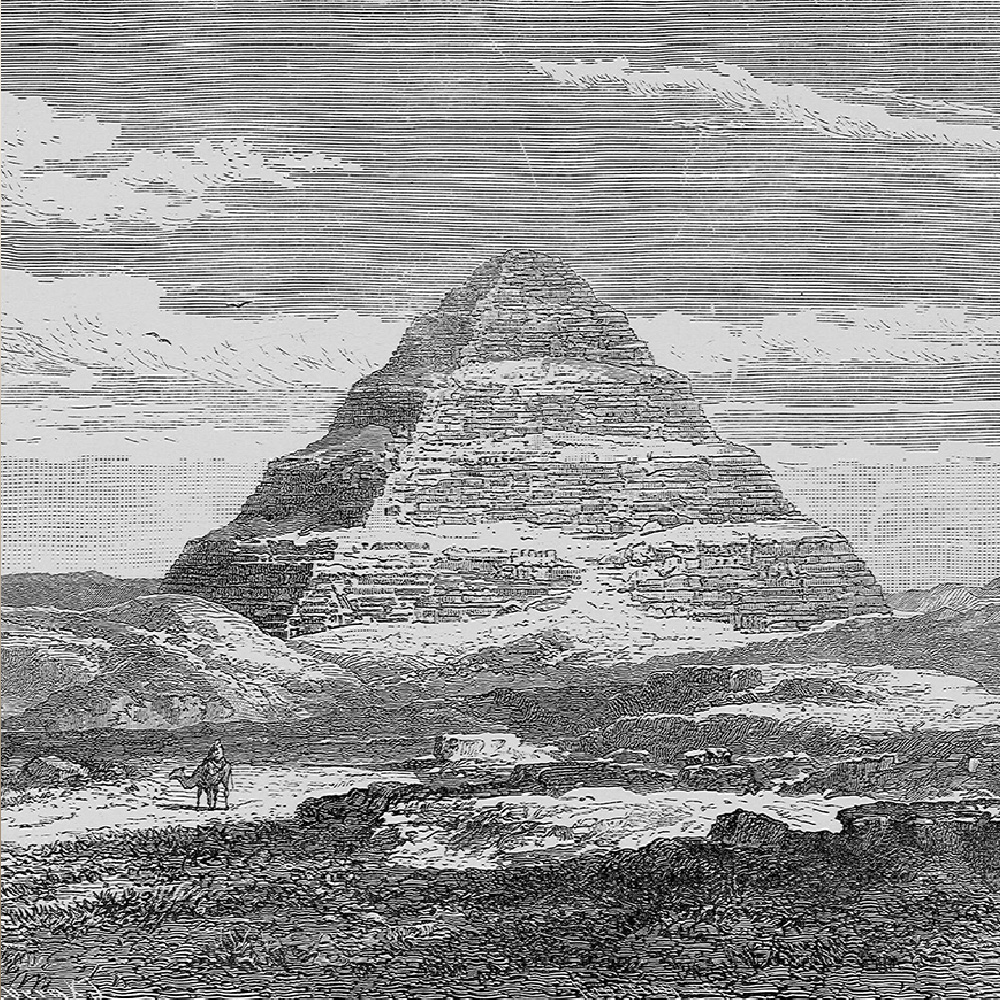 Egipto, 1882 "Pirámide de Sakkara" (21409736136),
Date: 1882, Description: Pyramid with stair-step sides, Line drawing, Ilustrador: Karl Werner, 1821-1888, 🅮Public Domain
Egipto, 1882 "Pirámide de Sakkara" (21409736136),
Date: 1882, Description: Pyramid with stair-step sides, Line drawing, Ilustrador: Karl Werner, 1821-1888, 🅮Public Domain
Website & Content Created by Richard Brafford, © 2025, All Rights Reserved, Fair Use Disclaimer for
Non-Commercial Use for Educational & Entertainment Purposes Only Top
Top