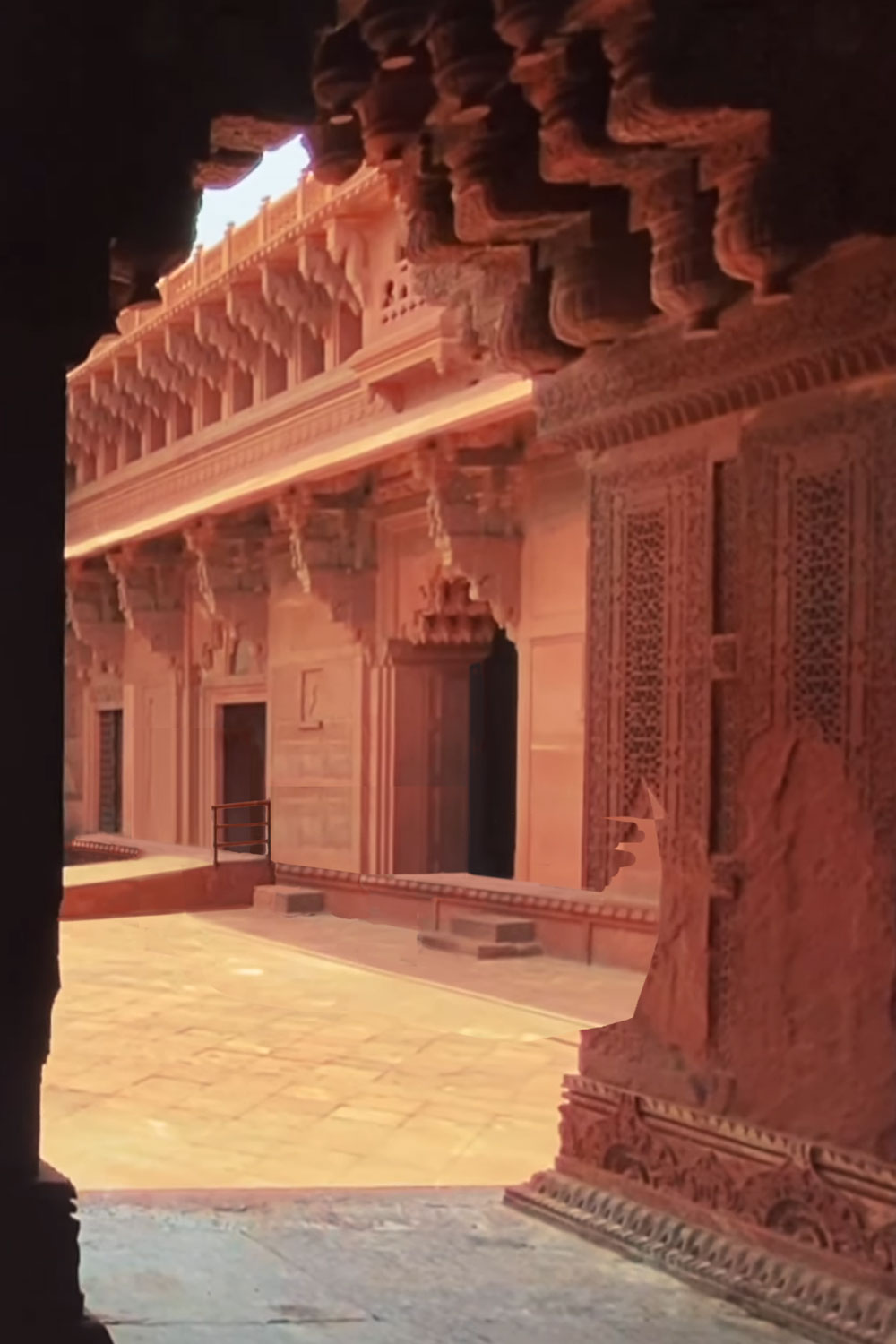
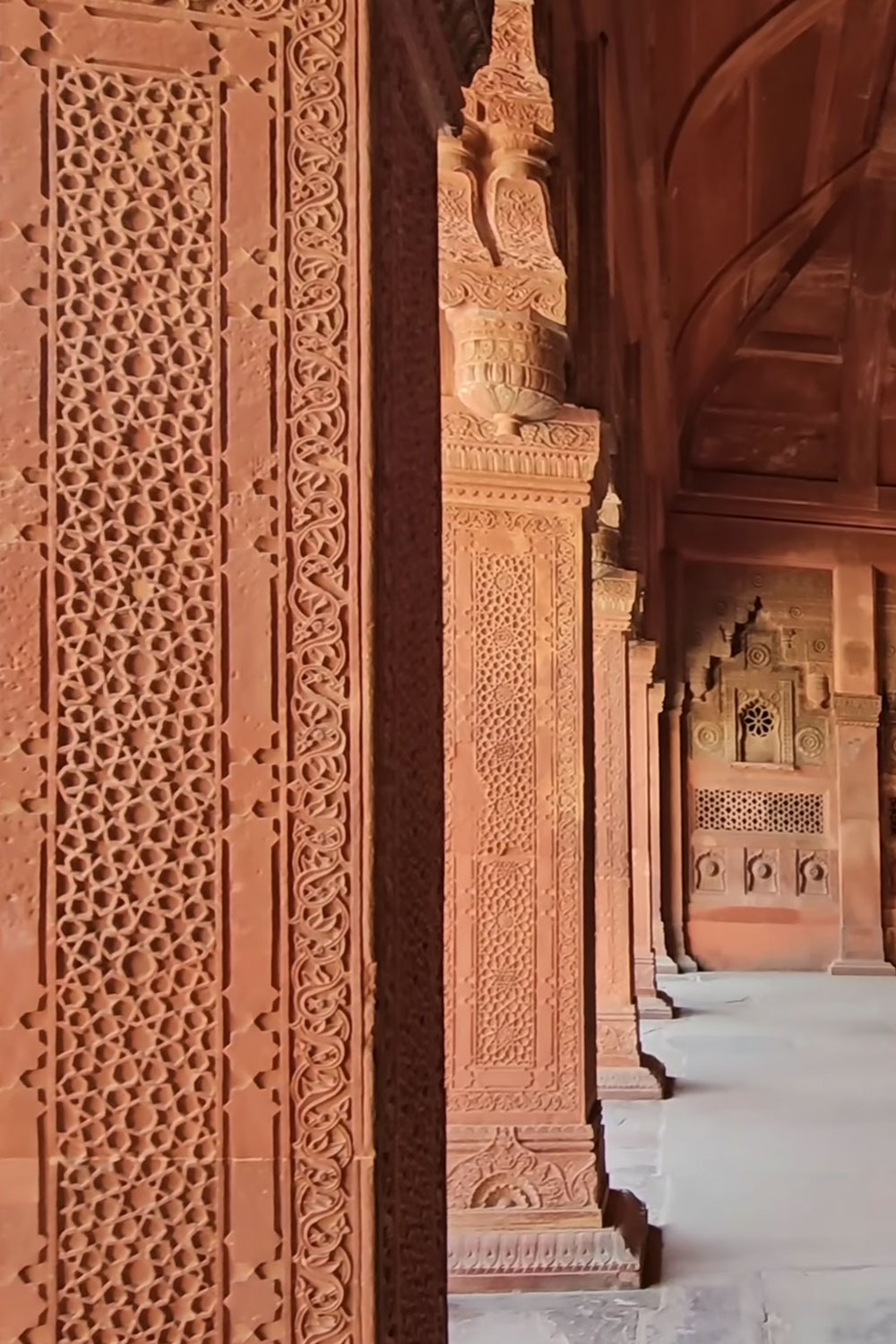
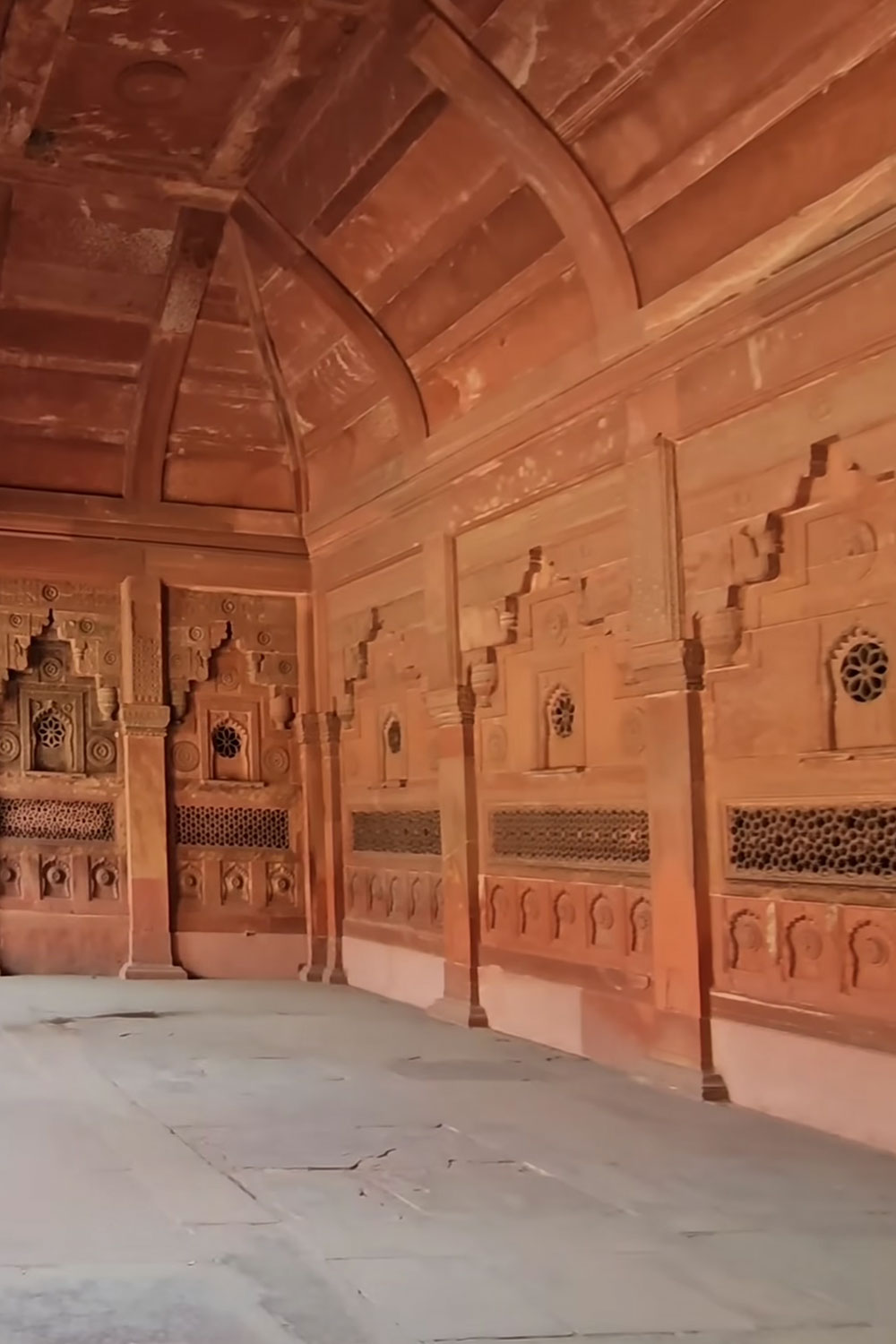
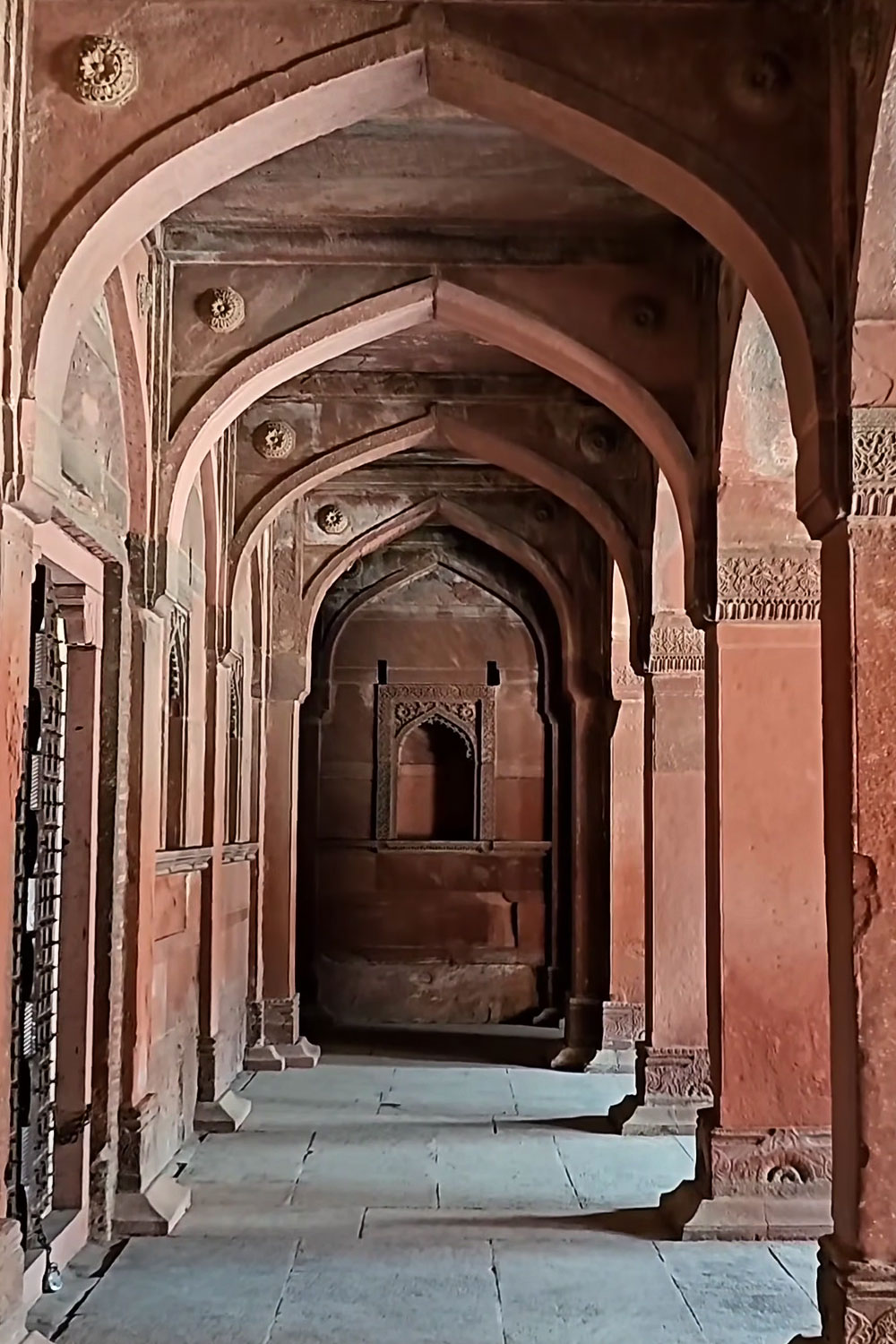
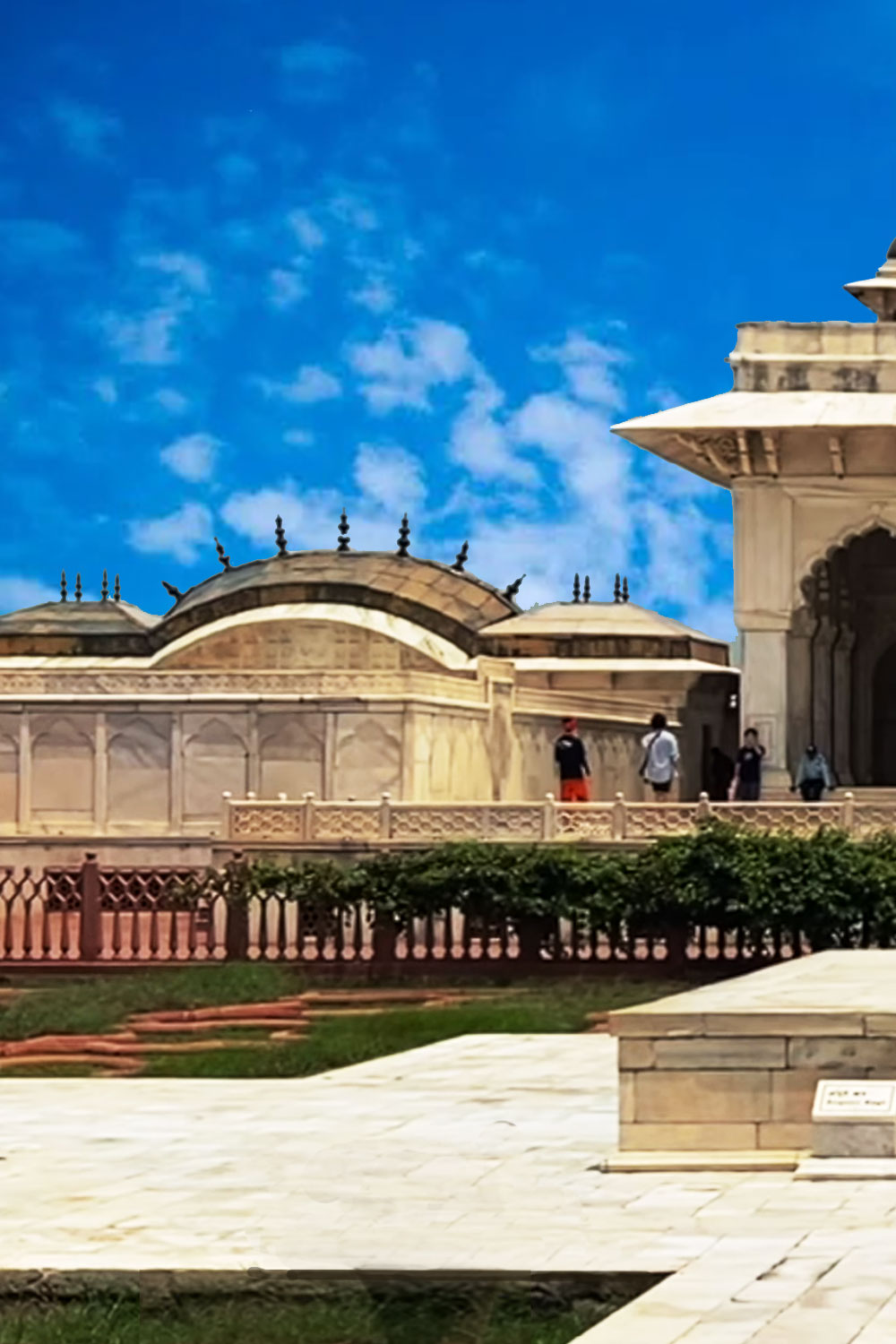
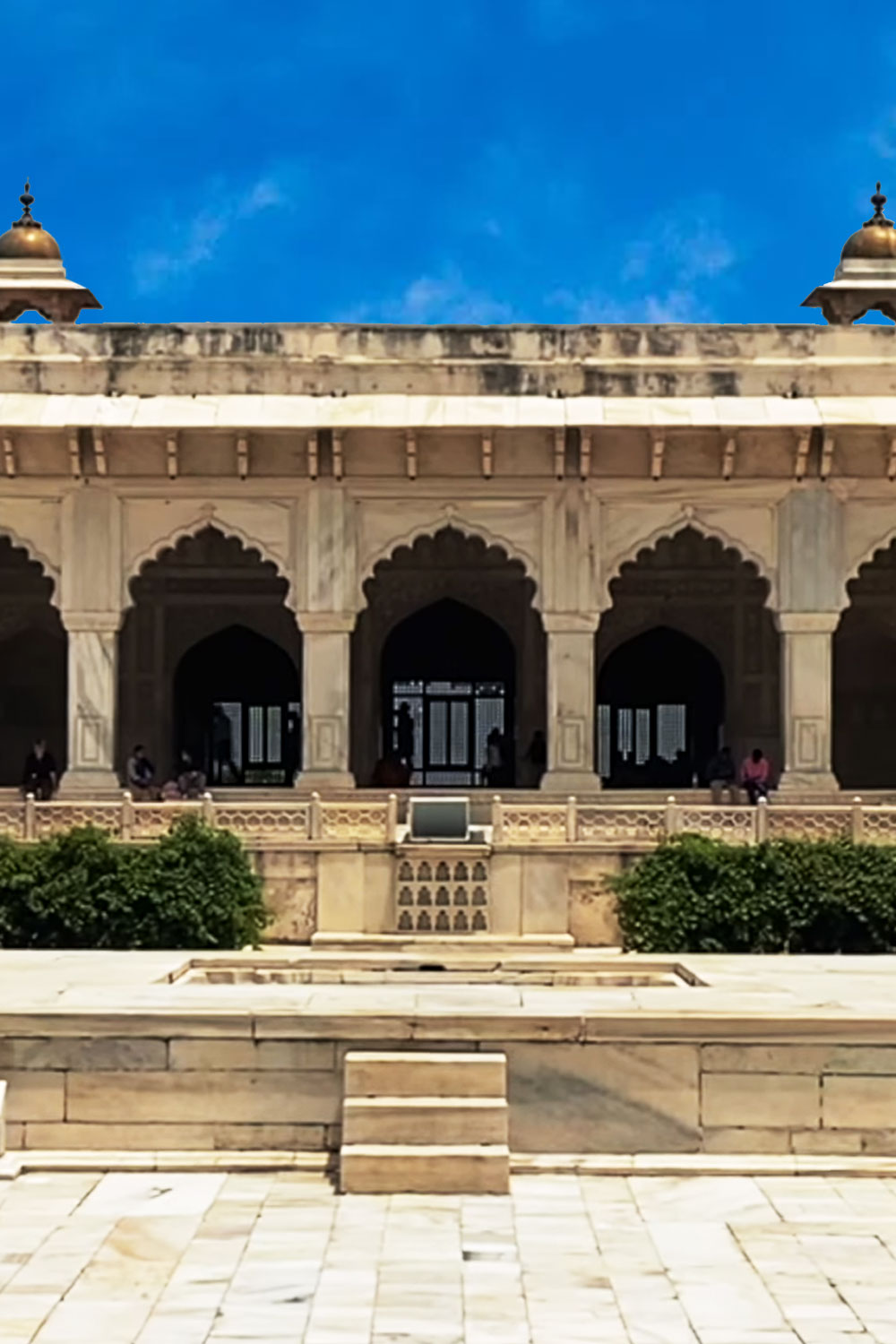
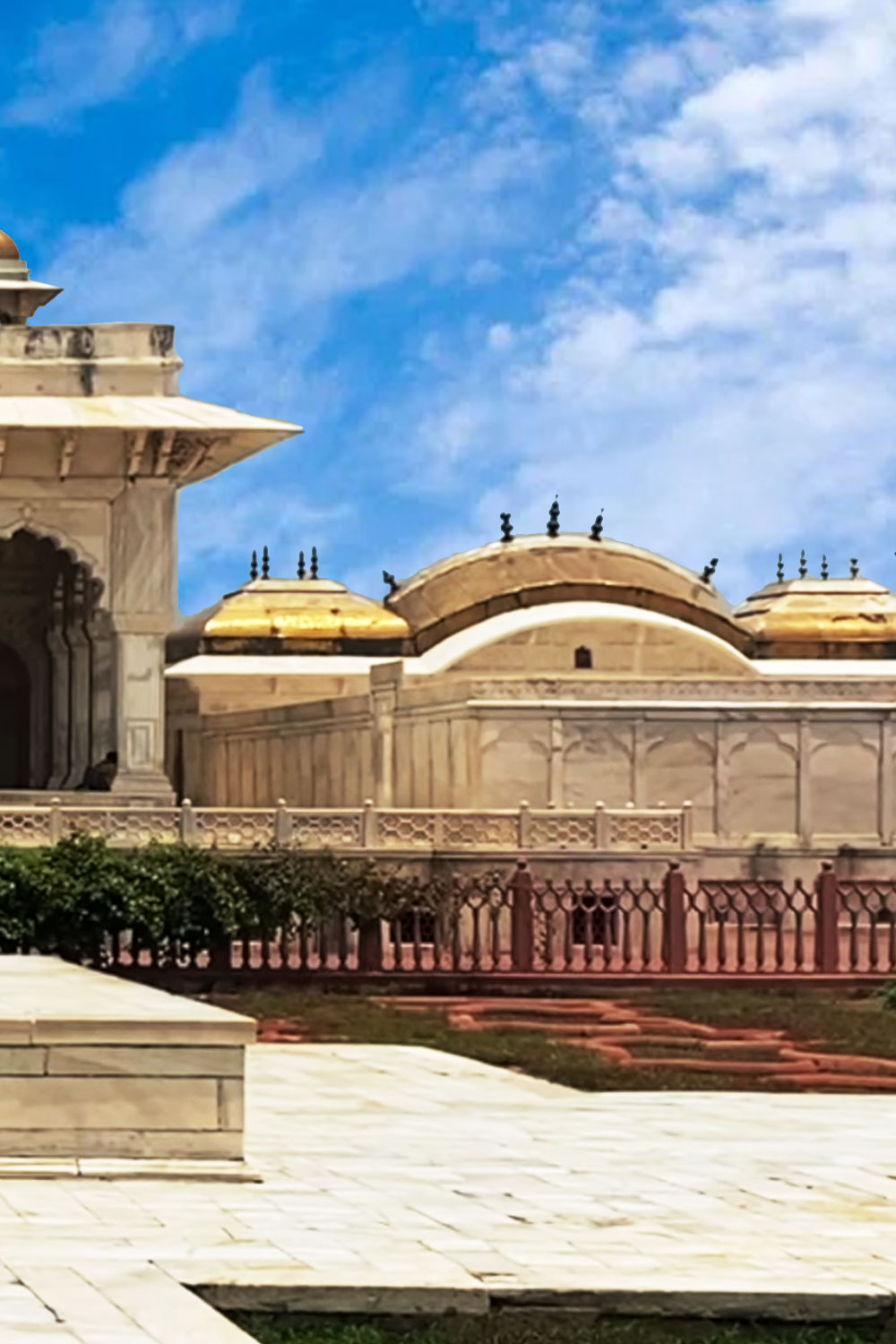
AGRA'S RED FORT
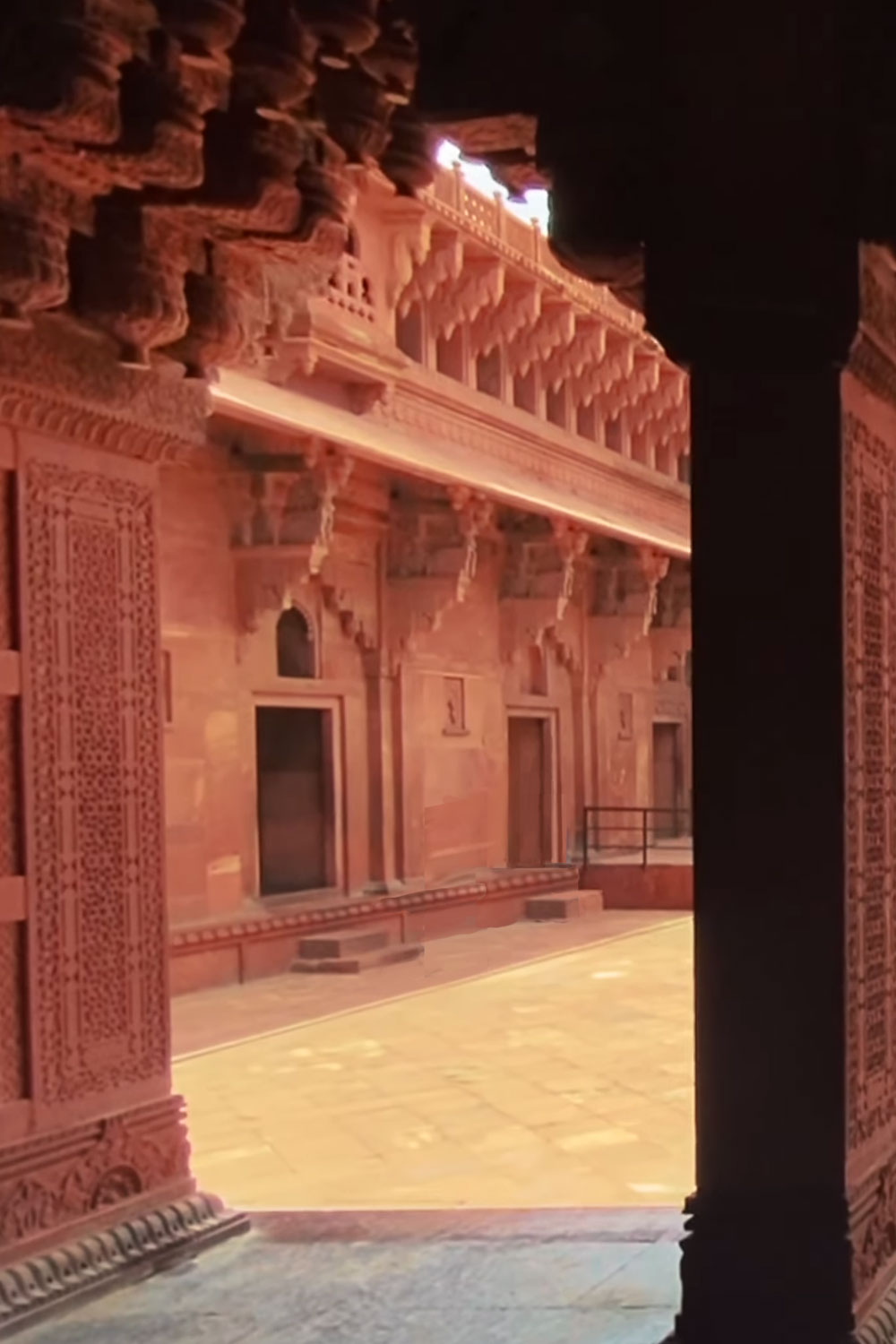
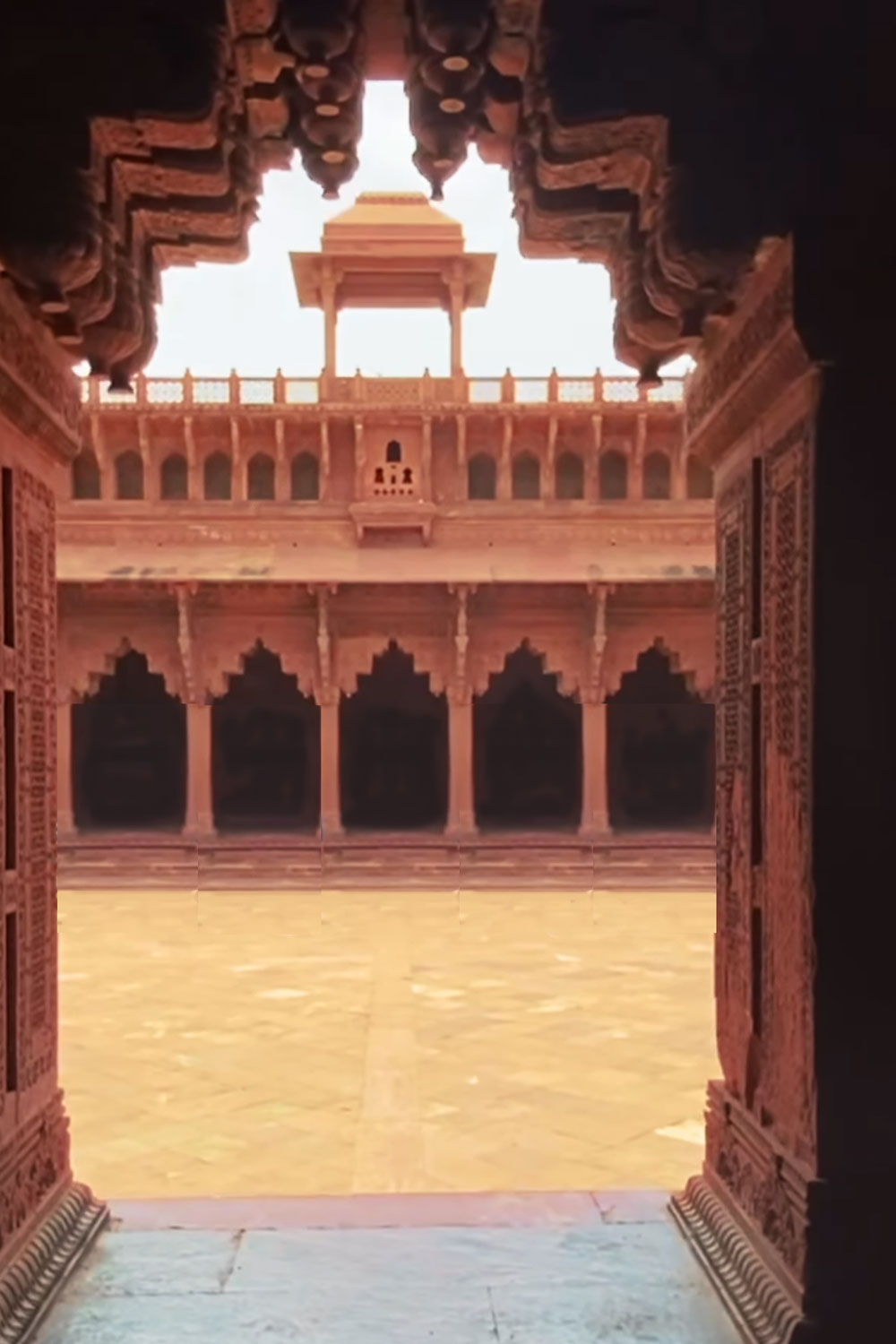
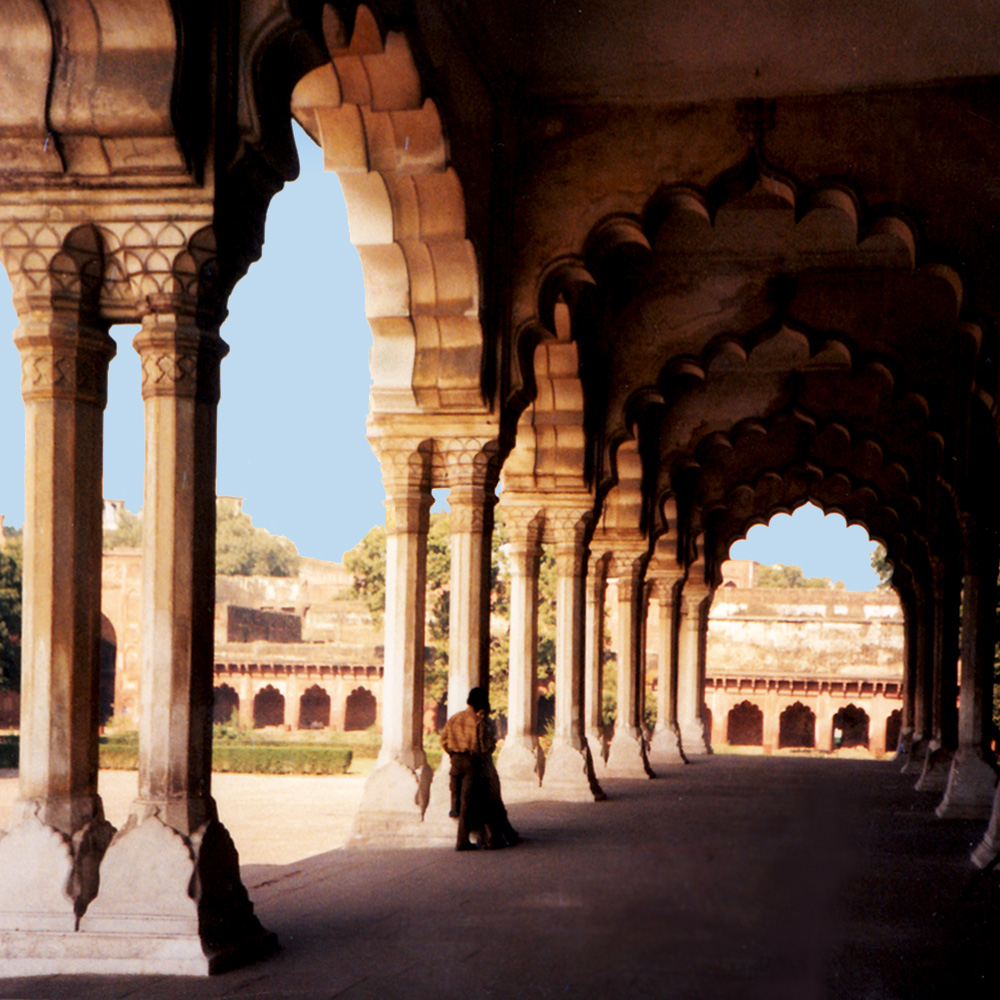
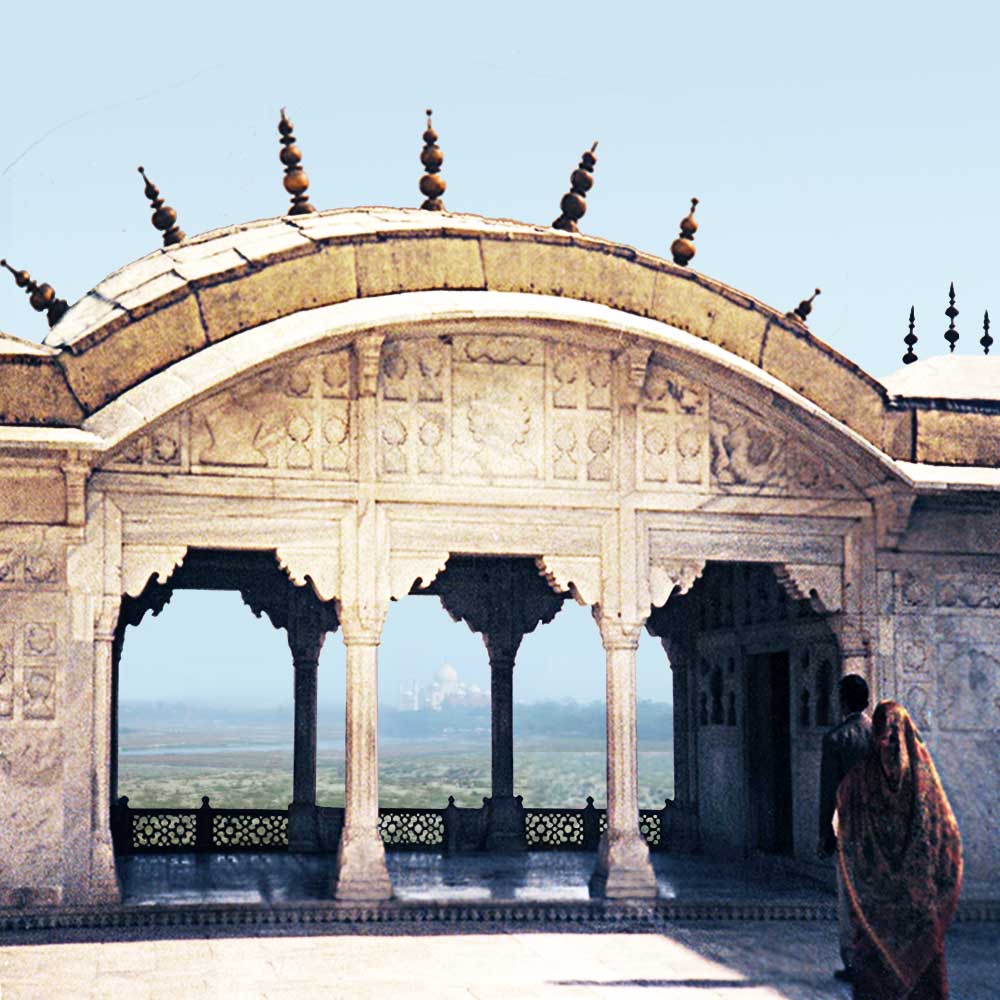
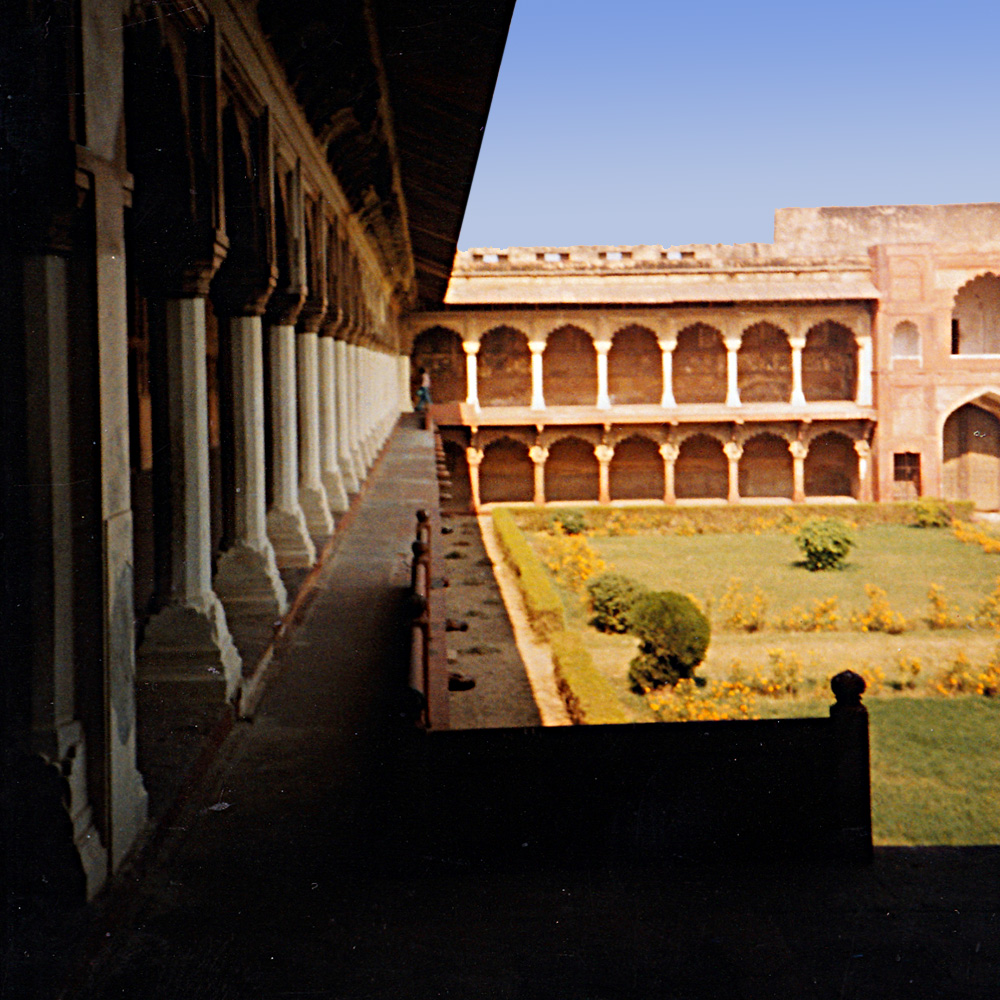
Over the centuries, Agra Fort witnessed major moments in Mughal history, including battles for succession and the imprisonment of Emperor Shah Jahan
by his son Aurangzeb. The fort stands as a key example of Mughal architecture—an Indo‑Islamic style that flourished across the subcontinent from the 16th to 18th centuries.
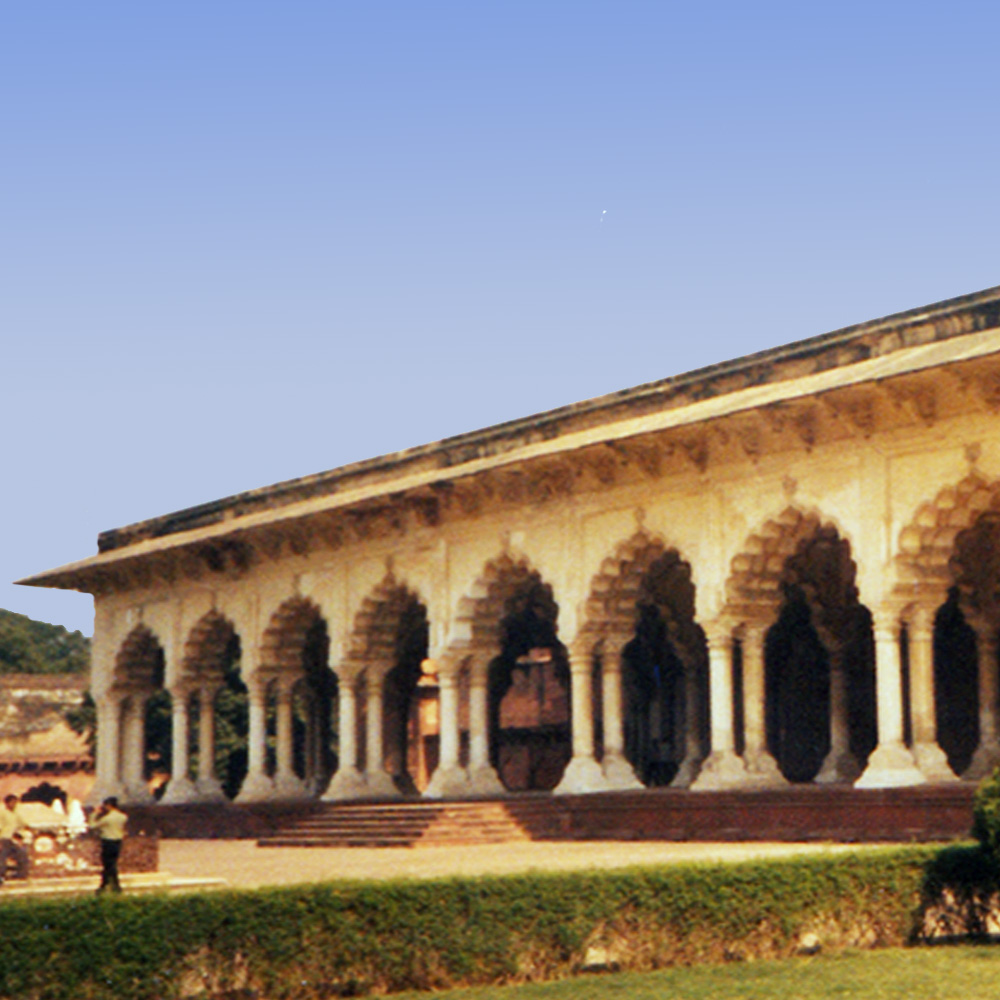
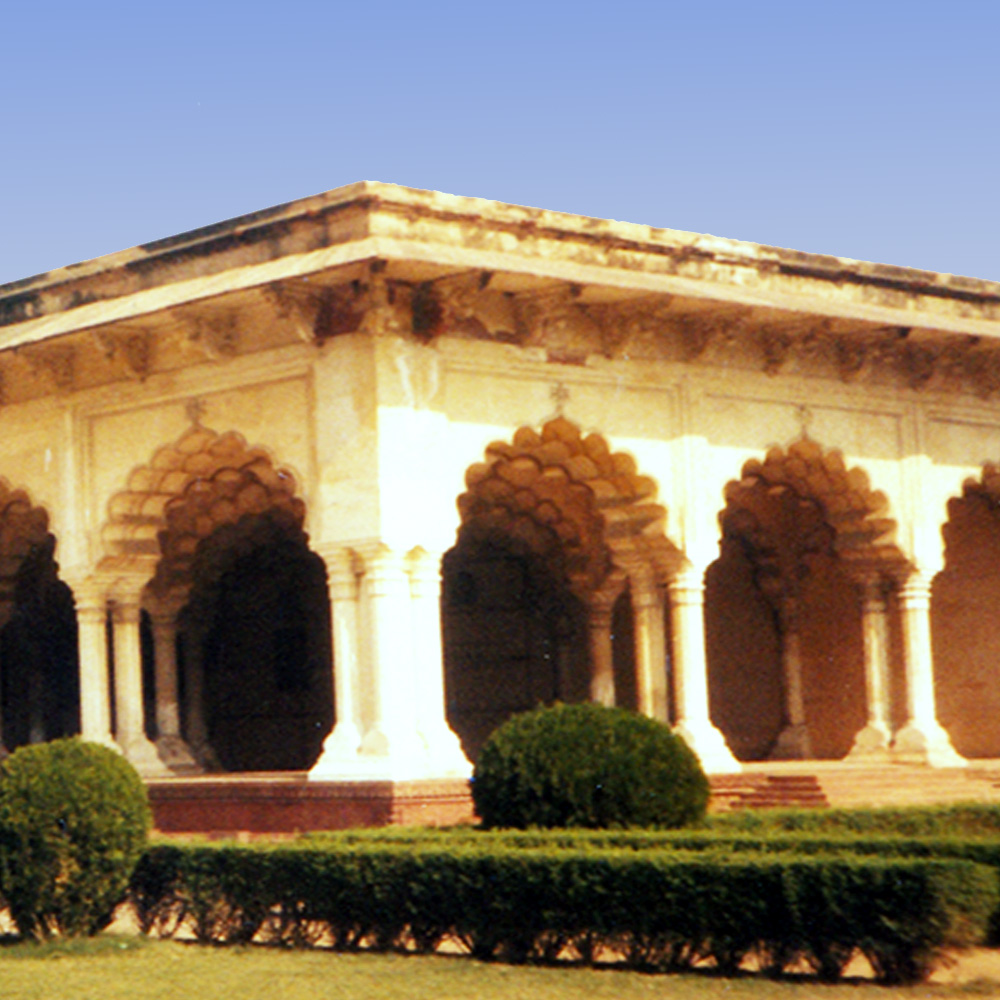
Drawing on earlier Indian and Persian traditions, Mughal builders developed a distinctive architectural vocabulary: large bulbous domes, slender corner minarets,
vast audience halls, monumental gateways, and intricate ornamental detail. Together, these elements created a unified aesthetic that defined the empire’s most celebrated
monuments.
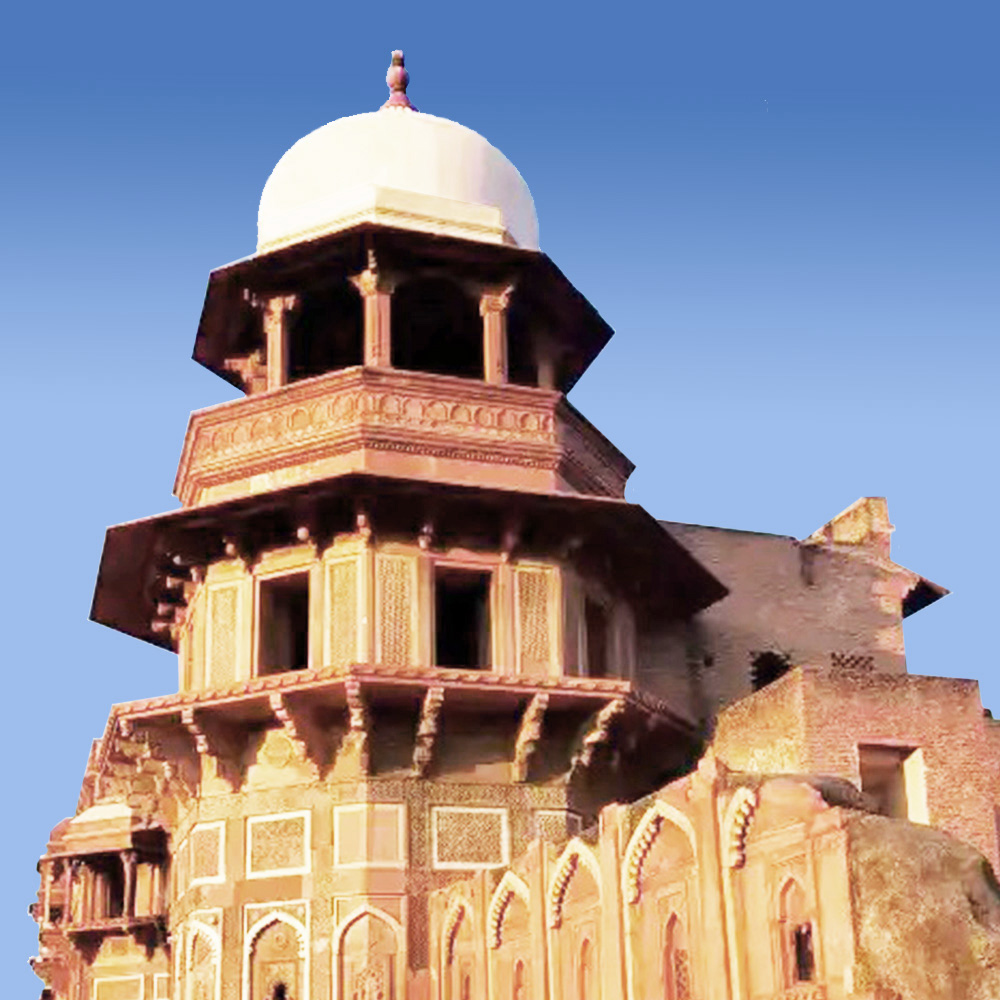
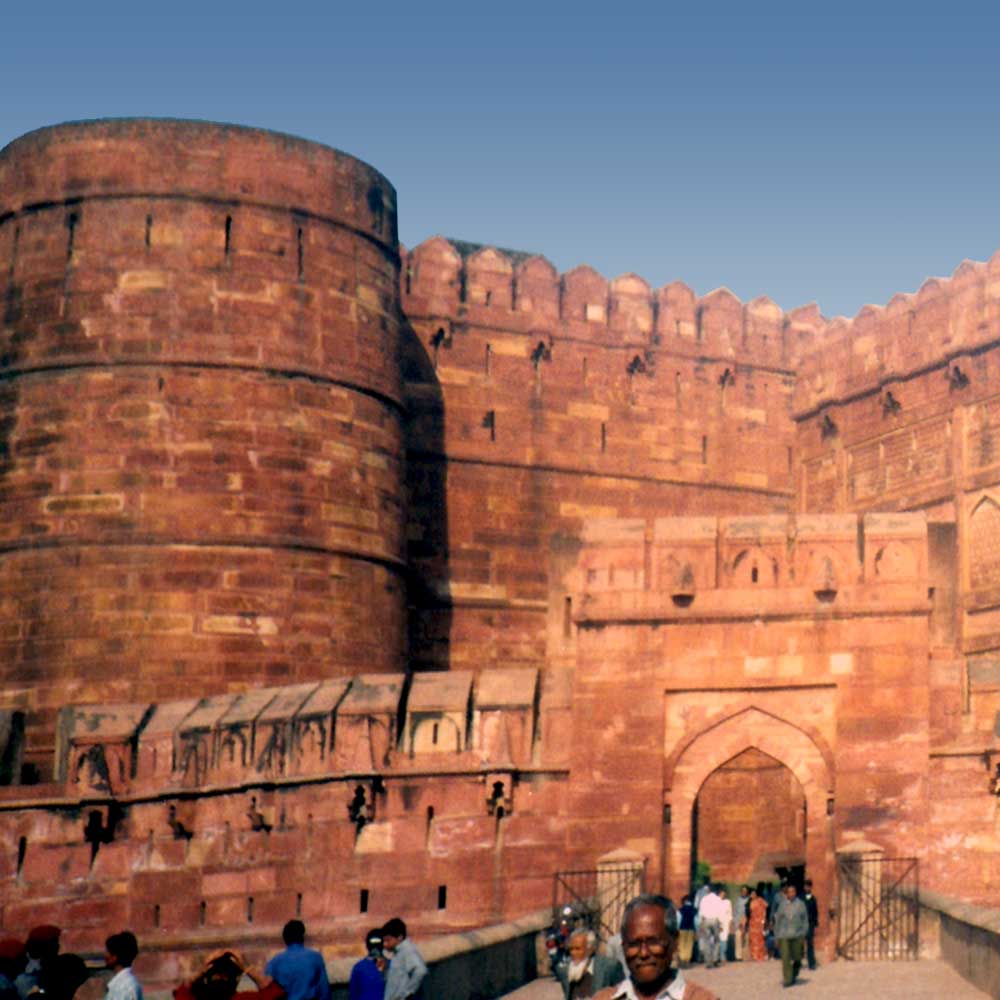 Agra’s Red Fort was built in 1504 in the style of
Indo-Islamic architecture, it's 1.6 miles from Agra’s most famous monument, the Taj Mahal
Agra’s Red Fort was built in 1504 in the style of
Indo-Islamic architecture, it's 1.6 miles from Agra’s most famous monument, the Taj Mahal
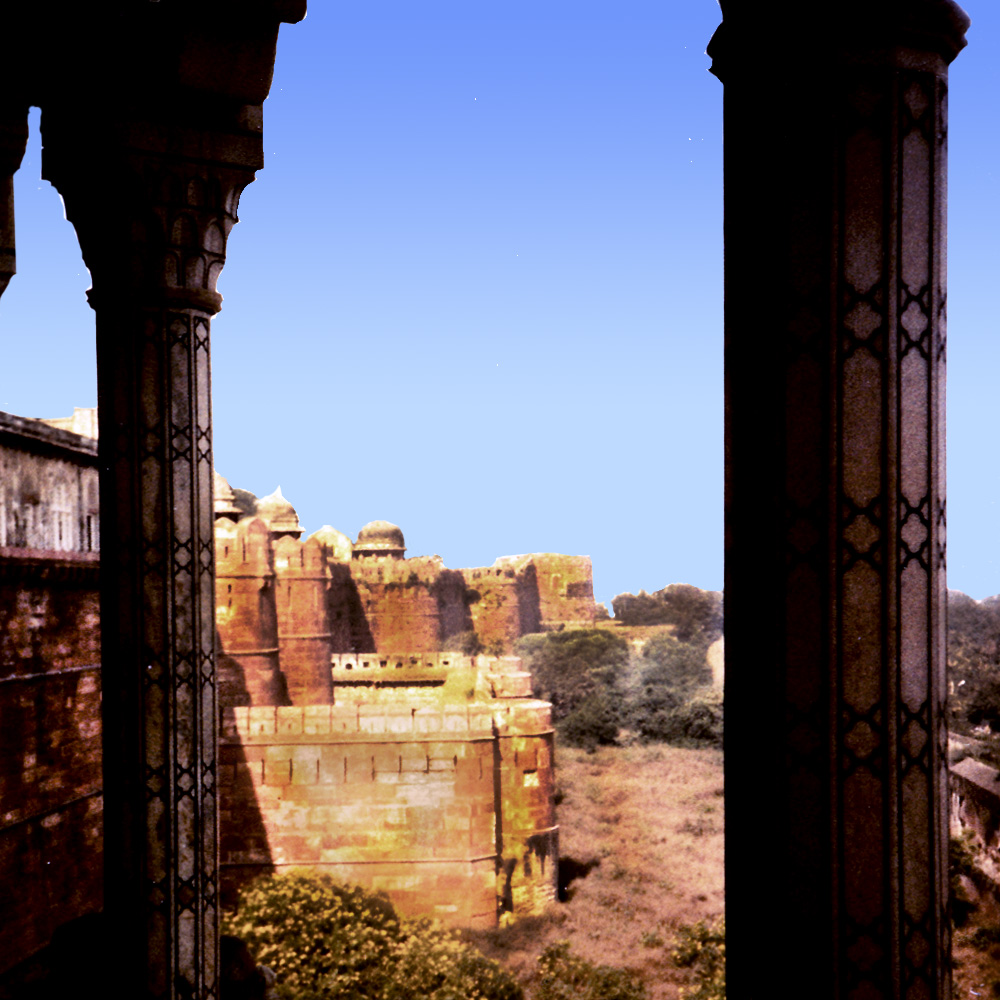
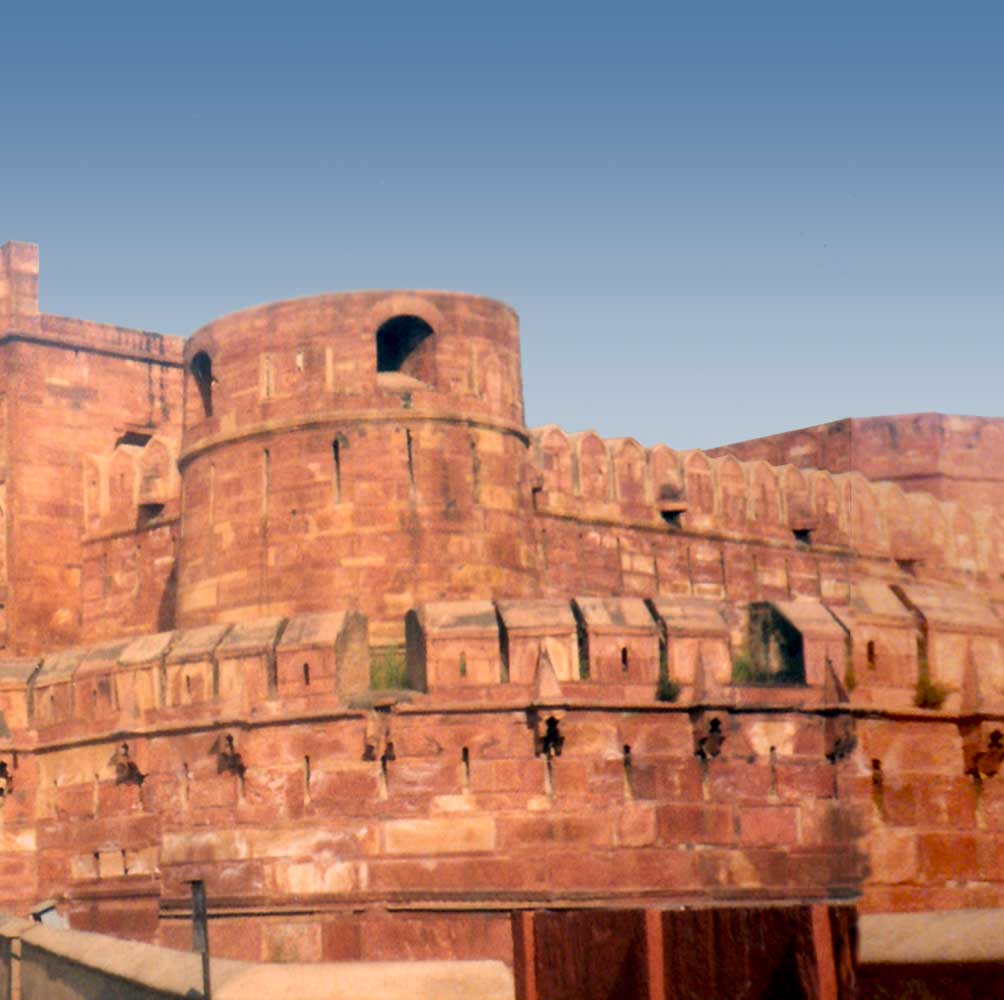 Akbar the Great had the fort rebuilt in 1558 with
bricks in the inner core and red sandstone on external surfaces.
Akbar the Great had the fort rebuilt in 1558 with
bricks in the inner core and red sandstone on external surfaces.
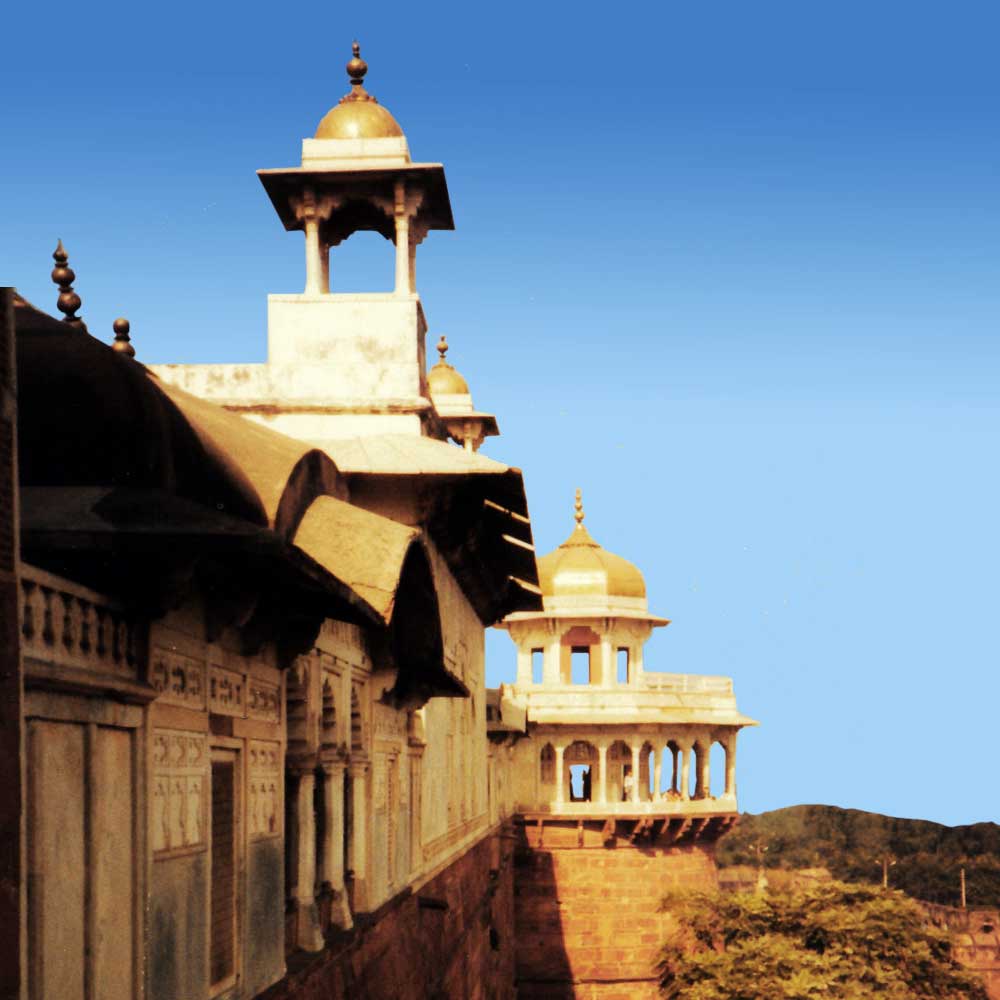
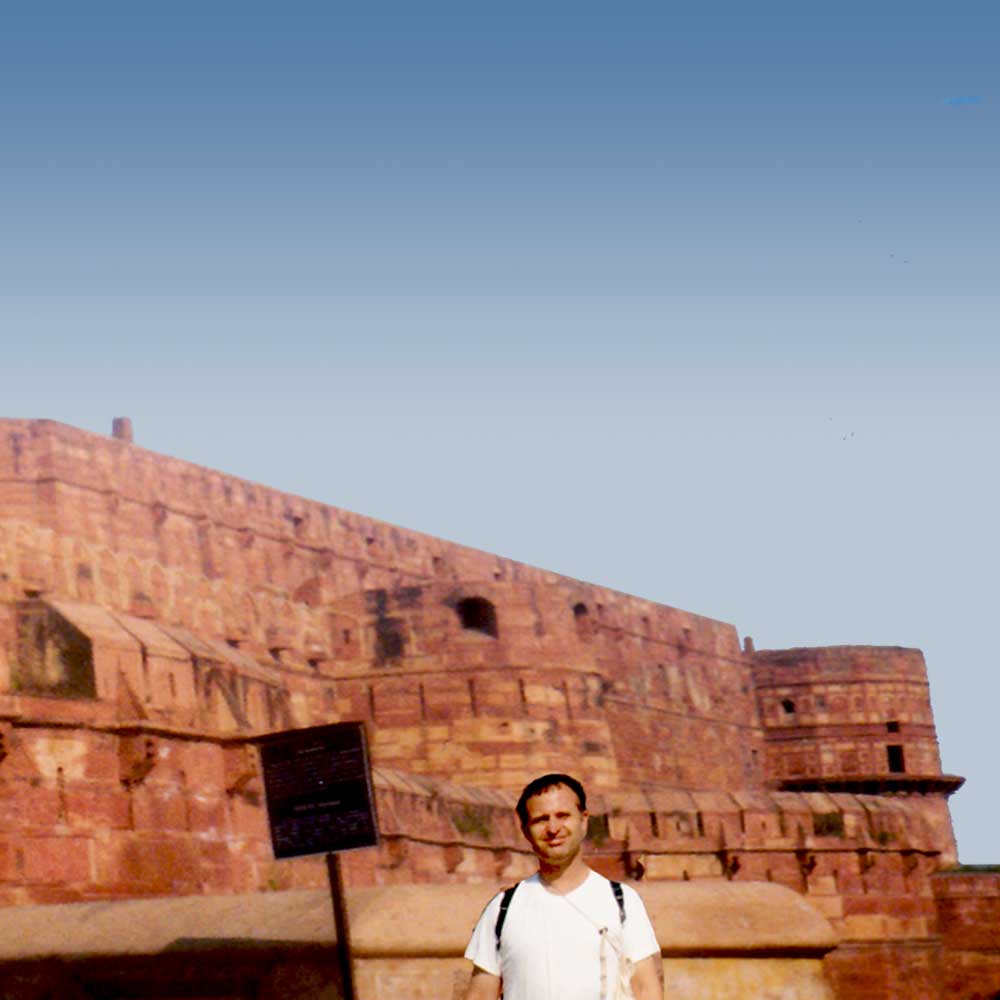 Between 1628-1658 Emperor Shah Jahan, created the
fort in its current state while he built the Taj Mahal in the memory of his wife, Mumtaz Mahal
Between 1628-1658 Emperor Shah Jahan, created the
fort in its current state while he built the Taj Mahal in the memory of his wife, Mumtaz Mahal
MUGHAL MAUSOLEUMS
In a land where cremation had been the primary Hindu rite of passage for millennia, the arrival of Islam introduced a new funerary tradition: the
monumental tomb mausoleum. Humayun’s Tomb in Delhi, completed in 1570, holds special significance as the first garden tomb in the Indian subcontinent. It inaugurated the
grand dynastic mausoleums that would come to define Mughal architecture, a style blending Islamic, Persian, and Indian elements. This architectural lineage reached its
zenith about eighty years later with the Taj Mahal, the empire’s most celebrated expression of the garden‑tomb ideal.
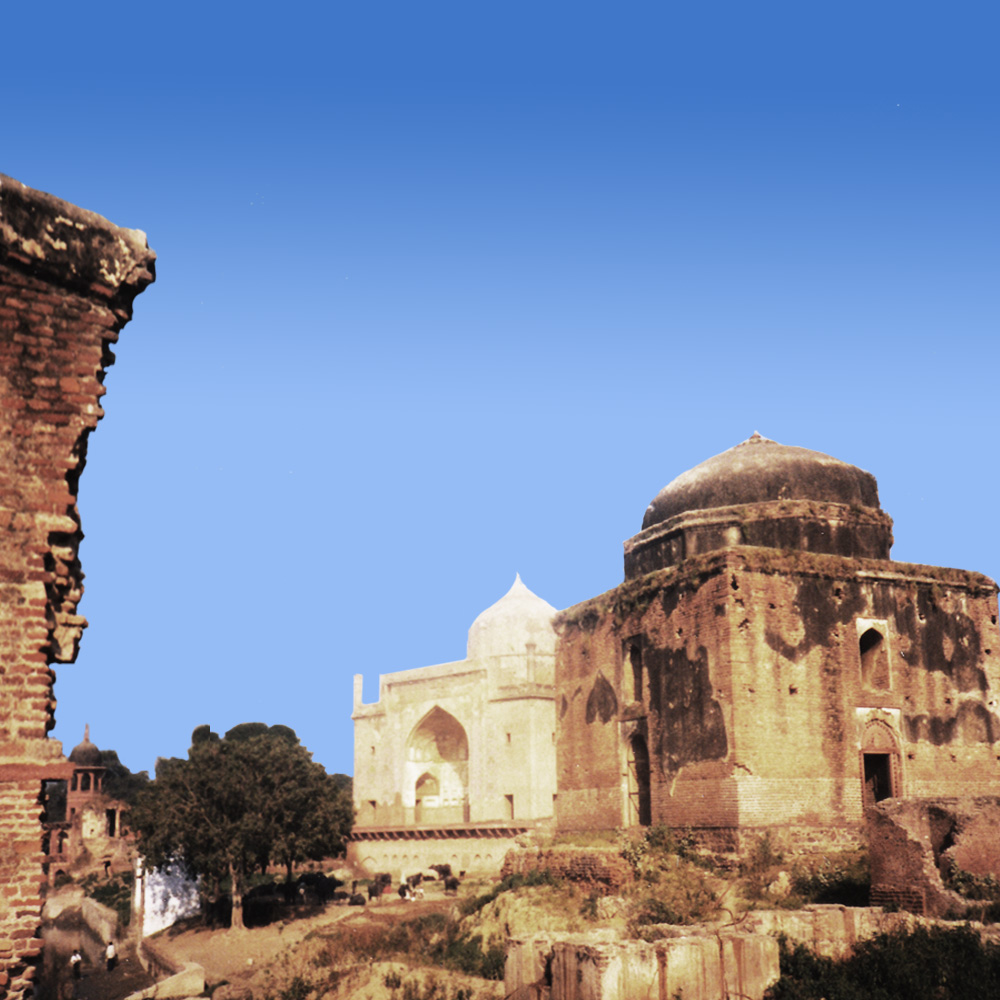
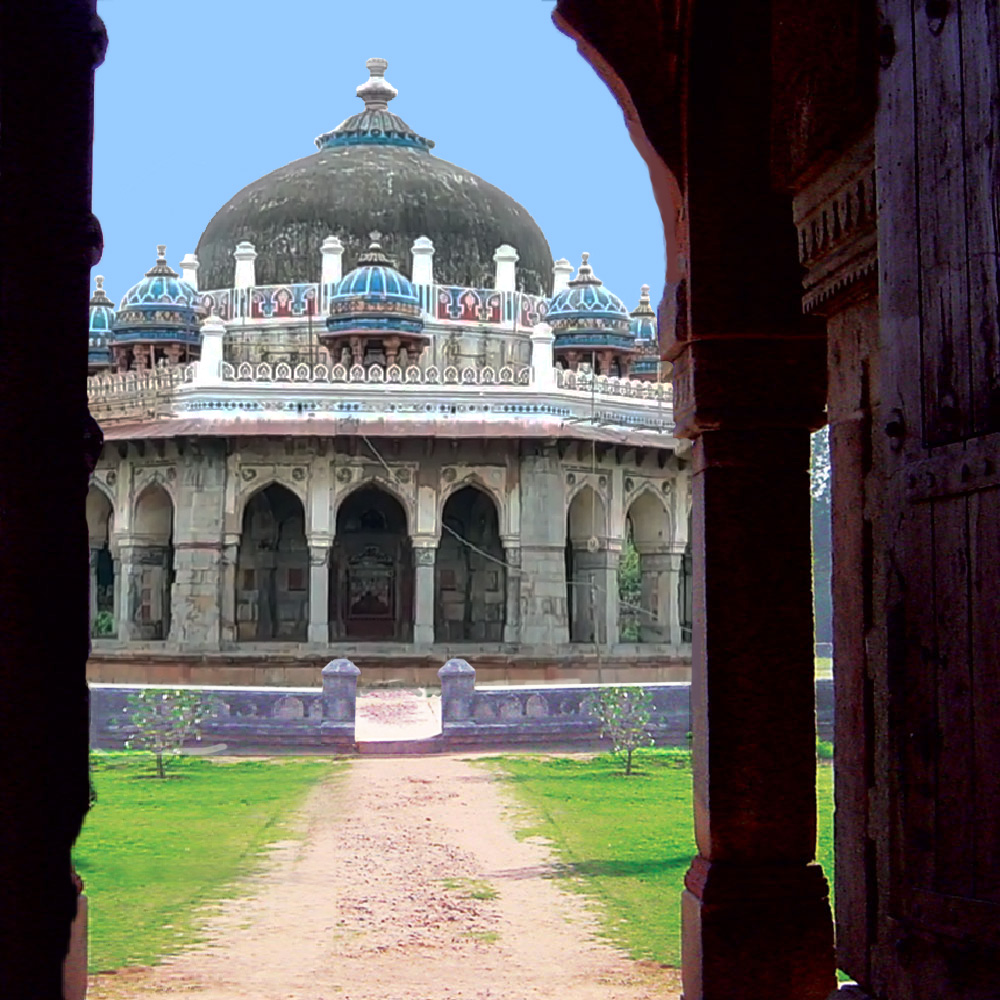 This octagonal structure is fascinating, in the tomb
complex of Isa Khan Niazi, an Afghan noble in Sher Shah Suri's court of the Suri dynasty, who fought against the Mughals, built one of the first
mausoleums in 1547 CE, Delhi, India
This octagonal structure is fascinating, in the tomb
complex of Isa Khan Niazi, an Afghan noble in Sher Shah Suri's court of the Suri dynasty, who fought against the Mughals, built one of the first
mausoleums in 1547 CE, Delhi, India
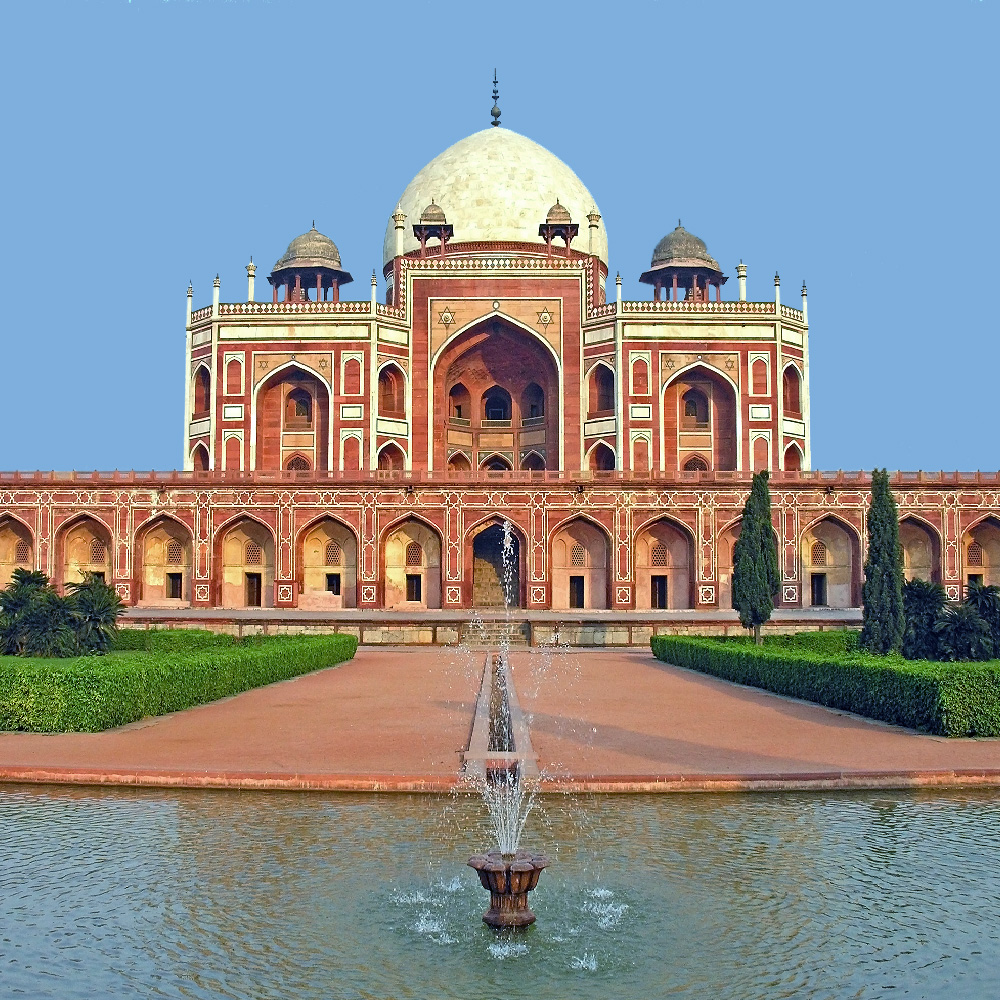 In the same tomb complex of Isa Khan is Humayun's
Tomb, built in 1557 CE, the first garden-tomb on the Indian subcontinent, a precursor of Mughal mausoleum architecture, Delhi, India
In the same tomb complex of Isa Khan is Humayun's
Tomb, built in 1557 CE, the first garden-tomb on the Indian subcontinent, a precursor of Mughal mausoleum architecture, Delhi, India
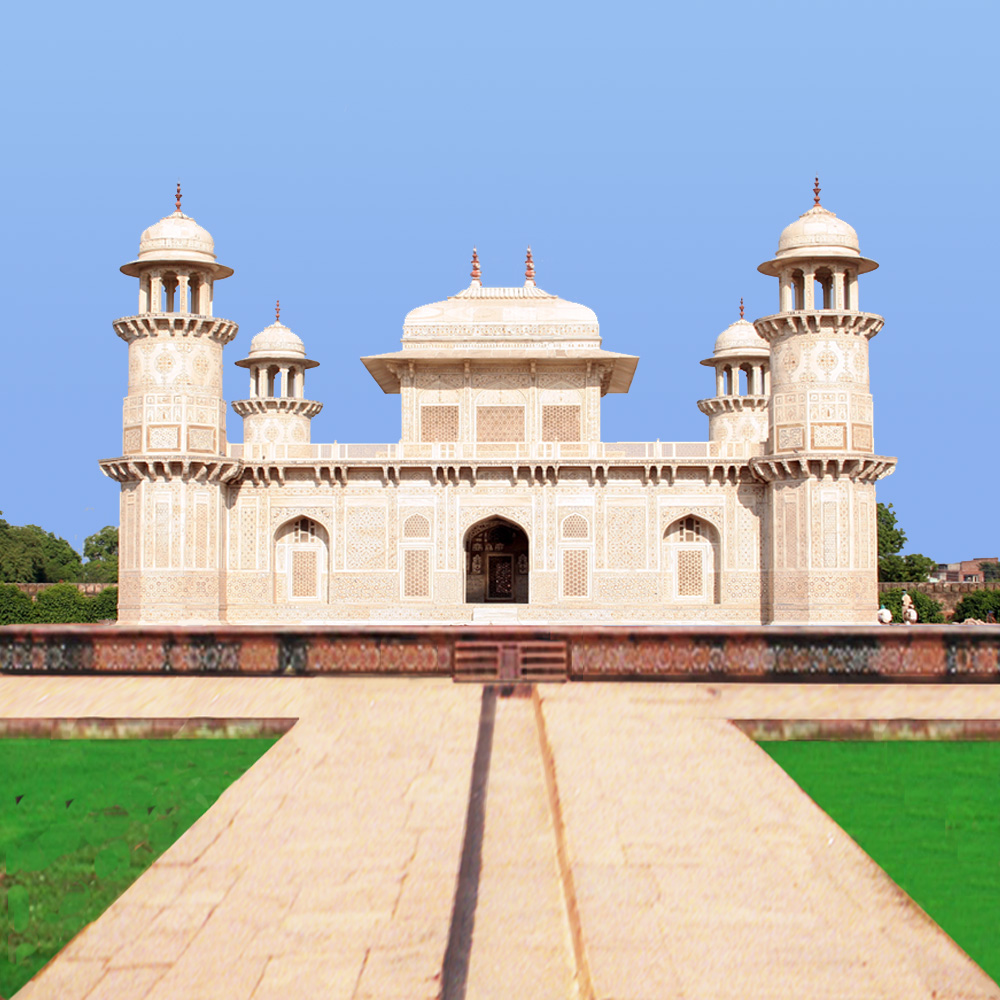 The Tomb of I'timād-ud-Daulah (Baby Taj), built in
1628, described as a "jewel box", sometimes called the "Bachcha Taj" or the "Baby Taj", is often regarded as the prototype of the Taj Mahal, Agra,
India
The Tomb of I'timād-ud-Daulah (Baby Taj), built in
1628, described as a "jewel box", sometimes called the "Bachcha Taj" or the "Baby Taj", is often regarded as the prototype of the Taj Mahal, Agra,
India
 Top
Top