THE RAMESSEUM

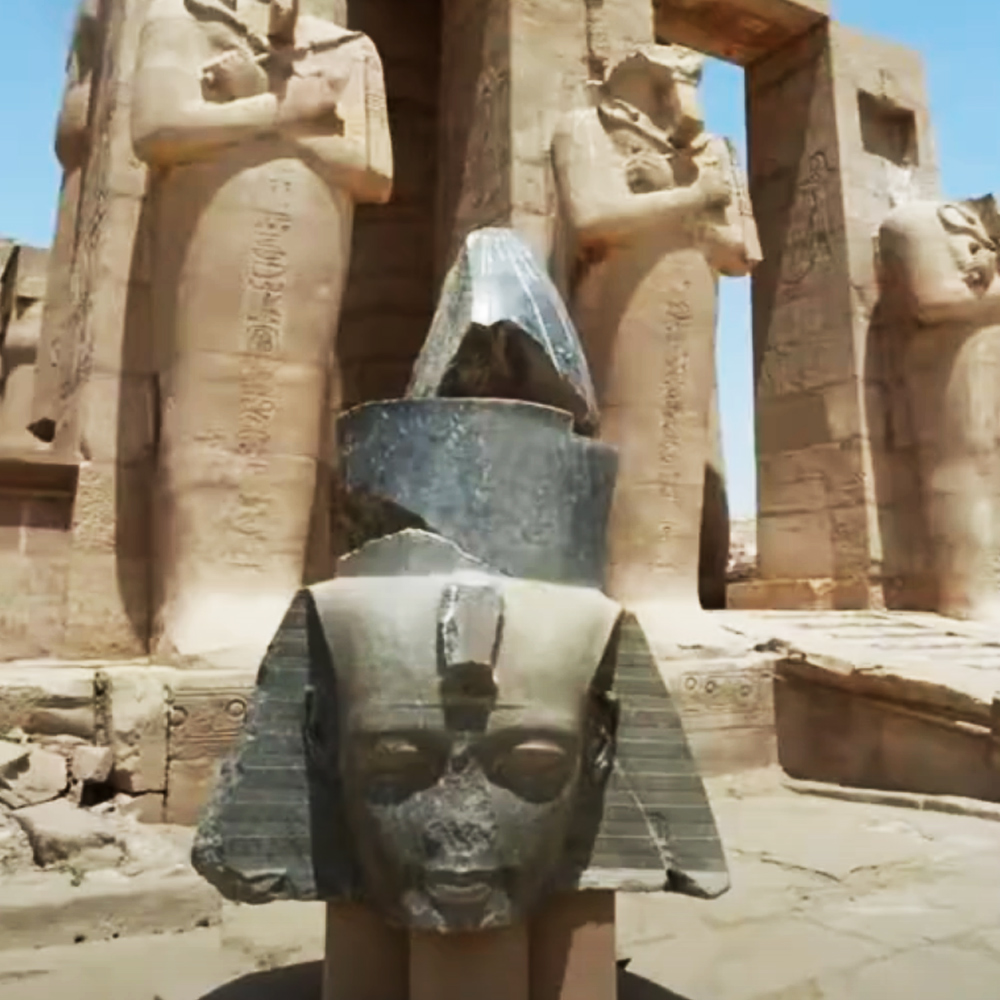
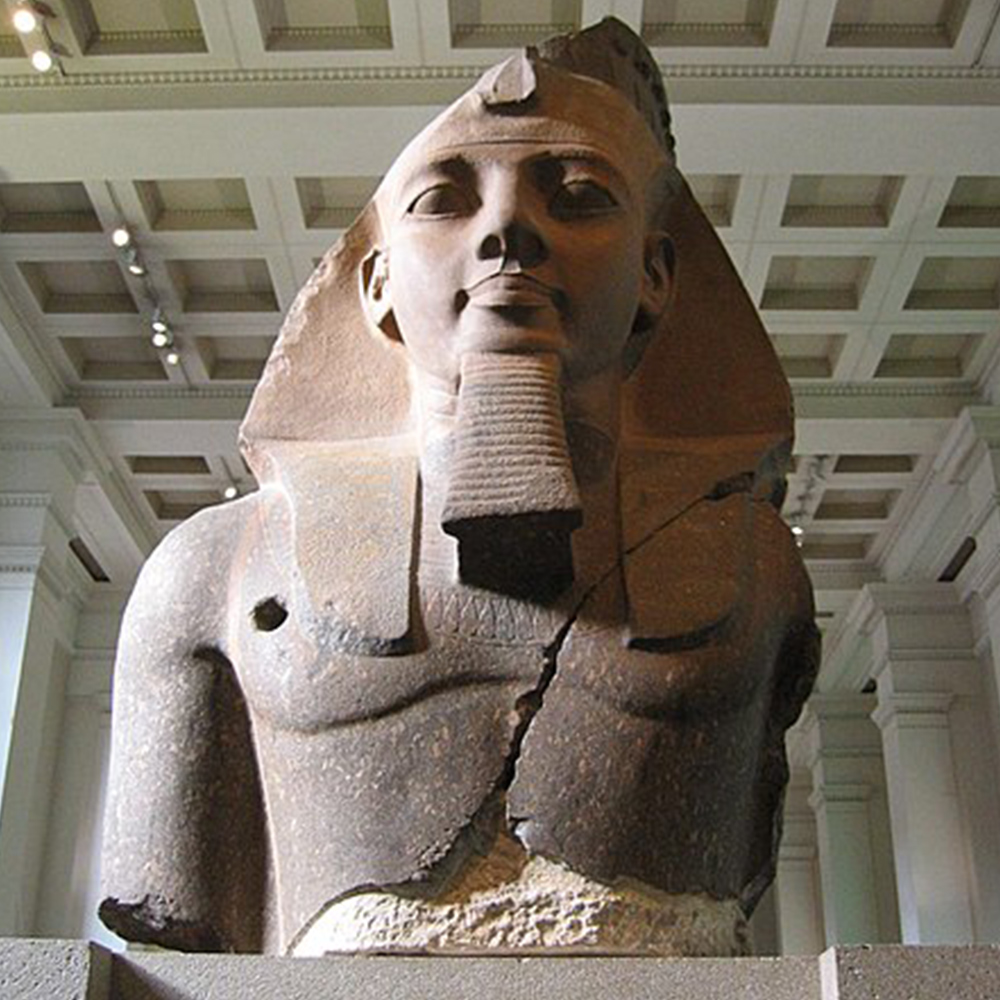
The Ramesseum is the mortuary temple of Pharaoh Ramesses II, also known as Ramesses the Great. It is located in the Theban Necropolis in Upper Egypt, on the west bank of the Nile River, directly across from the modern city of Luxor. At the heart of the complex, beyond the second courtyard, stood a covered hypostyle hall supported by 48 columns. One of the temple’s most remarkable features was a colossal statue of the enthroned pharaoh, carved from syenite. Originally standing 19 meters (62 feet) tall and weighing over 1,000 tons, only fragments of the base and torso remain today. Scattered remains of two additional seated statues that once flanked the temple entrance are still visible—one made of pink granite, the other of black granite. One of the colossal granite heads from the Ramesseum temple—depicting Pharaoh Ramesses II—was transported to the British Museum in the early 19th century. In 1815, British Consul General Henry Salt commissioned engineer and explorer Giovanni Belzoni to retrieve the statue, known today as the Younger Memnon. Despite earlier failed attempts by Napoleon’s team, Belzoni succeeded using advanced hydraulic techniques and his engineering expertise. The 7-ton head arrived in London in 1818, where it quickly became a source of public fascination. It was eventually given a prominent place in the British Museum. The excitement surrounding its arrival, along with tales of ancient treasures still buried in the desert, inspired poet Percy Bysshe Shelley to write his famous sonnet Ozymandias, a reflection on the impermanence of power and legacy. The original statue would have stood 19 meters (62 feet) tall, rivaling the grandeur of the Colossi of Memnon and the monumental statues of Ramesses II at Abu Simbel.
1.) Fragments of the Great Colossi of Ramesses the Great, known as the Younger Memnon, moved to the British Museum, by Giovanni Belzoni in 1815
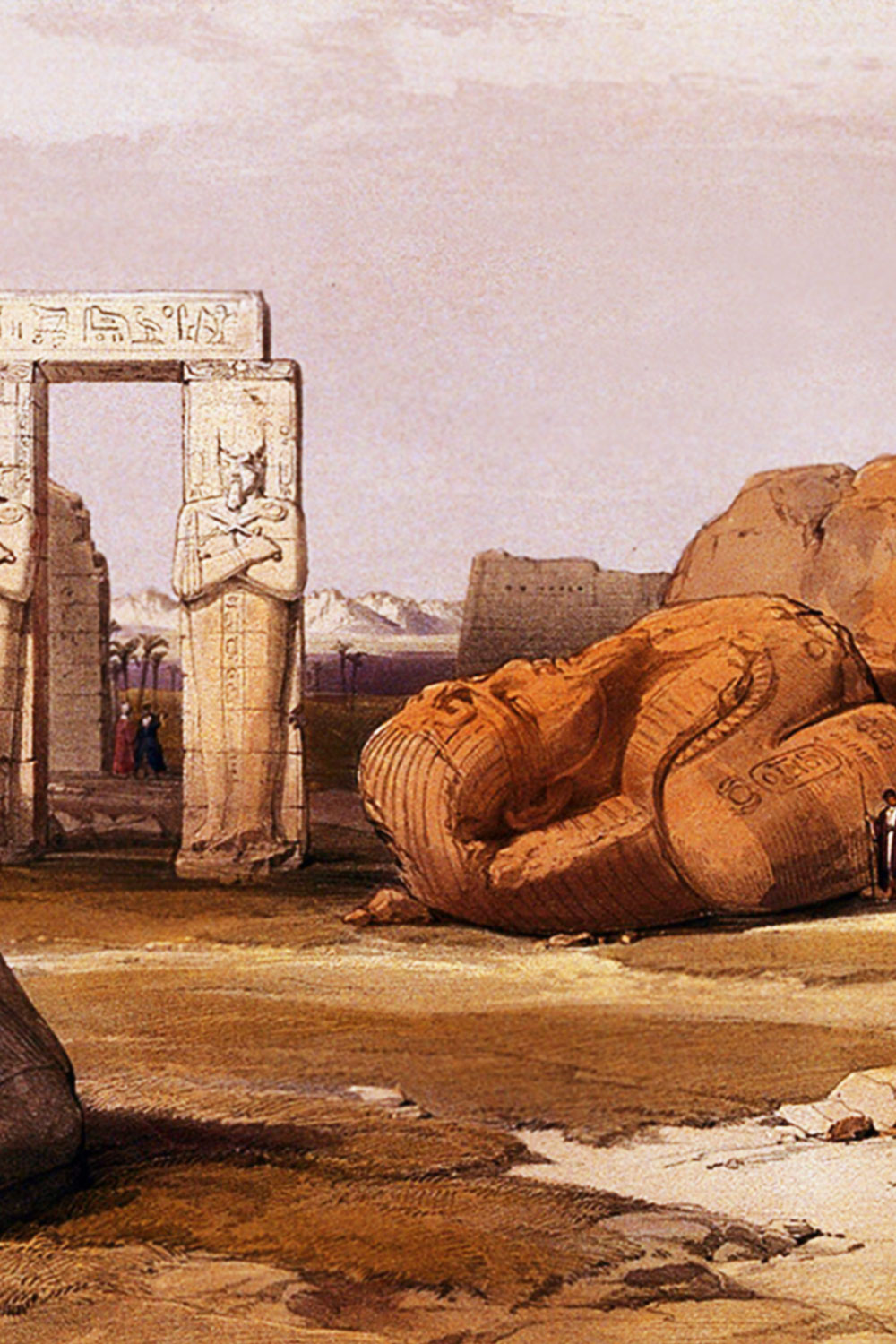
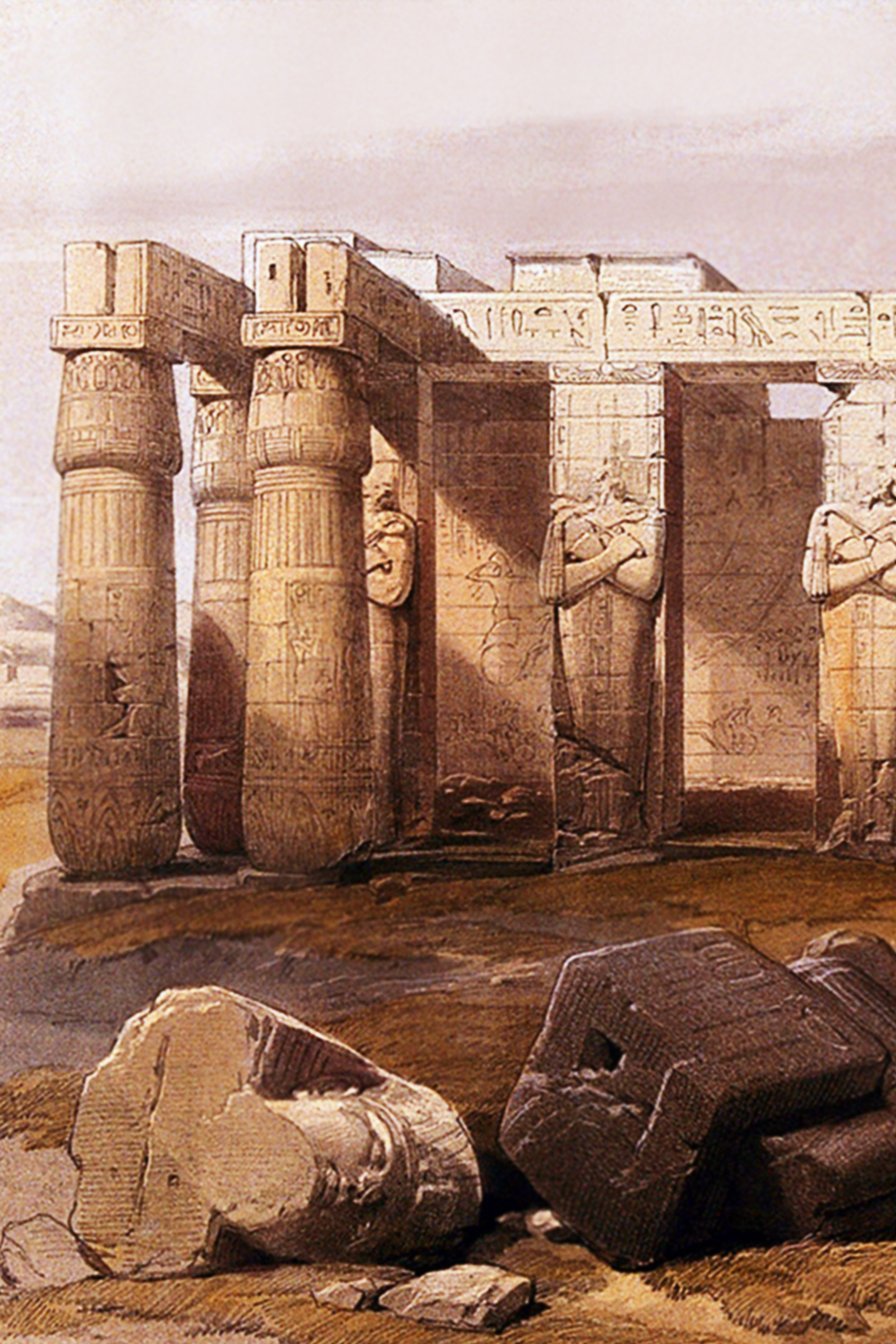
2.) Tinted Duotone Lithograph, by Louis Haghe (1806-1895), after painter David Roberts (1796-1864) March 1, 1847,
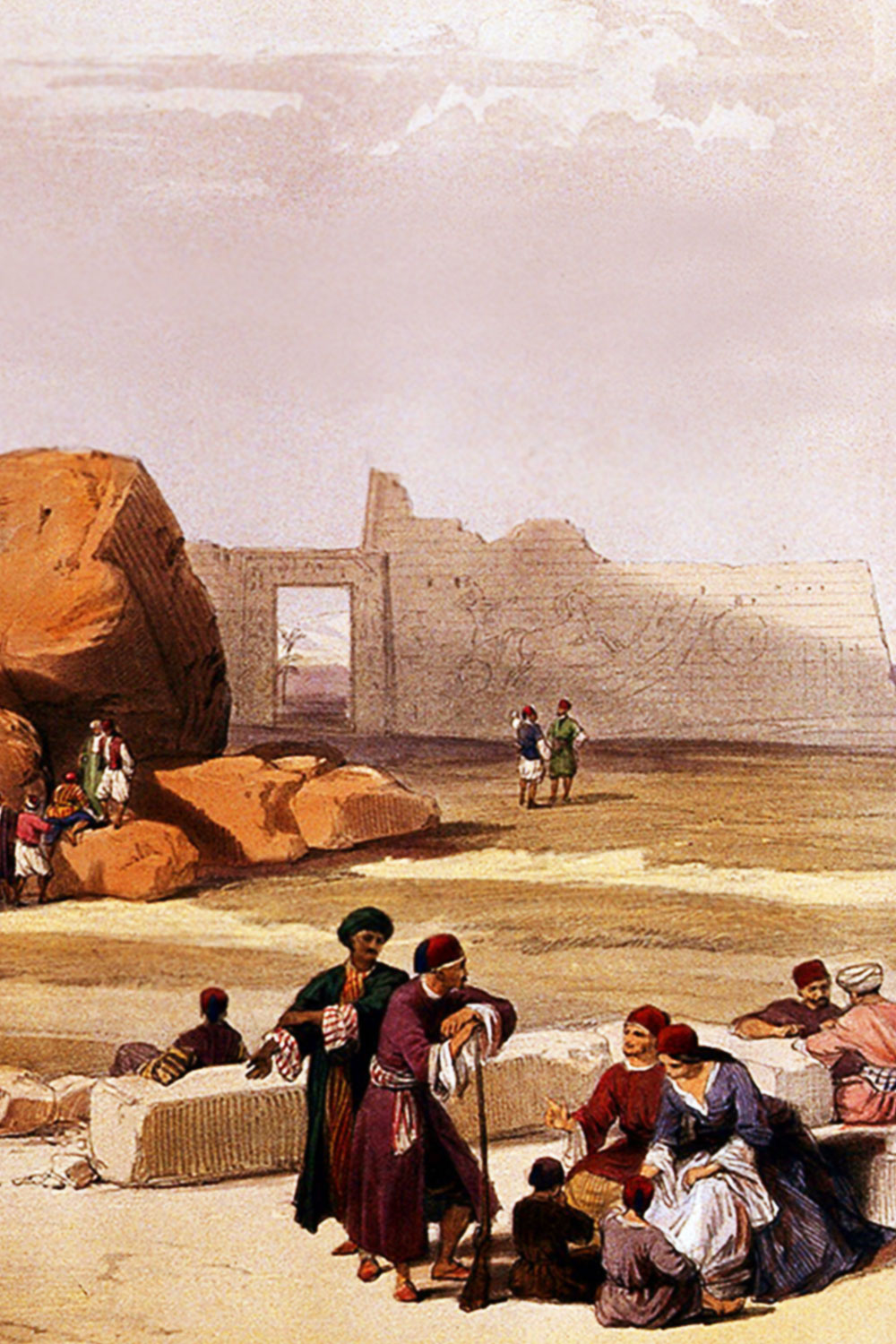
3.) The Ramesseum Mortuary Temple, 13th century BCE, Theban NecropolisPublic Domain
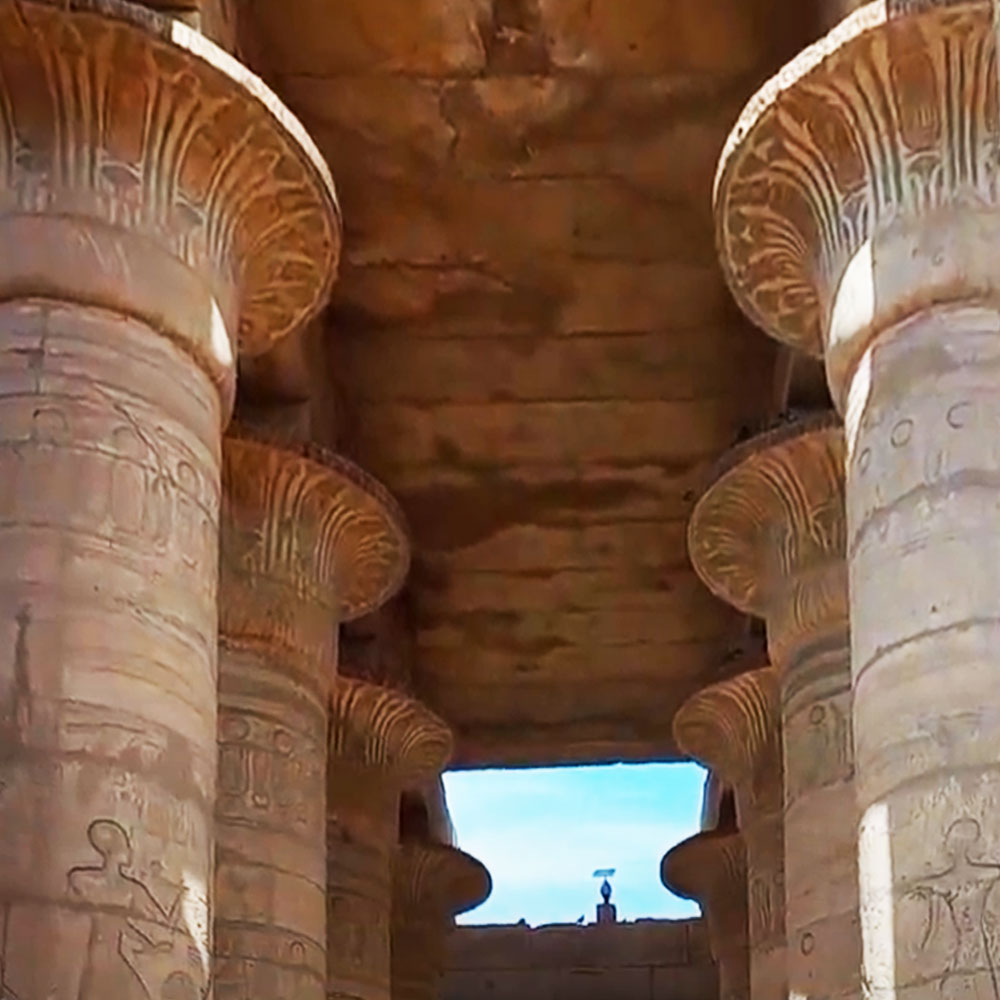
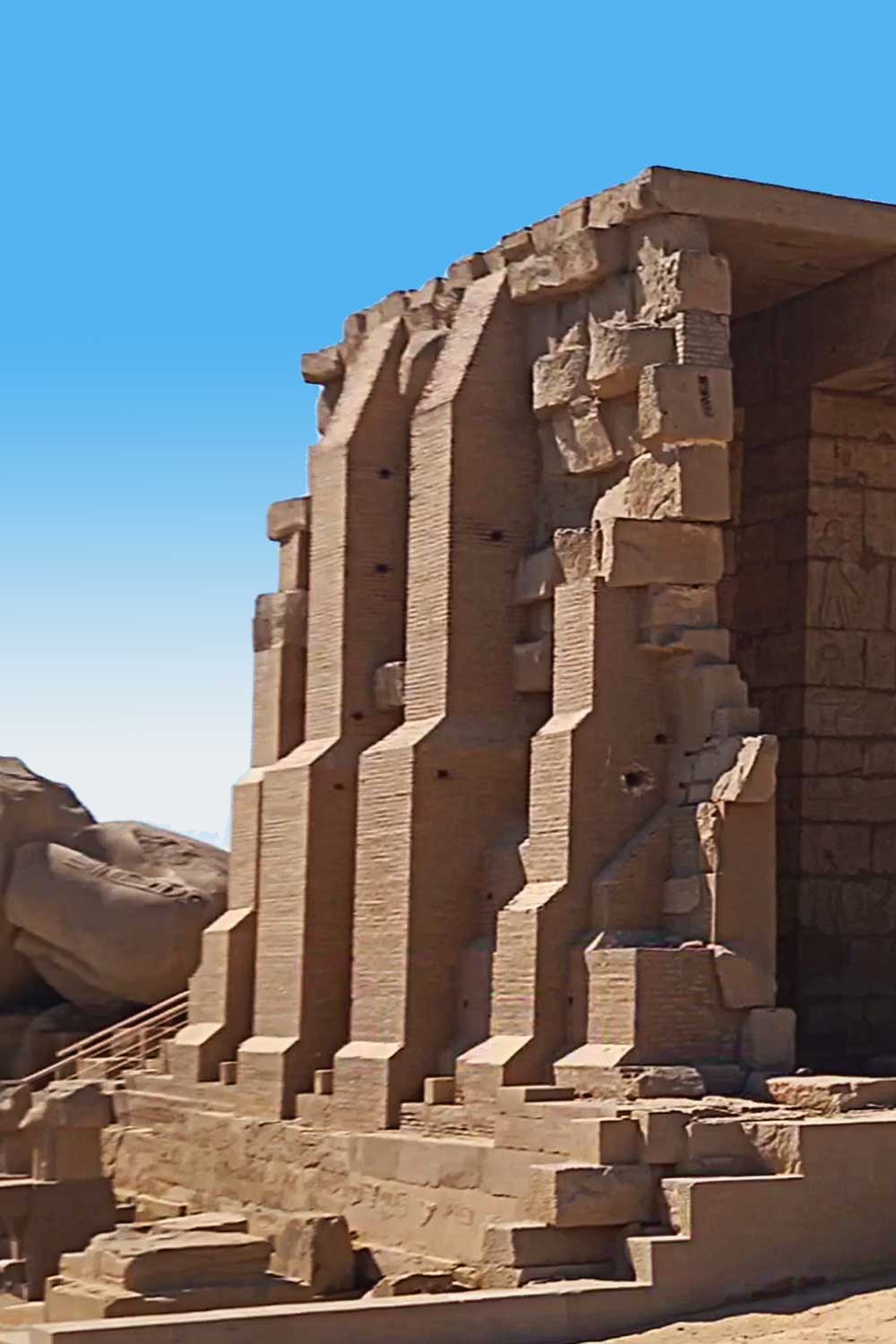
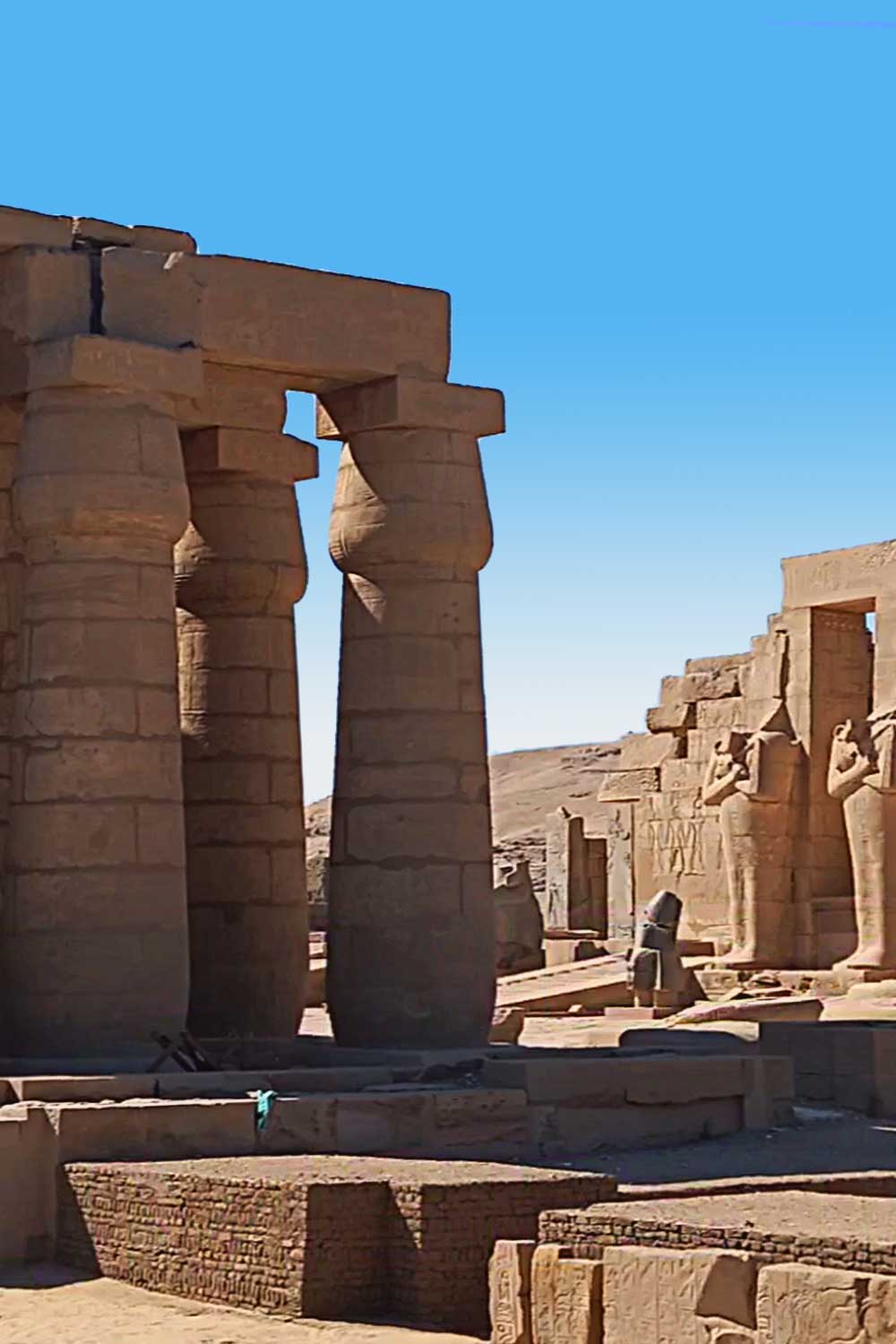
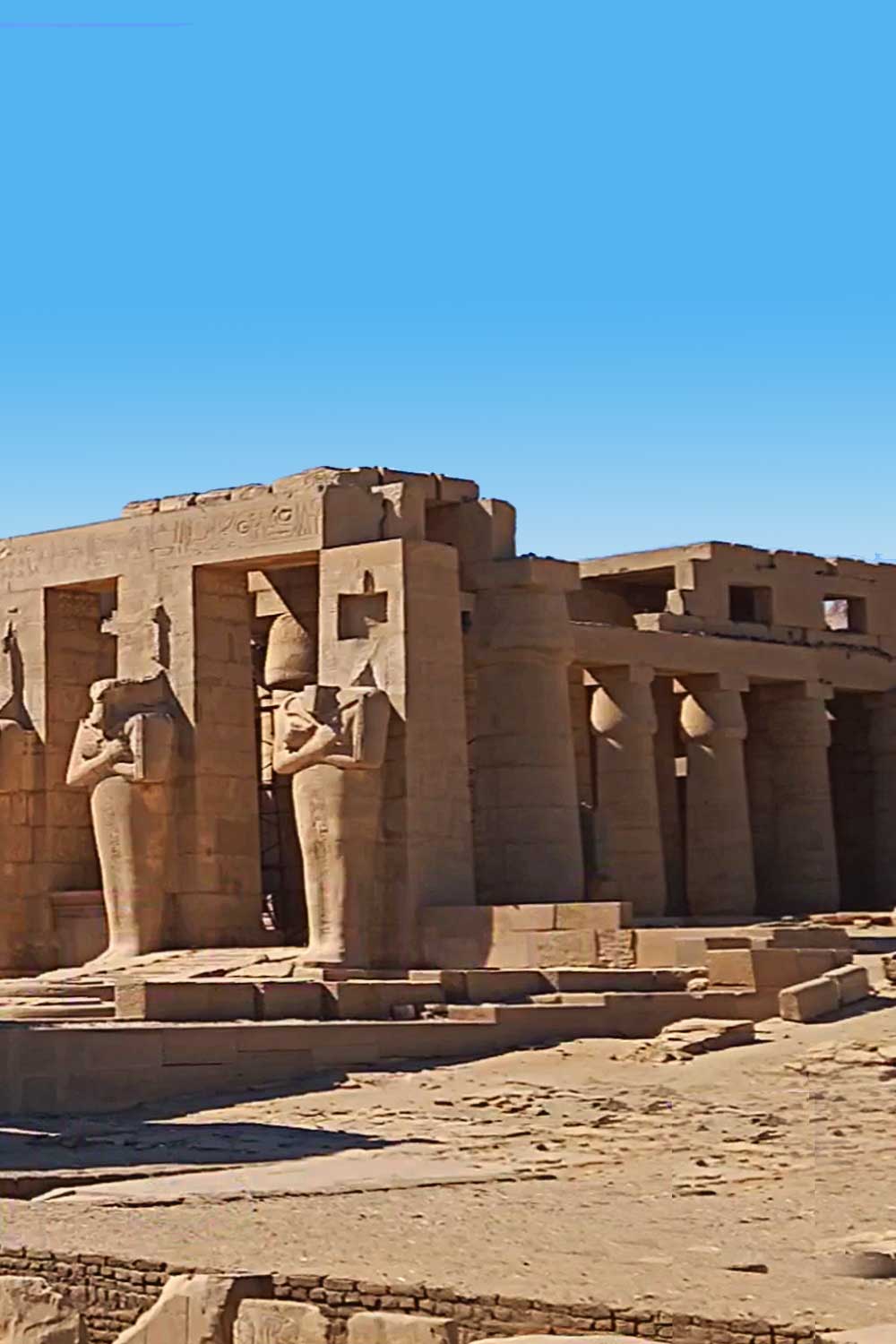
1.) Ruins of the Ramesseum, the mortuary temple of Pharaoh Ramesses II, located in the Theban Necropolis
2.) The temple is the grandest construction project by Ramesses II, built in the 13th century BCE to commemorate his reign
3.) The site once housed a colossal statue of the pharaoh, which was the largest freestanding statue ever made in Egypt, now only fragments remain
1.) Ruins of the Ramesseum, the mortuary temple of Pharaoh Ramesses II, located in the Theban Necropolis
2.) The temple is the grandest construction project by Ramesses II, built in the 13th century BCE to commemorate his reign
3.) The site once housed a colossal statue of the pharaoh, which was the largest freestanding statue ever made in Egypt, now only fragments remain
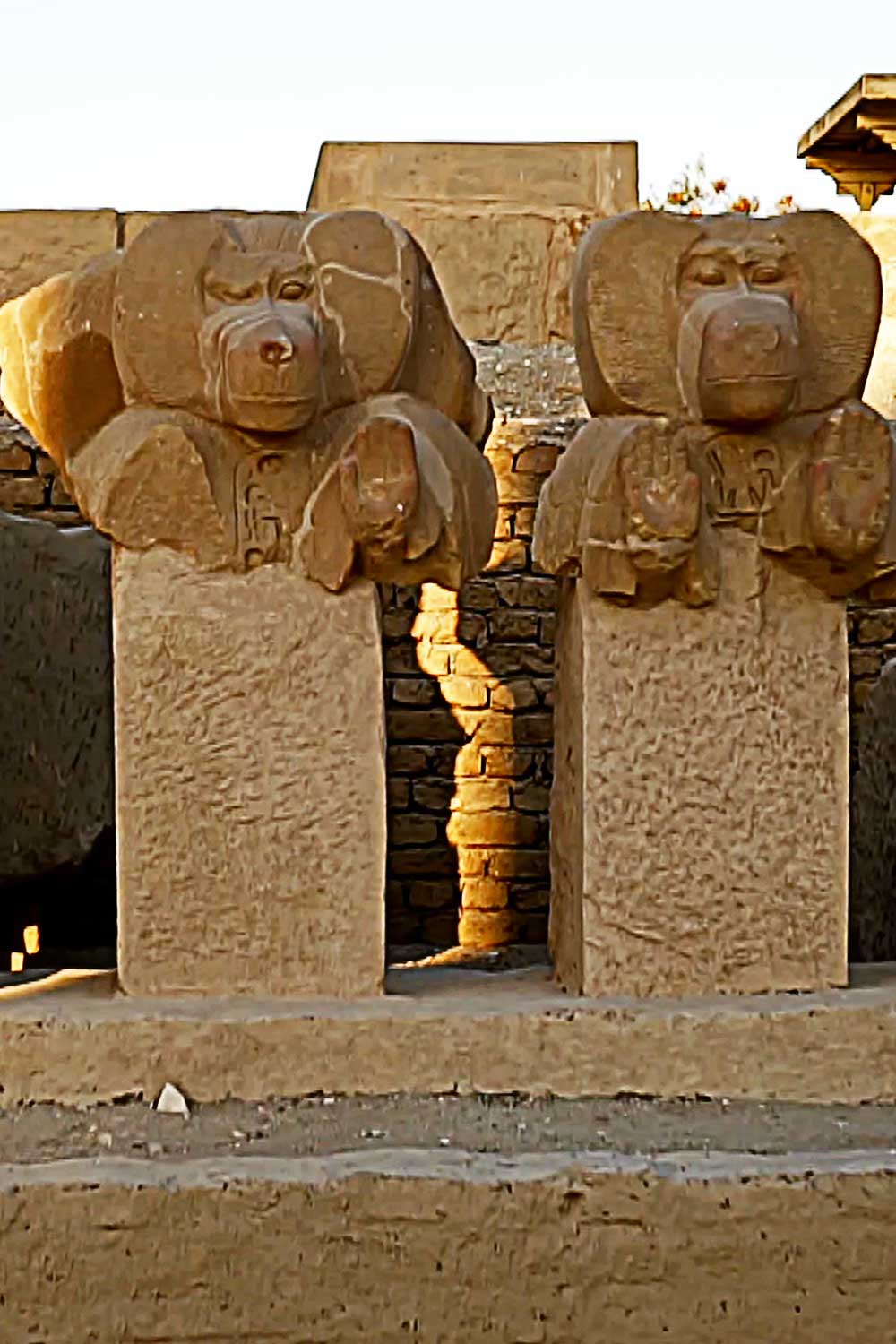
Statues of Babi, Baboon God: (Ramesseum) Associated with the god Babi, who was a deification of the hamadryas baboon and a god of virility and death in ancient Egyptian religion
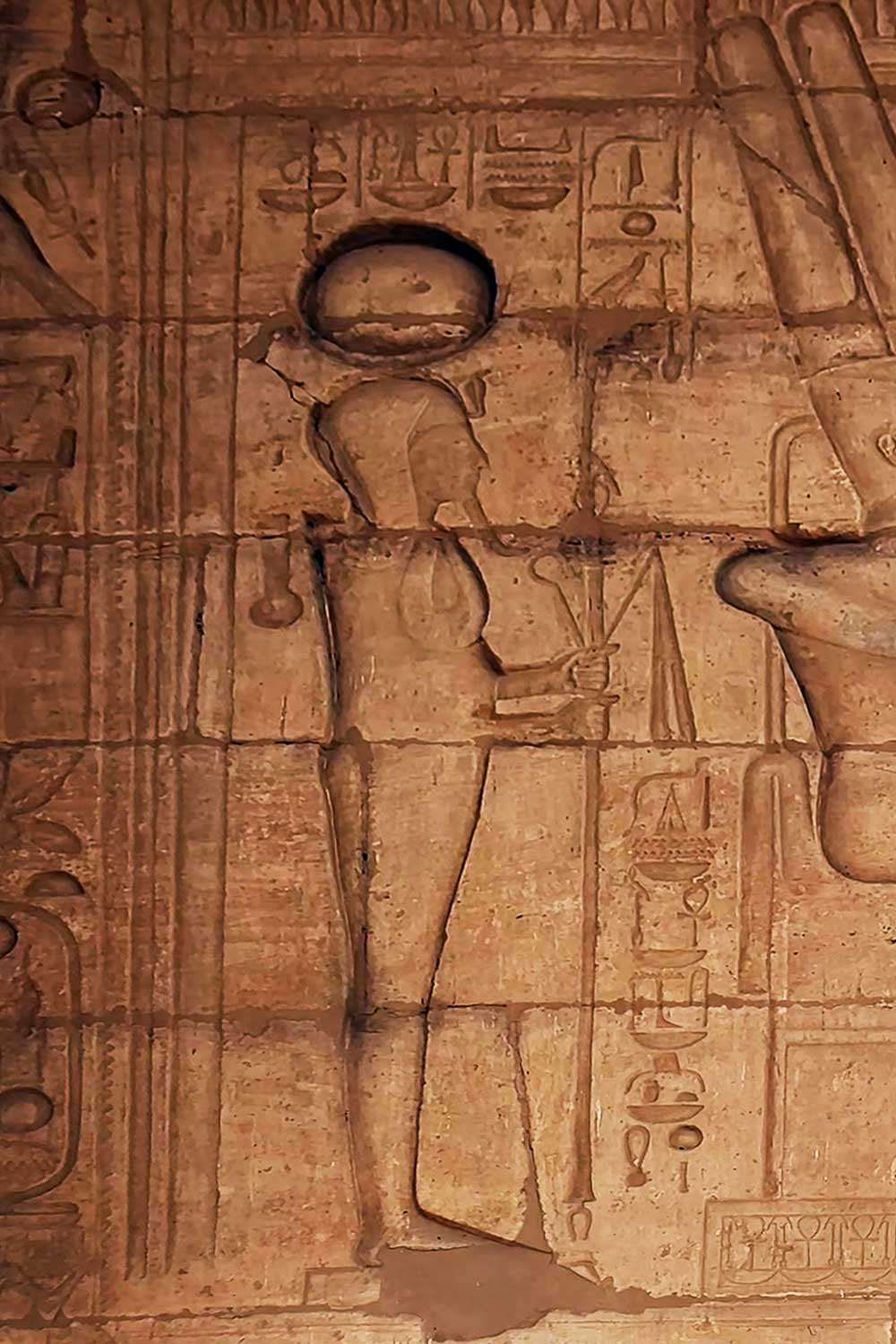
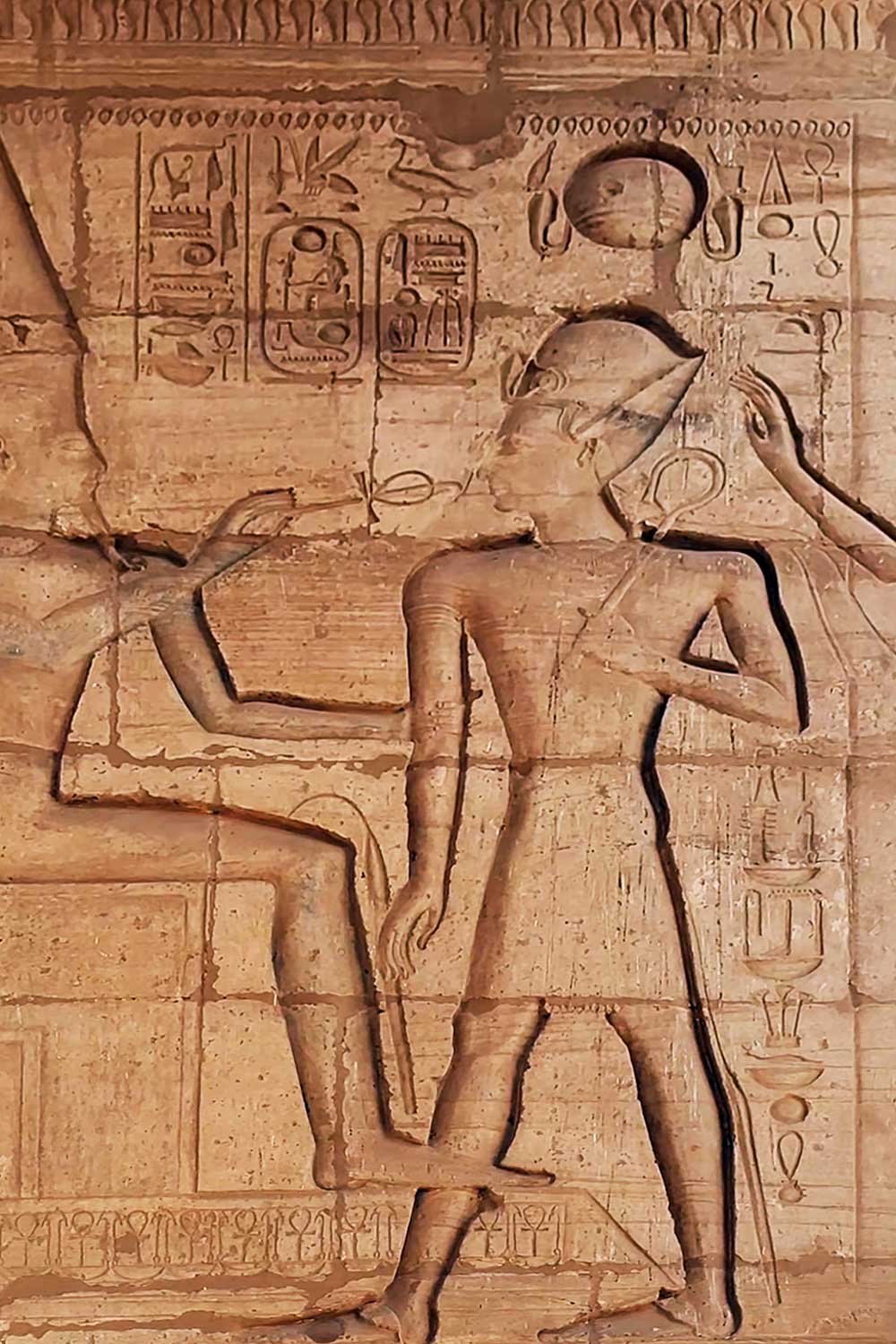
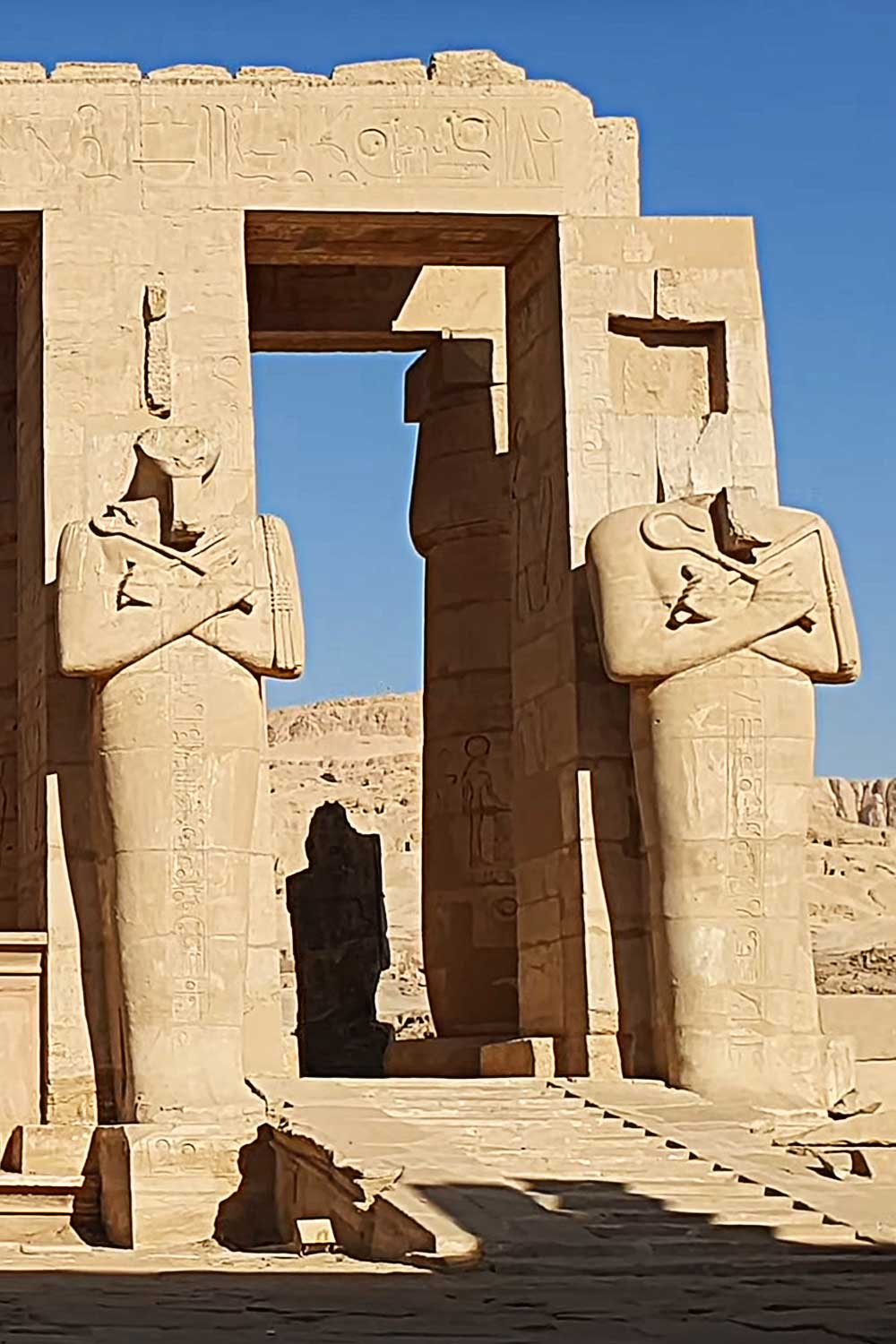
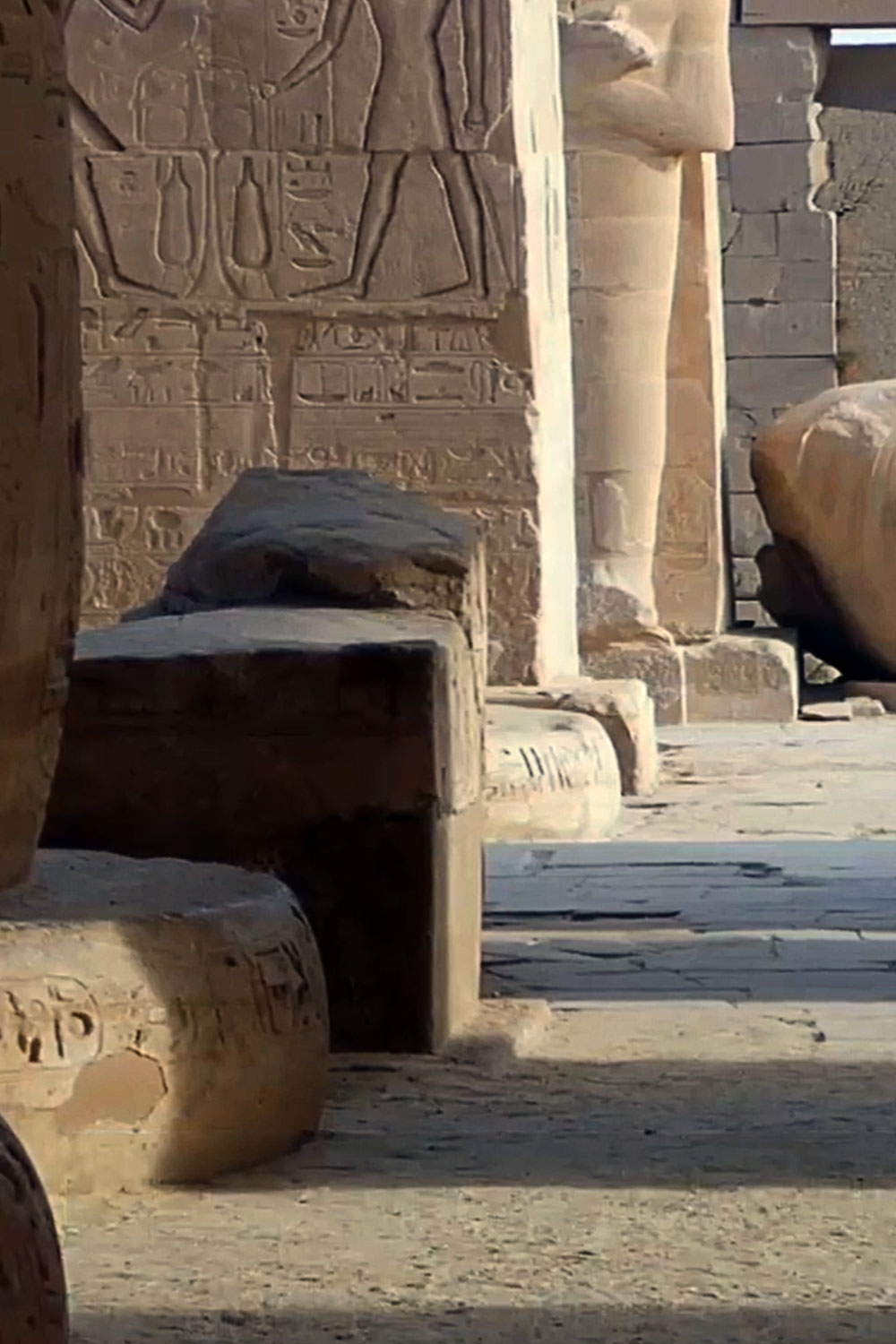
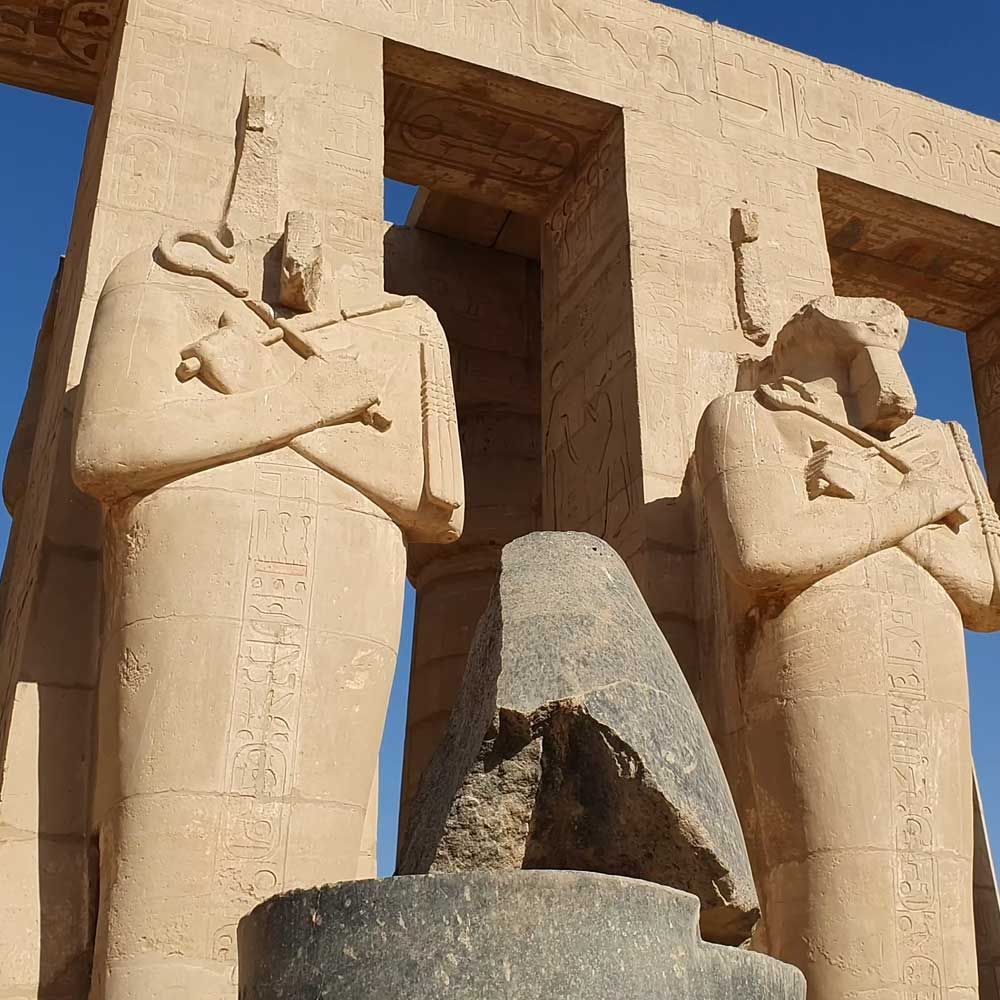
1.) Osirus Giving life and immortality to Pharaoh Rameses II in the after life using the Ankh
2.) The ankh is an ancient Egyptian symbol, often called the "key of life" or "Egyptian cross," that represents life, eternal life, and immortality.
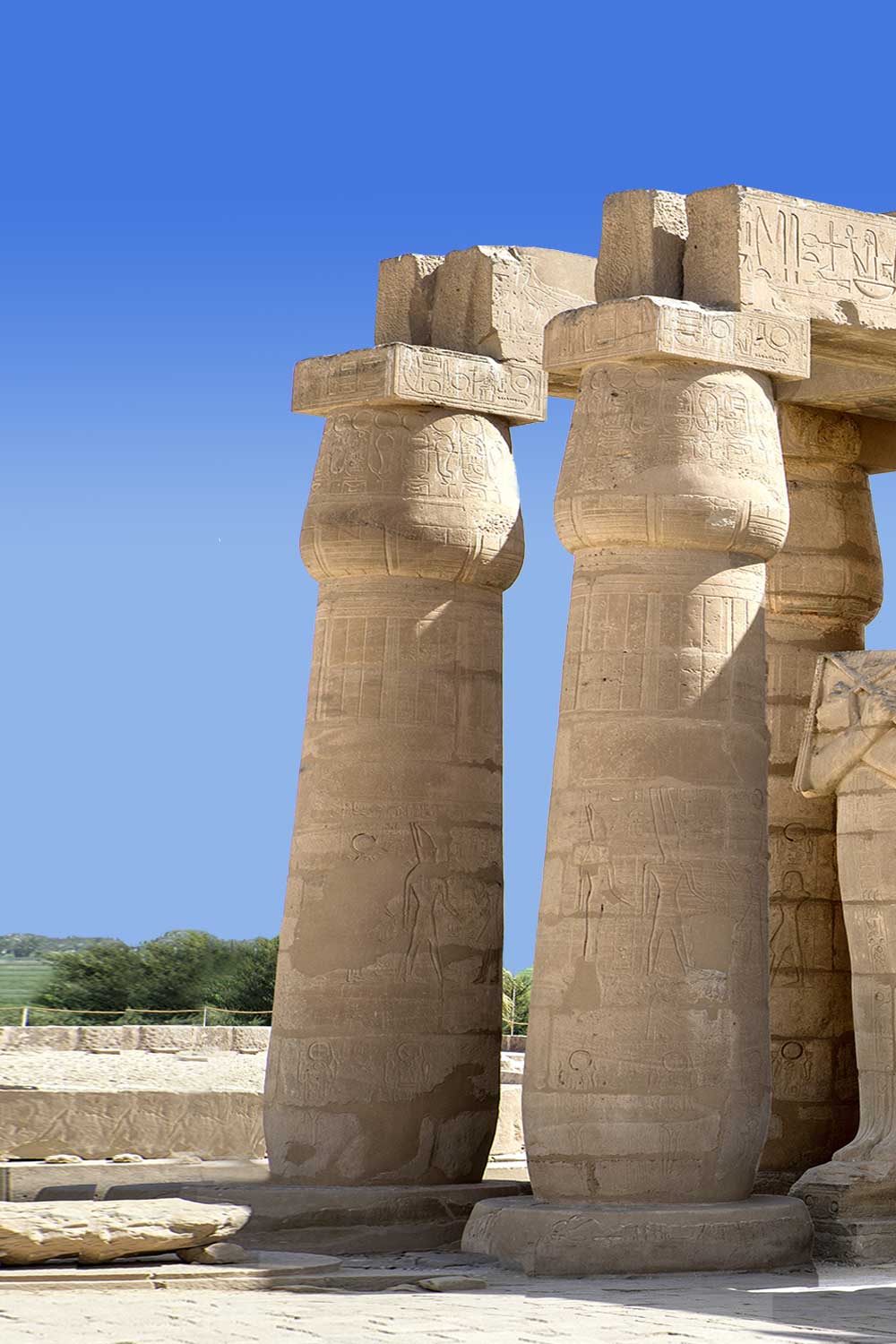
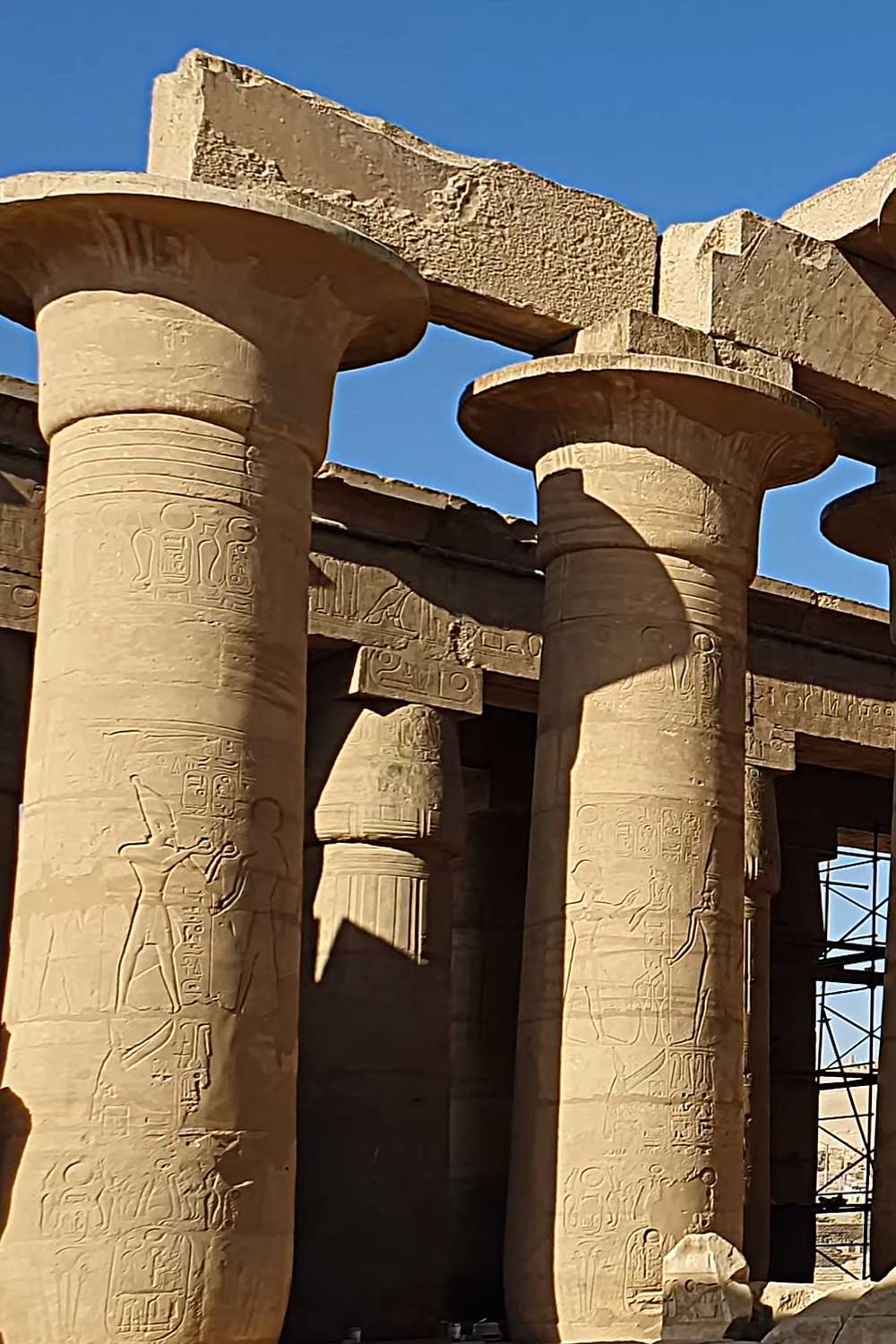
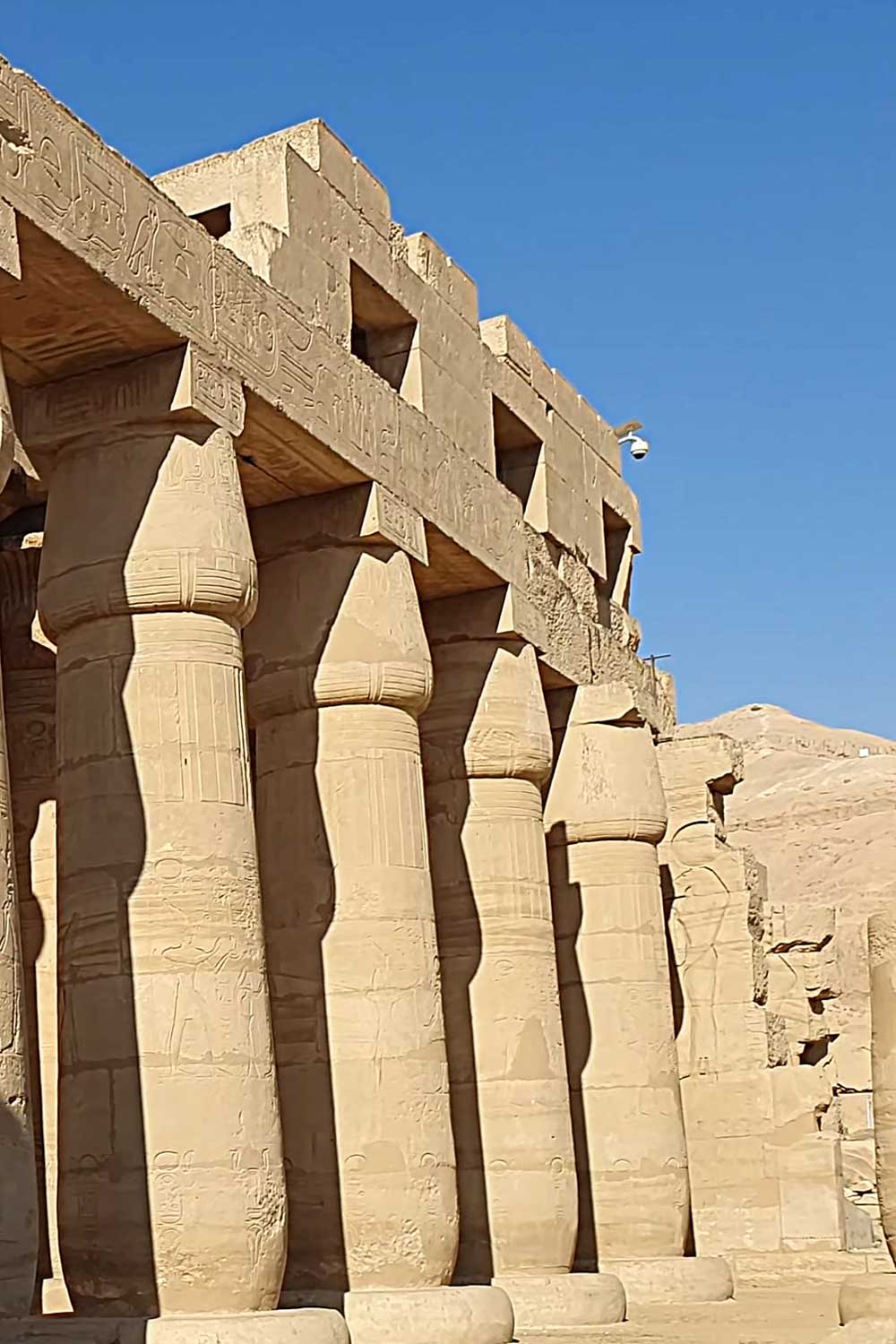
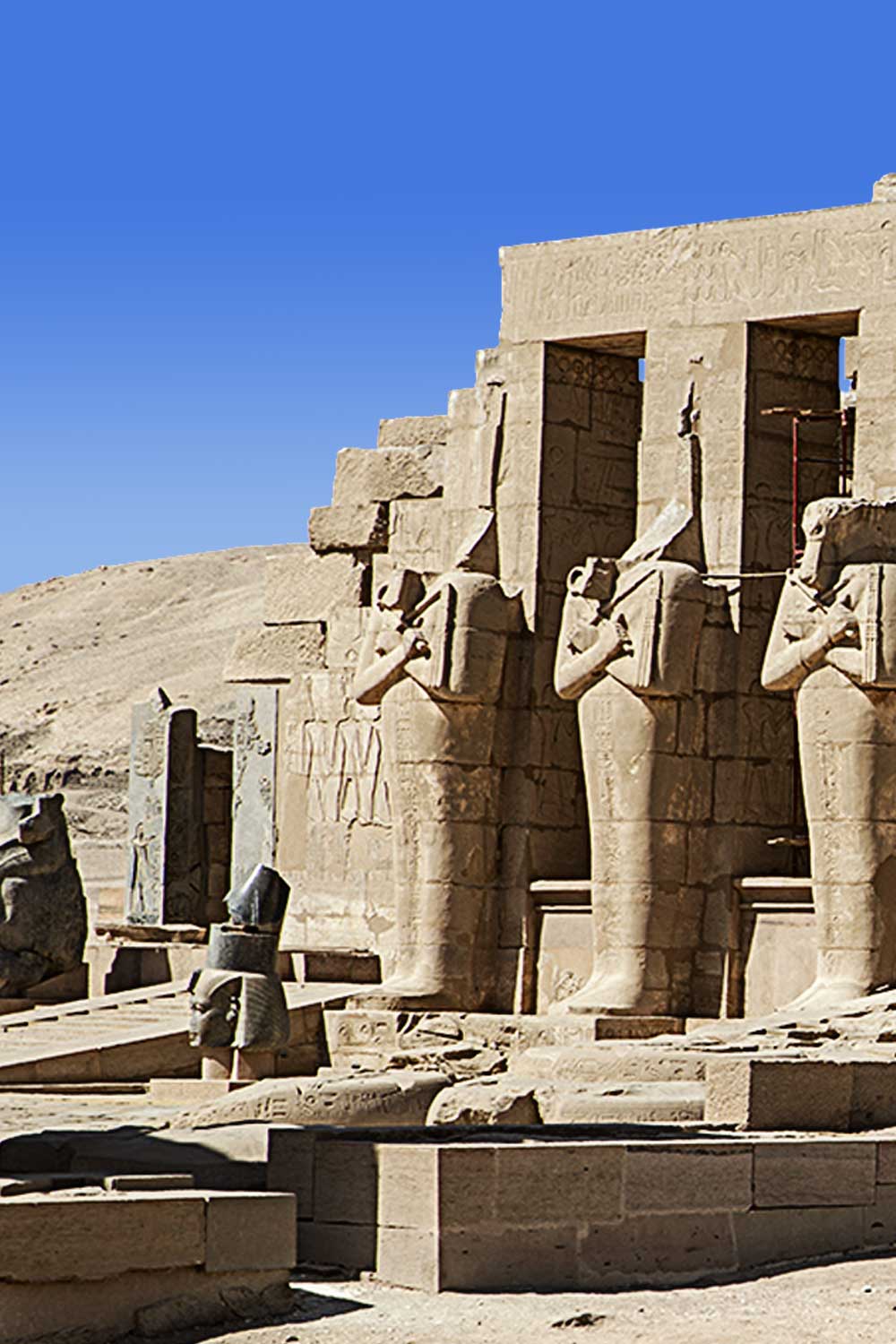
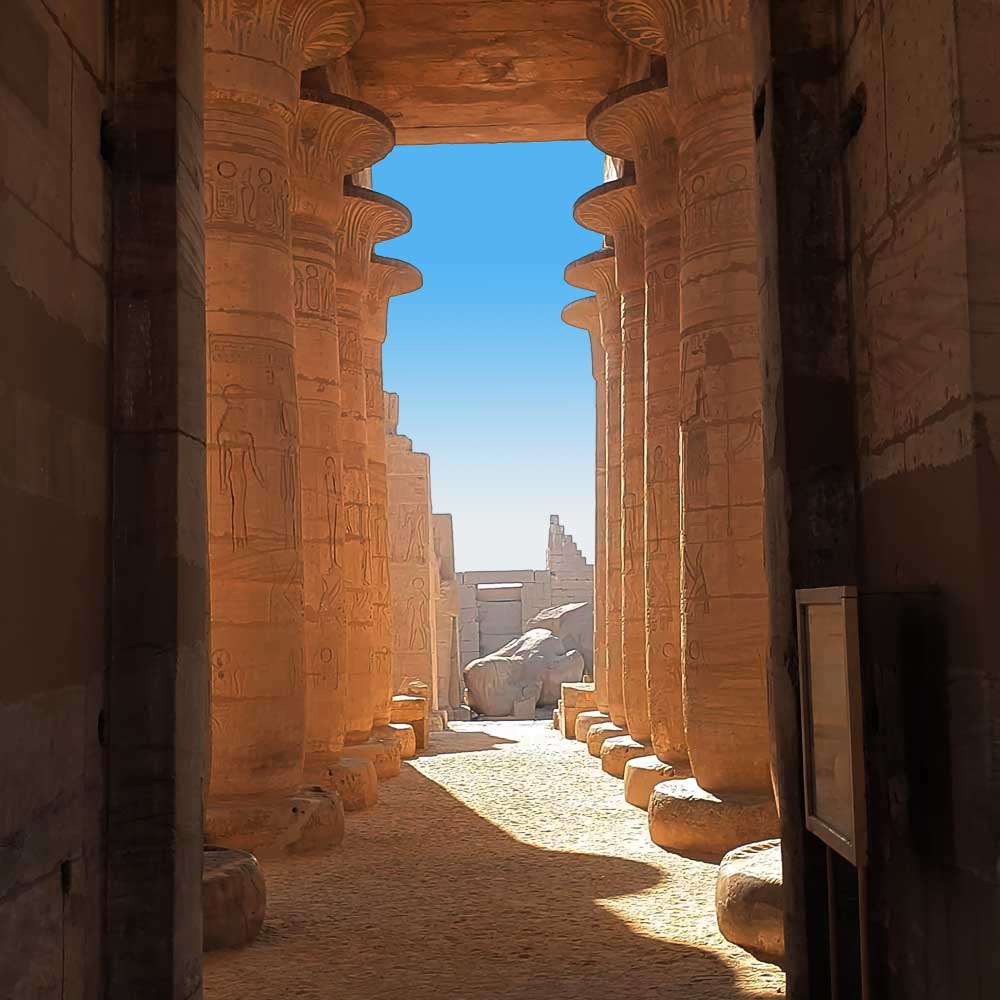
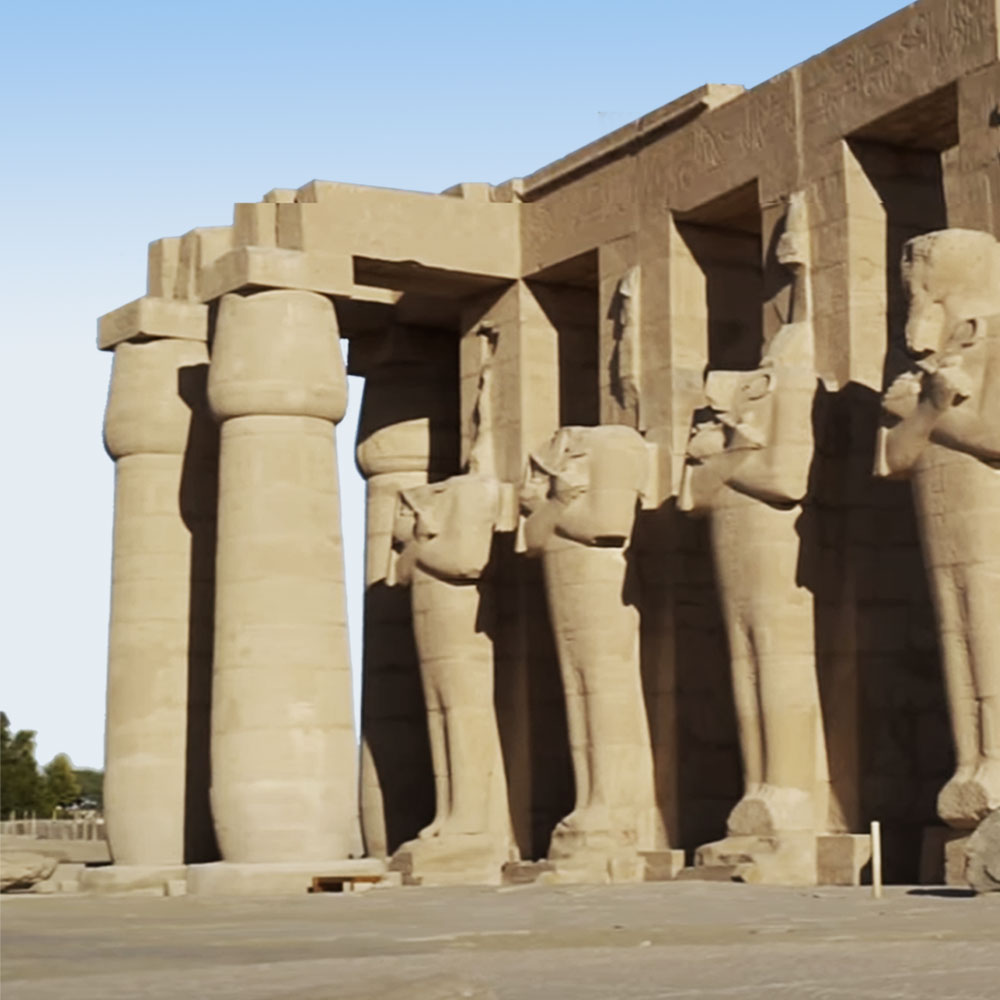
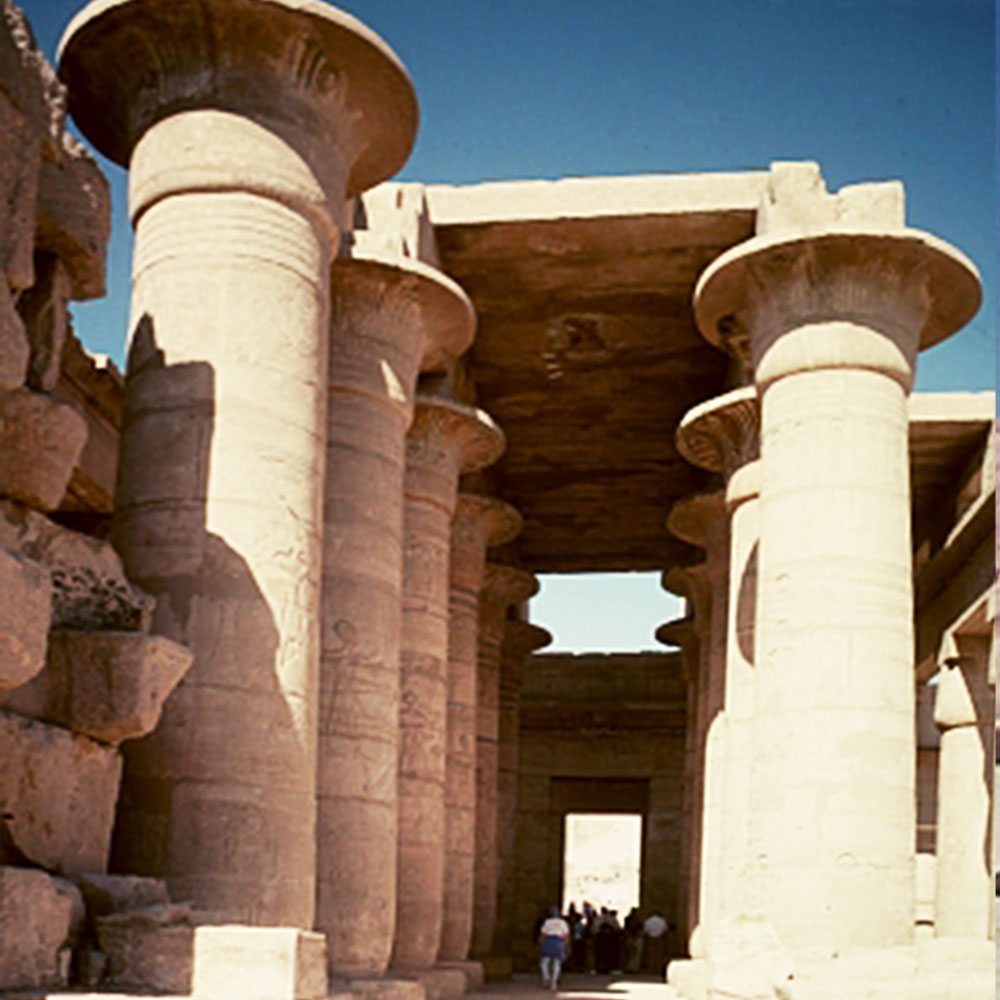
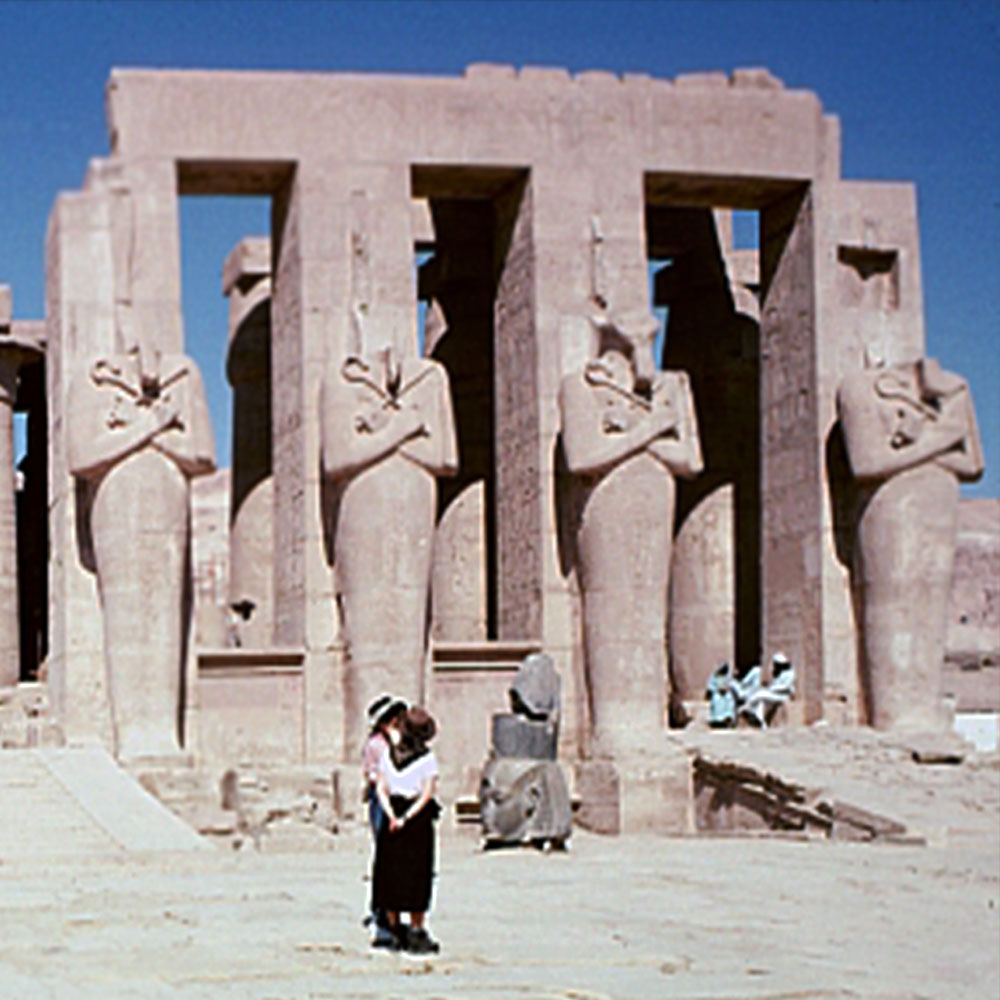
Entrance to the Hypostyle Hall of The Ramesseum Mortuary Temple, Theban Necropolis, 13th century BC, Luxor, Egypt.
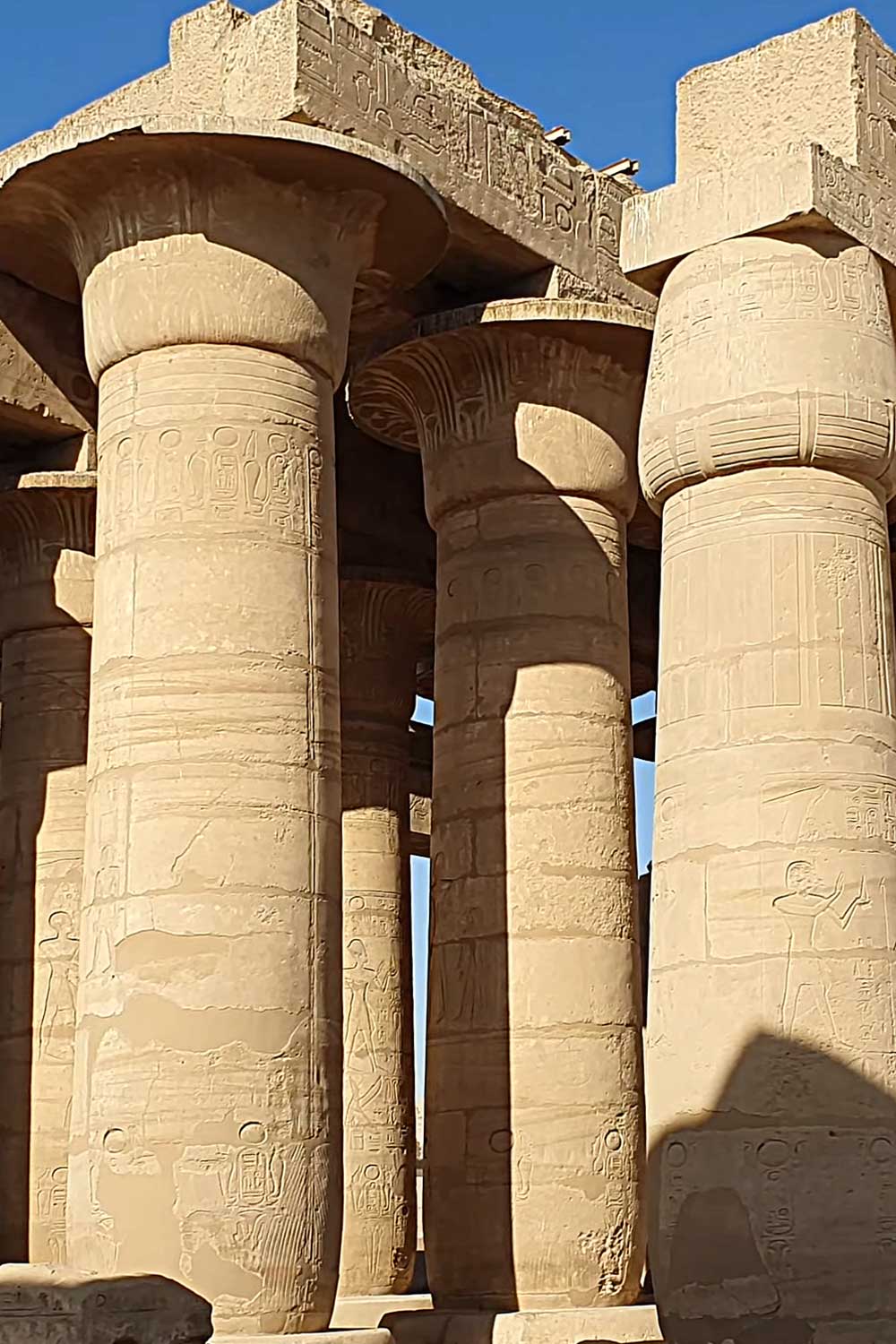
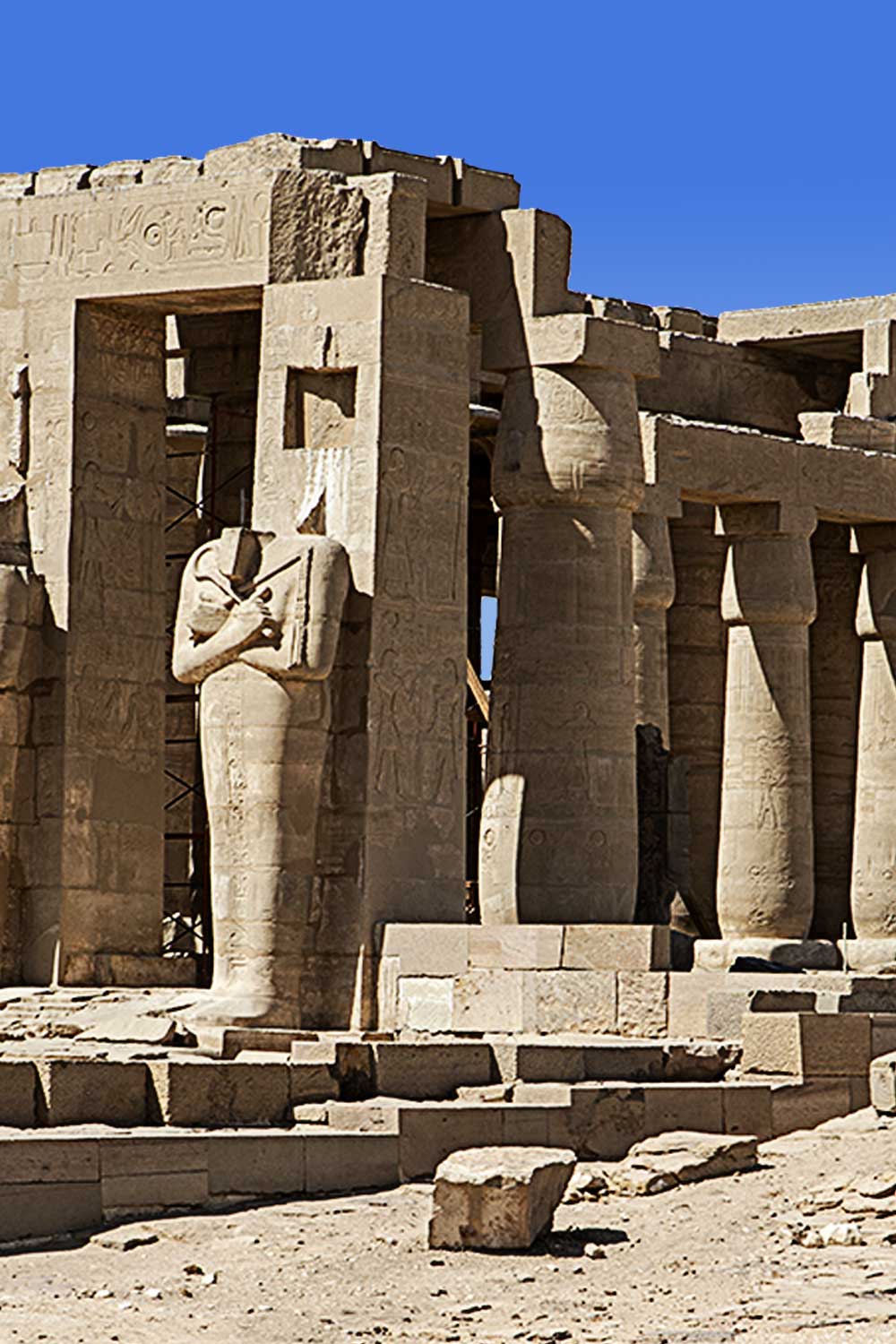
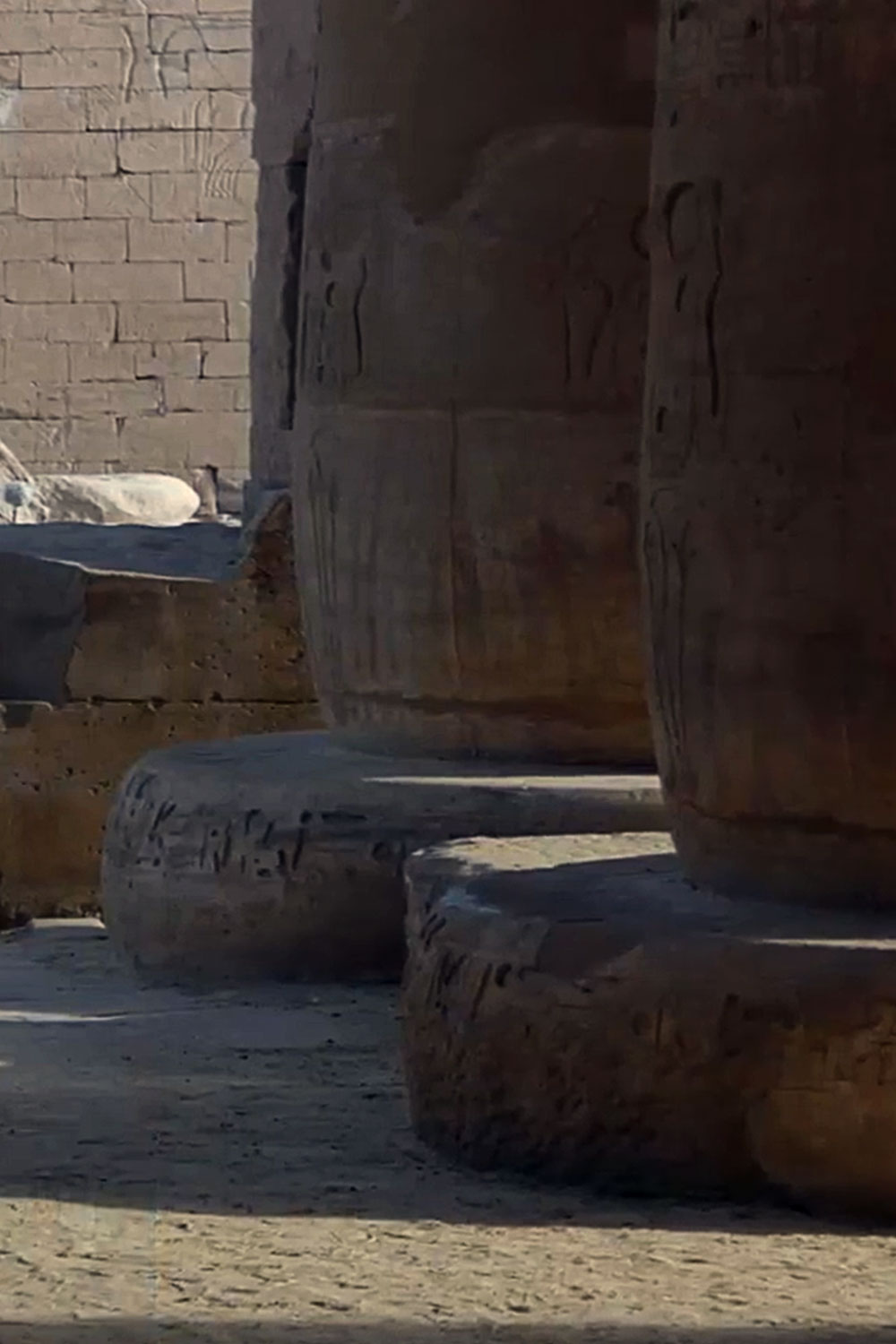
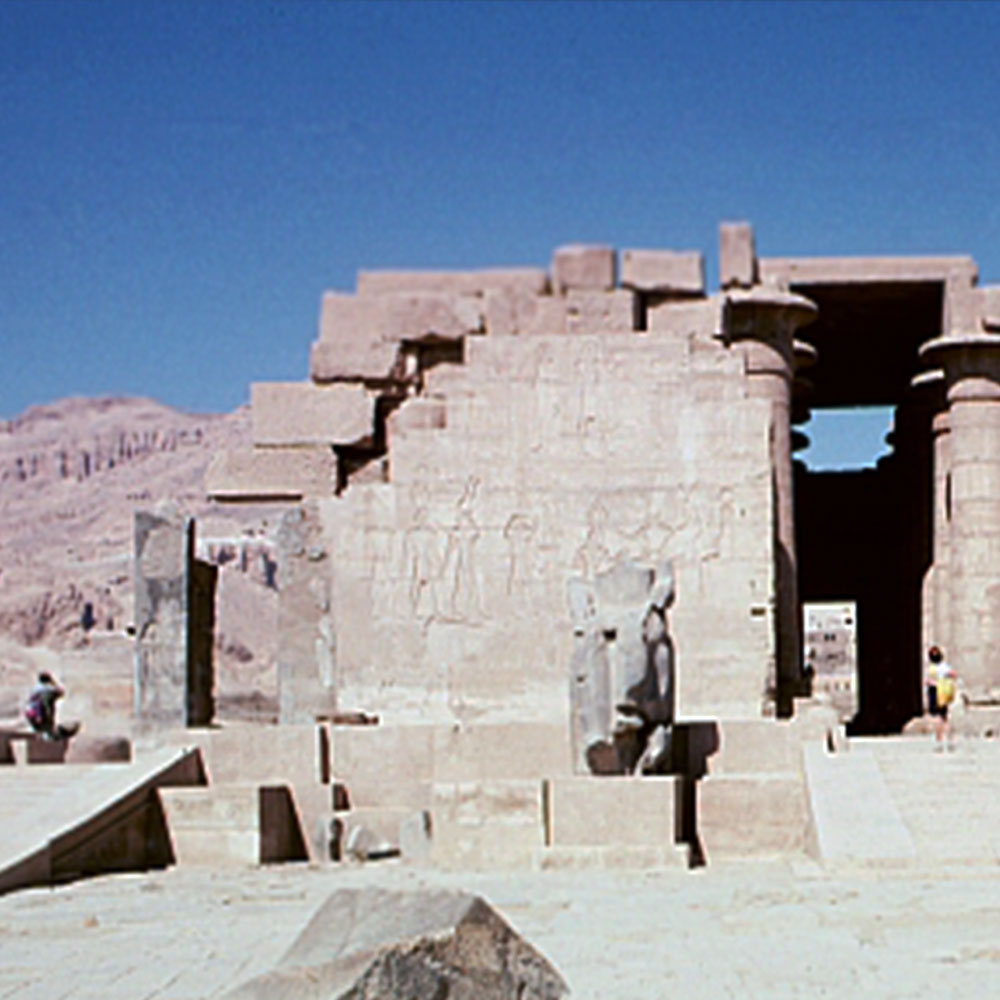
Front of the Hypostyle Hall, Ramesseum Mortuary Temple, Theban Necropolis, 13th century BC
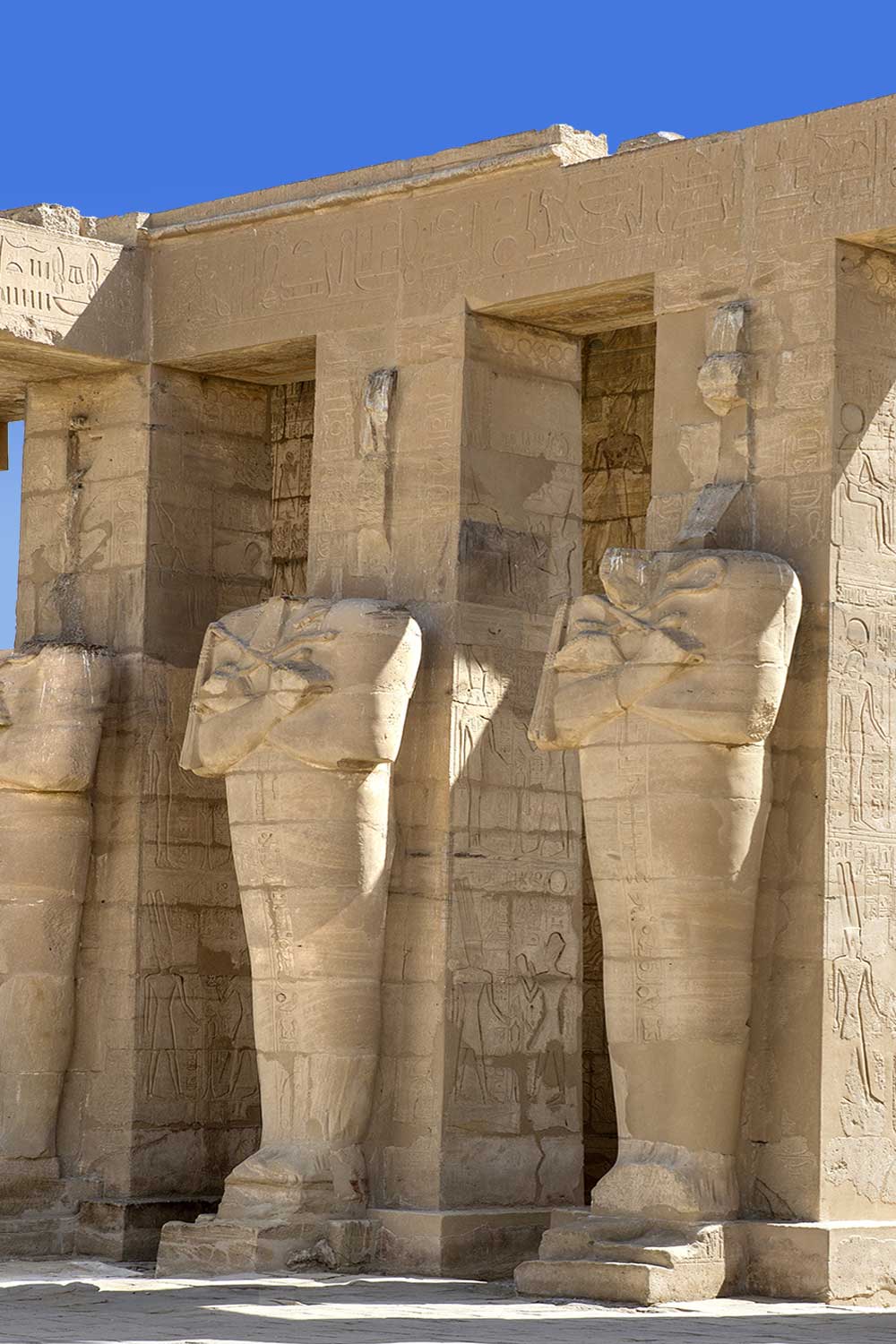
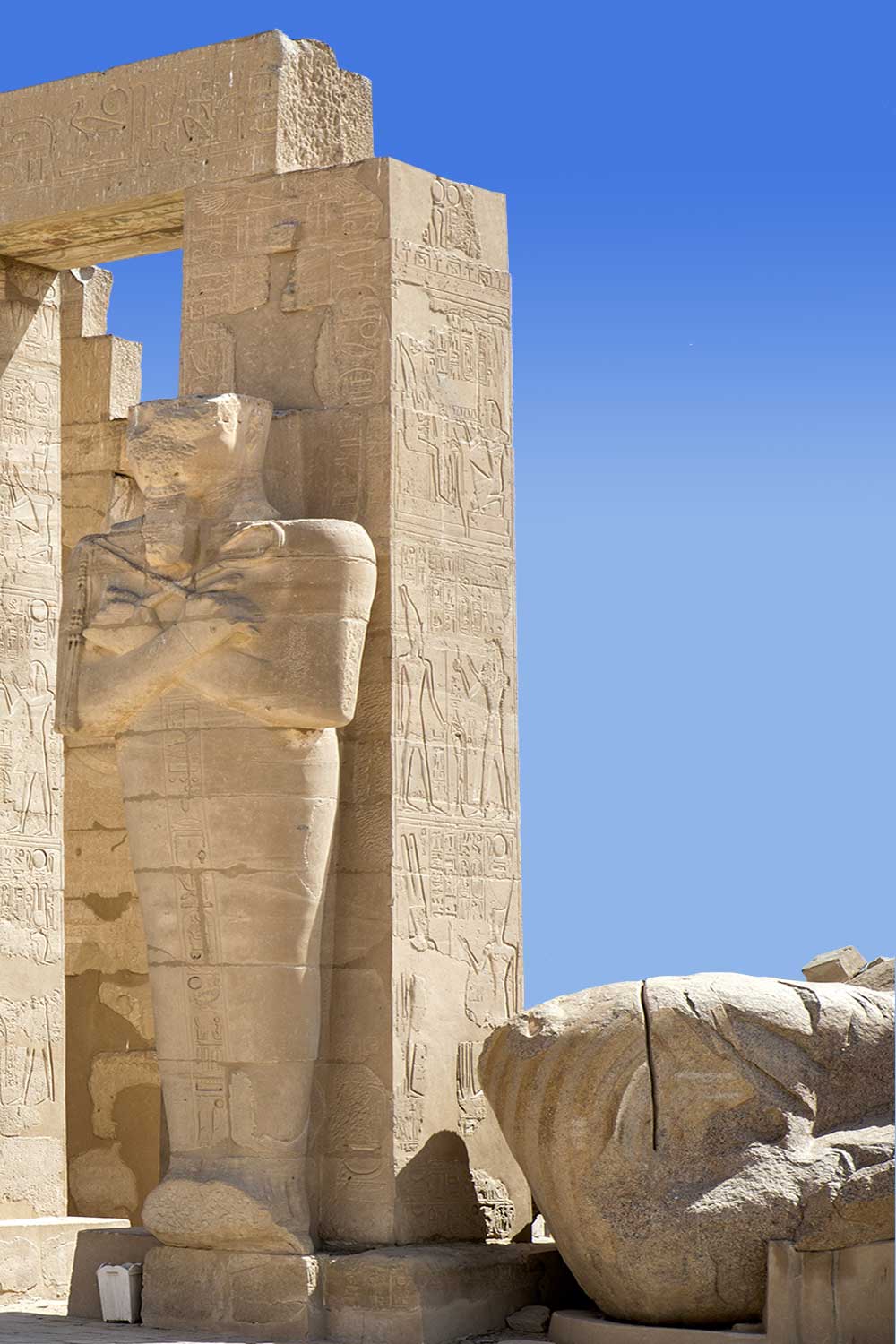
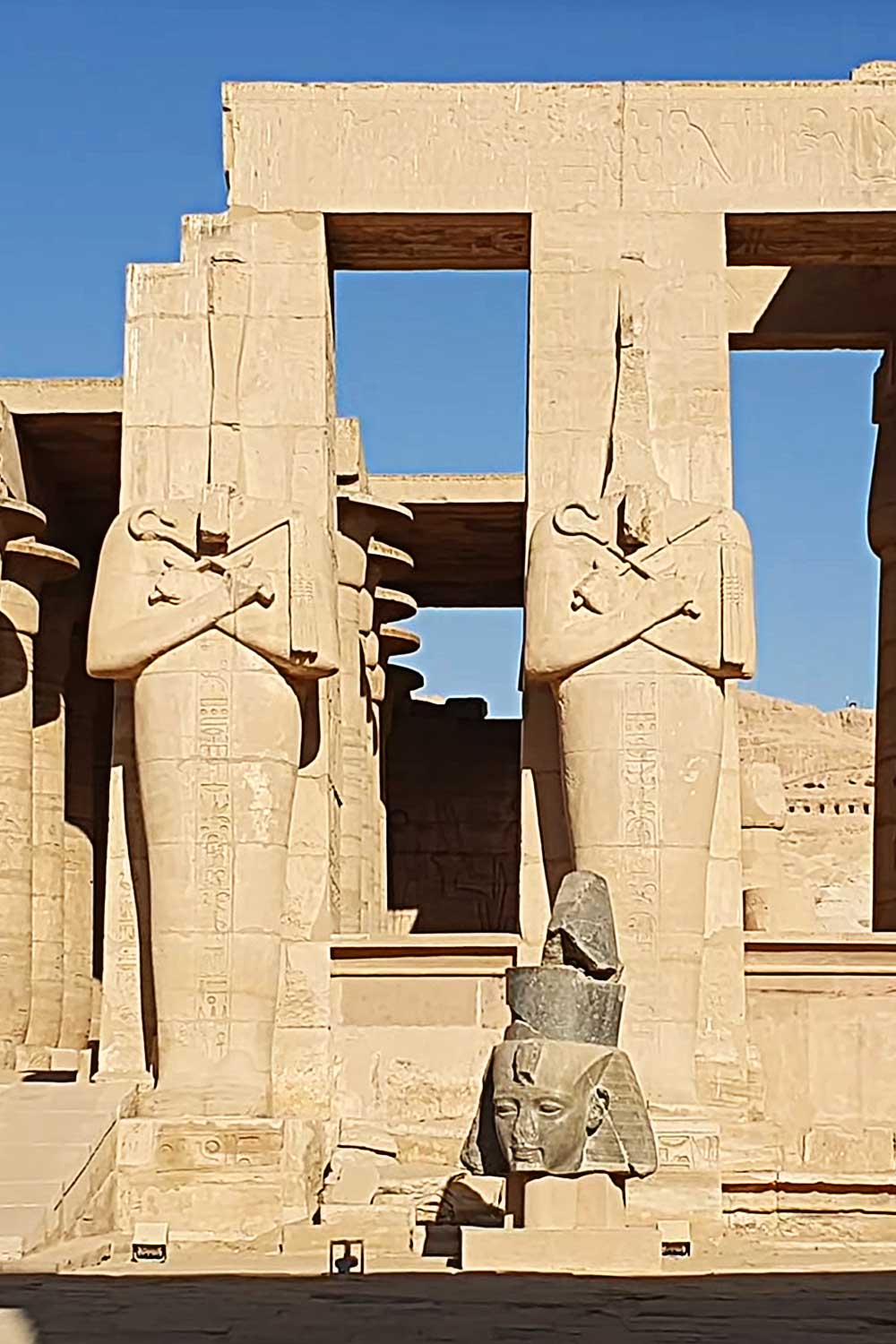
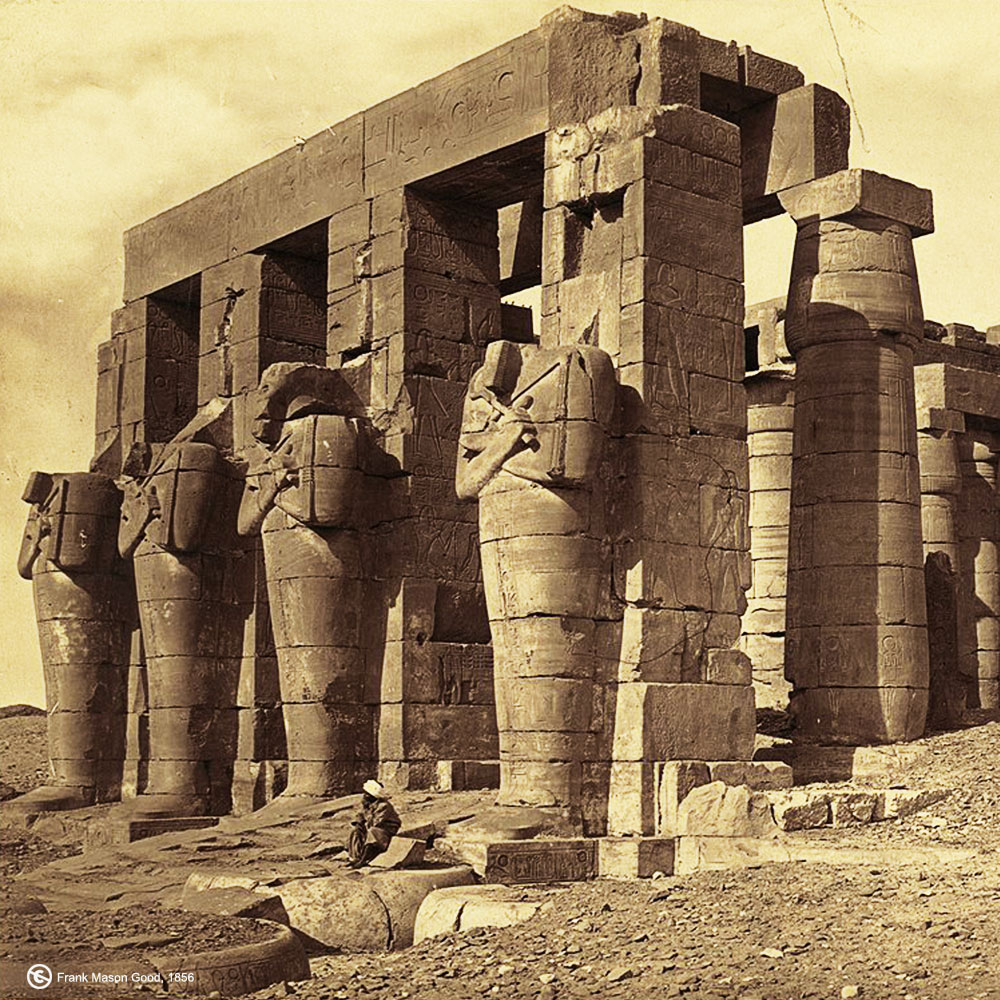
Statues of Osiris, the Egyptian god of the dead and afterlife, Ramesseum Mortuary Temple, 13th century BC
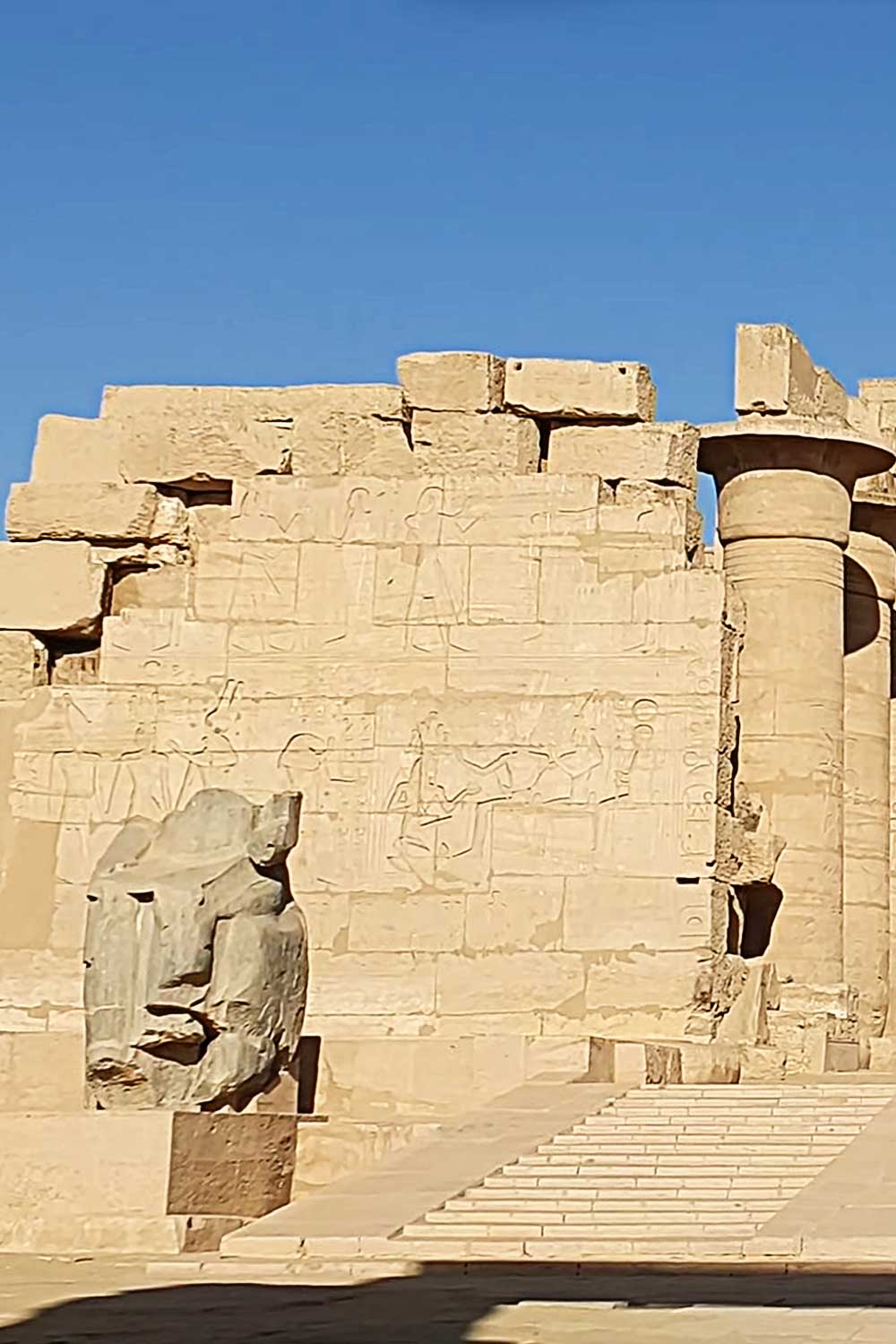
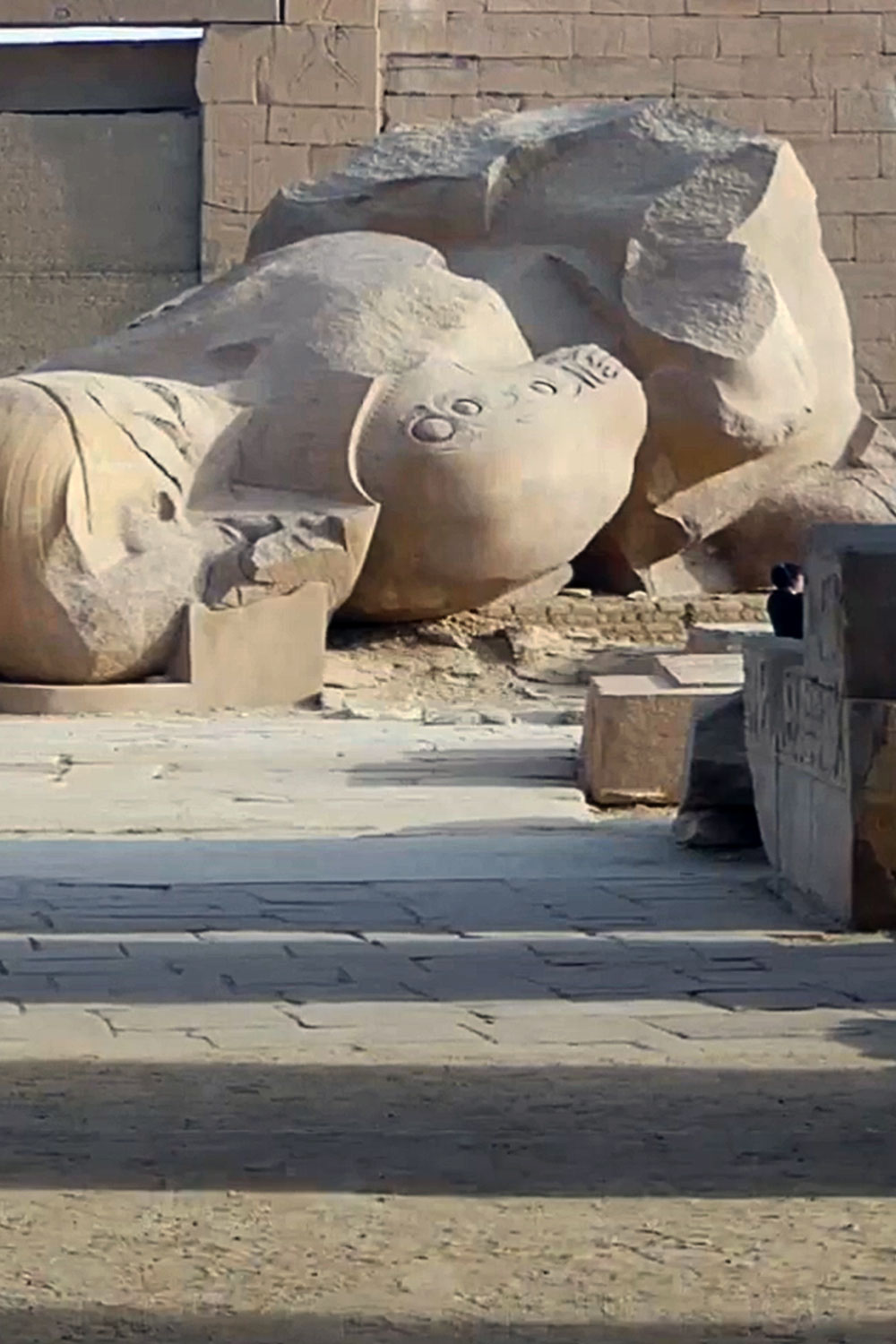
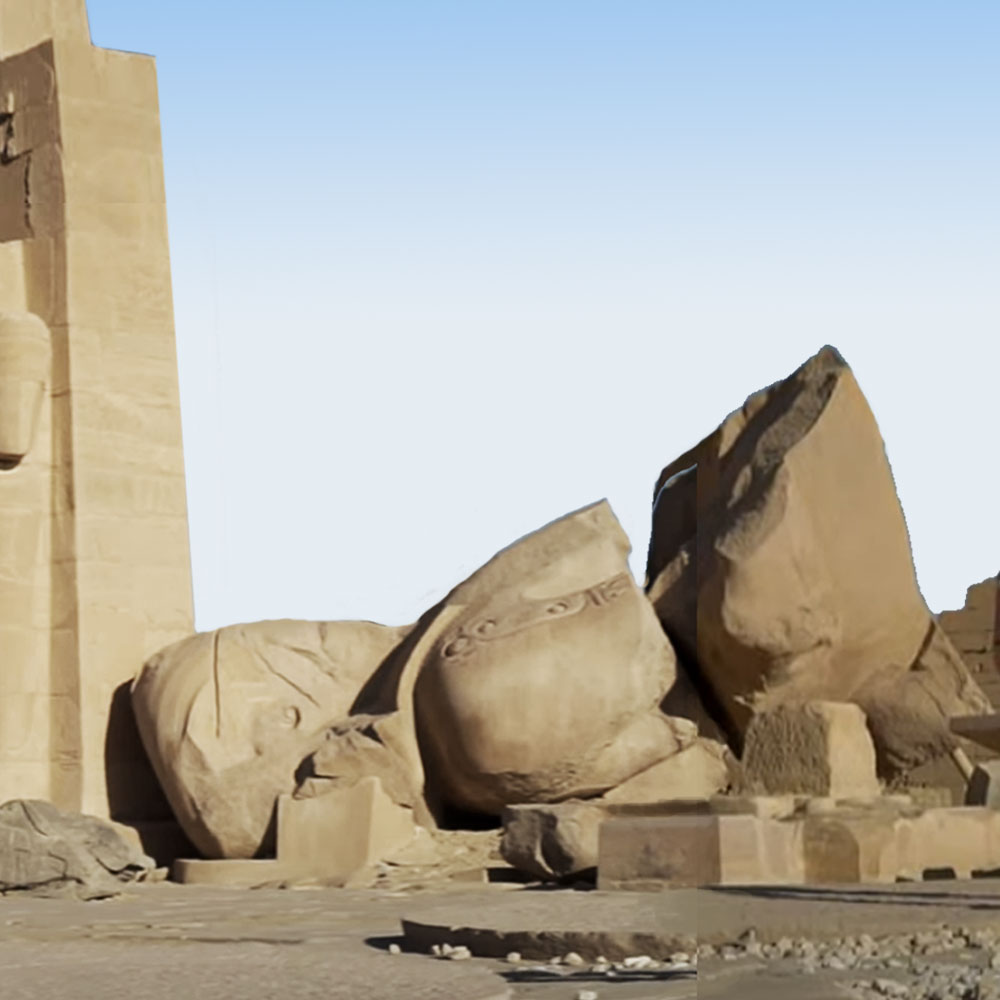
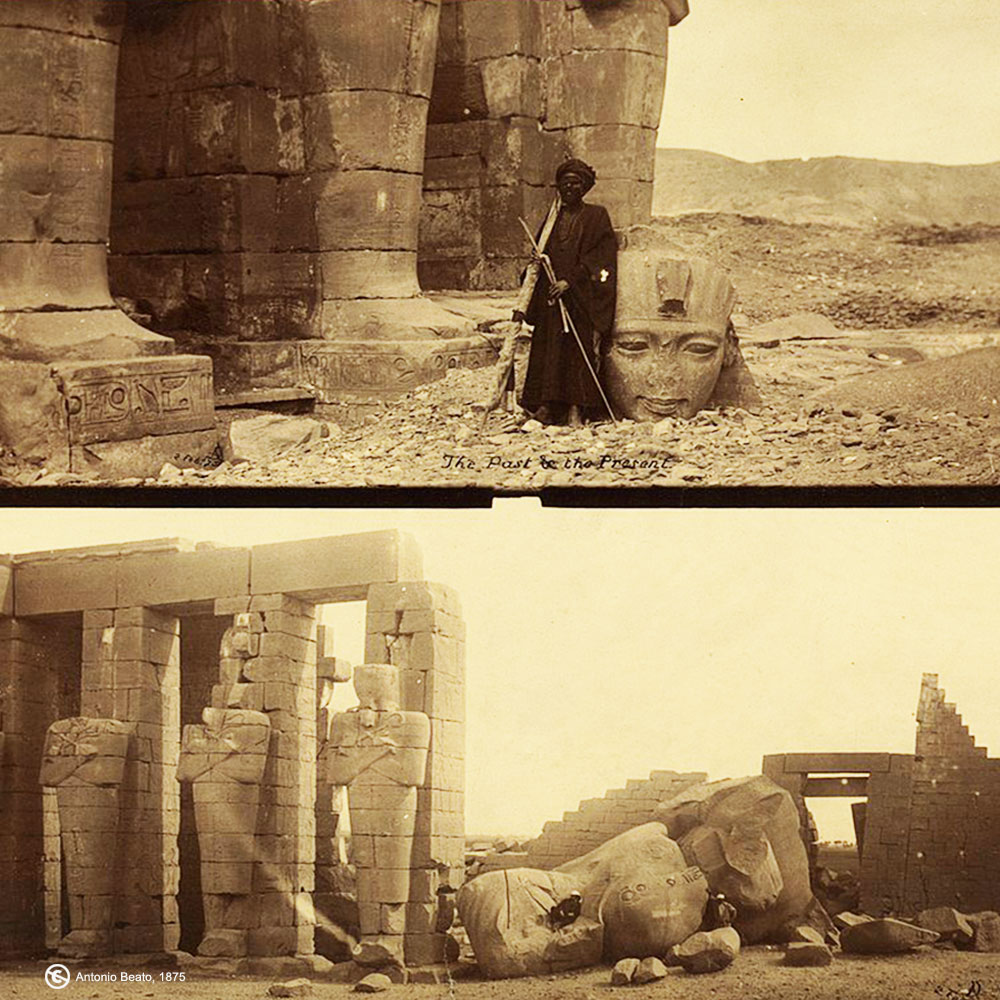
Collapsed Granite head of Pharaoh Ramesses the Great, Ramesseum Mortuary Temple complex
Ramesseum Mortuary Temple complex Necropolis, 13th century BC, Luxor, Egypt.
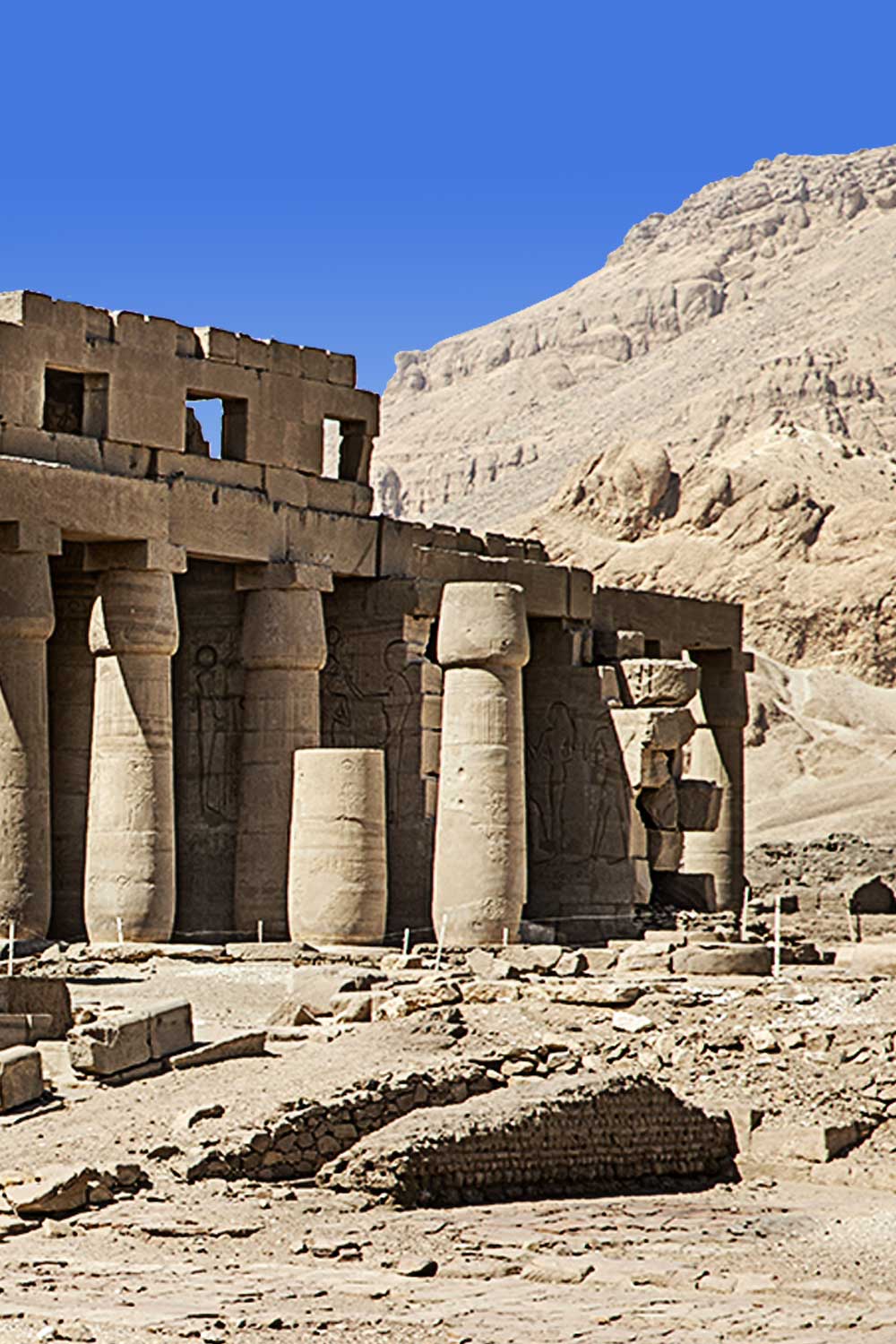
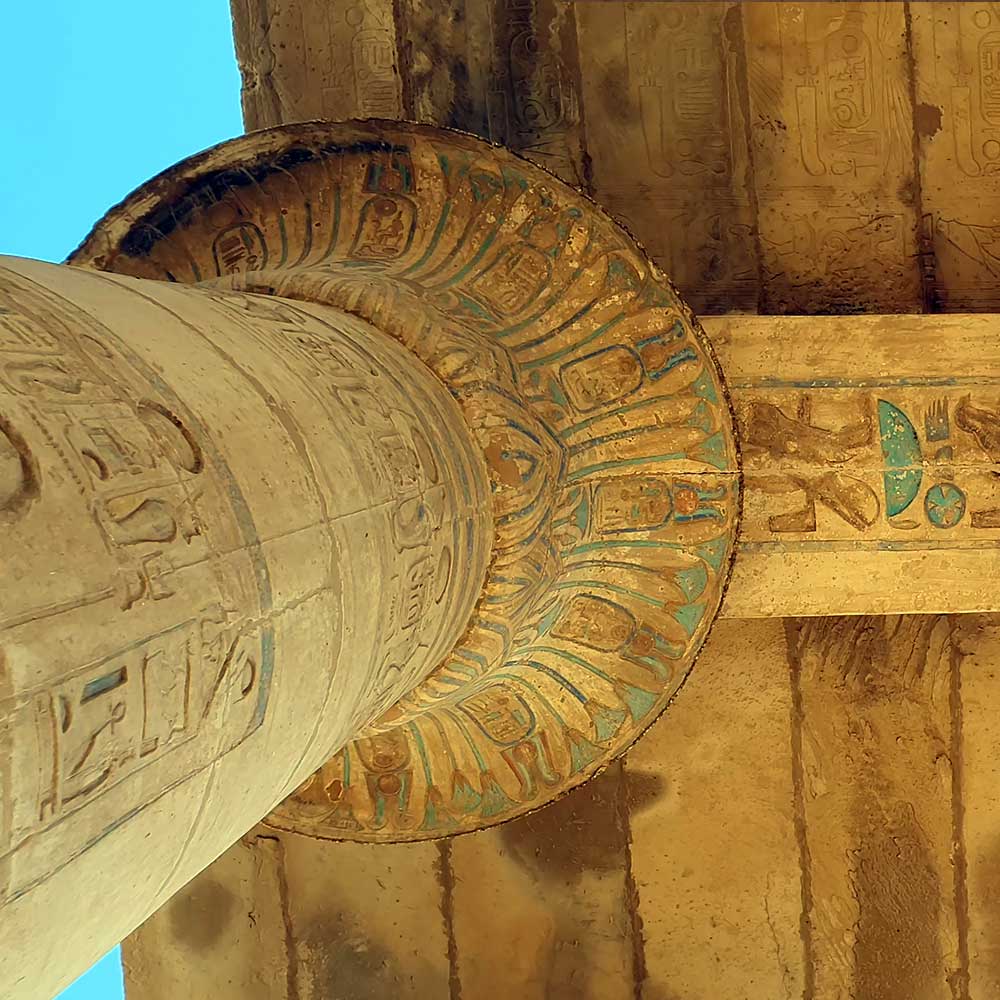
Hypostyle Hall complex, Ramesseum Mortuary Temple
Collapsed Granite head of Pharaoh Ramesses the Great, Ramesseum Mortuary Temple complex
Ramesseum Mortuary Temple complex Necropolis, 13th century BC, Luxor, Egypt.
Hypostyle Hall complex, Ramesseum Mortuary Temple
Collapsed Granite head of Pharaoh Ramesses the Great, Ramesseum Mortuary Temple complex
Ramesseum Mortuary Temple complex Necropolis, 13th century BC, Luxor, Egypt.
Hypostyle Hall complex, Ramesseum Mortuary Temple
Collapsed Granite head of Pharaoh Ramesses the Great, Ramesseum Mortuary Temple complex
Ramesseum Mortuary Temple complex Necropolis, 13th century BC, Luxor, Egypt.
Hypostyle Hall complex, Ramesseum Mortuary Temple
Granite head of Pharaoh Ramesses the Great, (the smaller twin to the one in the British Museum, London)
The Younger Memnon, in the collection of the British Museum, London, England, since 1821, size: 2.7 metres (8 ft 10 in) high × 2 metres (6 ft 7 in) wide, It weighs 7.25 tons, cut from a single block of two-coloured granite, dated 1270 BC
Hypostyle Hall of Ramesseum Mortuary Temple
The ruins of Ramesseum Mortuary Temple, of Ramesses the Great, Theban Necropolis,
The toppled giant statue of Ramses the Great (by an earthquake in the 2nd century AD), it inspired the poet Shelley to write his poem Ozymandias,
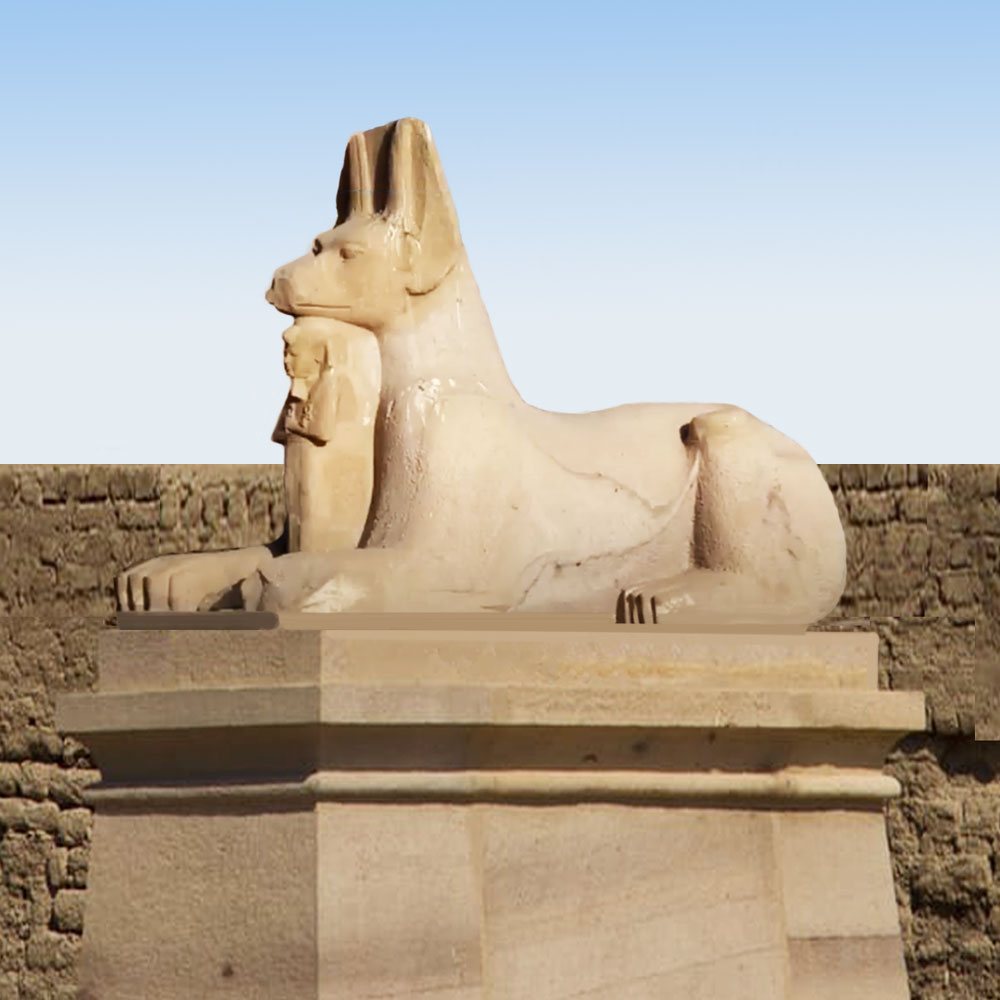
Jackal-Headed Sphinx, Anubis depicted as a white jackal, he is god of the underworld who guided and protected the spirits of the dead
Entrance to the Hypostyle Hall of The Ramesseum Mortuary Temple, Theban Necropolis, 13th century BC, Luxor, Egypt.
Front of the Hypostyle Hall, Ramesseum Mortuary Temple, Theban Necropolis, 13th century BC
Statues of Osiris, the Egyptian god of the dead and afterlife, Ramesseum Mortuary Temple, 13th century BC

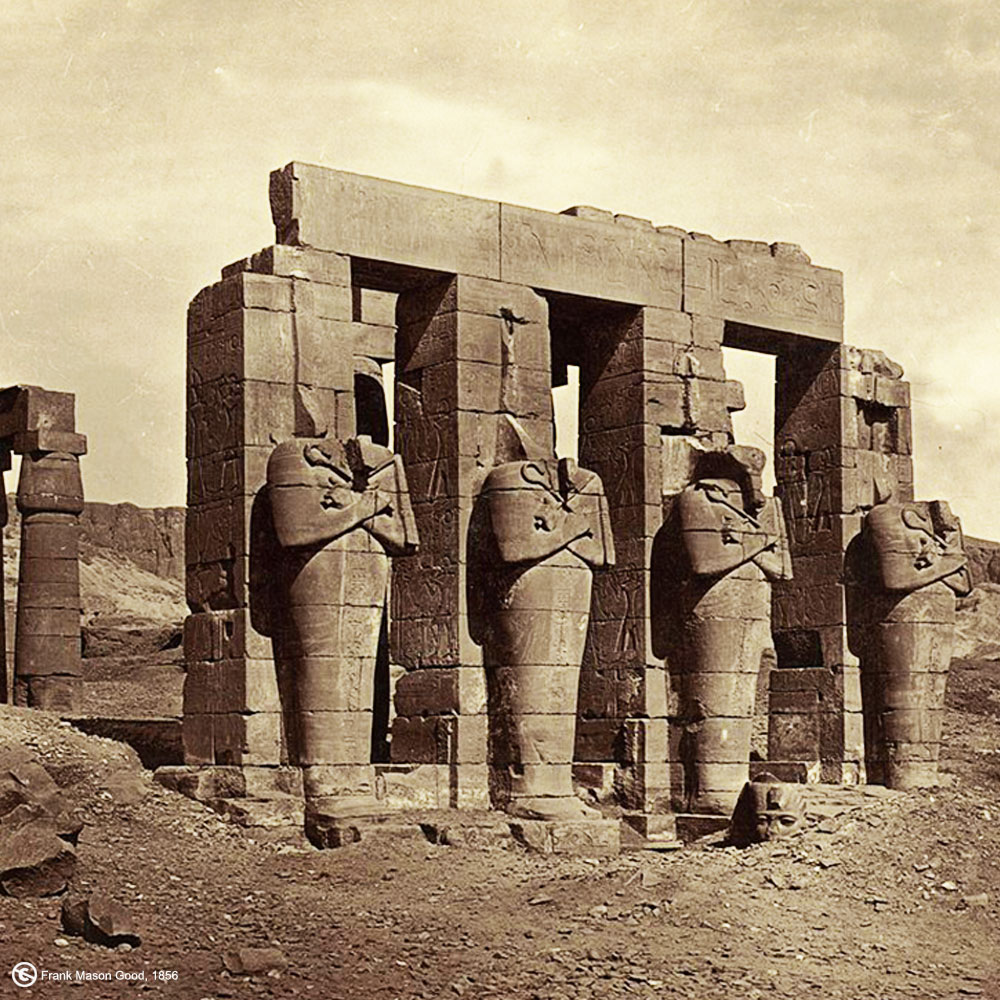
The ruins of Ramesseum Mortuary Temple, At Memnonium, Thebes Abstract/medium: 1 photographic print: albumen, 1856, photographer: Frank Mason Good,
The past & the present pillars and fallen colossus at the memnonium, of Ramesseum Mortuary Temple, Photo Abstract/medium: Antonio Beato, 1875,
The ruins of Ramesseum Mortuary Temple, At Memnonium, Thebes Abstract/medium: 1 photographic print: albumen, 1856, photographer: Frank Mason Good,
Website & Website & Content Created by Richard Brafford, © 2025, All Rights Reserved, Fair Use Disclaimer for Non-Commercial Use for Educational & Entertainment Purposes OnlyTop