The Met Fifth Avenue

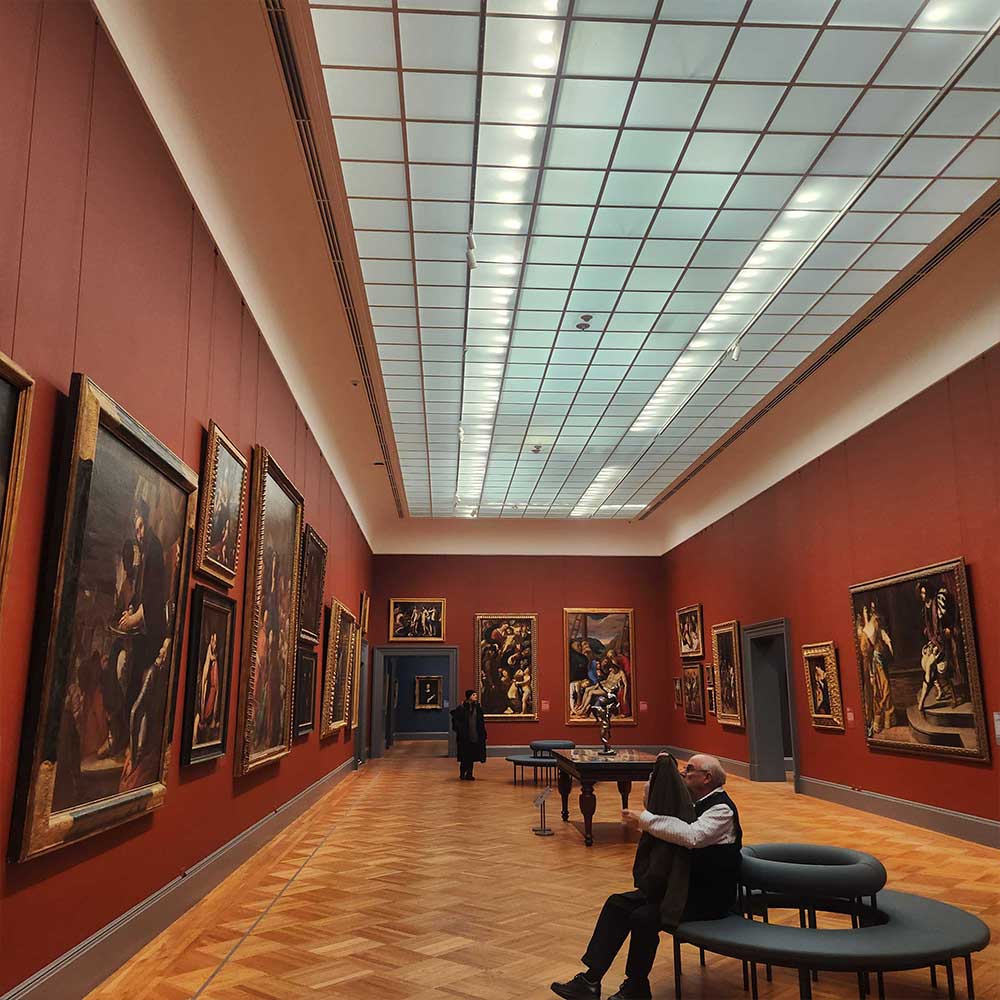
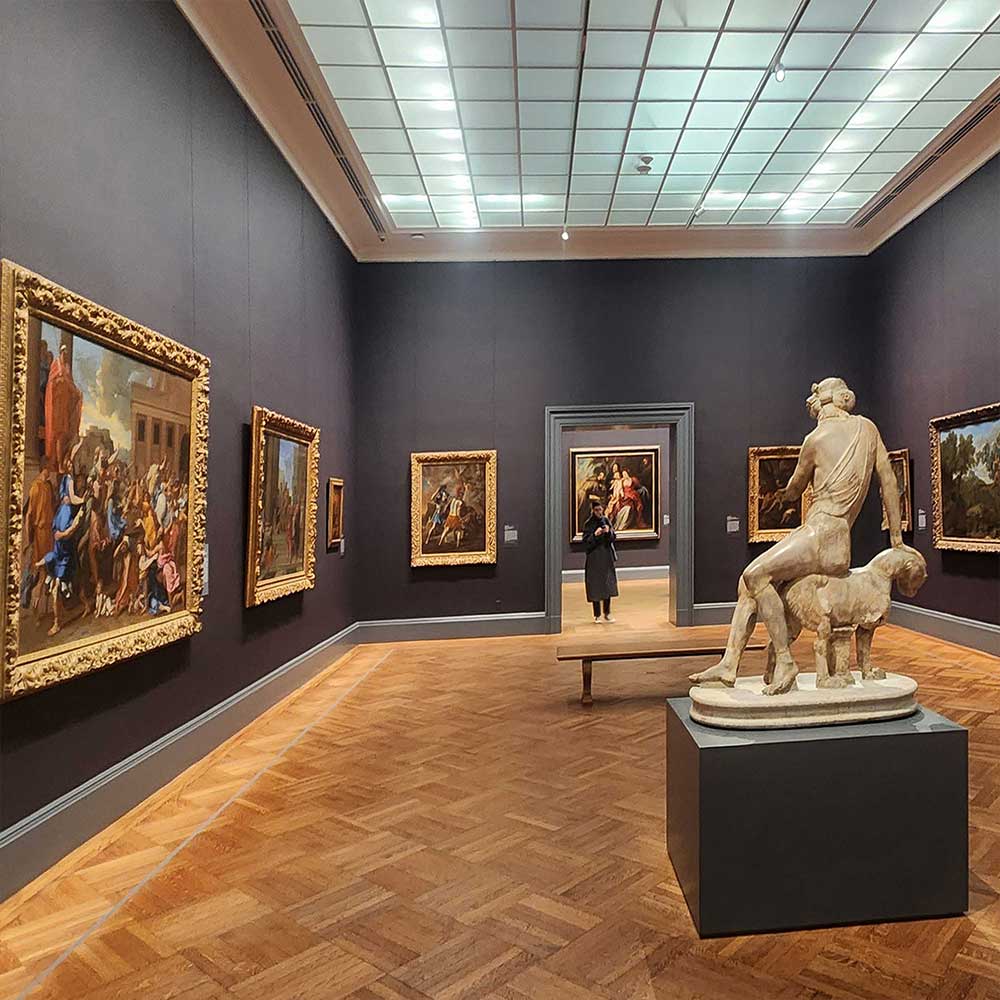
In 2024, The Met completed a major $150 million renovation of the skylight system above its European Paintings galleries—one of the largest infrastructure projects in the museum’s history. The overhaul replaced 30,000 square feet of skylights spanning 45 galleries, dramatically improving natural illumination for the collection of over 700 paintings dating from the 14th through the 19th century. This multi‑year project not only modernized the aging skylight structures—some dating back to the 1930s and 1940s—but also enabled a full reinstallation of the galleries. The spaces now feature a fresh, carefully calibrated palette of wall colors, designed to enhance the presentation of works ranging from the Early Renaissance to the 19th century. The newly refurbished European Paintings galleries are on permanent view at The Met Fifth Avenue in New York City, offering visitors a transformed experience of one of the museum’s most significant and historically rich collections.
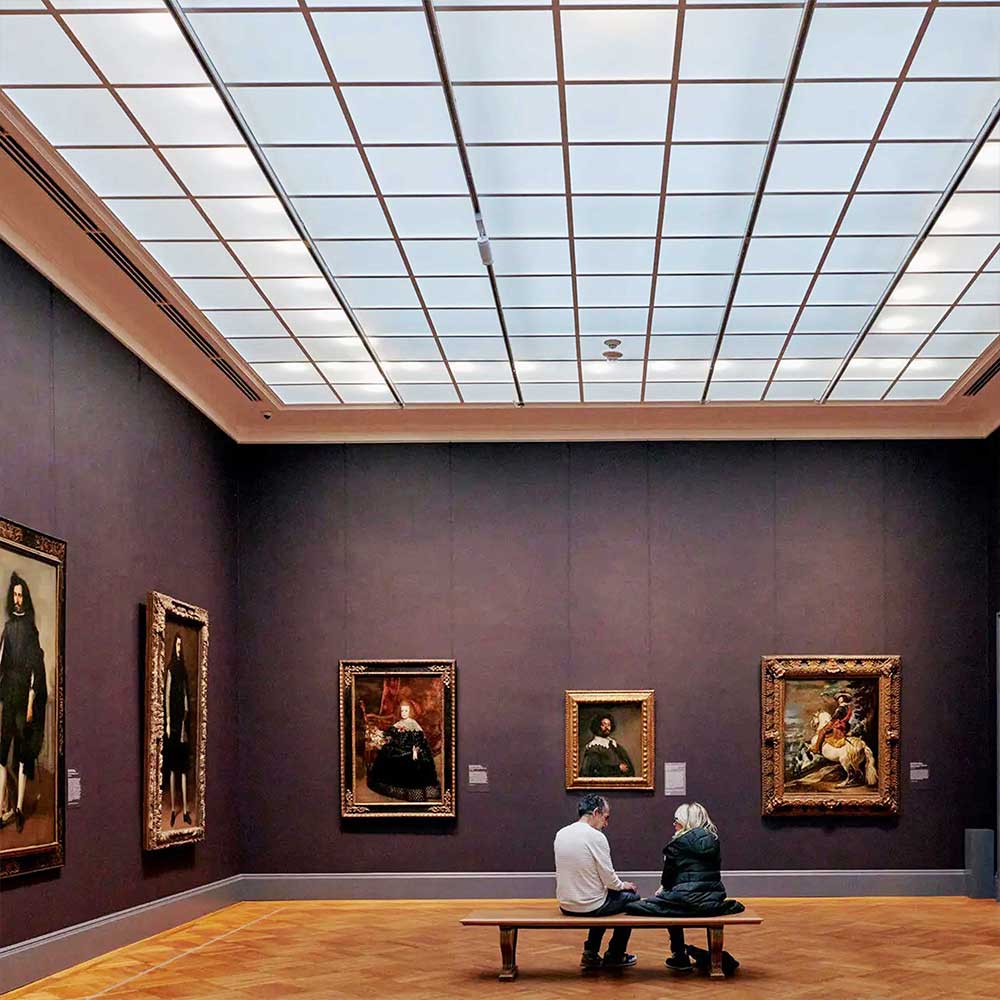
Portraits and Power in Spain, Gallery 625, The Met Fifth Avenue, New York City.
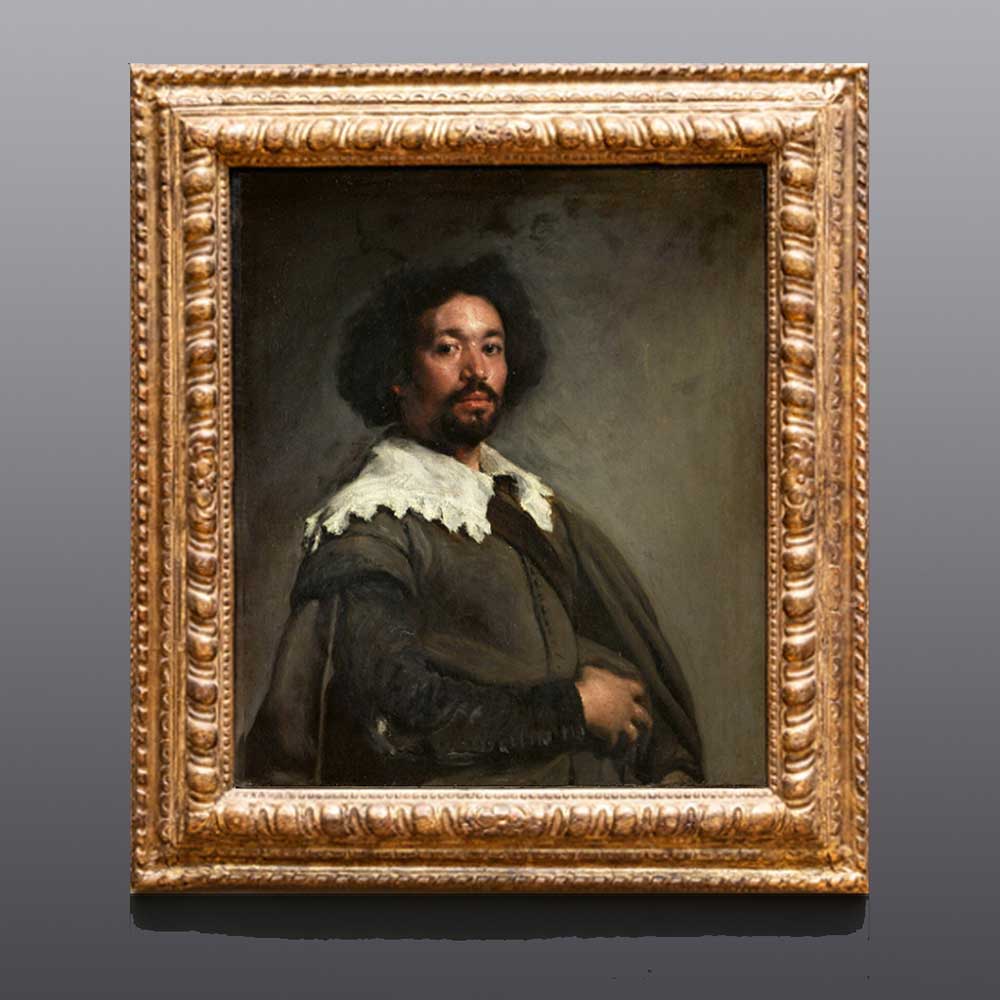
Velázquez, Spanish, (1599–1660), Juan de Pareja, 1608, Gallery 625, The Met Fifth Avenue, New York City.
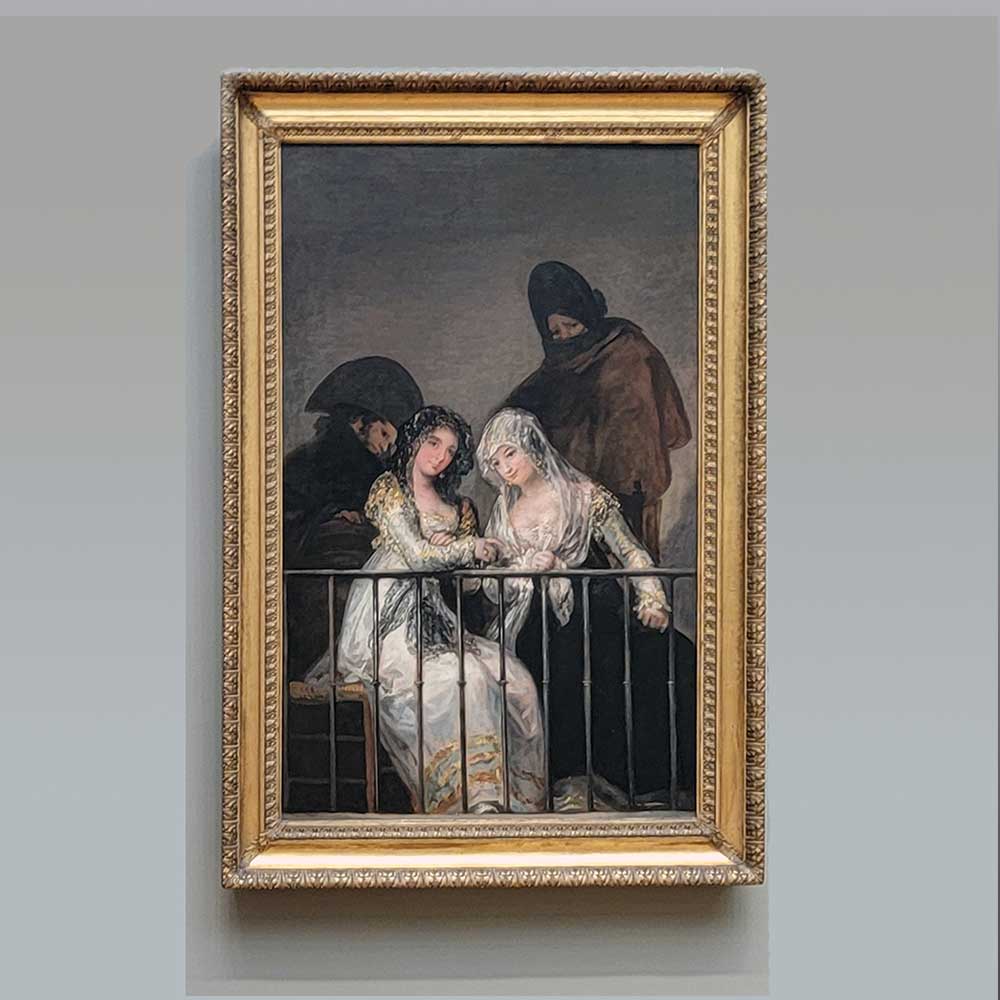
Francisco Goya, Spanish, (1746–1828) Majas on a Balcony, 1810, The Met Fifth Avenue, New York City.
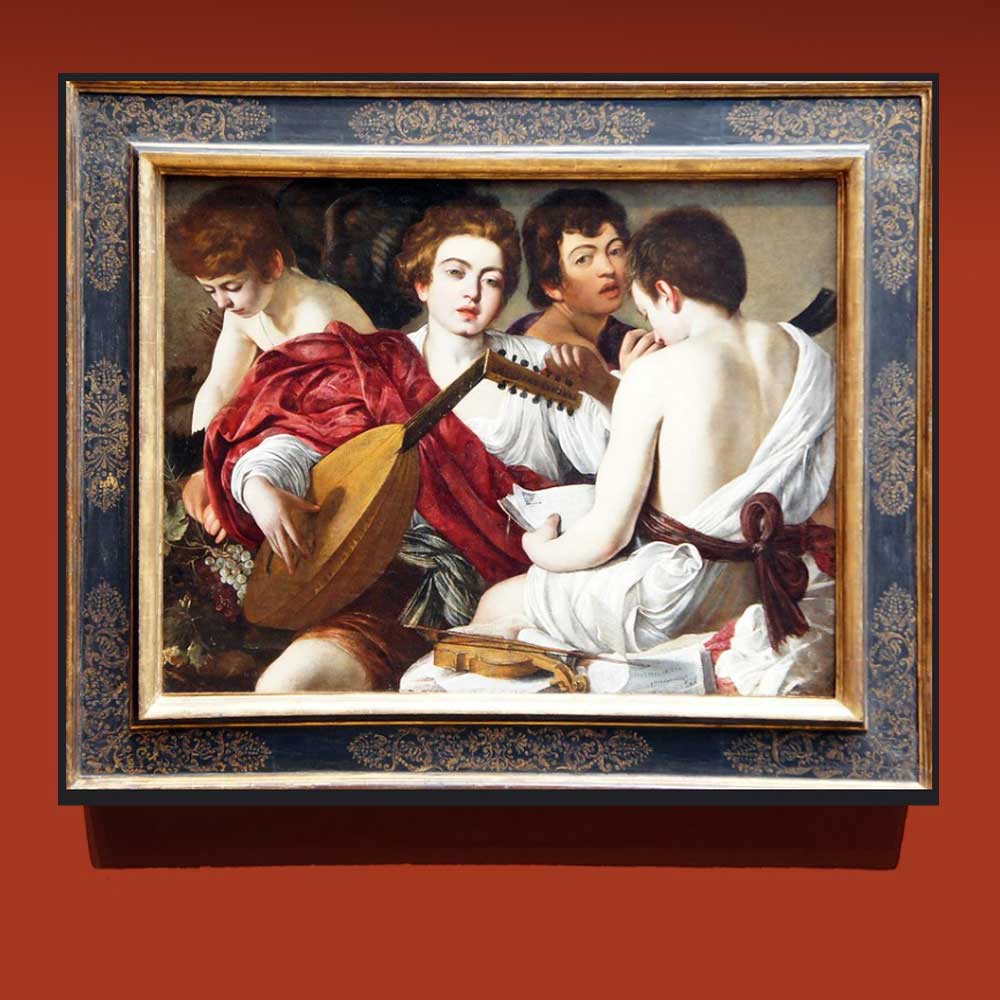
Caravaggio, Italian, 1571–1610, The Musicians, 1597, The Met Fifth Avenue, New York City.
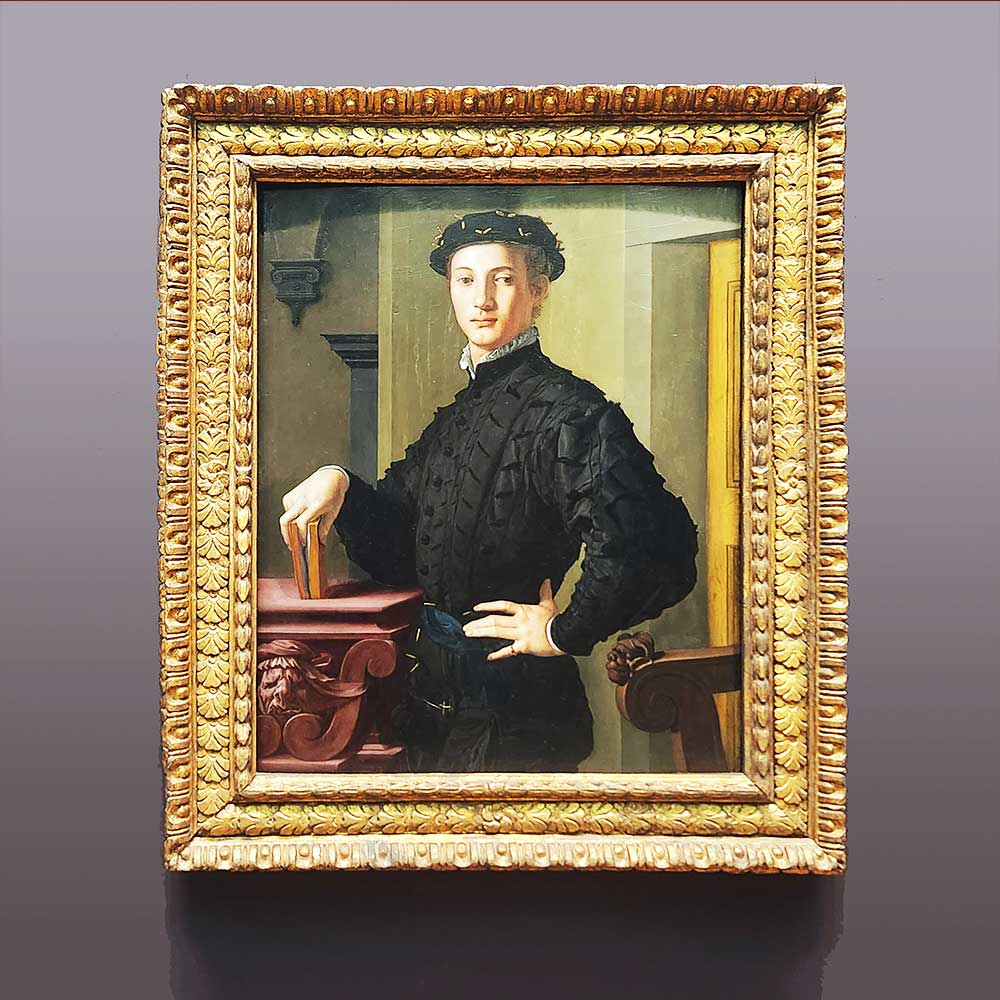
Bronzino, Italian, 1503-1572, Portrait of a Young Man, 1530s, The Met Fifth Avenue, New York City.
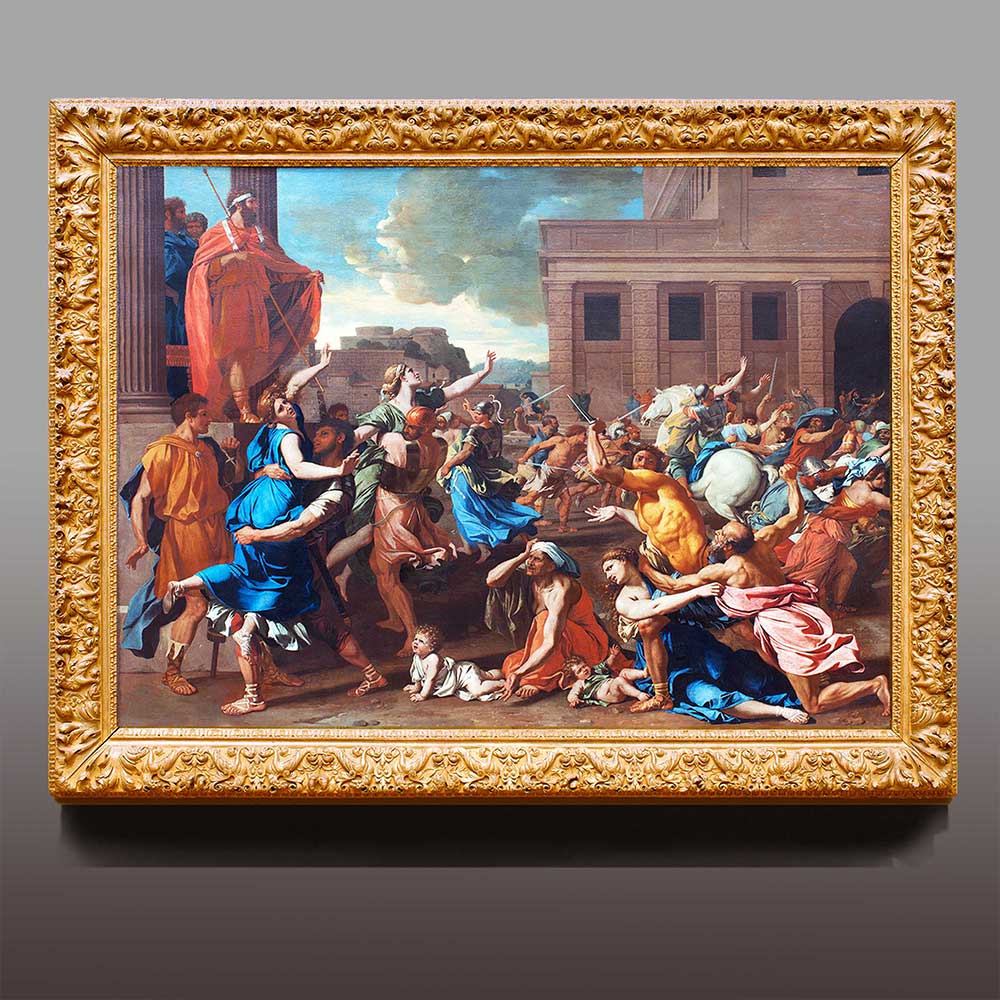
Nicolas Poussin, French, 1594–1665, The Abduction of the Sabine Women, 1633, The Met Fifth Avenue, New York City.
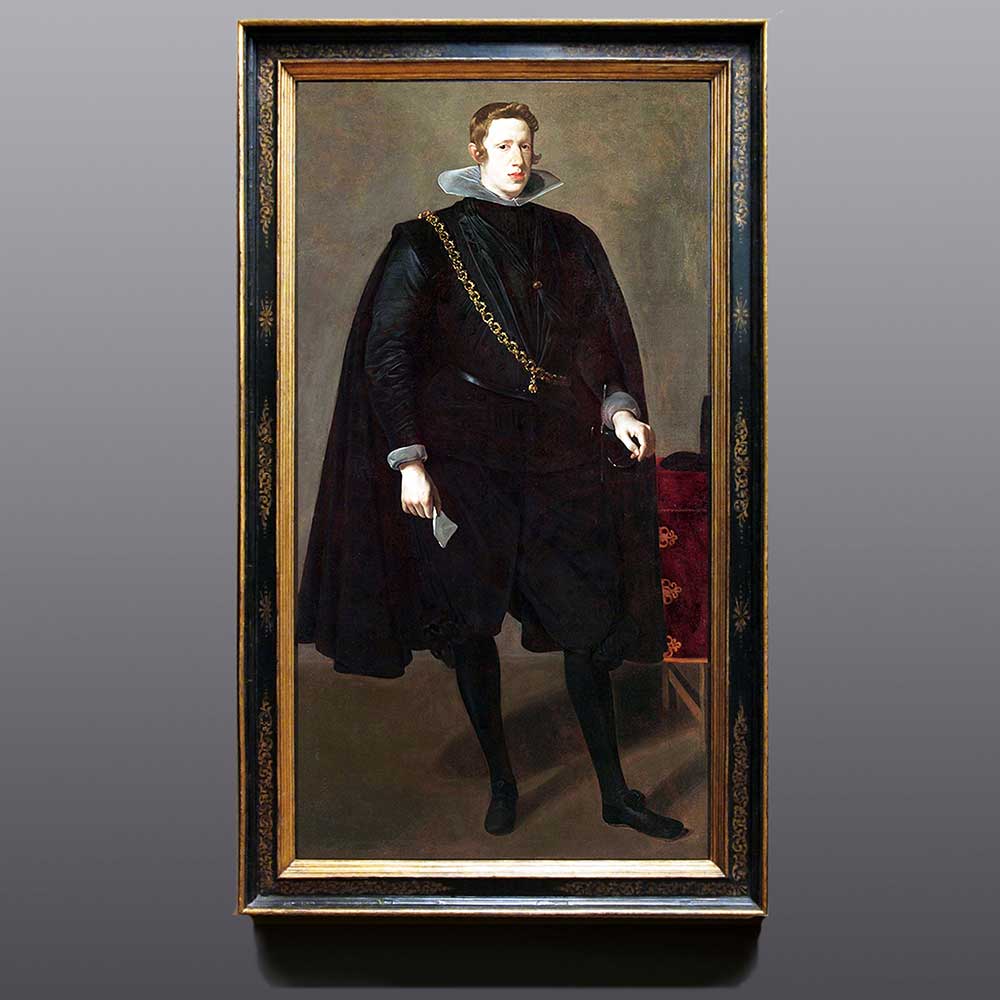
Velázquez, Spanish, (1599–1660), King Philip IV, 1624, The Met Fifth Avenue, New York City.
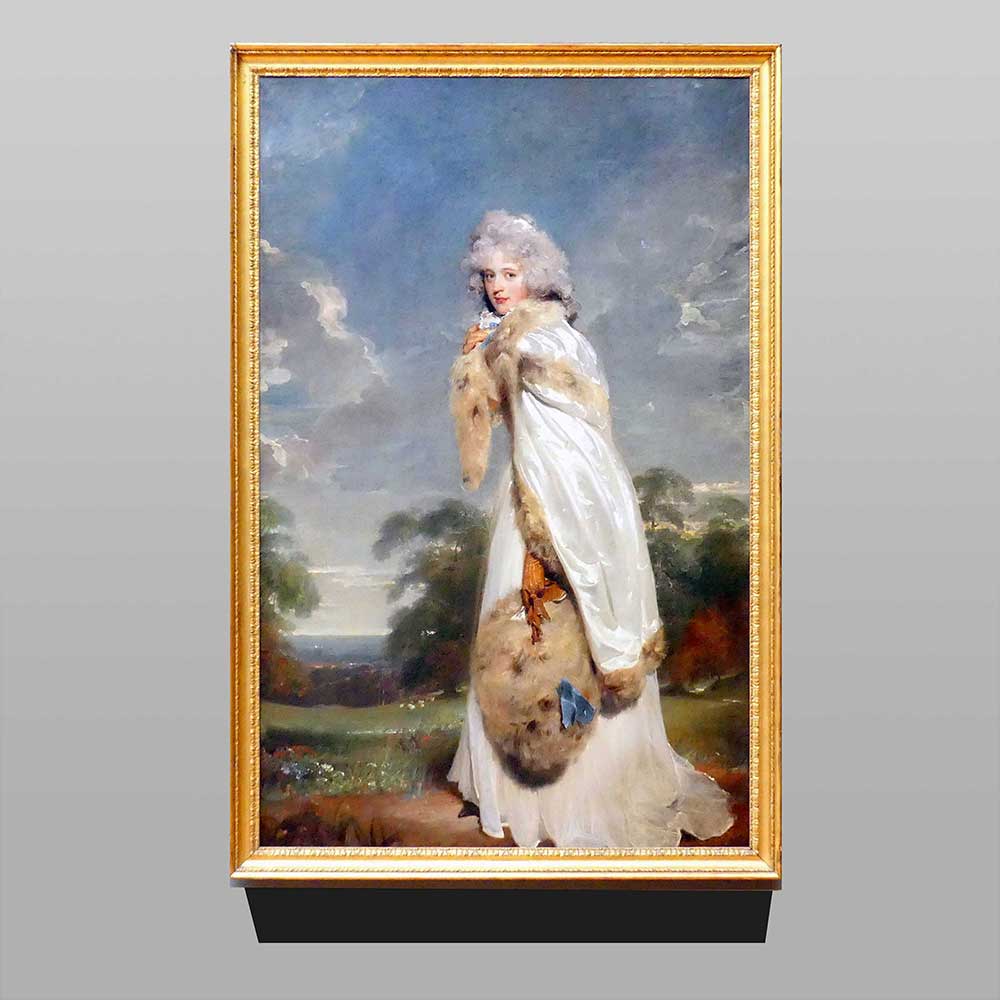
Sir Thomas Lawrence, British, (1769–1830), Elizabeth Farren, 1790, The Met Fifth Avenue, New York City.
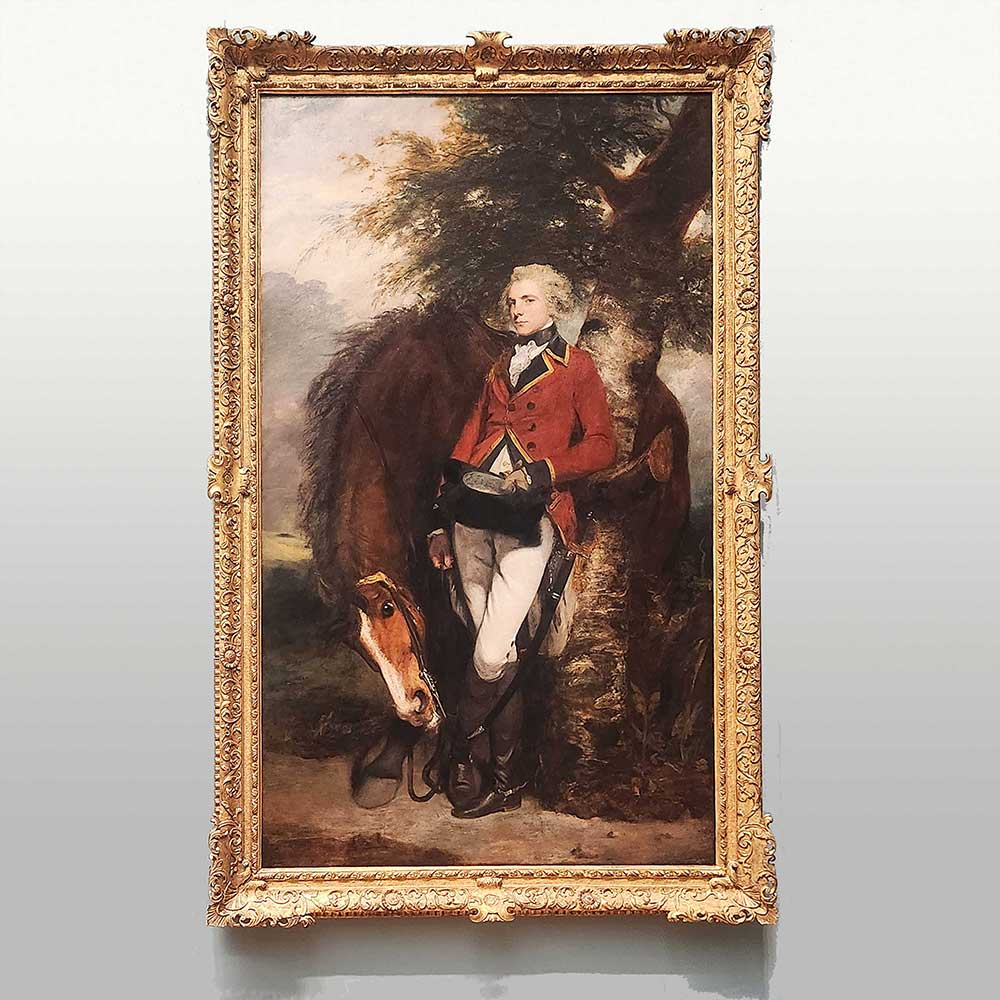
Sir Joshua Reynolds, British, (1723–1792) Captain George K. H. Coussmaker, 1782, The Met Fifth Avenue, New York City.
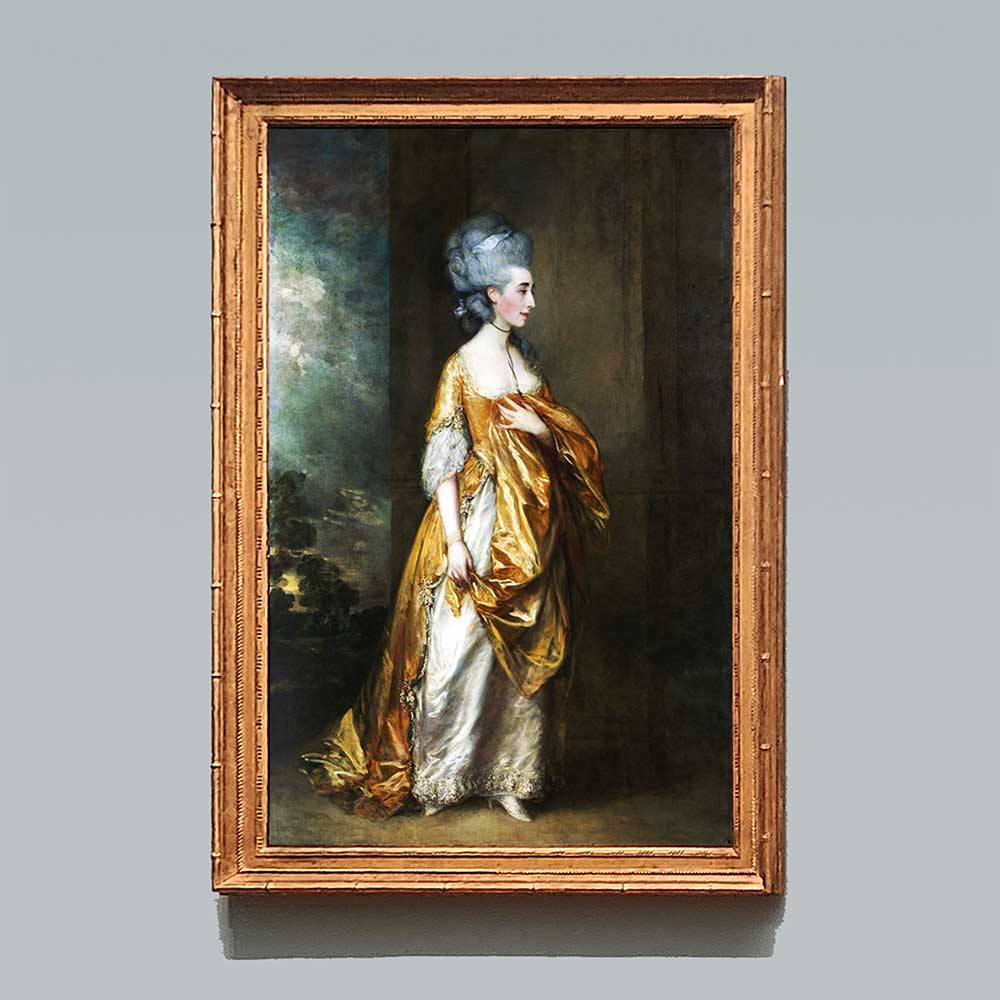
Thomas Gainsborough, British, (1727–1788), Mrs. Grace Dalrymple Elliott, 1778, The Met Fifth Avenue, New York City.
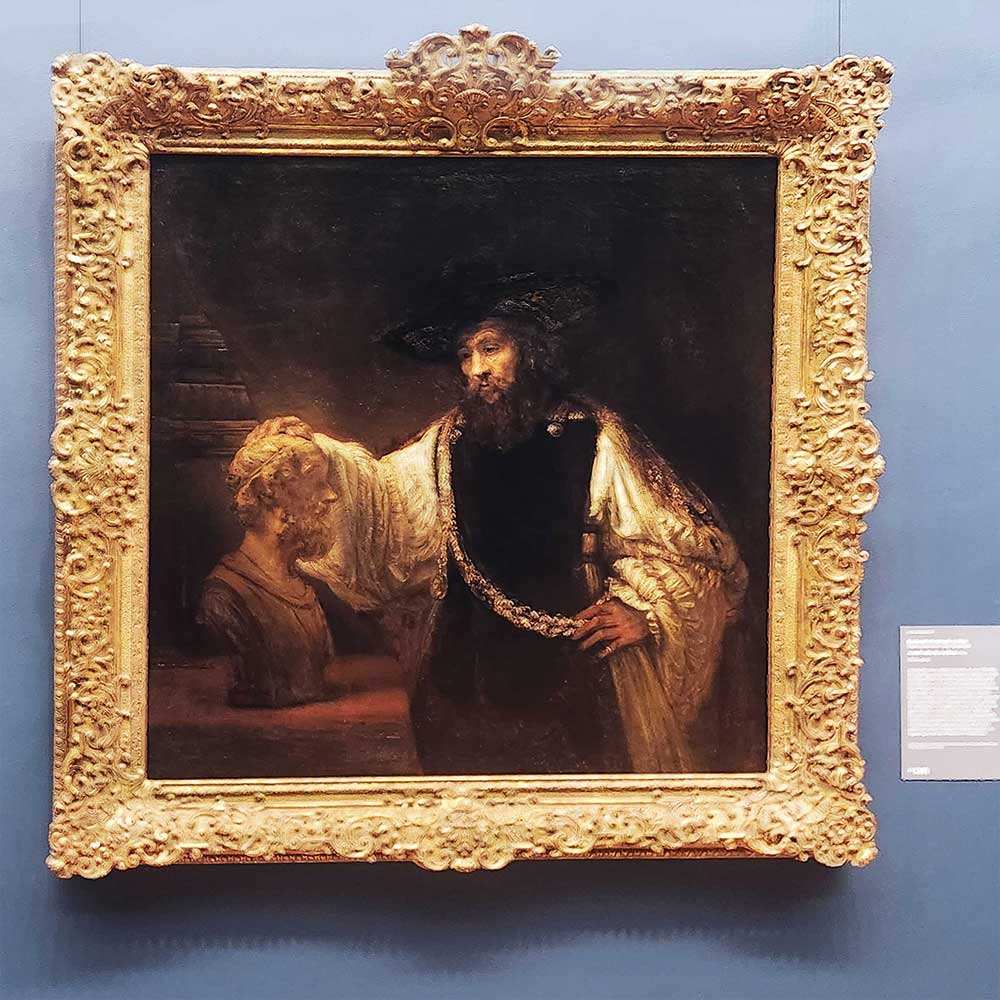
Rembrandt van Rijn, Dutch, (1606–1669), Aristotle with a Bust of Homer, 1653, The Met Fifth Avenue, New York City.
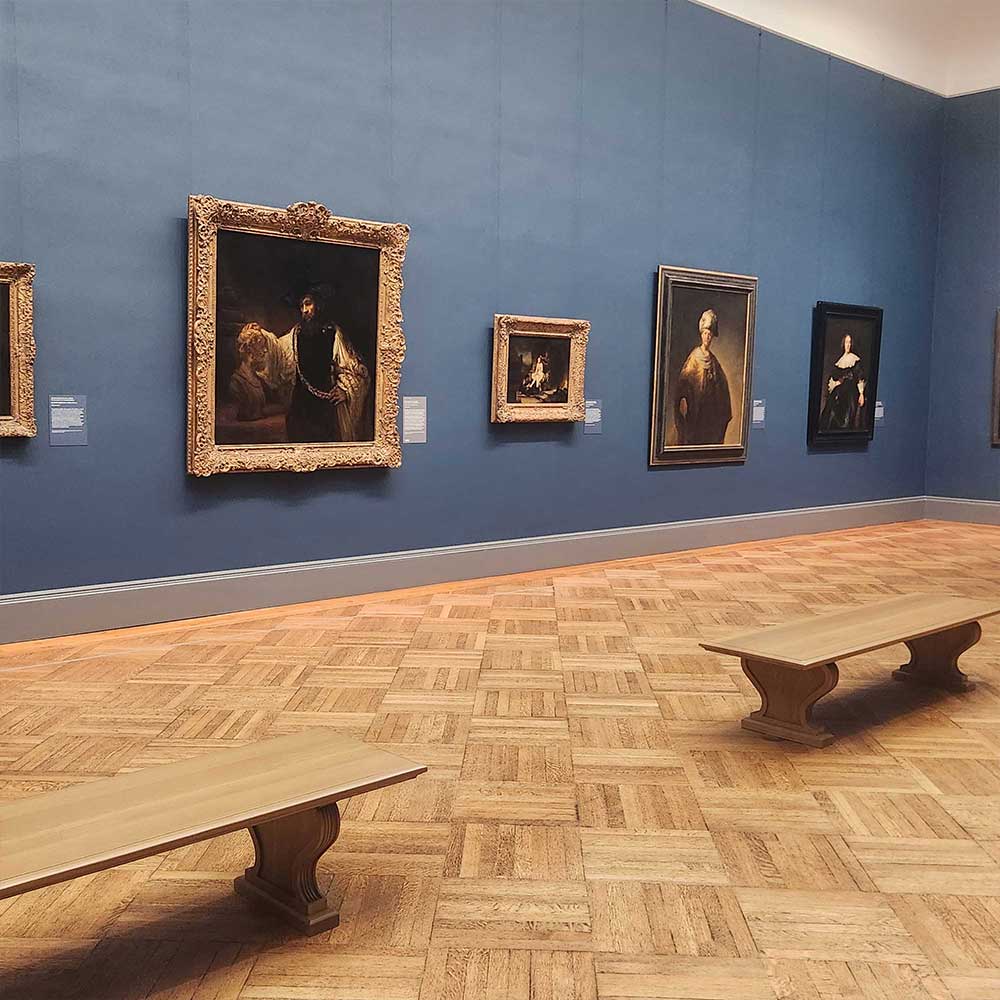
Painters, Critics, and Rivals in the Age of Rembrandt, Gallery 616, The Met Fifth Avenue, New York City.
Flesh and the Spirit in the Age of Rubens, Gallery 621, The Met Fifth Avenue, New York City.
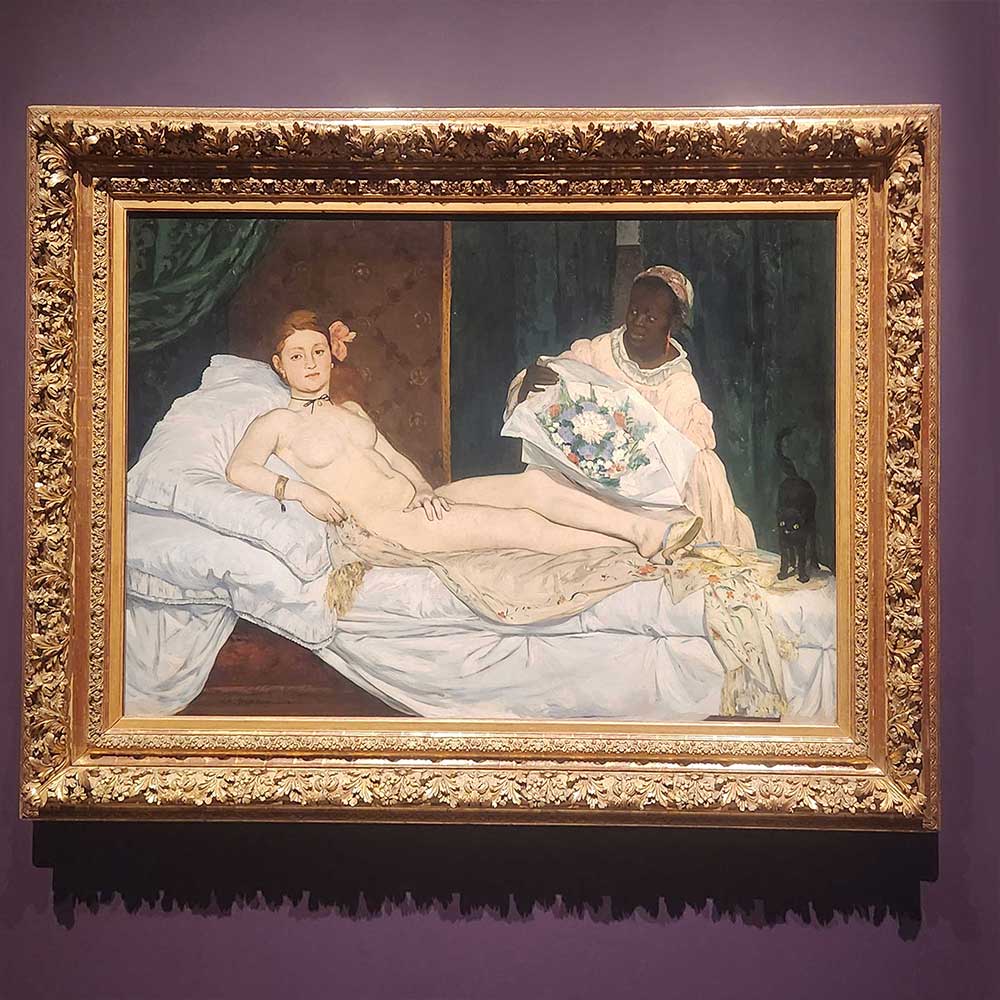
Edouard Manet (1832–1883), Olympia, 1865, in collaboration with the Musées d’Orsay et de l’Orangerie, Paris, and The Met Fifth Avenue, New York City.
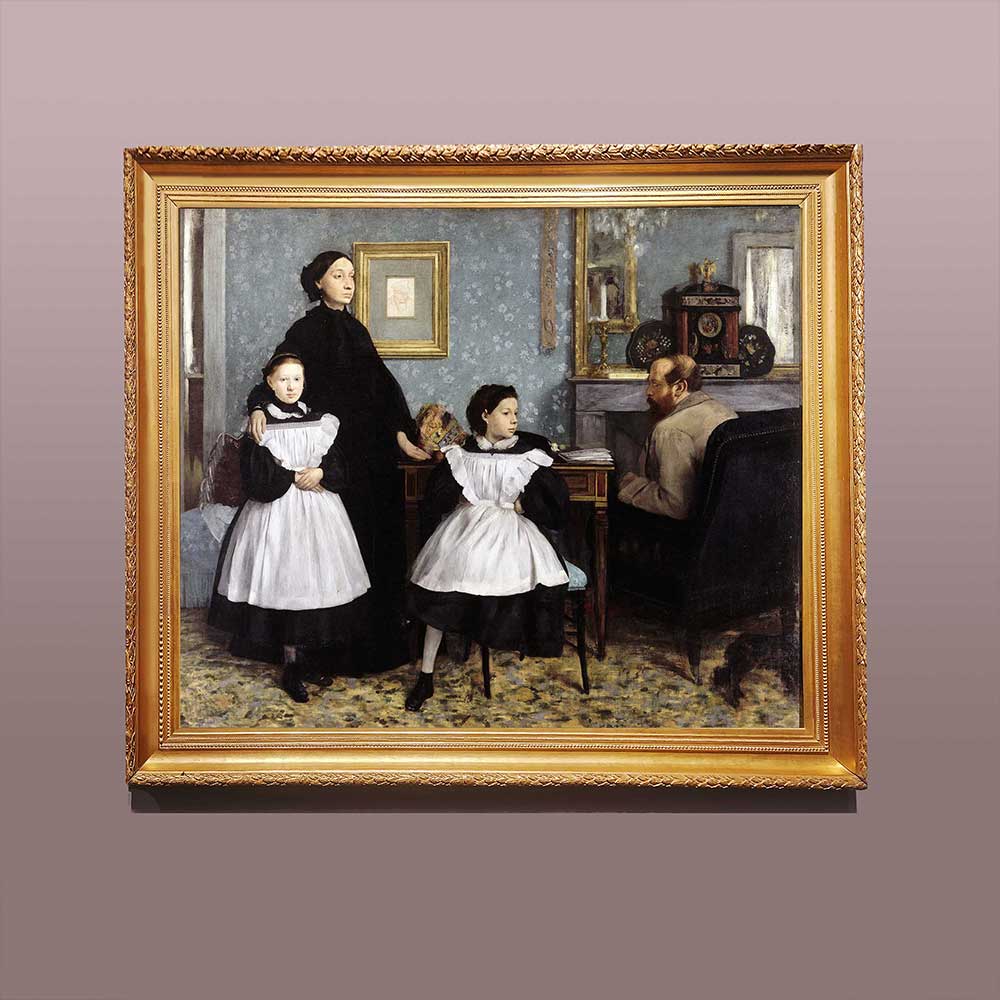
Edgar Degas (1834–1917), The Bellelli Family, 1869, in collaboration with the Musées d’Orsay et de l’Orangerie, Paris, and The Met Fifth Avenue, New York City.
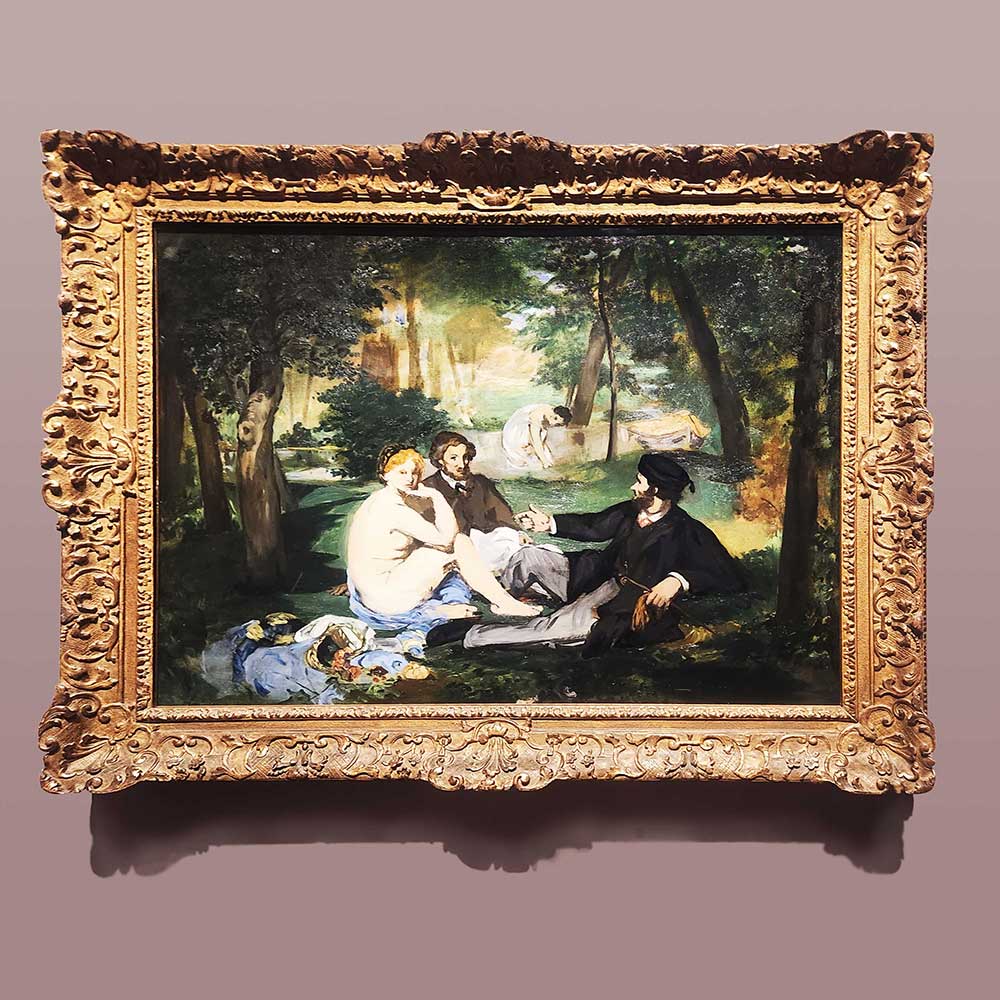
Edouard Manet (1832–1883), Study for "Déjeuner sur l'herbe", in collaboration with the Musées d’Orsay et de l’Orangerie, Paris, and The Met Fifth Avenue, New York City.
Political Portraiture and Empire, Gallery 633, The Met Fifth Avenue, New York City.
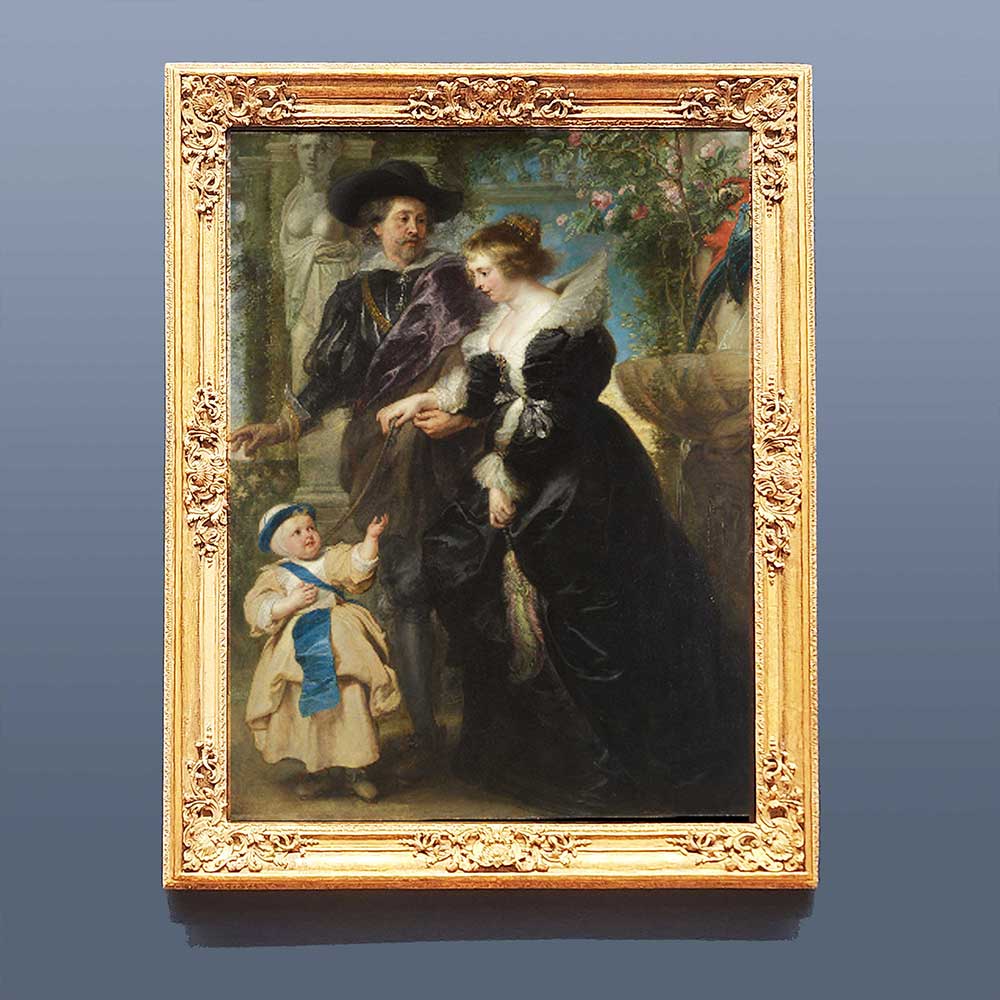
Peter Paul Rubens Flemish, (1577–1640), Helena Fourment and Son Frans, 1635, The Met Fifth Avenue, New York City.
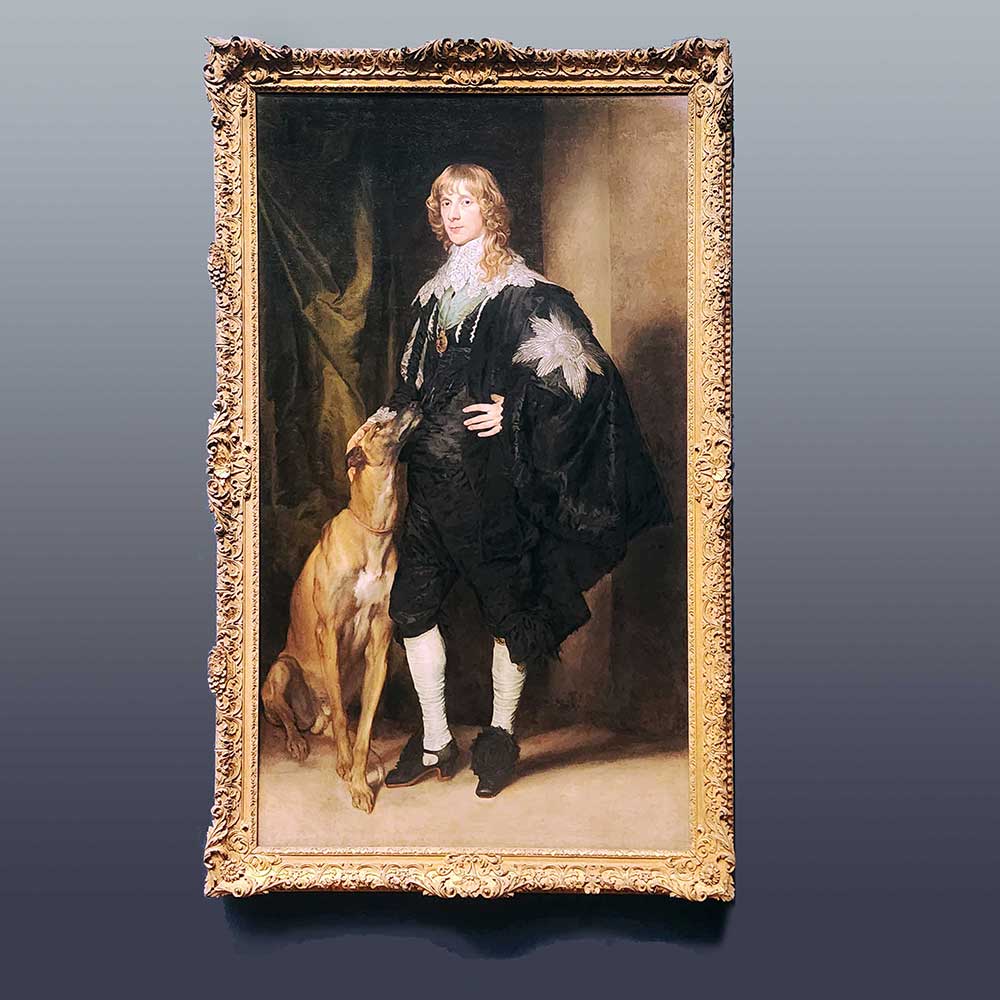
Anthony van Dyck, Flemish, Antwerp 1599–1641, James Stuart, The Met Fifth Avenue, New York City.
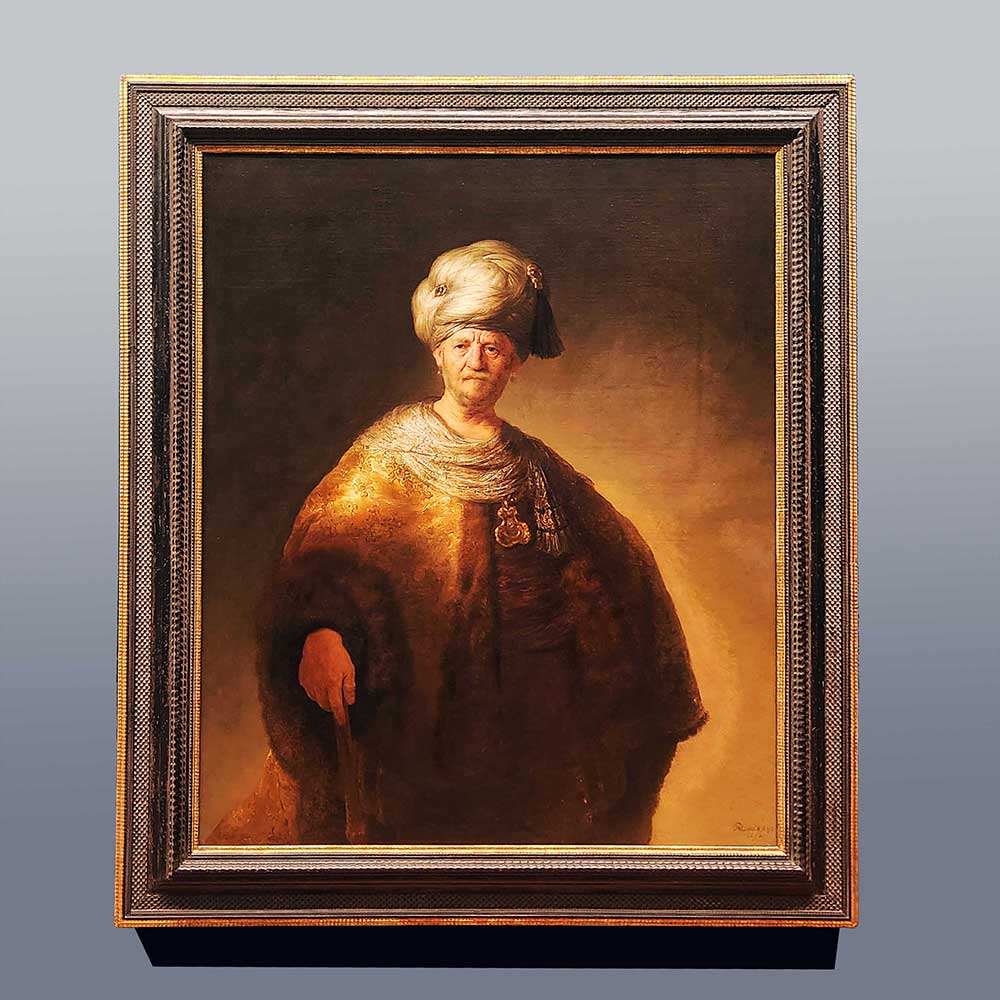
Rembrandt van Rijn, Dutch, (1606–1669), Man in a Turban, 1632, The Met Fifth Avenue, New York City.
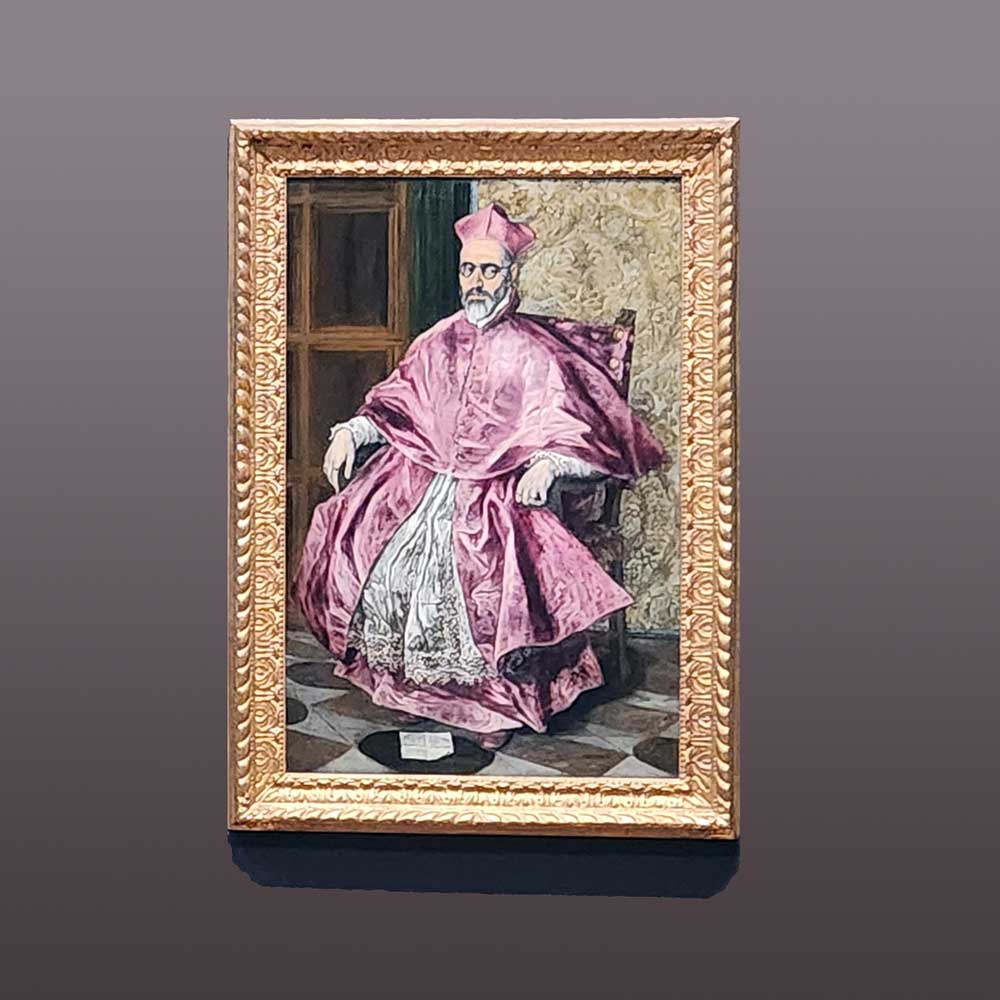
El Greco, Greek, (1541–1614), Cardinal Fernando Niño de Guevara, 1600, The Met Fifth Avenue, New York City.
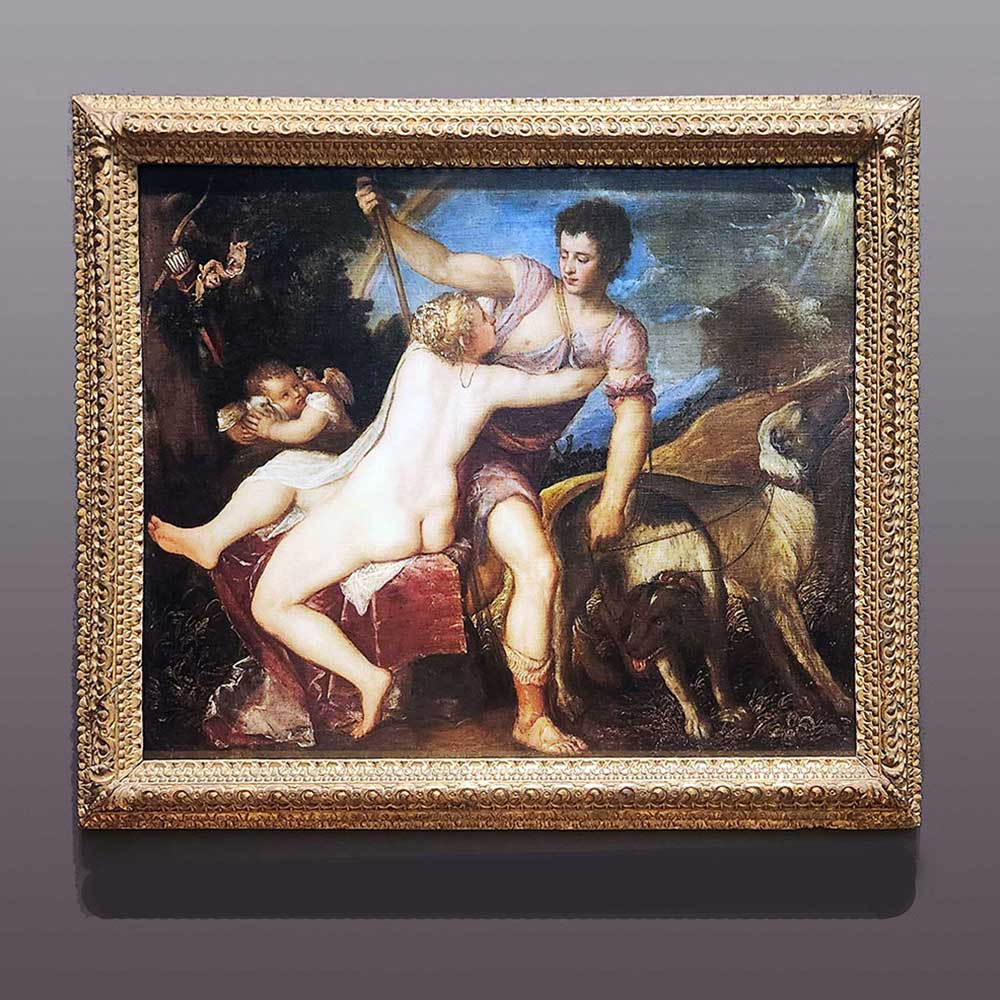
Titian, (Tiziano Vecellio) Italian, (1485/90–1576), Venus and Adonis, 1550, The Met Fifth Avenue, New York City.
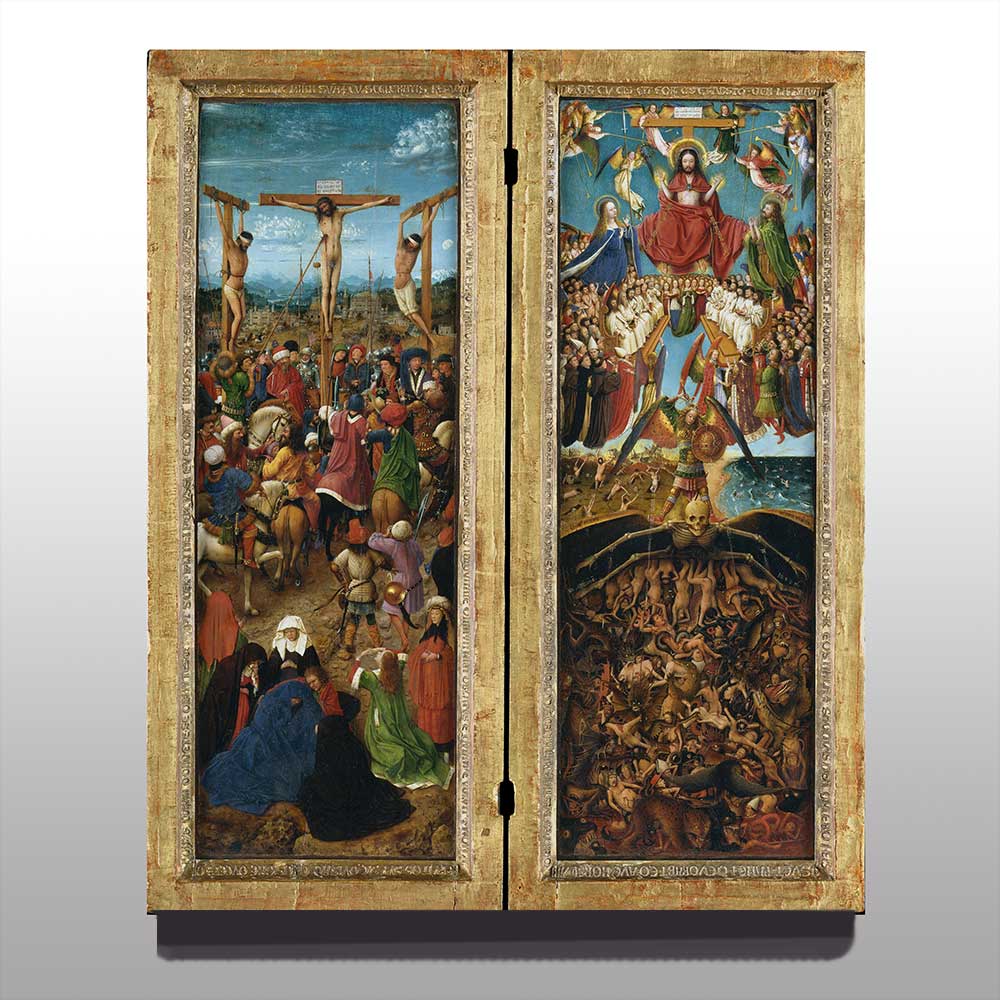
Jan van Eyck, Netherlandish, (1390–1441), The Crucifixion; The Last Judgment, 1436–38, The Met Fifth Avenue, New York City.
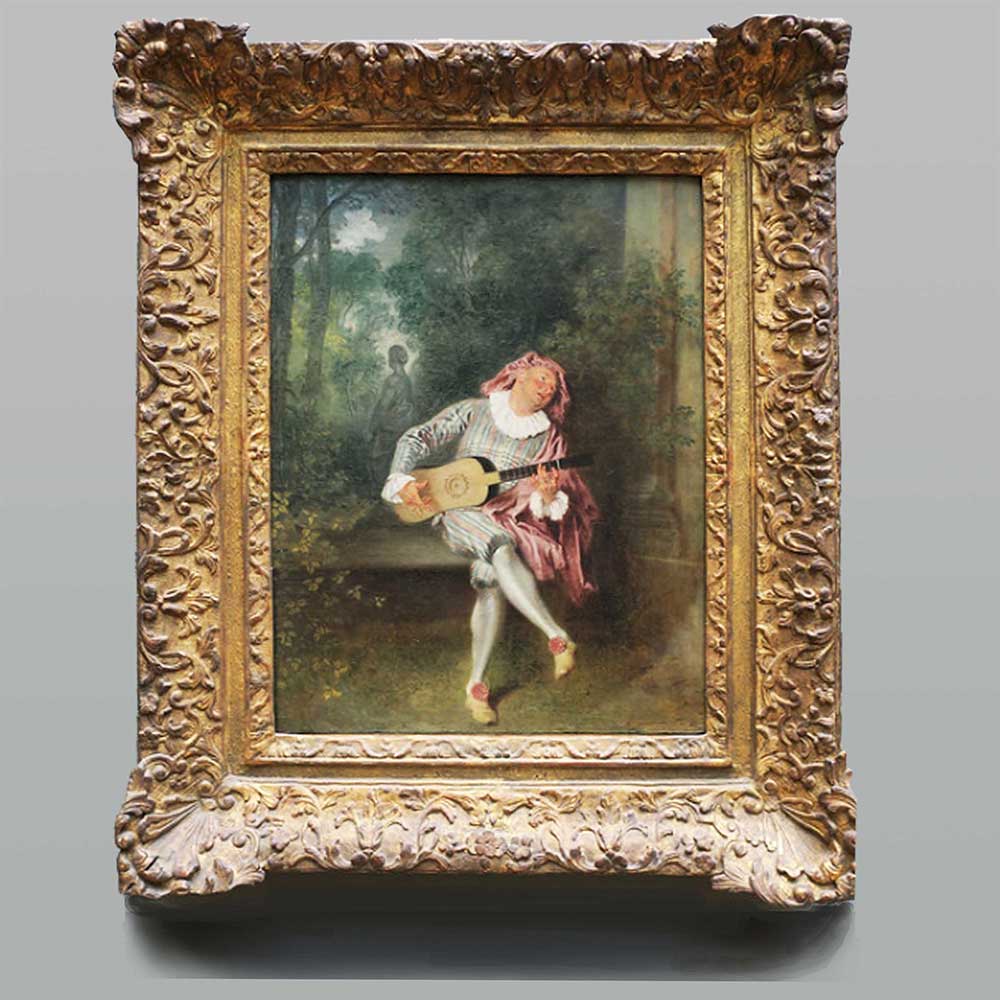
Antoine Watteau, French, (1684–1721) Mezzetin, 1720, Gallery 629, The Met Fifth Avenue, New York City.
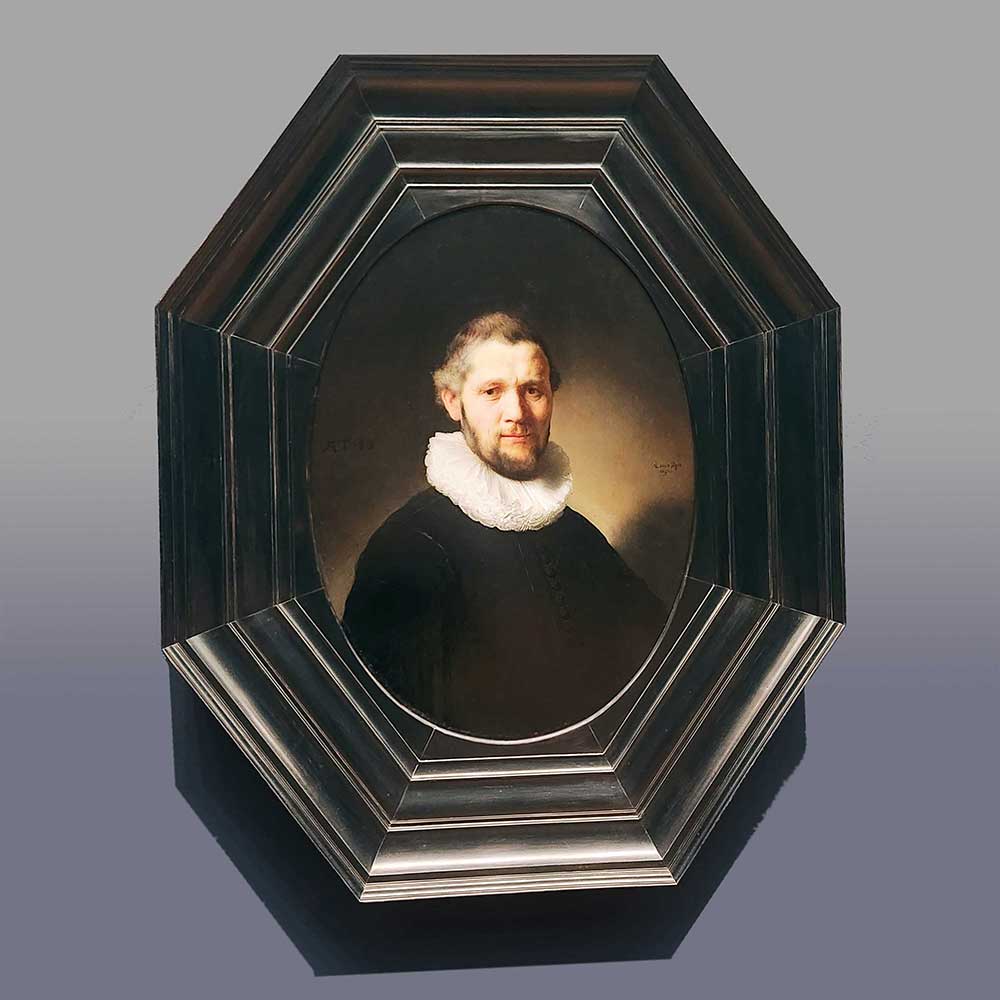
Rembrandt van Rijn, Dutch, (1606–1669), Portrait of a Man, 1632, The Met Fifth Avenue, New York City.
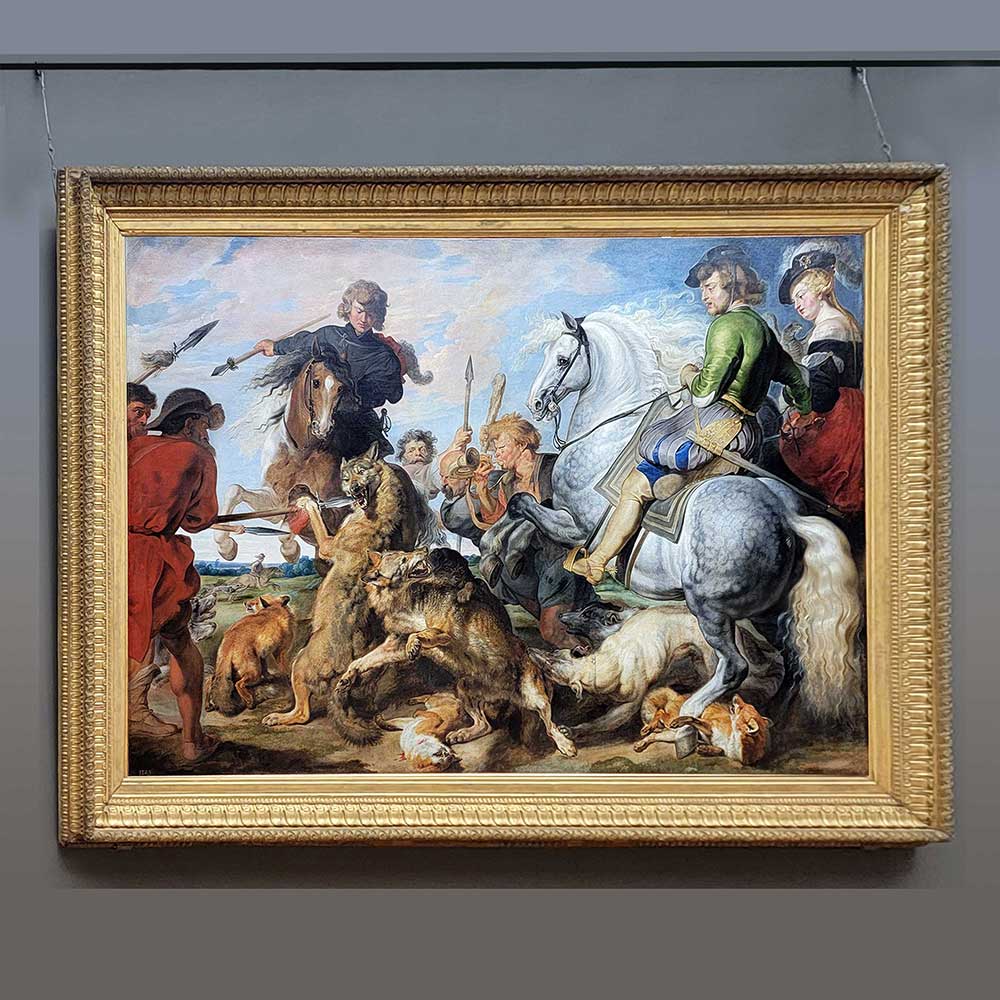
Peter Paul Rubens Flemish, (1577–1640), Wolf and Fox Hunt, 1616, The Met Fifth Avenue, New York City.
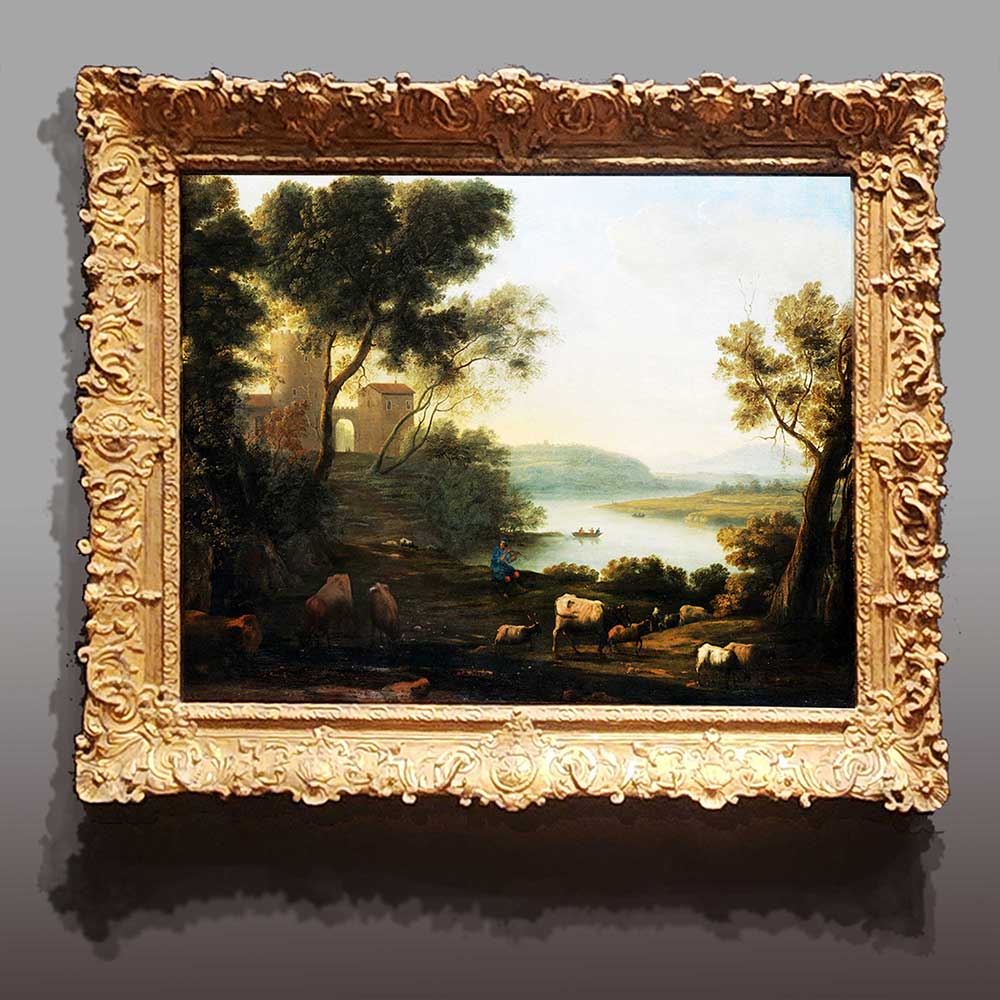
Claude Lorrain, French, 1604–1682, Pastoral Landscape: The Roman Campagna, 1639, The Met Fifth Avenue, New York City.
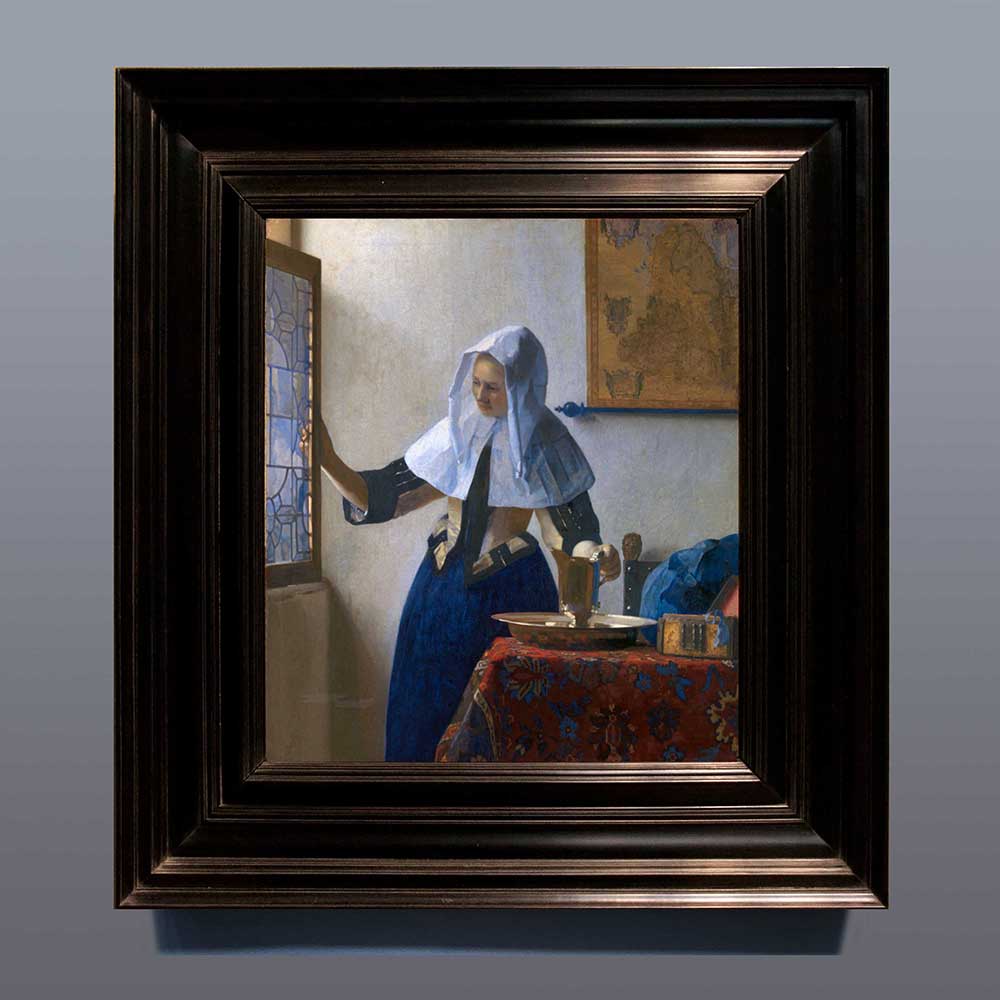
Johannes Vermeer, Dutch, Delft, 1632–1675), Young Woman with a Water Pitcher, 1662, The Met Fifth Avenue, New York City.
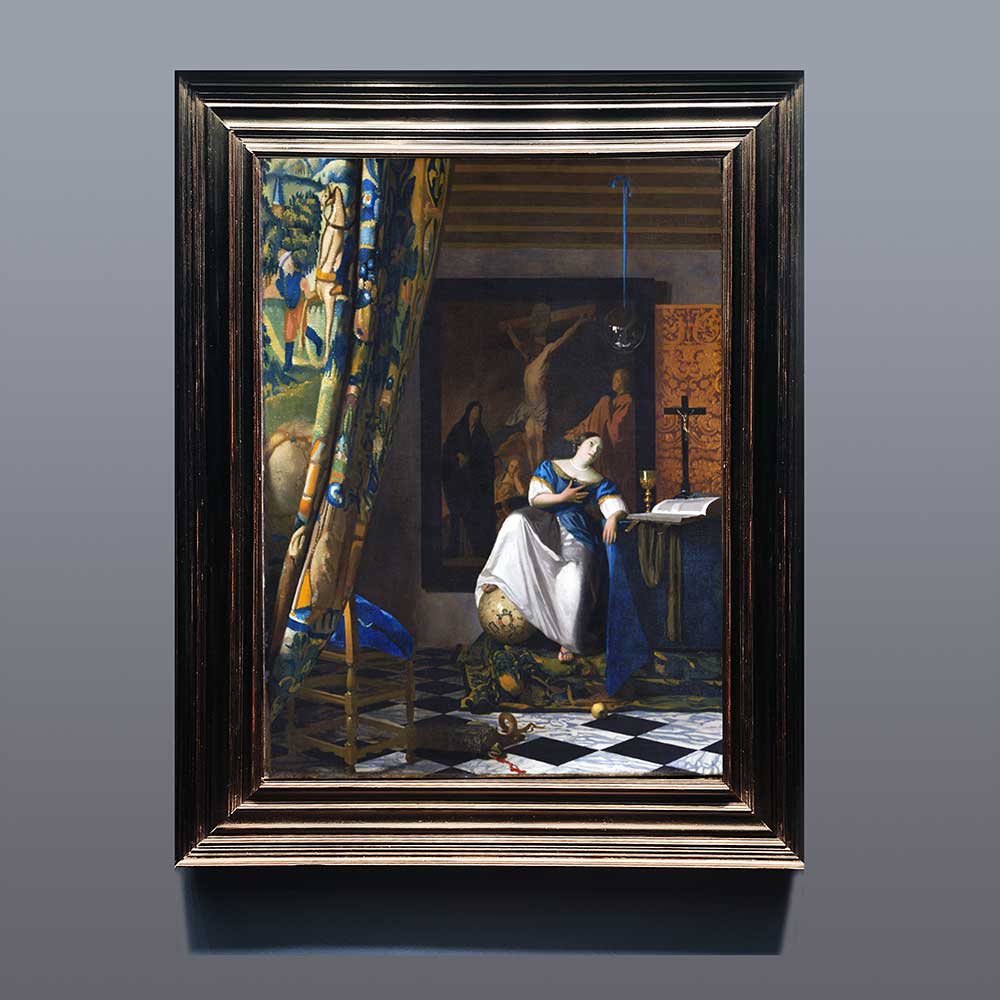
Johannes Vermeer, Dutch, Delft, 1632–1675), Allegory of the Catholic Faith, 1672, The Met Fifth Avenue, New York City.
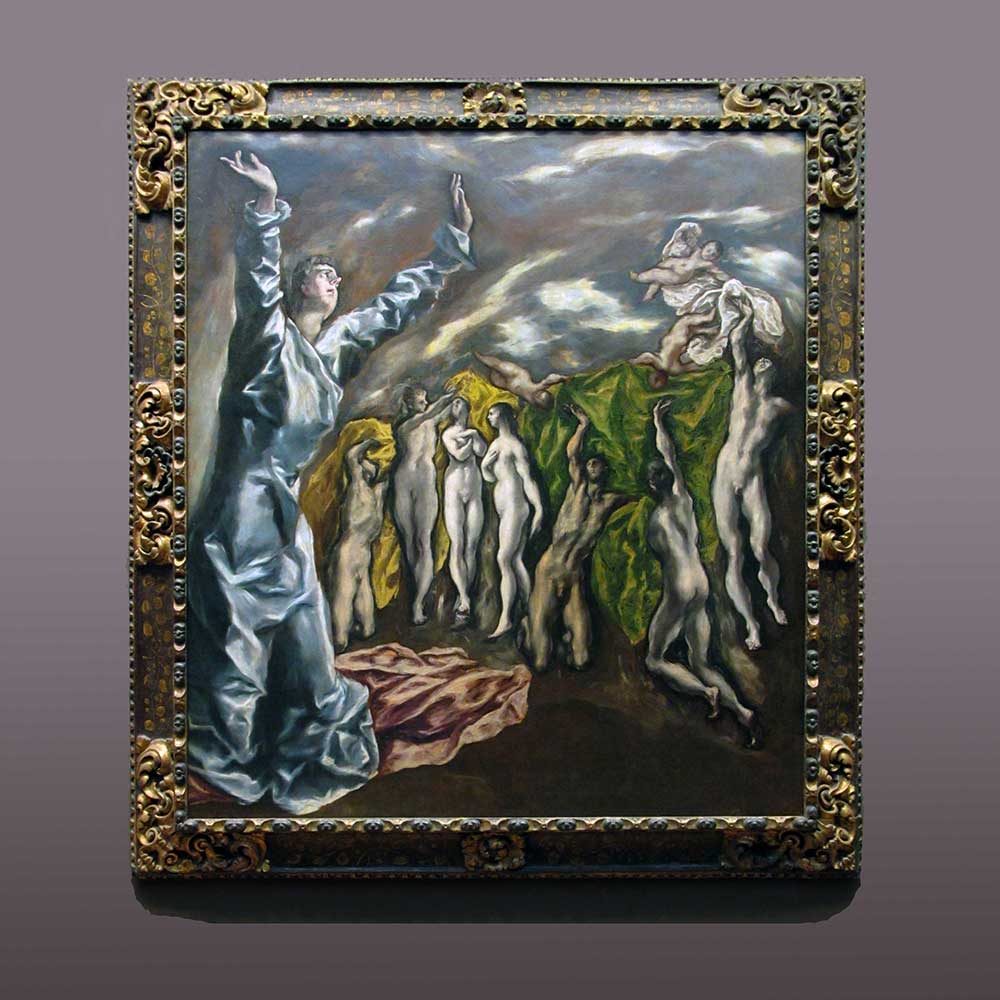
El Greco (Domenikos Theotokopoulos) Greek, (1541–1614), The Vision of Saint John, 1614, The Met Fifth Avenue, New York City.
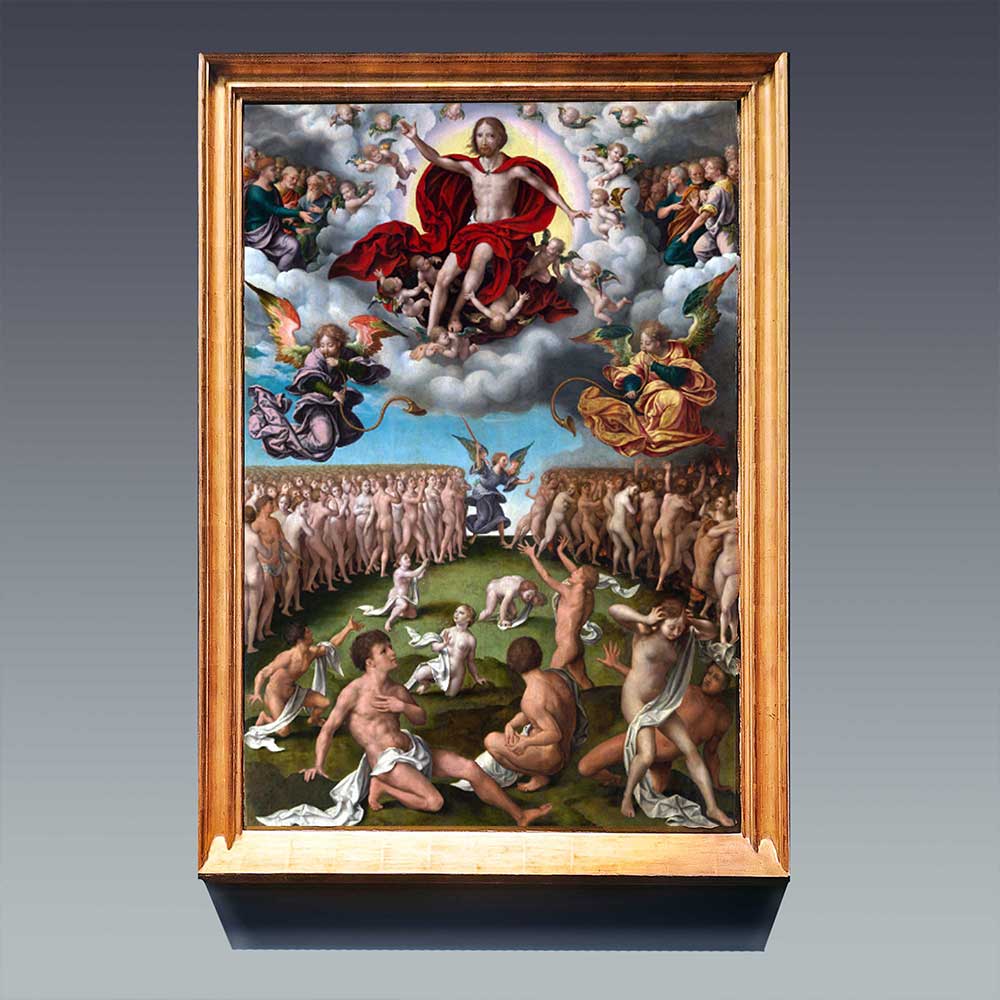
Joos van Cleve, Netherlandish, (1485–1540/41), The Last Judgment, 1530, The Met Fifth Avenue, New York City.
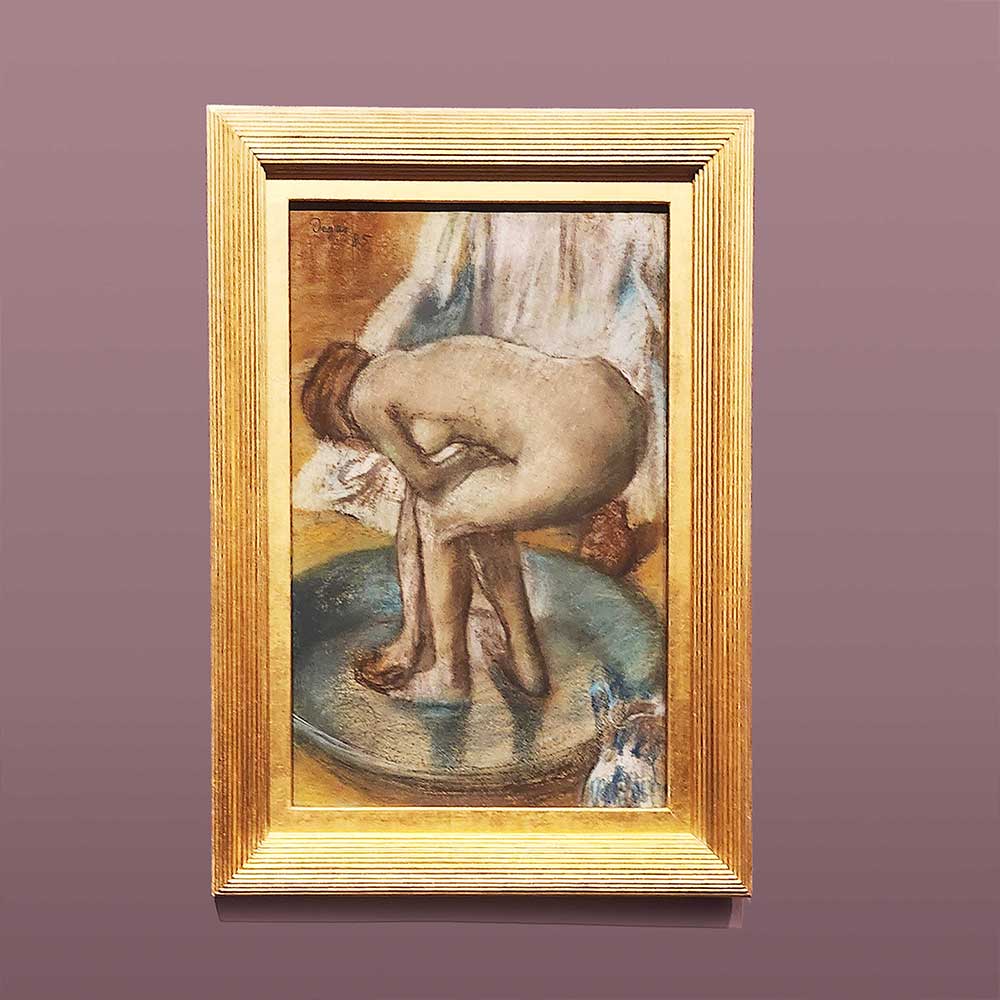
Edgar Degas (1834–1917), Woman in a Bathtub, 1885, in collaboration with the Musées d’Orsay et de l’Orangerie, Paris, and The Met Fifth Avenue, New York City.
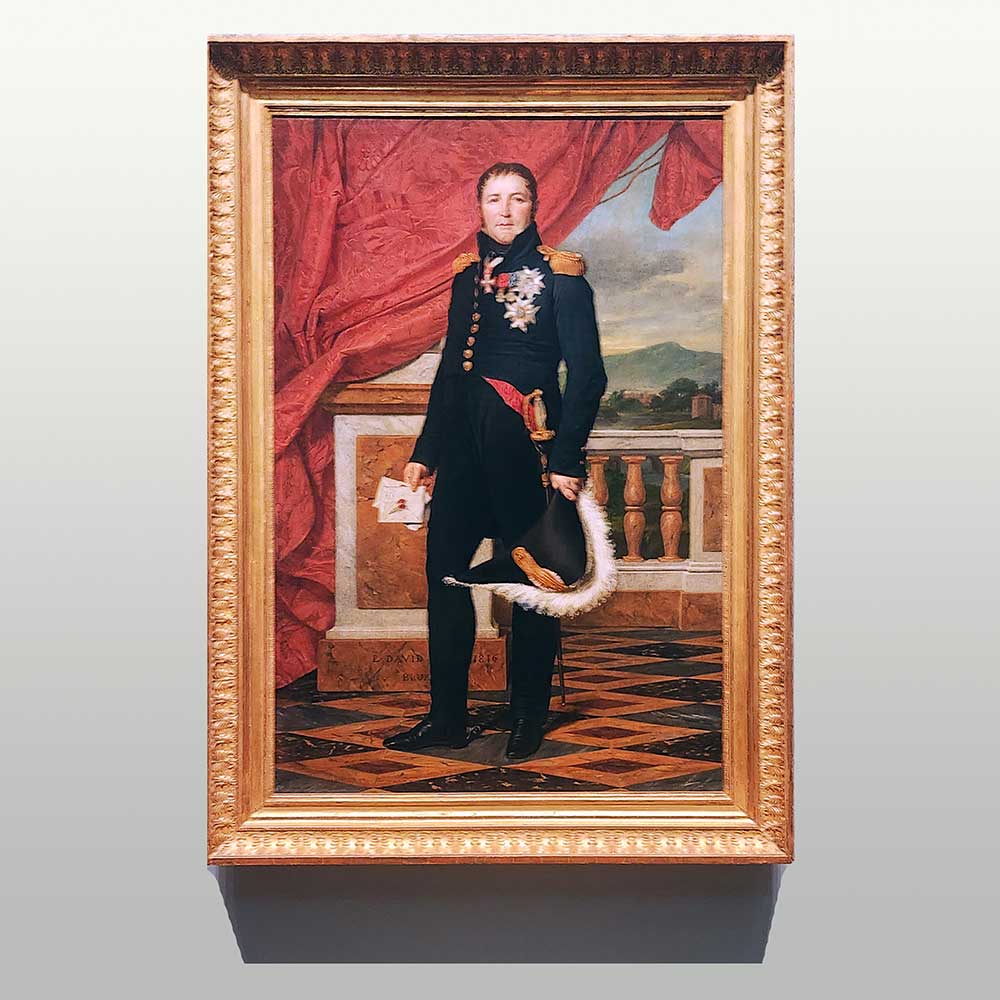
Jacques Louis David, French, (1748–1825), General Étienne-Maurice Gérard, 1816, The Met Fifth Avenue, New York City.
Jacques Louis David, French, (1748–1825), Antoine Laurent Lavoisier and Marie Anne Lavoisier, 1788, The Met Fifth Avenue, New York City.
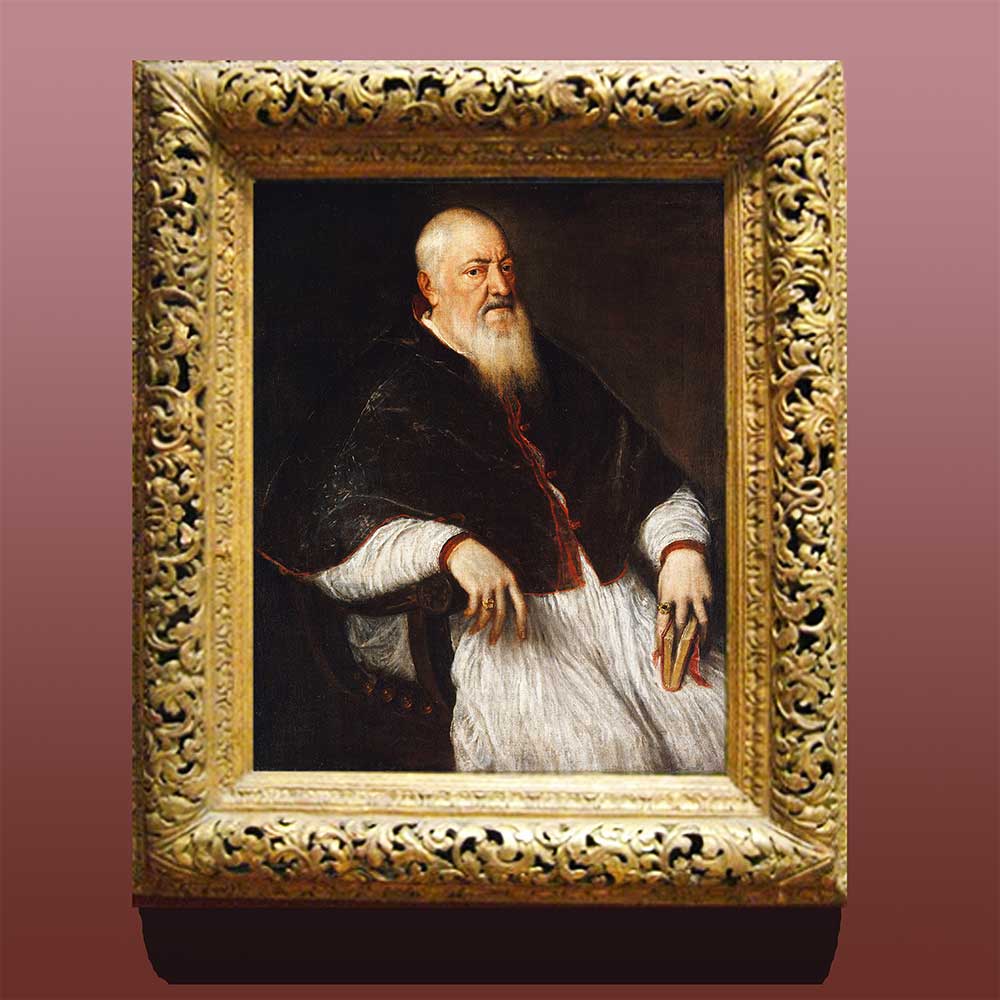
Titian, (Tiziano Vecellio) Italian, (1485/90?–1576), Filippo Archinto, Archbishop of Milan, 1550, Gallery 608, The Metropolitan Museum of Art in New York City.
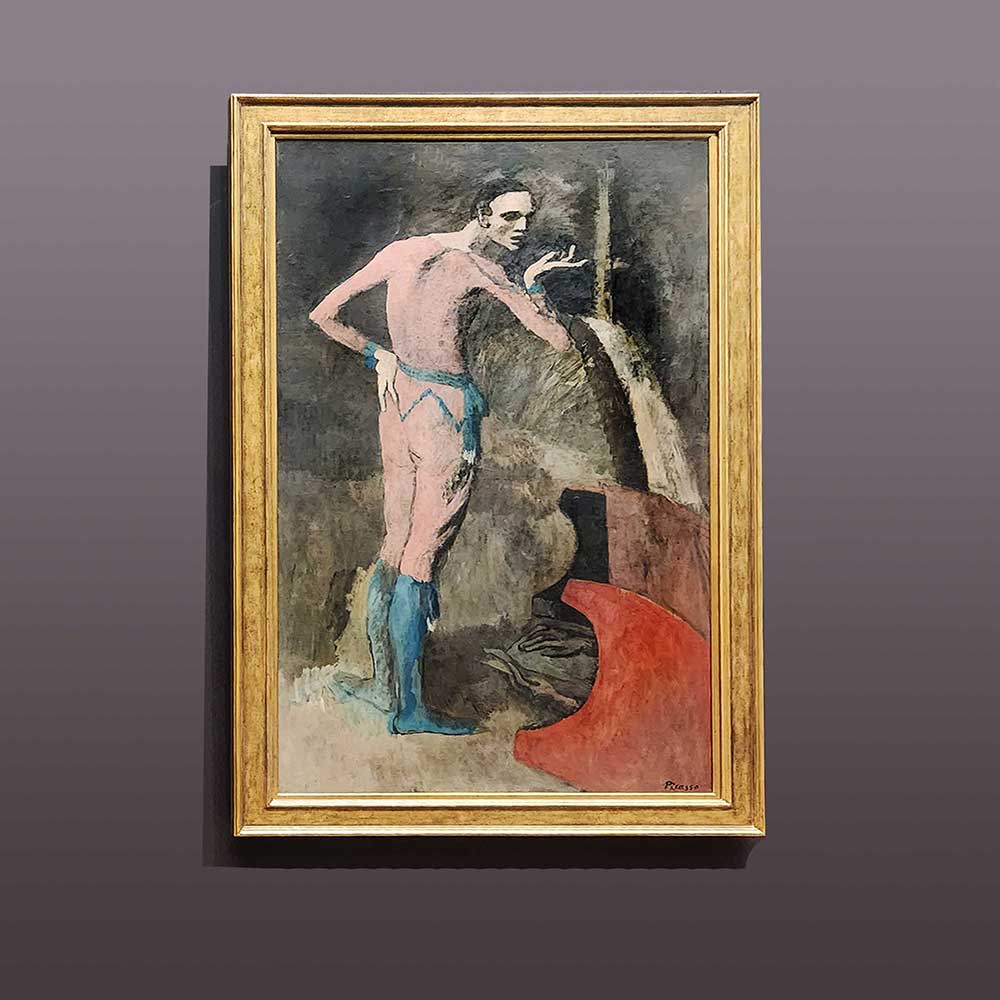
Pablo Picasso, Spanish, (1881–1973), The Actor, 1905, Gallery 619, The Metropolitan Museum of Art in New York City.
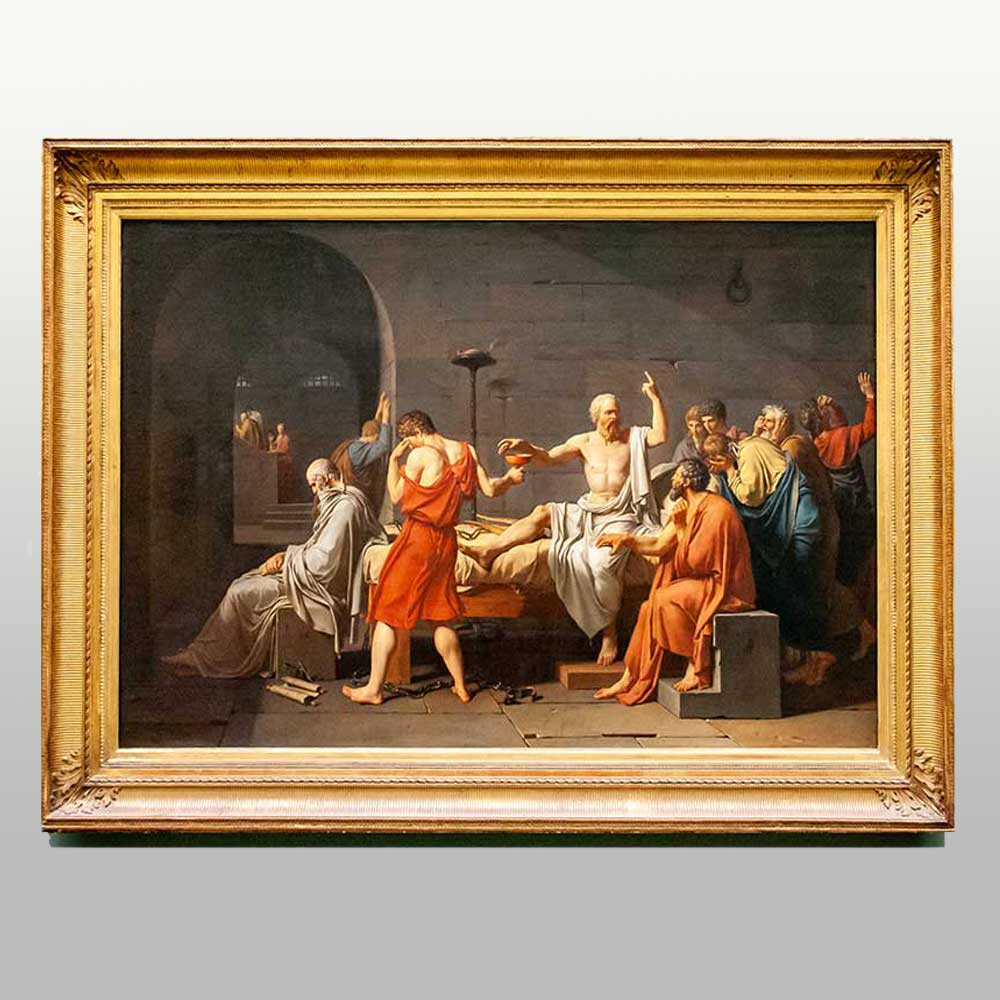
The Death of Socrates Painting by Jacques-Louis David, 1787, The Met Fifth Avenue, New York City.
The British Atlantic World, Gallery 628, The Metropolitan Museum of Art in New York City.
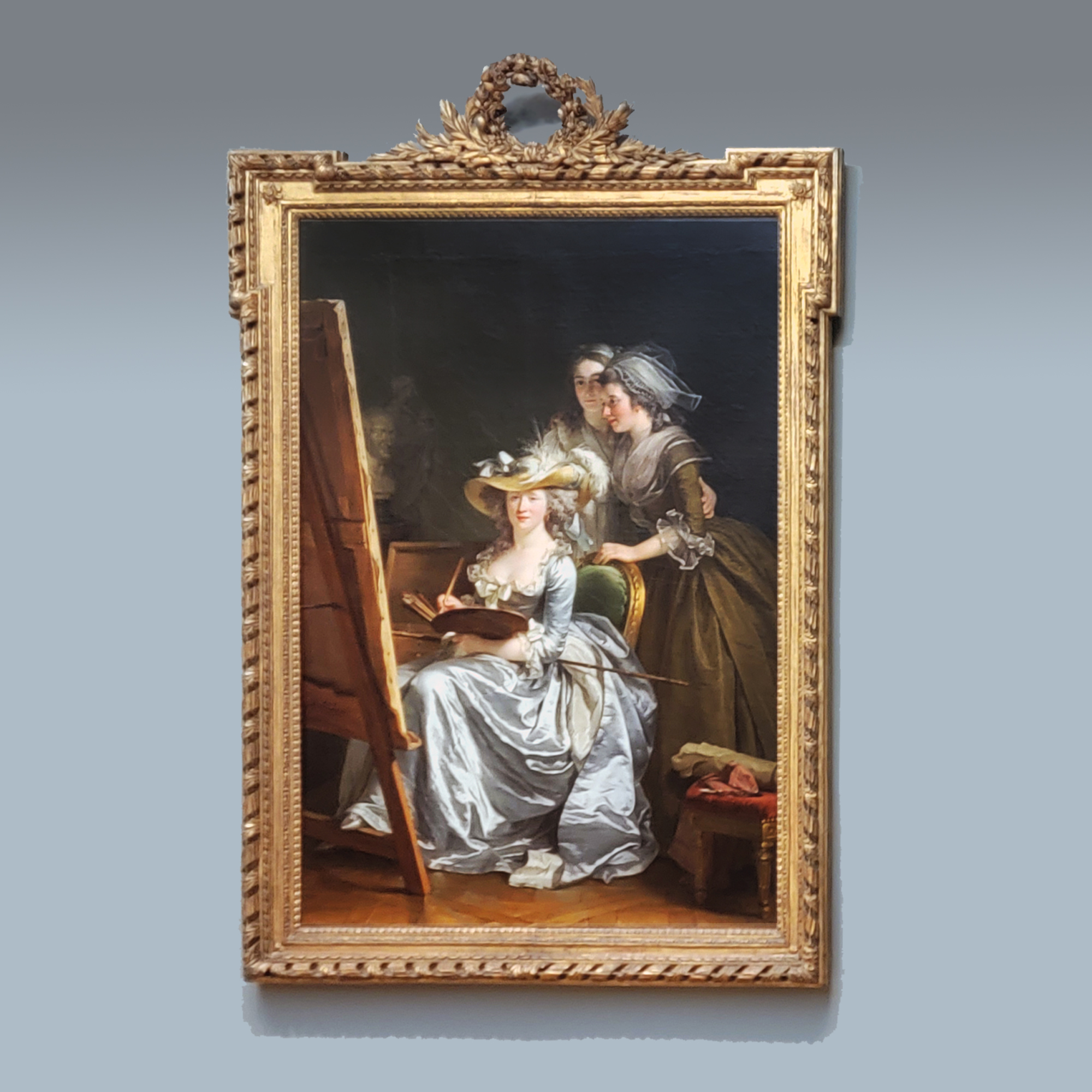
Adélaïde Labille-Guiard, French, (1749–1803) Self-Portrait with Two Pupils, Marie Gabrielle Capet and Marie Marguerite Carreaux de Rosemond, 1785, The Met Fifth Avenue, New York City.
Michelangelo At The Met
Michelangelo, Divine Draftsman and Designer: November 13, 2017–February 12, 2018; My snapshots of this once-in-a-lifetime exhibition displaying a rich collection of Michelangelo's drawings, marble sculptures, and his earliest paintings.
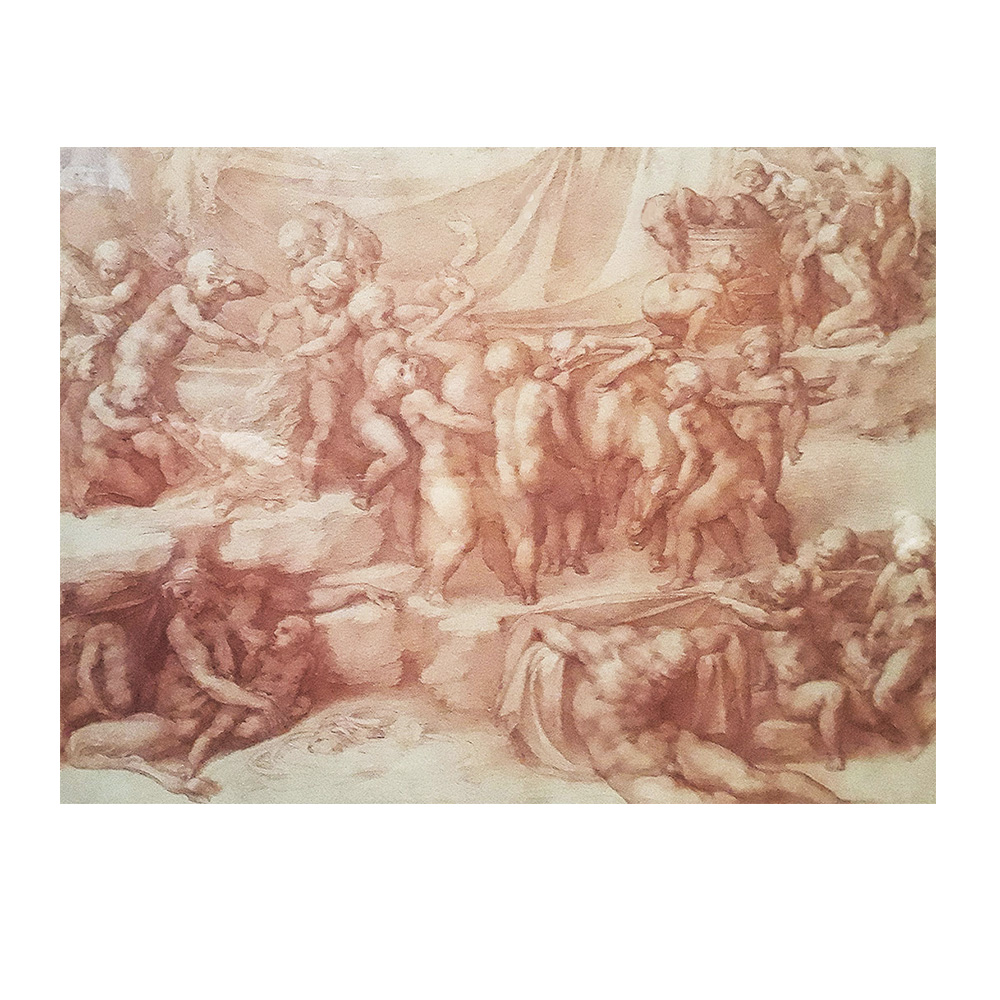
Michelangelo Buonarroti (1475–1564), Bacchanal of Children, 1532, Royal Collection of HM Queen Elizabeth II, UK.
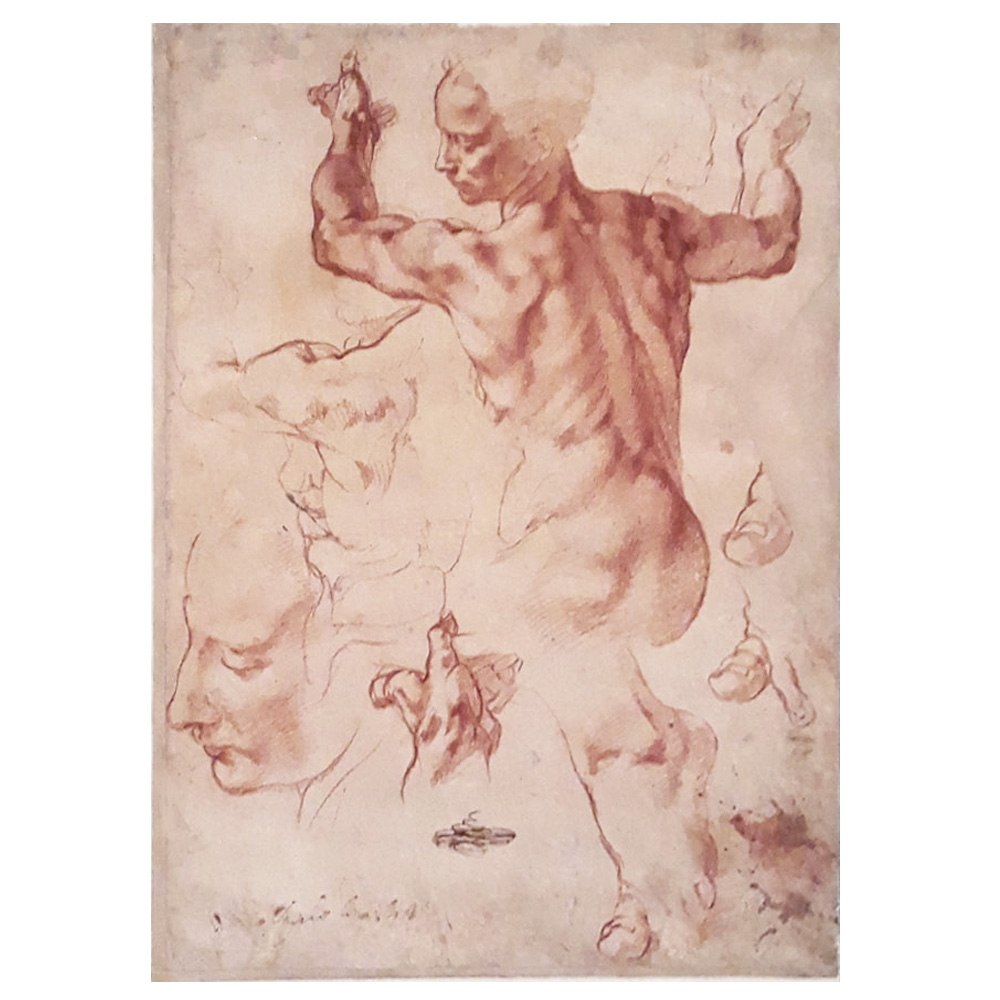
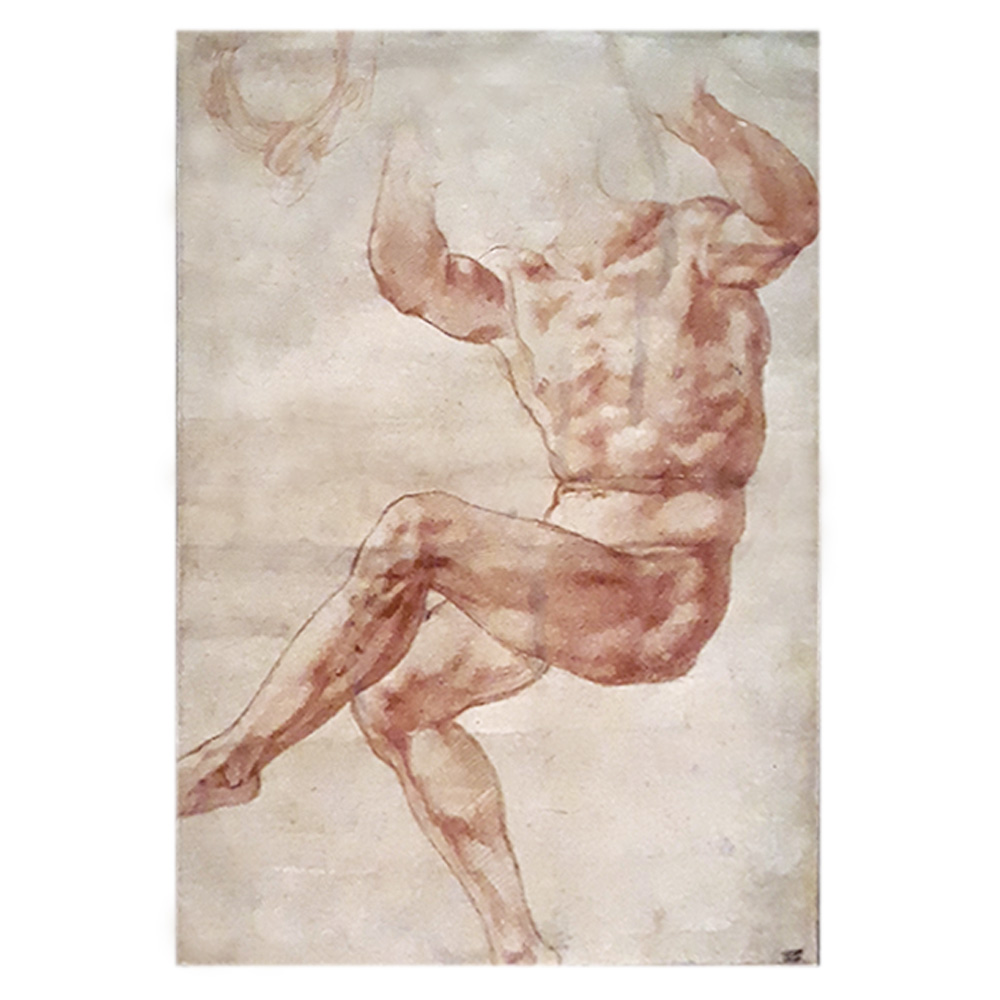
Michelangelo Buonarroti (1475–1564), Studies for the Libyan Sibyl and a small Sketch for a Seated Figure, 1511, Collection of The Met Fifth Avenue, NYC.
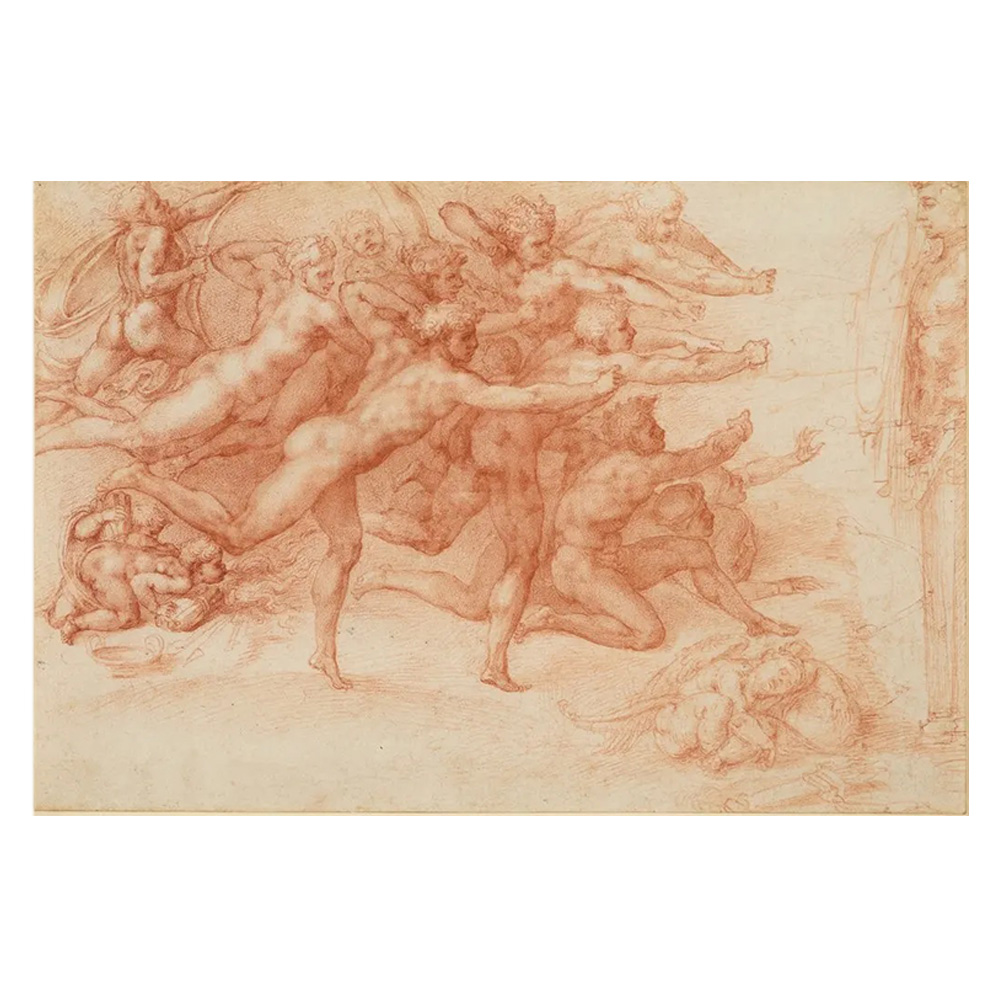
Michelangelo Buonarroti (1475–1564), Archers Shooting at a Herm, Red chalk on paper, Royal Collection Trust / © Her Majesty Queen Elizabeth II 2017, UK.
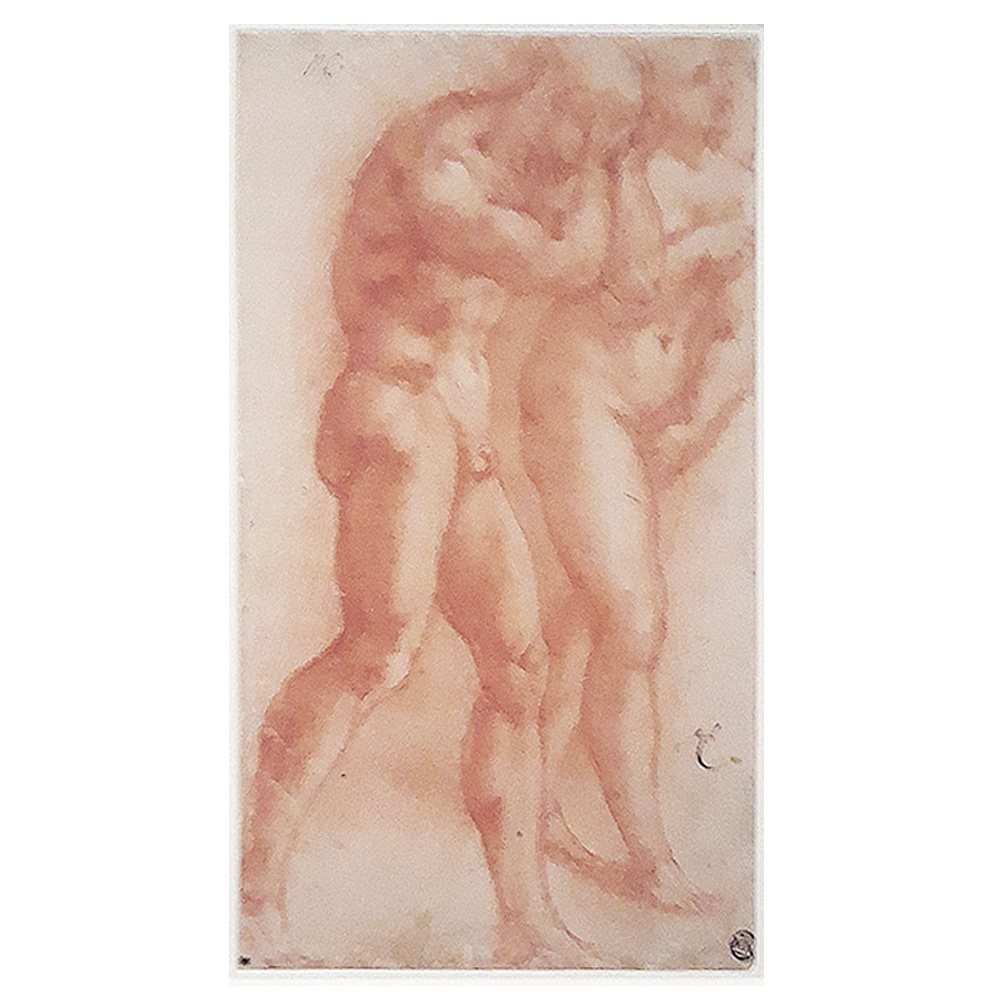
Michelangelo Buonarroti (1475–1564), Expulsion from Paradise after Masaccio, red chalk on paper, copy sketch for the Sistine Chapel ceiling frescoe of the same story, 1512, Collection of The Met Fifth Avenue, NYC.
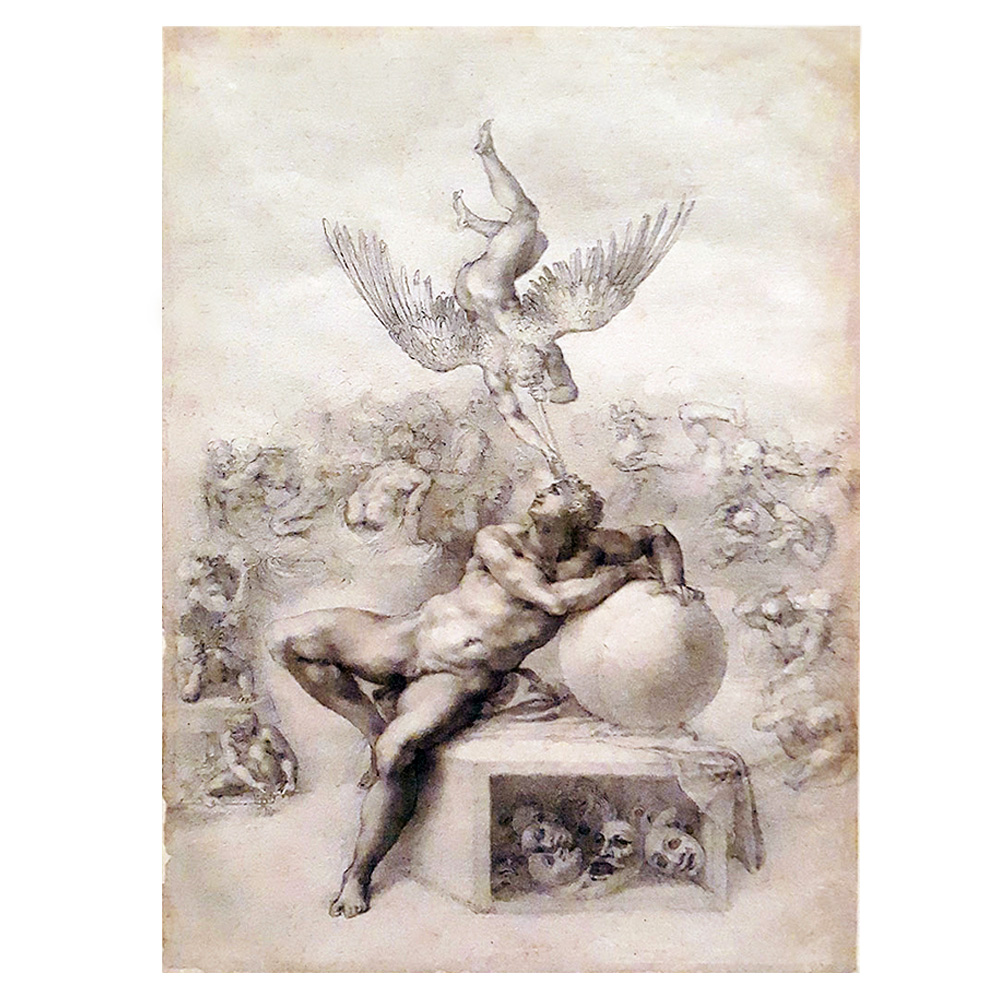
Michelangelo Buonarroti (1475–1564), Dream of Human Life, 1533, Black chalk on paper, The Courtauld Gallery, London, UK.
Michelangelo Buonarroti (1475–1564), Study for the Head of the Cumaean Sibyl, Black chalk with touches of white gouache, 1508-10, Biblioteca Reale, Turin, Italy.
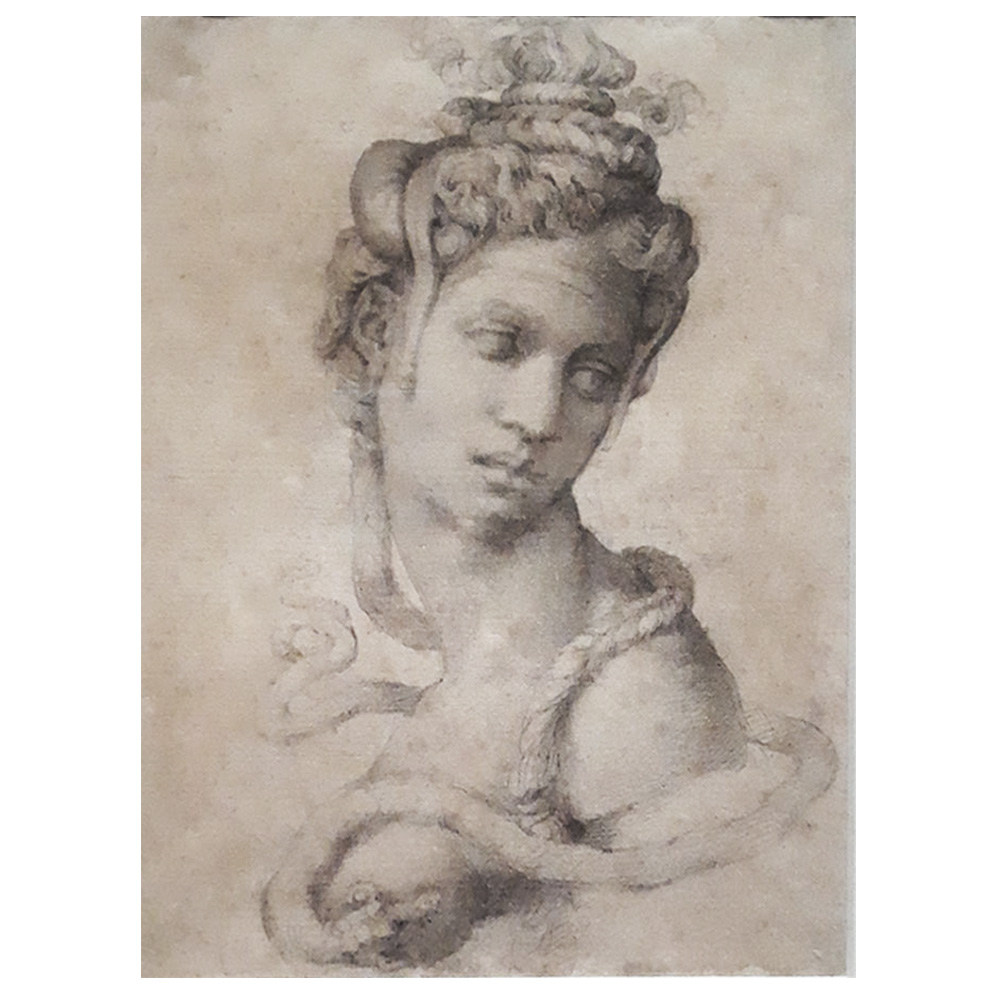
Michelangelo Buonarroti (1475–1564), Cleopatra in Bust Length, Black chalk on paper, 1535, Casa Buonarroti, Florence, Italy.
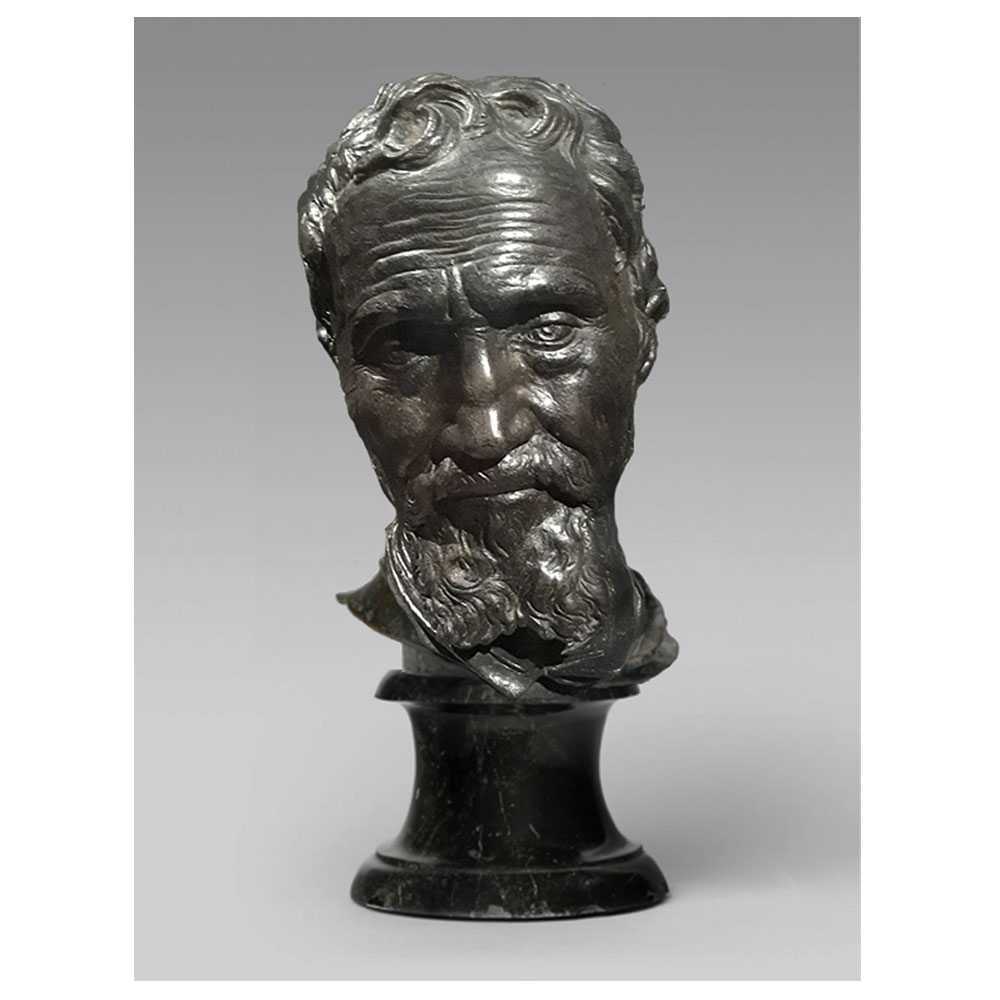
Bronze bust of Michelangelo, 1560, Daniele da Volterra, (Italian sculptor, 1509–1566), Louvre Museum, France. (Daniele is infamous for covering over the genitals in Michelangelo's The Last Judgment fresco with fig-leaves)
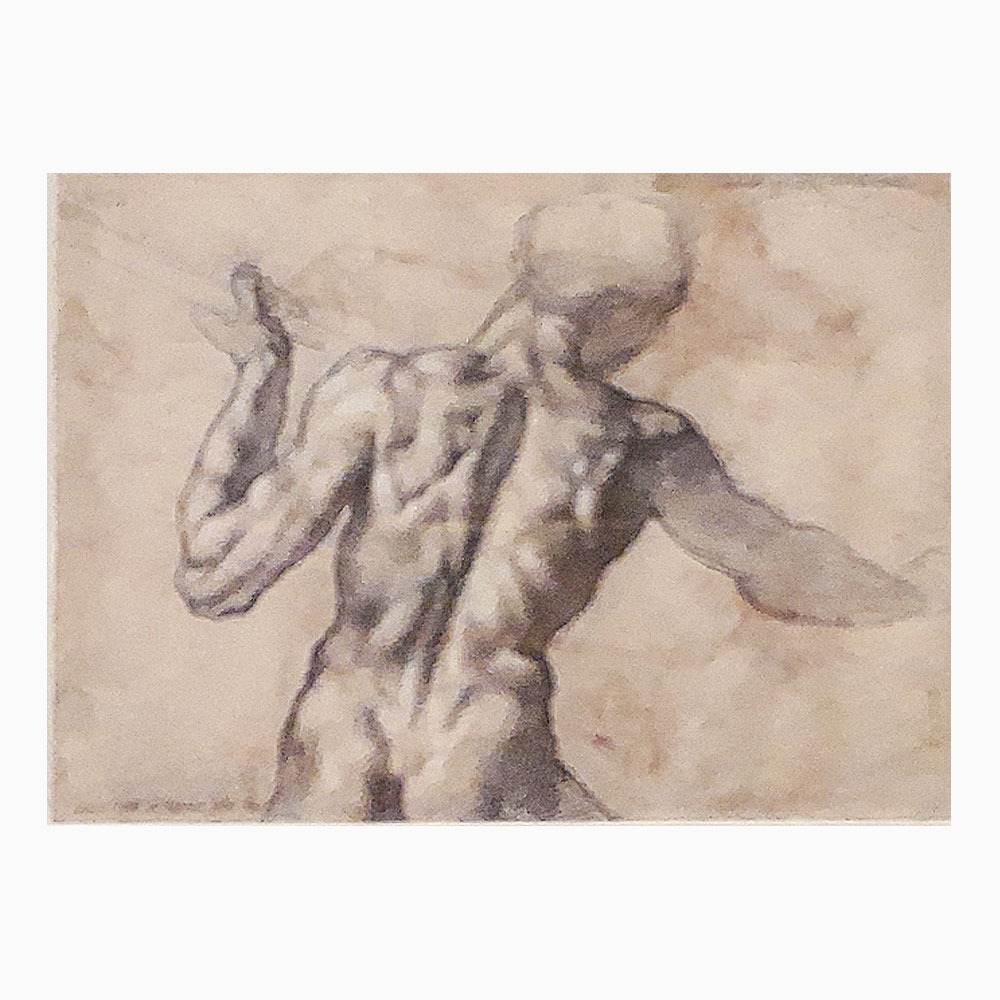
Michelangelo Buonarroti (1475–1564), Male Nude, Seen from the Rear (verso), Black chalk, heightened with white, on paper, 1504, Graphische Sammlung, Albertina Museum, Vienna, Austria.
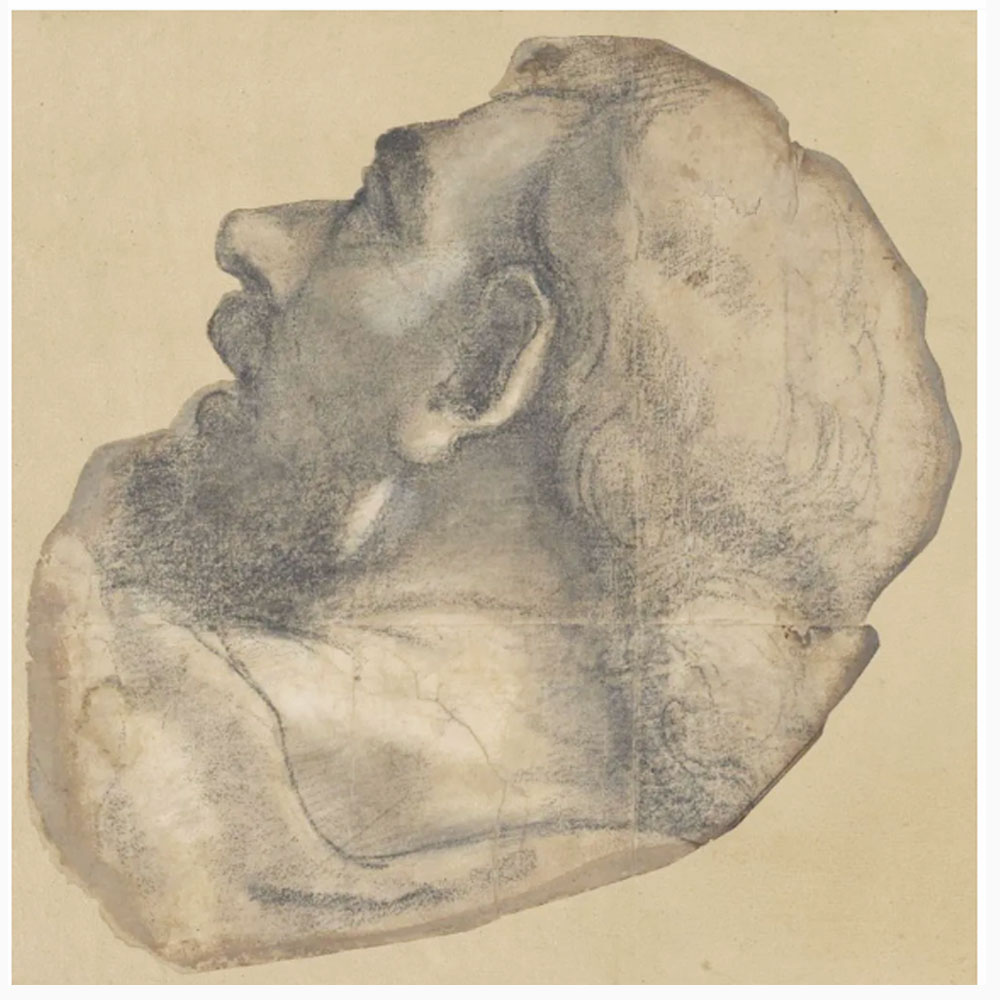
Sebastiano del Piombo (Italian painter, 1485–1547), Cartoon for the Head of Saint James, Black & white chalk, on two joined sheets of tan paper; silhouetted; pricked for transfer, 1520, The Getty Center, Los Angeles, CA, USA.
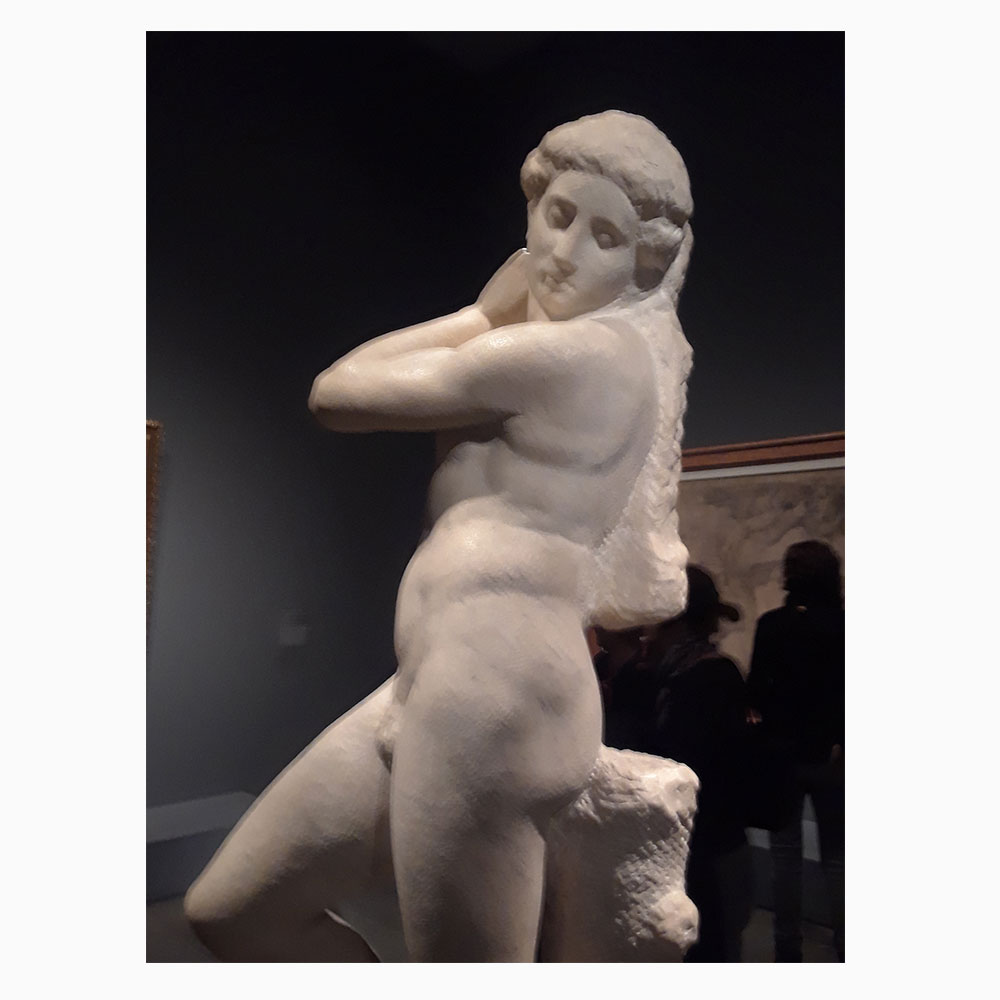
Michelangelo Buonarroti, (1475-1564), Apollo-David (unfinished), 1530, carved marble, Museo Nazionale del Bargello, Florence, Italy.
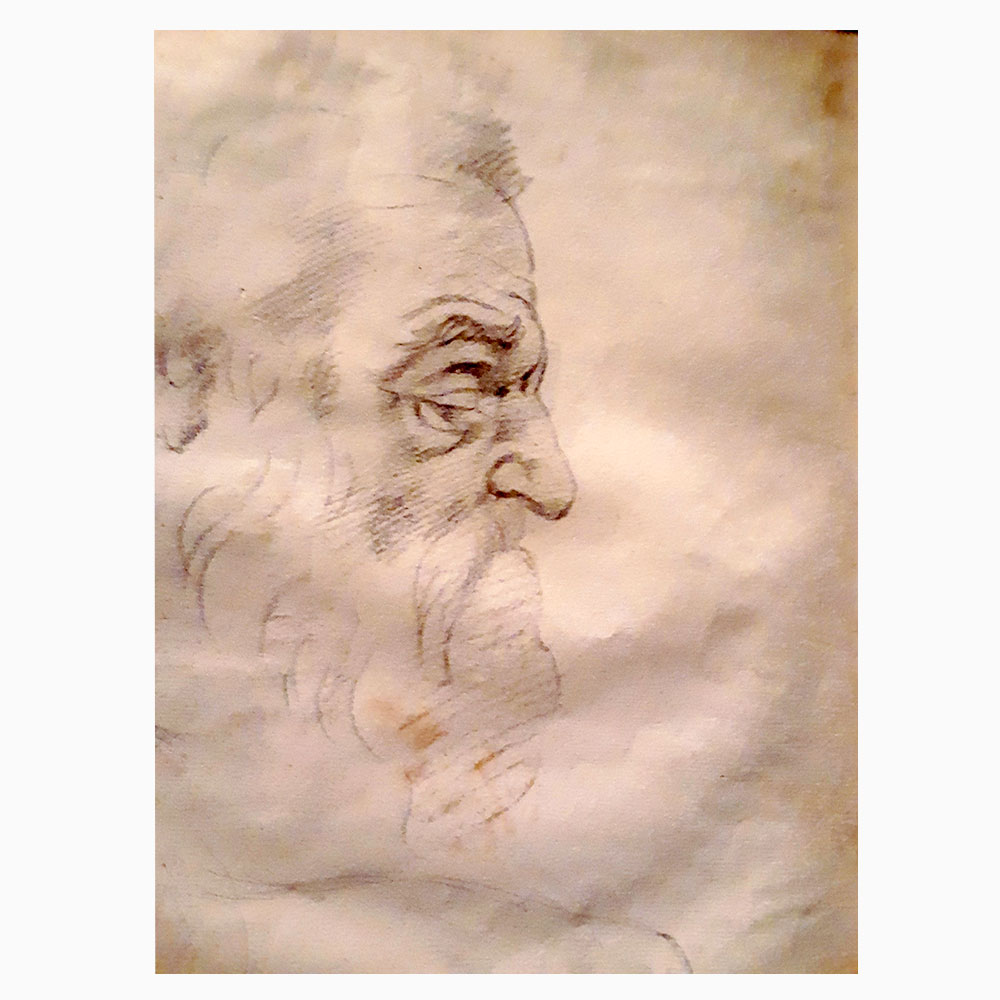
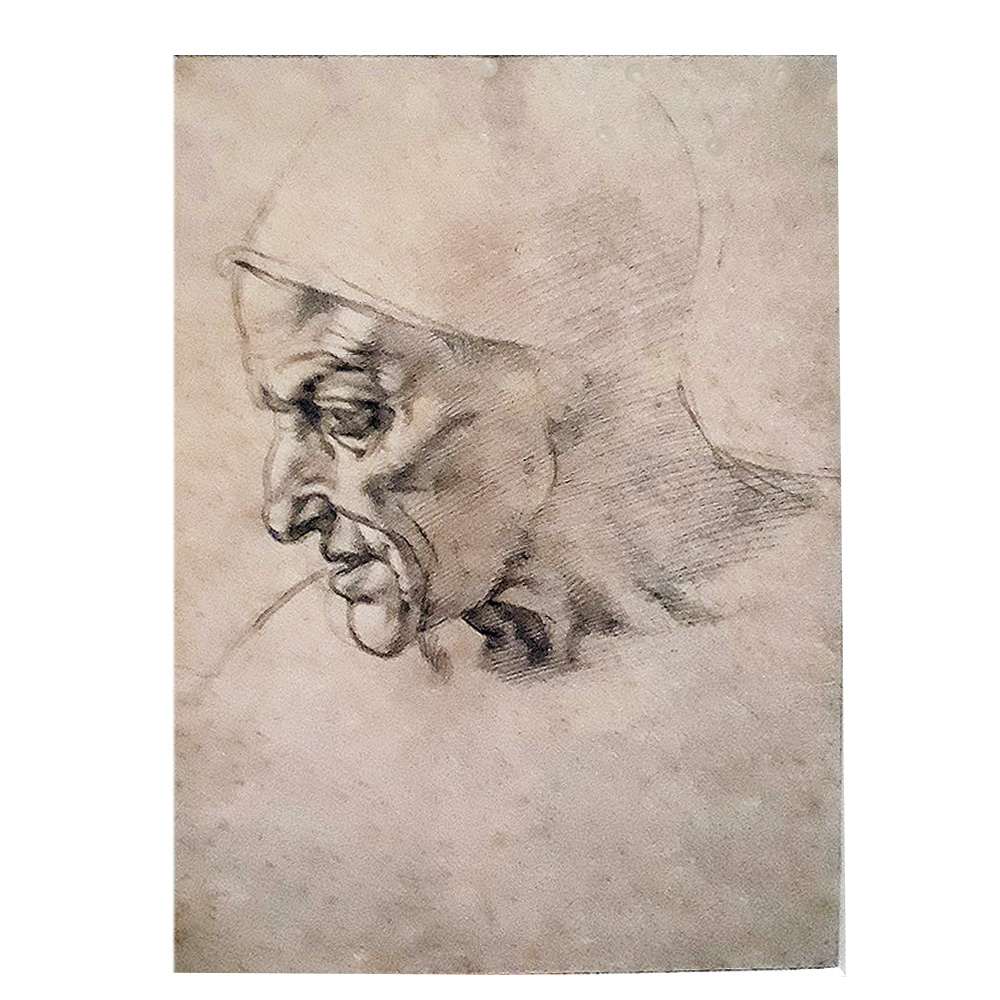
Michelangelo Buonarroti, (1475-1564), Bearded Head in Profile (recto), black chalk on paper, 1508, Galleria degli Uffizi, Florence, Itlay.
Michelangelo Buonarroti, (1475-1564), Study for the Nude Youth over the Prophet Daniel, Sistine Chapel, Red & white chalk on paper, 1511, Cleveland Museum of Art, Cleveland, OH.
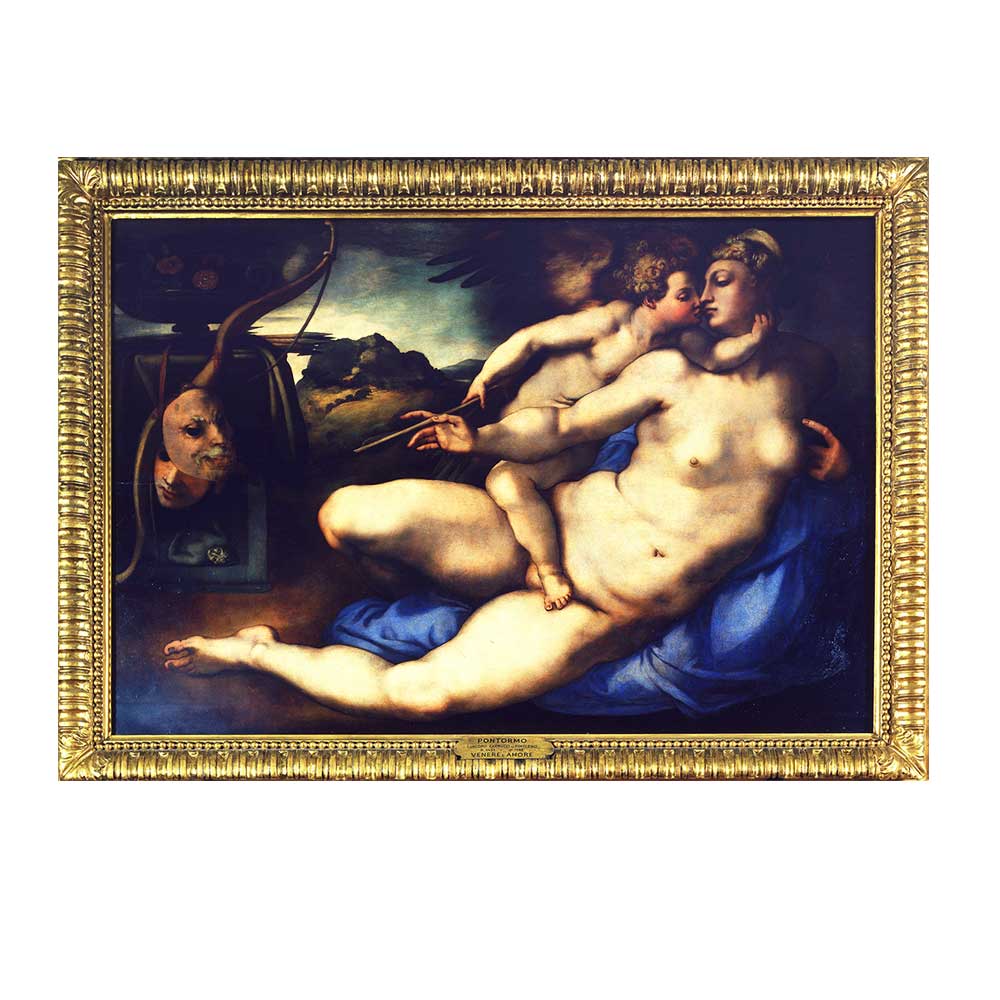
Jacopo Pontormo (1494-1557) Venus and Cupid, oil painting on panel, 1533, from a lost drawing by Michelangelo, Galleria dell'Accademia, Florence, Italy.
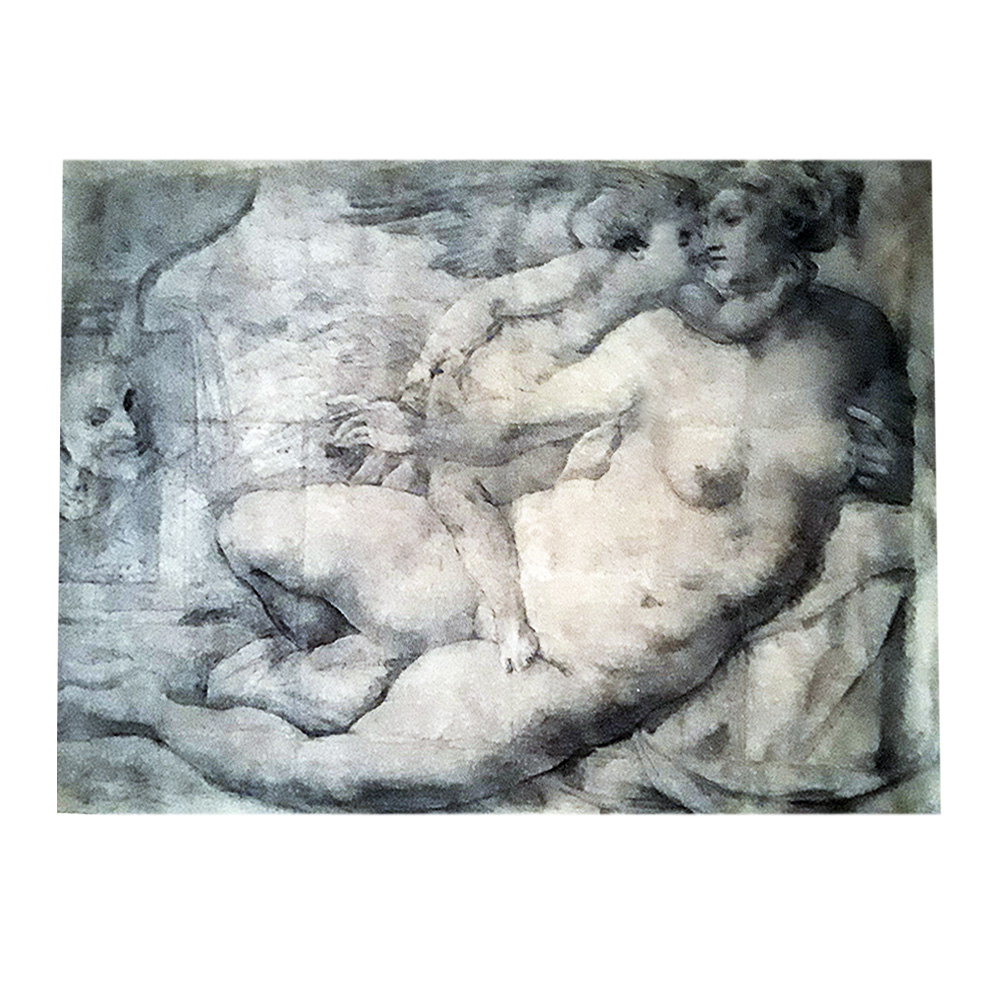
Michelangelo Buonarroti, (1475-1564), Cartoon of Venus Kissed by Cupid, 1535, charcoal on 19 sheets of paper, mounted on canvas, Museo e Real Bosco di Capodimonte, Gabinetto Disegni e Stampe, Naples, Italy.
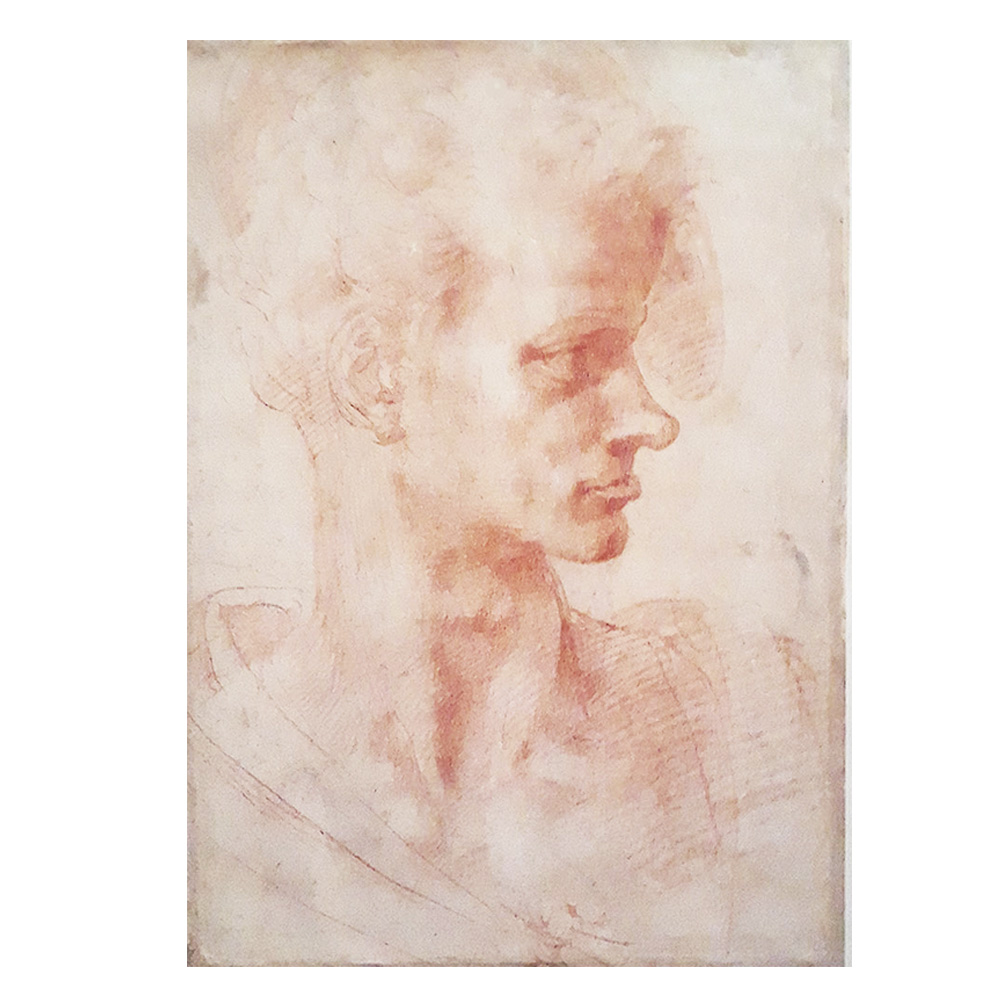
Michelangelo Buonarroti, (1475-1564), Study of a Man in Bust Length, (perhaps an assistant or laborer), Red chalk drawing on paper, 1525, Ashmolean Museum, Oxford, UK.
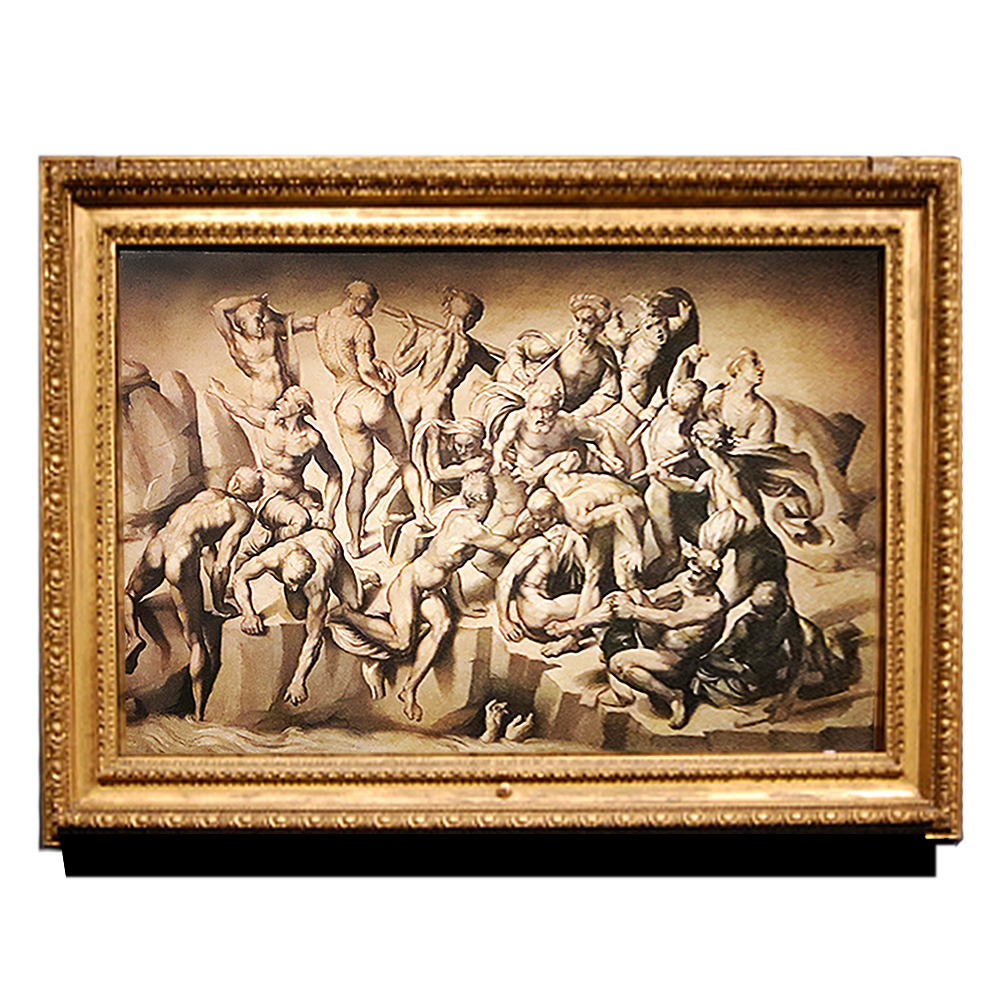
Michelangelo Buonarroti, (1475-1564), The Battle of Cascina, 1504, Michelangelo only created the preparatory drawing, Copy of the Battle by Michelangelo's pupil Aristotele da Sangallo, incomplete fresco for the Palazzo Vecchio, Florence, Italy.
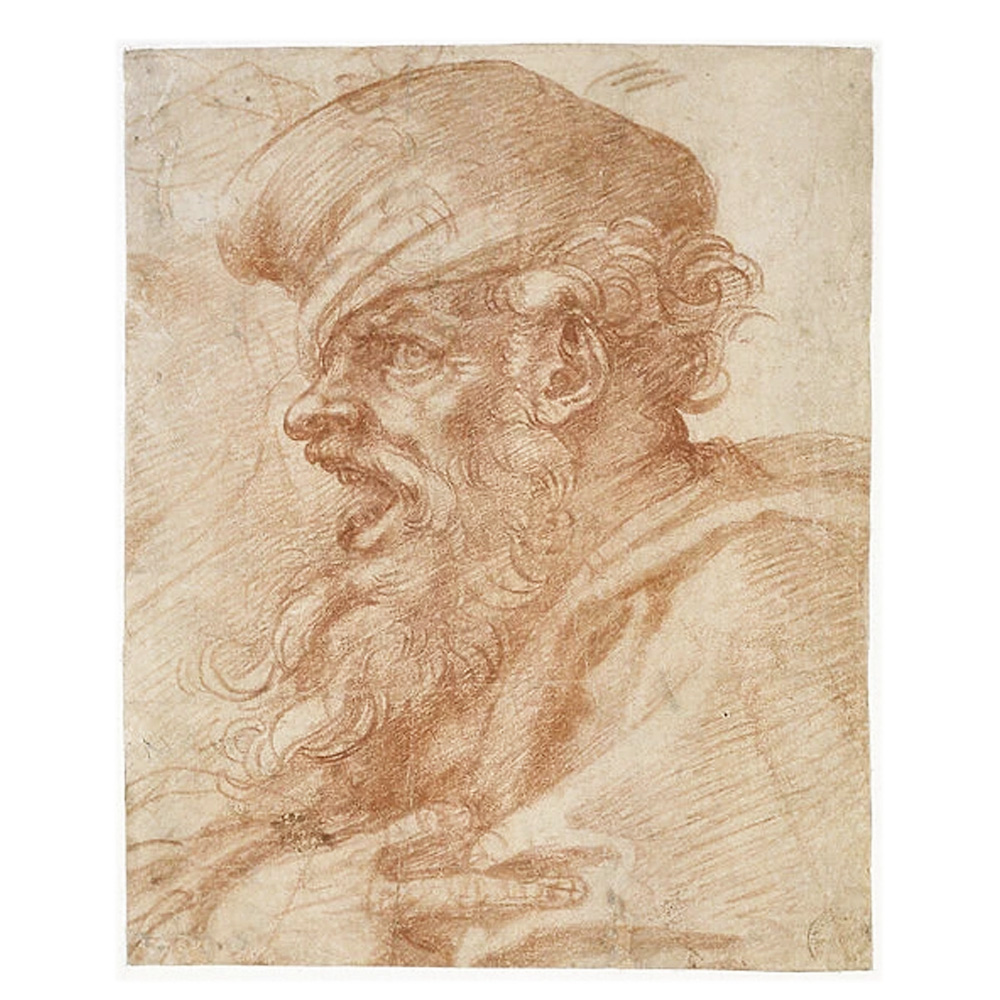
Michelangelo Buonarroti, (1475-1564), Head of a Bearded Man Shouting, 1525, red chalk on paper; Ashmolean Museum, University of Oxford, UK.
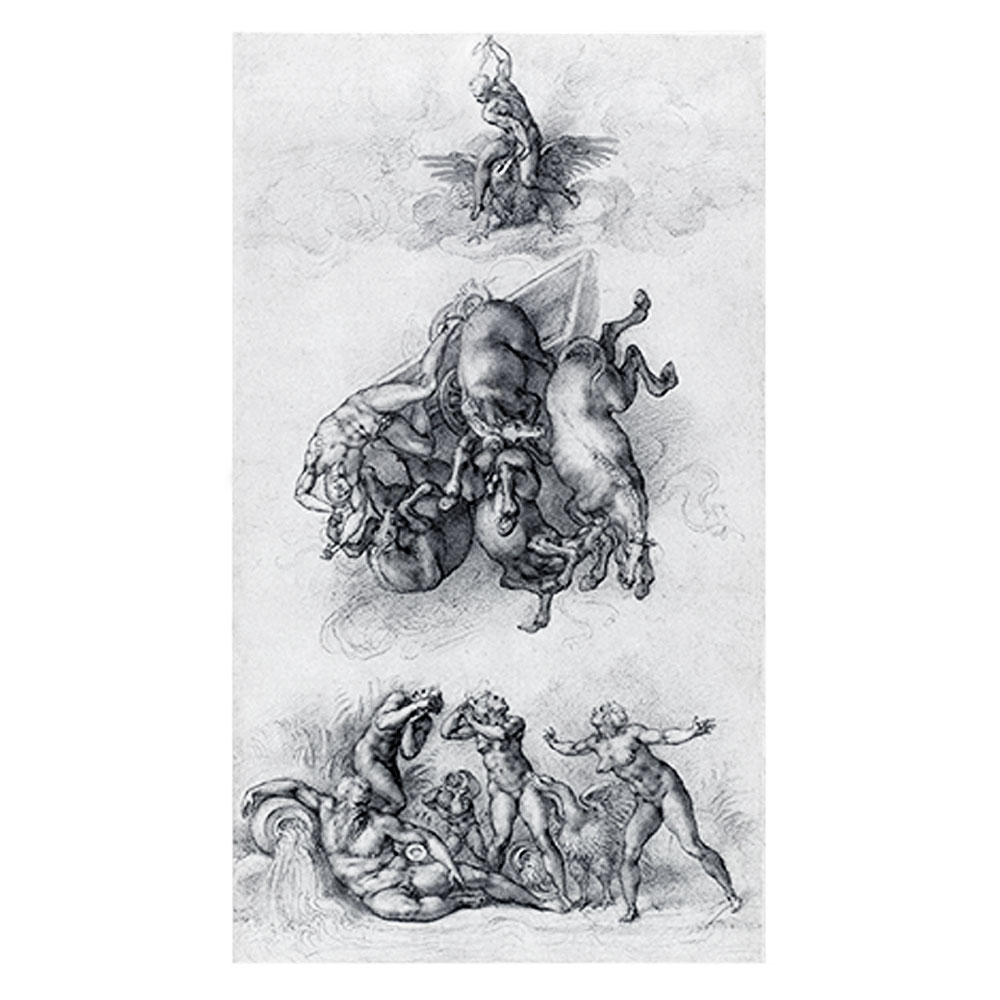
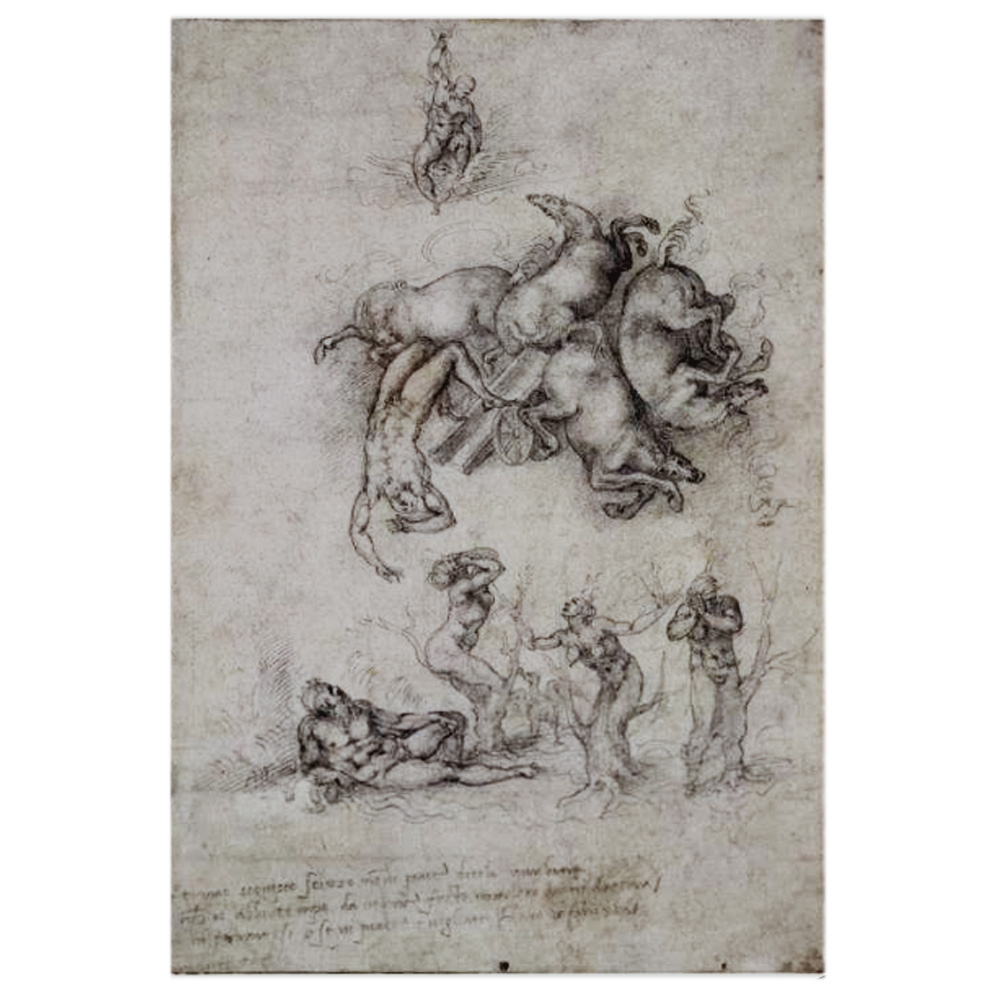
Michelangelo Buonarroti, (1475-1564), The Fall of Phaethon, Engraving, 1533, Black chalk, Royal Library, Windsor, UK.
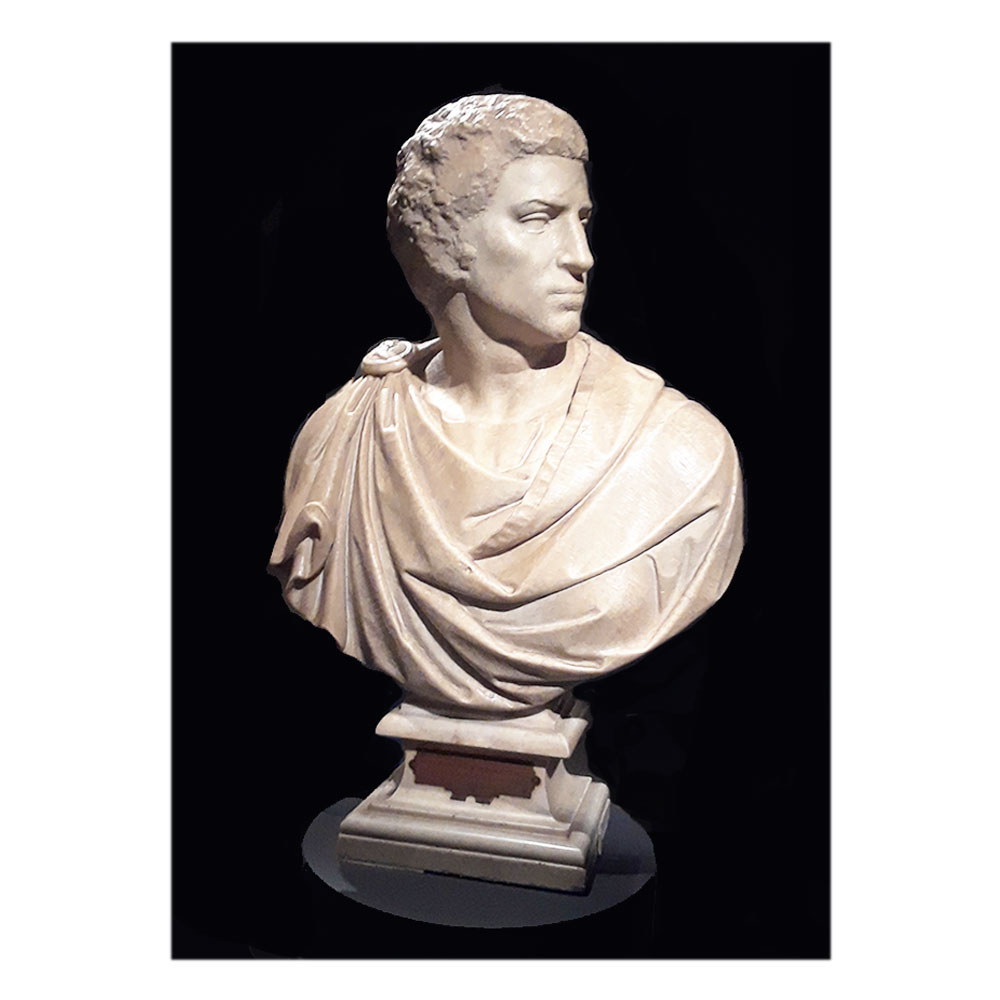
Michelangelo Buonarroti, (1475-1564), Bust of Brutus, carved marble, 1540, Bargello Museum, Florance, Italy.
Michelangelo Buonarroti, (1475-1564), The Fall of Phaethon, Engraving, 1533, Black chalk on paper, Royal Library, Windsor, UK.
The Temple of Dendur
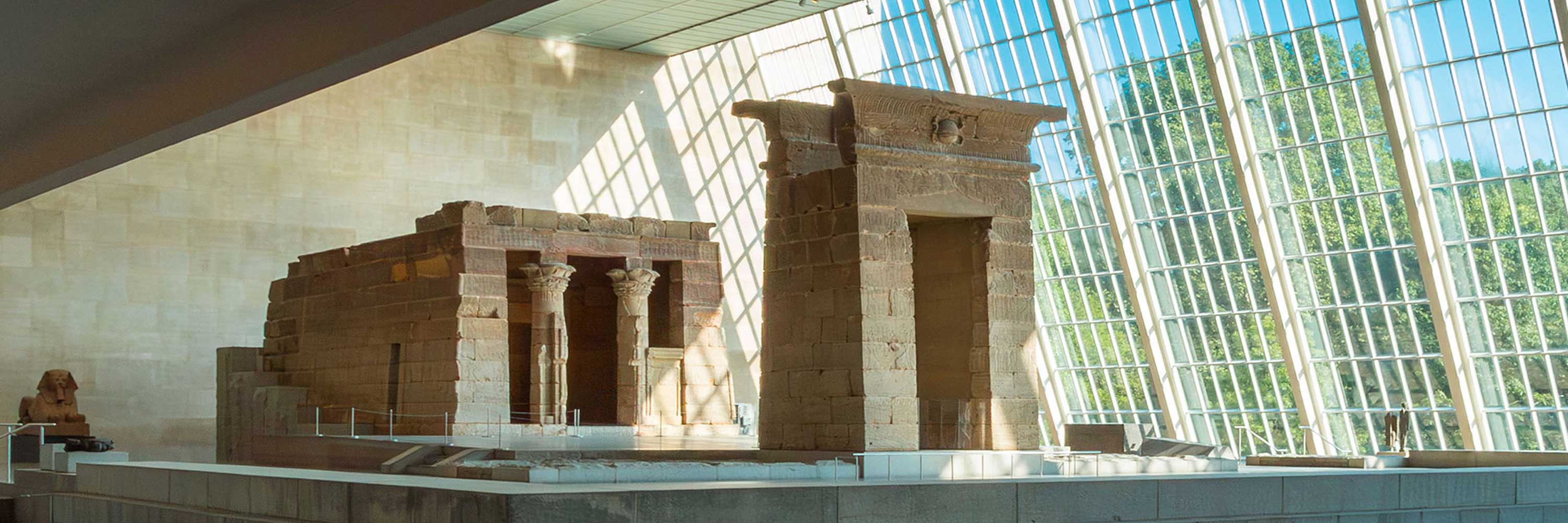
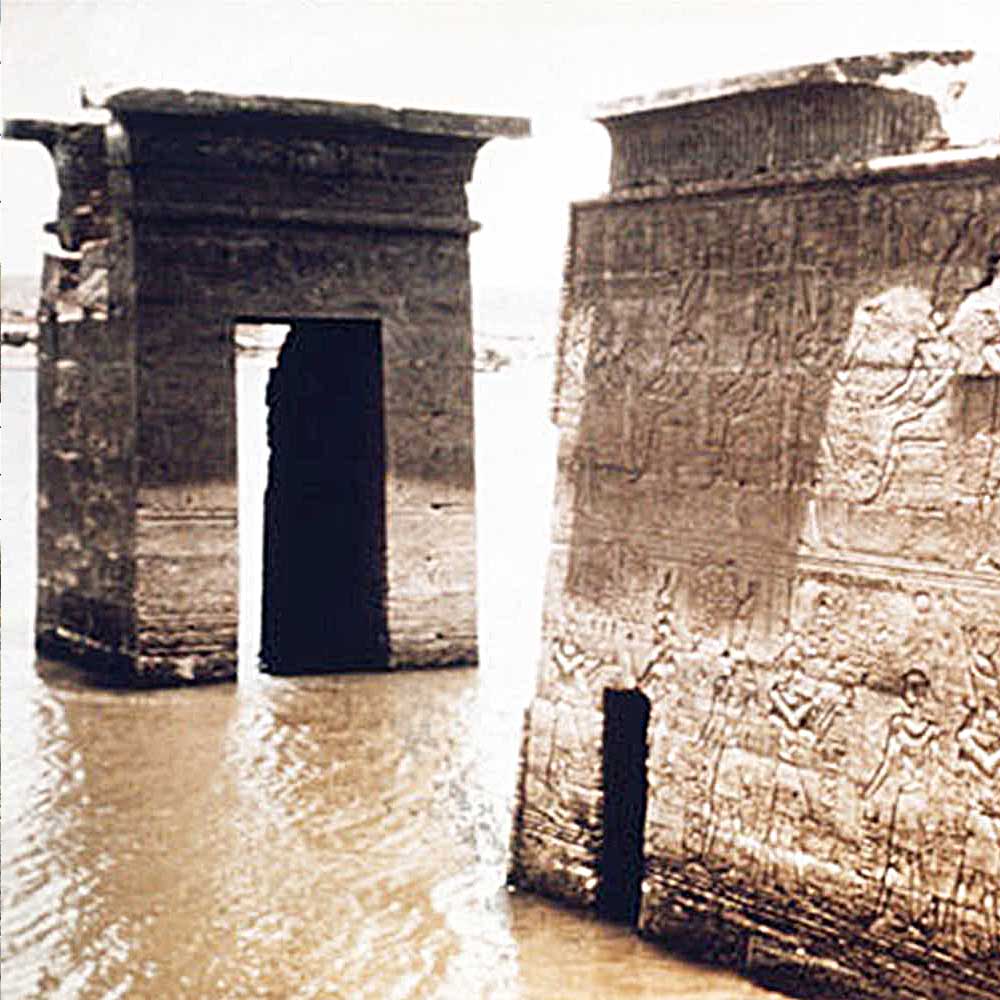
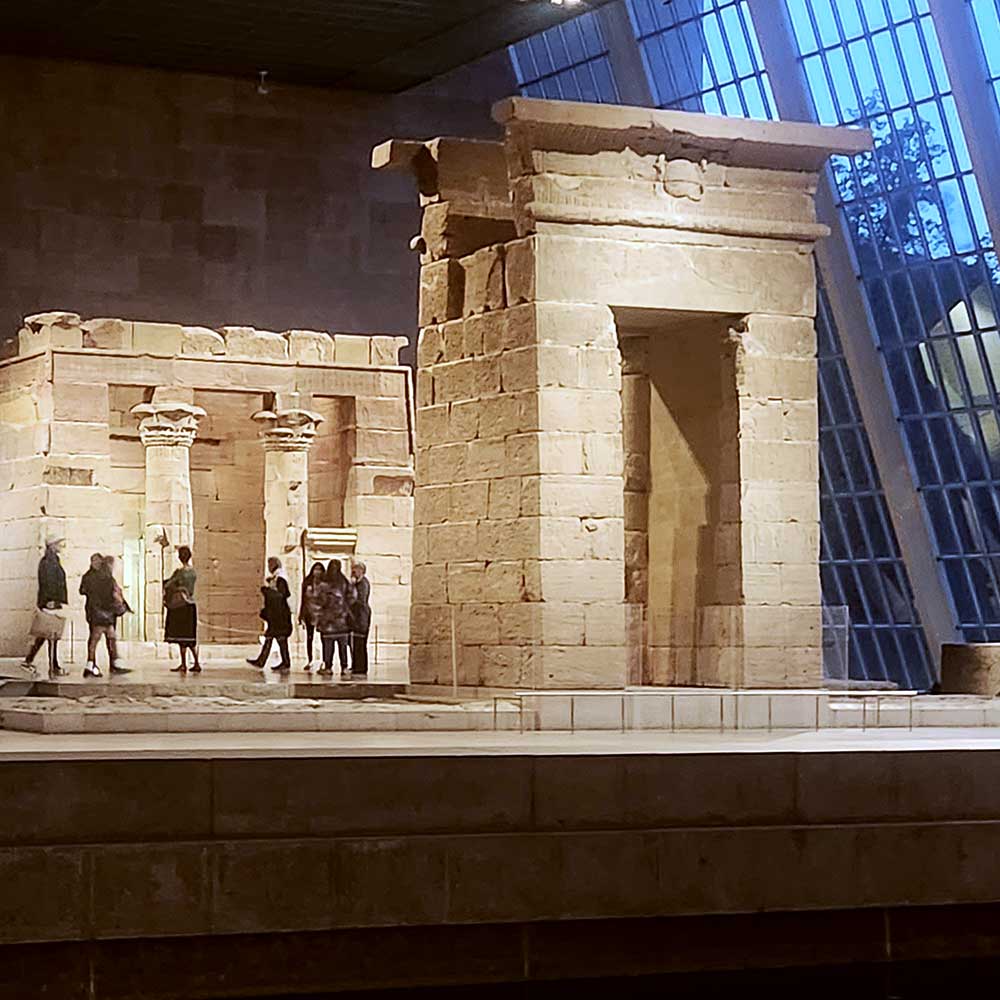
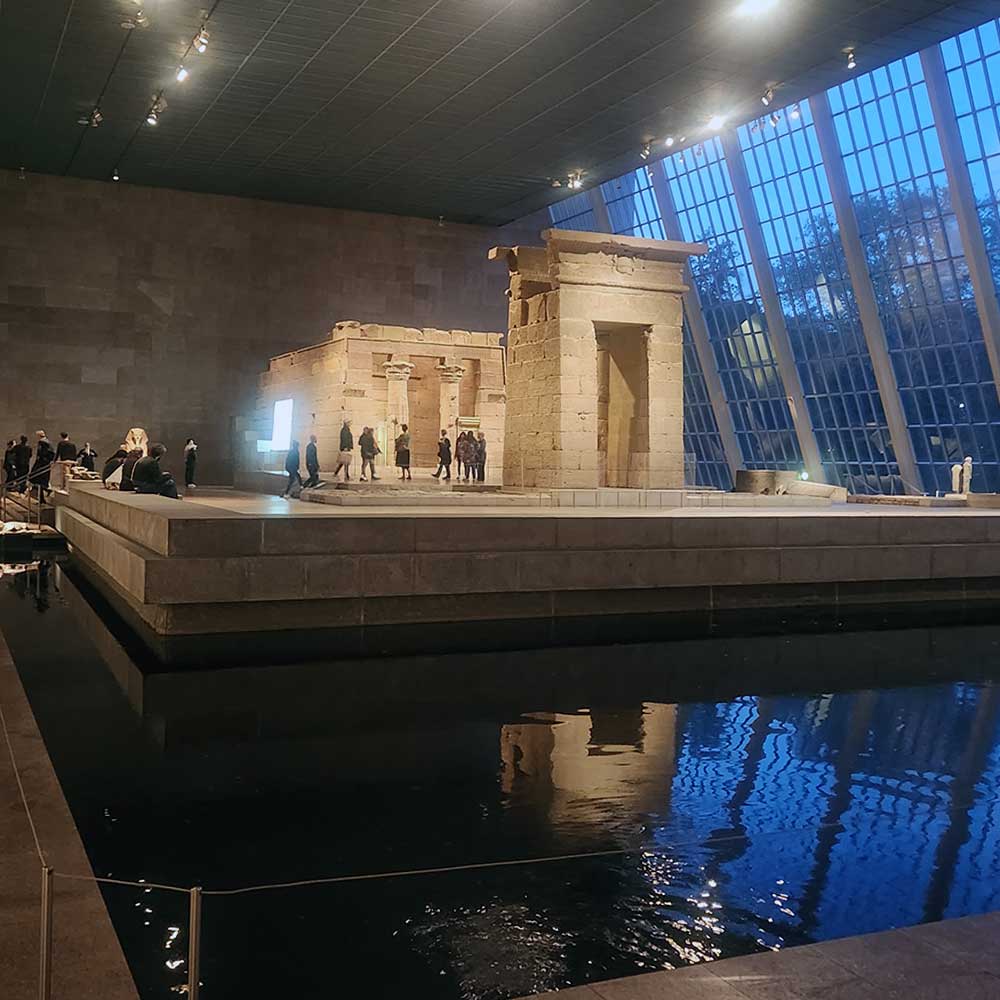
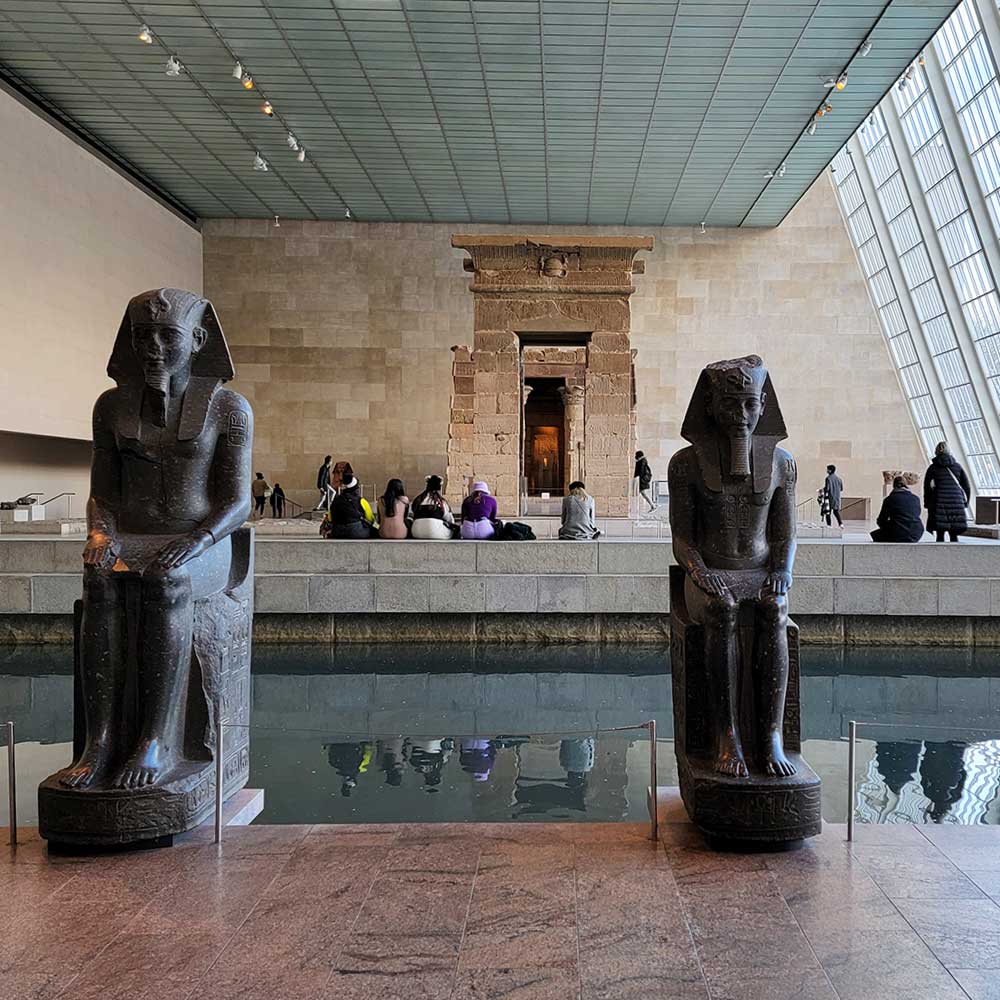
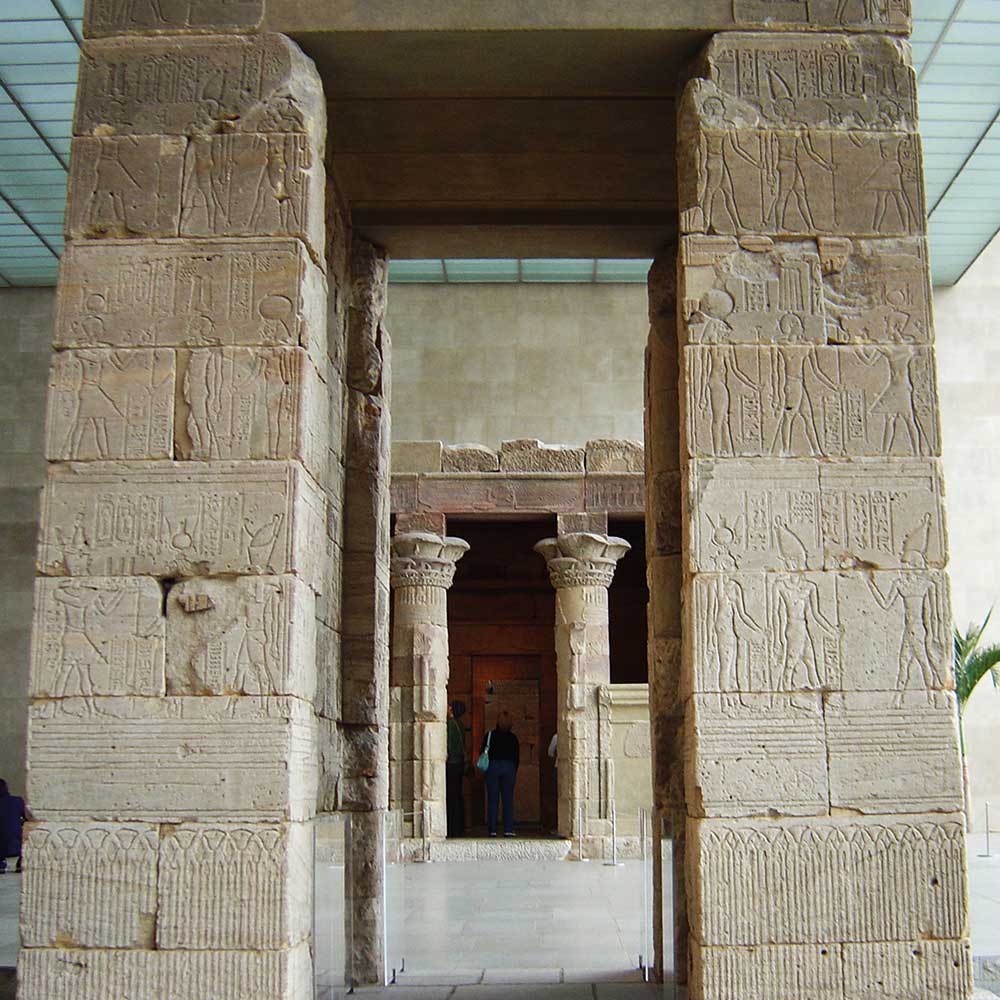
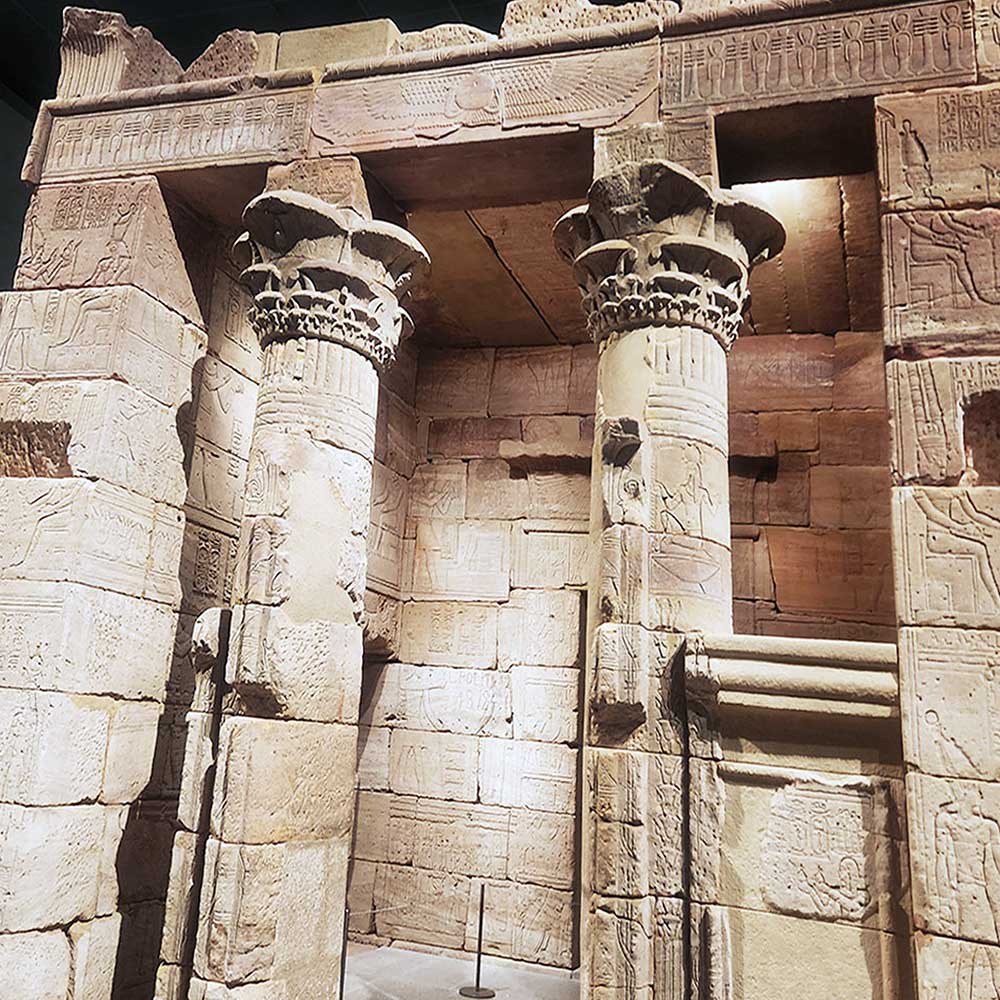
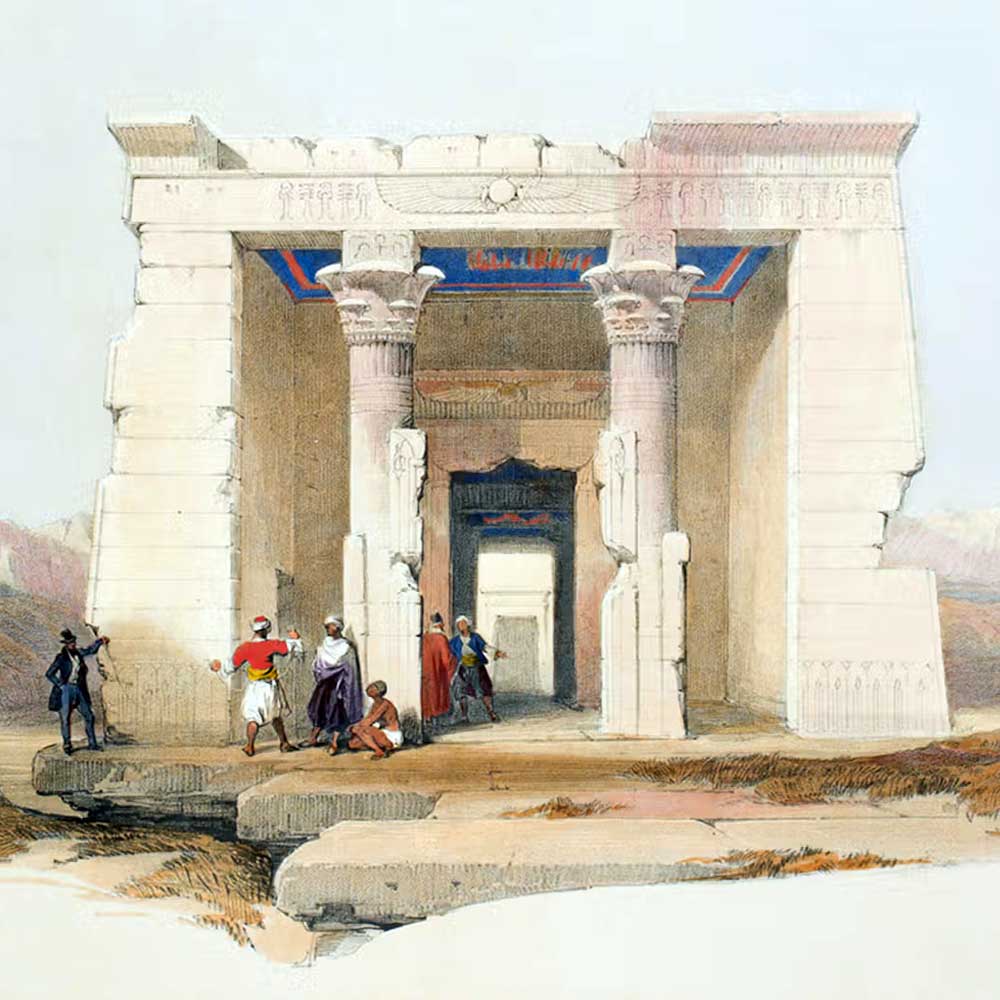
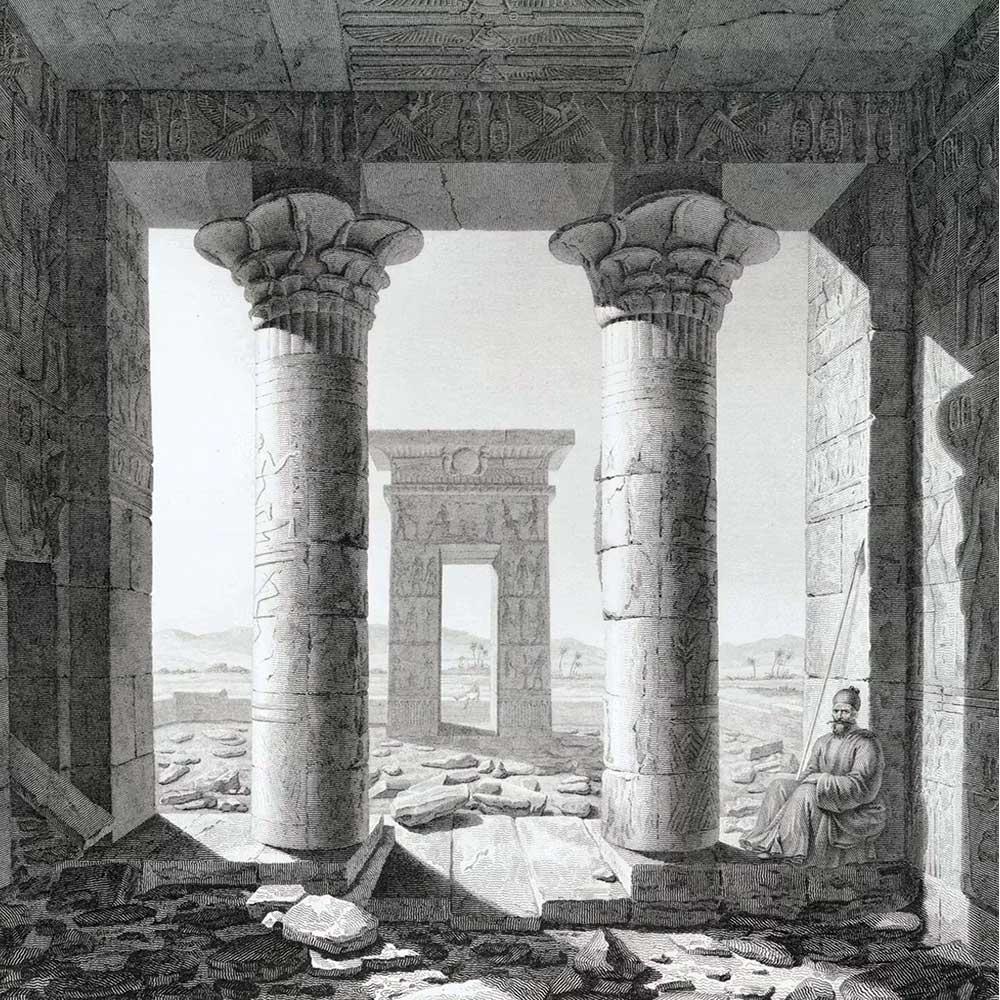
The Temple of Dendur at the MET, is dedicated to the goddess Isis, built during the Roman Period, under the reign of Emperor Augustus. The Temple was subjected to flooding caused by the building of the Aswan High Dam in the 1960s, the Temple was saved from destruction by Jackie Kennedy who played a key role in saving the Temple by advocating for U.S. support of UNESCO and relocated it to the Metropolitan Museum of Art in New York City, where it has been exhibited since 1978. The Temple is a perfect example of ancient Egyptian architecture, constructed using Aeolian sandstone, and characterized by pylon gates, sloping battered walls adorned with hieroglyphic pictorial carving, and post and lintel construction.
The Temple of Dendur at the MET
1.) Temple during flooding caused by the Aswan High Dam 1963
2.) A Permanent temple installation at the Met was built in 1978
3.) Temple showing backlighting for color projection to display vignettes
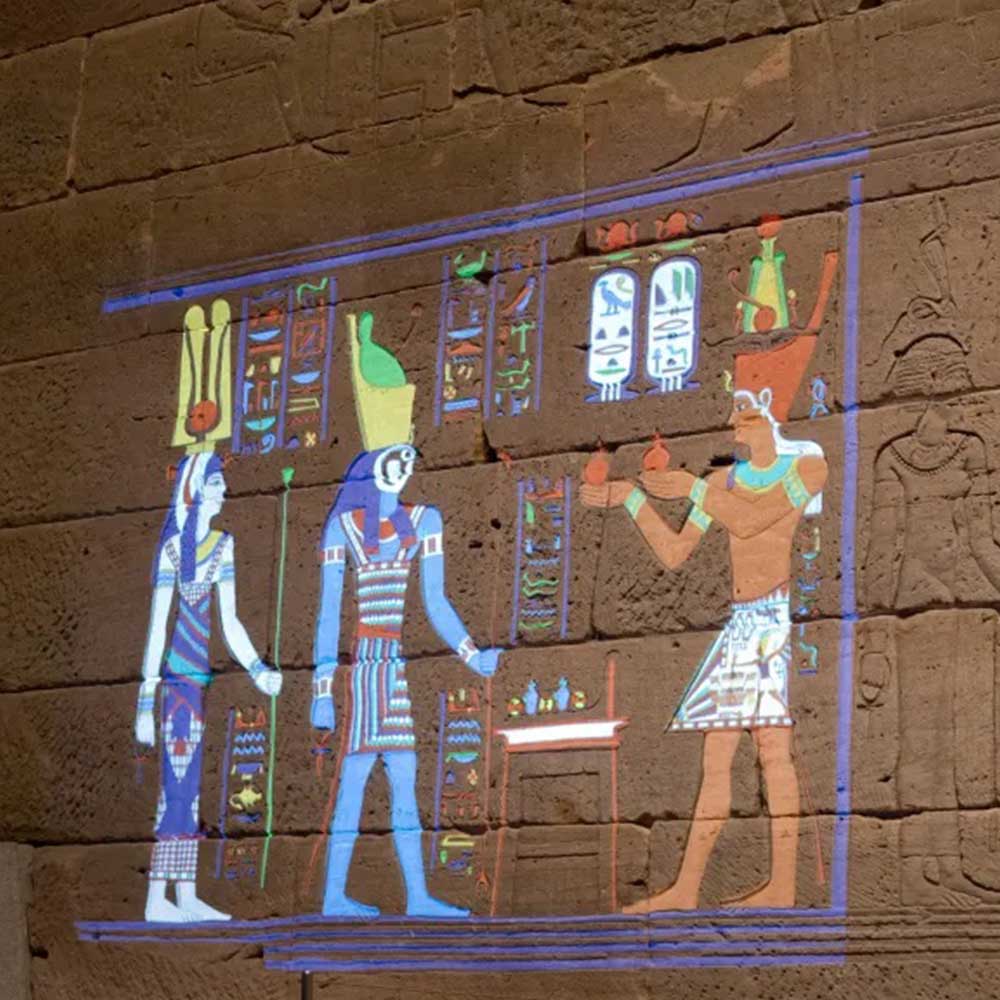
4.) Coloring the Temple: This display shows one vignette on the south wall of the temple colored by light to suggest how it might have looked when painted in the Roman Period
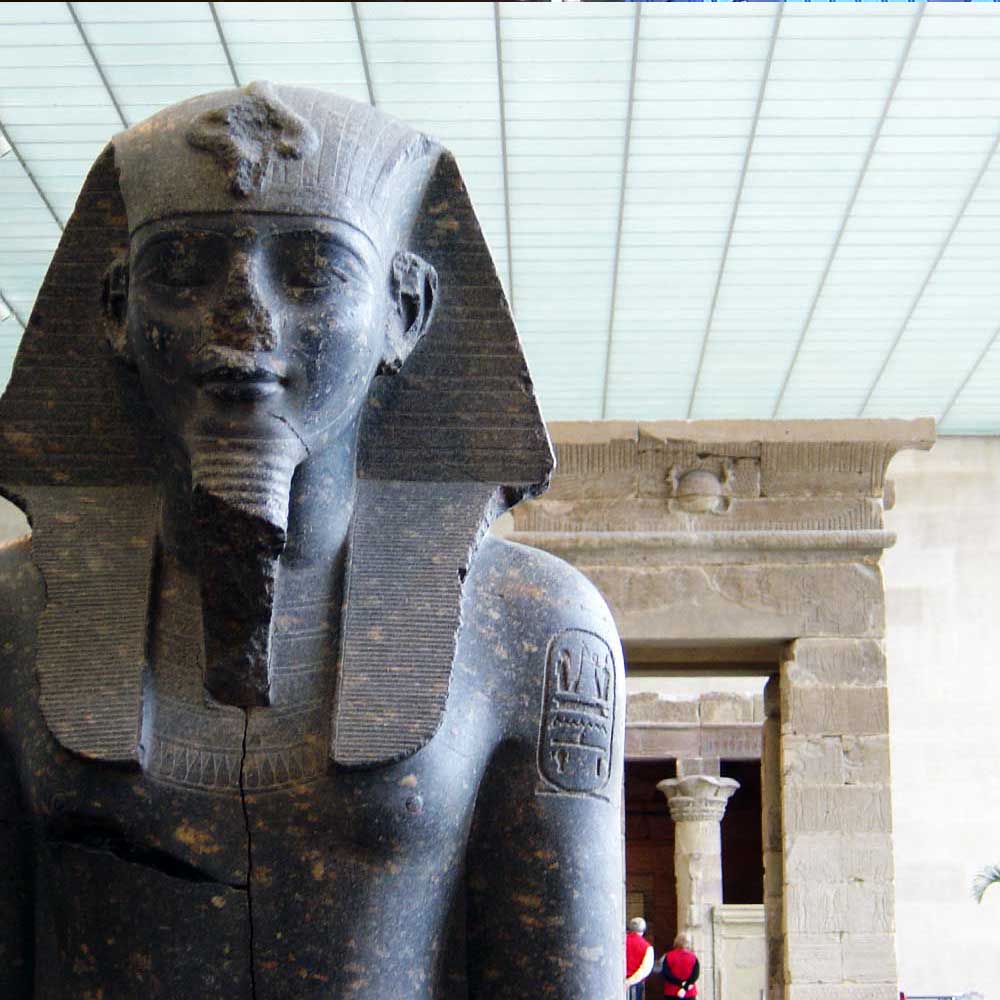
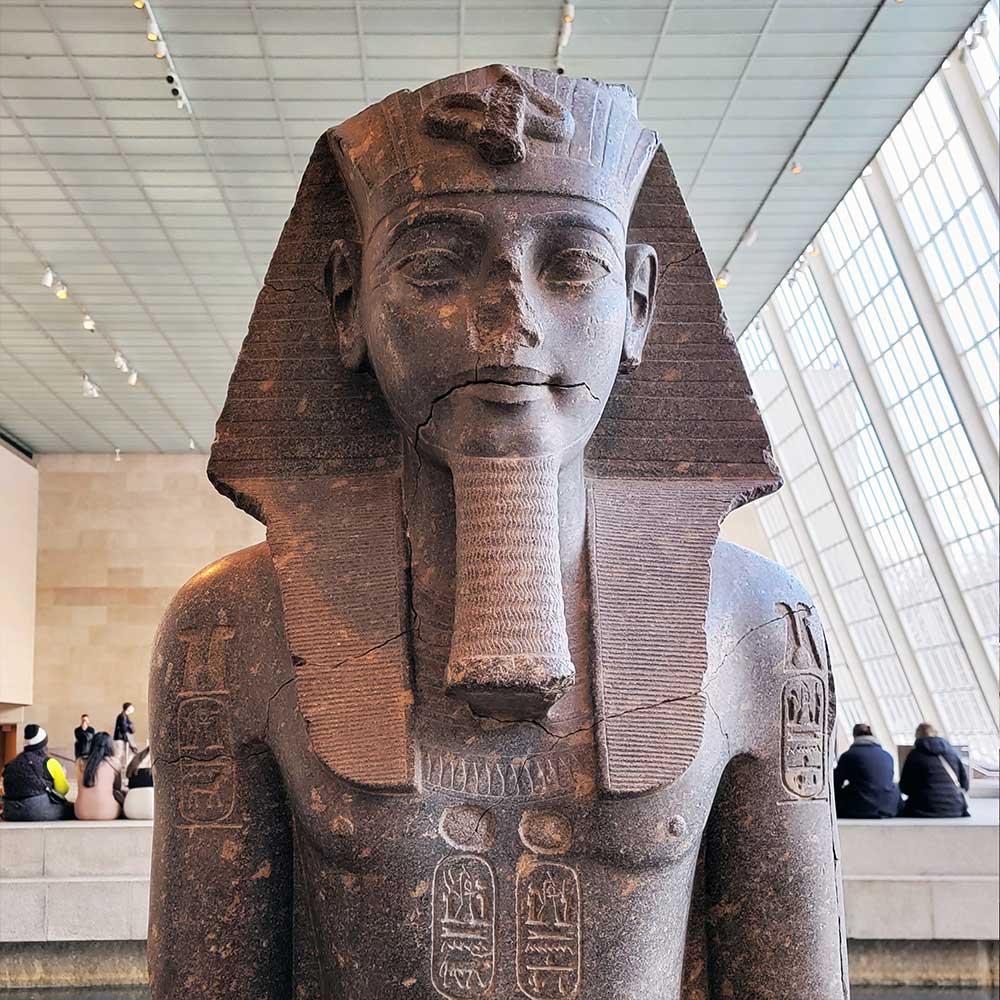
5.) The Temple of Dendur between two statues of Amenhotep III
6.) First Statue of Amenhotep III
7.) Second Statue of Amenhotep III
8.) Temple building from the front view
9.) Pylon gate and temple entrance
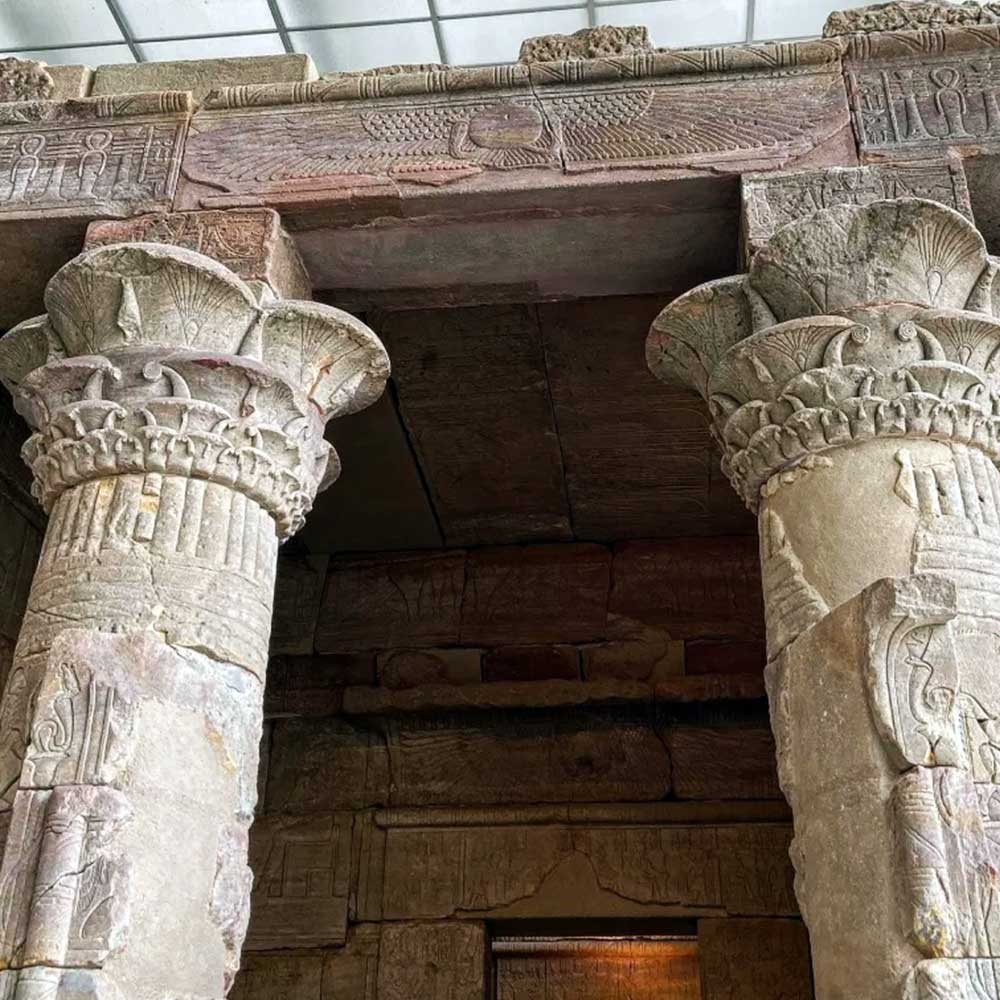
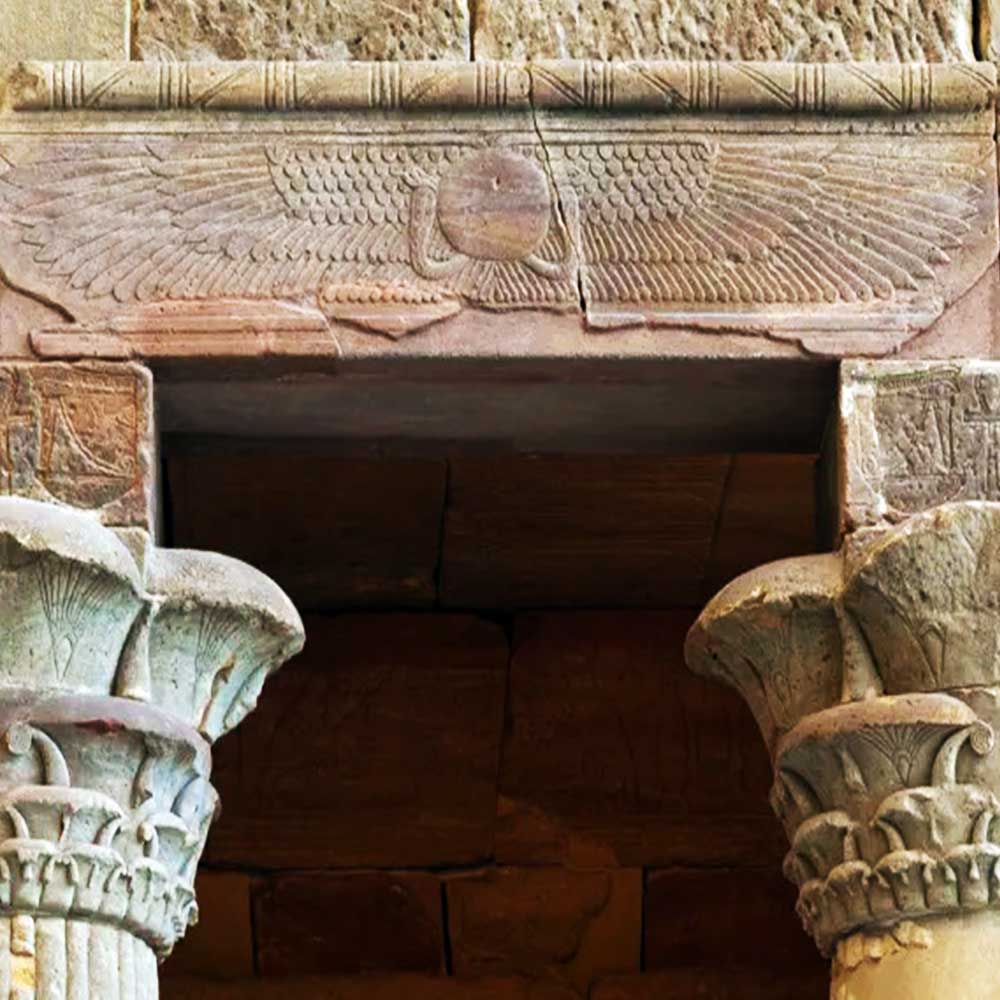
10.) Two highly decorated columns with composite tops depicting lotus blossoms, a style first used in Egypt between 664 and 525 BCE
11.) The two columns on the porch rise toward the sky like tall bundles of papyrus stalks with lotus blossoms bound with them
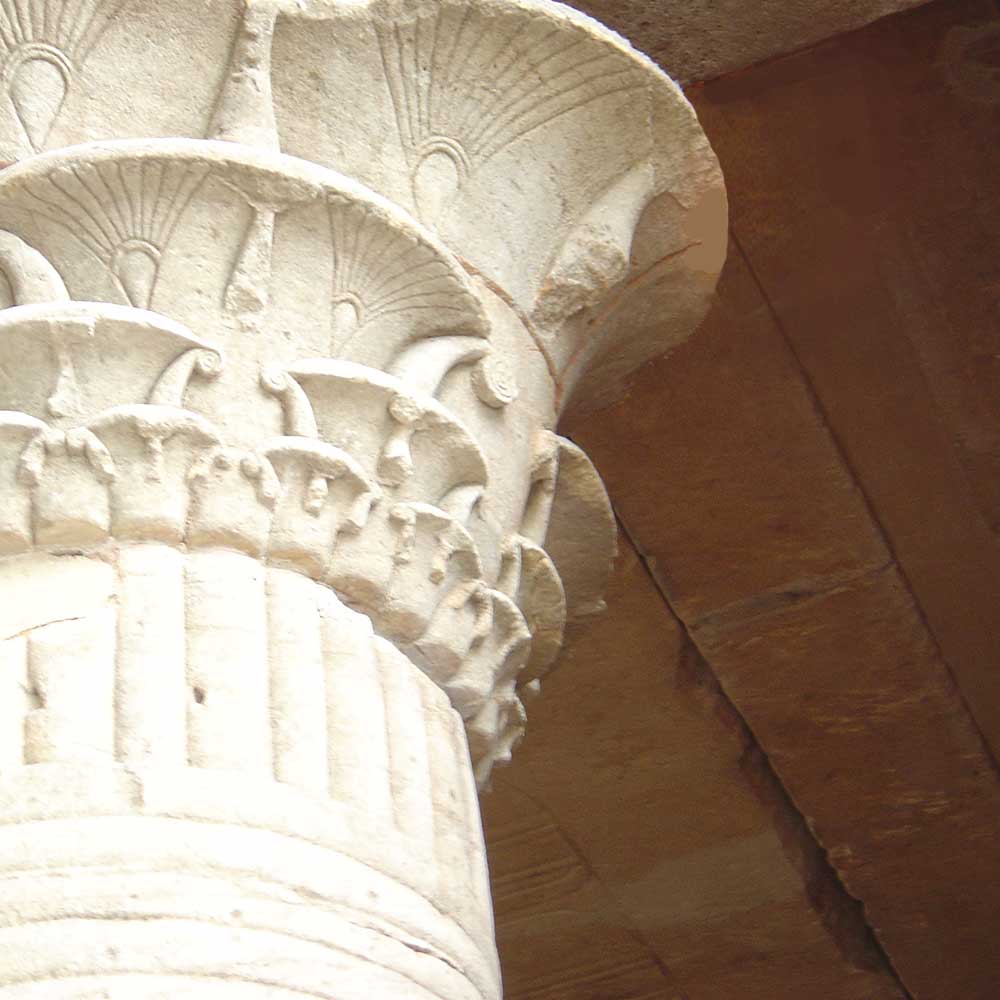
12.) Detail of lotus blossom capital after restoration
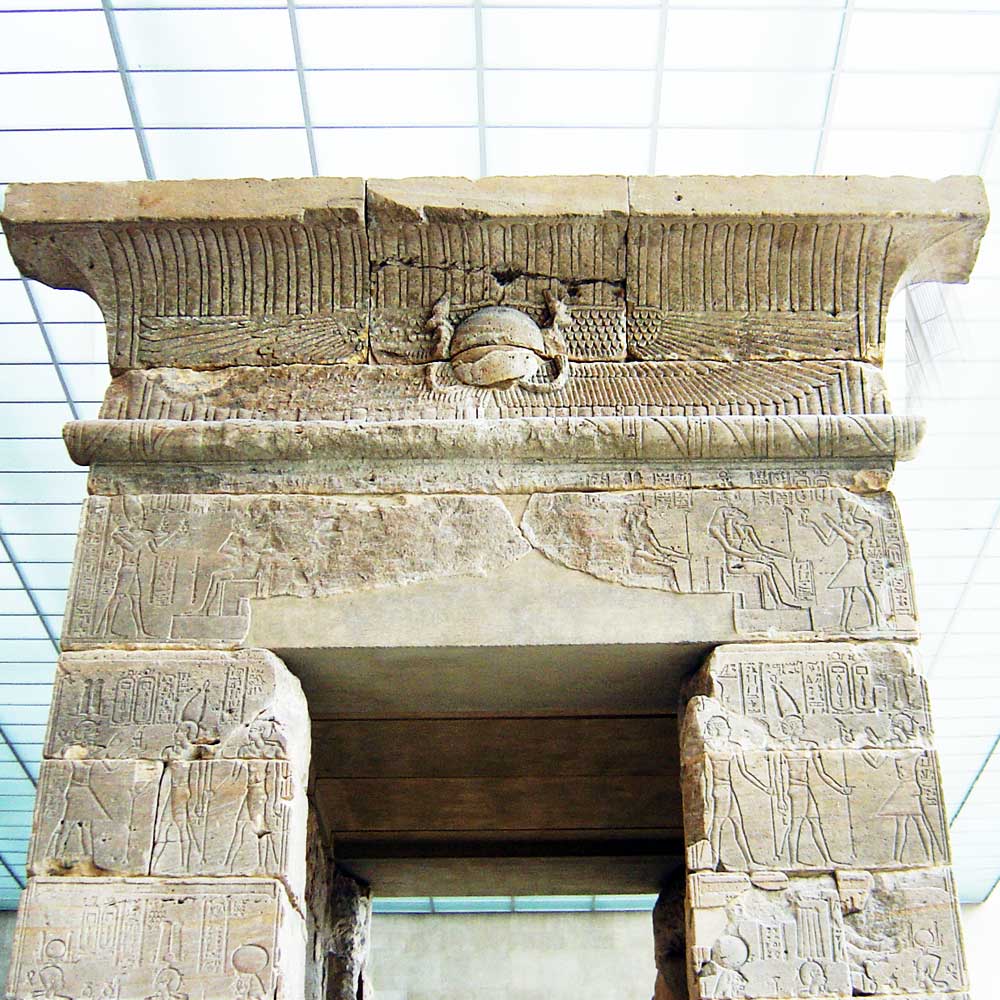
13.) Over the pylon and above the entrance to the temple proper is the Winged sun disk of the sky god Horus, representing the sky
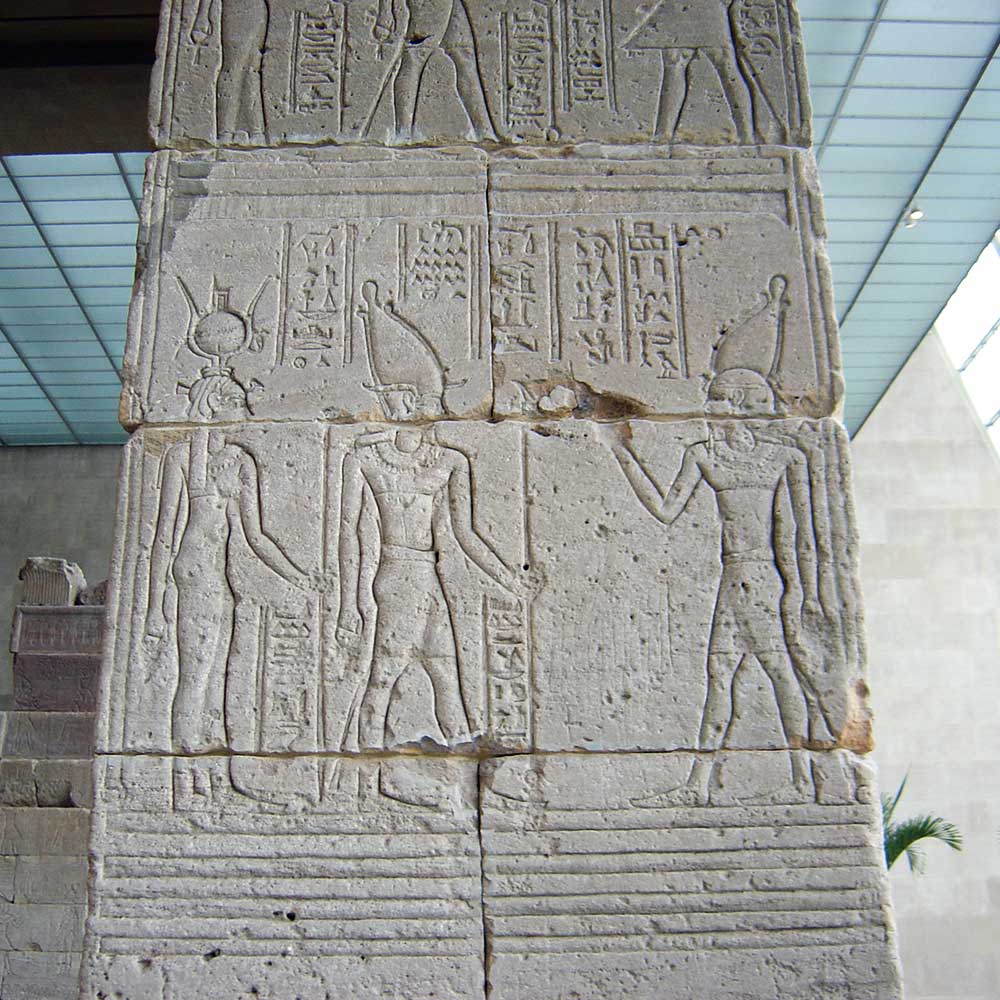
14.) Caesar Augustus making an offering to Osiris and Isis
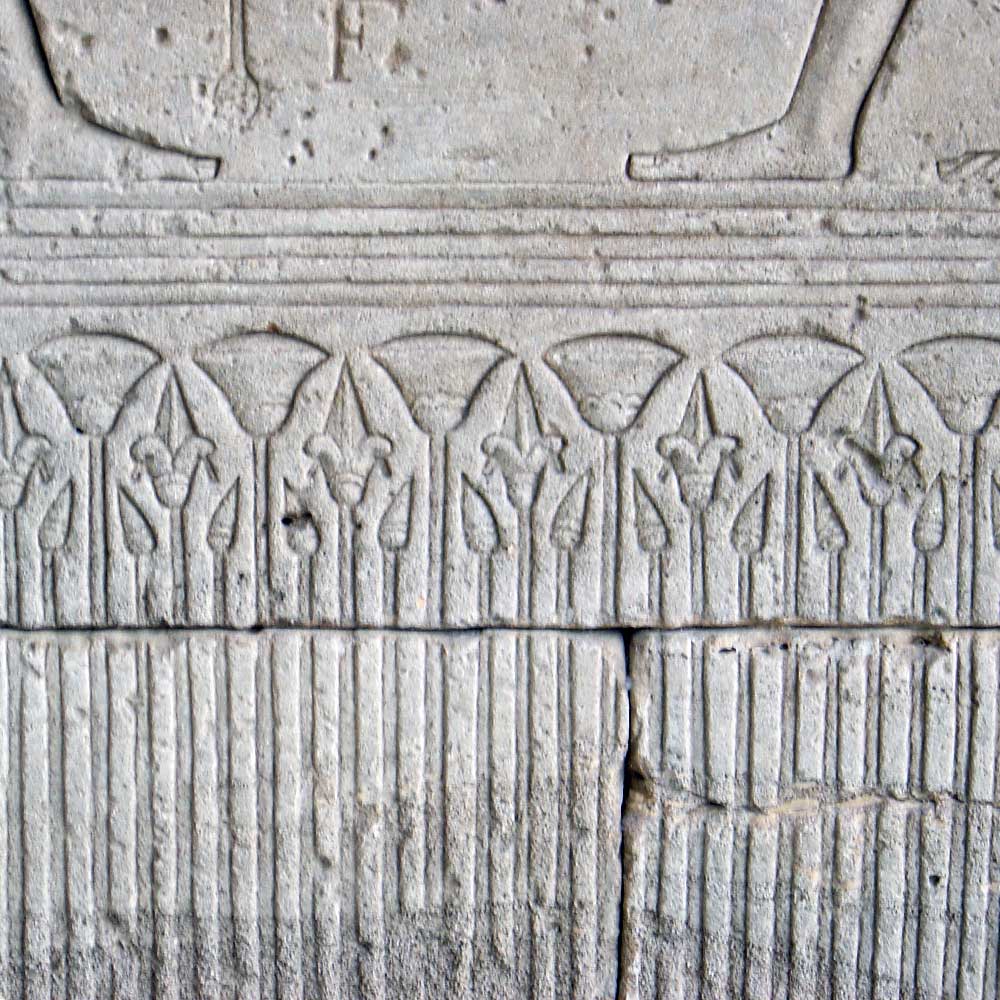
15.) Carvings of papyrus and lotus plants symbolized the Nile god Hapy,
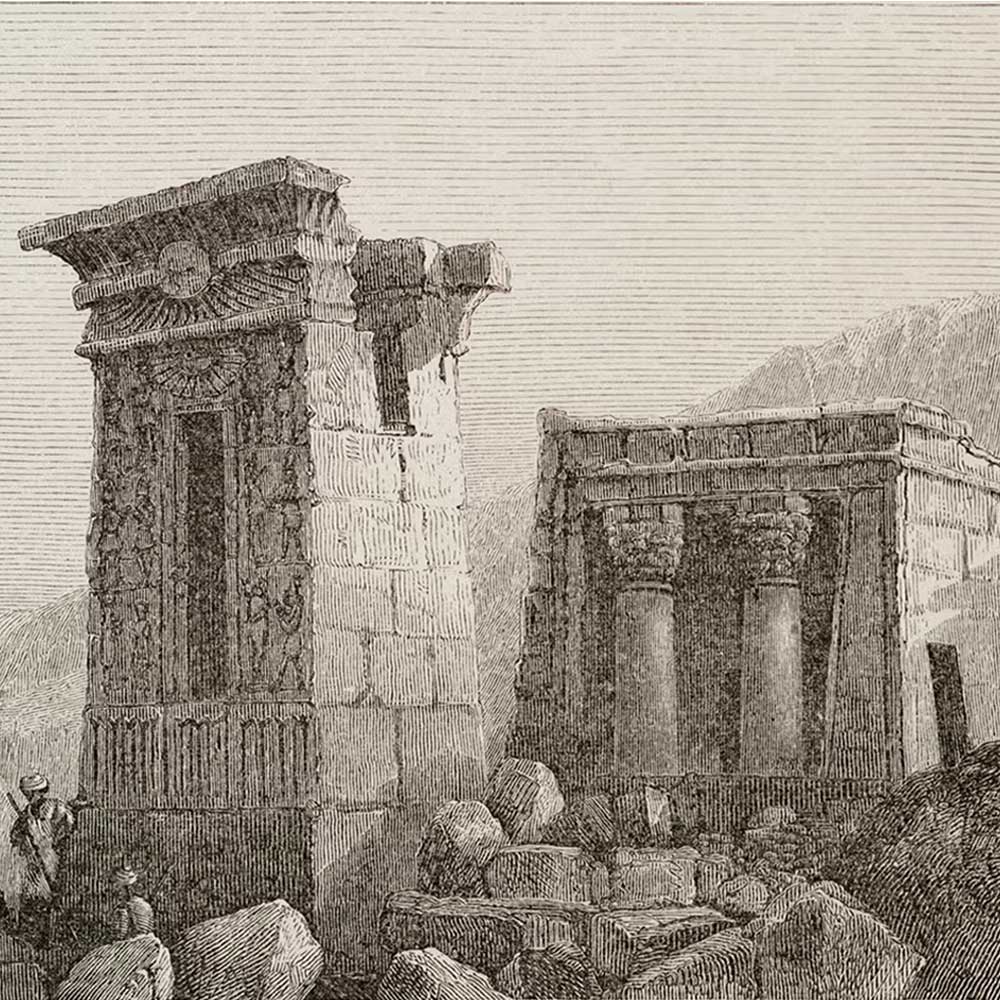
Temple of Dendoor, wood engraving by G. Pearson after an original drawing by the author, in Amelia B. Edwards, A Thousand Miles up the Nile (New York, 1877)
David Roberts, Temple of Dendur, Nubia, in Egypt & Nubia, vol. 2 (London: F.G. Moon, 1846–49), plate 20
Franz Christian Gau, "Dendur, interior view of the porch," in Antiquités de la Nubie (Stuttgart, 1822), plate 24
Website & Content Created by Richard Brafford, © 2025, All Rights Reserved, Fair Use Disclaimer for Non-Commercial Use for Educational & Entertainment Purposes OnlyTop