Historical photos and Artwork of Luxor Temple
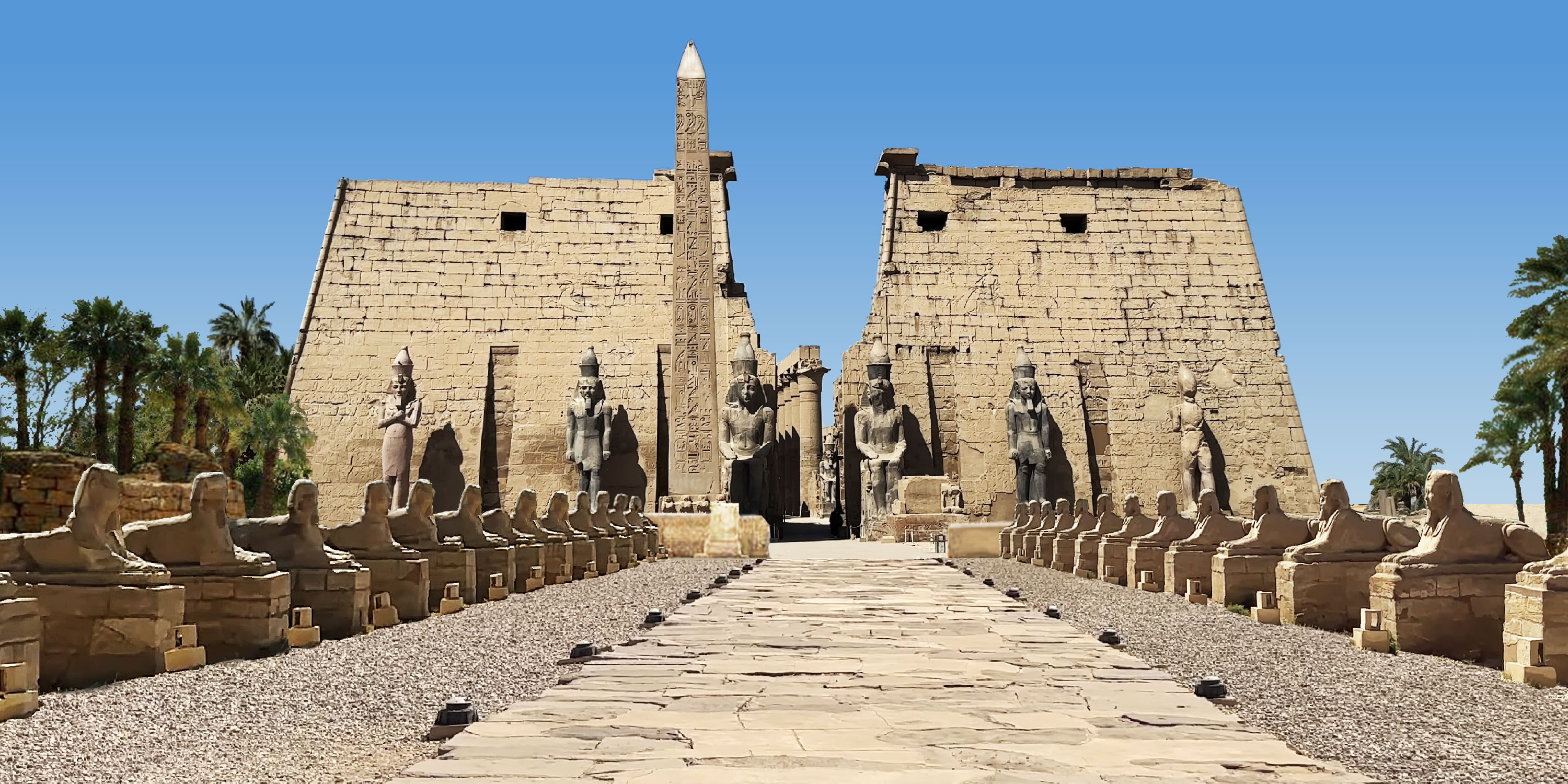
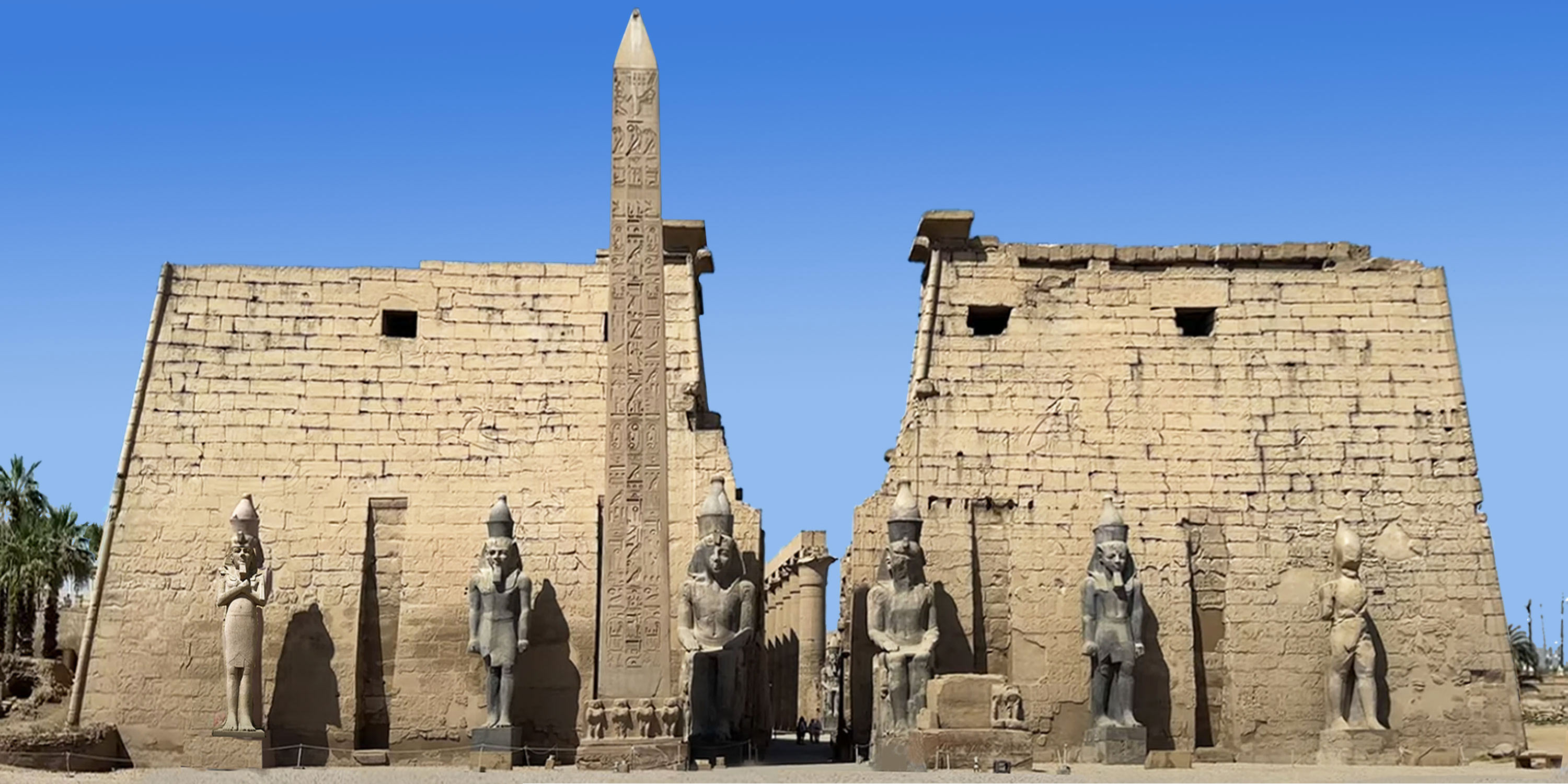
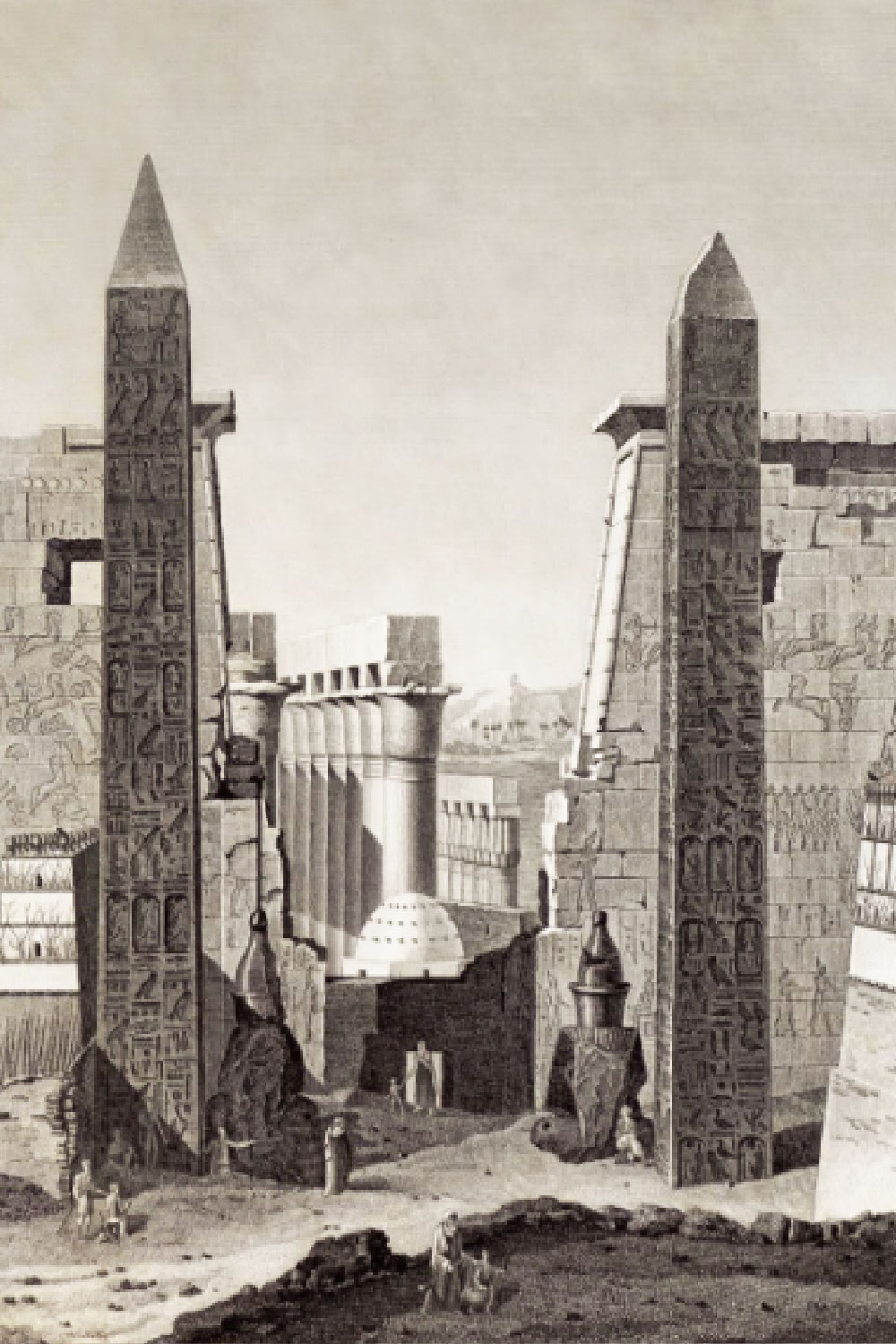
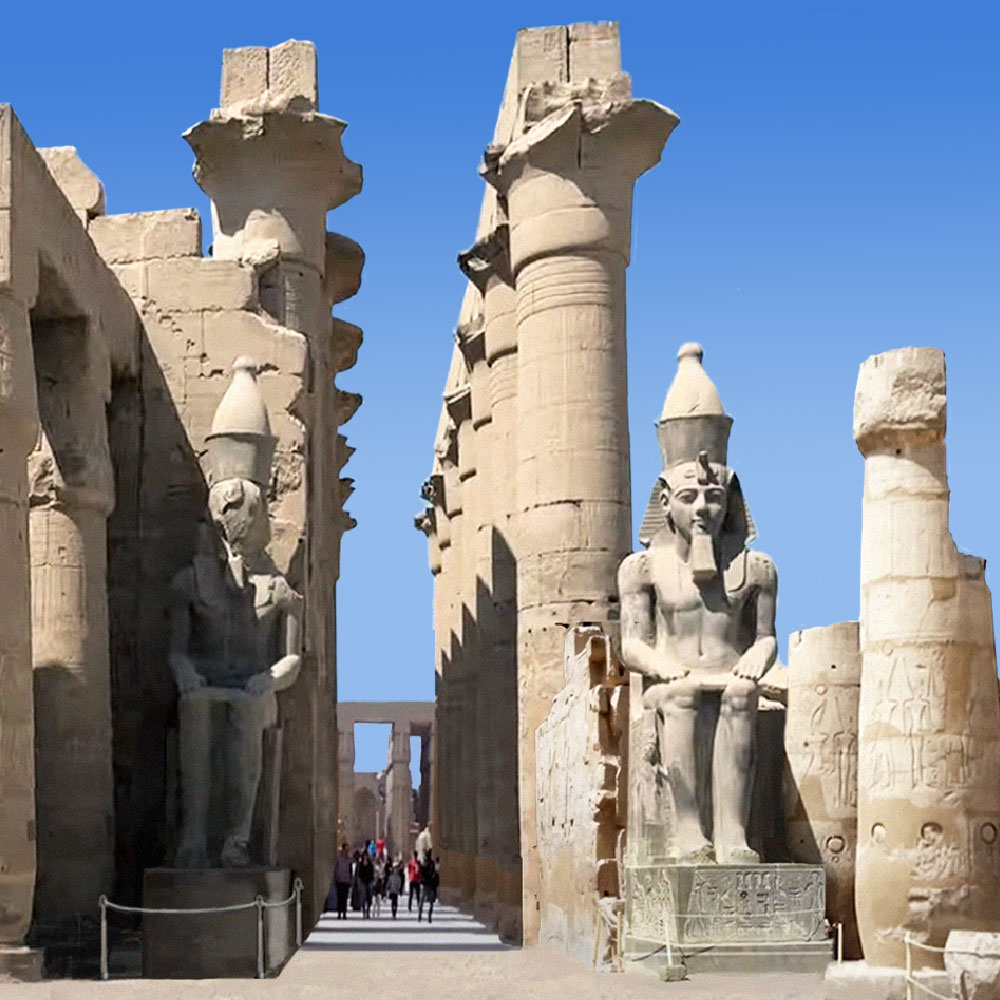
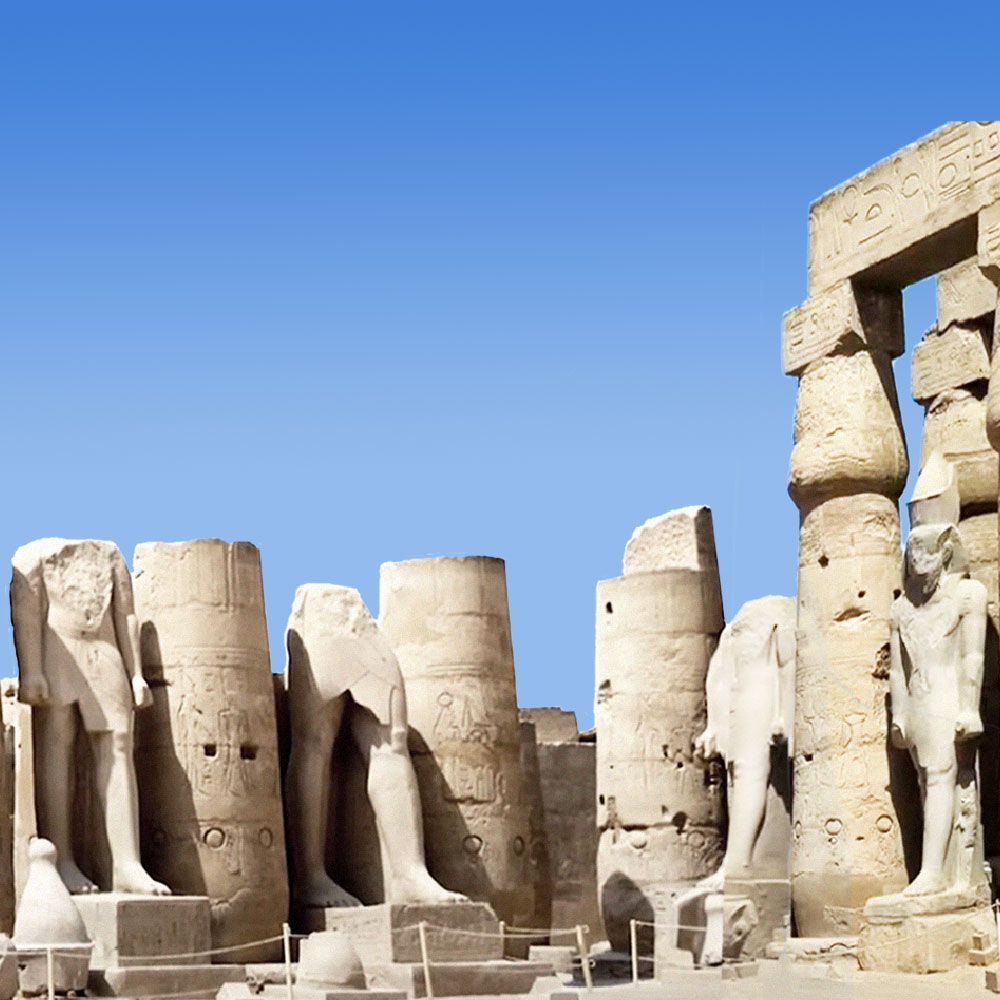
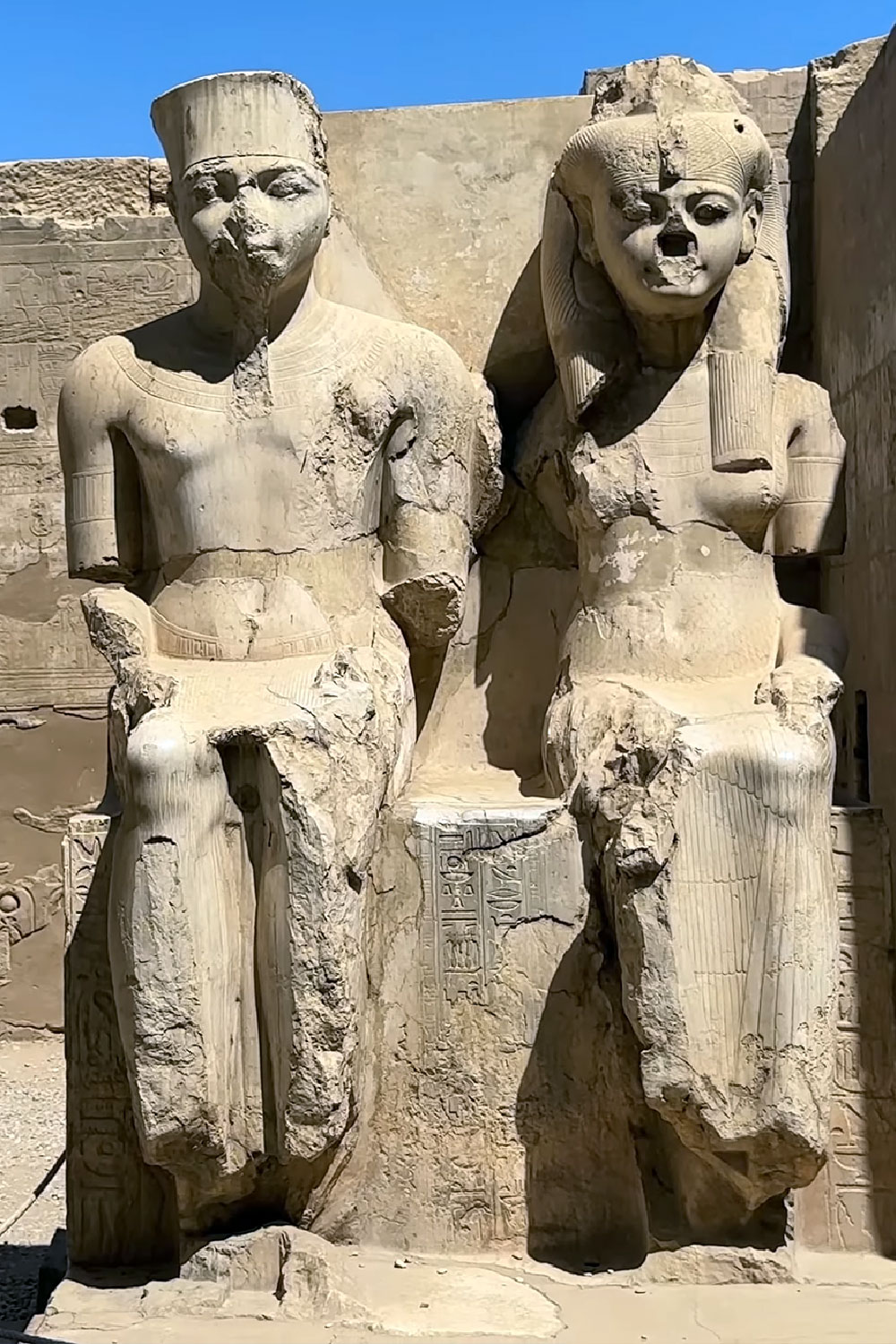
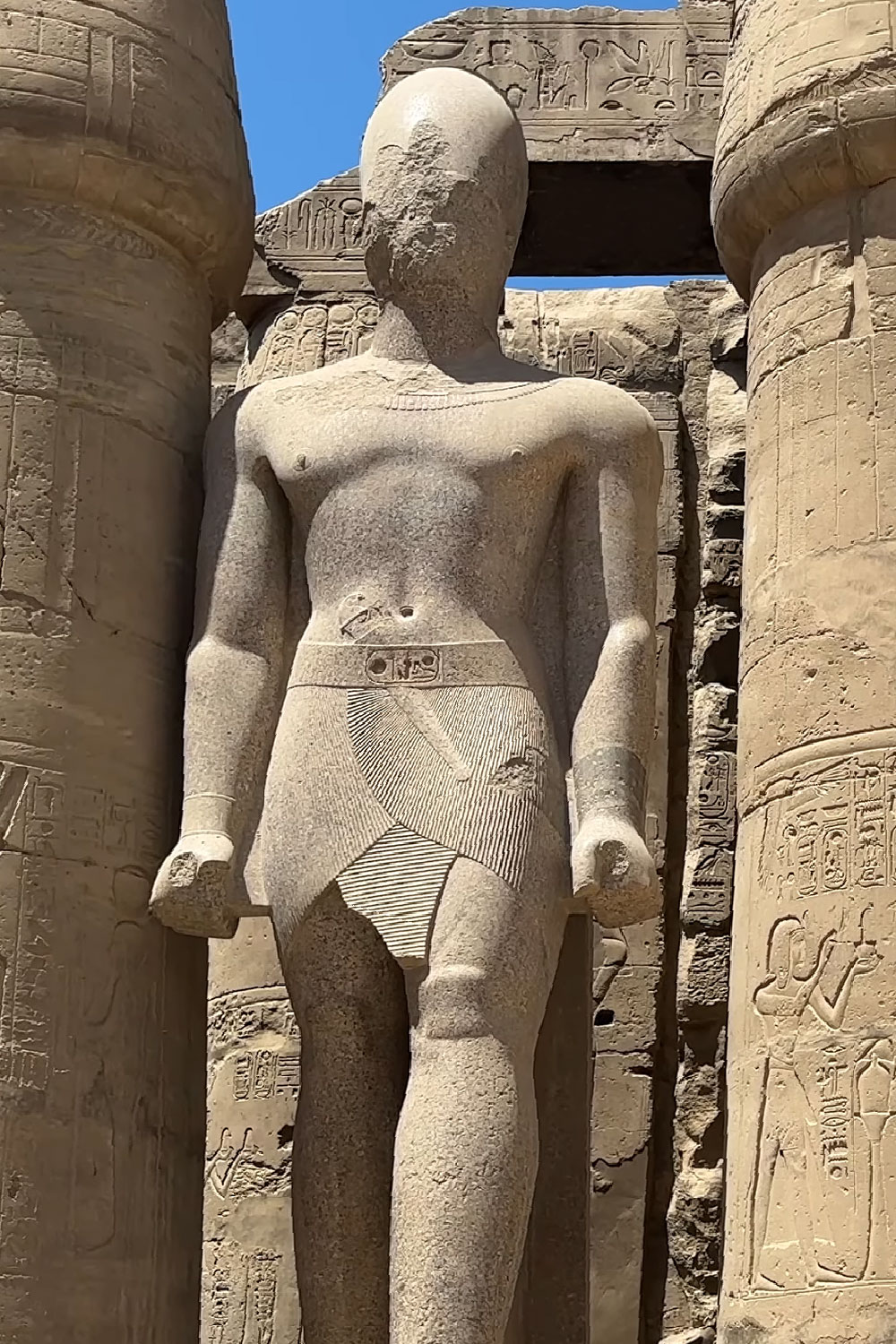
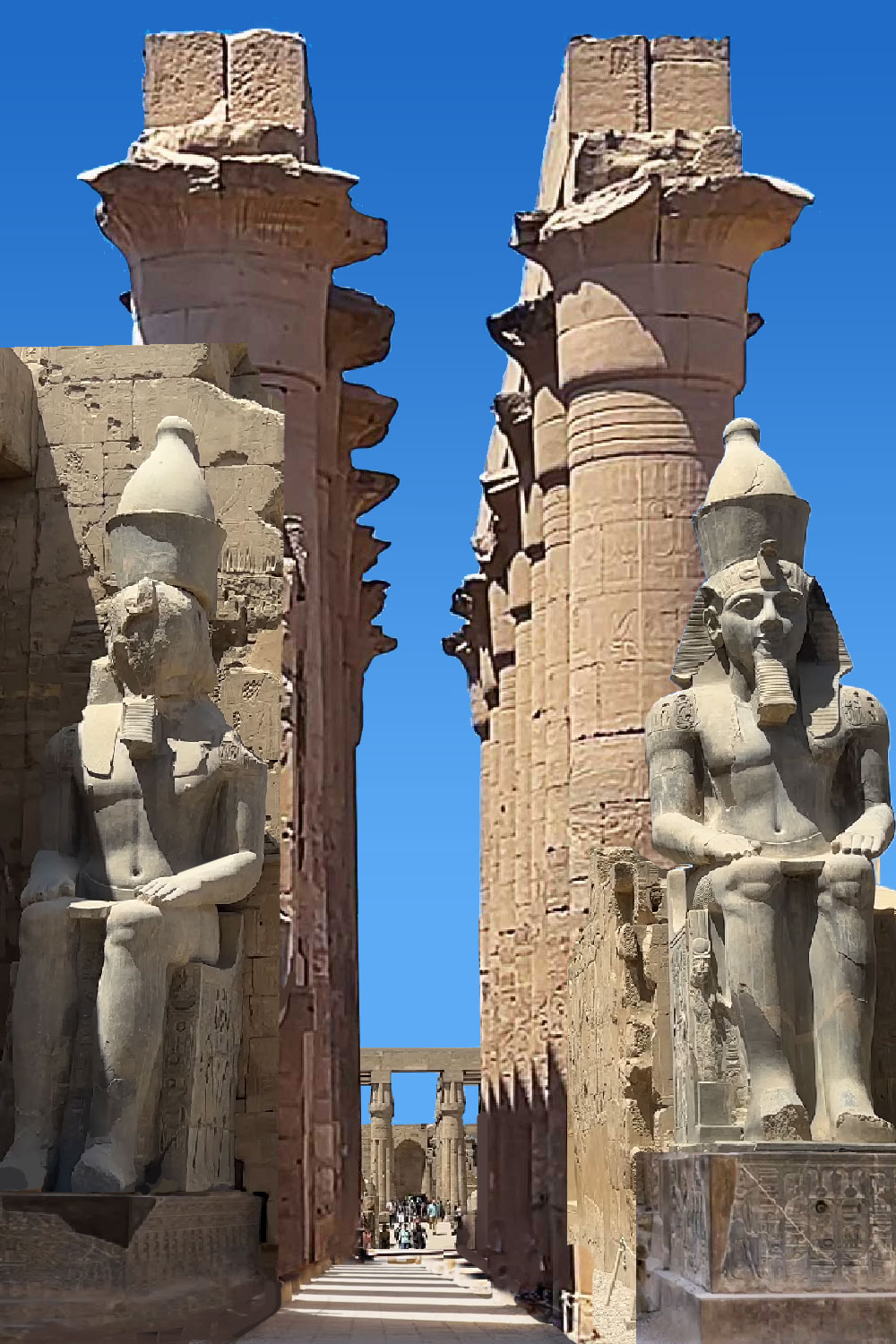
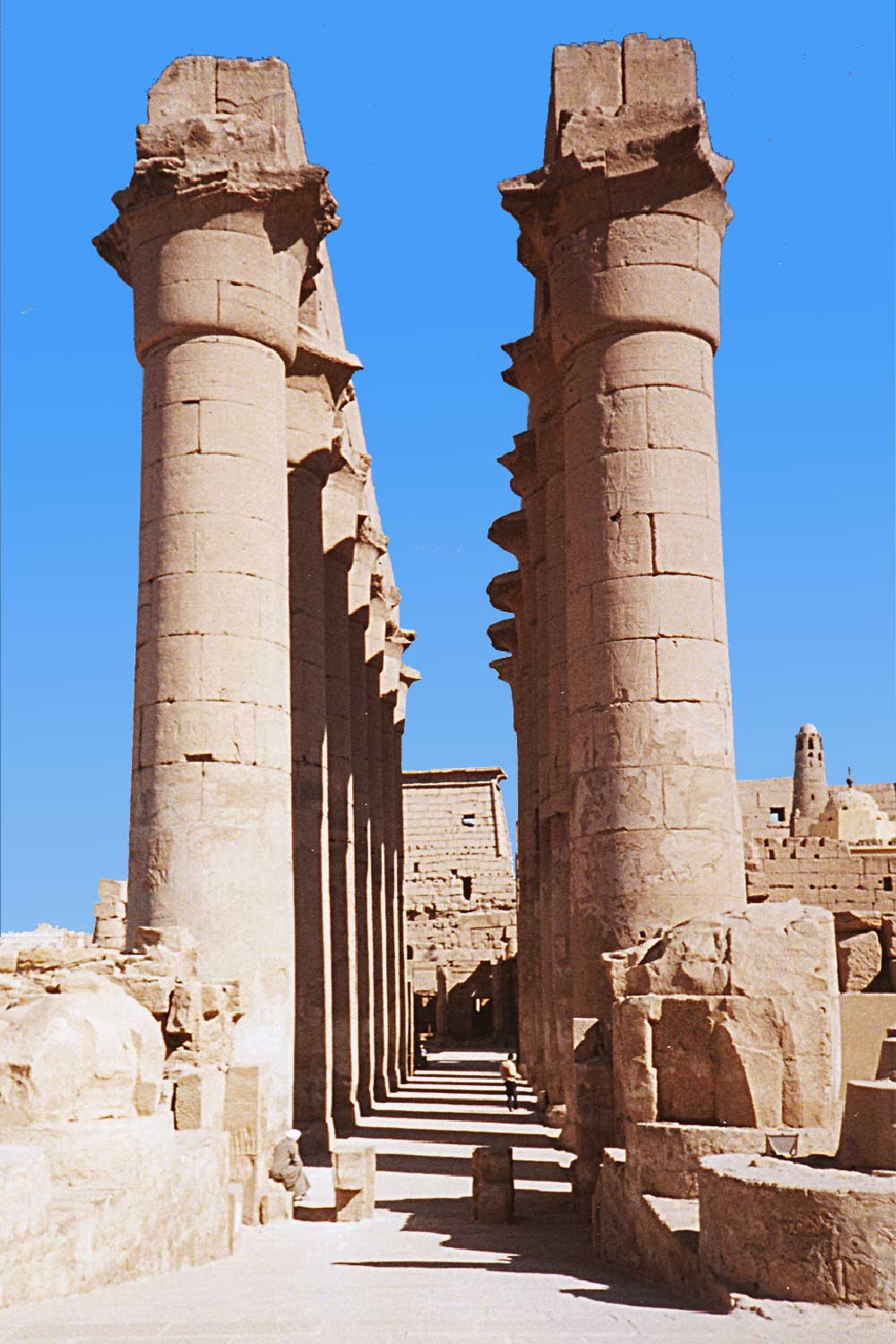
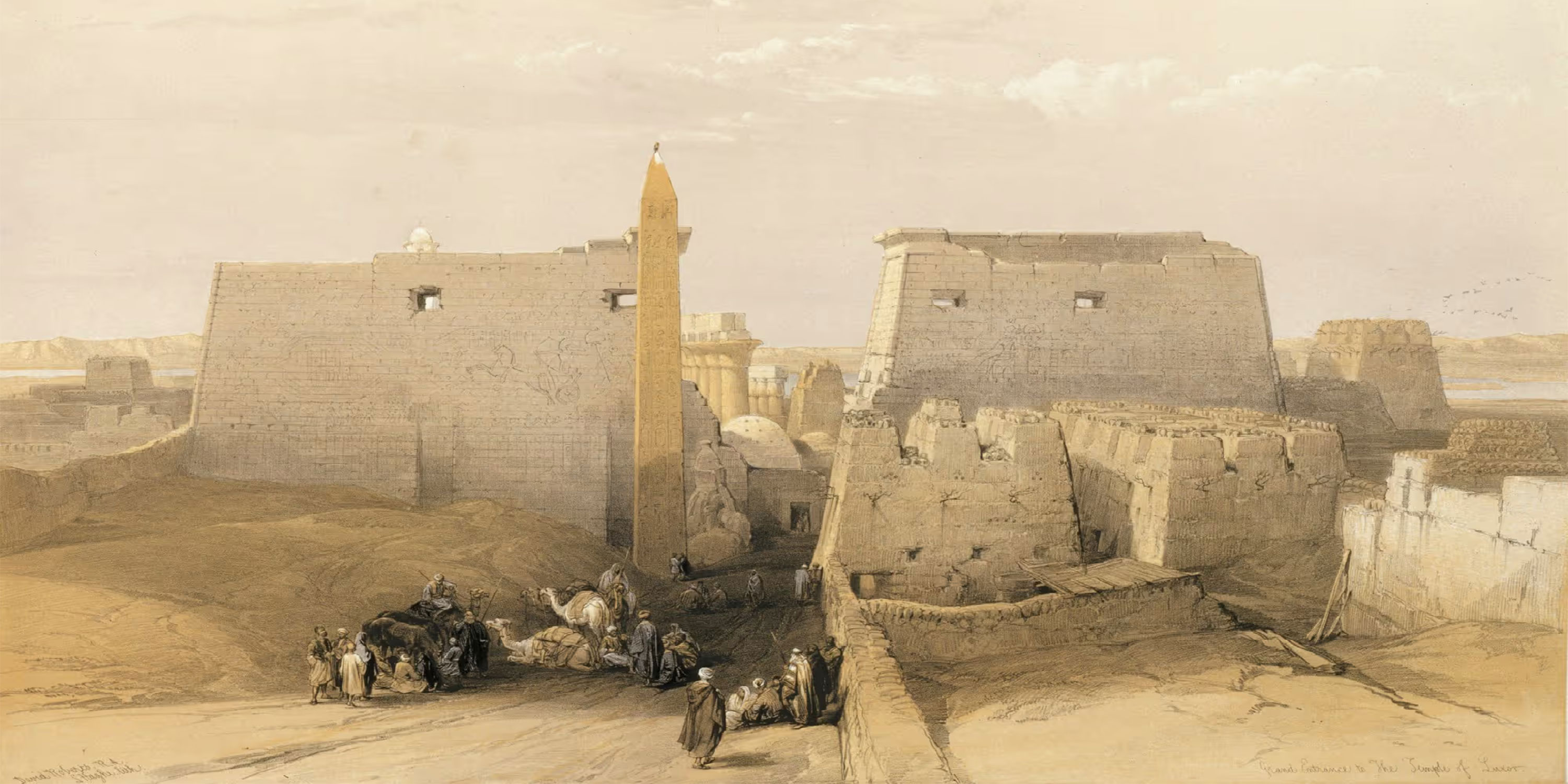
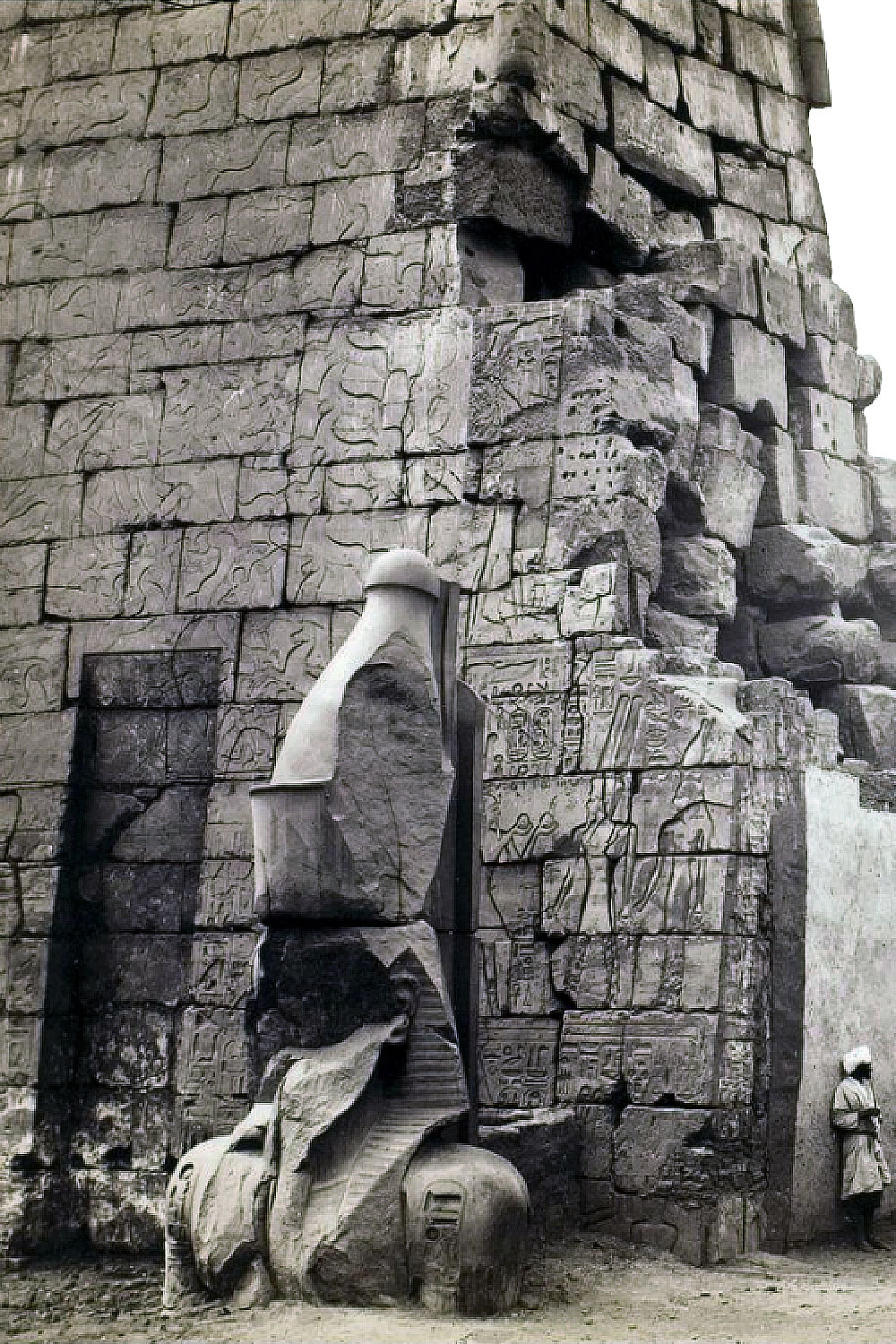
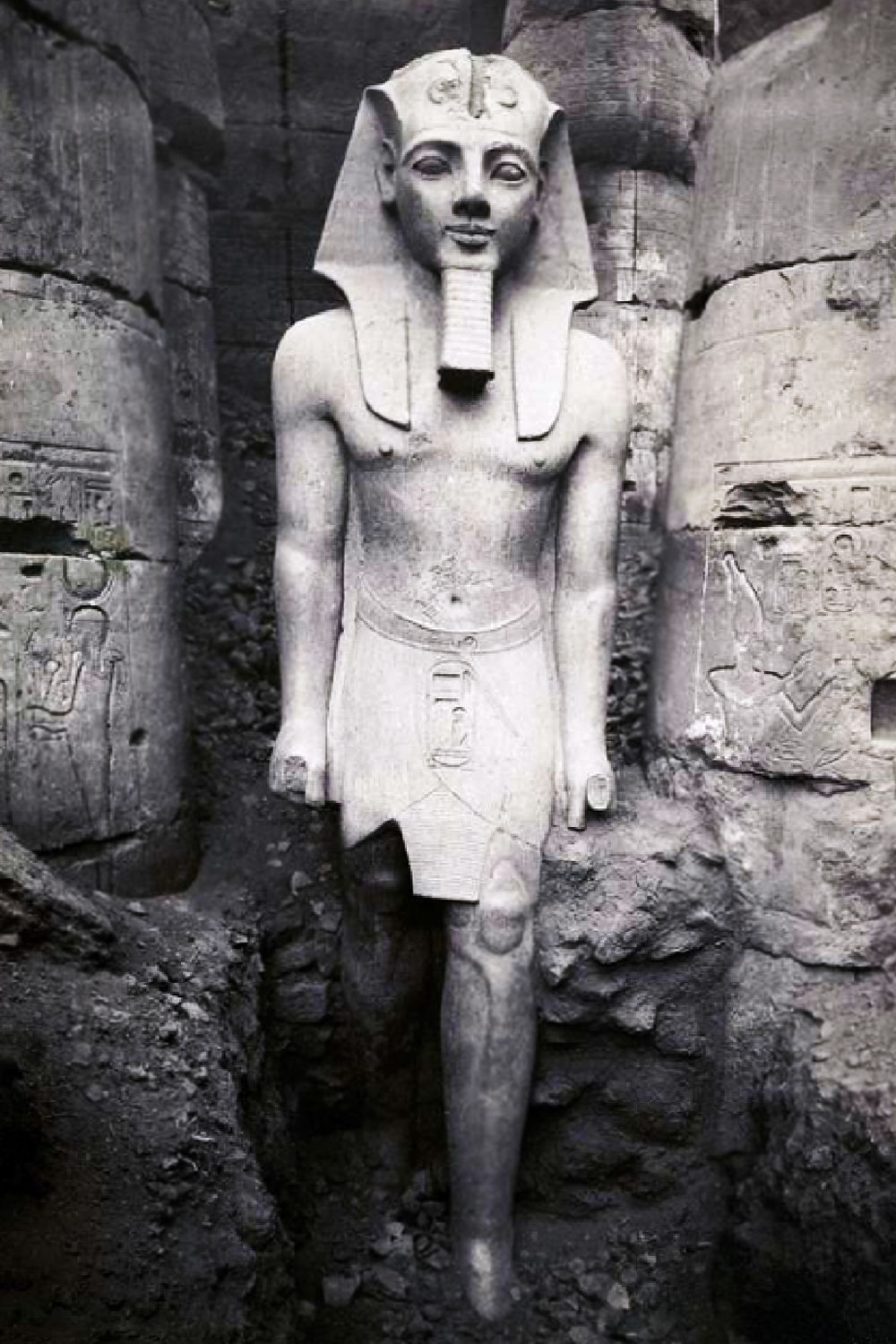
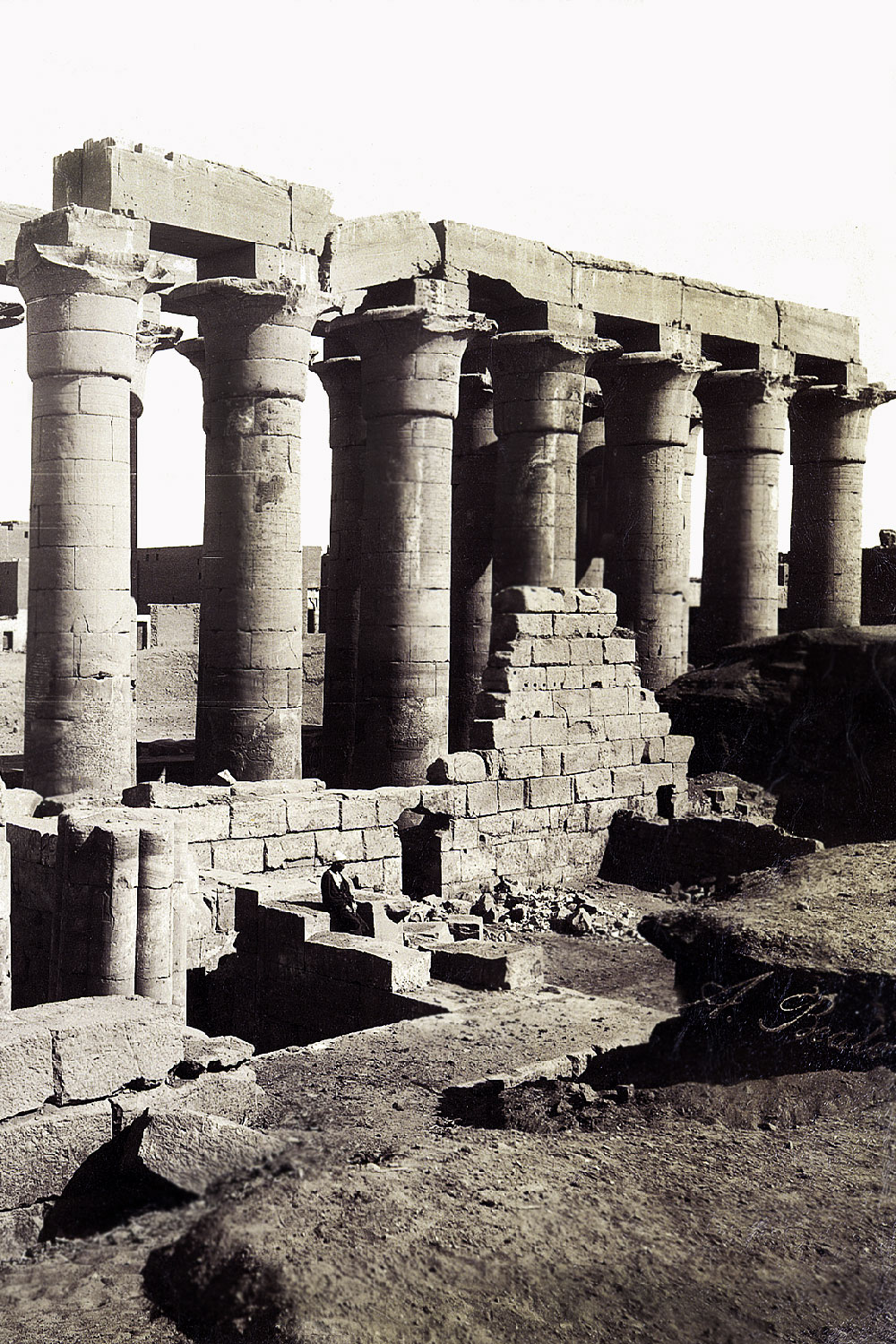
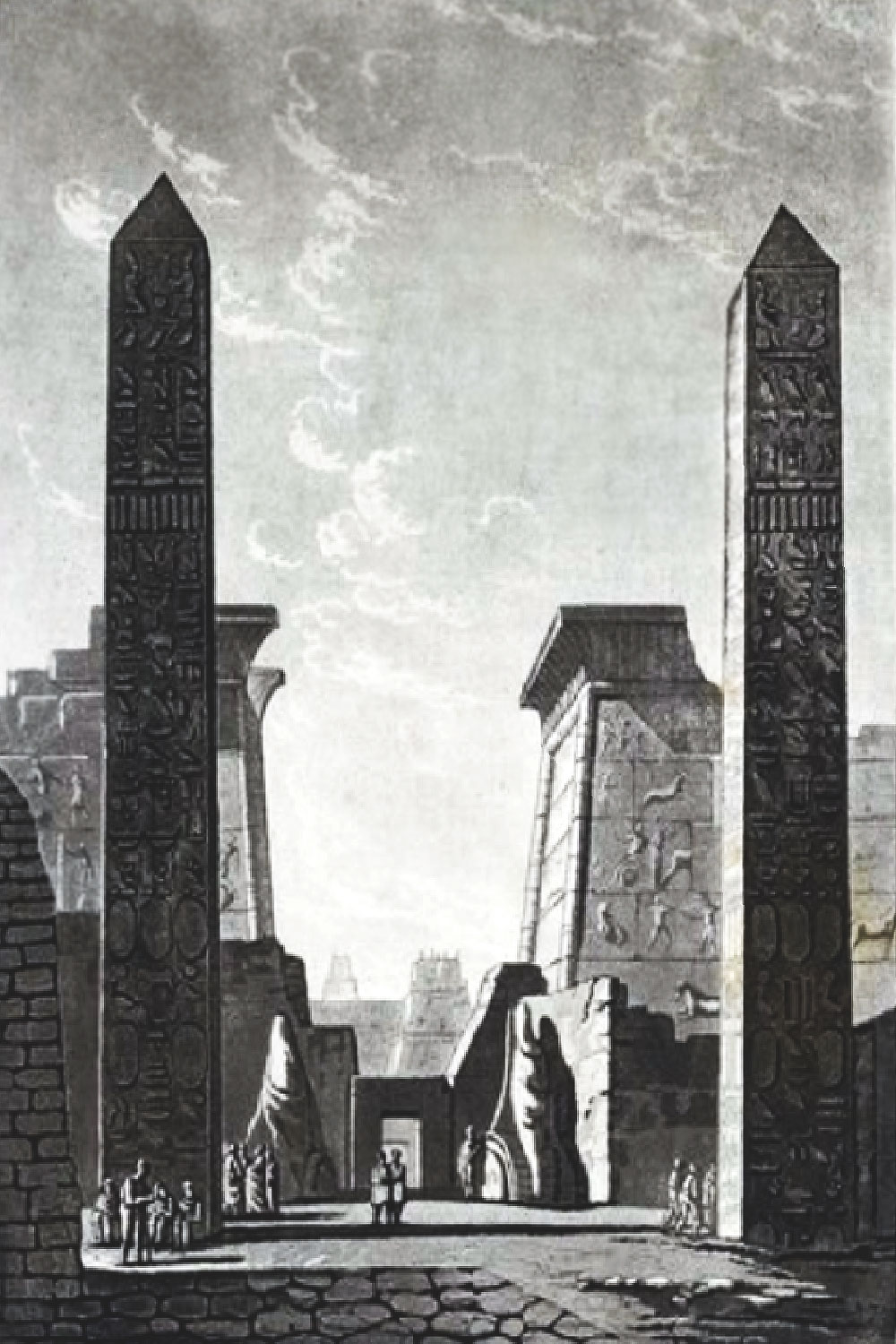
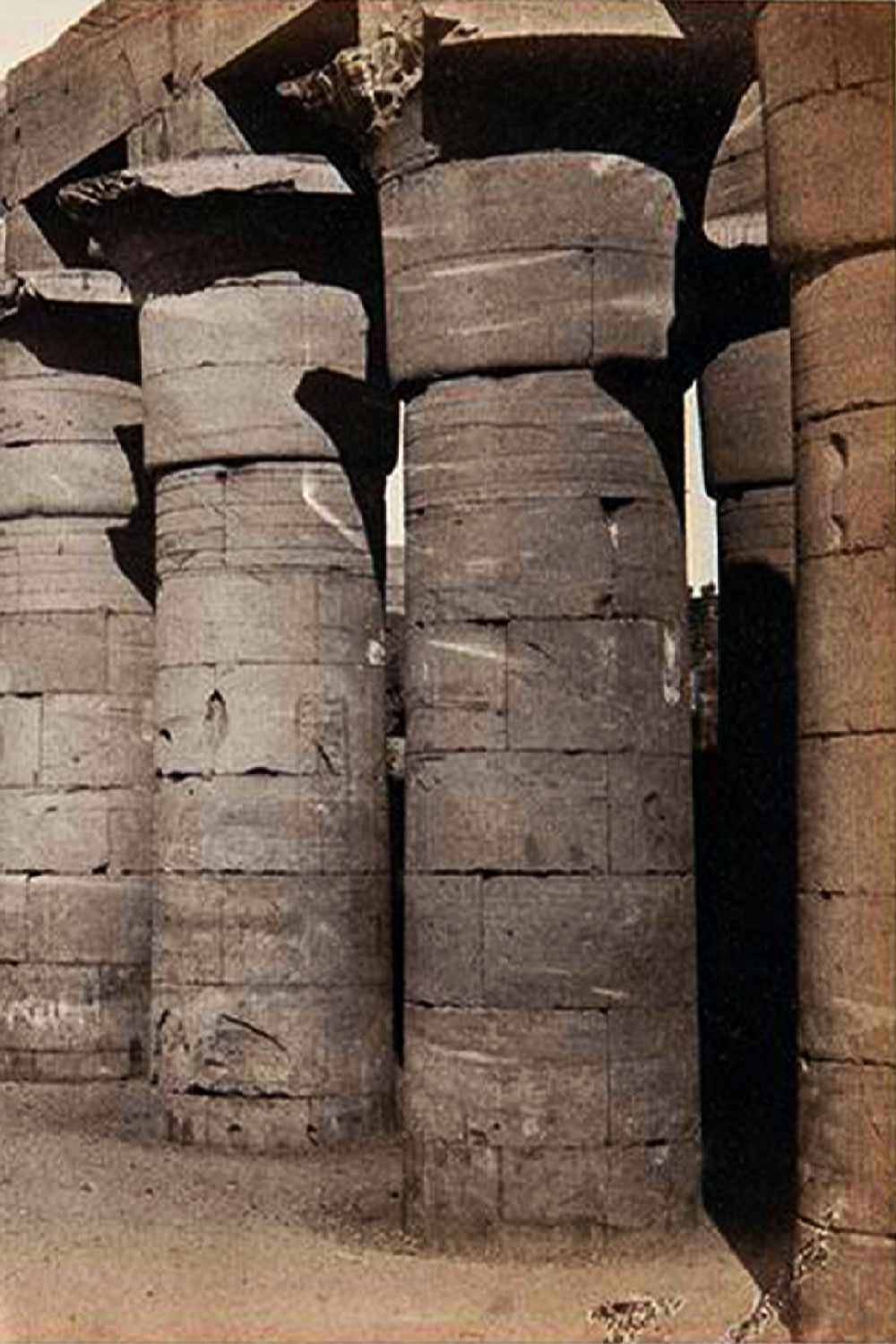
Early photographs and artwork of Luxor Temple reveal how dramatically the site changed before modern excavation. In the 19th and early 20th centuries, the entrance pylons,
obelisks, colossal statues, and even village houses stood half‑buried under deep sand and debris. These images capture the temple’s monumental columns and courts
when they were still emerging from the desert, offering a direct visual record unlike written accounts. Each photograph and artwork freezes a moment of discovery,
becoming a powerful, enduring symbol that confirms the reality of Egypt’s past rather than leaving it to imagination.
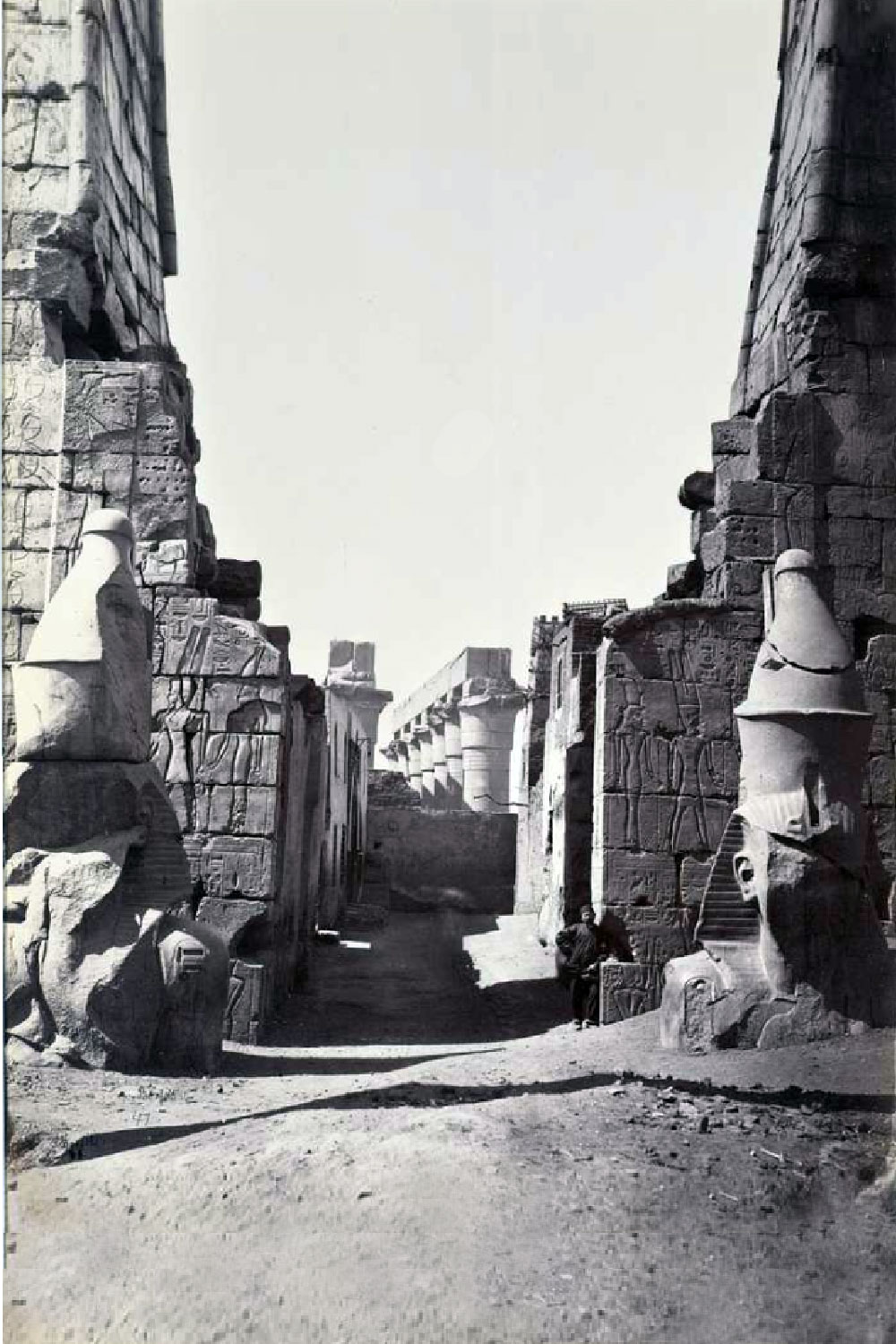
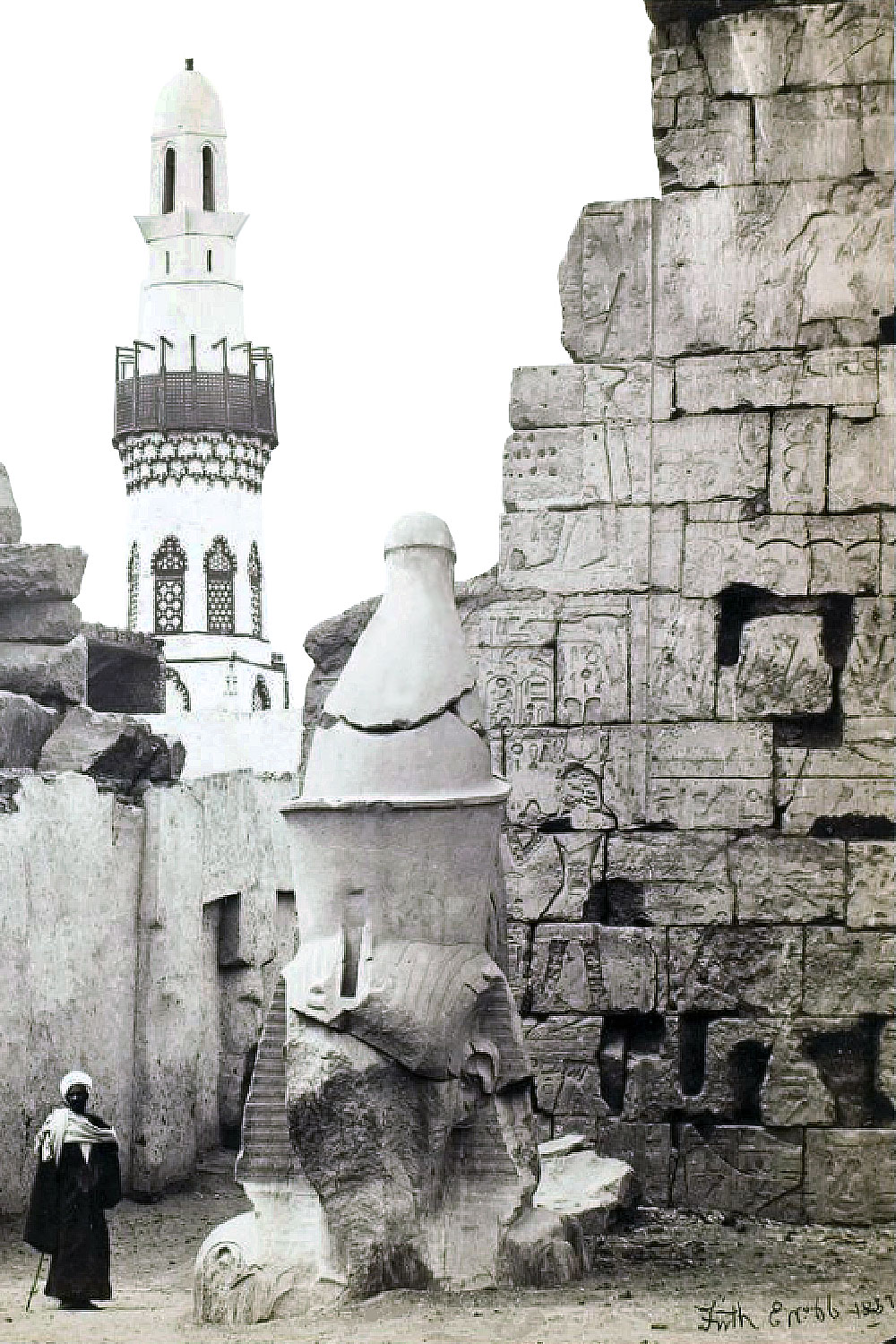
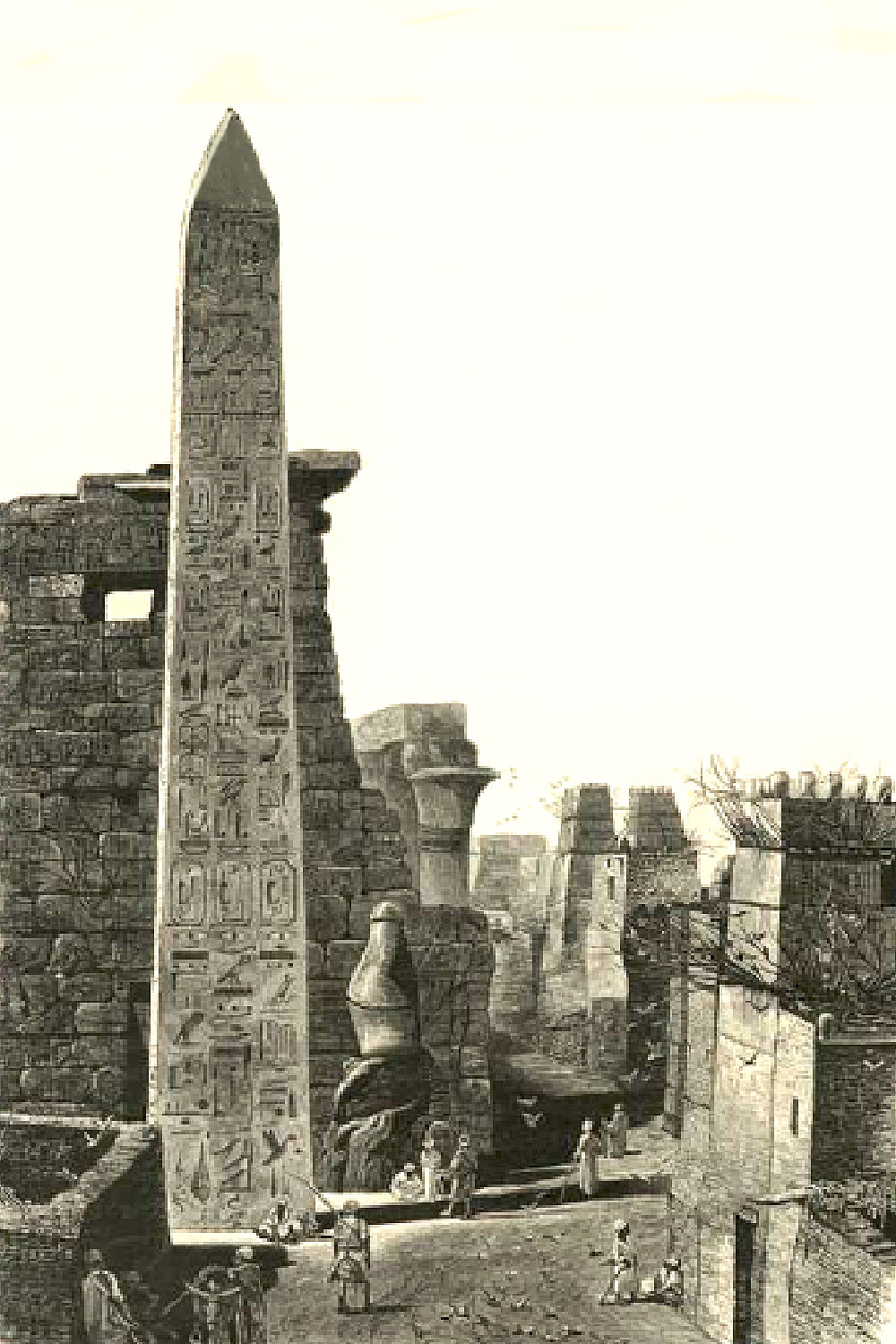
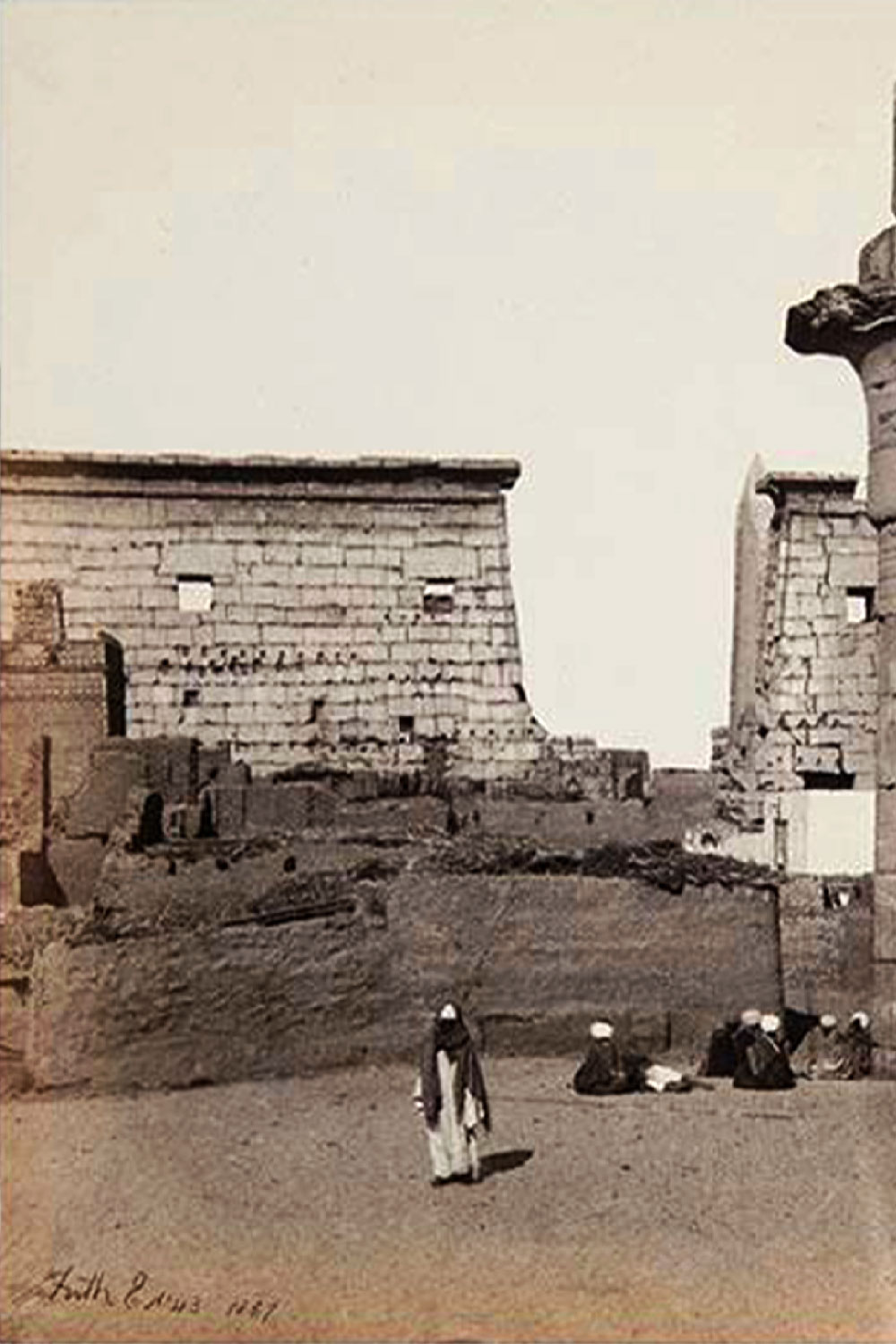
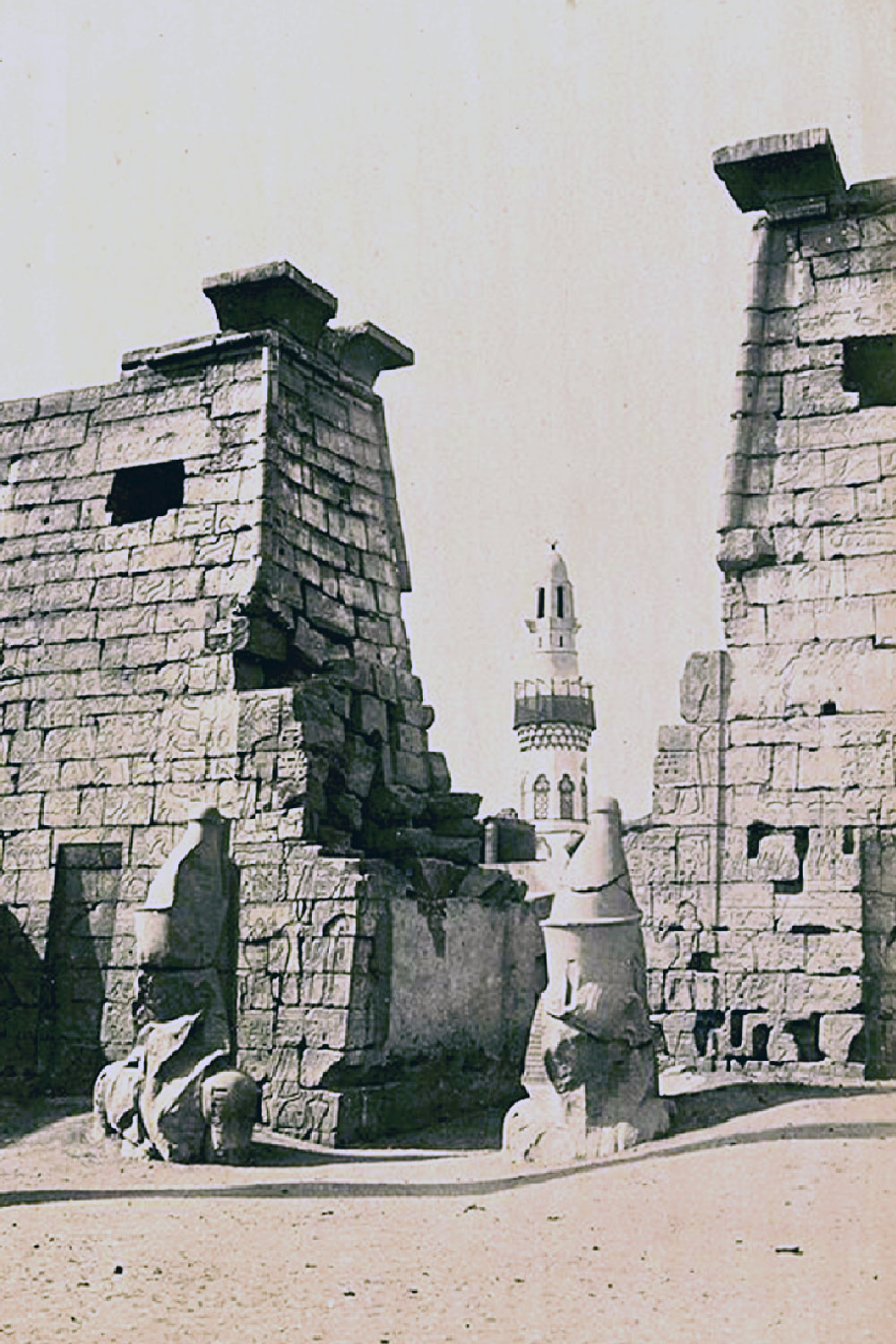 Partially buried Luxor Temple entrance with buried colossal statues and the minaret of the Abou el-Haggag Mosque, Photographer: Francis Frith, Dated: 1857, Source: NYC Public Library, 🅮Public Domain
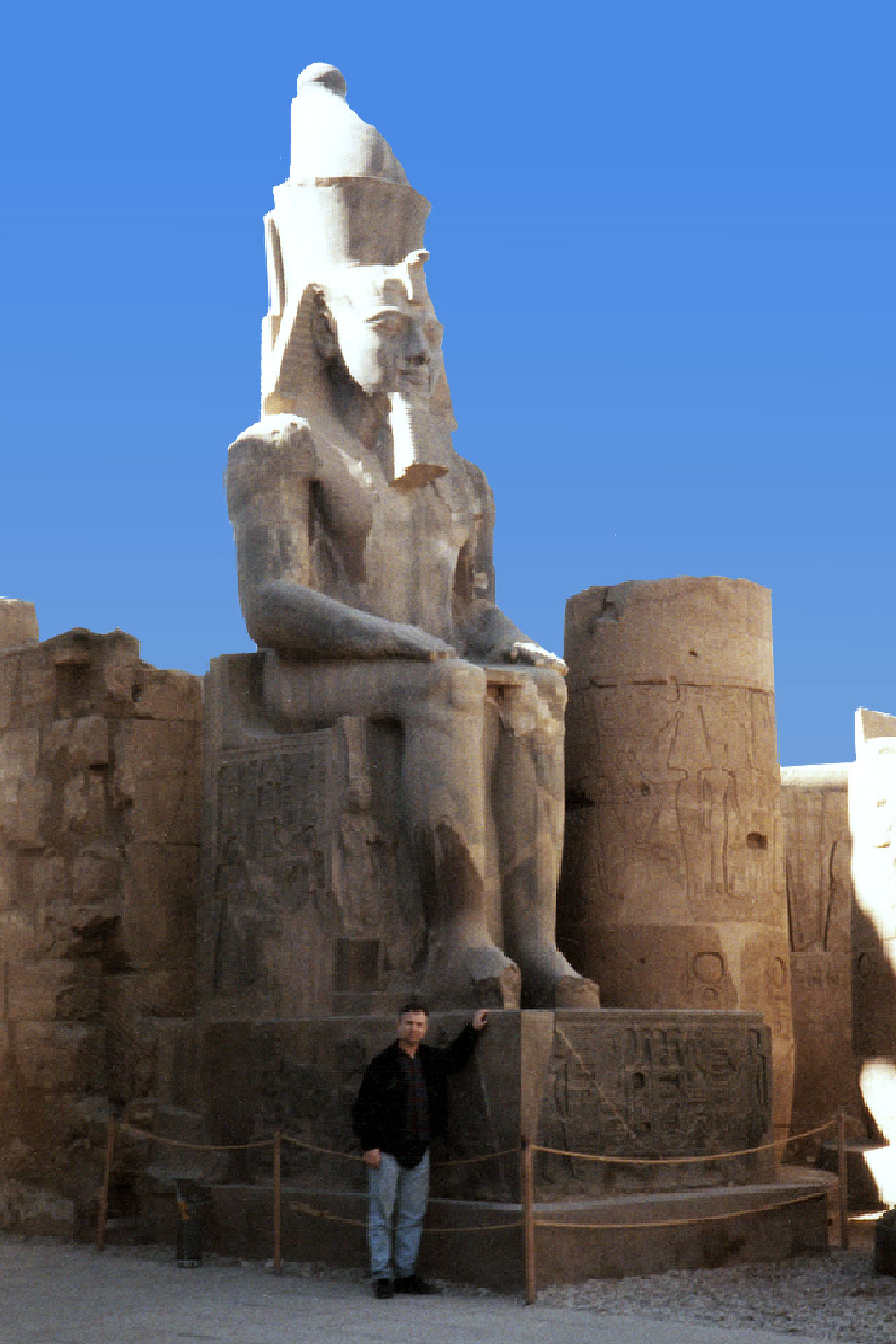
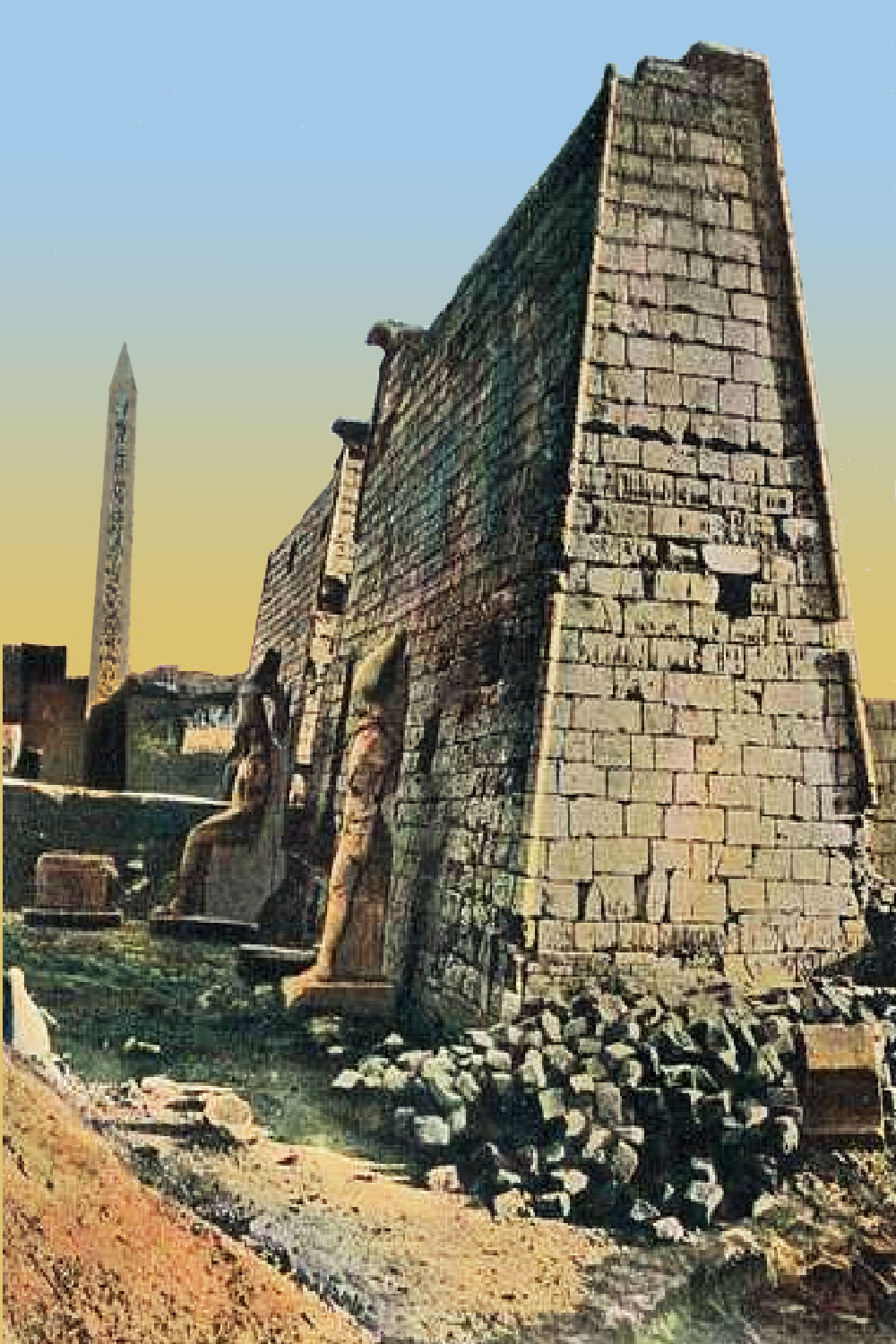
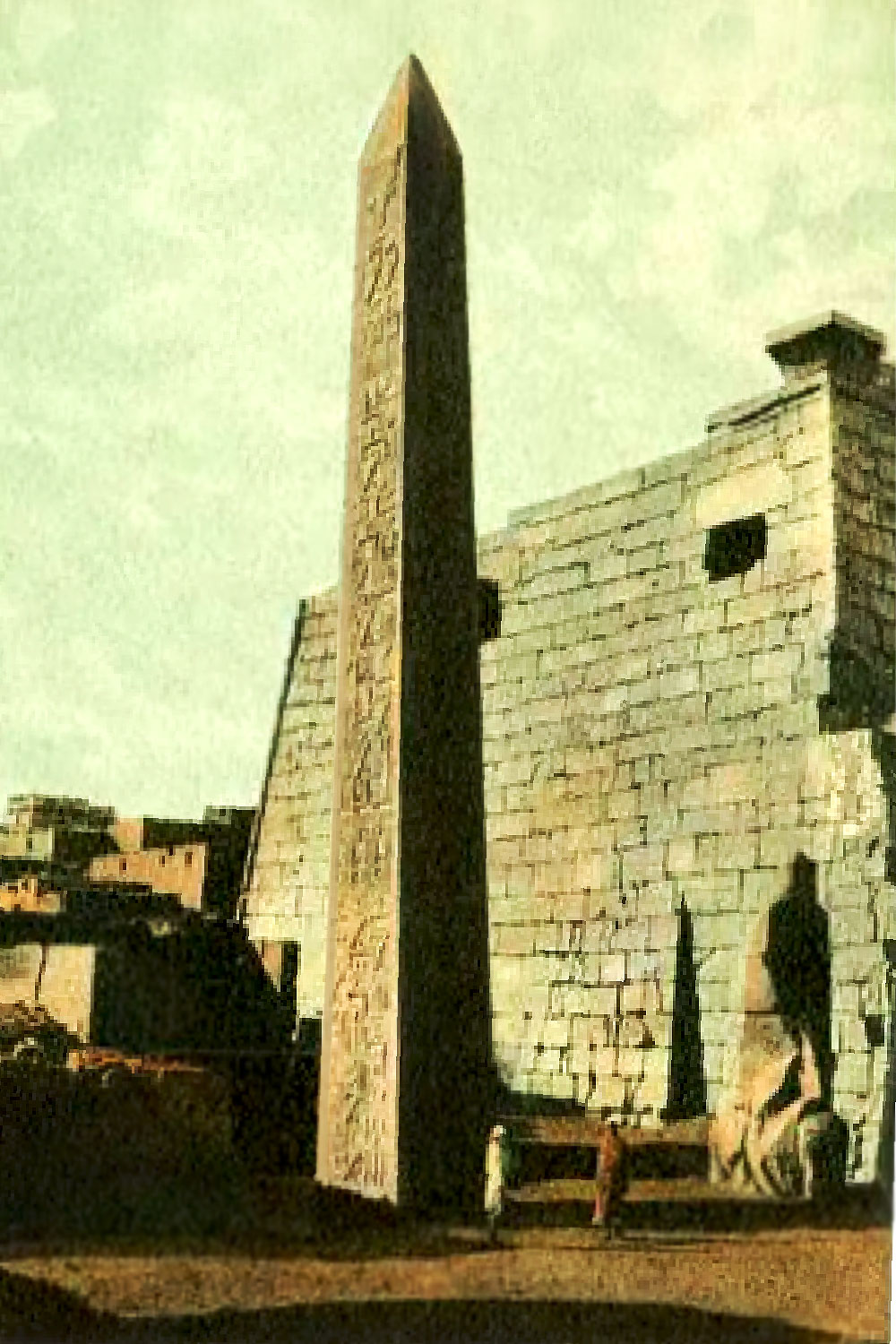
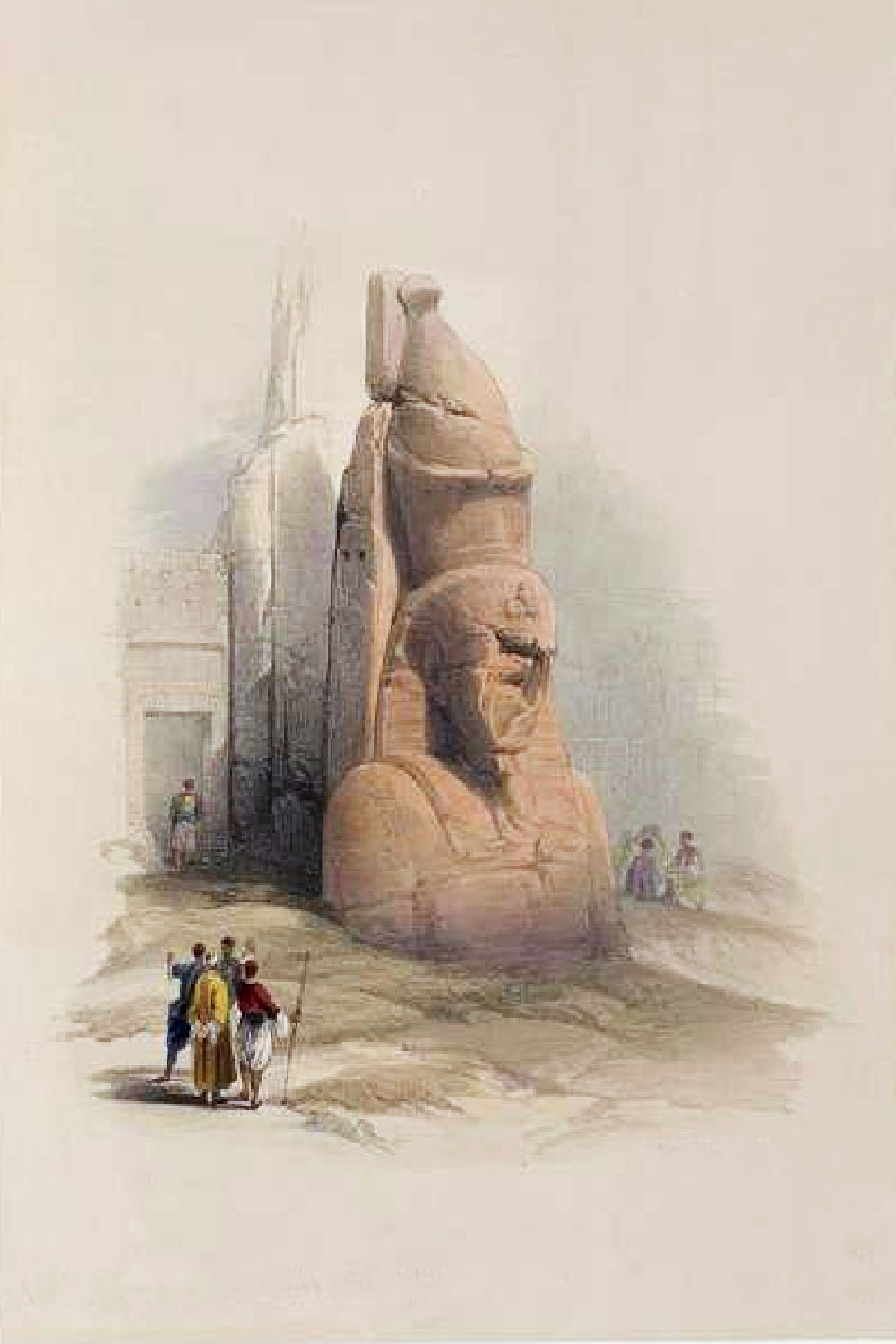 A colossal statue at the entrance to the Temple of Luxor, Tinted lithograph, Artist: David Roberts (1796–1864), Dated: 1838, 🅮Public Domain
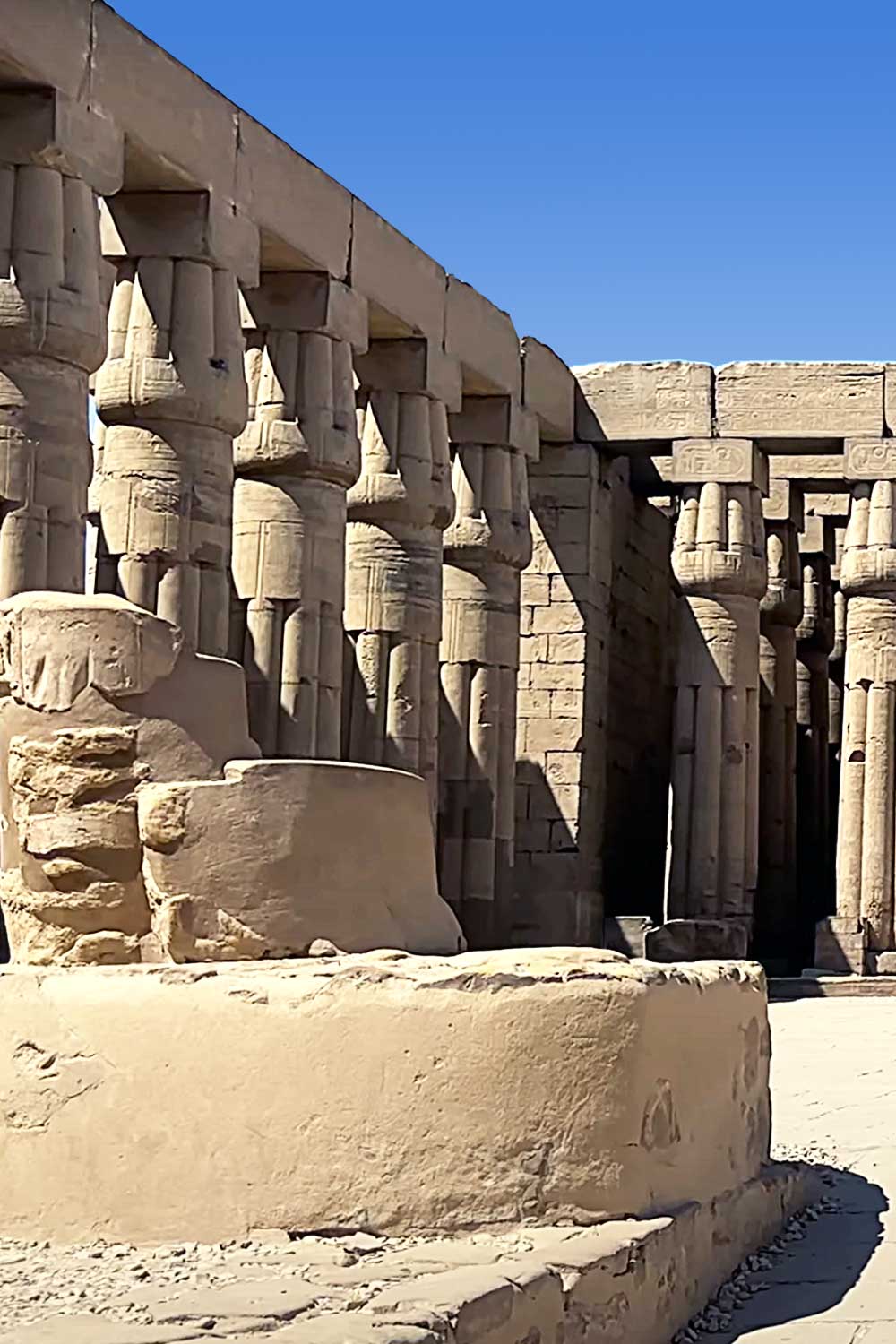
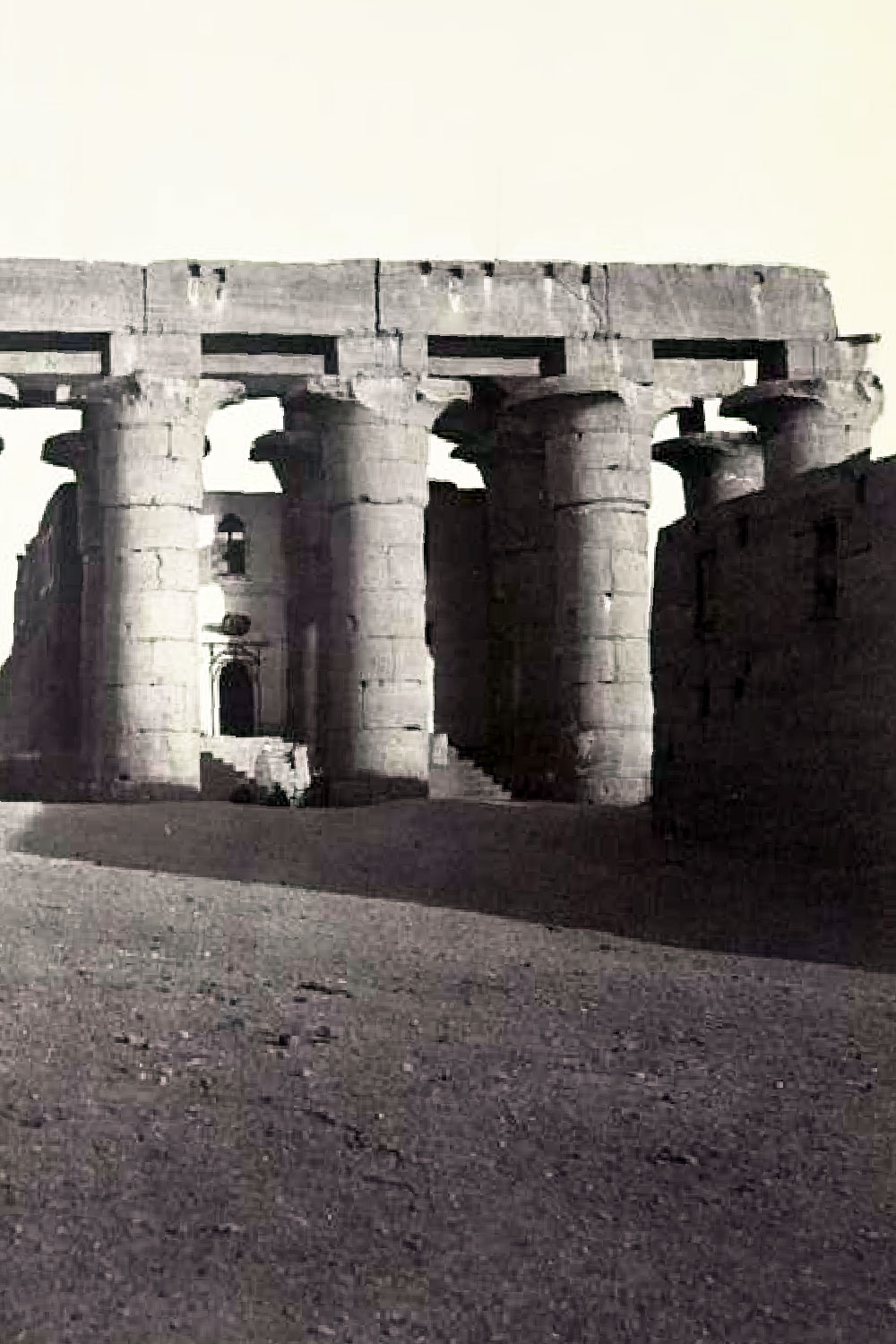
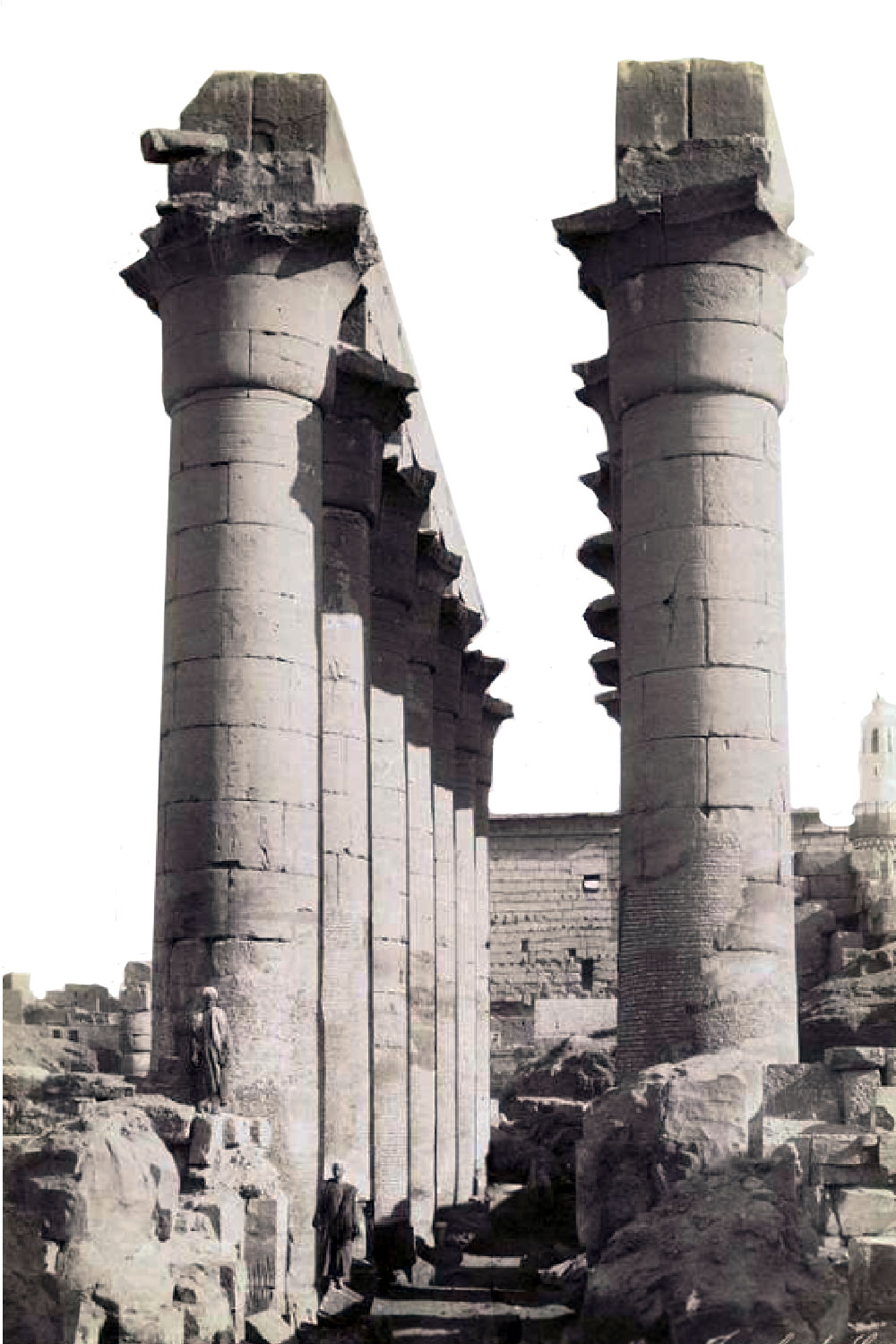
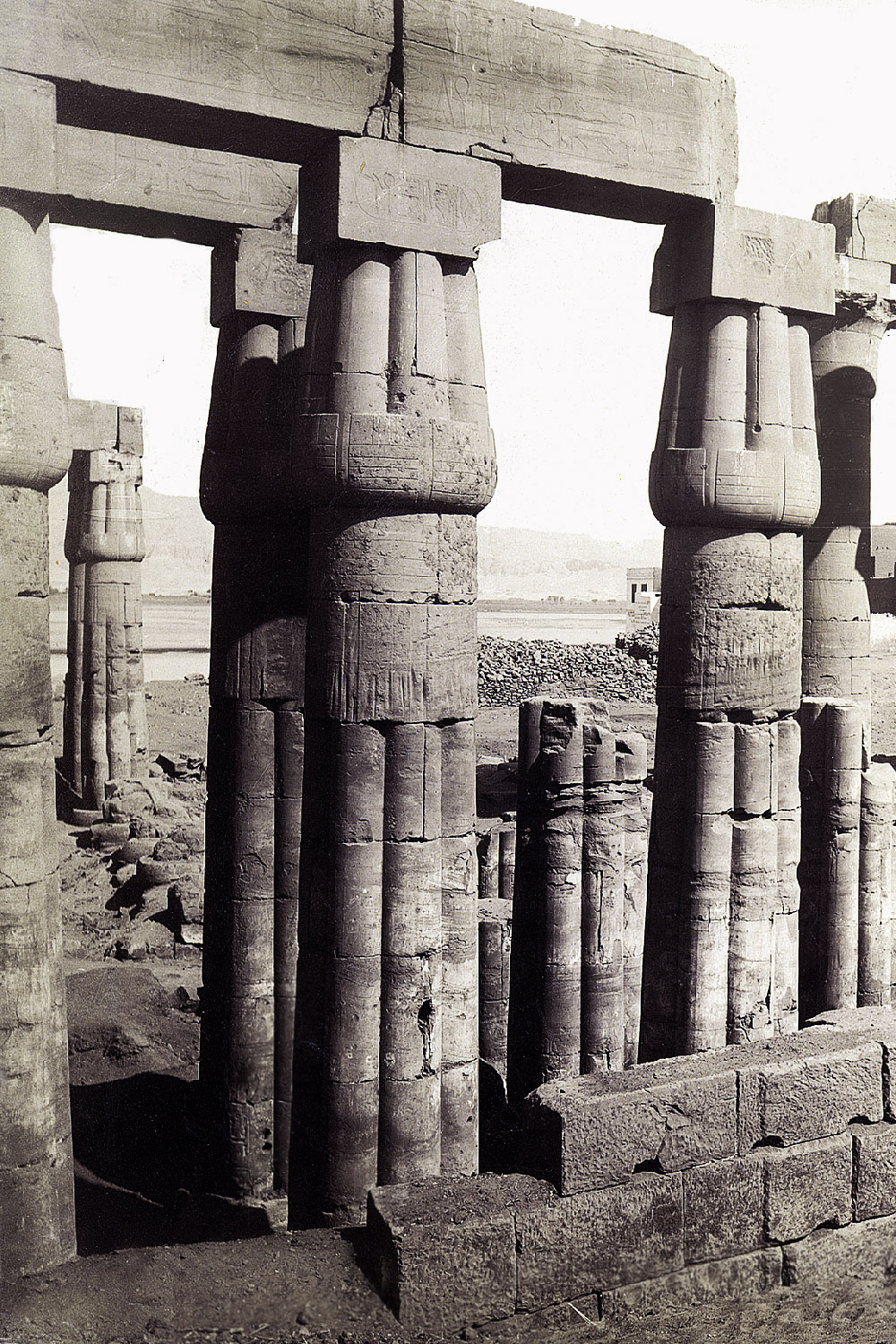
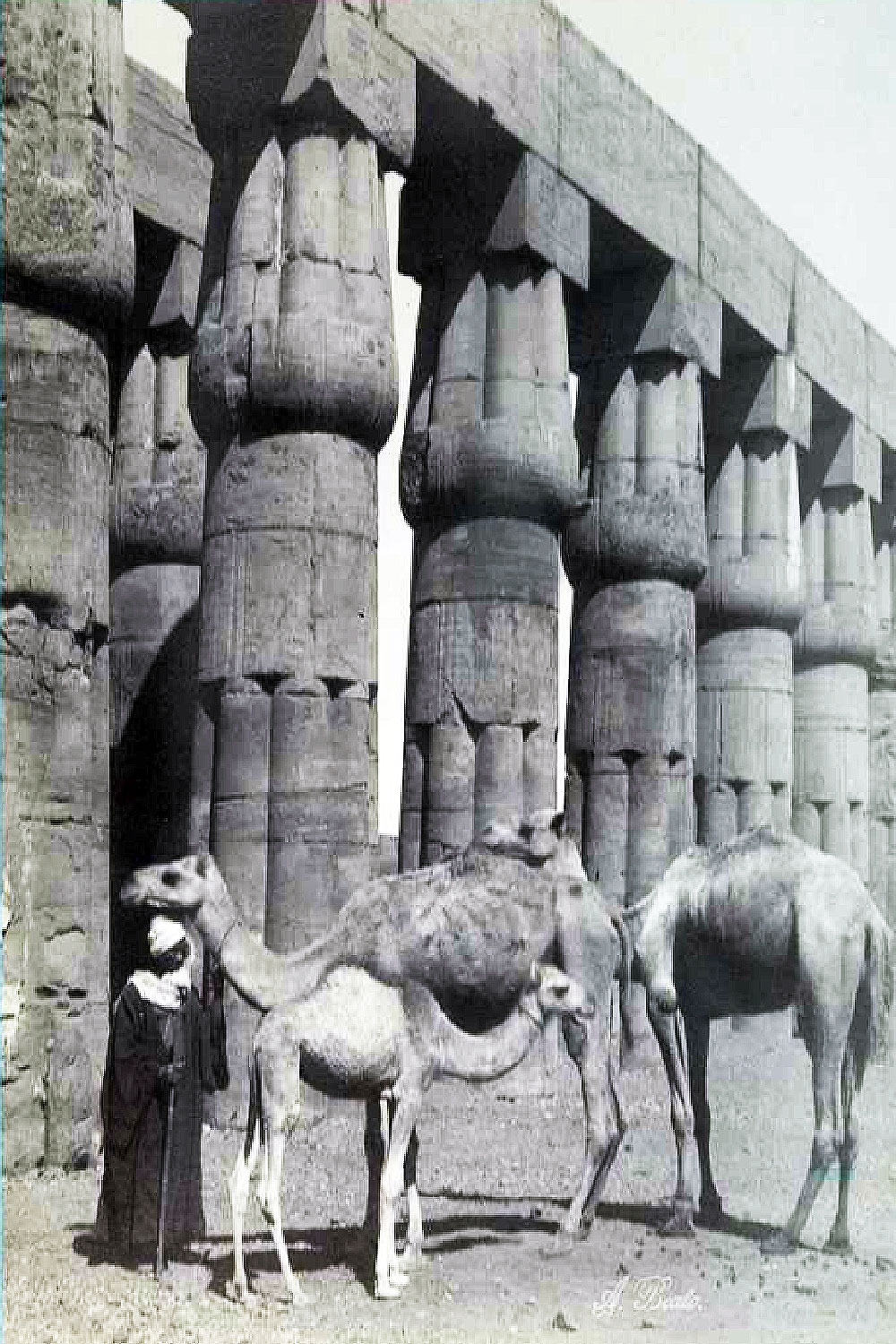 Camels and a local handler with papyrus-bud columns in the Sun Court, Luxor temple, photographer: Antonio Beato, Dated: 1880, Source: NYC Public Library, 🅮Public Domain
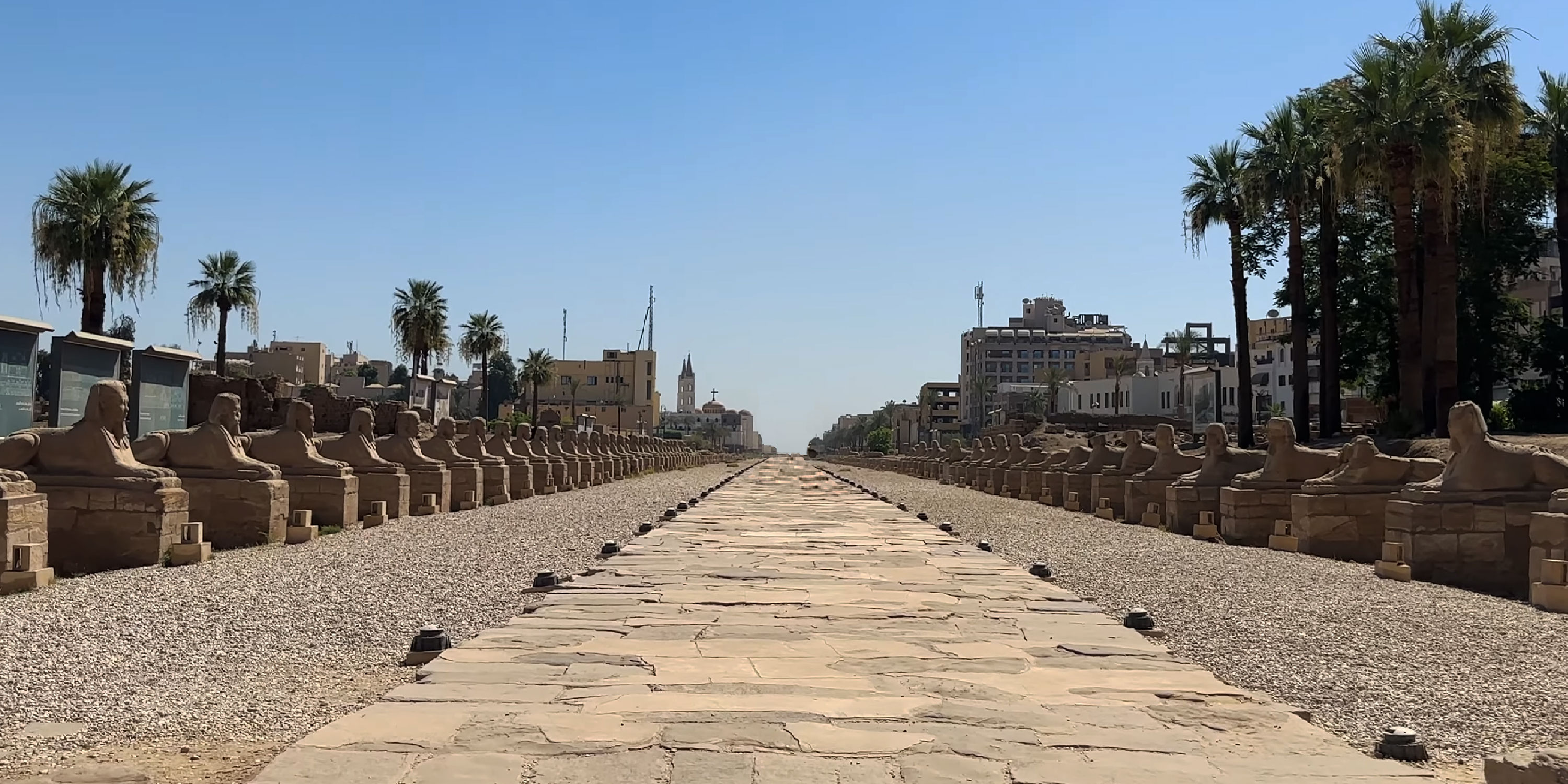
 Public Domain
 Top
Top