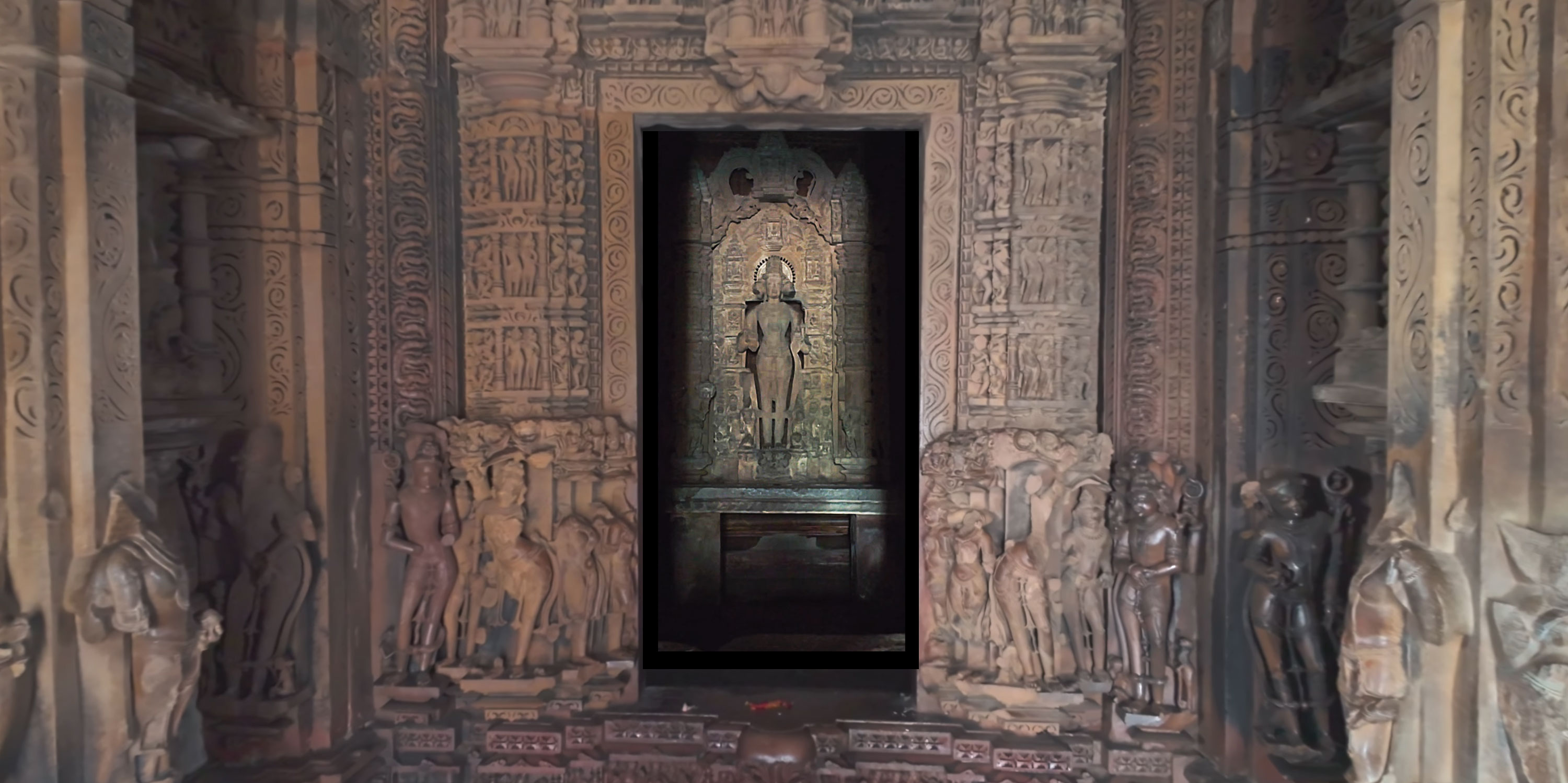
Khajuraho
After centuries of abandonment and overgrowth in the forests of central India, the Khajuraho temples were brought to wider attention in 1838 when British engineer
T. S. Burt published his account of the site. Built largely between 950 and 1050 CE under the Chandela dynasty, the complex once contained 85 temples spread across 20 square kilometers; today,
about 25 survive within a smaller area. In 1986, the remaining temples were inscribed as a UNESCO World Heritage Site for their artistic brilliance and their embodiment of Chandela cultural
traditions. The Kandariya Mahadev Temple is the masterpiece of Khajuraho. Completed around 1035 CE and dedicated to Shiva, it is the largest and most ornate structure at the site. Rising 102 feet
to its finial and set on a 13‑foot‑high plinth, the temple’s clustered shikharas evoke a soaring mountain range. Its name—derived from kandara, meaning “cave”—is echoed in window forms that
resemble cavern openings. The exterior is arranged in three sculptural bands filled with apsaras, gandharvas, deities, musicians, and scenes of daily life. Erotic figures—about ten percent of
the carvings—appear among them, depicting couples, attendants, and acrobatic poses. Scholars have identified more than eighty distinct erotic compositions within the temple’s total of 872
sculptures. Yet the majority portray the rhythms of everyday existence: families, lovers, dancers, warriors, travelers, animals, and processions. Together, they create one of the most refined
expressions of Nagara‑style architecture and medieval Indian stone carving.
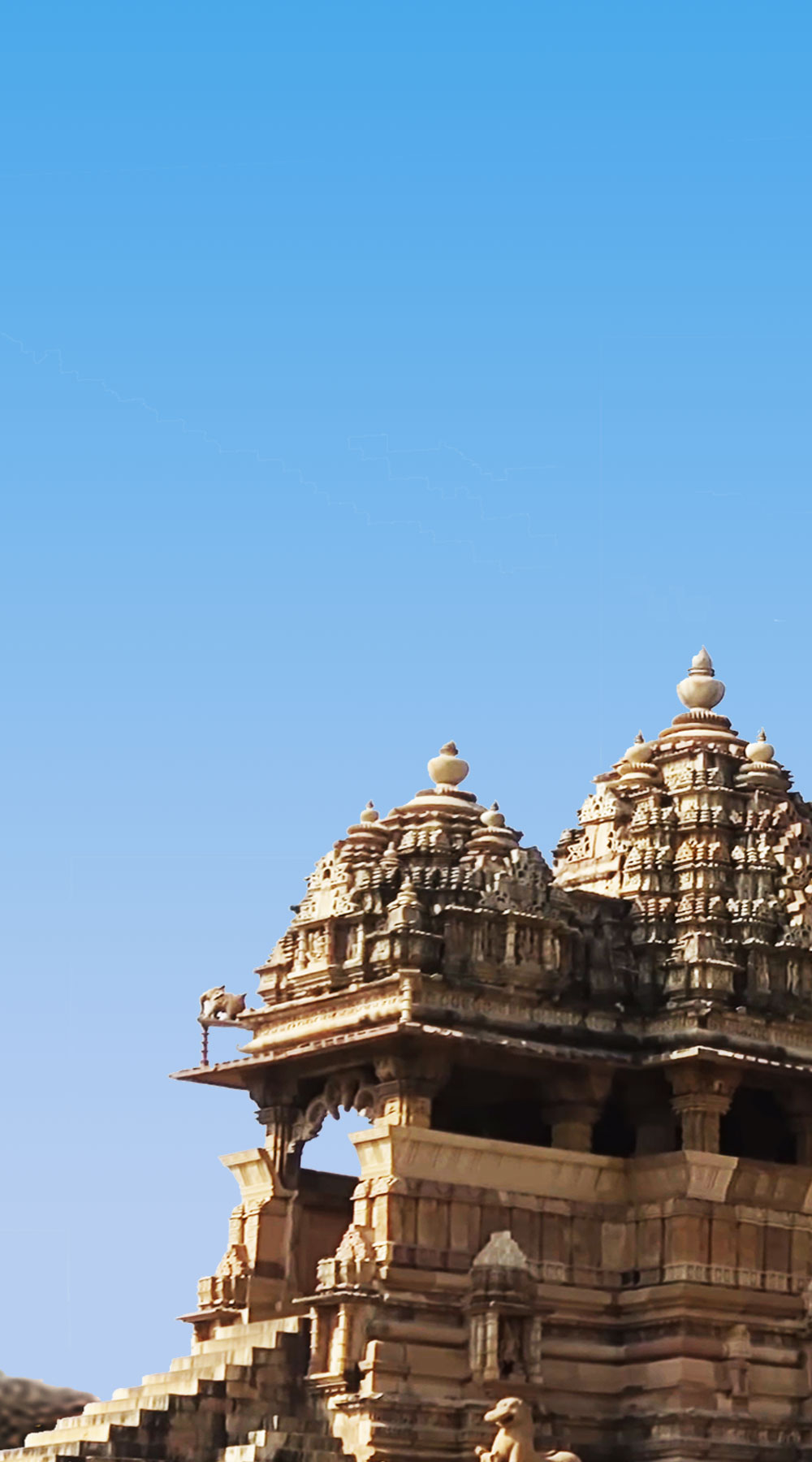 1.) Kandariya Mahadeva Temple is the crown jewel of Khajuraho, built in 1035 CE (side front view)
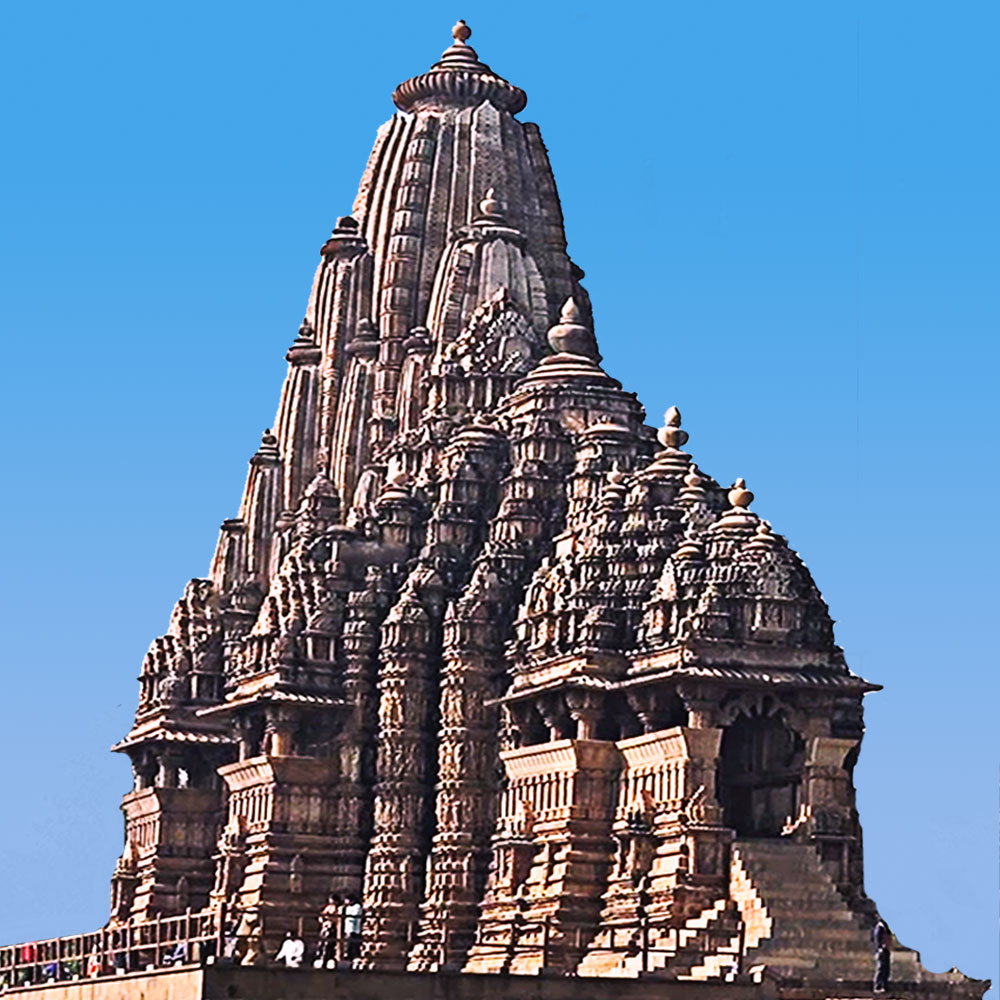 1.) Kandariya Mahadeva; (another front view)
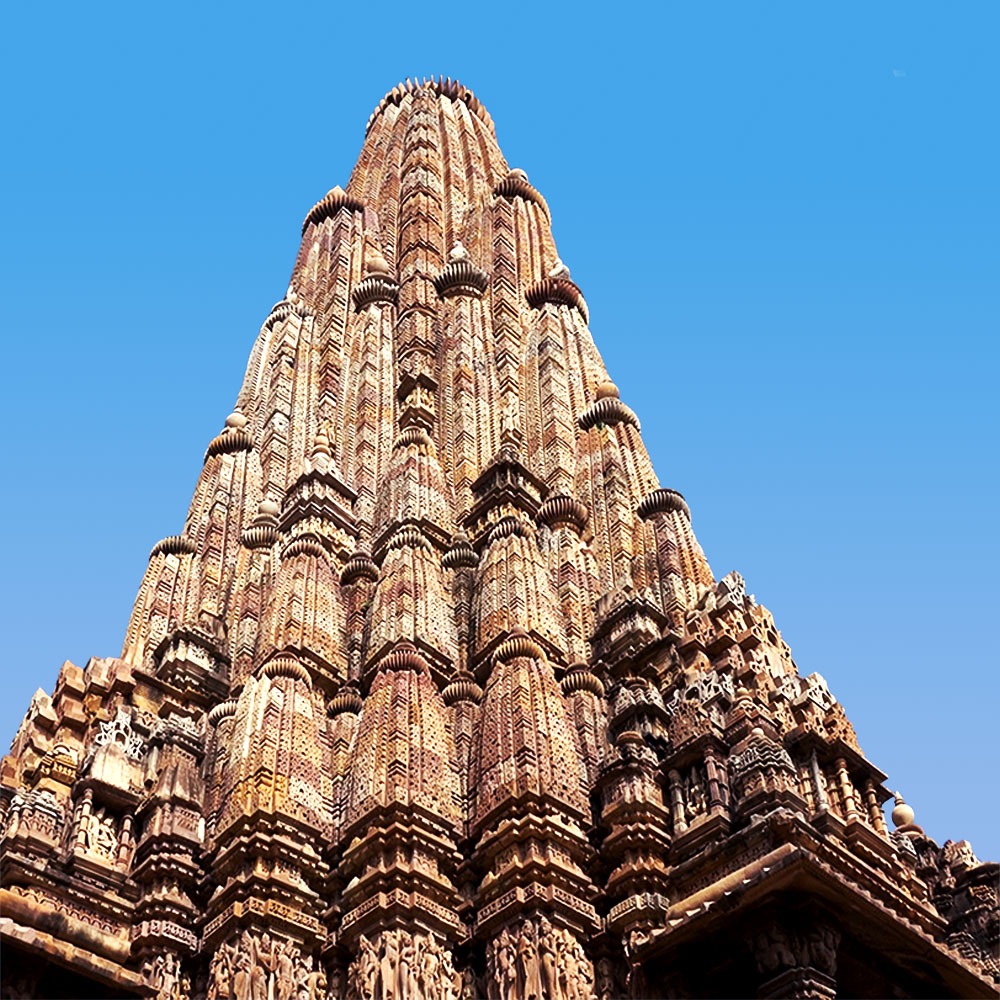 2.) Kandariya Mahadeva; (wide-angle view)
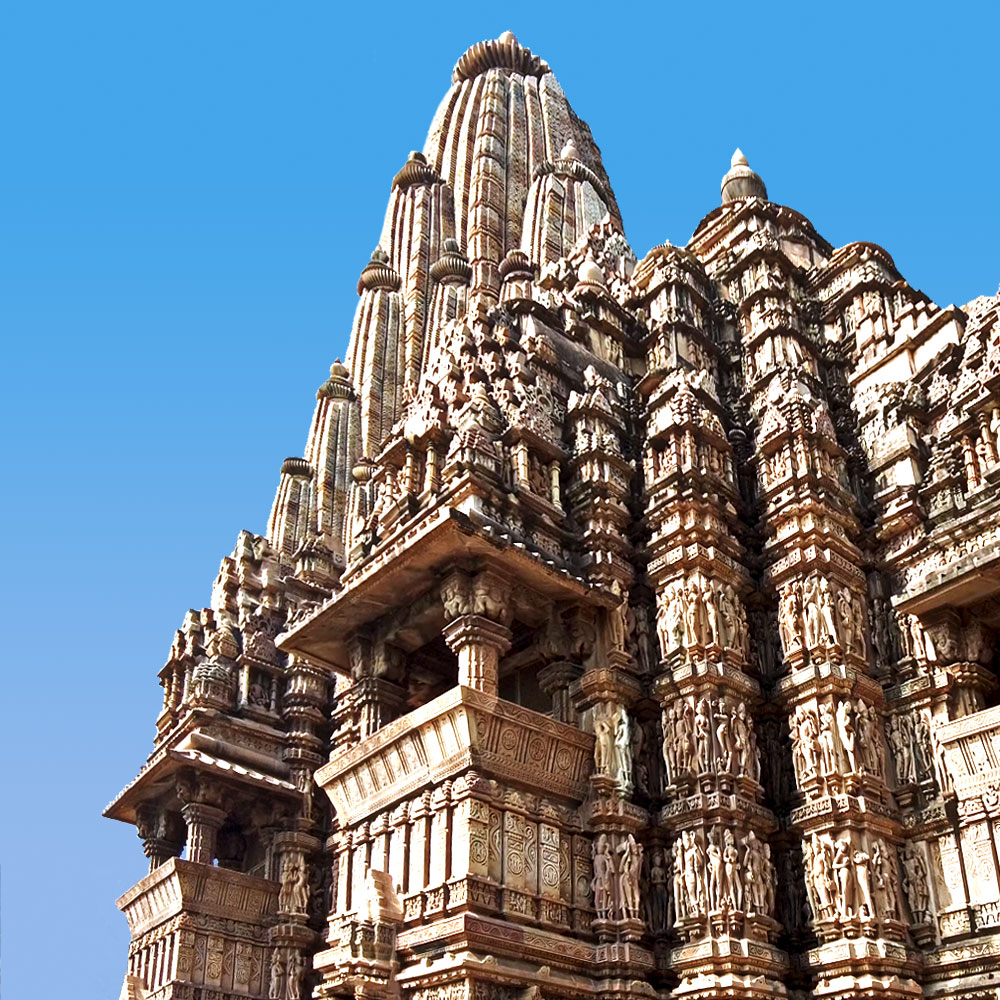 3.) Kandariya Mahadeva; (far side view)
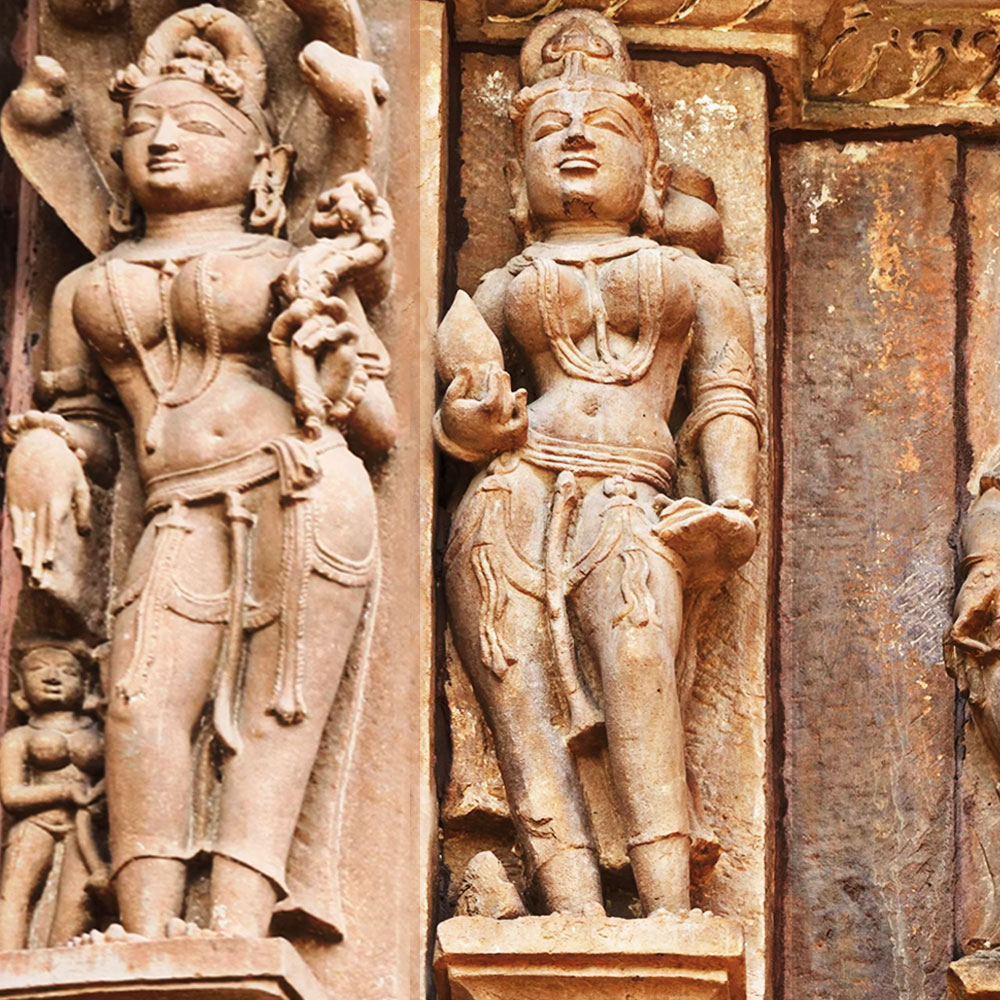 1.) Kandariya Mahadev Temple, outside exterior, erotic
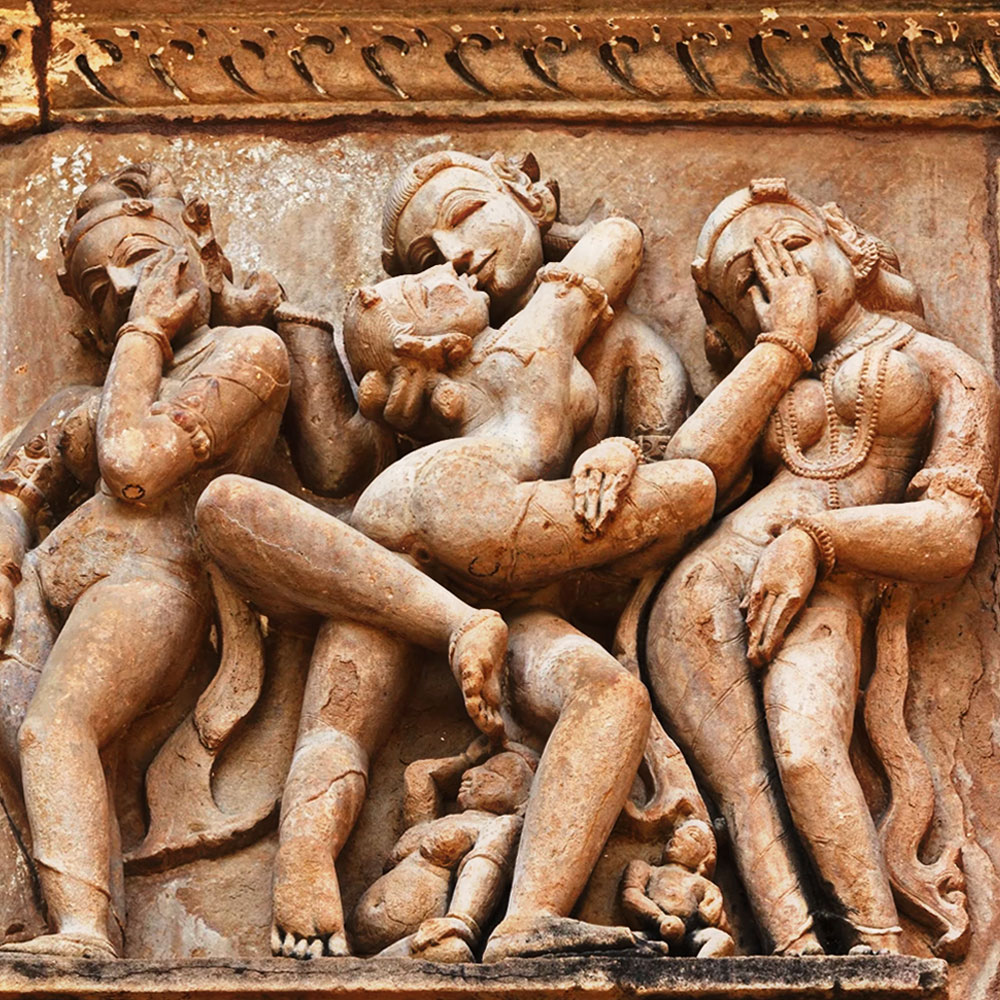 2.) sculpture relief, are a major attraction among visitors,
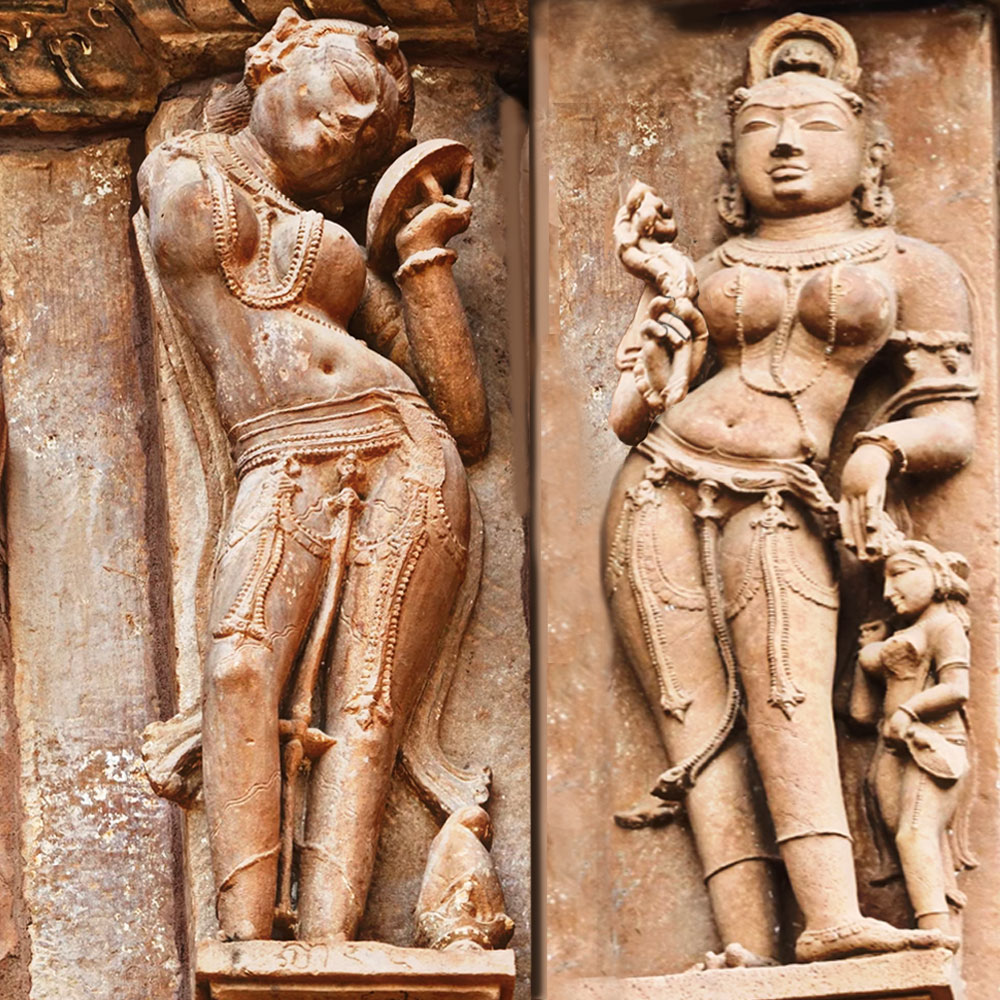 3.) the outer walls of the temple are adorned with sculptures
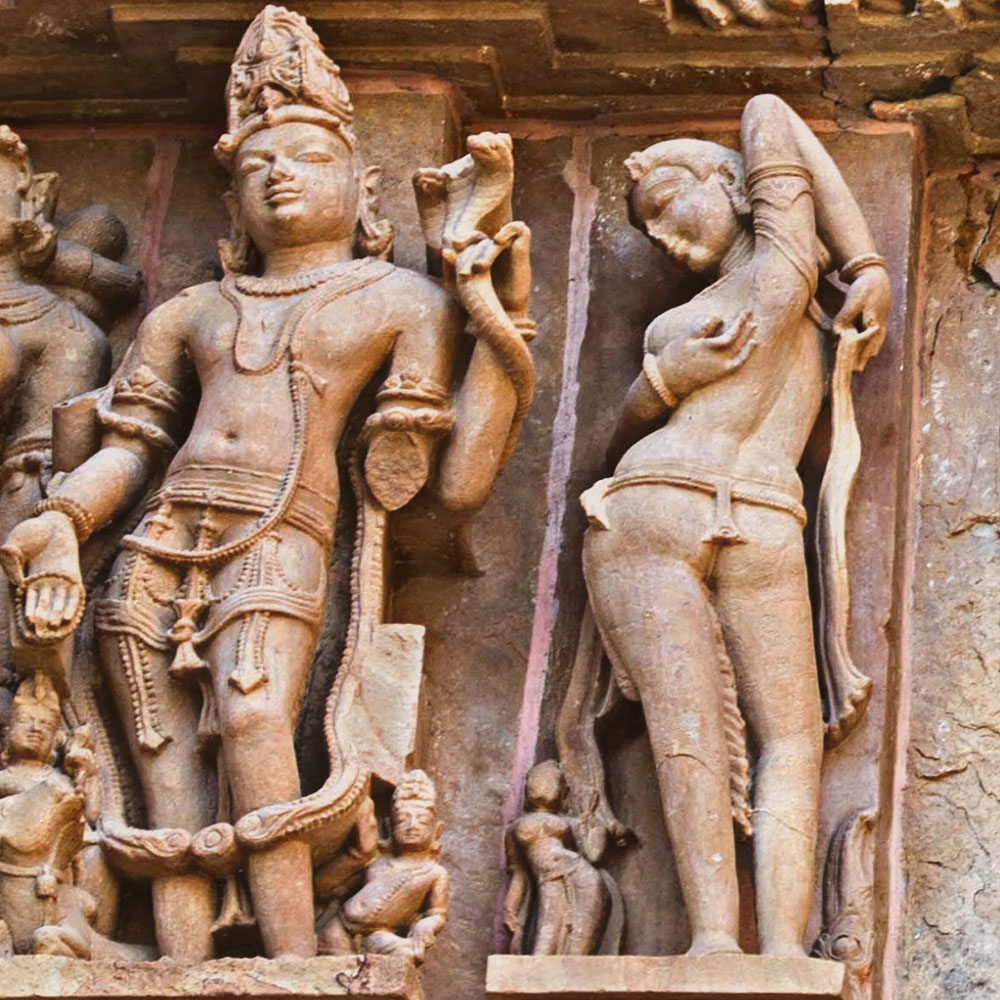 4.) arranged in three vertical layers, some of the sculptures
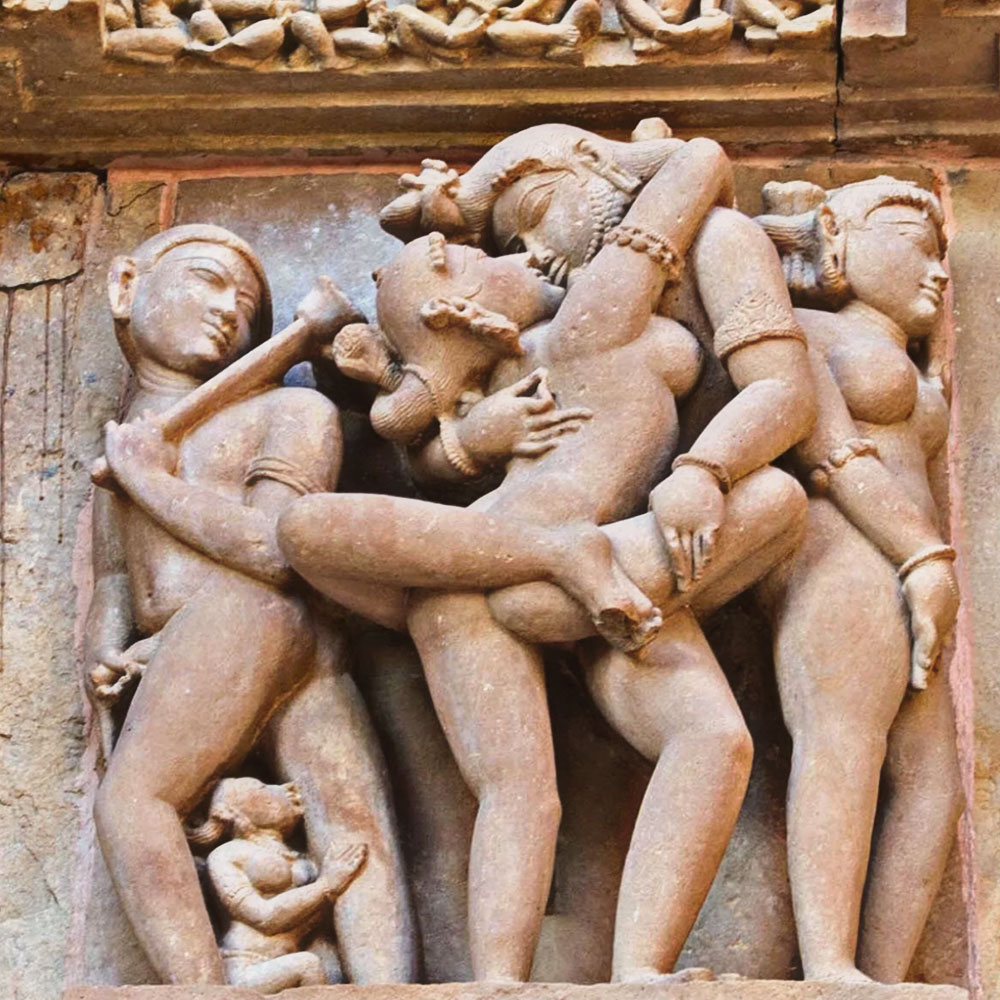 5.) depict heavenly beings, such as Apsaras (celestial nymphs) and their
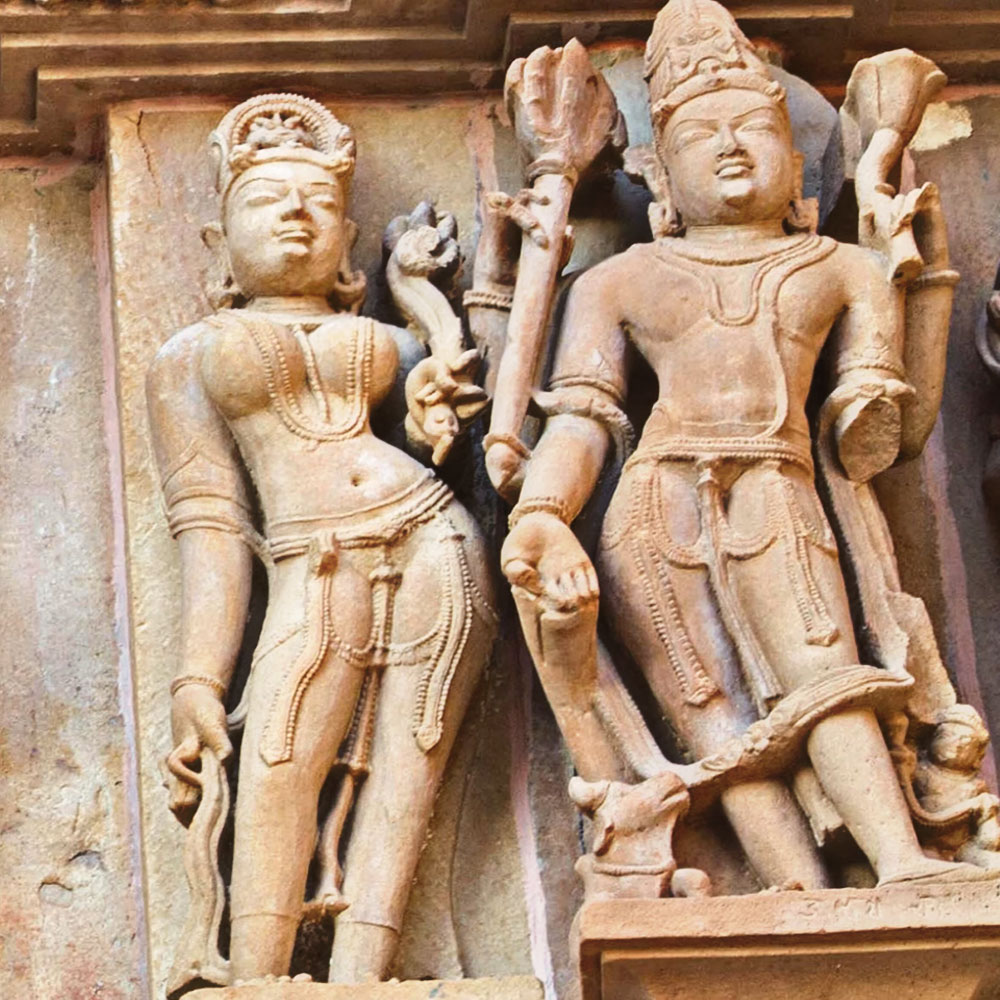 6.) counterparts, Gandharvas (celestial musicians) in various stages of
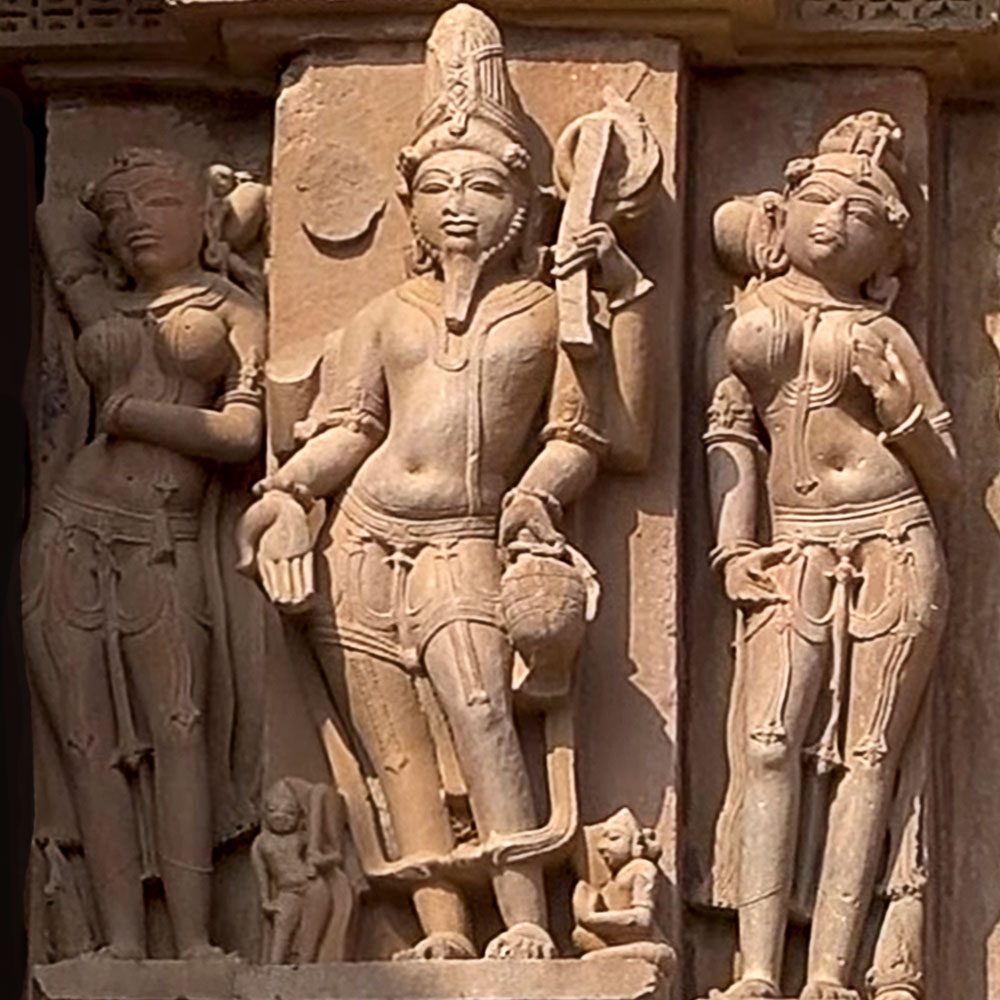 7.) life, among these figures, erotic sculptures are beautifully
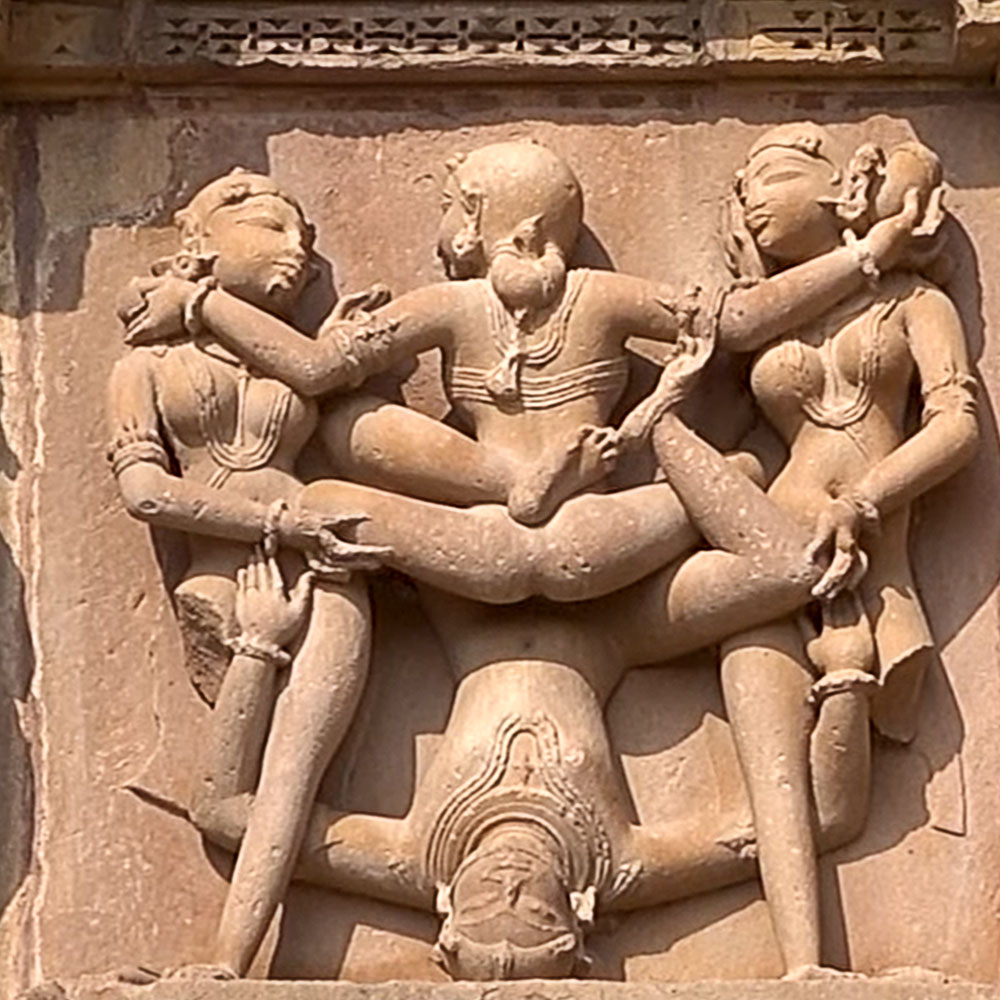 8.) interspersed, showcasing couples in intimate poses,
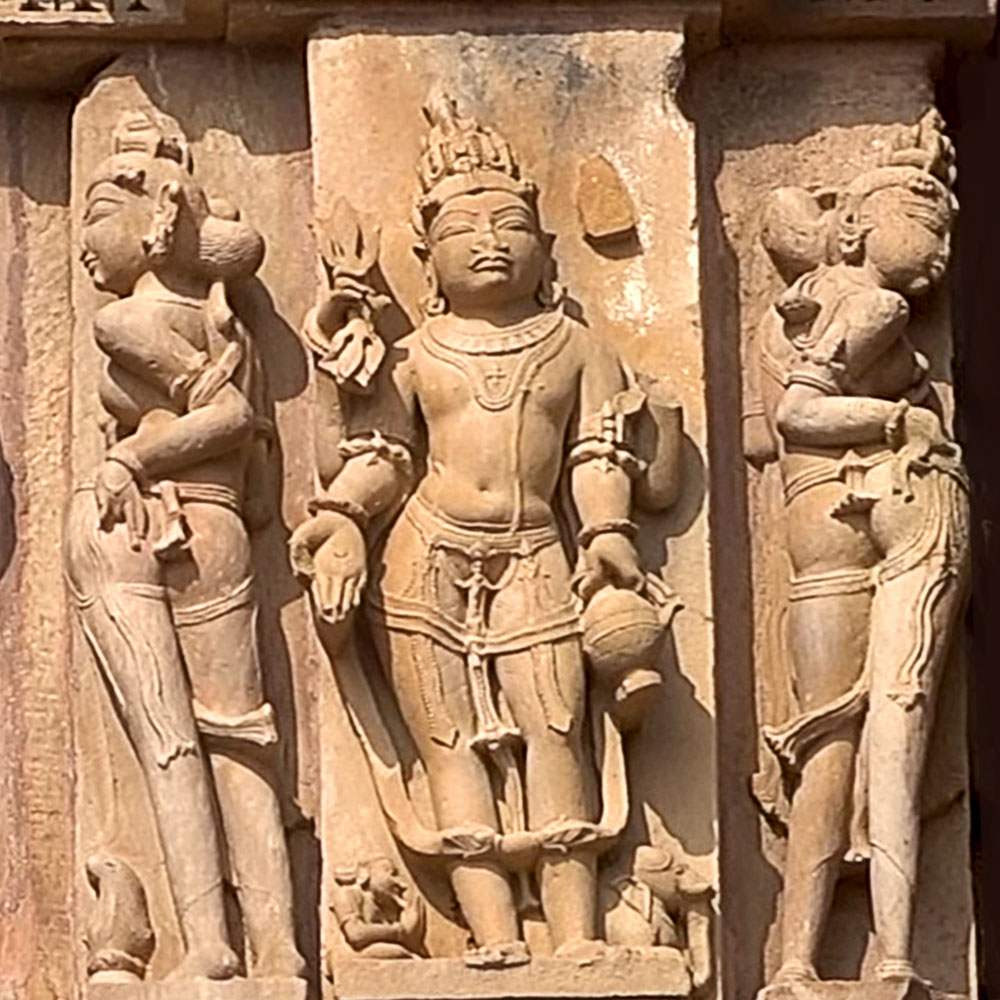 9.) accompanied by maidens and musicians, sculptures of
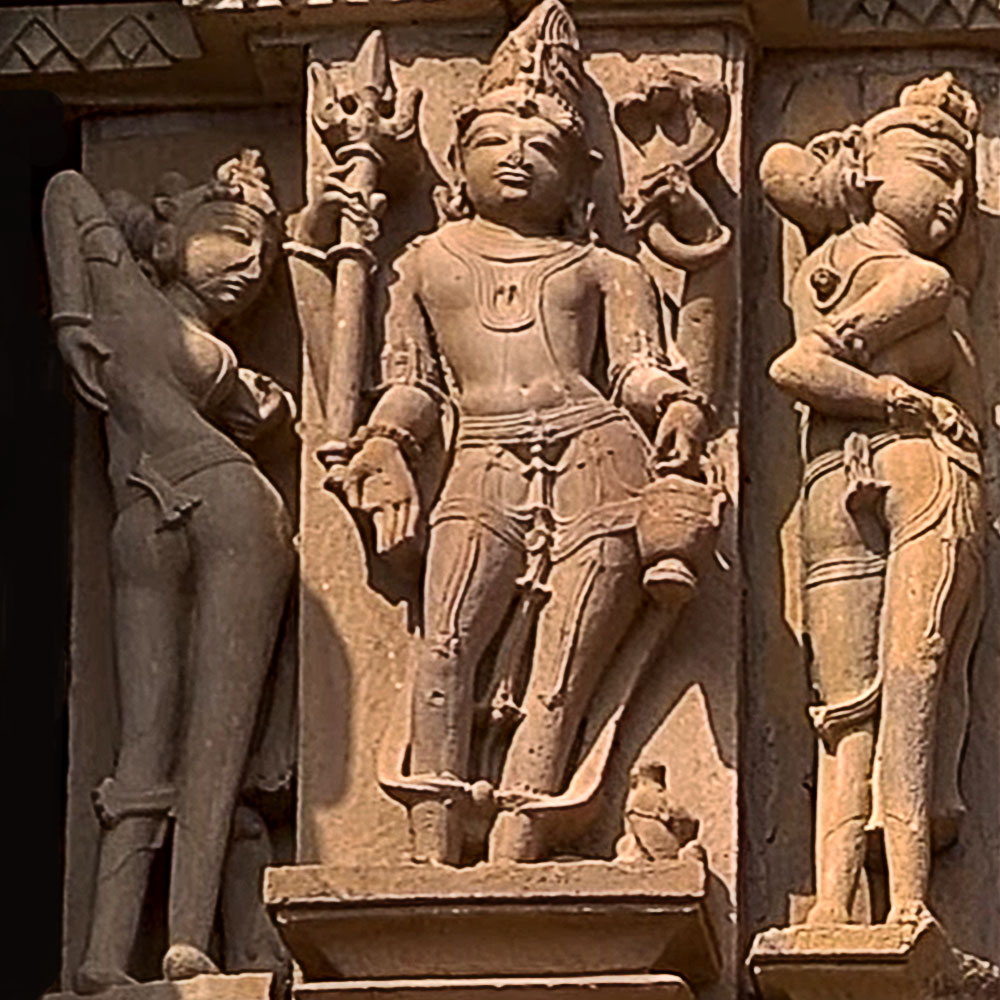 10.) various Gods, their consorts, female figures and
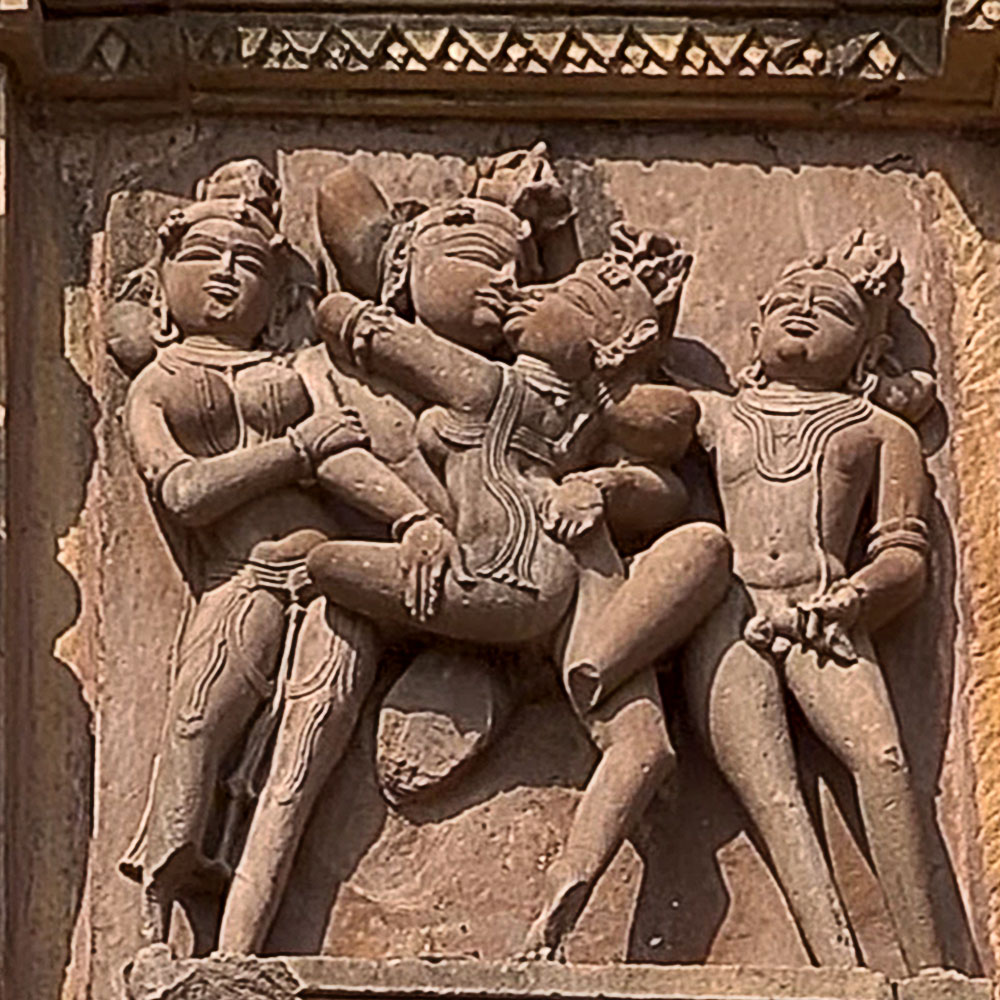 11.) mythological characters decorated with various flowers,
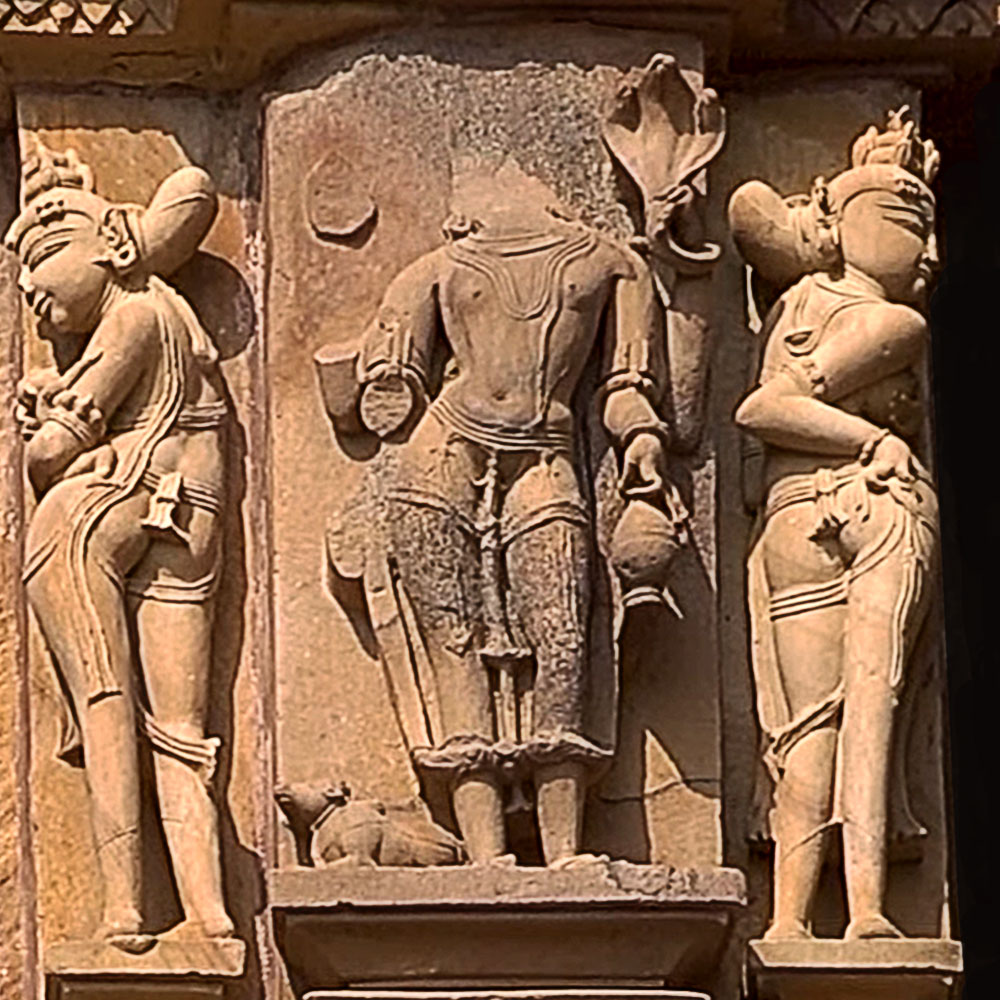 12.) and should be draped with clothes, their thighs should be
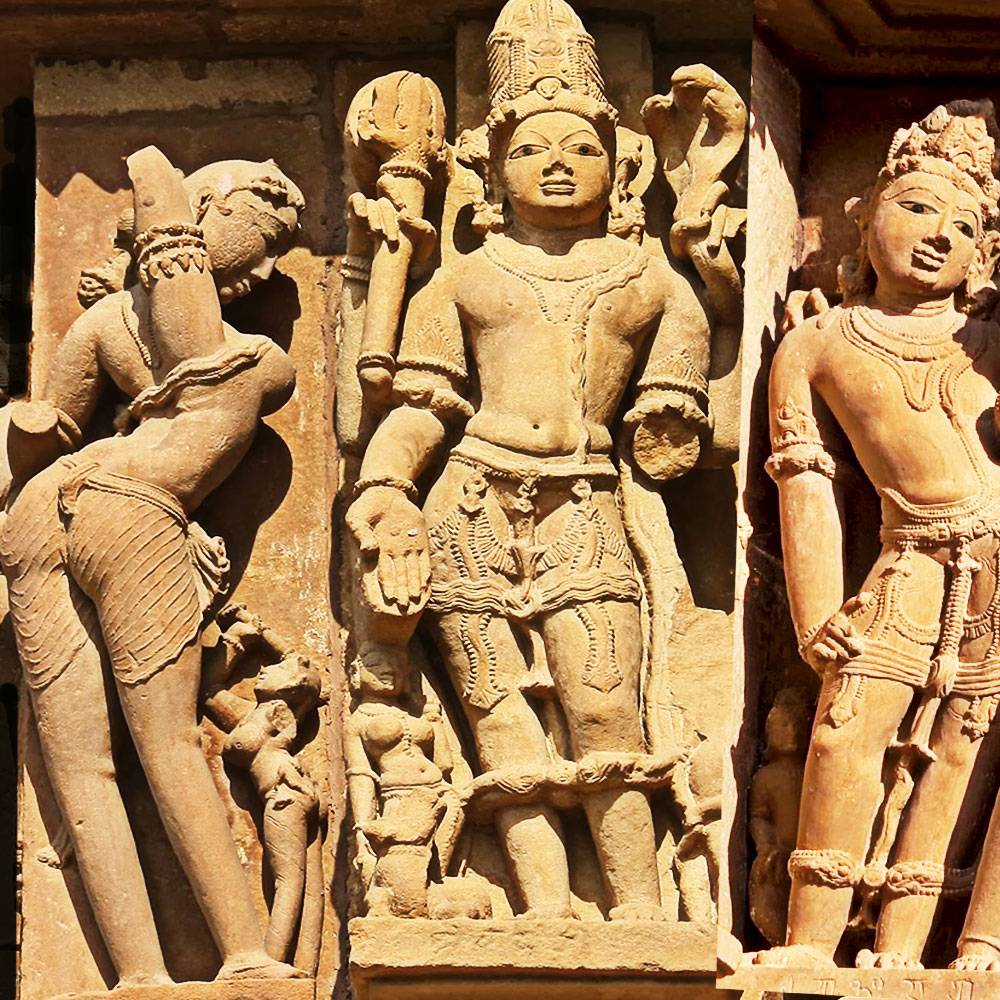 13.) shown thick and touching each other, their waist should
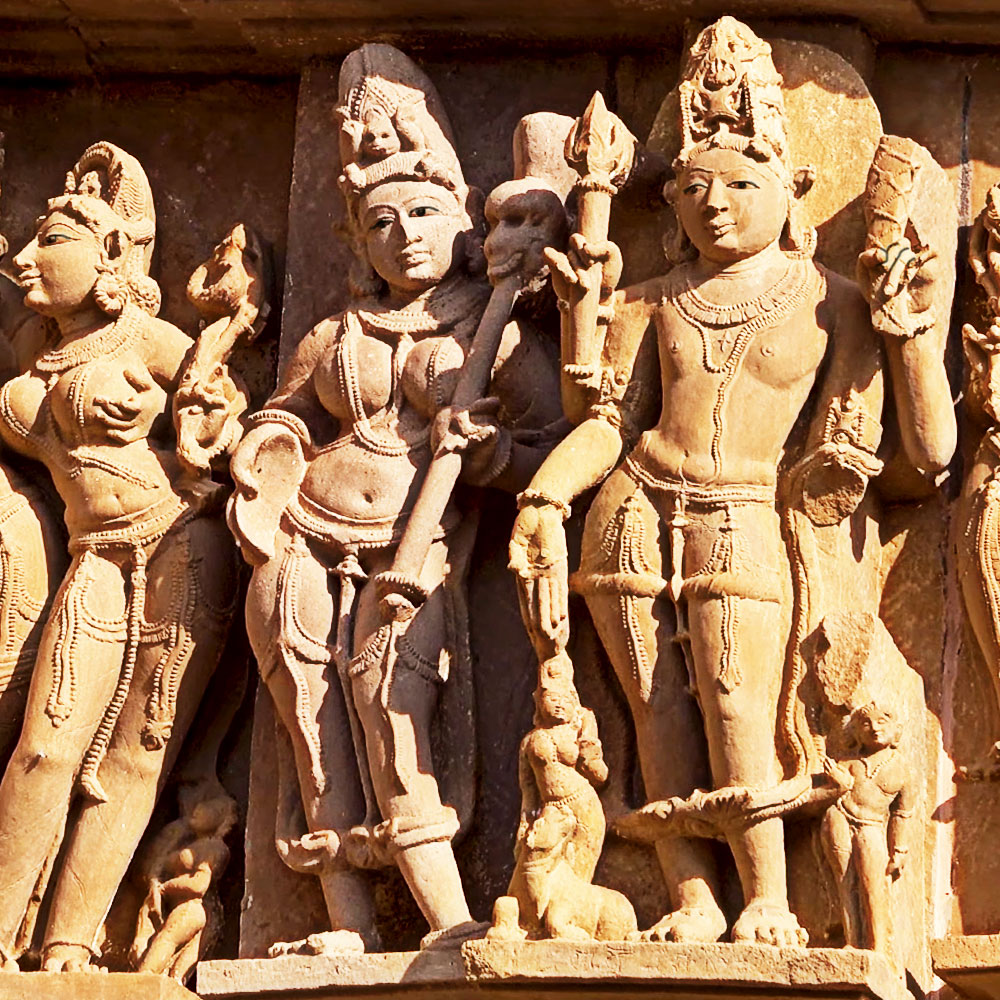 14.) be narrow; their face to be serene and contented, having
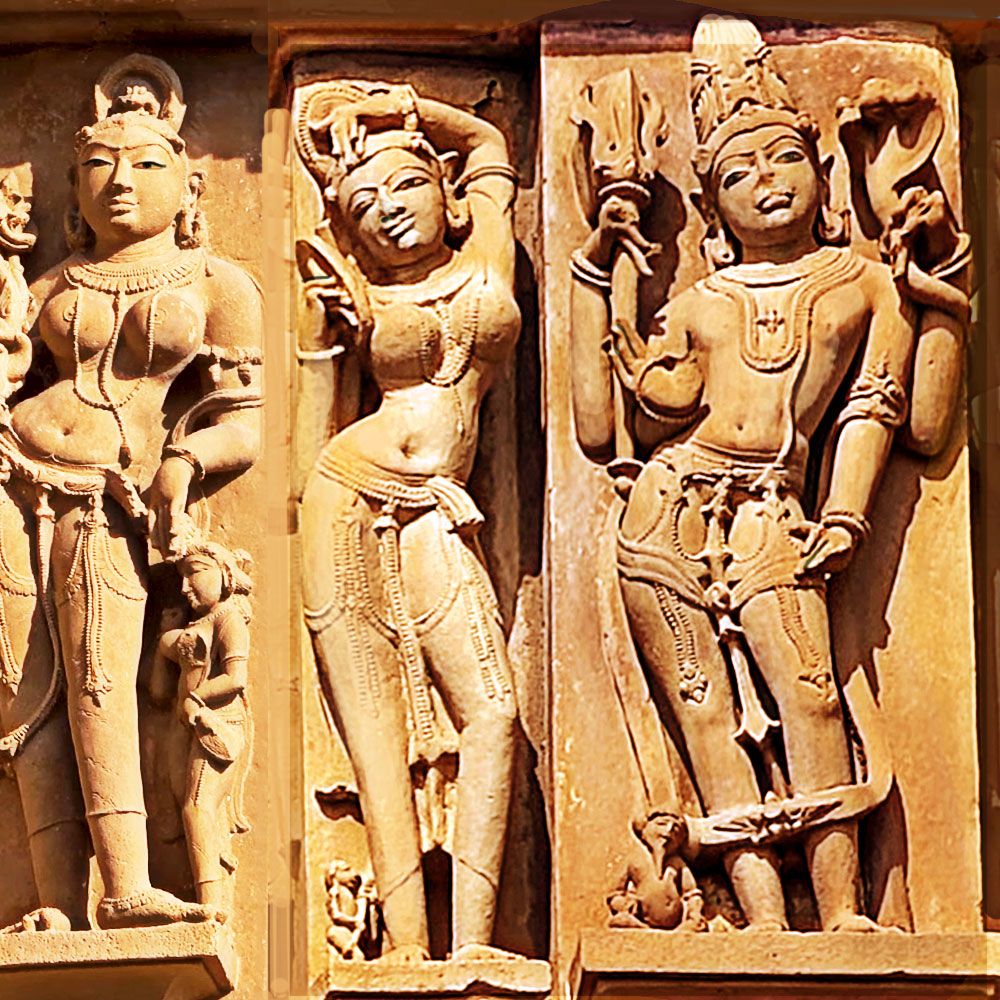 15.) a faint smile conveying ecstasy
The Lakshmana temple The Lakshmana Temple was the first major monument commissioned by the Chandella rulers in their new capital of Khajuraho. Built under
Yashovarman and completed by his son Dhanga in 954 CE, it reflects the dynasty’s flourishing patronage of artists, poets, and large‑scale architectural projects between the 10th and 13th
centuries. The temple enshrines Vishnu in his three‑headed Vaikuntha form, housed in the dark garbha griha, the sacred womb chamber at the heart of all Hindu temples. An exemplar of the
Nagara style, the temple features a vimana, a mandapa, and a soaring sikhara rising like a mountain peak. Devotees approach from the east and circumambulate the plinth, where sculpted
friezes depict scenes of daily life, love, and warfare—many recalling Chandella‑era history. Deities carved in exterior niches, including Ganesha, guide the ritual path, while nearby
figures display dynamic triple‑bend poses carved in deep relief. At the juncture between the vimana and mandapa appear the temple’s erotic sculptures—symbolic “joined” couples placed at
the meeting point of two architectural forms. Four subsidiary shrines at the corners of the plinth mirror the main temple, each originally dedicated to avatars of Vishnu. Inside, three
successive mandapas lead toward the sanctum, their pyramidal roofs rising in height as one moves westward. An enclosed passage allows circumambulation of the inner shrine itself.
Through this movement—around the plinth, through the halls, and around the sanctum—devotees physically experience the temple as the embodied presence of the divine.
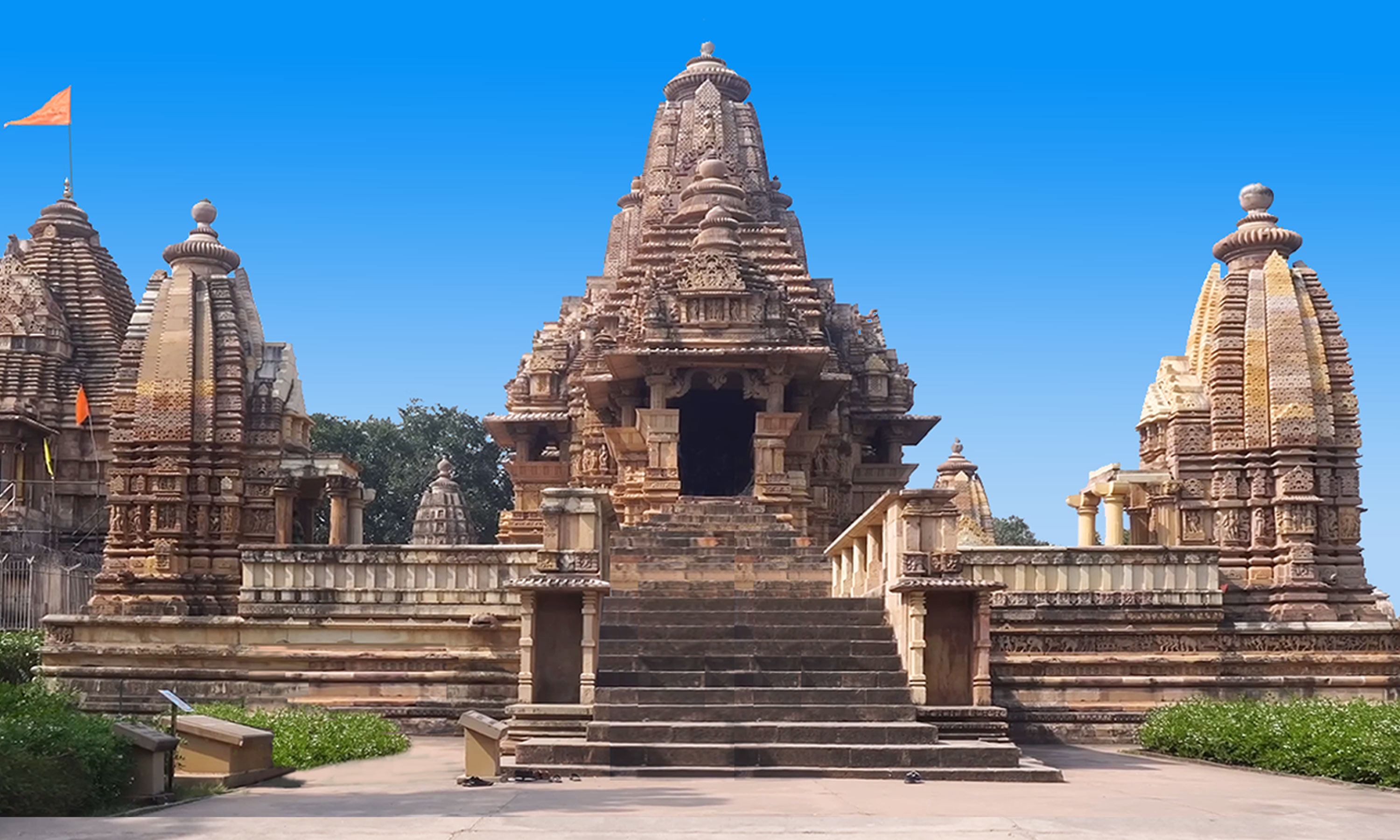 1.) Entrance to the Lakshmana temple, the first temple built by the Chandella king, dedicated 954 C.E.
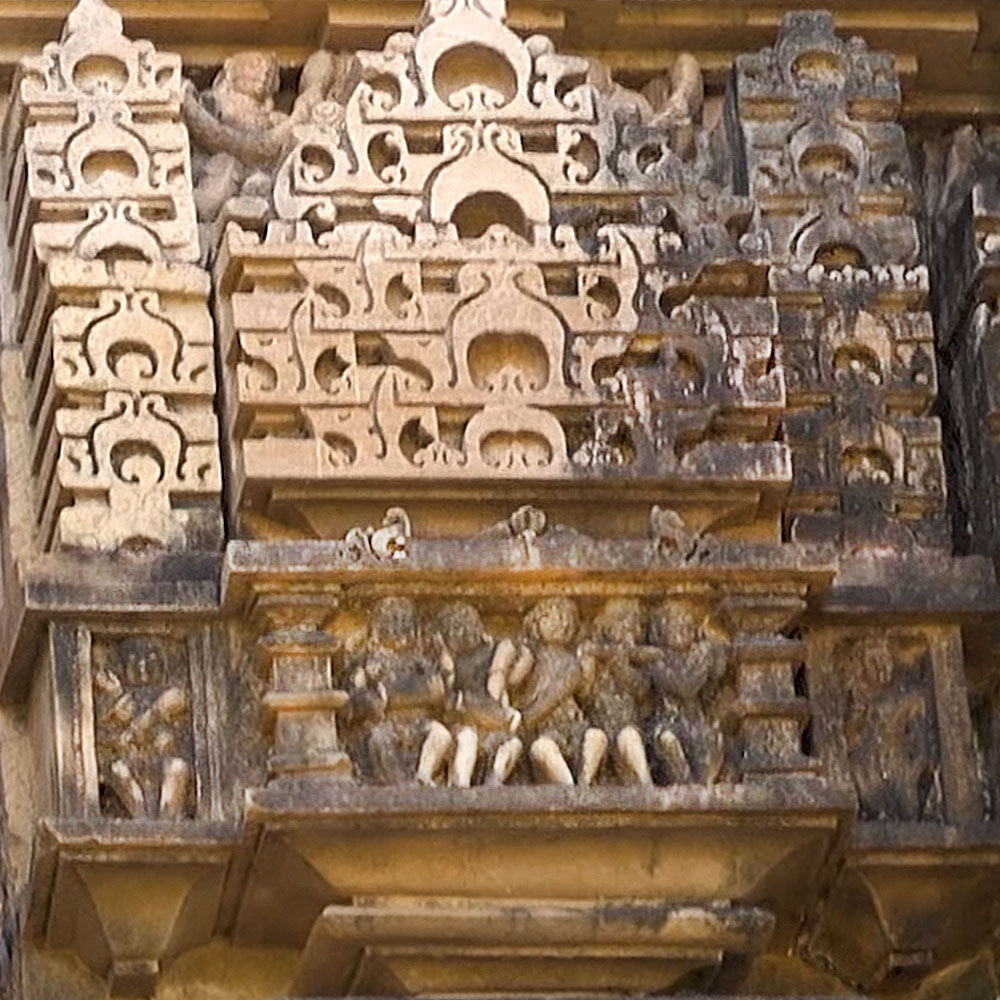
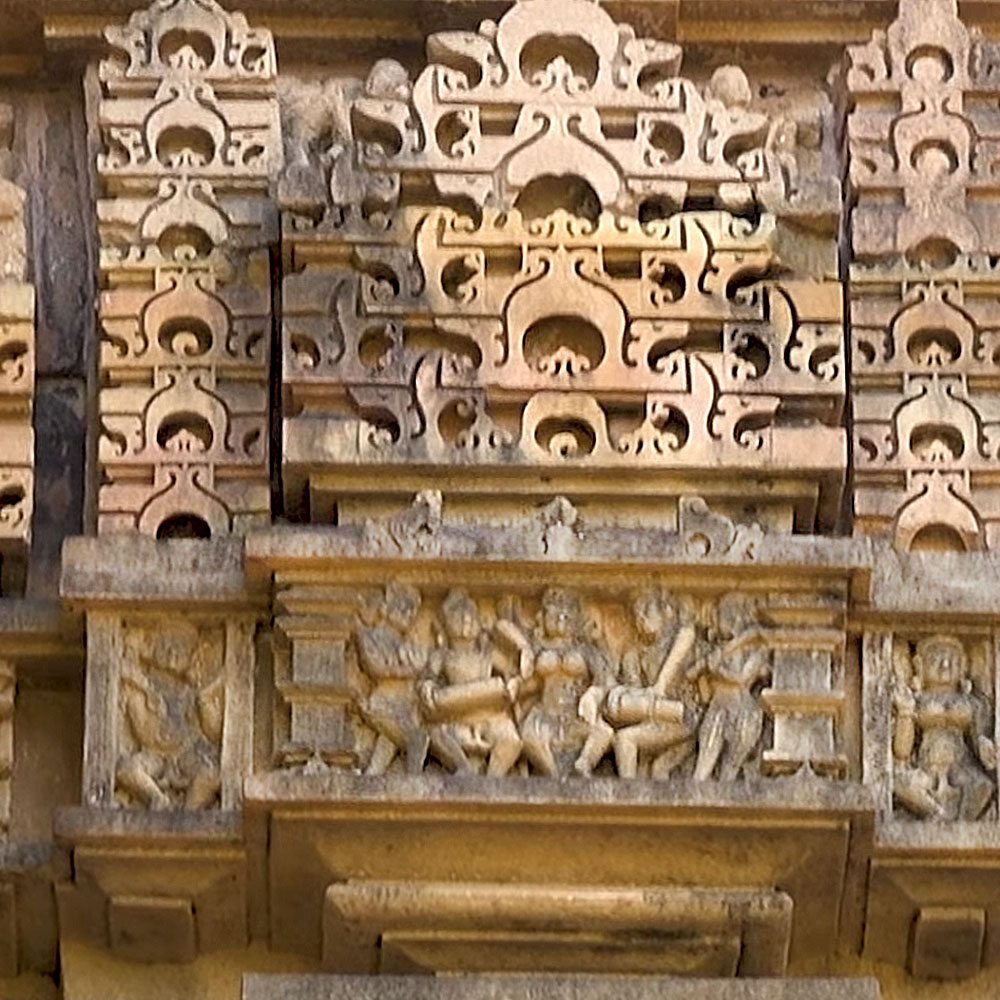 The Lakshmana Temple a UNESCO World Heritage site renowned for its intricate Nagara-style architecture and detailed carvings.
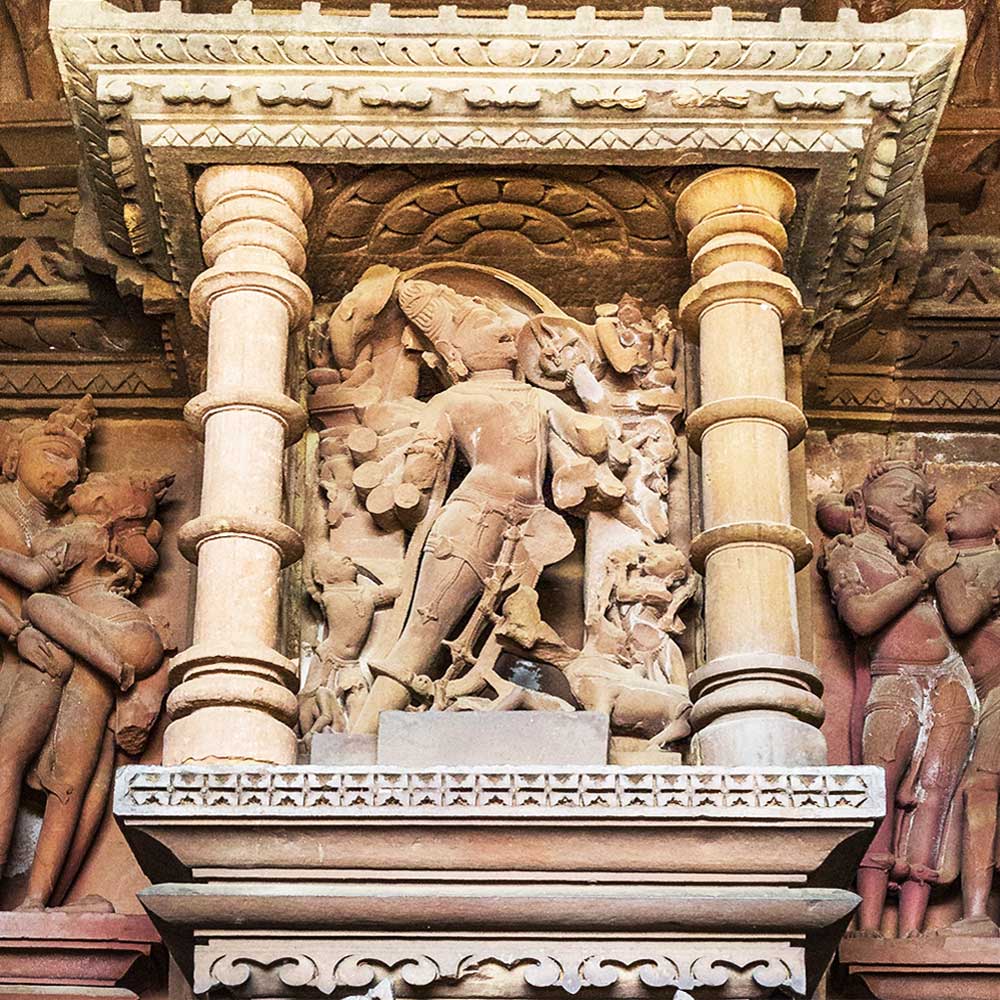
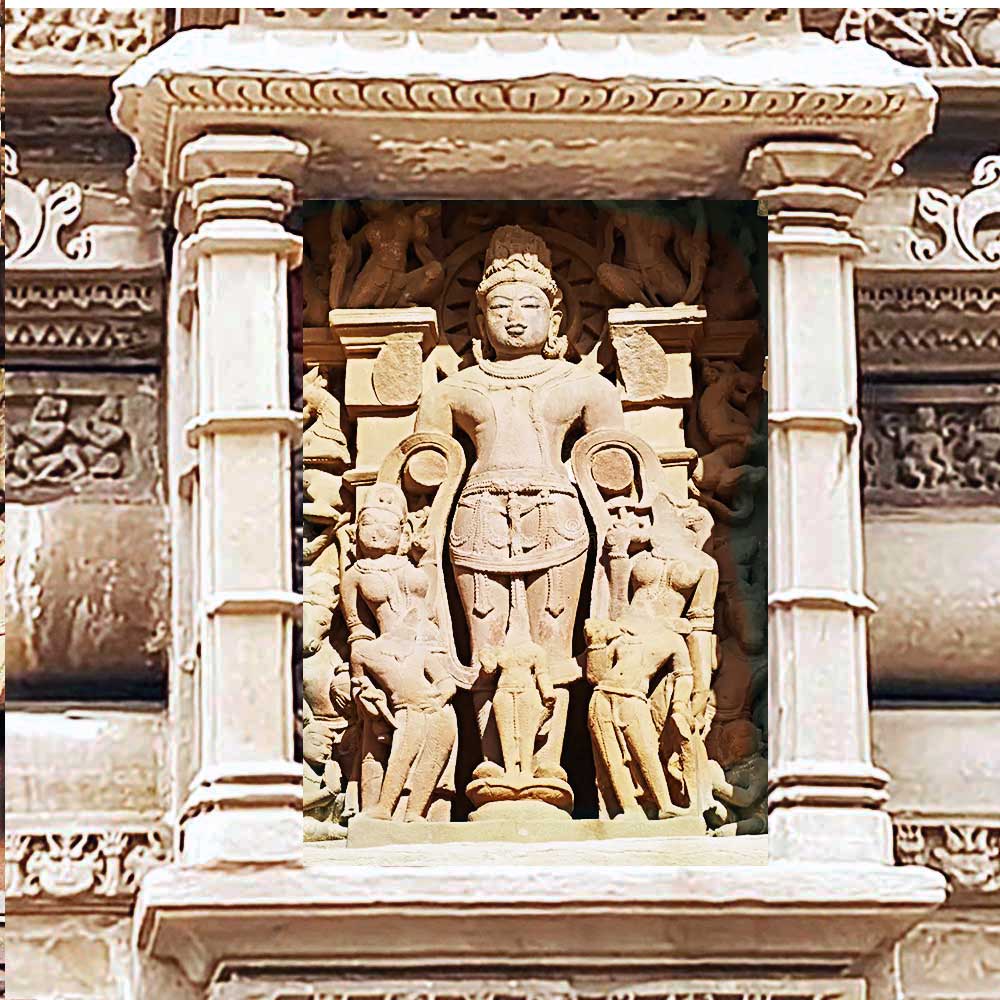
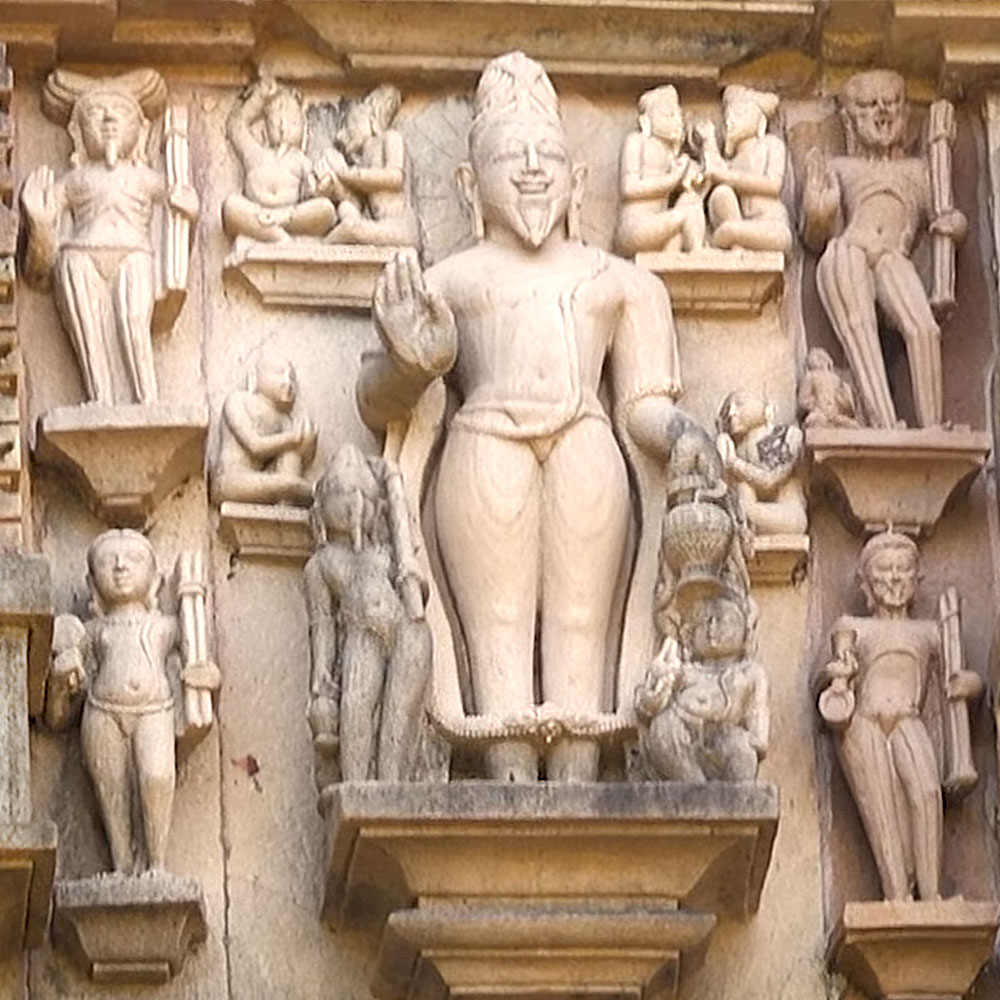 The primary statue is Agni, typically identifiable in Hindu iconography by his association with fire, though here he is shown in a standing posture with various symbolic attributes.
 Agni is flanked by smaller figures, which are common in Khajuraho sculptures to depict attendants or celestial beings.
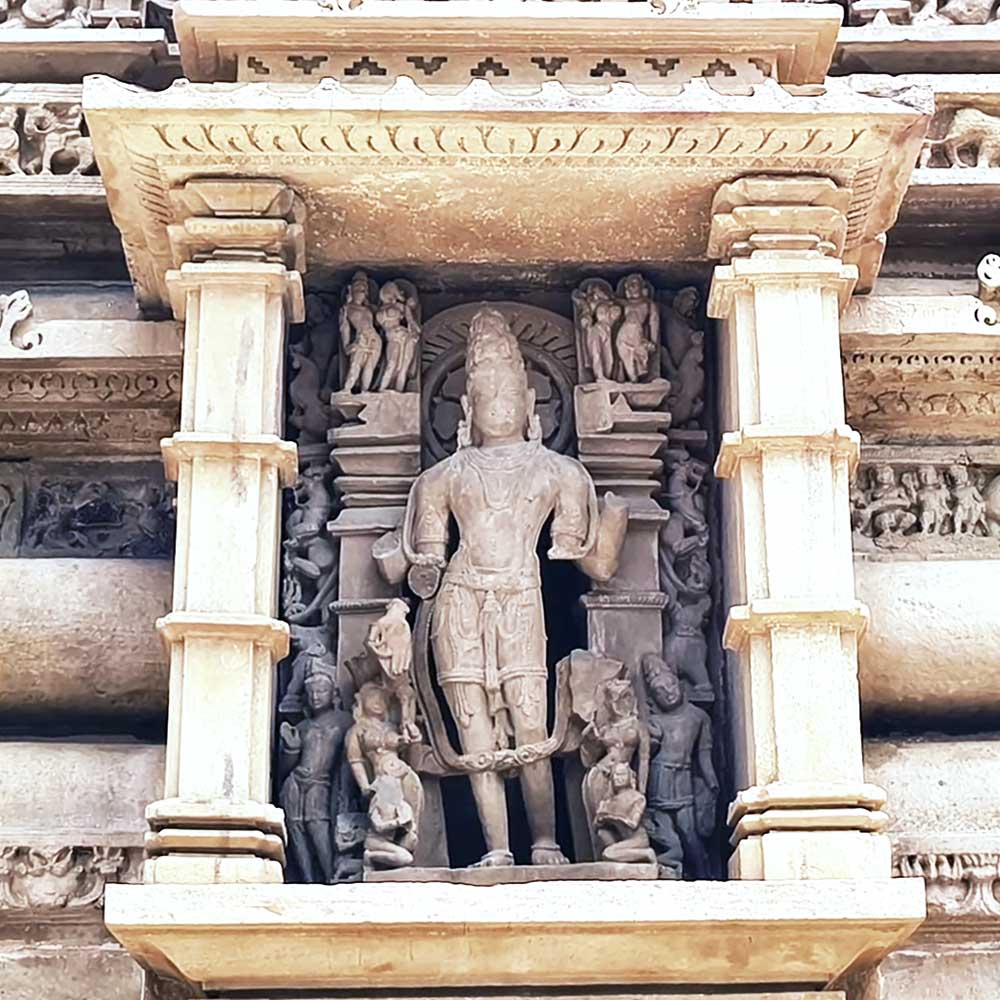
 Vaikuntha Vishnu, womb chamber (garba griha), Lakshmana temple. 1076–1099 C.E., sandstone, Khajuraho, India
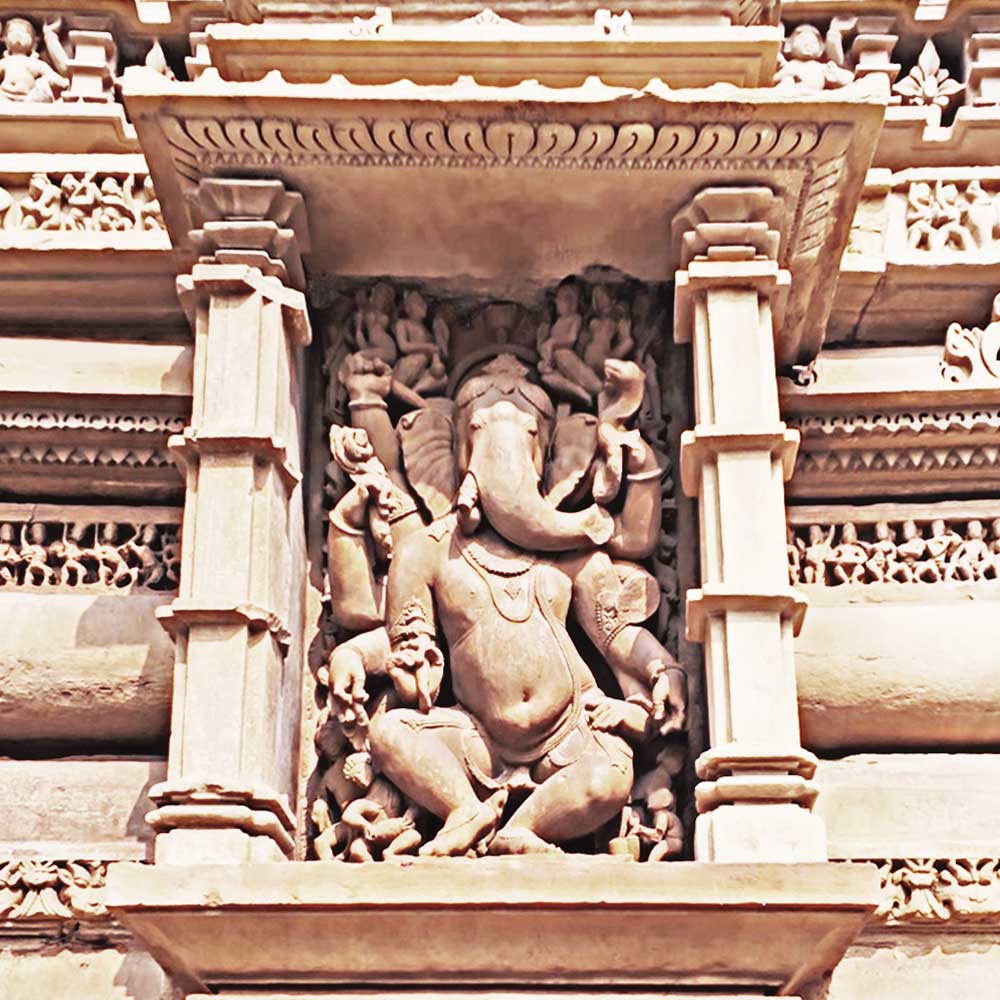 Ganesha in a niche, exterior mandapa wall, south side, Lakshmana temple, Khajuraho, dedicated 954 CE
 The Lakshmana Temple, 954 CE, Hindu temple built by Yashovarman during the Chandela dynasty, Khajuraho, India
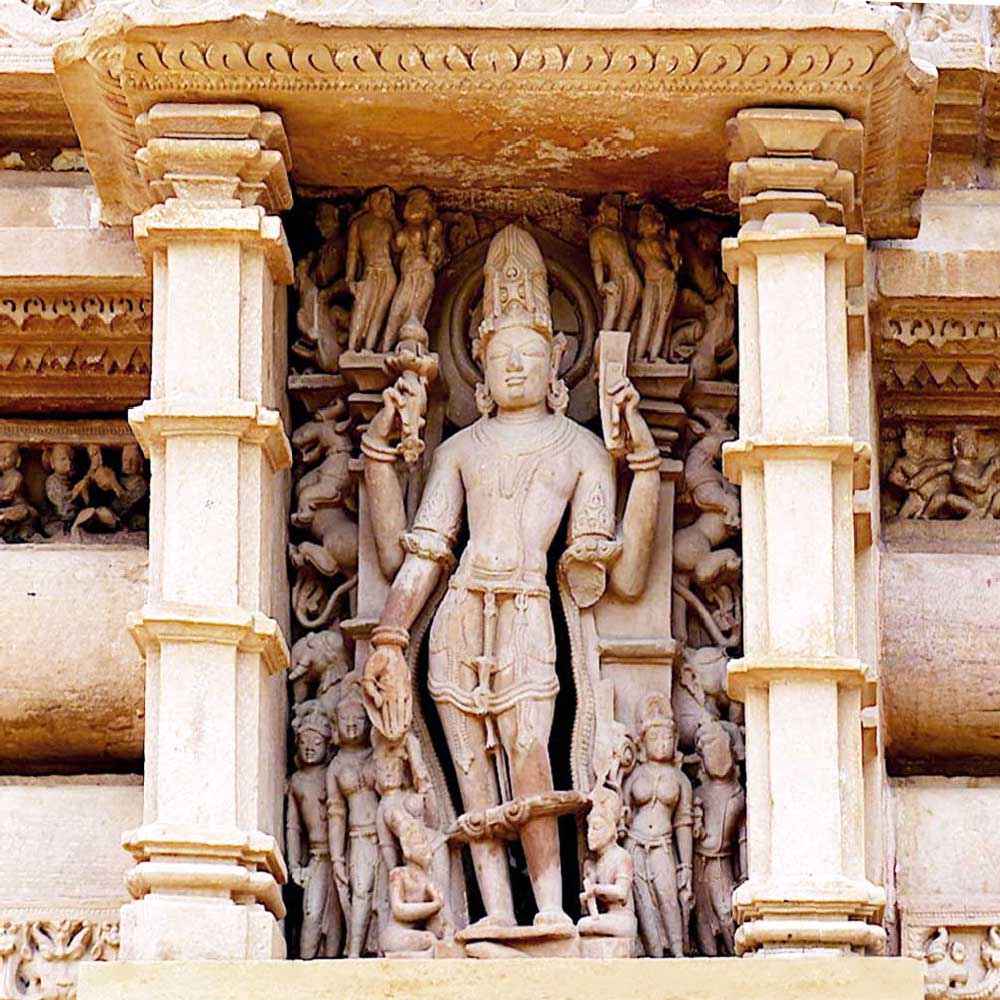 Vaikuntha Vishnu, womb chamber (garba griha), Lakshmana temple. 1076–1099 C.E., sandstone, Khajuraho, India
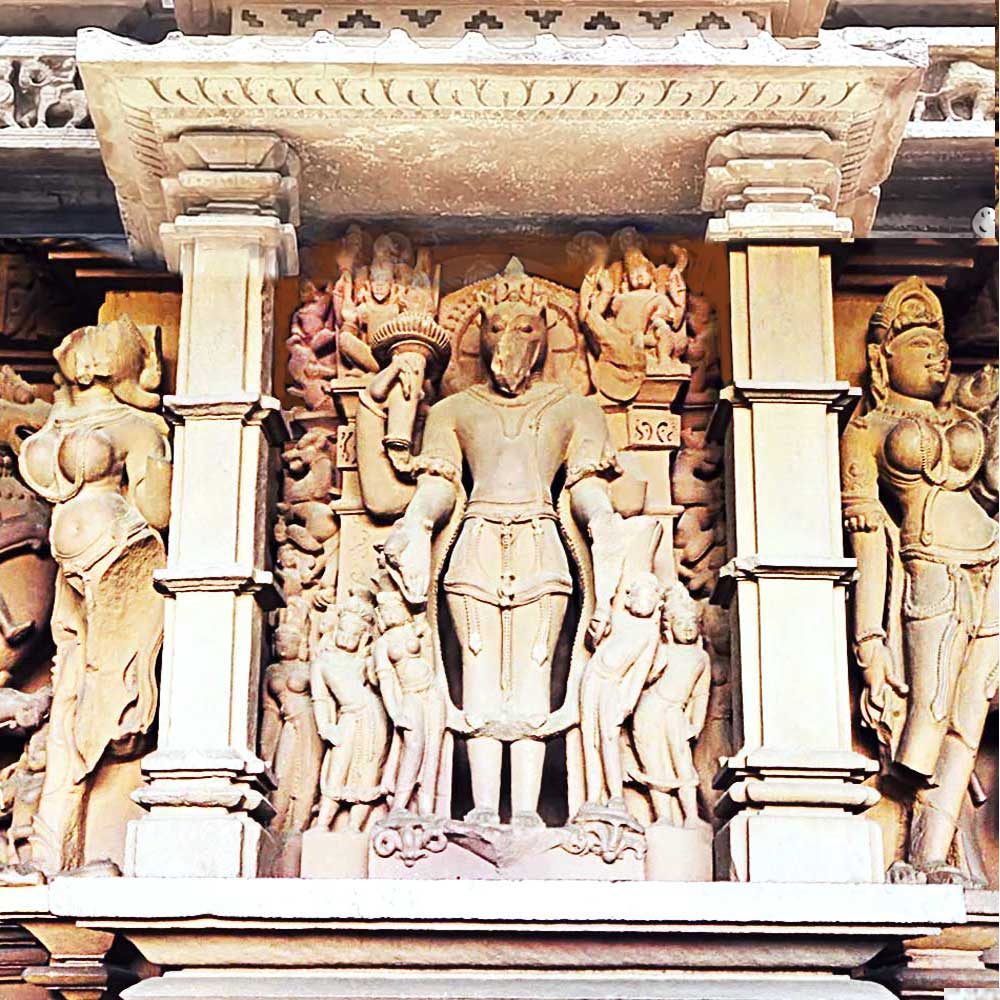 Ganesha in a niche, exterior mandapa wall, south side, Lakshmana temple, Khajuraho, dedicated 954 CE
 The Lakshmana Temple, 954 CE, Hindu temple built by Yashovarman during the Chandela dynasty, Khajuraho, India
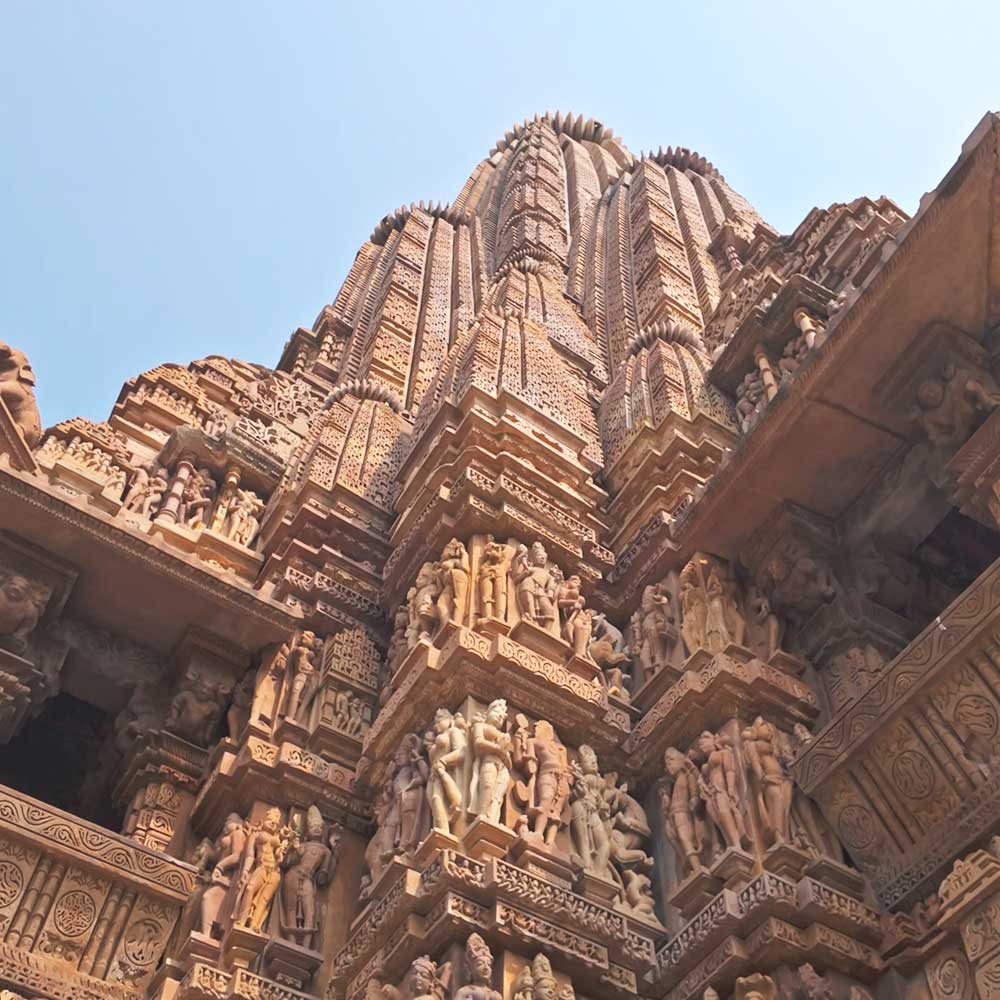 The Lakshmana Temple, 954 CE, Hindu temple built by Yashovarman during the Chandela dynasty, the temple’s superstructure appears like the many rising peaks of a mountain range
 Relief sculpture on the exterior wall of the, Lakshmana temple. 1076–1099 C.E., sandstone, Khajuraho, India
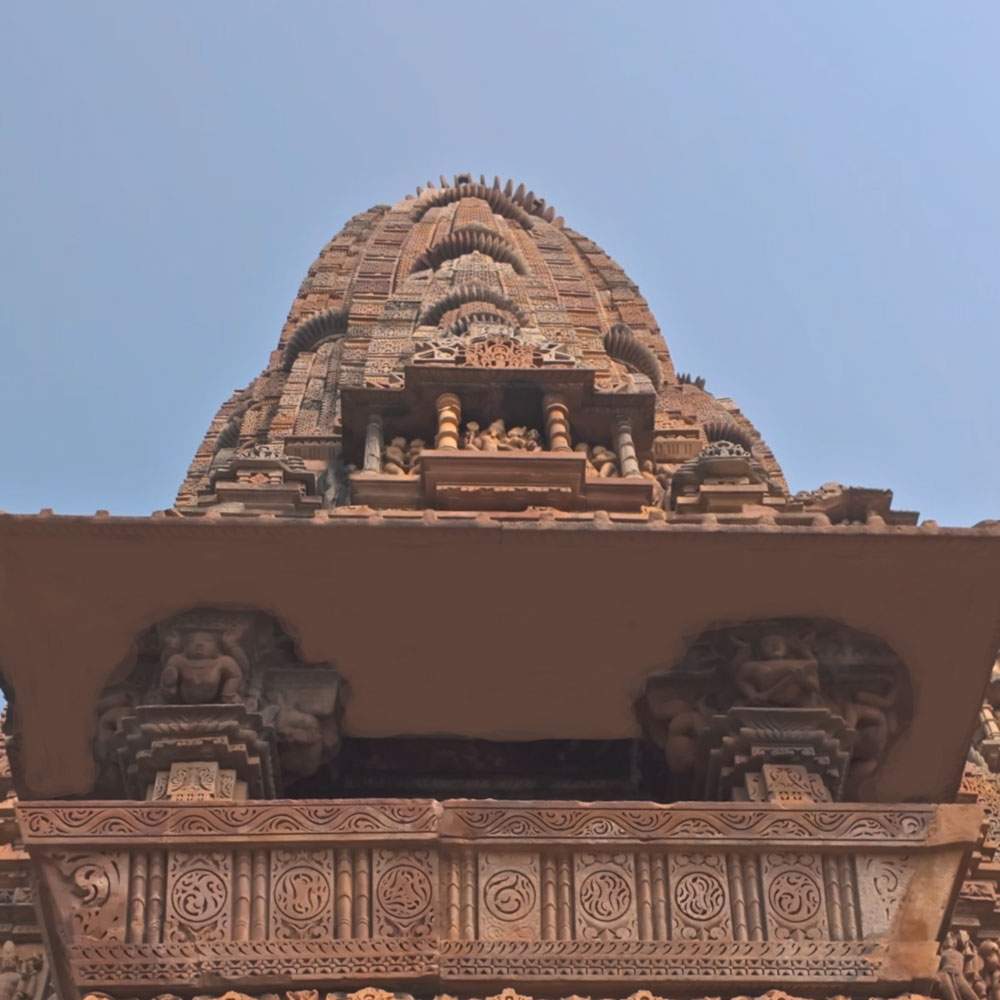
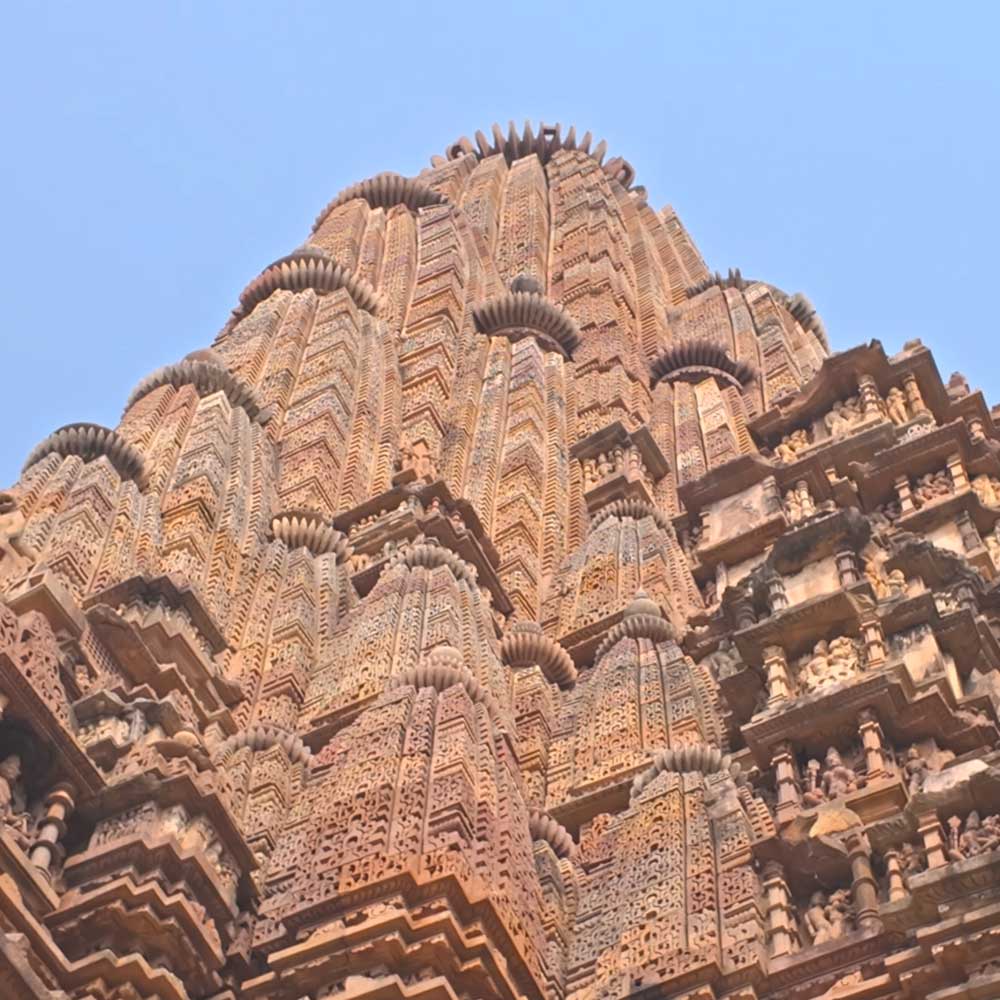 The Lakshmana Temple, 954 CE, Hindu temple built by Yashovarman during the Chandela dynasty, another example of the temple’s superstructure that appears like the many rising peaks of a mountain range
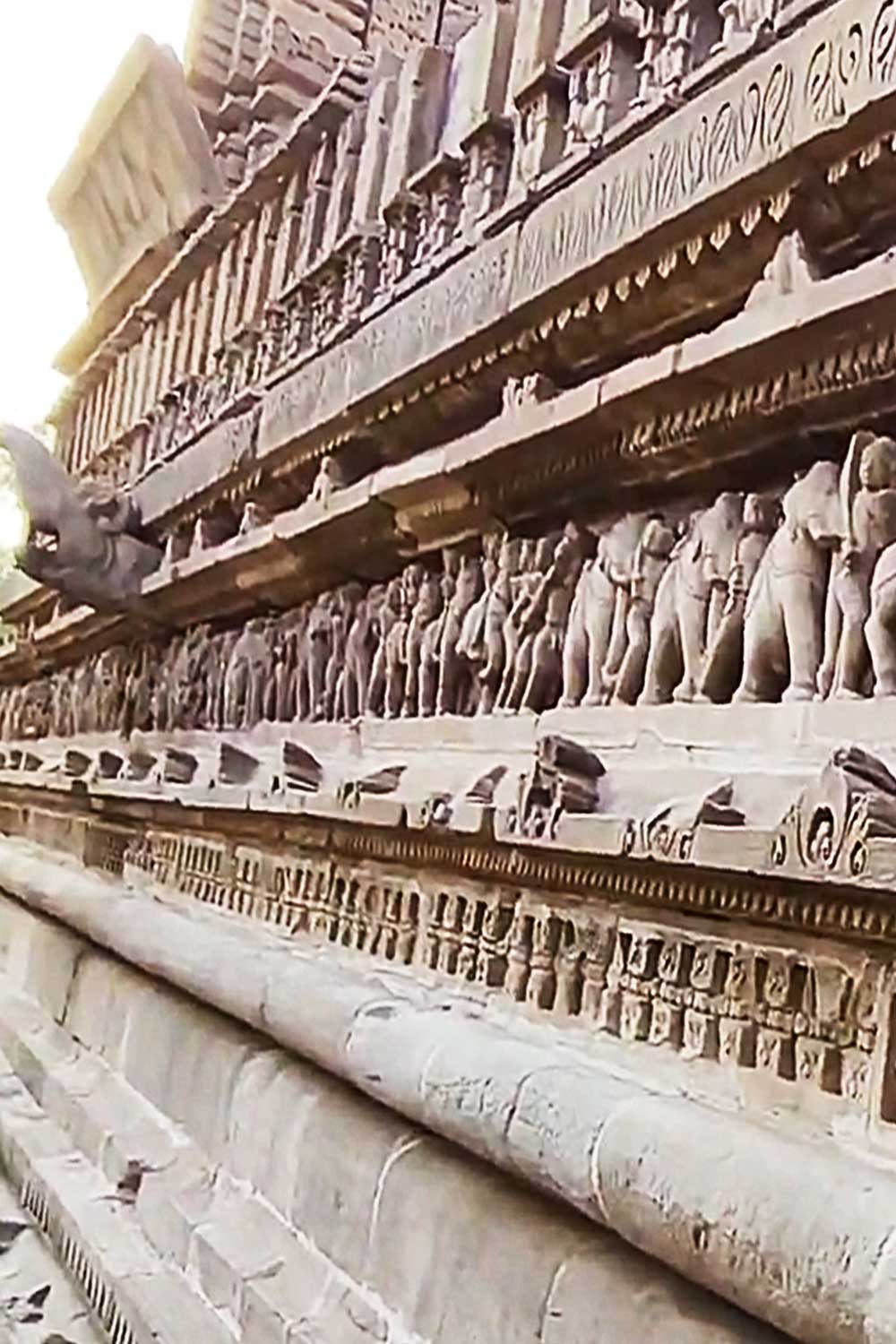 1.) The Lakshmana Temple, intricate carvings in sandstone run along the base or platform, the Khajuraho temples are famous for their
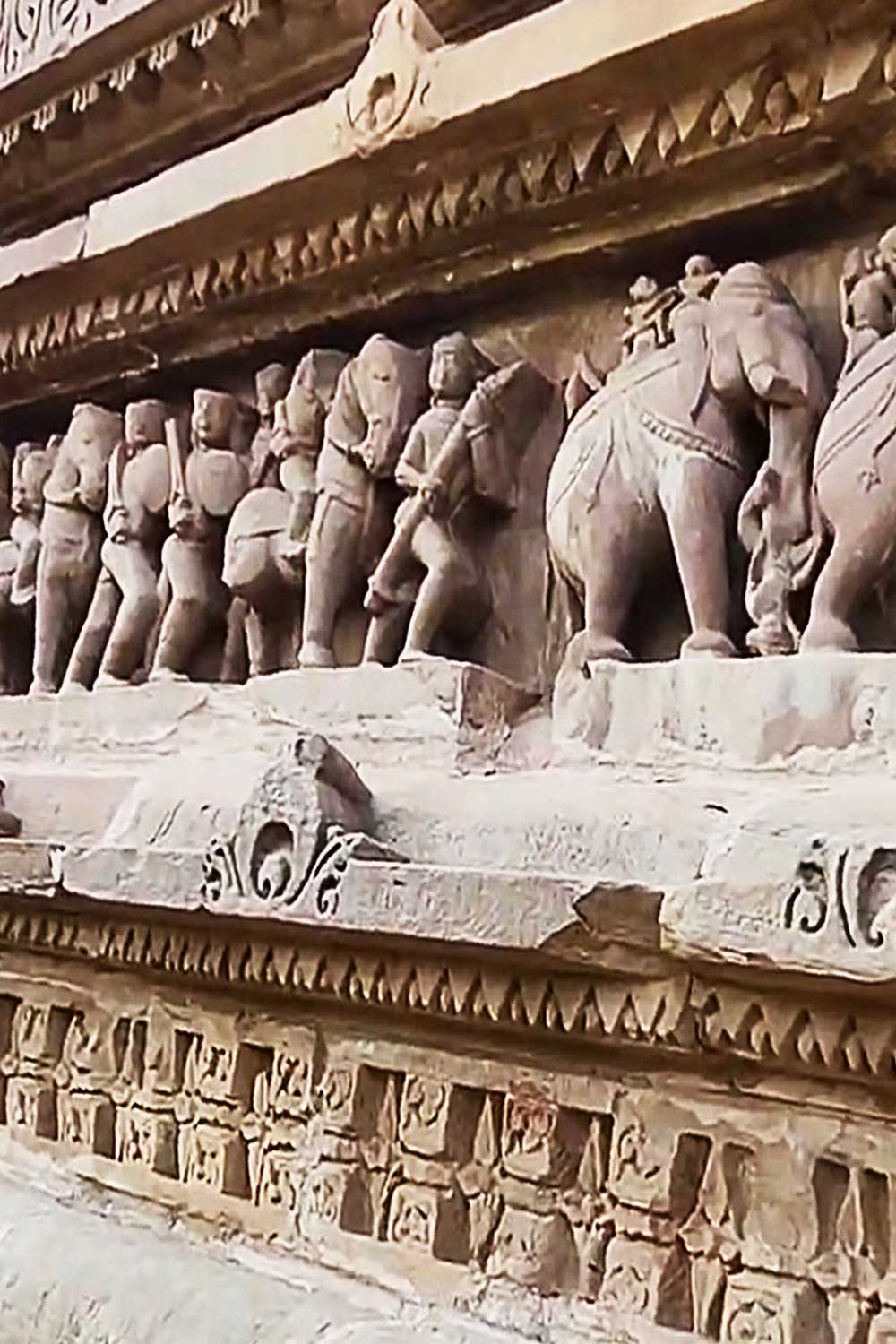 2.) extensive stone carvings that showcase a blend of daily life, spirituality, and sensuality, the detailed technique reflects
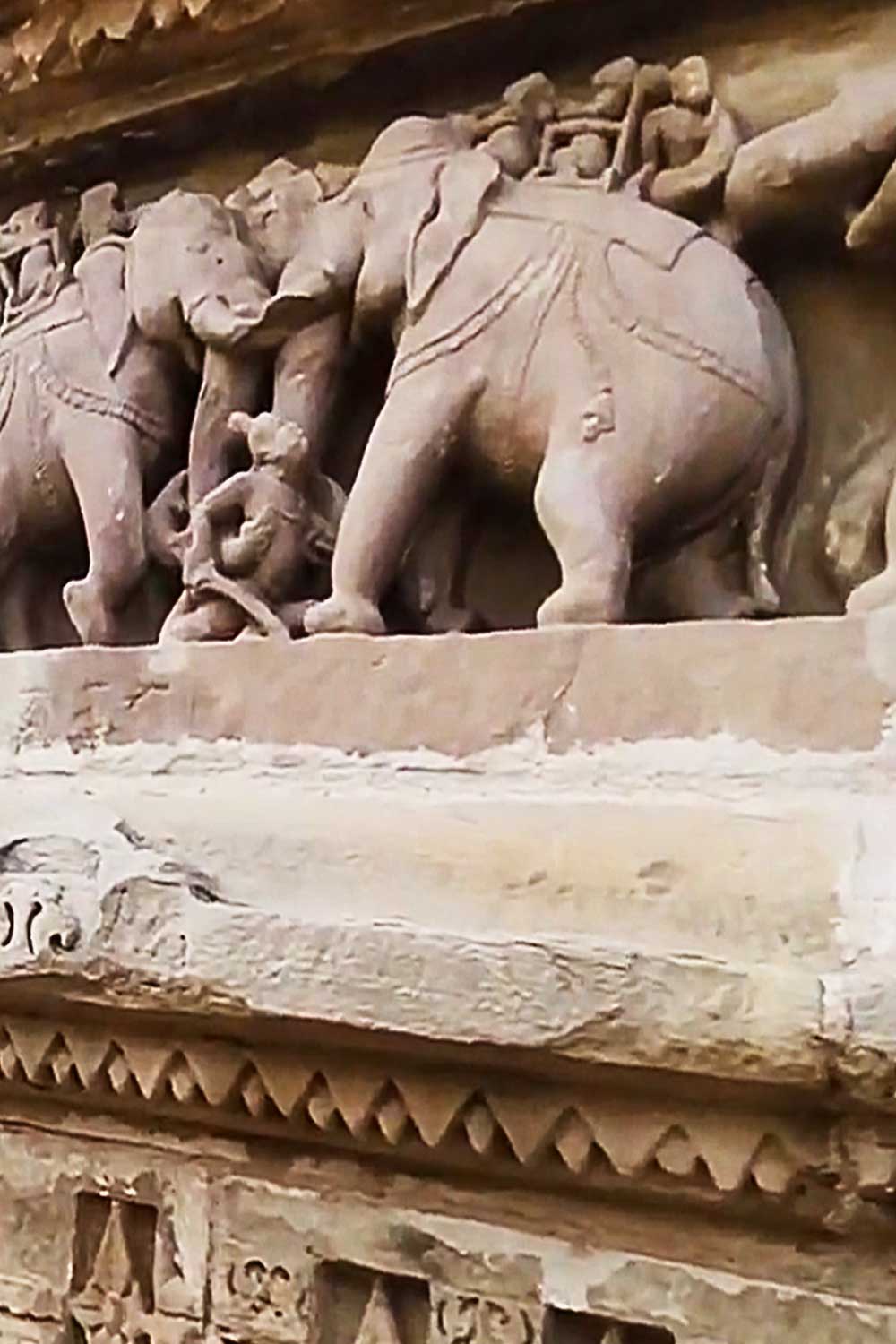 3.) the artistic brilliance of the Chandela dynasty that built these temples between the 9th and 11th centuries CE.
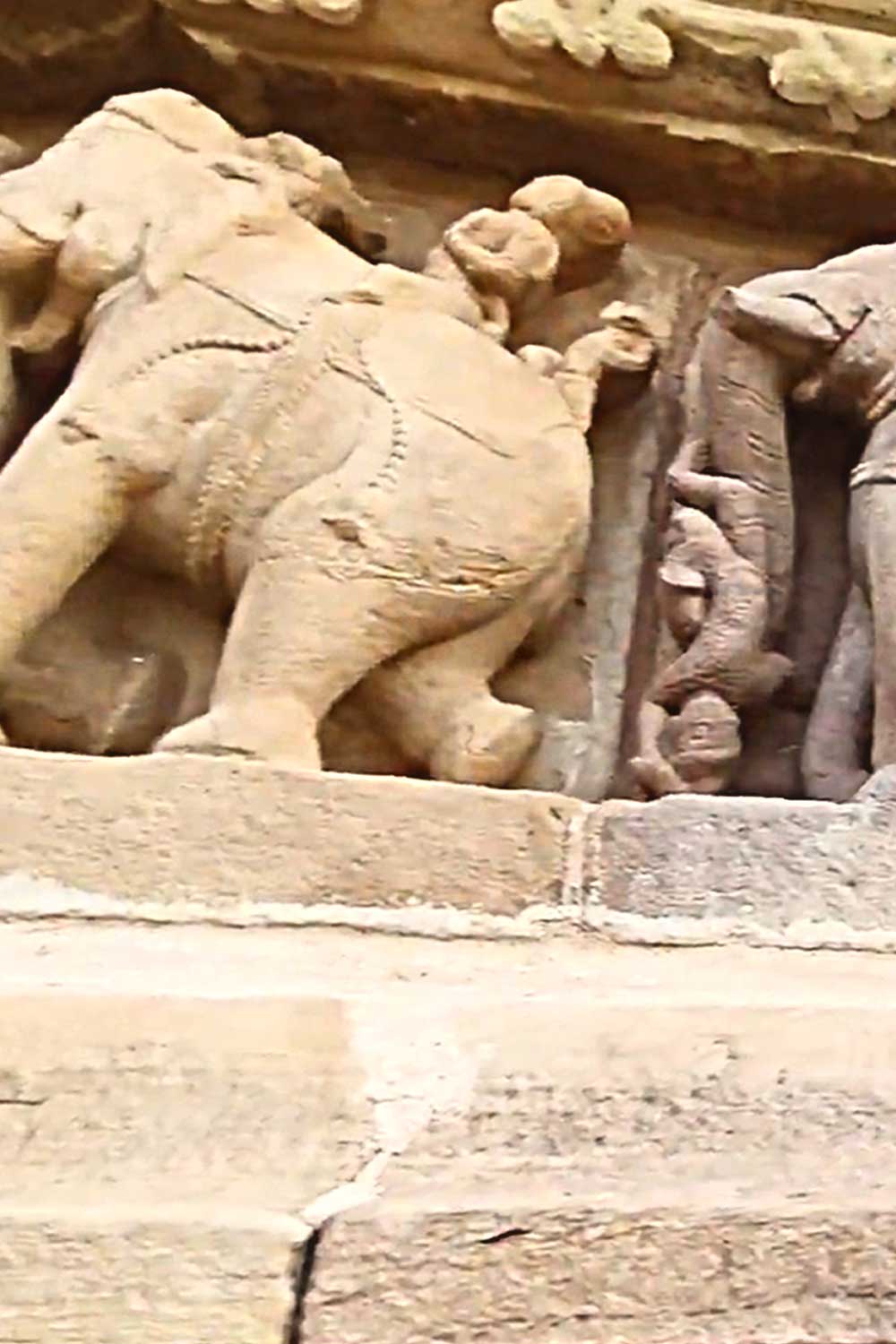 1.) The Lakshmana Temple, intricate carvings in sandstone run along the base or platform, the Khajuraho temples are famous for their
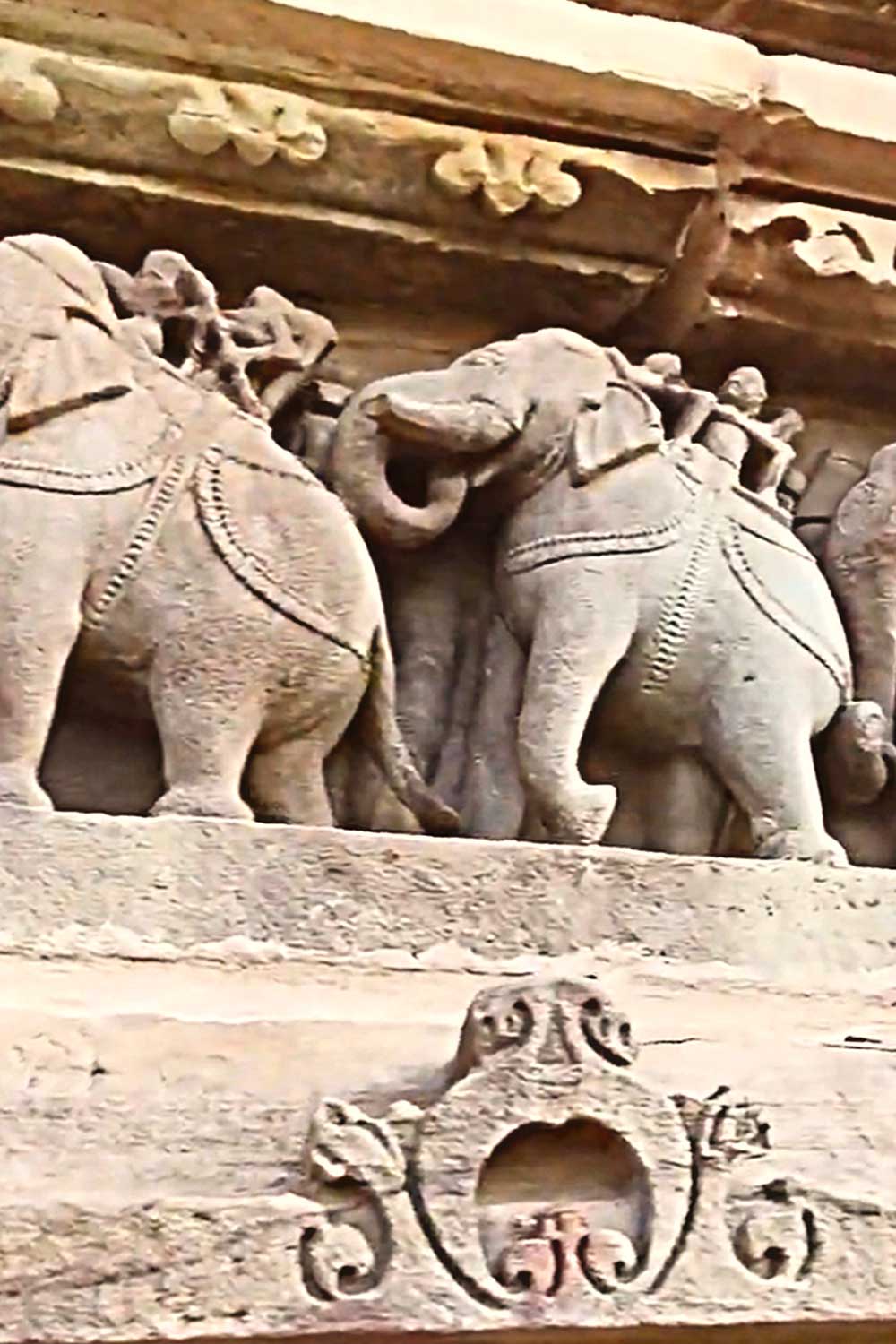 2.) extensive stone carvings that showcase a blend of daily life, spirituality, and sensuality, the detailed technique reflects
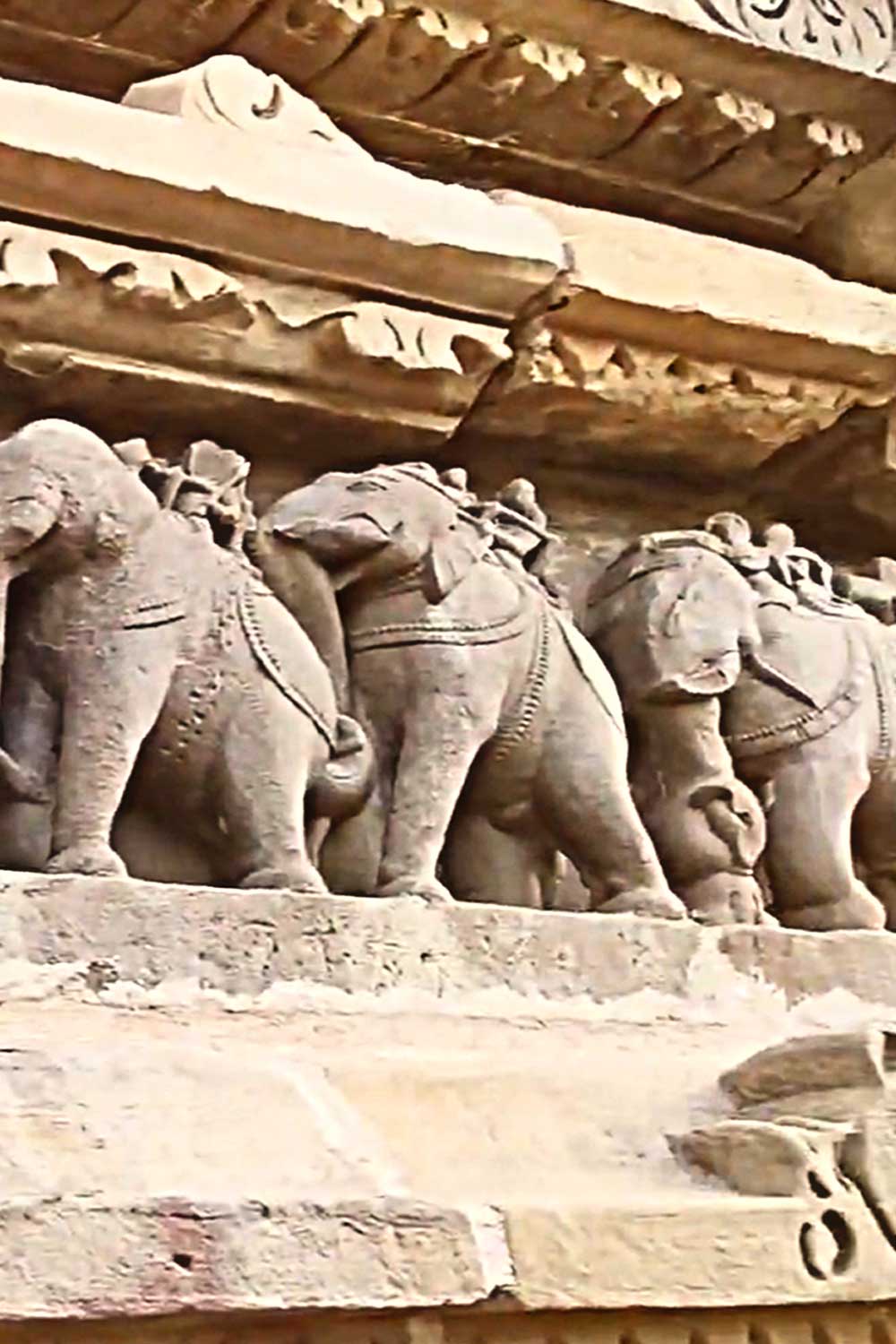 3.) the artistic brilliance of the Chandela dynasty that built these temples between the 9th and 11th centuries CE.
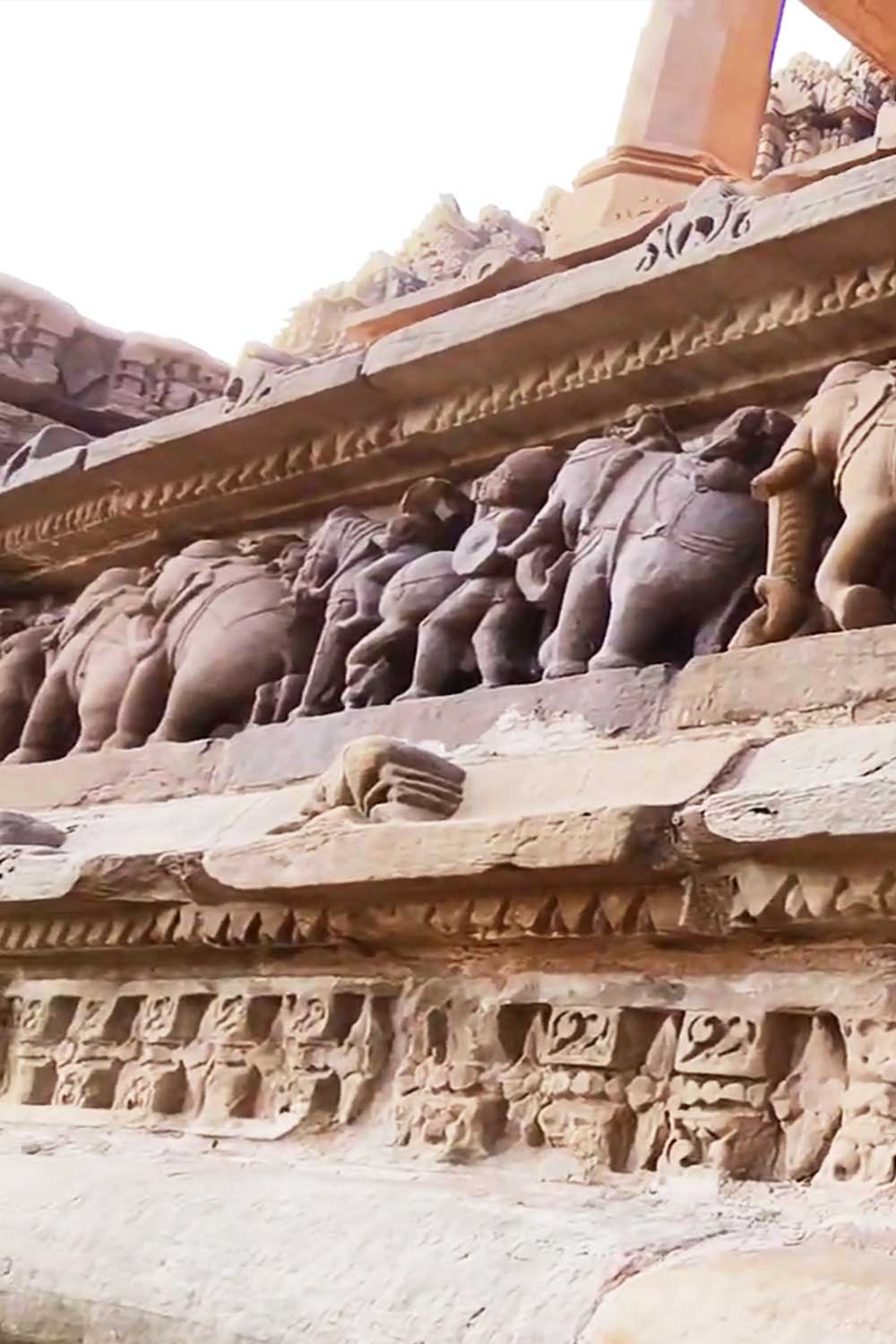 1.) The Lakshmana Temple, intricate carvings in sandstone run along the base or platform, the Khajuraho temples are famous for their
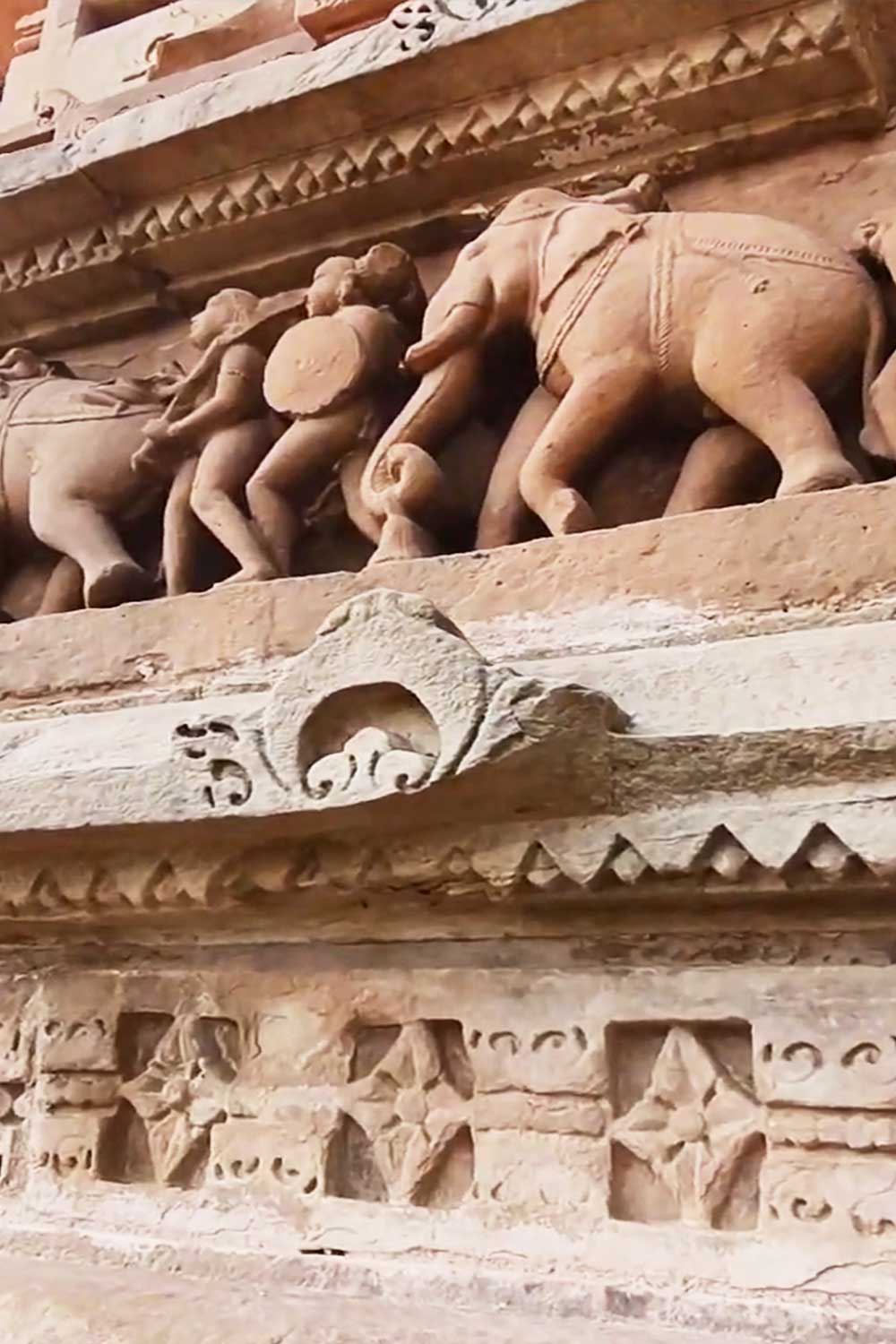 2.) extensive stone carvings that showcase a blend of daily life, spirituality, and sensuality, the detailed technique reflects
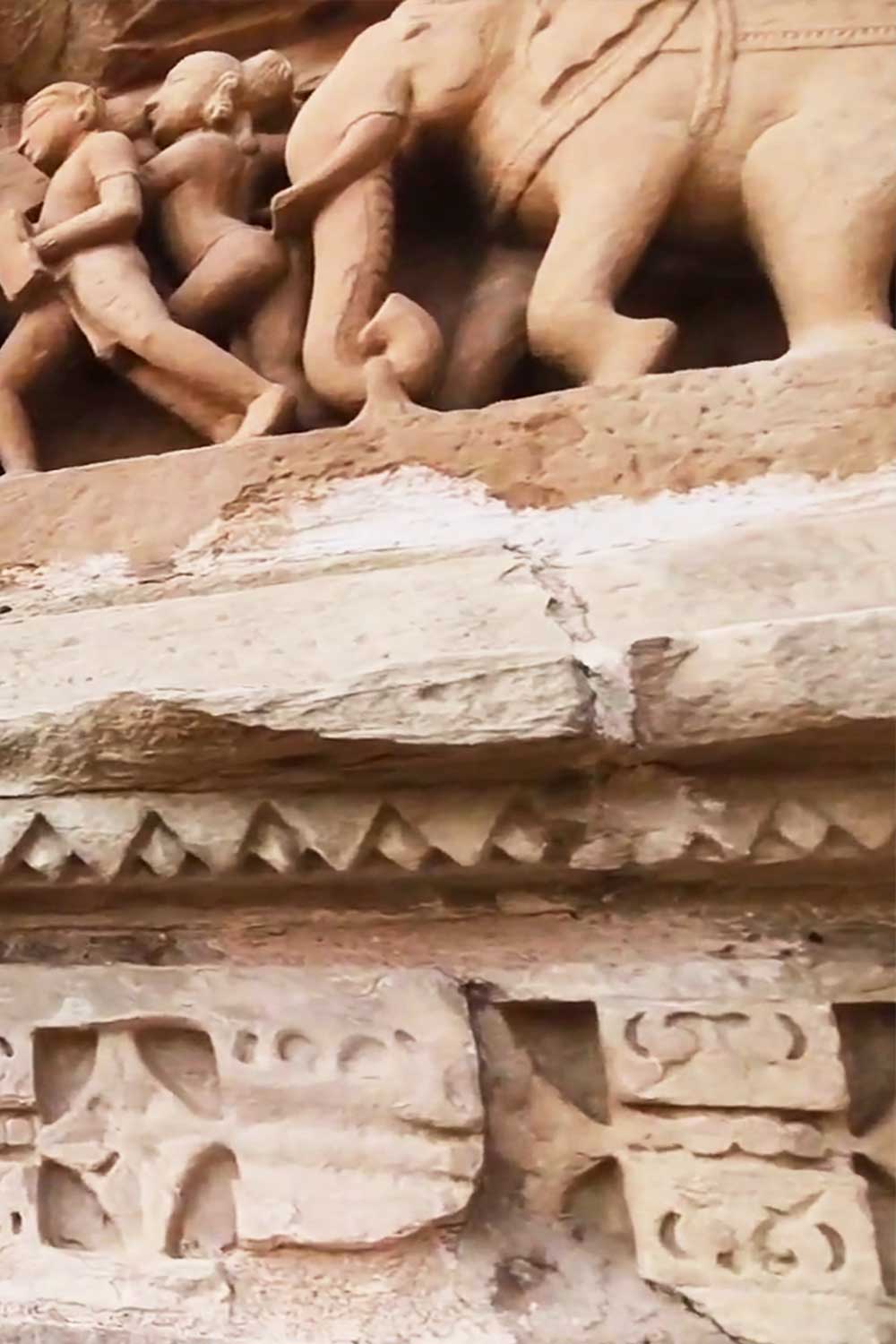 3.) the artistic brilliance of the Chandela dynasty that built these temples between the 9th and 11th centuries CE.
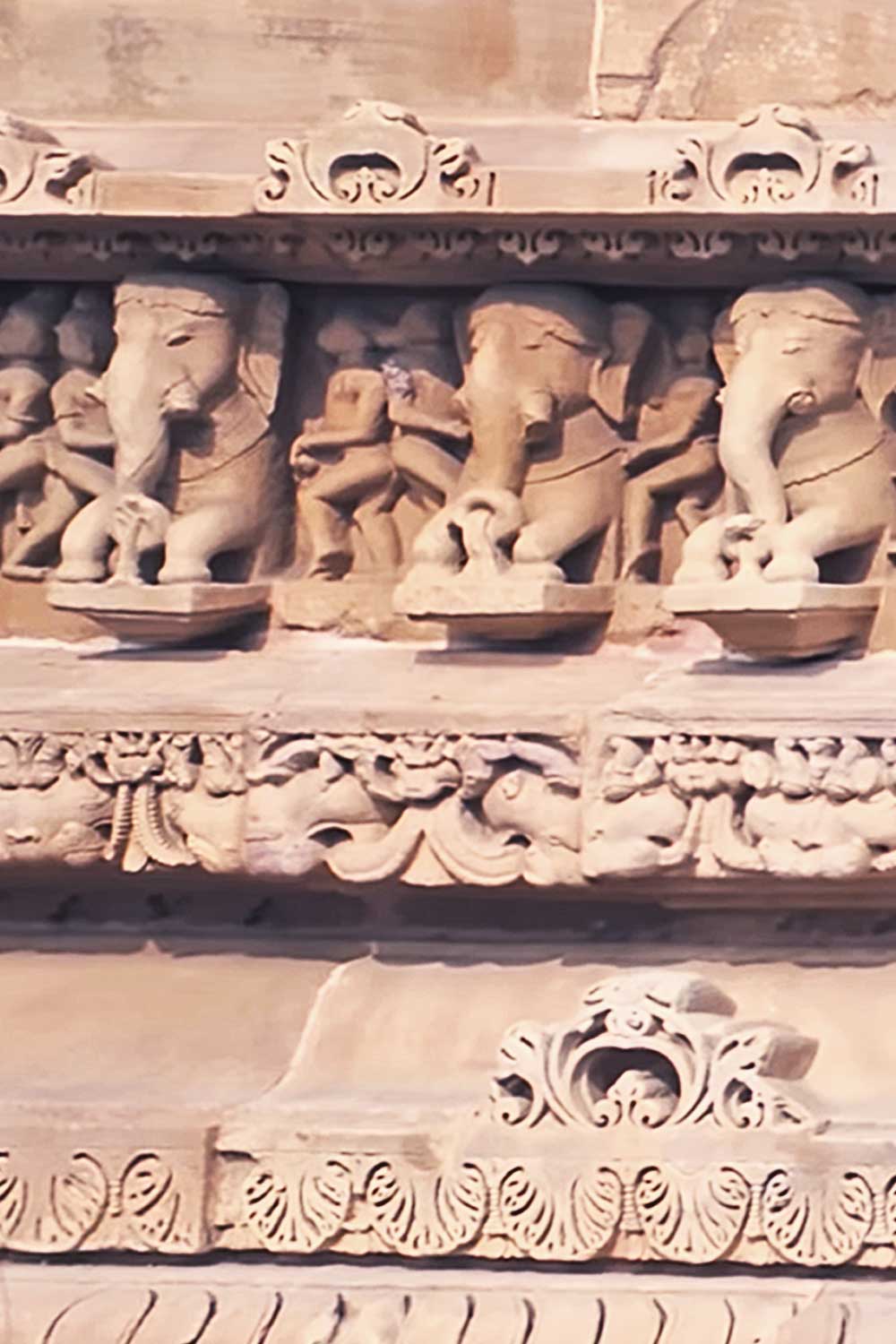 1.) The Lakshmana Temple, intricate carvings in sandstone run along the base or platform, the Khajuraho temples are famous for their
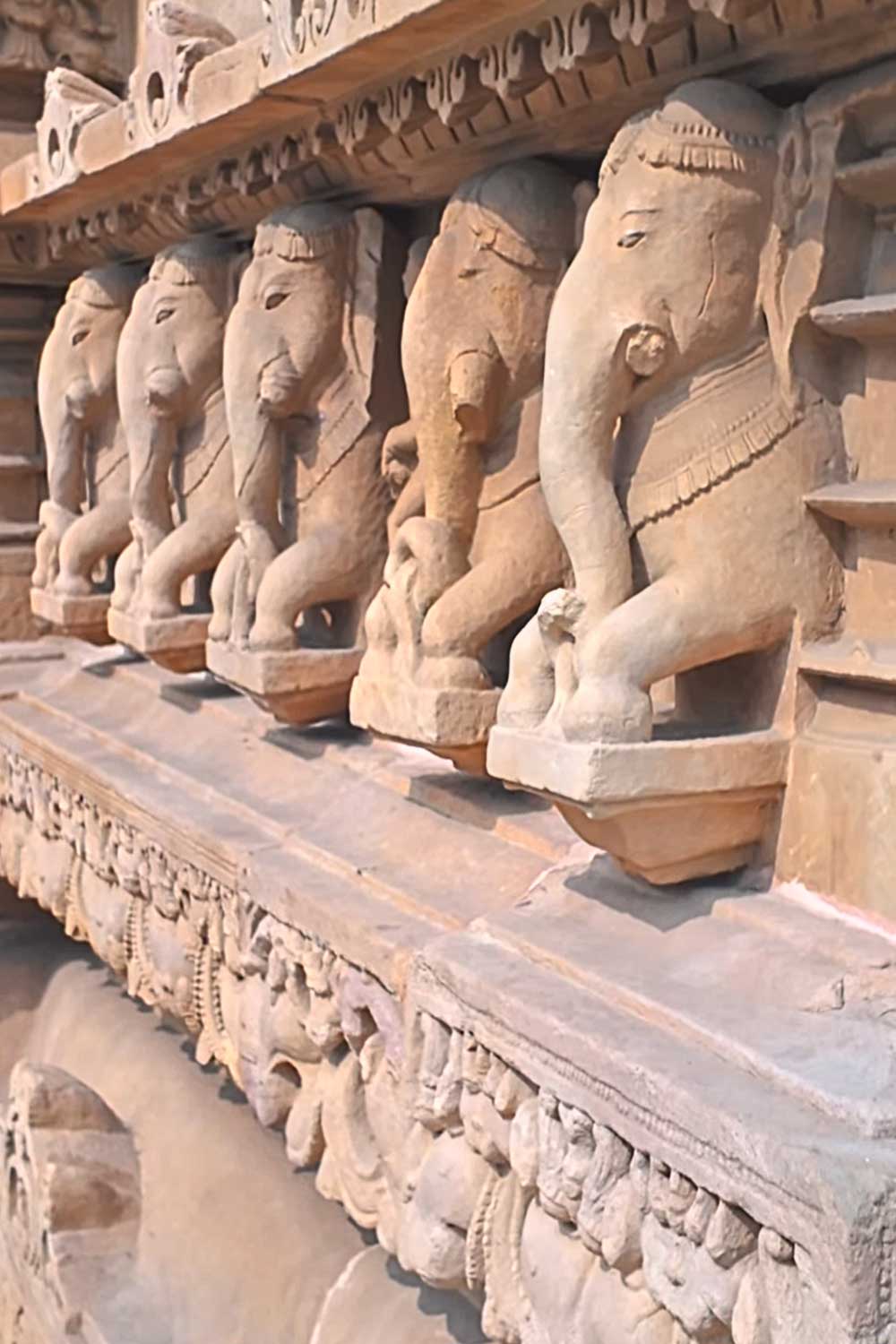 2.) extensive stone carvings that showcase a blend of daily life, spirituality, and sensuality, the detailed technique reflects
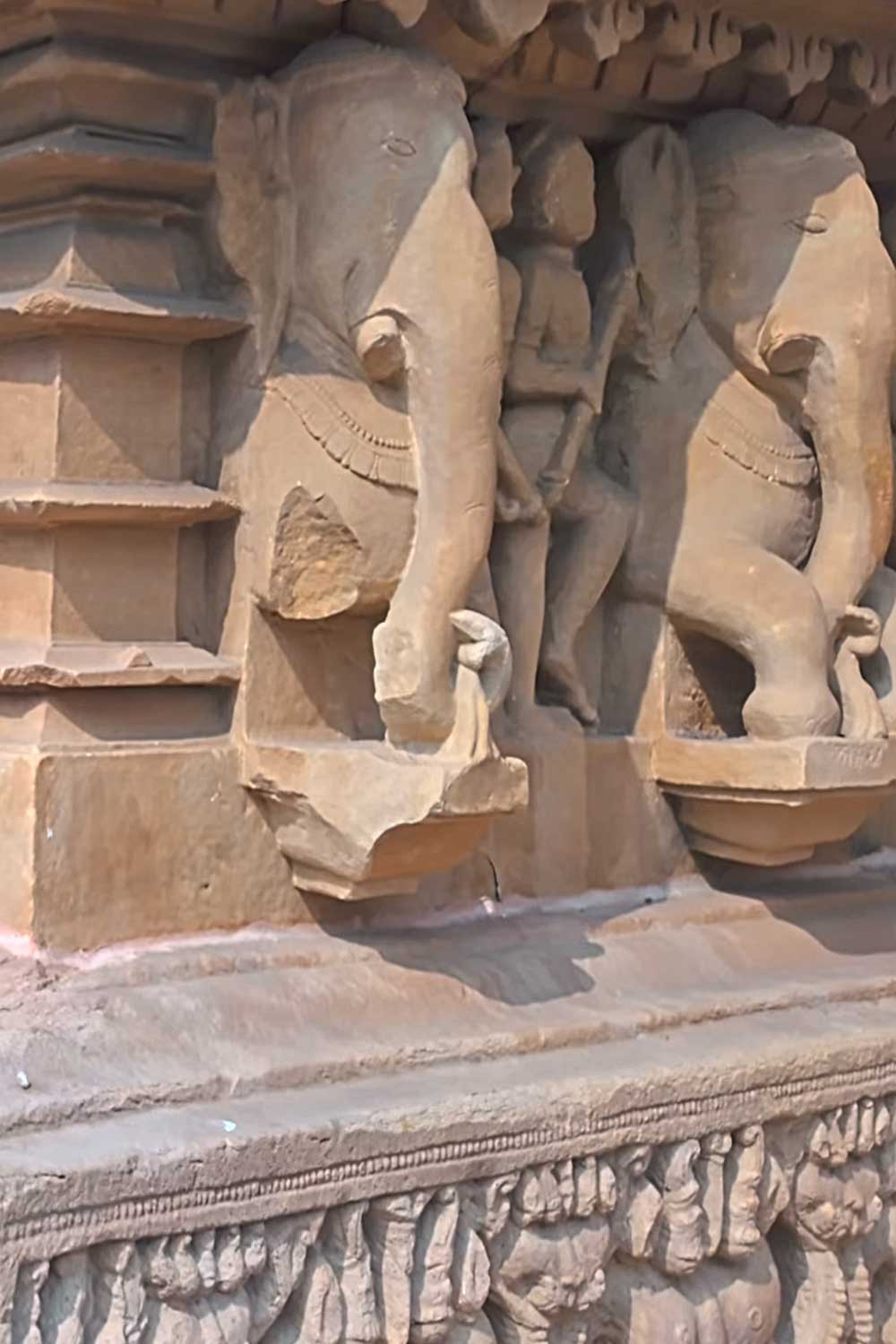 3.) the artistic brilliance of the Chandela dynasty that built these temples between the 9th and 11th centuries CE.
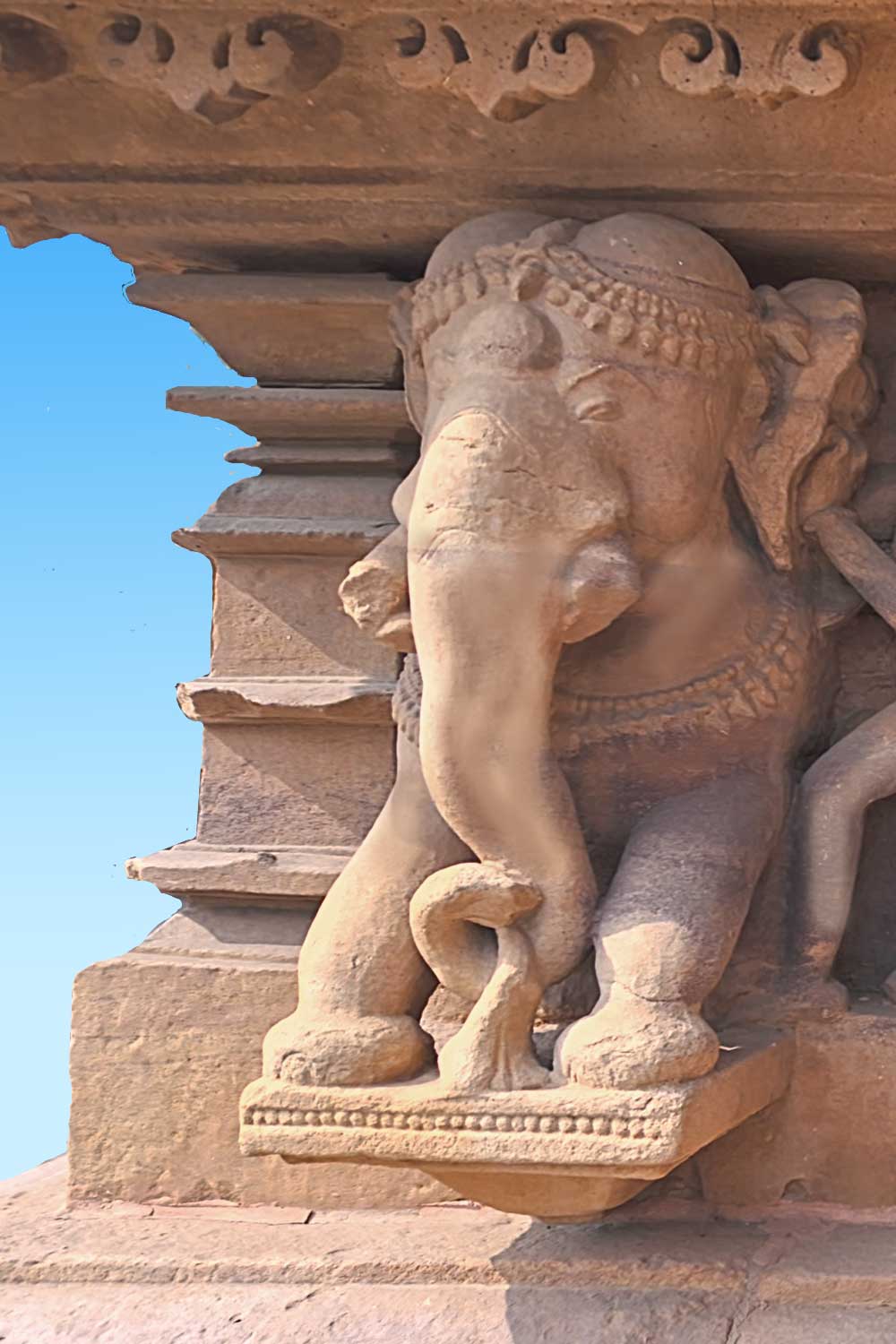 1.) The Lakshmana Temple, intricate carvings in sandstone run along the base or platform, the Khajuraho temples are famous for their
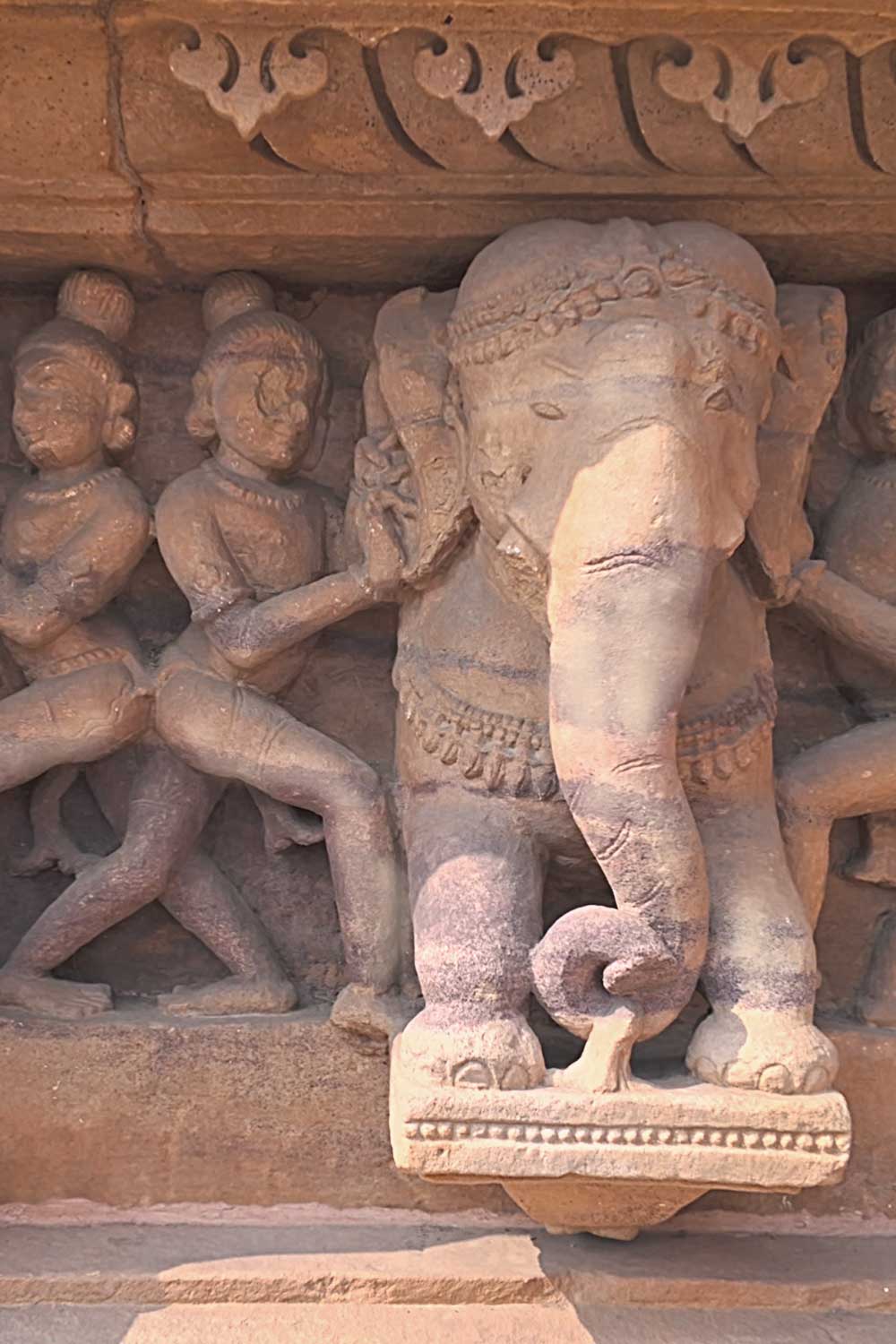 2.) extensive stone carvings that showcase a blend of daily life, spirituality, and sensuality, the detailed technique reflects
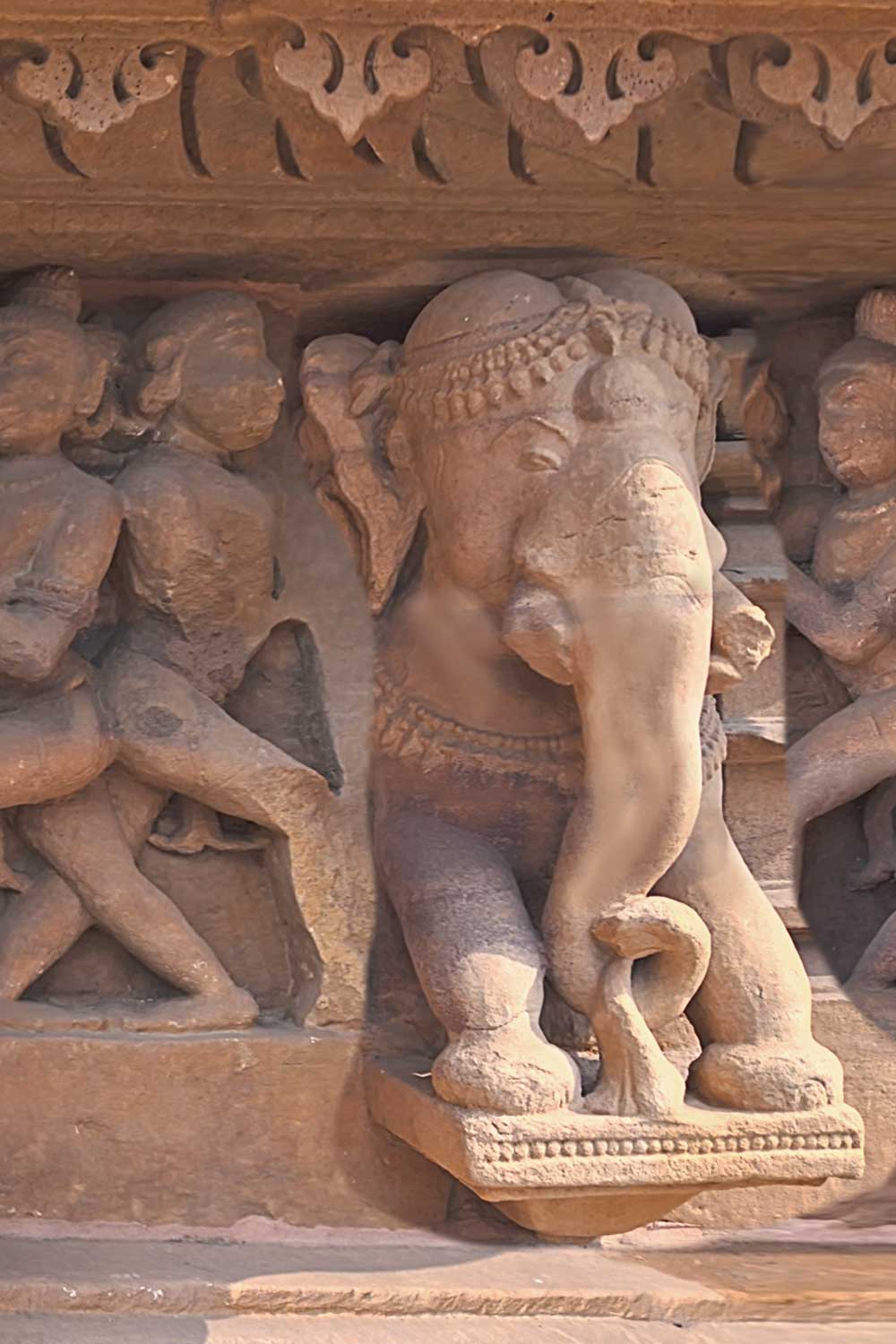 3.) the artistic brilliance of the Chandela dynasty that built these temples between the 9th and 11th centuries CE.
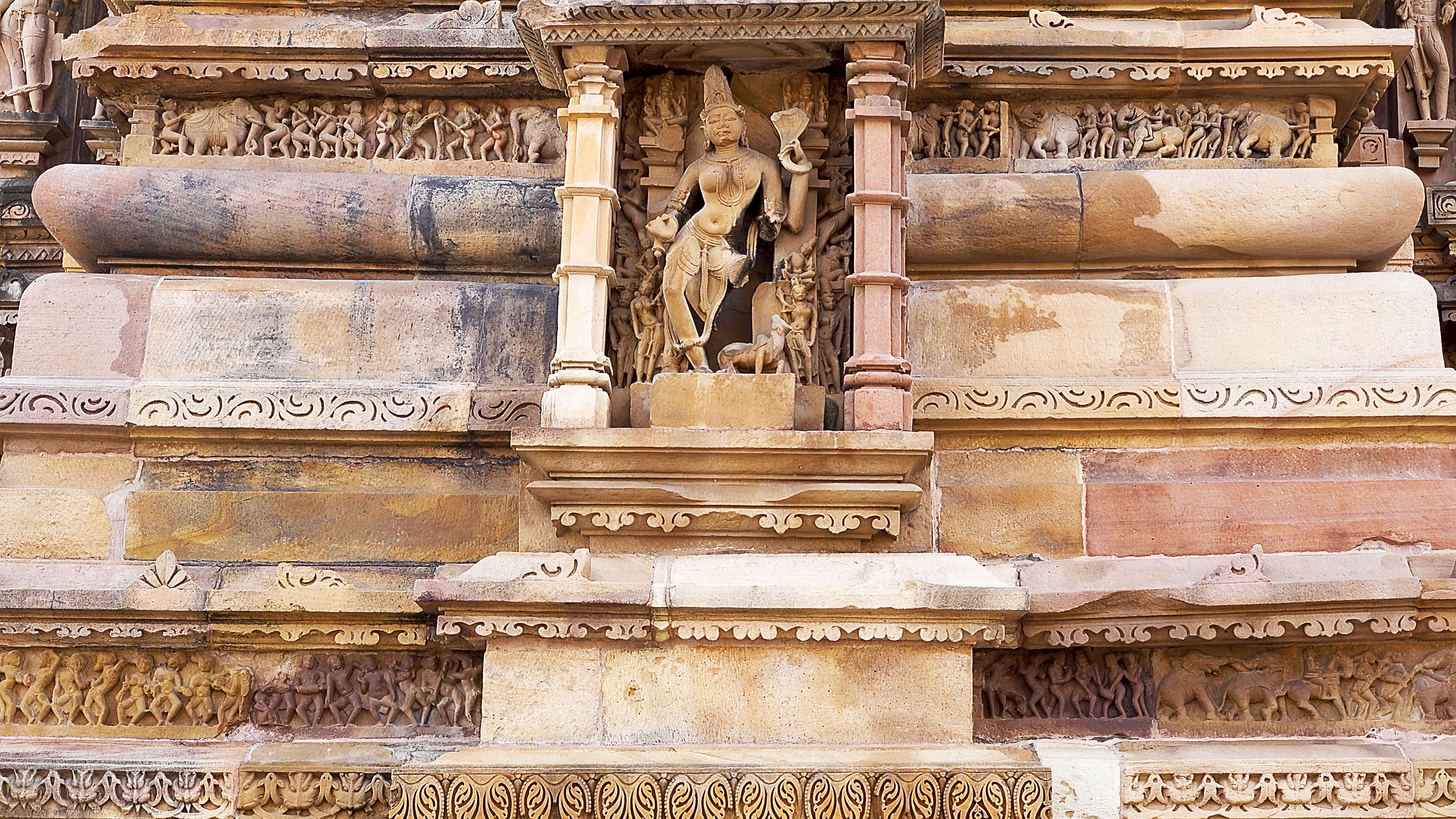 Rrepresentation of graceful Apsaras on the outside walls of the Lakshmana Temple
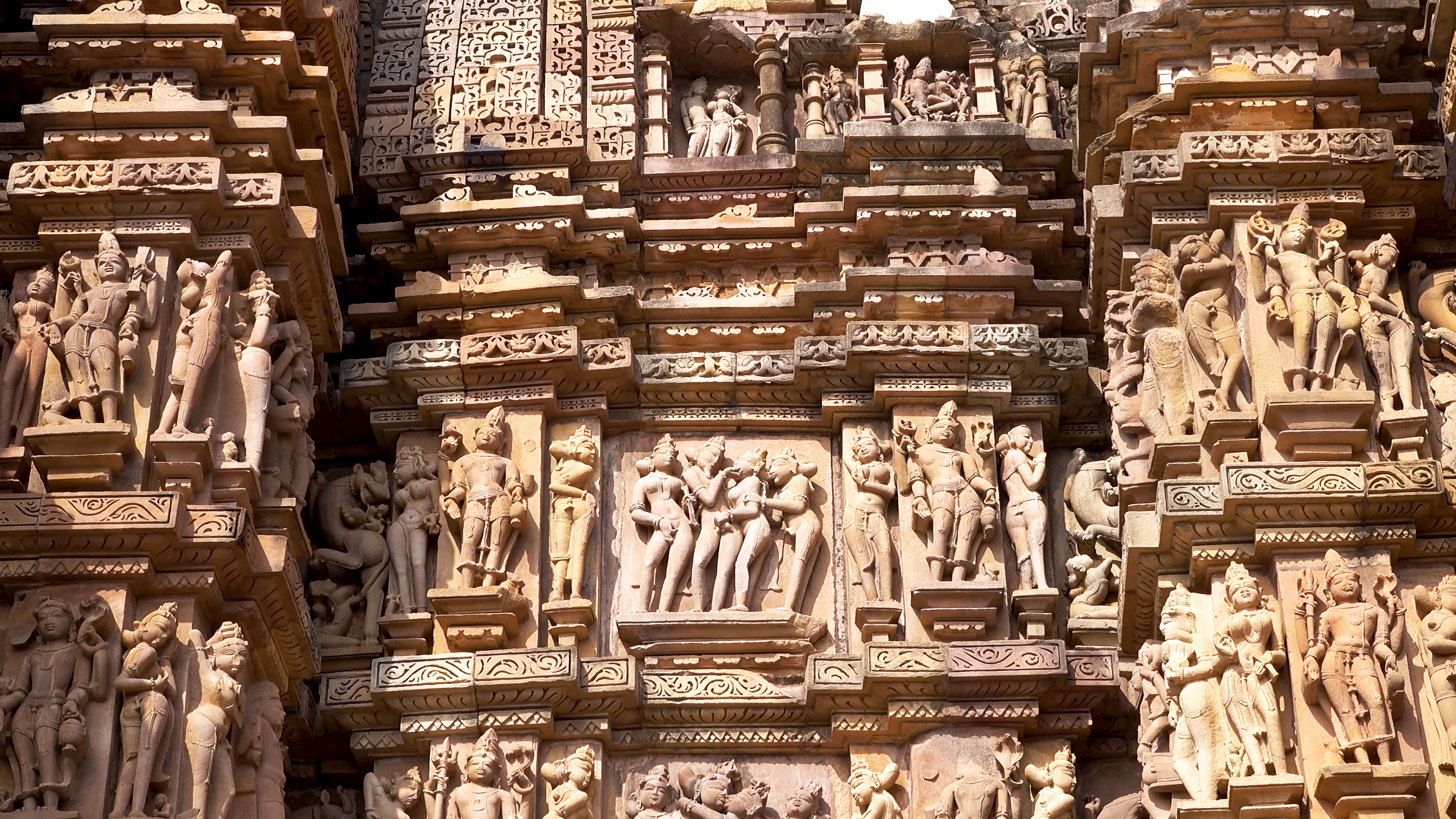 The outside walls of the Lakshmana Temple
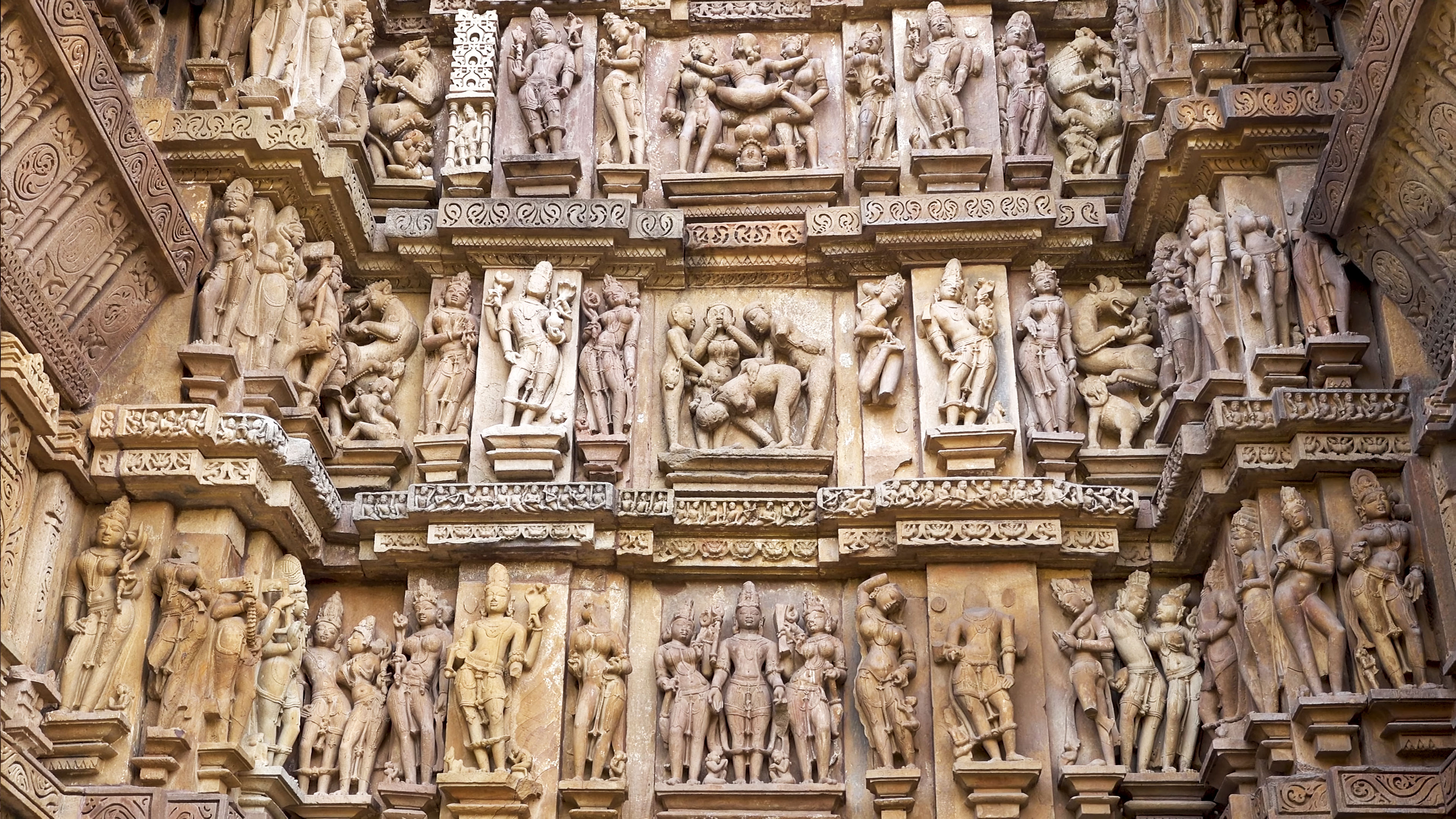 The outside walls of the Lakshmana Temple
The Khajuraho temple complex The Khajuraho temples were built as a unified monumental landscape yet dedicated to two faiths—Hinduism and
Jainism—reflecting a regional tradition of religious coexistence and mutual respect. Their exceptional architecture, diversity of temple forms, and enduring testimony to
the Chandela civilization led to their inscription on the UNESCO World Heritage List in 1986. Located in the state of Madhya Pradesh, about 620 kilometers (385 miles)
southeast of New Delhi, the village of Khajuraho and its surviving temples remain one of India’s most remarkable cultural sites, celebrated for their artistry, symbolism,
and harmonious expression of multiple spiritual traditions.
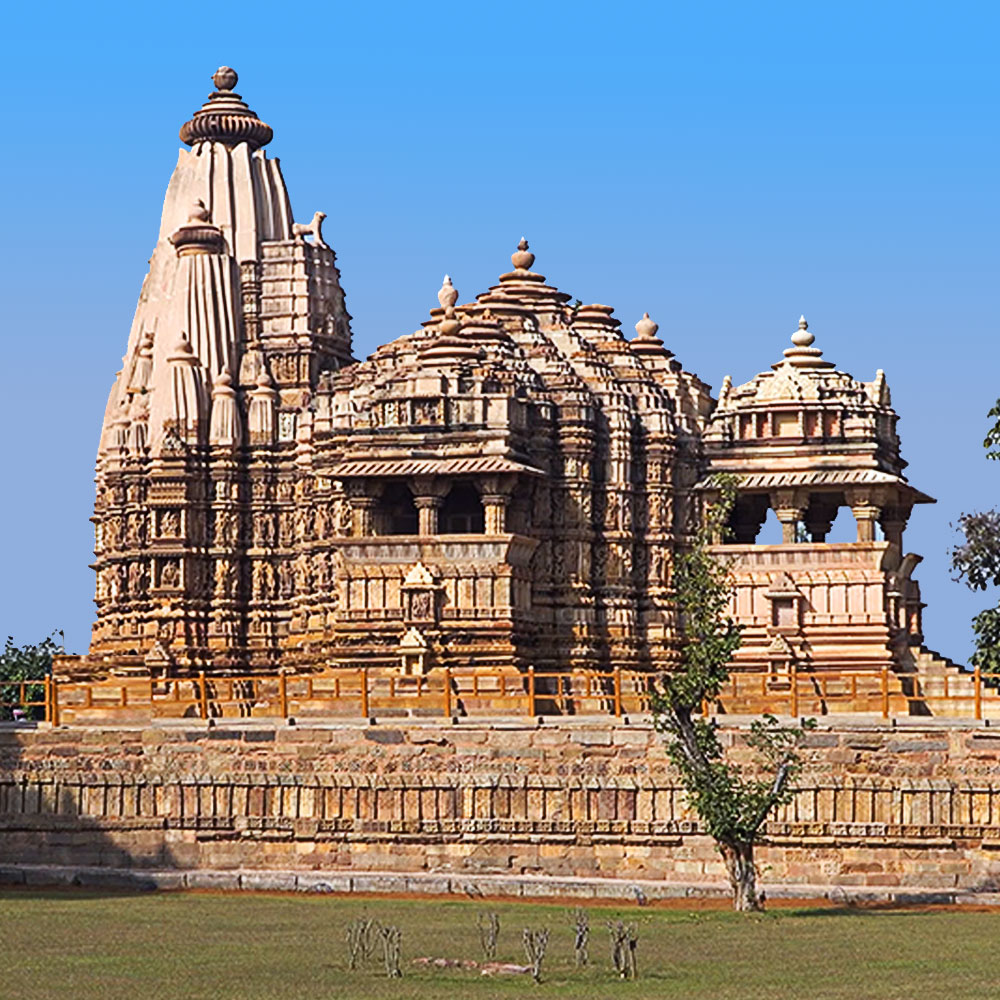 The Chitragupta Temple of Surya (sun god),
consecrated 23 February, 1023 CE, during Shivaratri, Khajuraho, India.
The Chitragupta Temple of Surya (sun god),
consecrated 23 February, 1023 CE, during Shivaratri, Khajuraho, India.
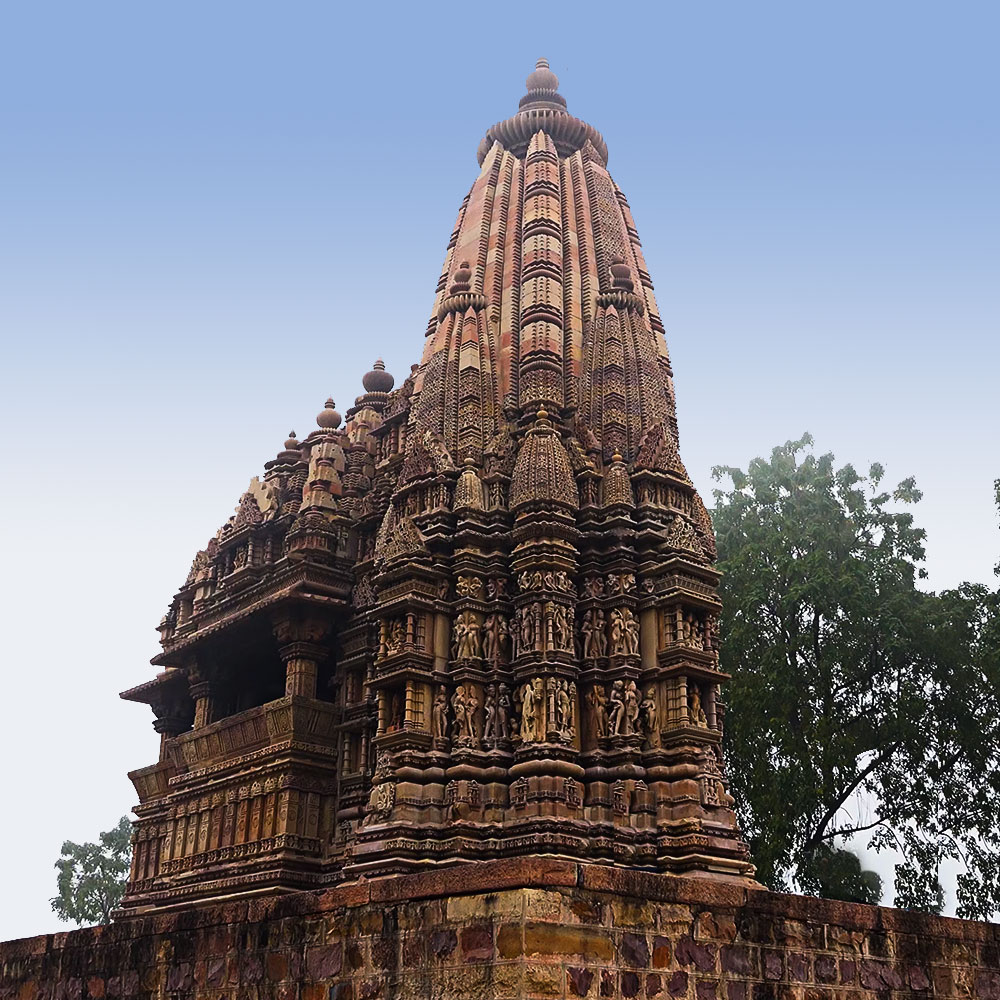 The Javari Temple, A Hindu Temple dedicated to
the Hindu deity Shiva, built between c. 975 and 1100 A.D., Khajuraho, India
The Javari Temple, A Hindu Temple dedicated to
the Hindu deity Shiva, built between c. 975 and 1100 A.D., Khajuraho, India
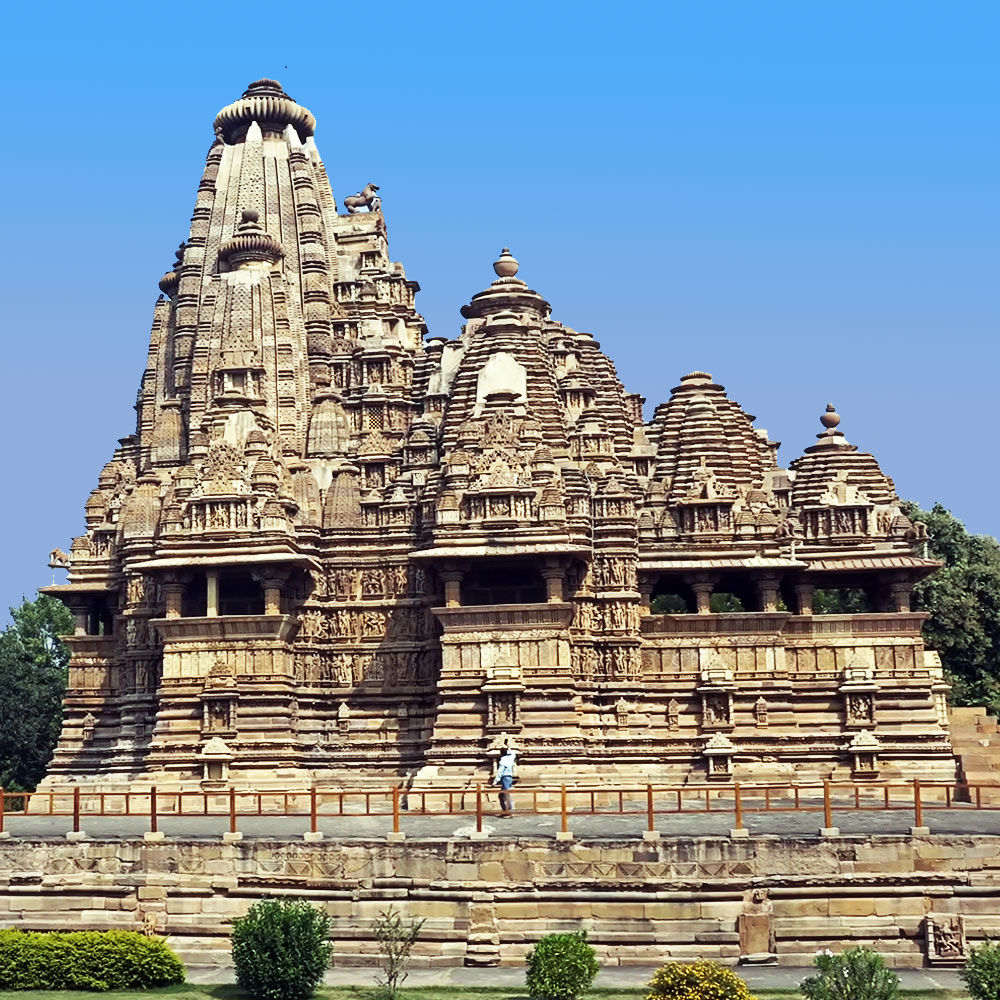 The Visvanatha Temple, Hindu, 10th-century,
Khajuraho, India
The Visvanatha Temple, Hindu, 10th-century,
Khajuraho, India
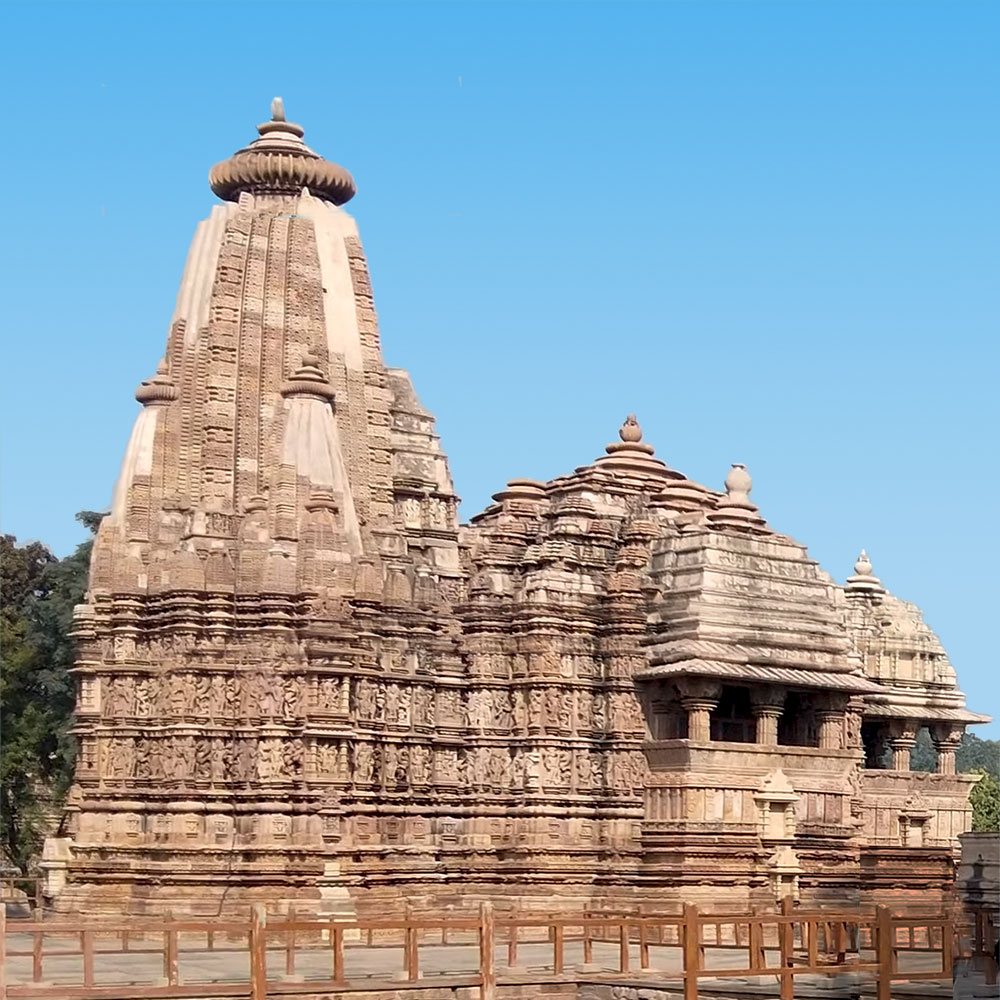 Devi Jagadambika Temple, 10th-century,
Khajuraho, India
Devi Jagadambika Temple, 10th-century,
Khajuraho, India
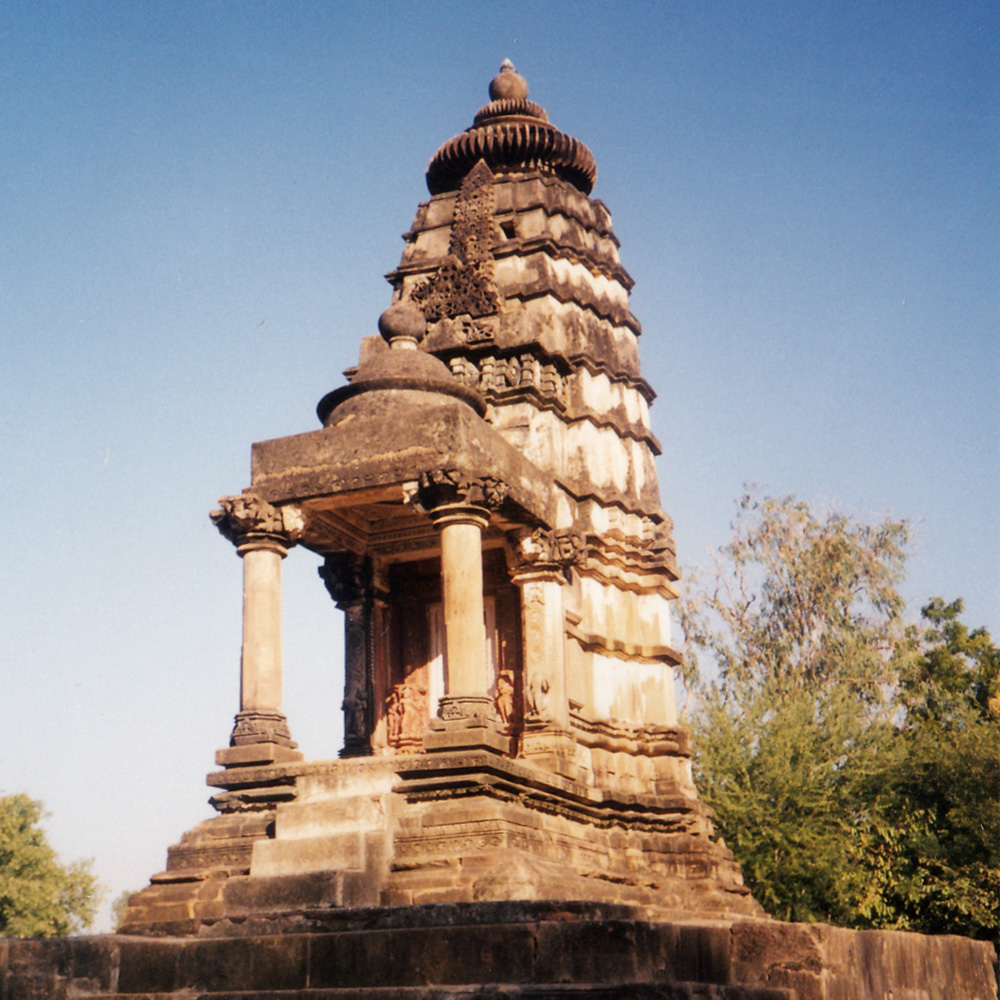 Lakshmi Hindu Temple, dedicated to Goddess
Lakshmi, consort of Lord Vishnu, 10th CE, Khajuraho, India
Lakshmi Hindu Temple, dedicated to Goddess
Lakshmi, consort of Lord Vishnu, 10th CE, Khajuraho, India
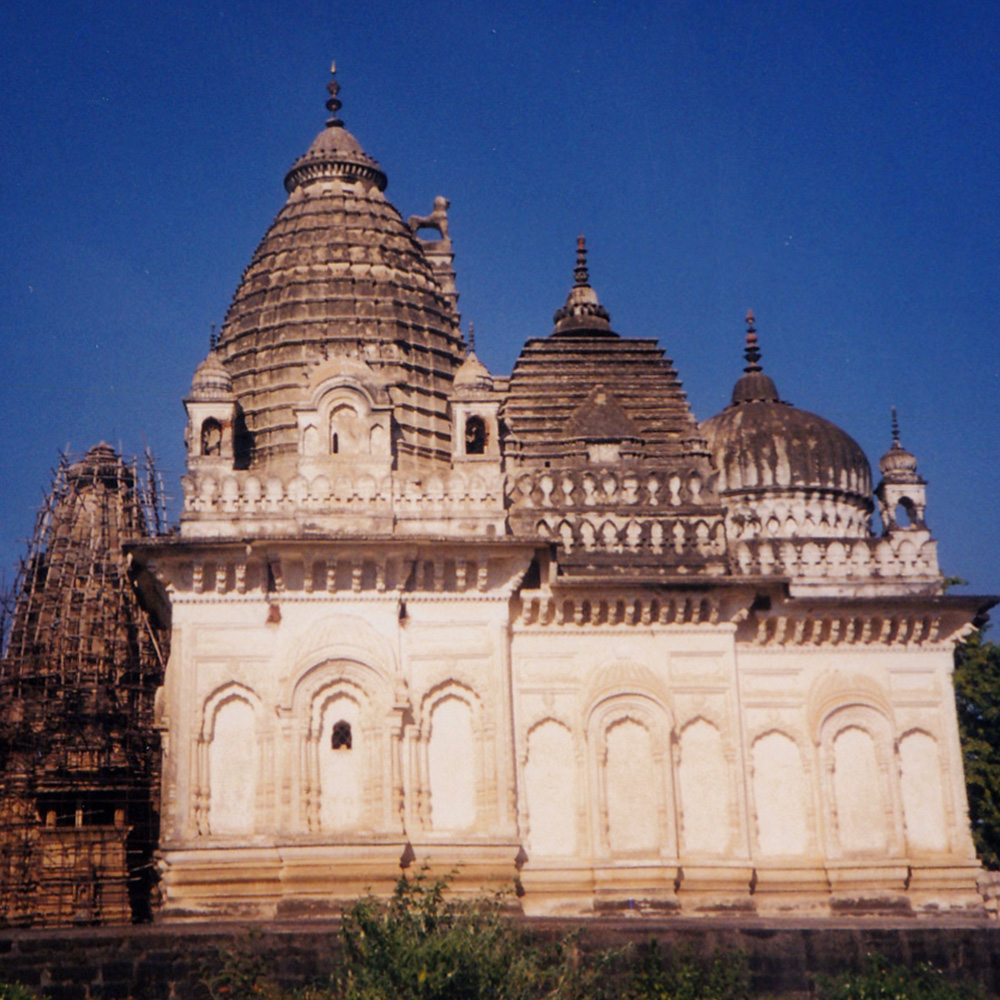 Pratapeshwar Temple, is the chhatri of Raja
Pratap Singh, who built the Temple as a memorial to himself in 1854, Khajuraho, India
Pratapeshwar Temple, is the chhatri of Raja
Pratap Singh, who built the Temple as a memorial to himself in 1854, Khajuraho, India
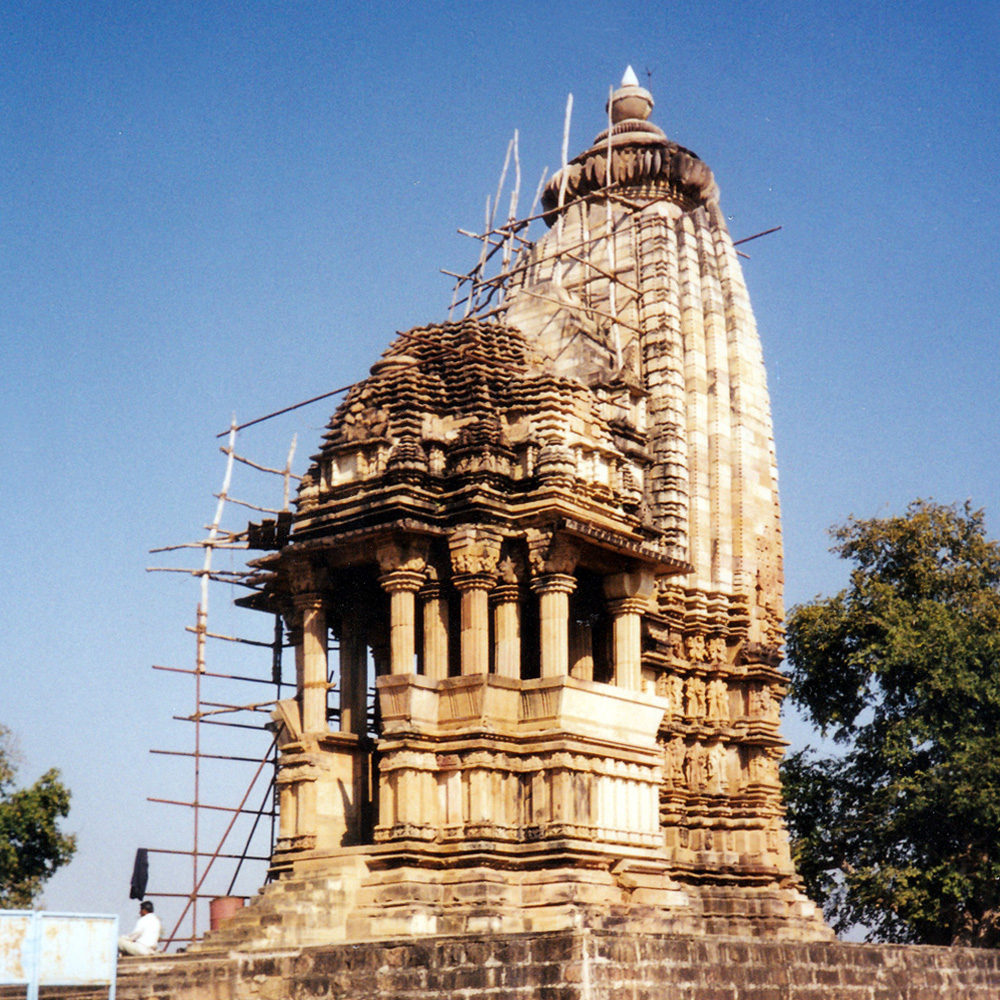 Chaturbhuj Temple, built by the Chandelas, 10th
CE, Khajuraho, India
Chaturbhuj Temple, built by the Chandelas, 10th
CE, Khajuraho, India
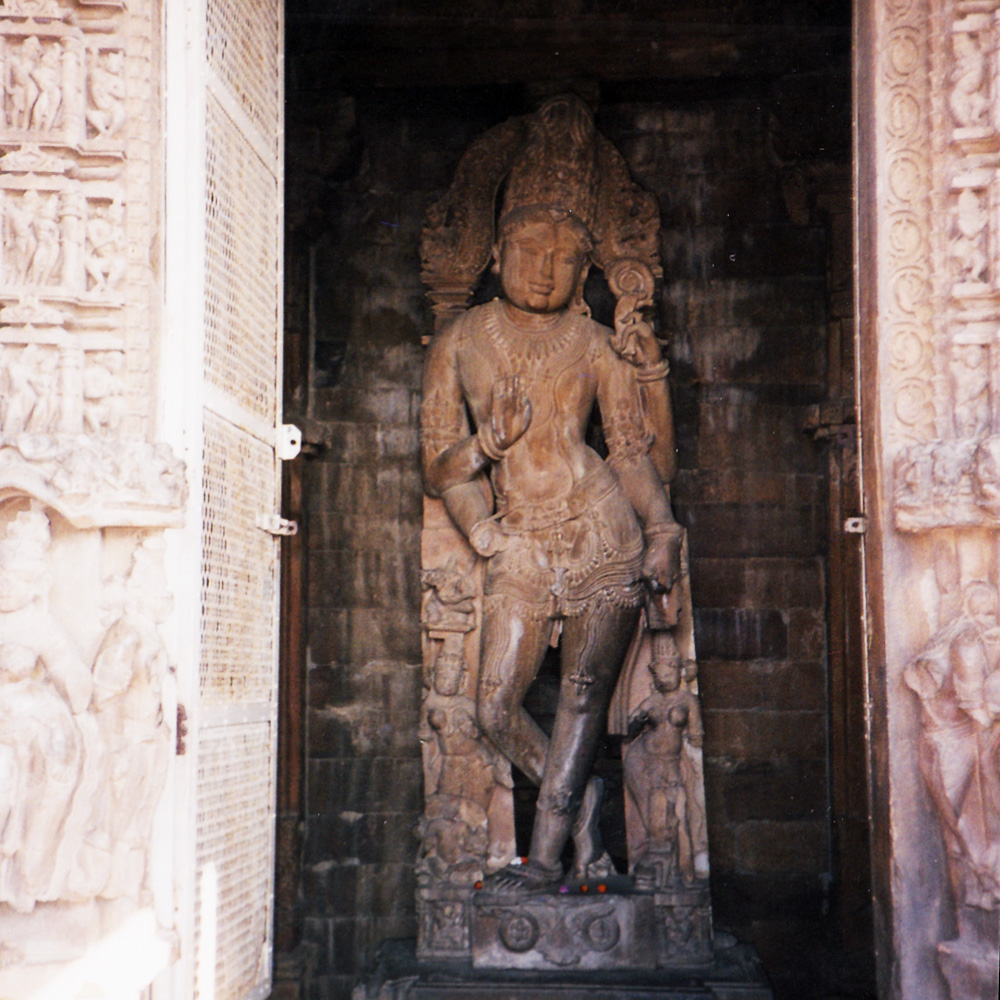 Vishnu Idol statue inside Chaturbhuj Temple,
built by the Chandelas, 10th CE, Khajuraho, India
Vishnu Idol statue inside Chaturbhuj Temple,
built by the Chandelas, 10th CE, Khajuraho, India
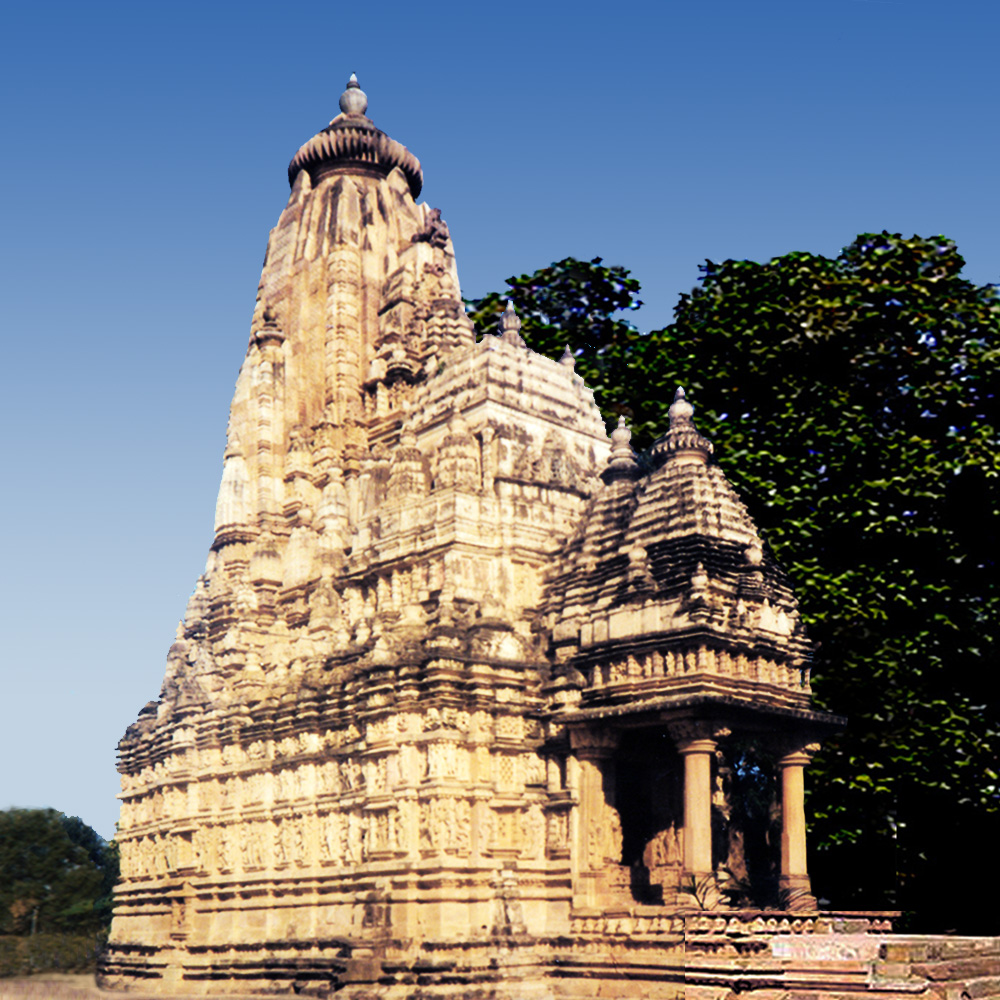 Parshvanatha Temple, Jain, 10th-century,
constructed by a prominent Jain family between 950 and 970 CE, it is the largest Jain temple in Khajuraho, India
Parshvanatha Temple, Jain, 10th-century,
constructed by a prominent Jain family between 950 and 970 CE, it is the largest Jain temple in Khajuraho, India
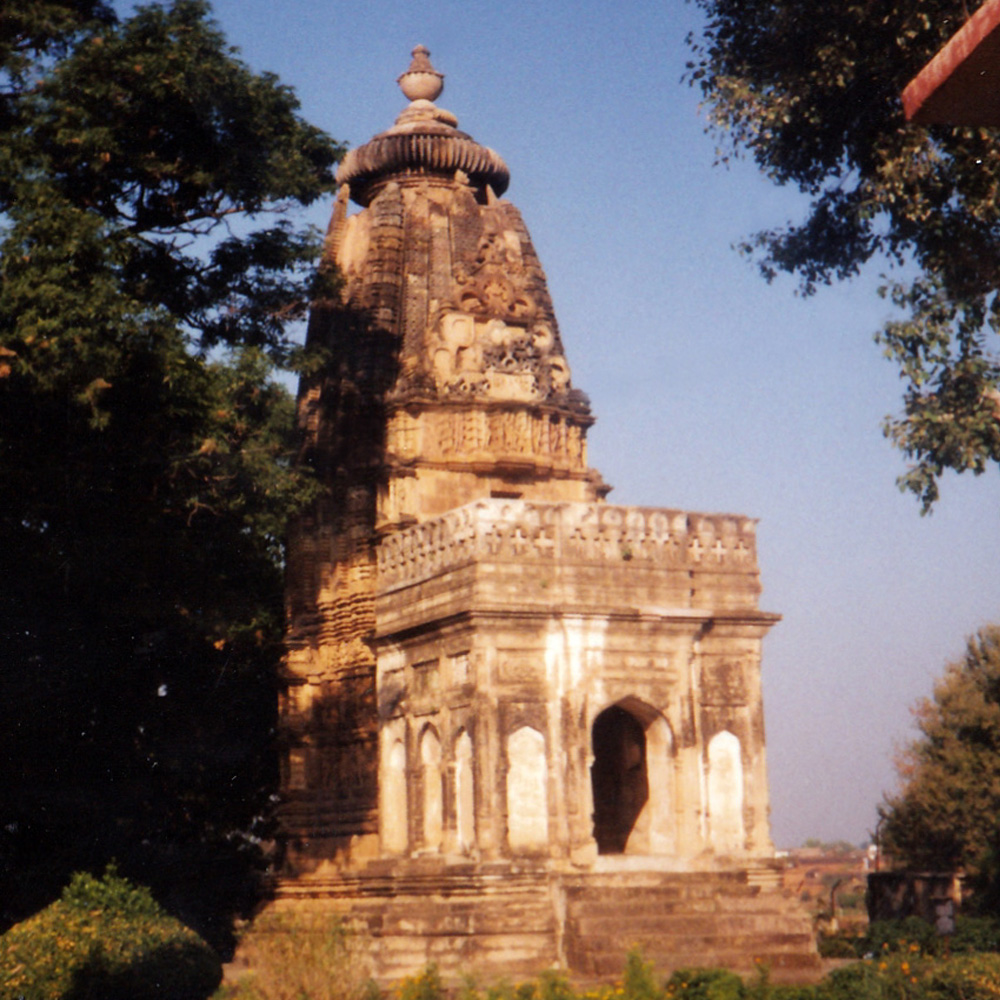 Adinatha Temple, a Jain temple dedicated to the
tirthankara Adinatha although its exterior walls also feature Hindu deities, 11th CE, Khajuraho, India
Adinatha Temple, a Jain temple dedicated to the
tirthankara Adinatha although its exterior walls also feature Hindu deities, 11th CE, Khajuraho, India
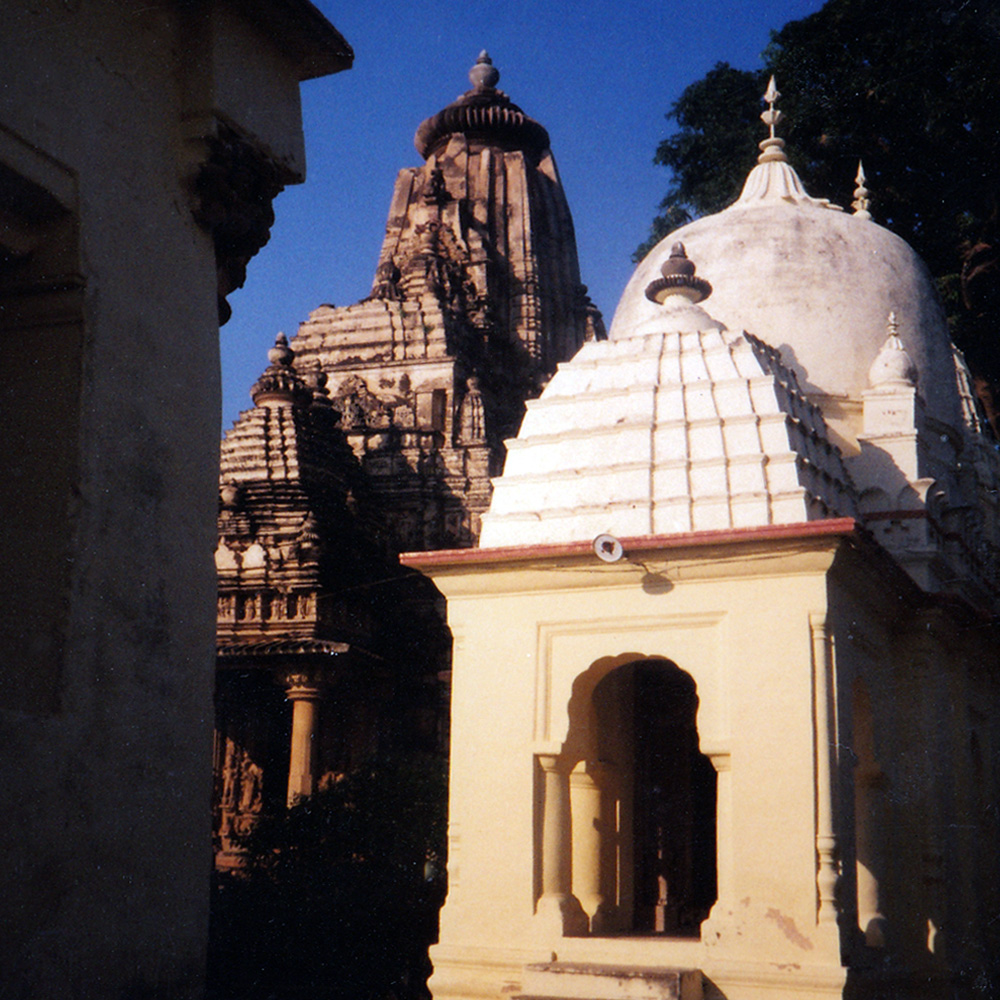 Parsvanath Temple, Jain, built by the Chandelas,
10th CE, Khajuraho, India
Parsvanath Temple, Jain, built by the Chandelas,
10th CE, Khajuraho, India
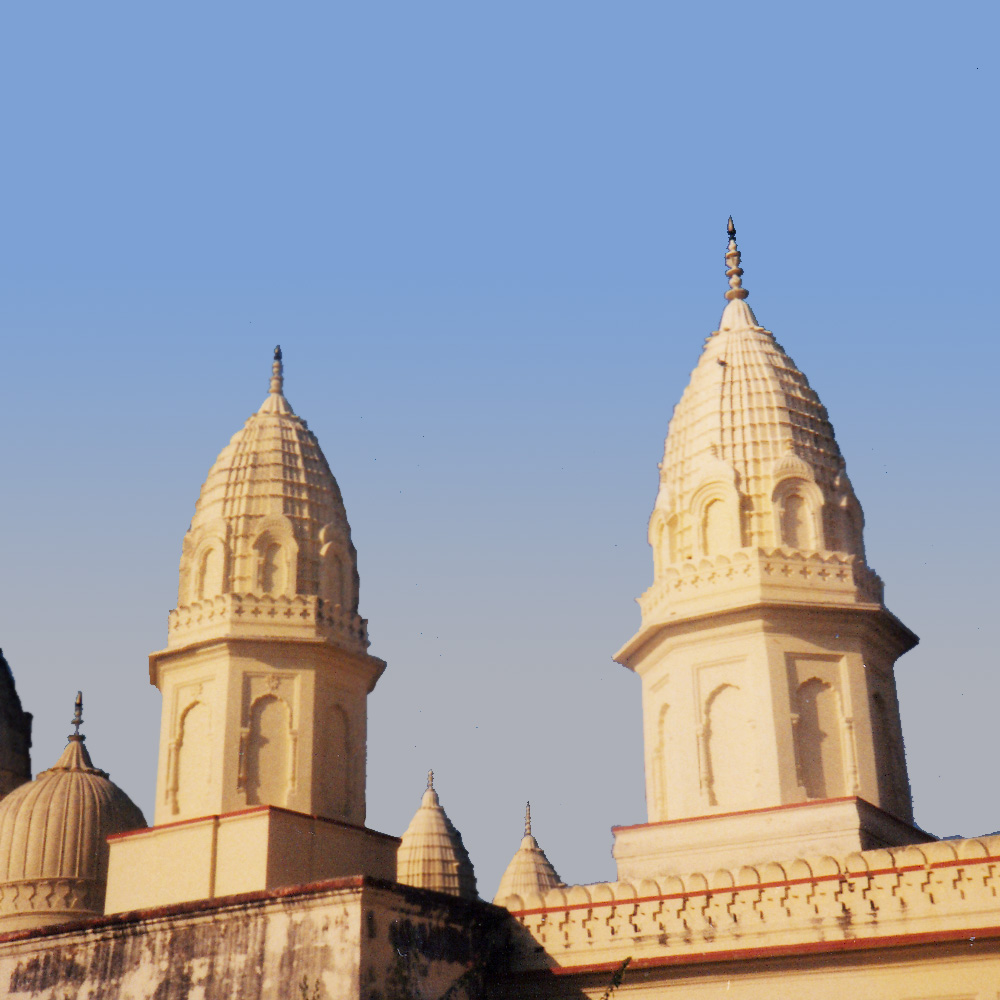 Shantinatha Temple, 10th-century, Jain,
Khajuraho, India
Shantinatha Temple, 10th-century, Jain,
Khajuraho, India
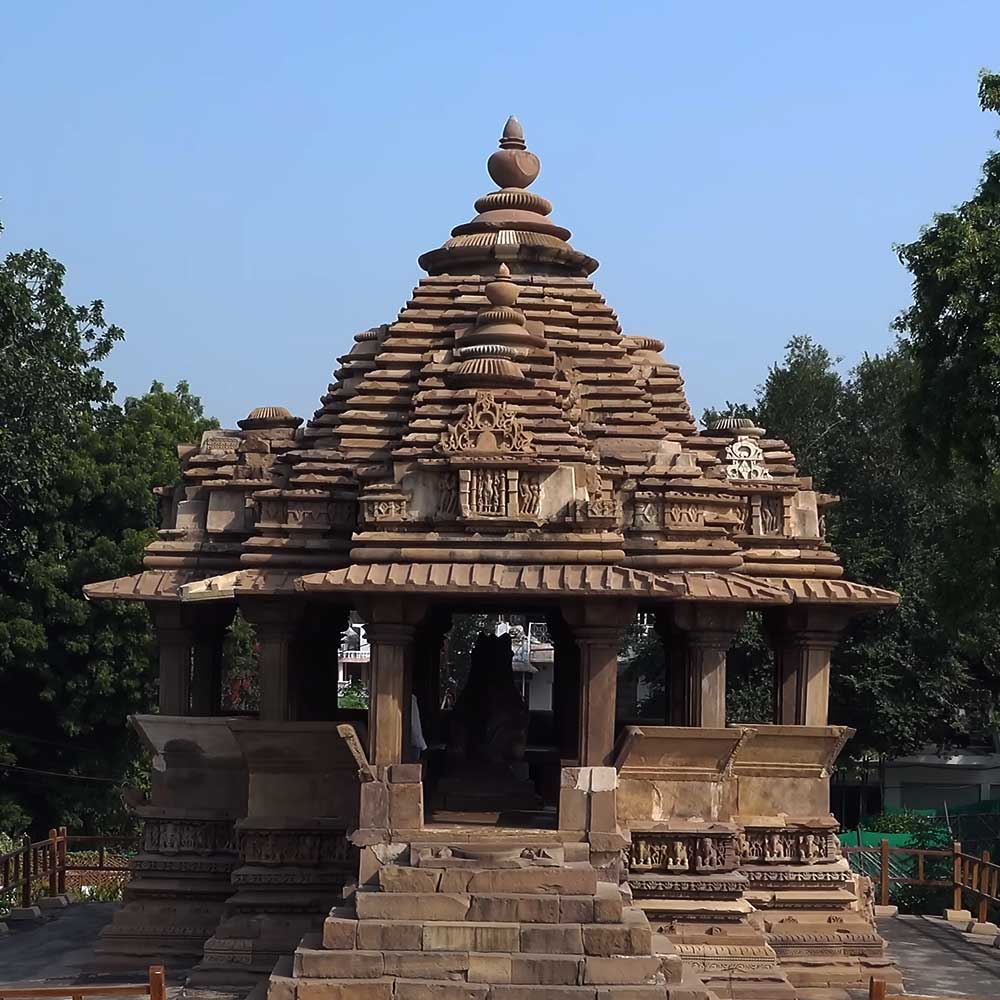
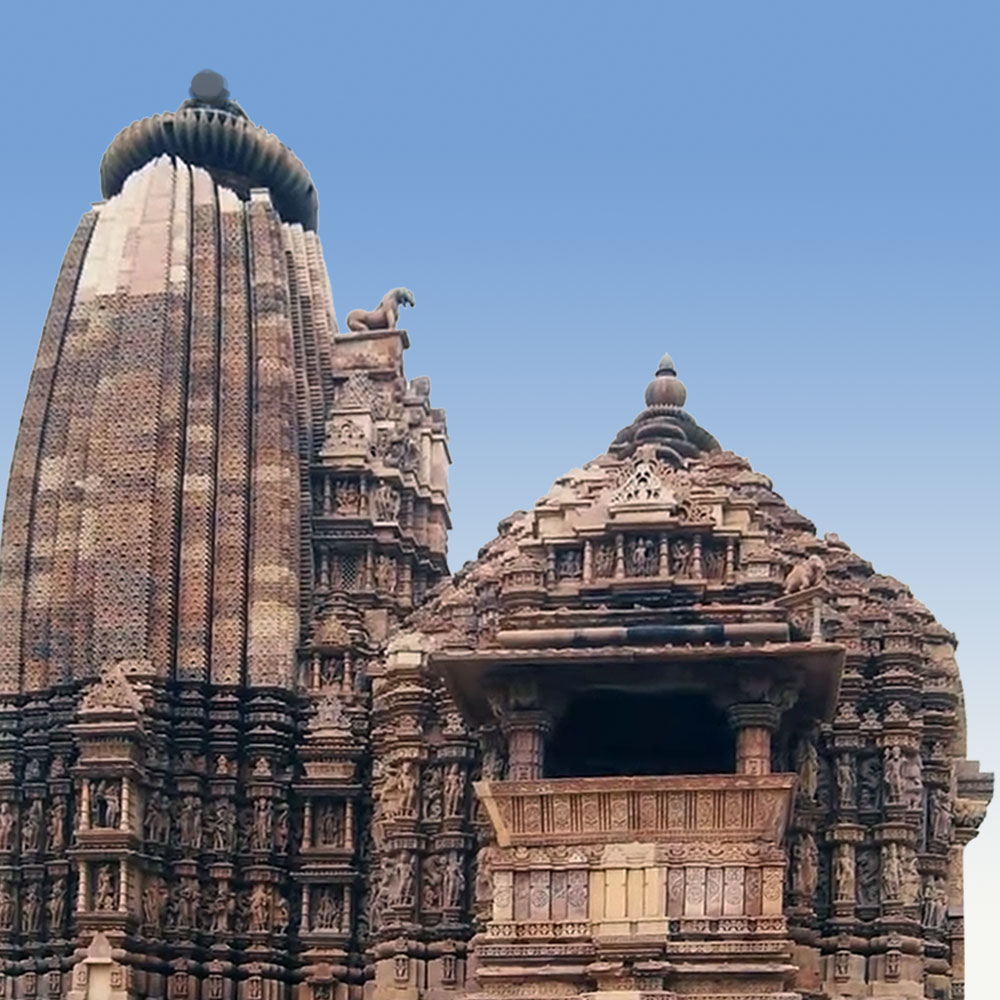 Vamana Temple, Hindu temple dedicated to
Vamana, an avatar of the god Vishnu. built between 1050 and 1075, Khajuraho, India
Vamana Temple, Hindu temple dedicated to
Vamana, an avatar of the god Vishnu. built between 1050 and 1075, Khajuraho, India
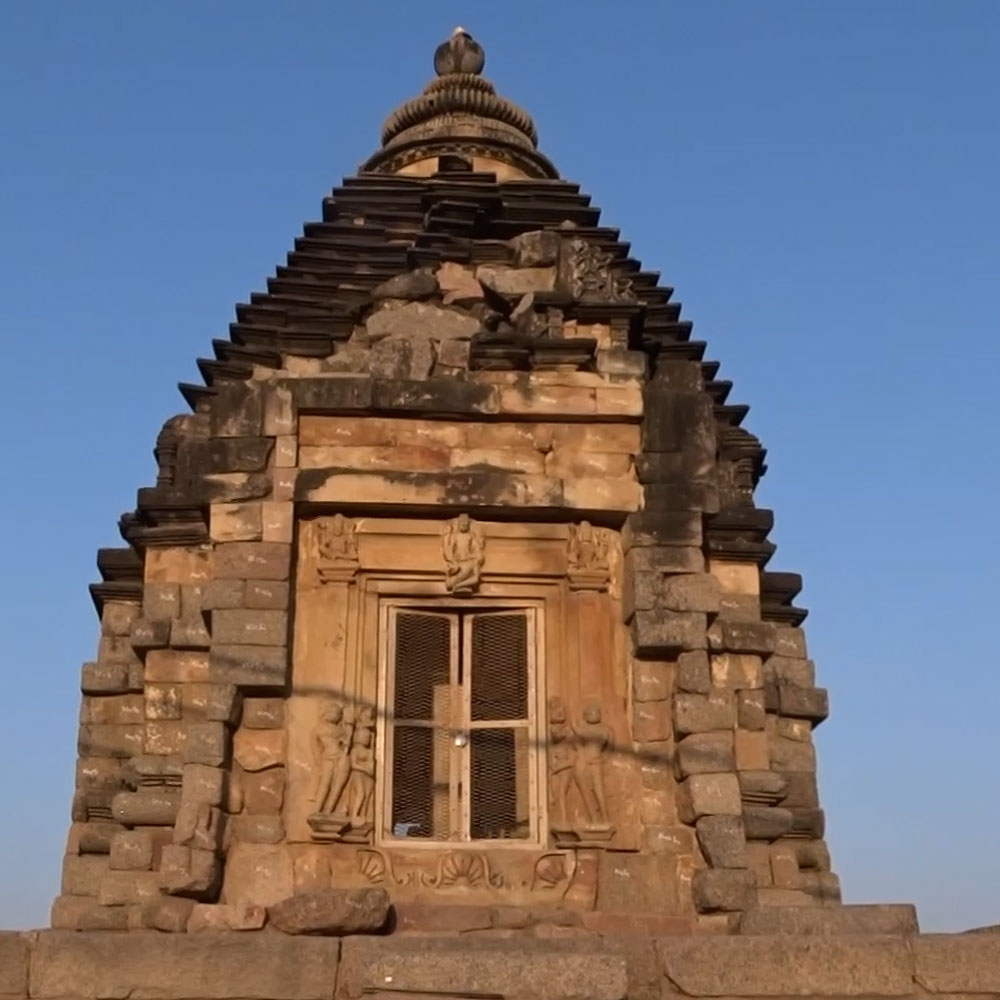 Brahma Temple is a ninth or early tenth
century temple and is located on the banks of Khajuraho Sagar lake, although titled after the Hindu god Brahma, the temple is dedicated to Shiva,
Khajuraho, India
Brahma Temple is a ninth or early tenth
century temple and is located on the banks of Khajuraho Sagar lake, although titled after the Hindu god Brahma, the temple is dedicated to Shiva,
Khajuraho, India
 Nandi Temple in Khajuraho, the bull vehicle (vahana) of Lord Shiva, built 999 CE, Shiva temple, Chandela dynasty, Khajuraho, India
James Fergusson (1808–1886) was a pioneering architectural historian whose writings helped establish the study of Indian architecture as a formal academic discipline. The photographs he
collected formed part of his personal reference library, assembled while he lived far from the monuments he studied yet remained deeply engaged with their history and design. Today, the
James Fergusson Collection at the Boston Public Library stands as one of the most important American holdings related to Indian architecture. It also reflects the crucial role early
photography played in comparative architectural study, preserving visual records that allowed scholars like Fergusson to analyze, classify, and interpret buildings across cultures
and centuries.
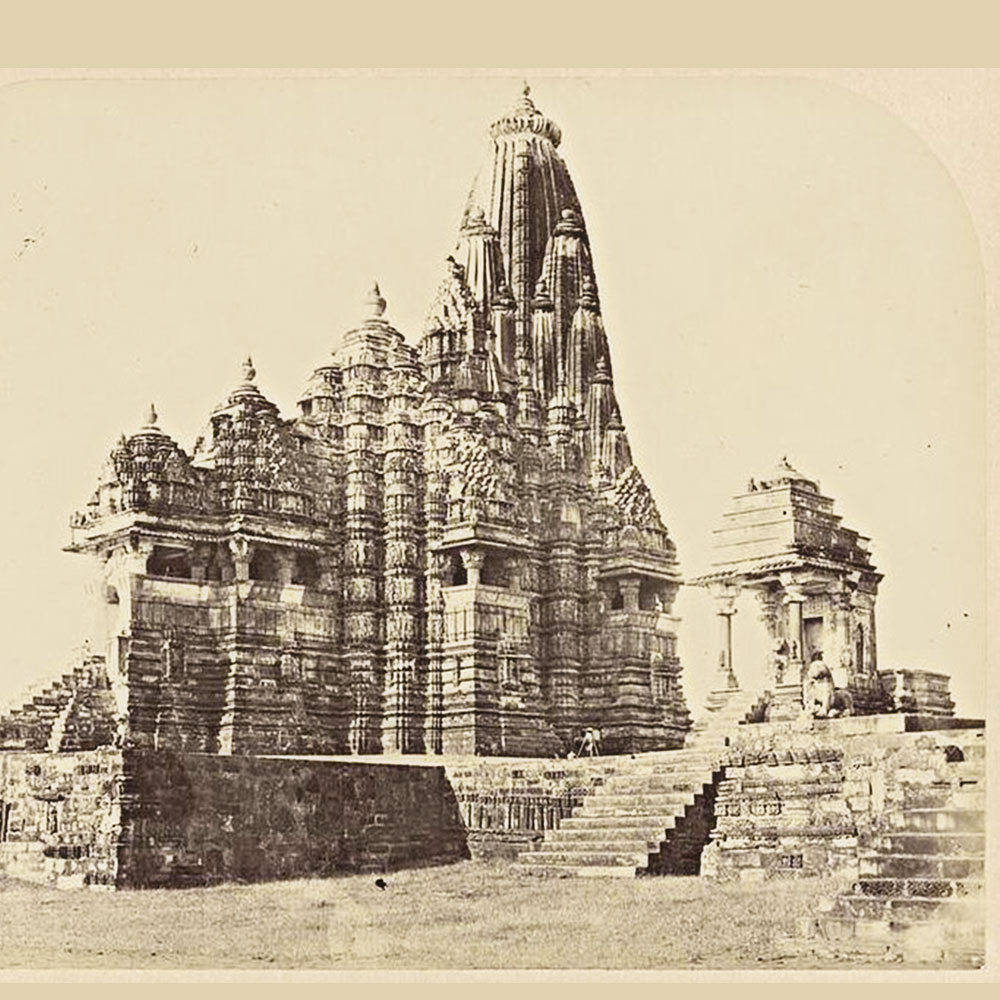 General view from the north-east of the
Kandariya Mahadeva Temple, Khajuraho, Date: 1871, Photographer: James Fergusson, 1808-1886, Collection Boston Public Library
General view from the north-east of the
Kandariya Mahadeva Temple, Khajuraho, Date: 1871, Photographer: James Fergusson, 1808-1886, Collection Boston Public Library  Boston Public Library
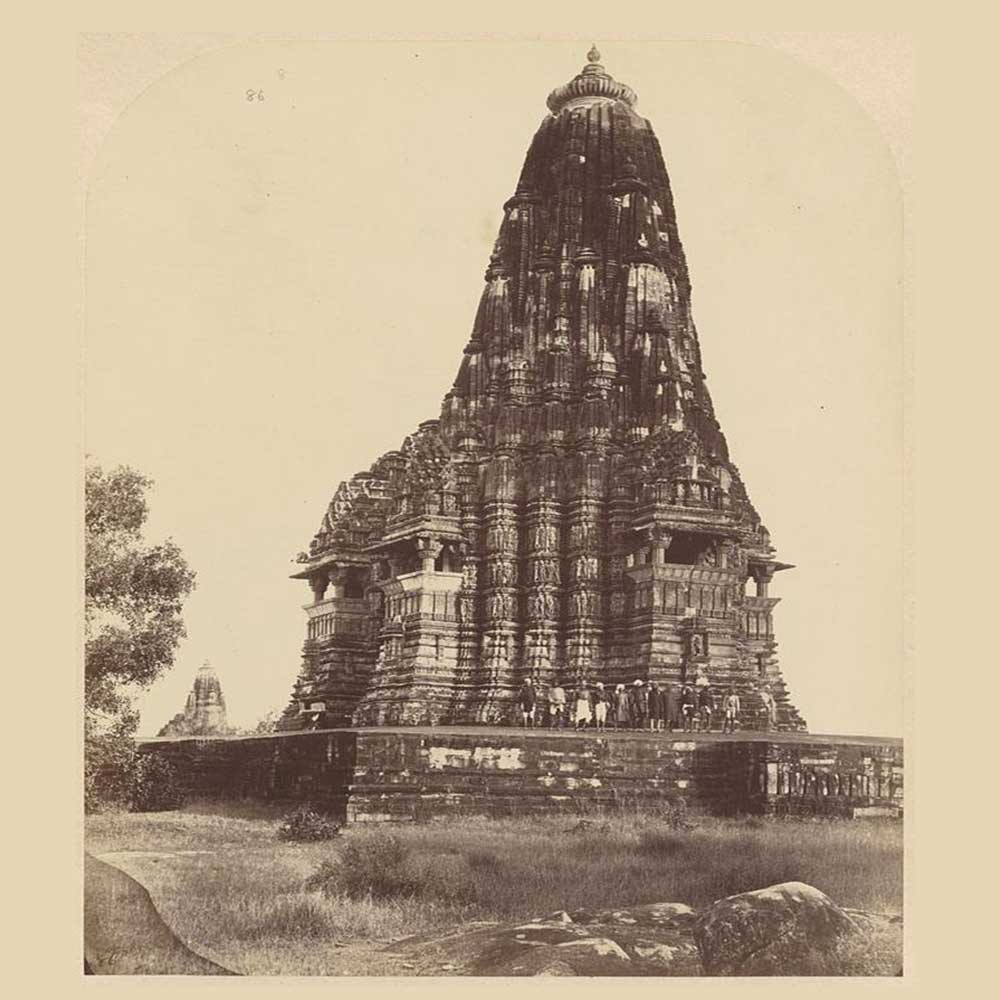 General view from the north-west of the
Kandariya Mahadeva Temple, Khajuraho, Date: 1871, Photographer: James Fergusson, 1808-1886, Collection Boston Public LibraryBoston Public Library
General view from the north-west of the
Kandariya Mahadeva Temple, Khajuraho, Date: 1871, Photographer: James Fergusson, 1808-1886, Collection Boston Public LibraryBoston Public Library
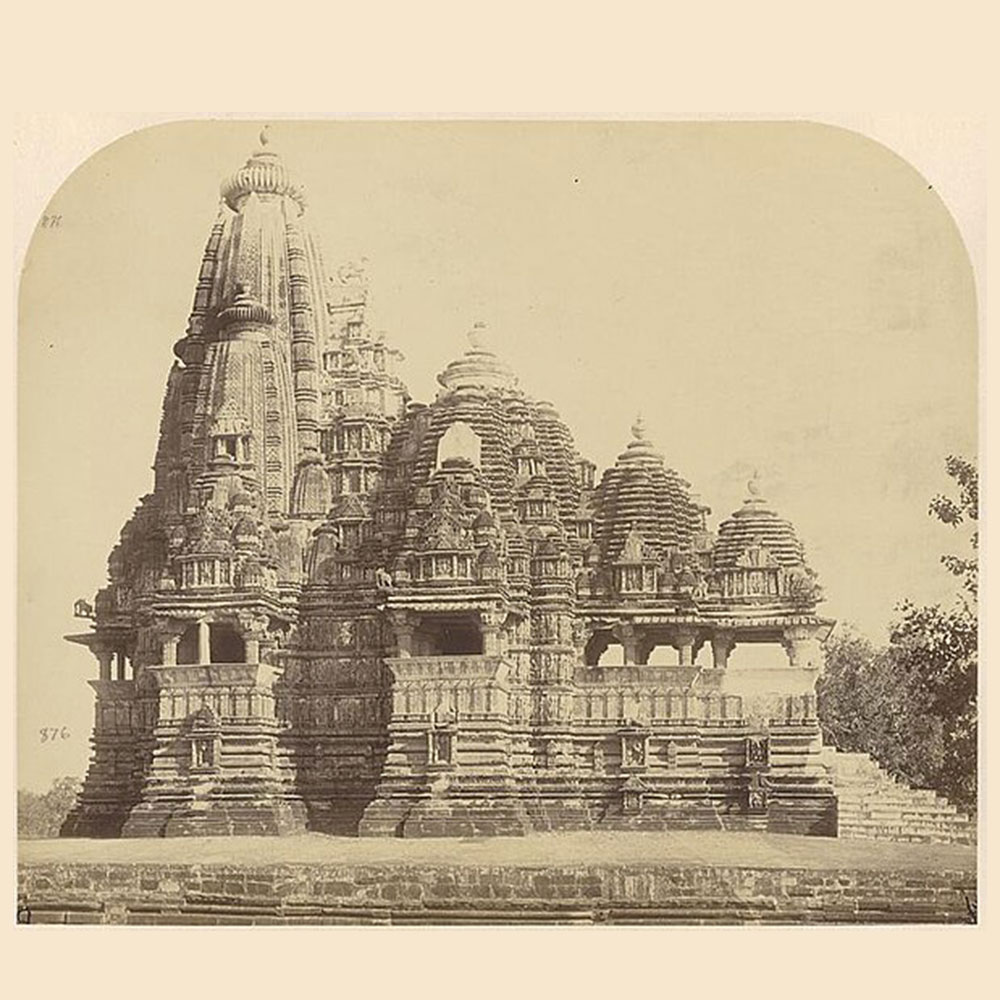 General view from the south-east of the
Visvanatha Temple, Khajuraho, Date: 1871, Photographer: James Fergusson, 1808-1886, Collection Boston Public Library Boston Public Library
General view from the south-east of the
Visvanatha Temple, Khajuraho, Date: 1871, Photographer: James Fergusson, 1808-1886, Collection Boston Public Library Boston Public Library
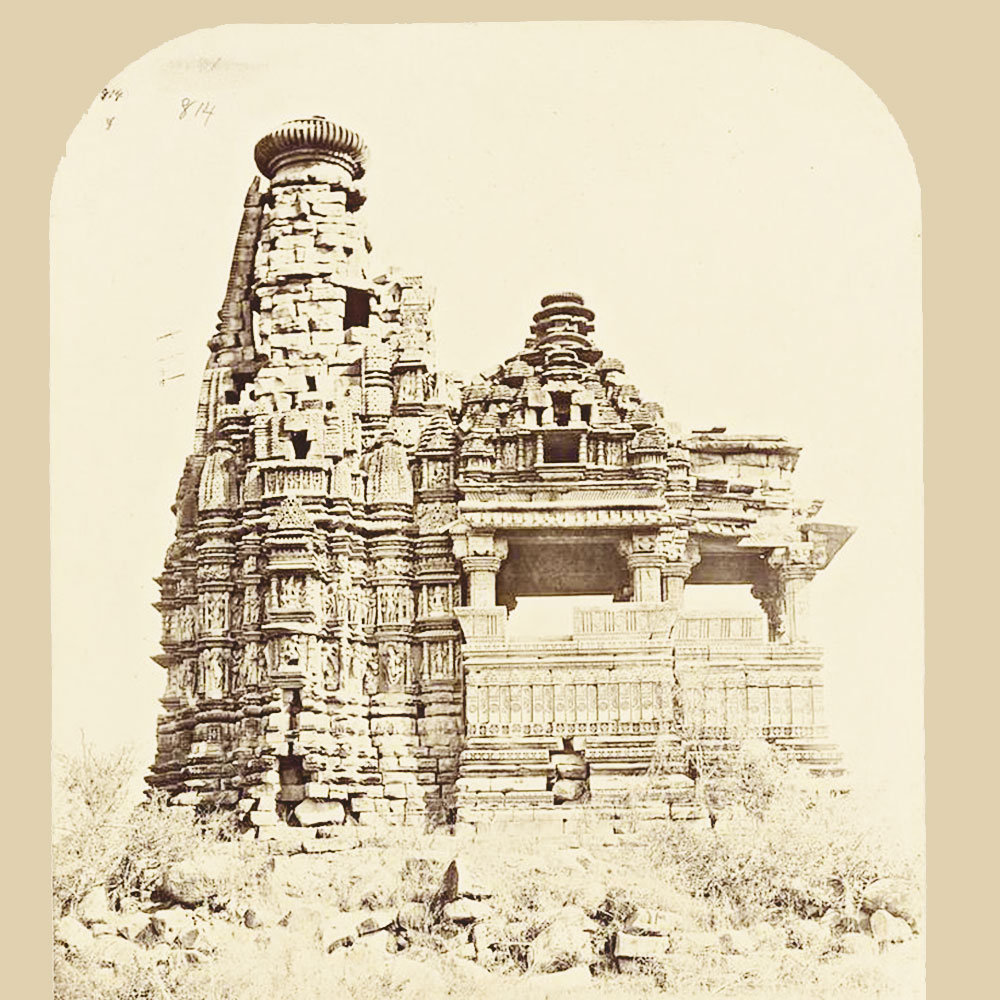 General view of the Javari Temple,
Khajuraho, Date: 1871, Photographer: James Fergusson, 1808-1886, Collection Boston Public Library Boston Public Library
General view of the Javari Temple,
Khajuraho, Date: 1871, Photographer: James Fergusson, 1808-1886, Collection Boston Public Library Boston Public Library
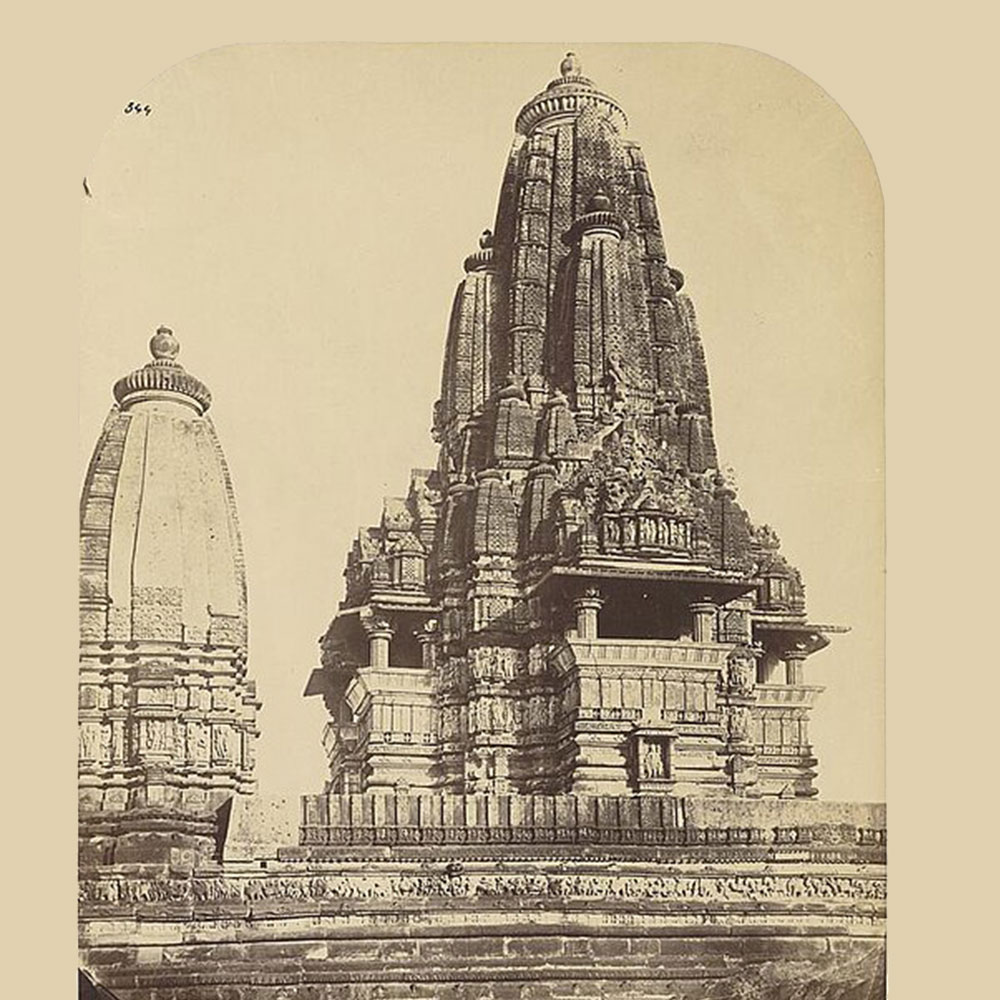 Rear view of the Chaturbhuja Temple,
Khajuraho, Date: 1871, Photographer: James Fergusson, 1808-1886, Collection Boston Public Library Boston Public Library
Rear view of the Chaturbhuja Temple,
Khajuraho, Date: 1871, Photographer: James Fergusson, 1808-1886, Collection Boston Public Library Boston Public Library
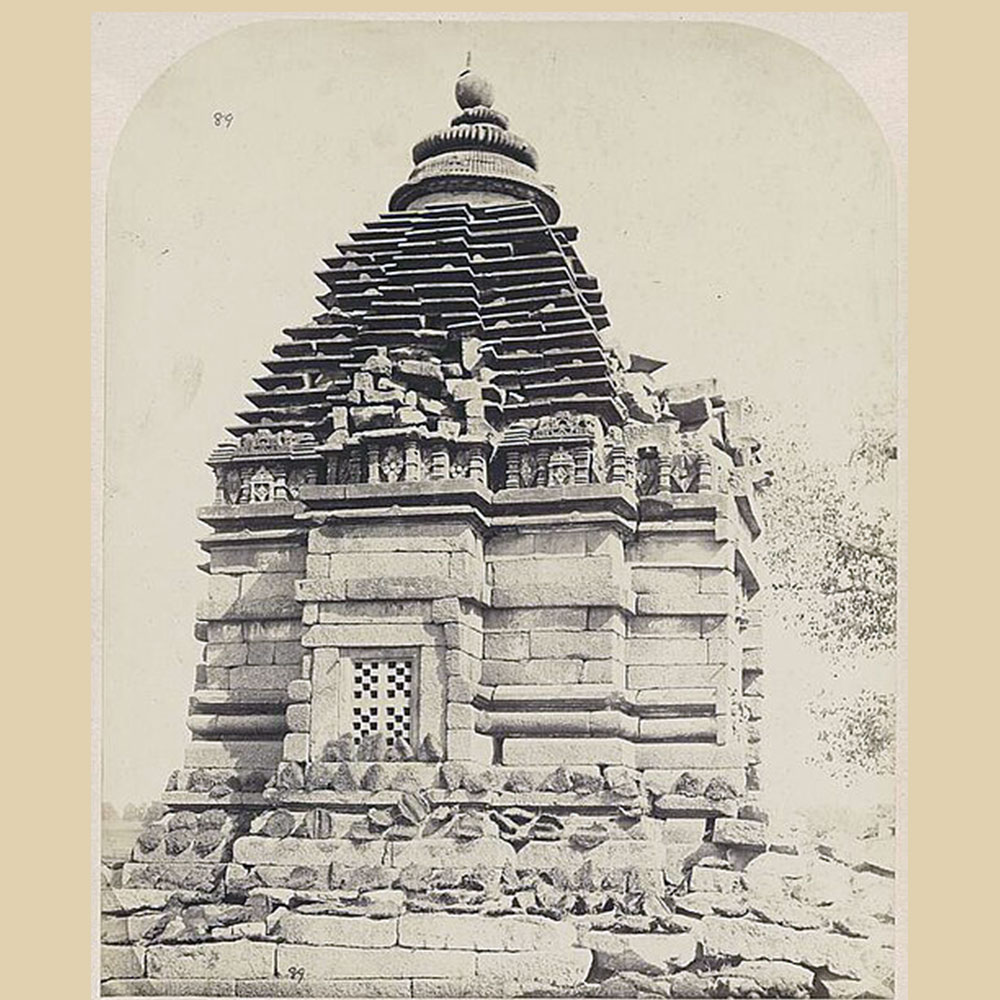 General view of the Brahma Temple,
Khajuraho, Date: 1871, Photographer: James Fergusson, 1808-1886, Collection Boston Public Library Boston Public Library
General view of the Brahma Temple,
Khajuraho, Date: 1871, Photographer: James Fergusson, 1808-1886, Collection Boston Public Library Boston Public Library
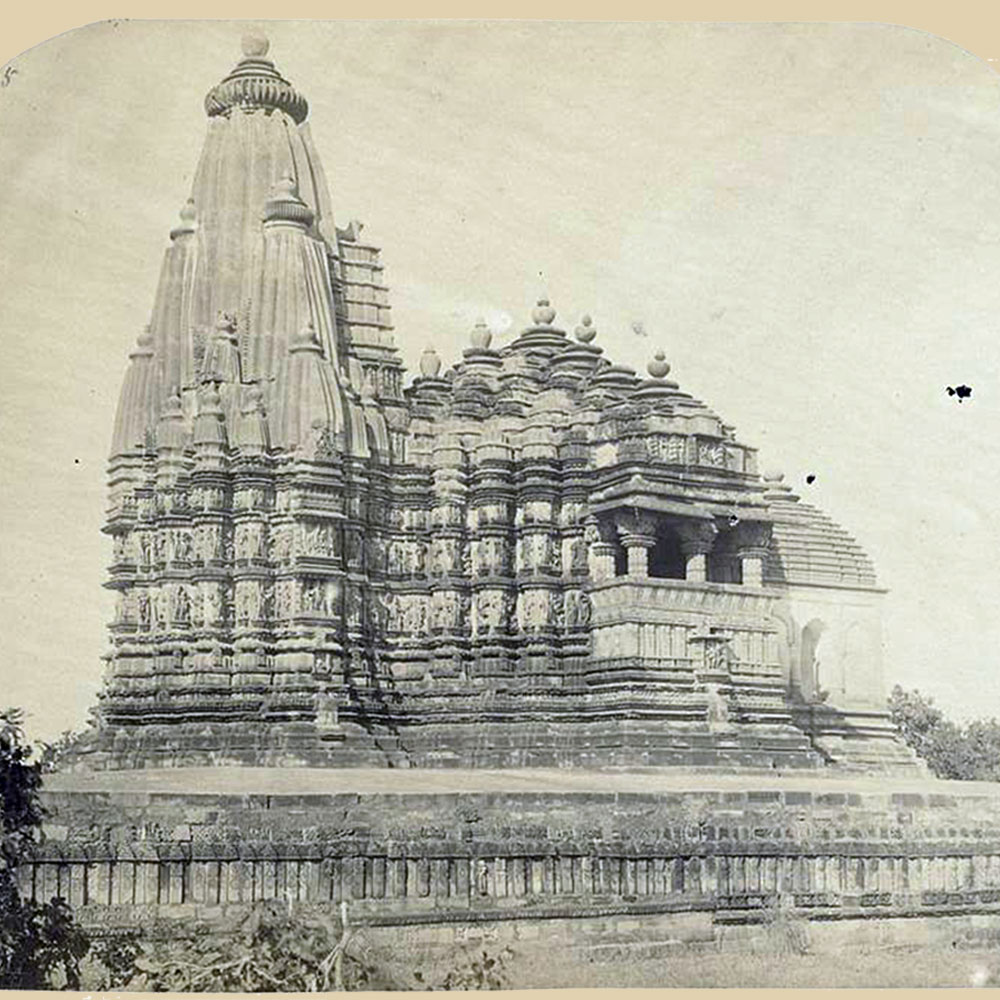 General view of the Chitragupta Temple,
Khajuraho, Date: 1871, Photographer: James Fergusson, 1808-1886, Collection Boston Public Library Boston Public Library
General view of the Chitragupta Temple,
Khajuraho, Date: 1871, Photographer: James Fergusson, 1808-1886, Collection Boston Public Library Boston Public Library
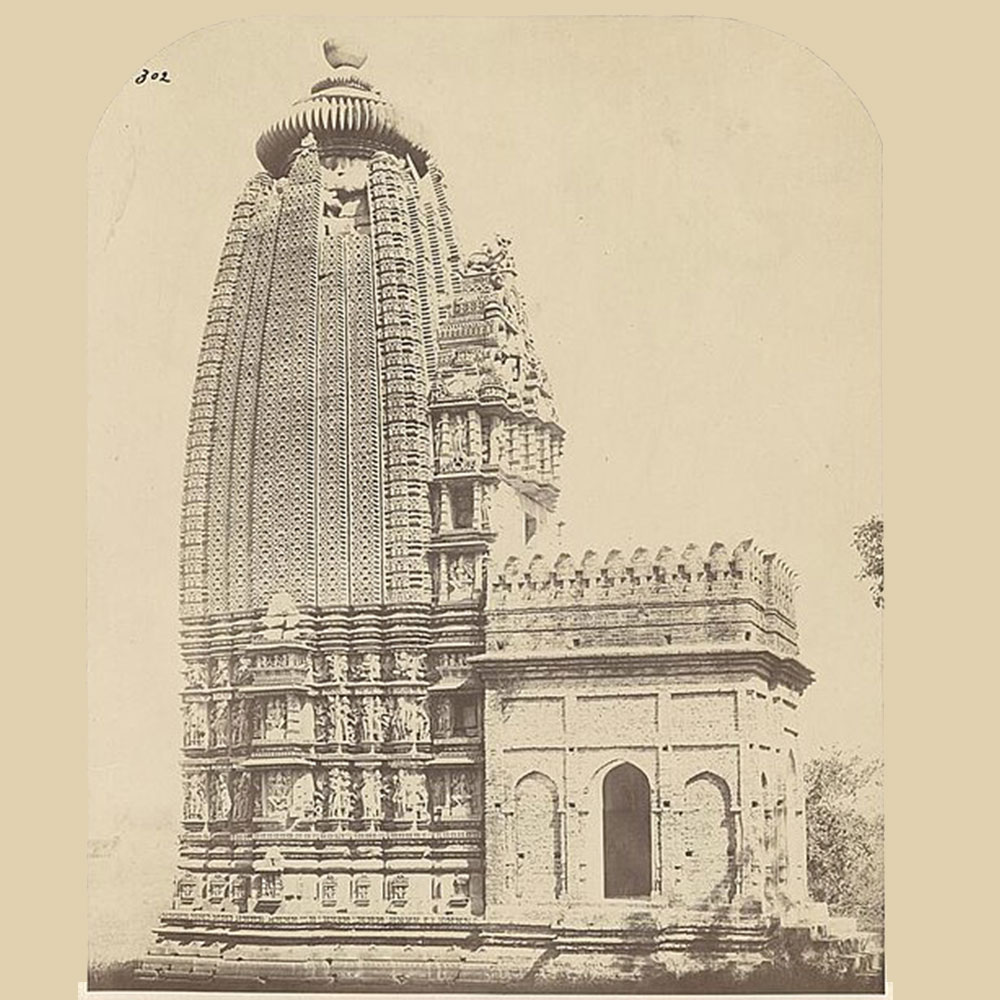 General view of the Adinatha Temple,
Khajuraho, Date: 1871, Photographer: James Fergusson, 1808-1886, Collection Boston Public Library Boston Public Library
General view of the Adinatha Temple,
Khajuraho, Date: 1871, Photographer: James Fergusson, 1808-1886, Collection Boston Public Library Boston Public Library
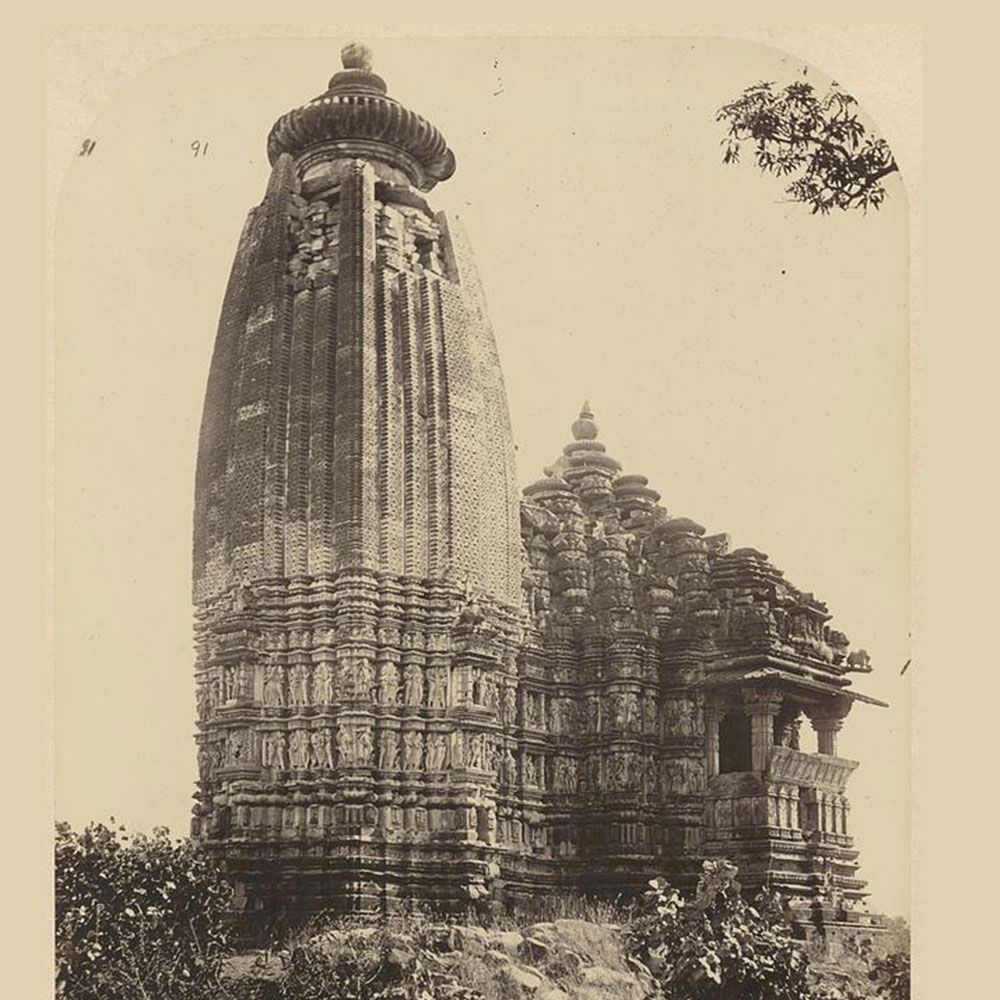 Rear view of the Vamana Temple,
Khajuraho, Date: 1871, Photographer: James Fergusson, 1808-1886, Collection Boston Public Library Boston Public Library
Rear view of the Vamana Temple,
Khajuraho, Date: 1871, Photographer: James Fergusson, 1808-1886, Collection Boston Public Library Boston Public Library
Website & Content Created by Richard Brafford, © 2025, All Rights Reserved, Fair Use Disclaimer for Non-Commercial Use for Educational & Entertainment Purposes Only Top
Top