jodhpur the blue city

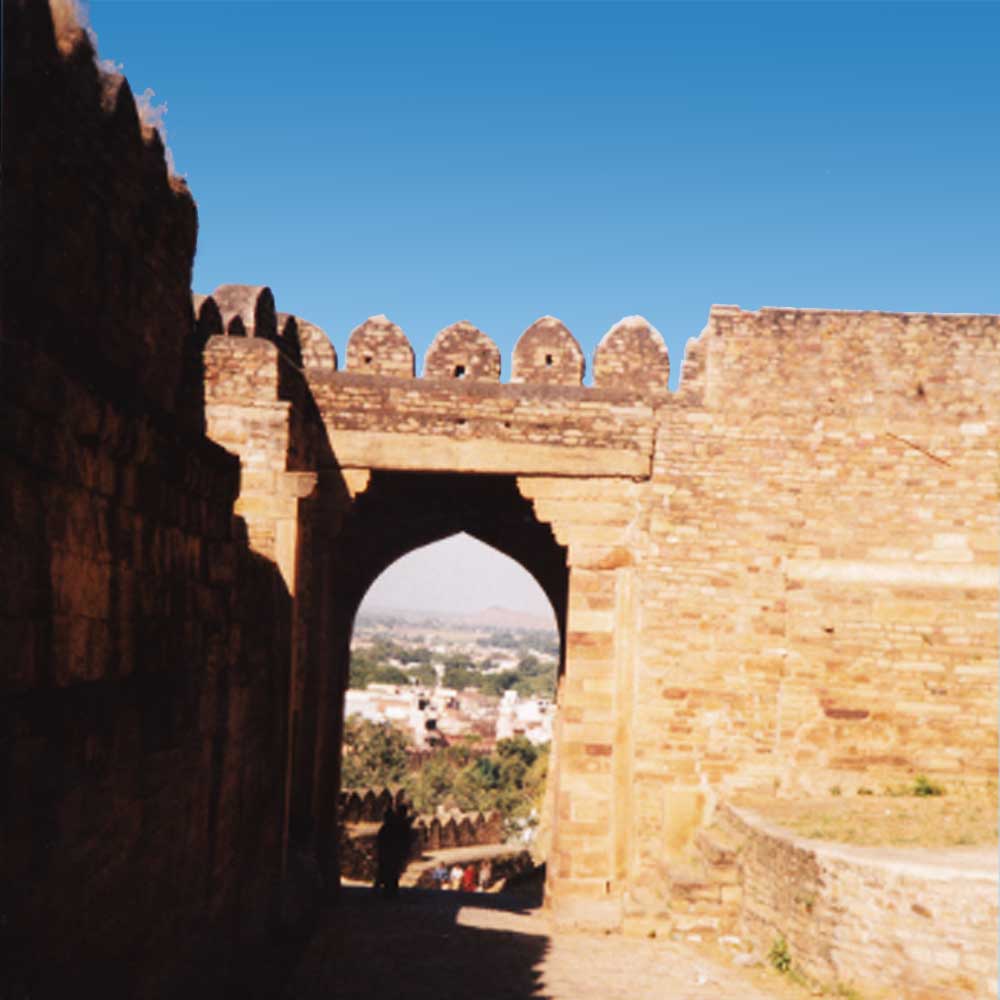
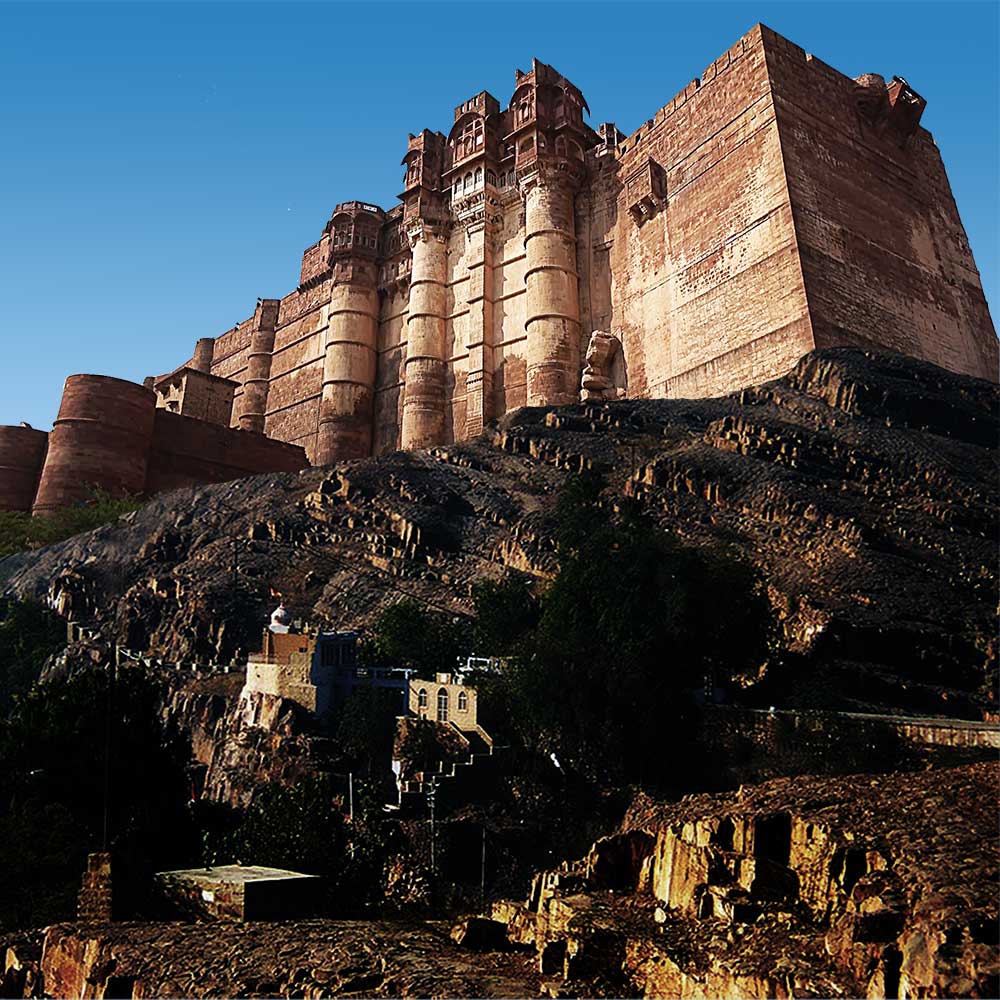
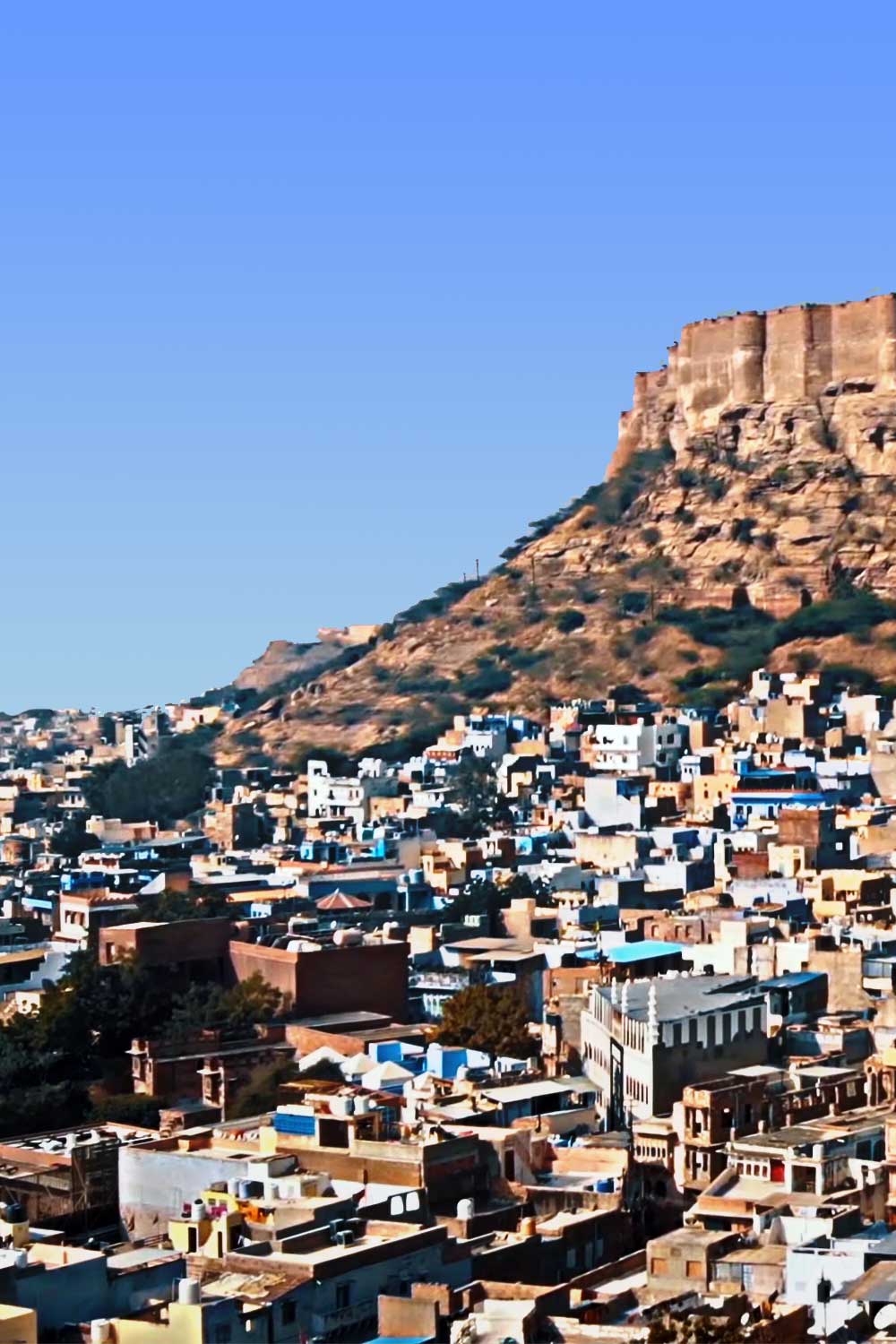
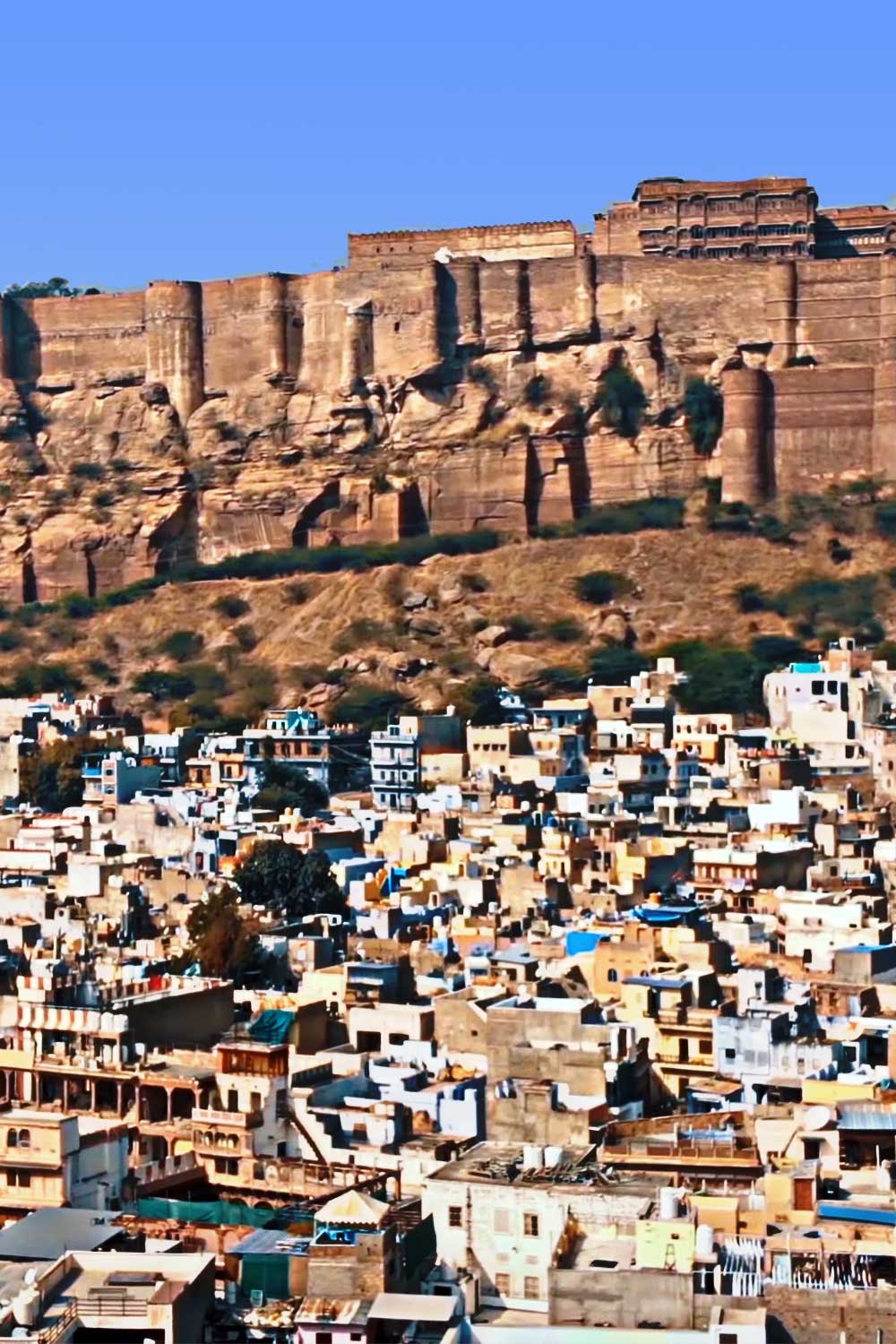
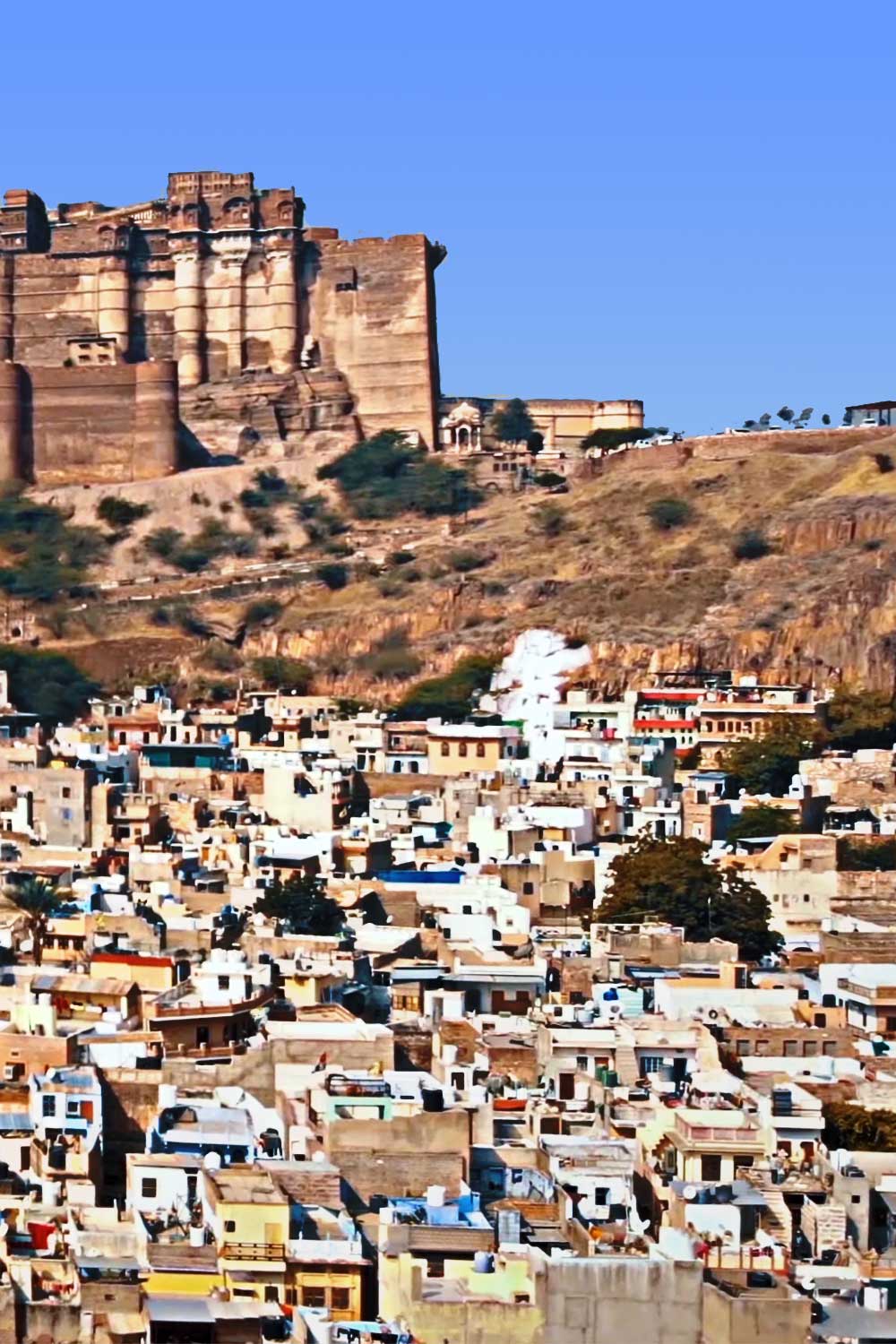
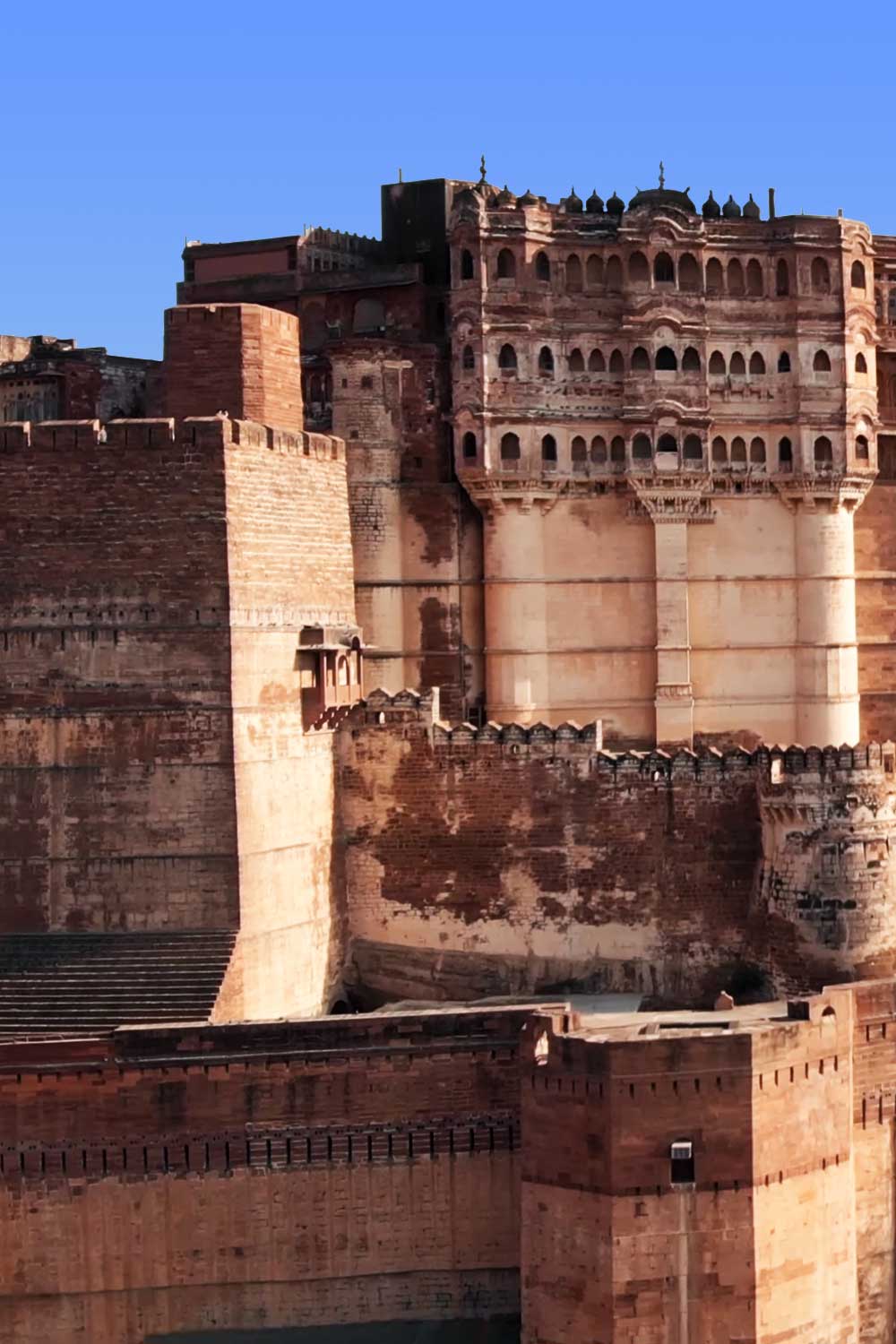
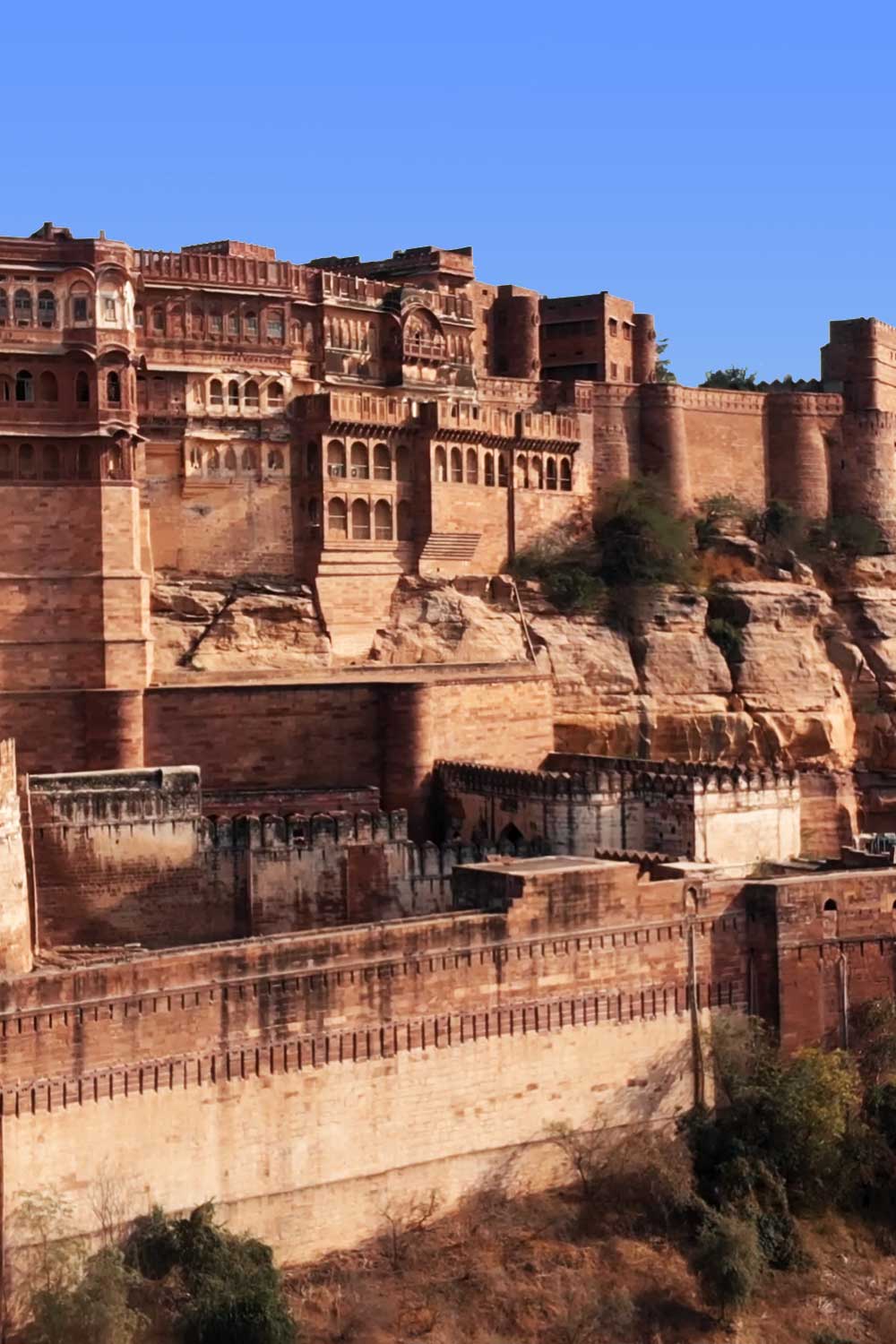
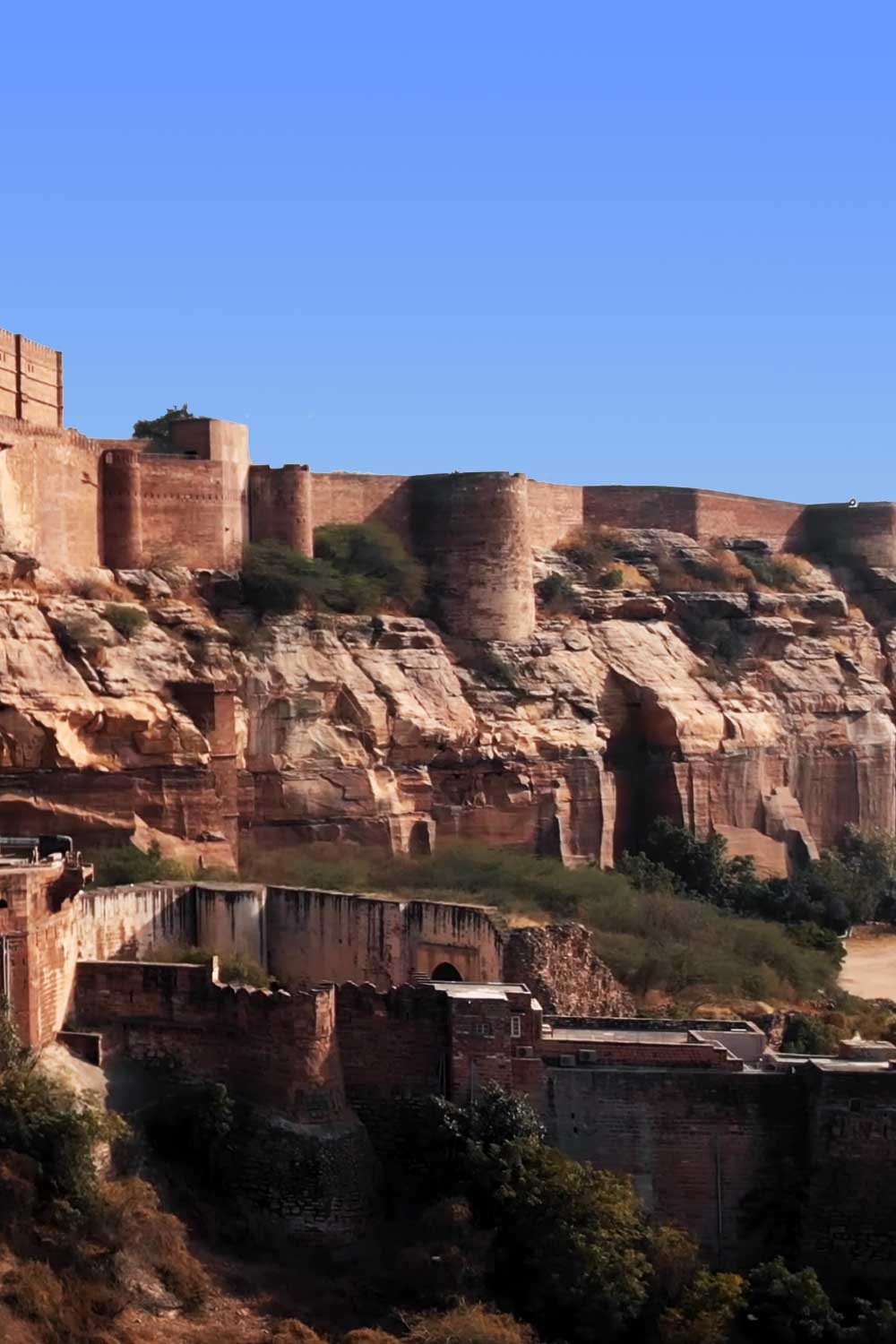
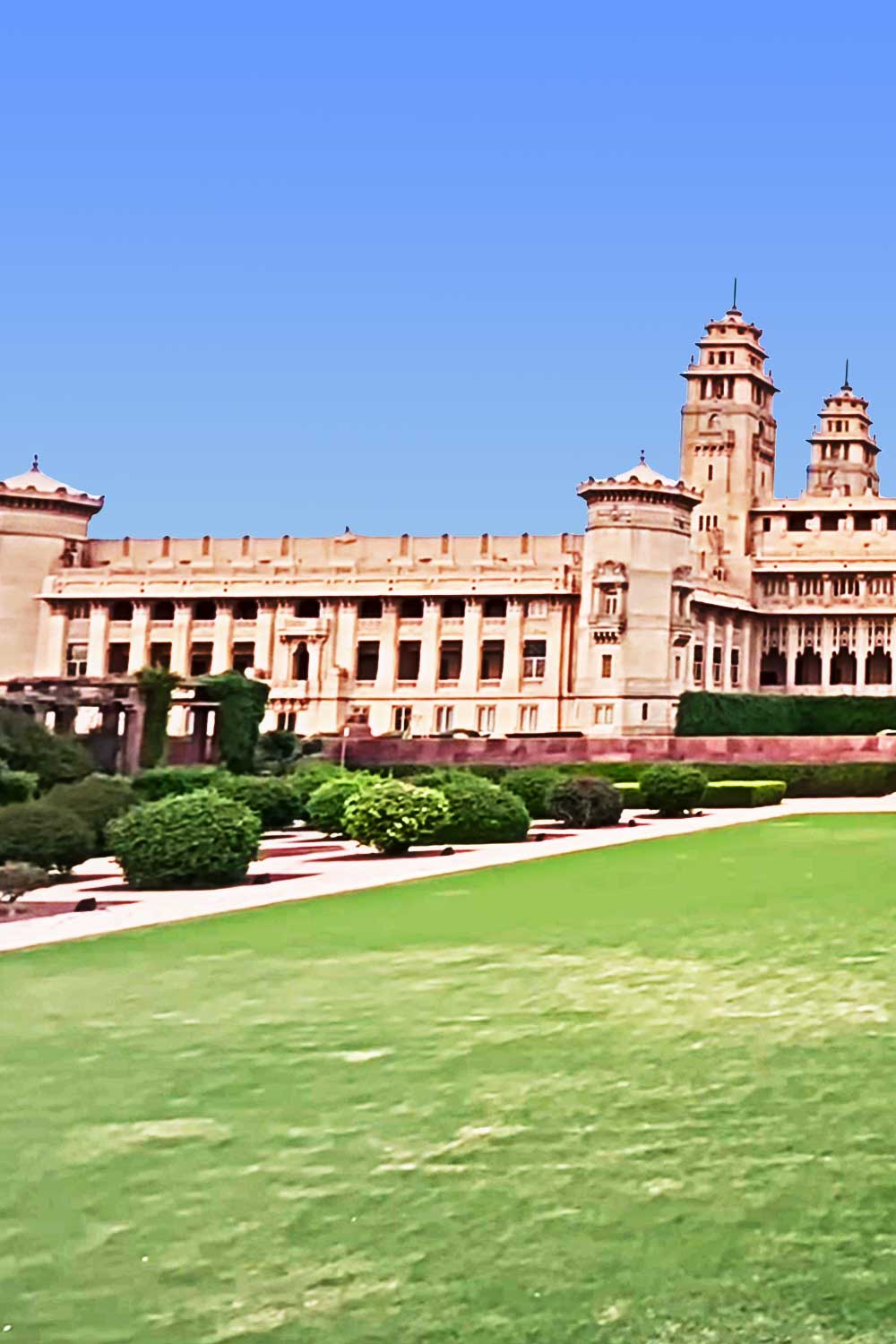
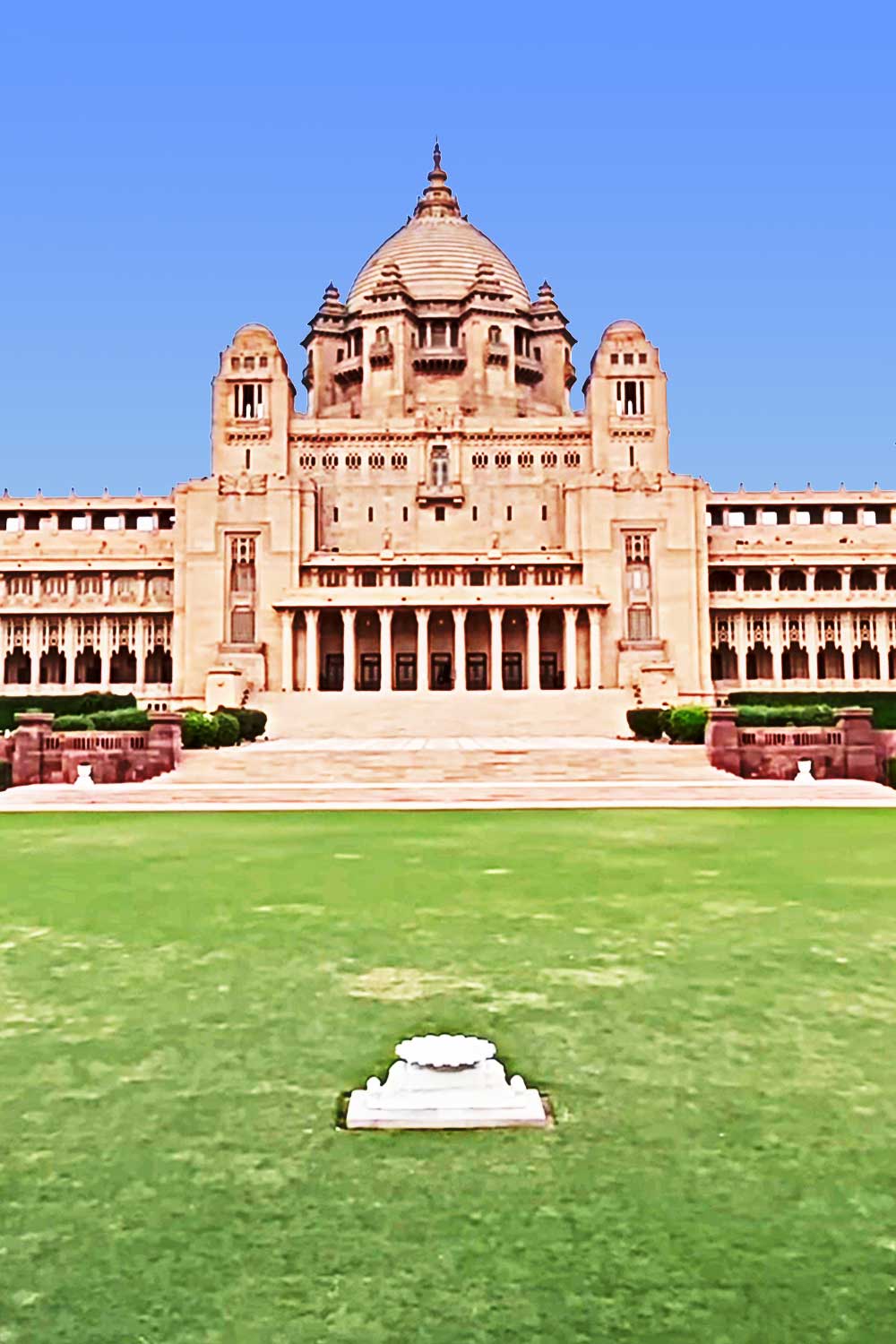
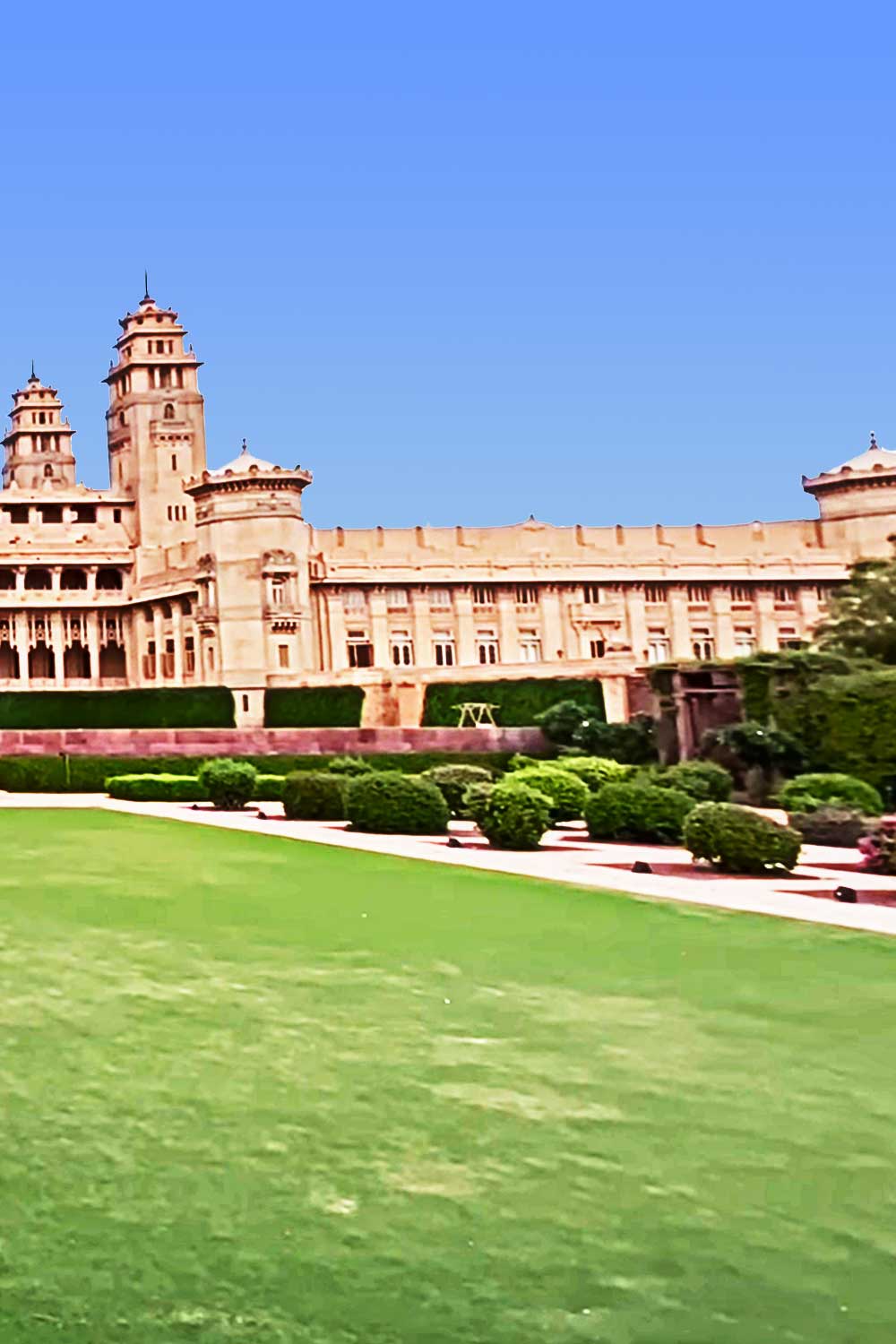
"Rudyard Kipling, described Mehrangarh Fort as "a palace that might have been built by Titans and colored by the morning sun" Jodhpur, set against the stark landscape of the Thar Desert, is famed for Umaid Bhawan Palace, Mehrangarh Fort, and its many temples. Known as the “Blue City,” its old town is distinguished by houses traditionally painted blue by Brahmin families—though the color is also associated with Hindu deities such as Shiva and Krishna. Enclosed by historic walls and gates, Jodhpur lies near the geographic center of Rajasthan, making it an ideal base for exploring the region. Mehrangarh Fort rises 122 meters (400 feet) above the plains and spans roughly 1,200 acres. Founded in 1459 by Rao Jodha and expanded by his successors, it features seven gates, including Jai Pol (“Victory Gate”) and Fatteh Pol, commemorating triumphs over Jaipur, Bikaner, and the Mughals. Inside are intricately carved palaces, broad courtyards, a museum, and the Chamunda Mataji Temple. Cannonball scars remain visible on one of the gates, and the chhatri of Kirat Singh Sodha stands nearby in honor of a fallen defender. Umaid Bhawan Palace, one of the world’s largest private residences, was built for Maharaja Umaid Singh and remains the home of the Jodhpur royal family. With 347 rooms, part of the palace now operates as a museum and part as a luxury hotel managed by Taj Hotels.
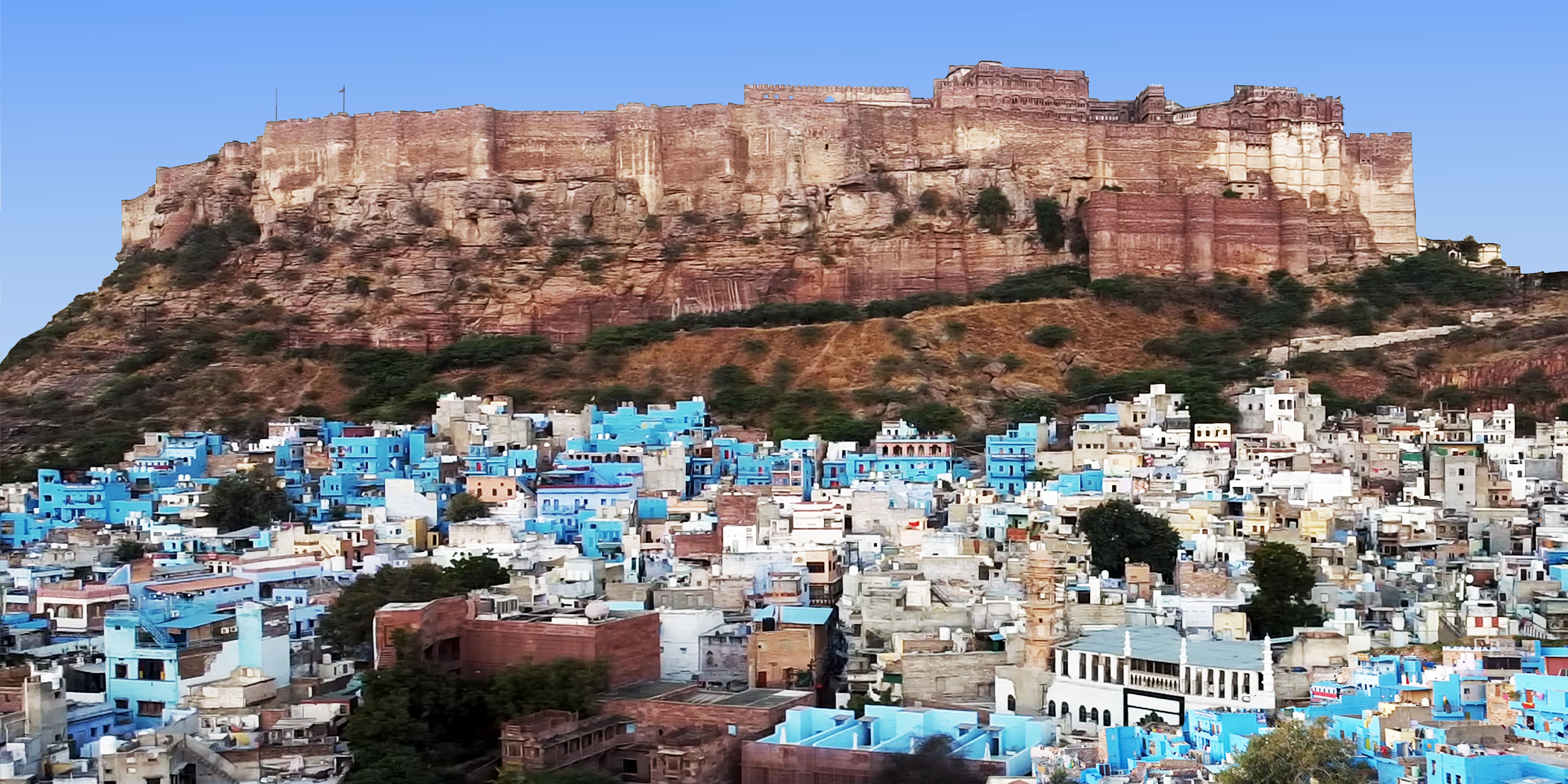
““Jodhpur is often referred to as the "Blue City" because of the distinctive blue color of the buildings in its old town. The historic area is encircled by the Mehrangarh Fort and is bounded by a wall with several gates, it stands on top of a hill, rising about 122 meters (410 feet) above the surrounding city.
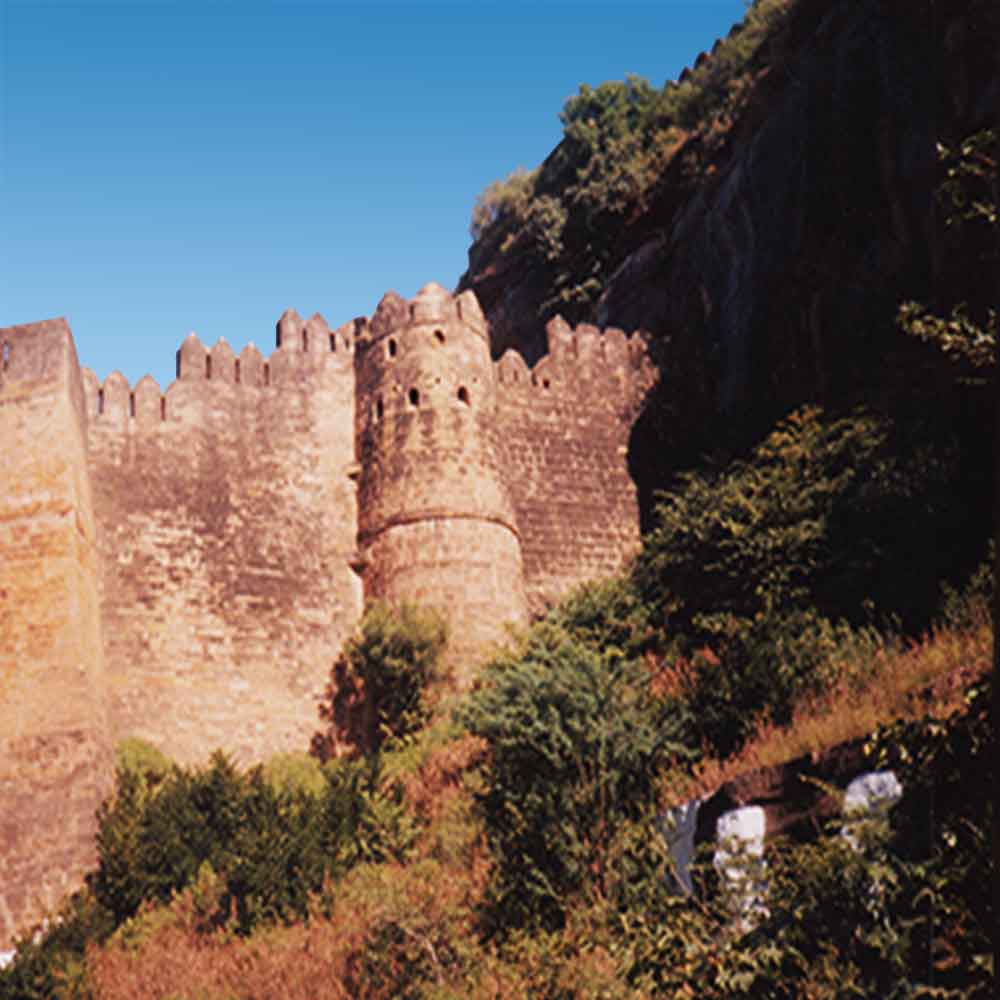
1.) Mehrangarh Fort, built in 1459, Its walls, are 36 metres (118 ft) high and 21 metres (69 ft) wide, Jodhpur, Rajasthan, India
2.) Mehrangarh Fort, has seven gates and seven museums, Jodhpur, Rajasthan, India
3.) Today, the fort serves as a major tourist attraction and houses a museum showcasing royal weaponry, paintings, and traditional palanquins.
1.) Mehrangarh Fort, a steep climb up to the top over 121.92 meters (400 ft) high
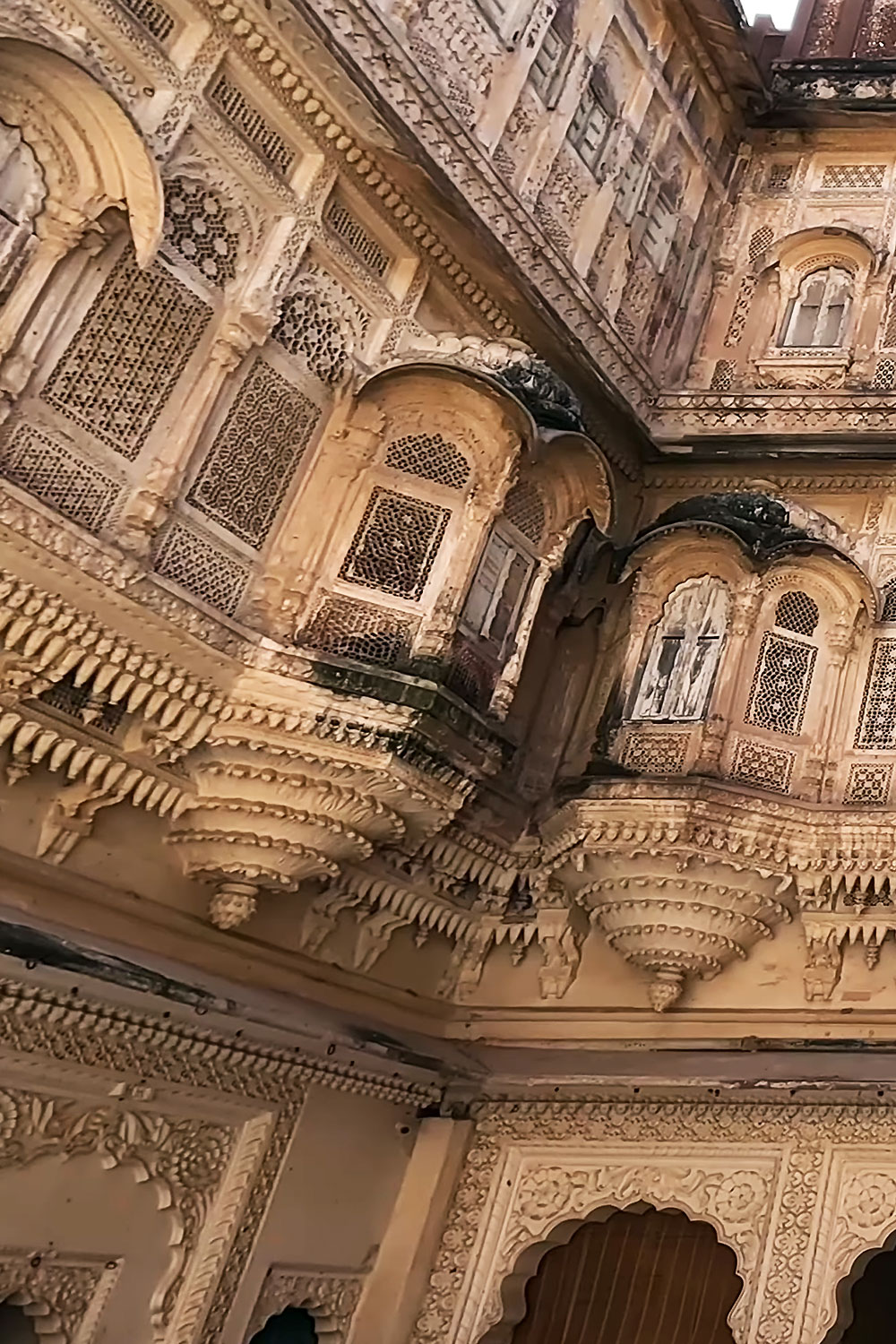
2.) The fort features the 540-degree polygonal shaped bay window with five windows, designed to maximize natural light, along with panoramic views and create a distinctive exterior architecture style
3.)  distinctive balconies and arched windows with intricate carvings in classical Rajput architecture
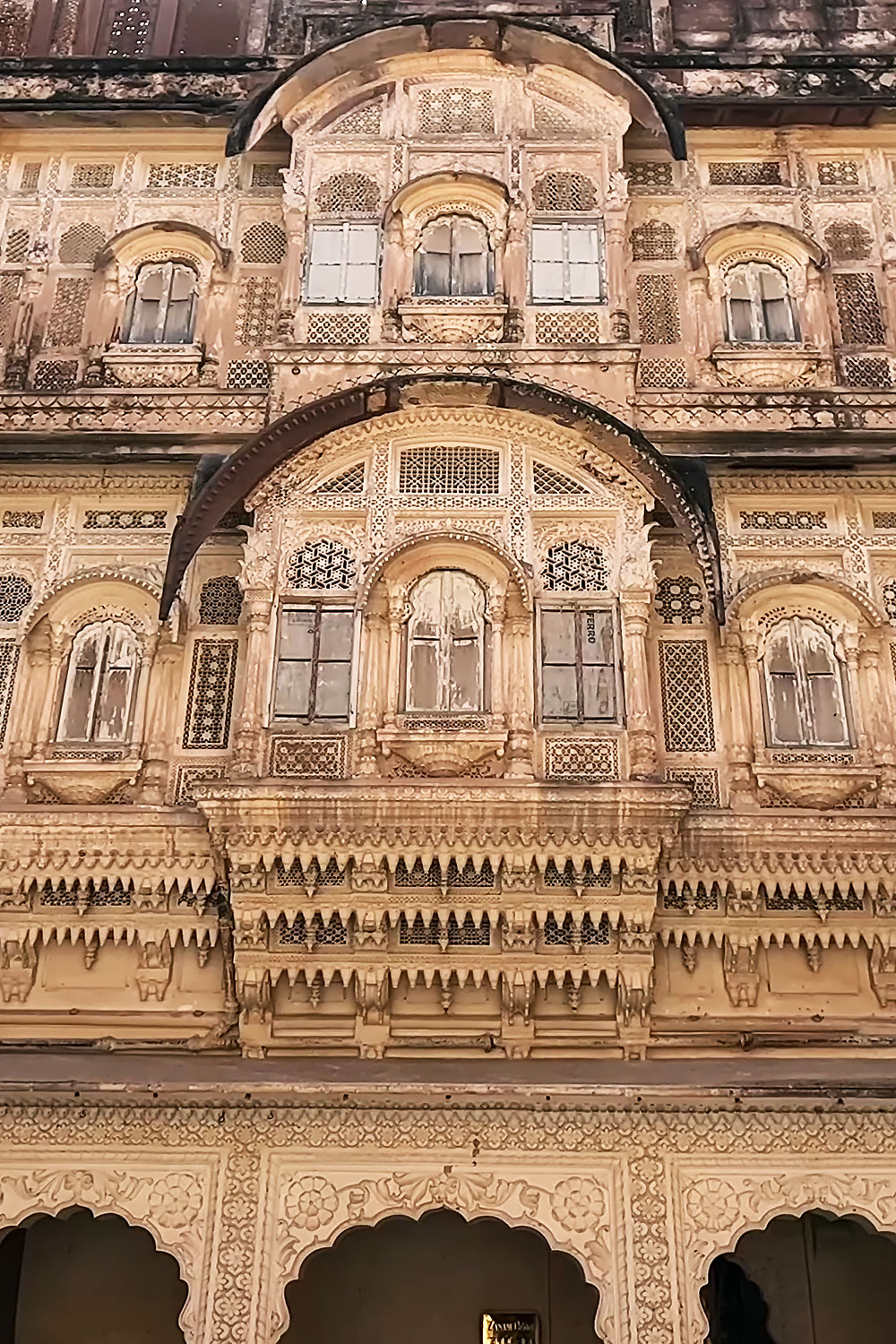
1.) Mehrangarh Fort, the facade features elaborate sandstone carvings,
““2.) with intricate jali latticed screens with perforated stone in classic Rajput style
3.) carved in 1459 by the Rathore dynasty from the Kingdom of Marwar
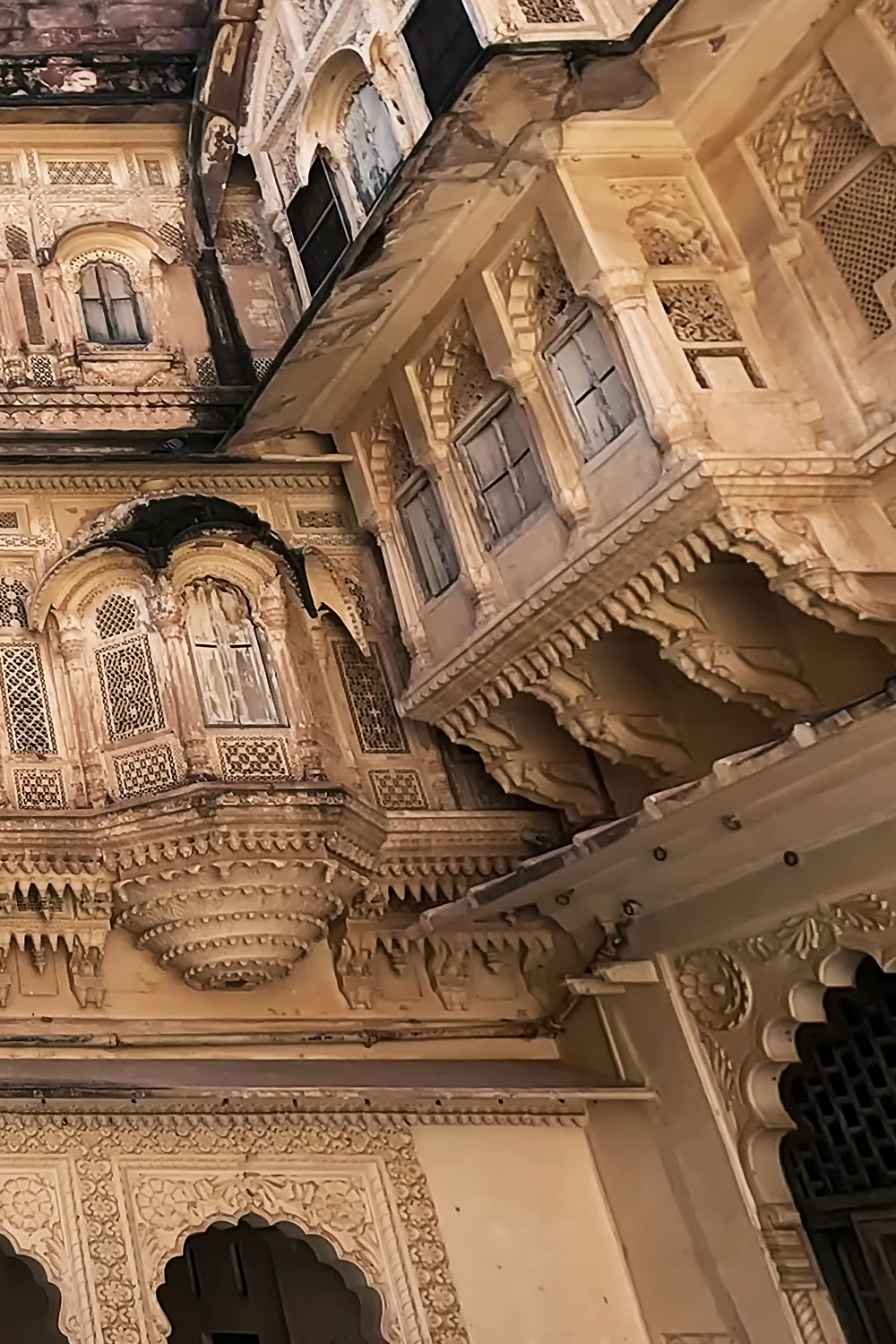
1.) Mehrangarh Fort is a premier example of Rajput architecture with significant Mughal,
““2.) Gujarati, and local influences, characterized by its massive, 15th-century red sandstone construction,
3.) intricate carvings, and imposing, high-altitude defensive design.
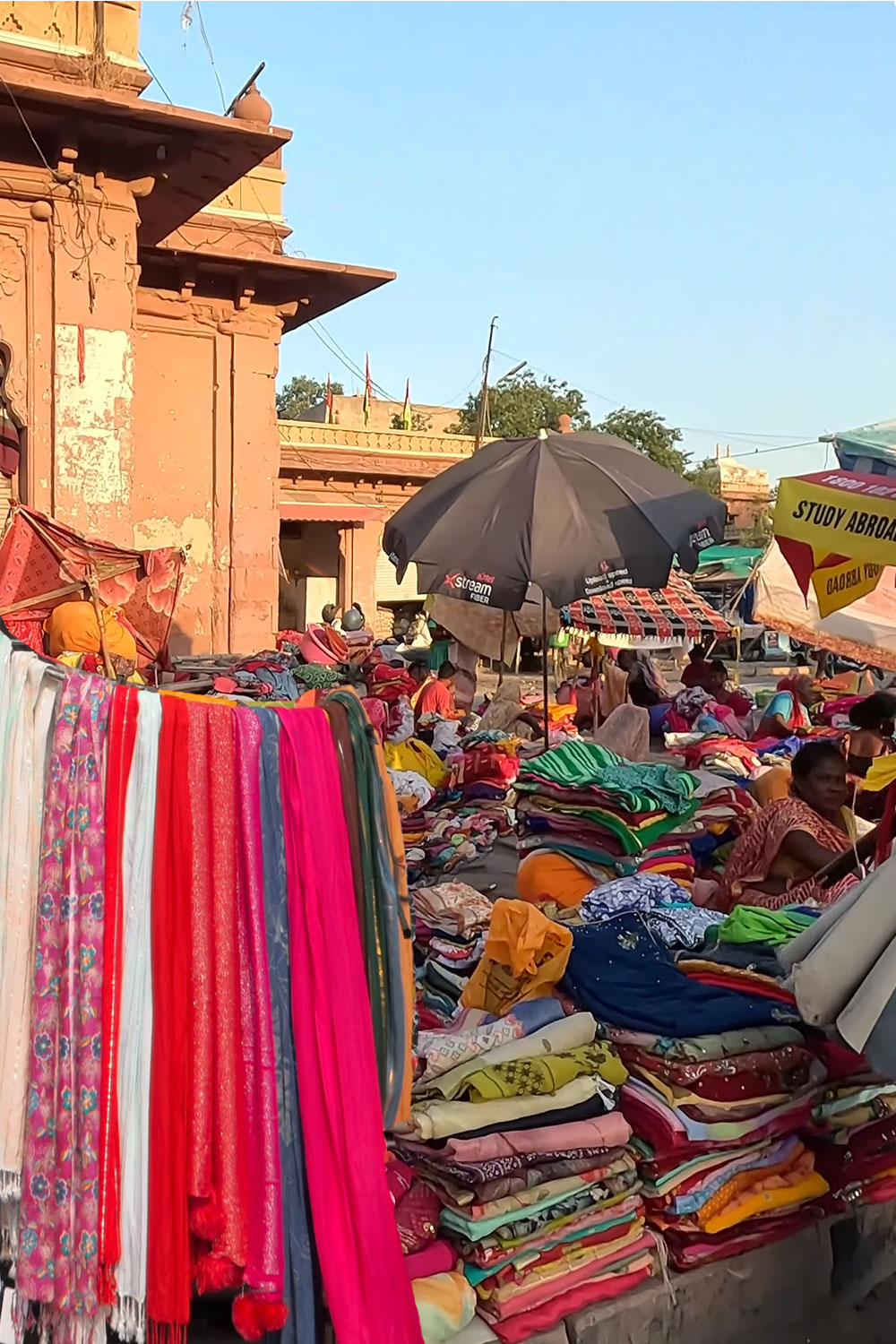
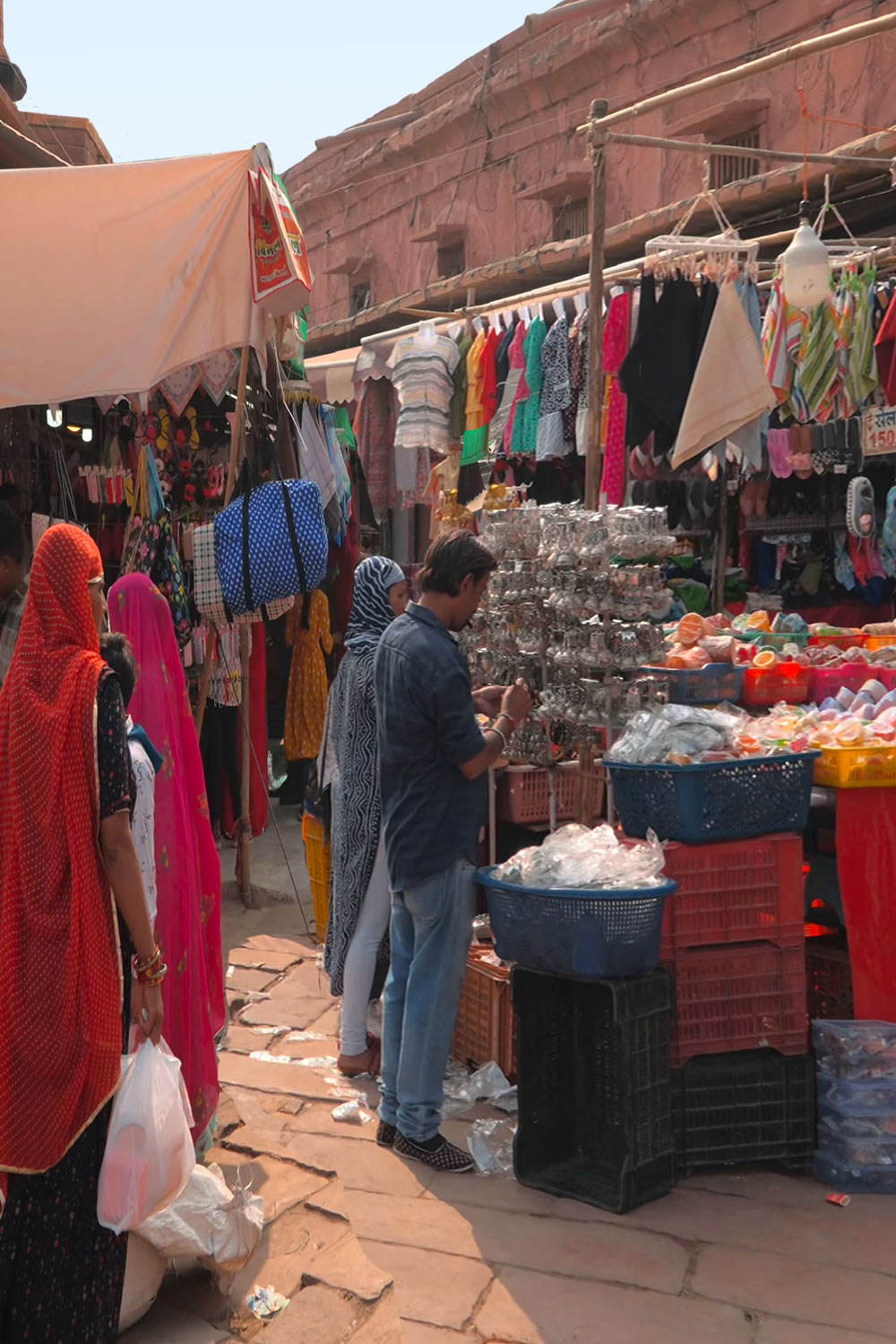
The bustling Sardar Market, offers a glimpse into local life, featuring an array of spice and textile shops.
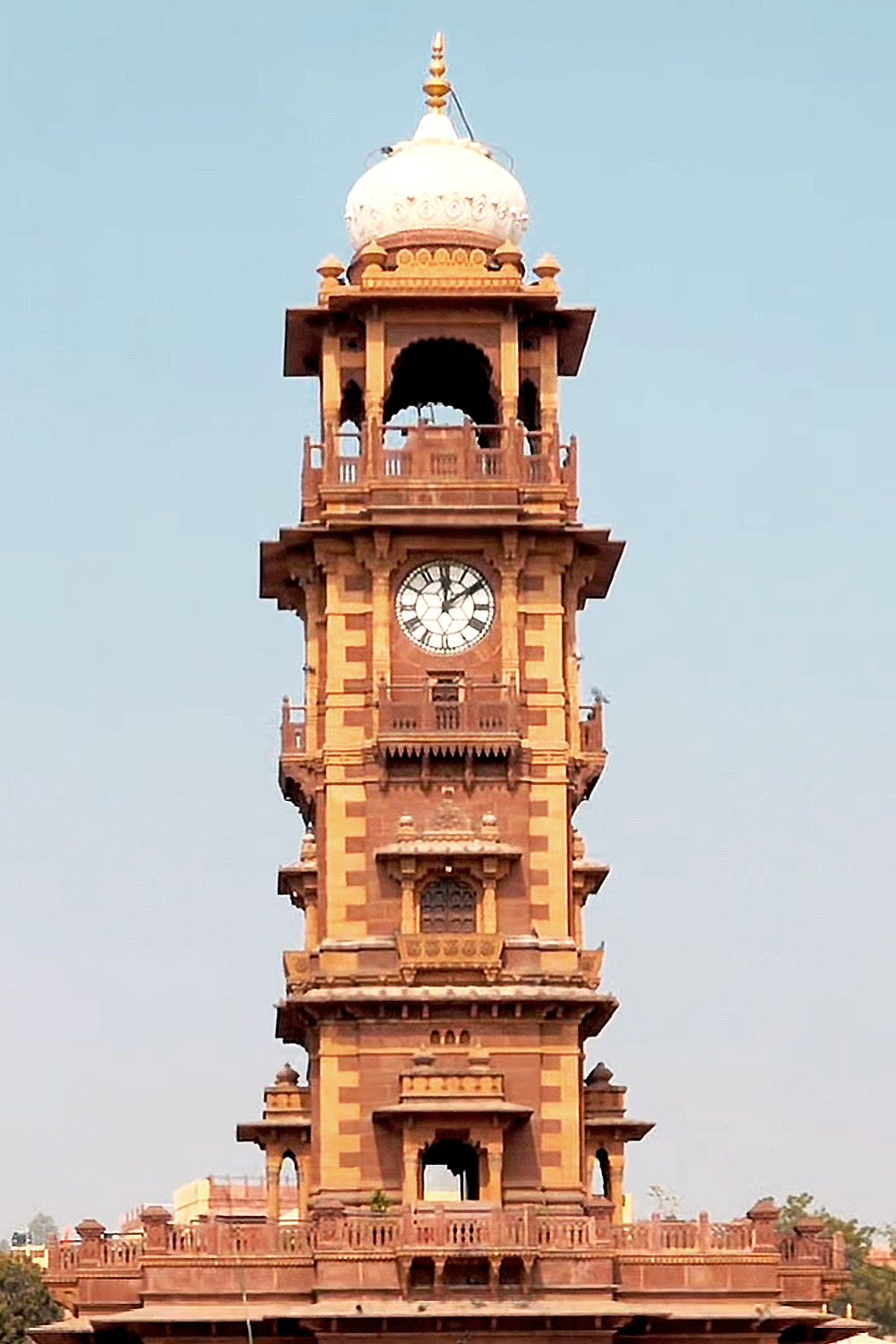
““The Clock Tower, or Ghanta Ghar, in Jodhpur is a prominent 60-foot, 19th-century landmark located in the center of Sardar Market, built by Maharaja Sardar Singh (1880-1911)
The Sardar Market is a major historic tourist attraction, open to tourist with a small fee
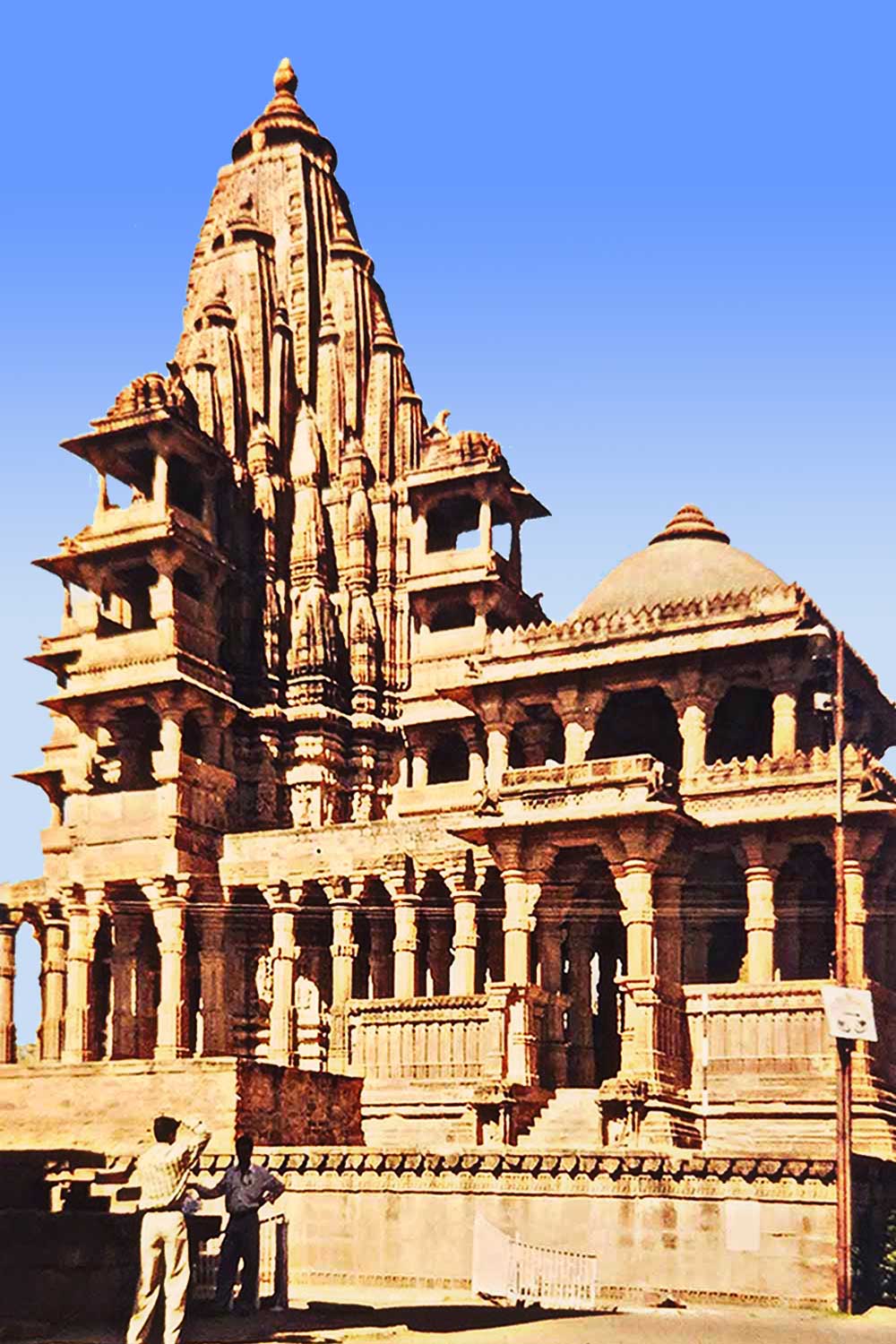
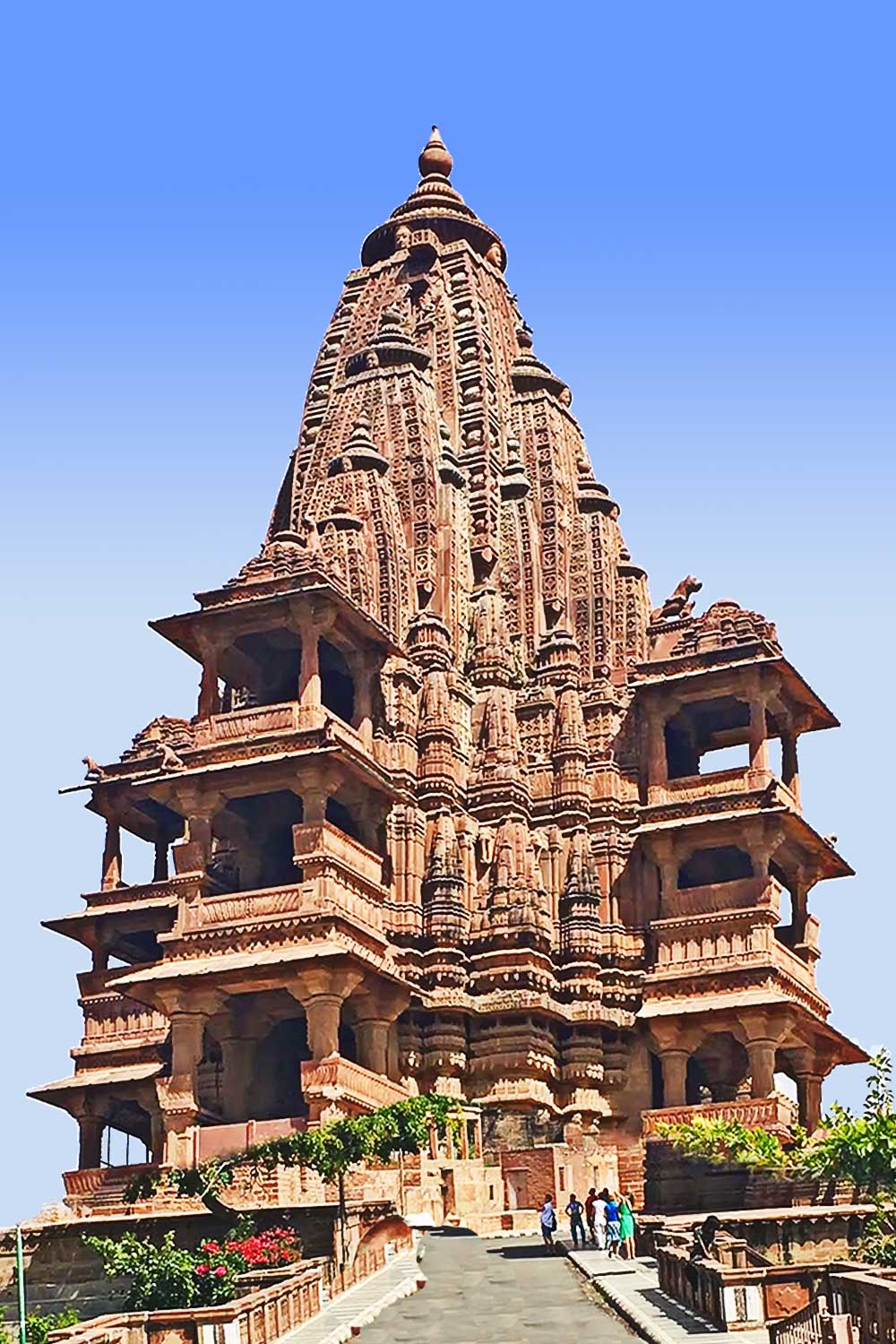
The Hindu Pagoda Temple of 33 Crore Gods, which houses images of various Hindu Gods, built in 1793, Mandore Garden, Jodhpur, India
A Chhatri at Mandore, called a Cenotaph "empty tomb", in Bada Bagh "Mandore Garden" built in the 18th century, Jodpur, India
3.) The Royal Cenotaph (Deval), built in 1793, Mandore Garden, Jodhpur, Rajasthan, India
1.) Umaid Bhawan Palace, built in 1929, located in Jodhpur, Rajasthan, India, is one of the world's largest private residences situated on Chittar Hill, the highest point in Jodhpur.
2.) A part of the palace is managed by Taj Hotels. It is named after Maharaja Umaid Singh, grandfather of the present owner, Gaj Singh.
3.) The palace has 347 rooms and is the principal residence of the former Jodhpur royal family. A part of the palace is a museum.
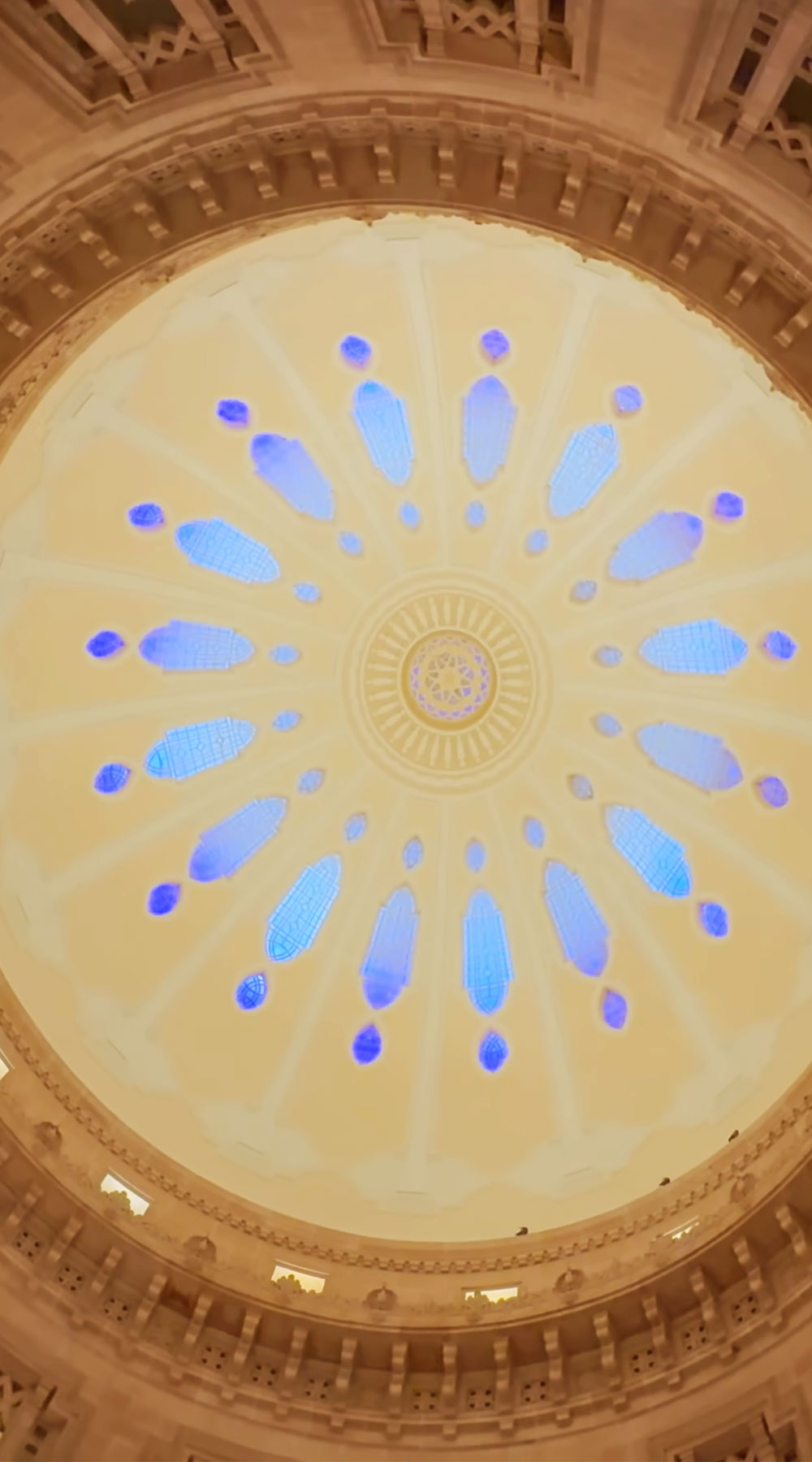
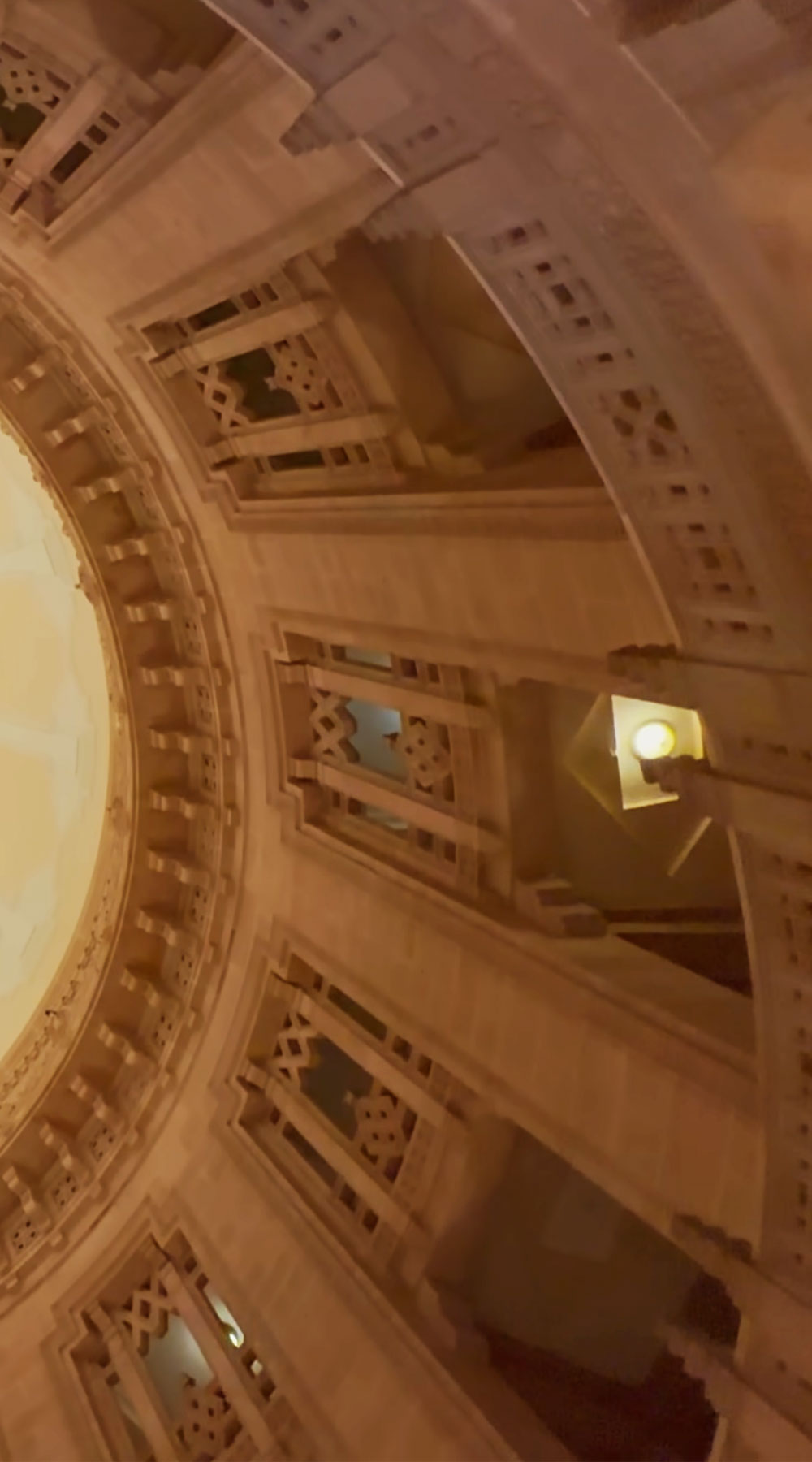
1.) Umaid Bhawan Palace dome is a massive 32-meter (approx. 105–148 ft) high, Renaissance-inspired central cupola that defines the Jodhpur skyline.
2.) The dome is part of the palace's "Indo-Deco" style, which blends Western Art Deco with traditional Rajput-Saracenic and Classical Revival elements.
3.) The dome is primarily constructed from golden-yellow sandstone (chitar), using interlocking joints without the use of mortar.
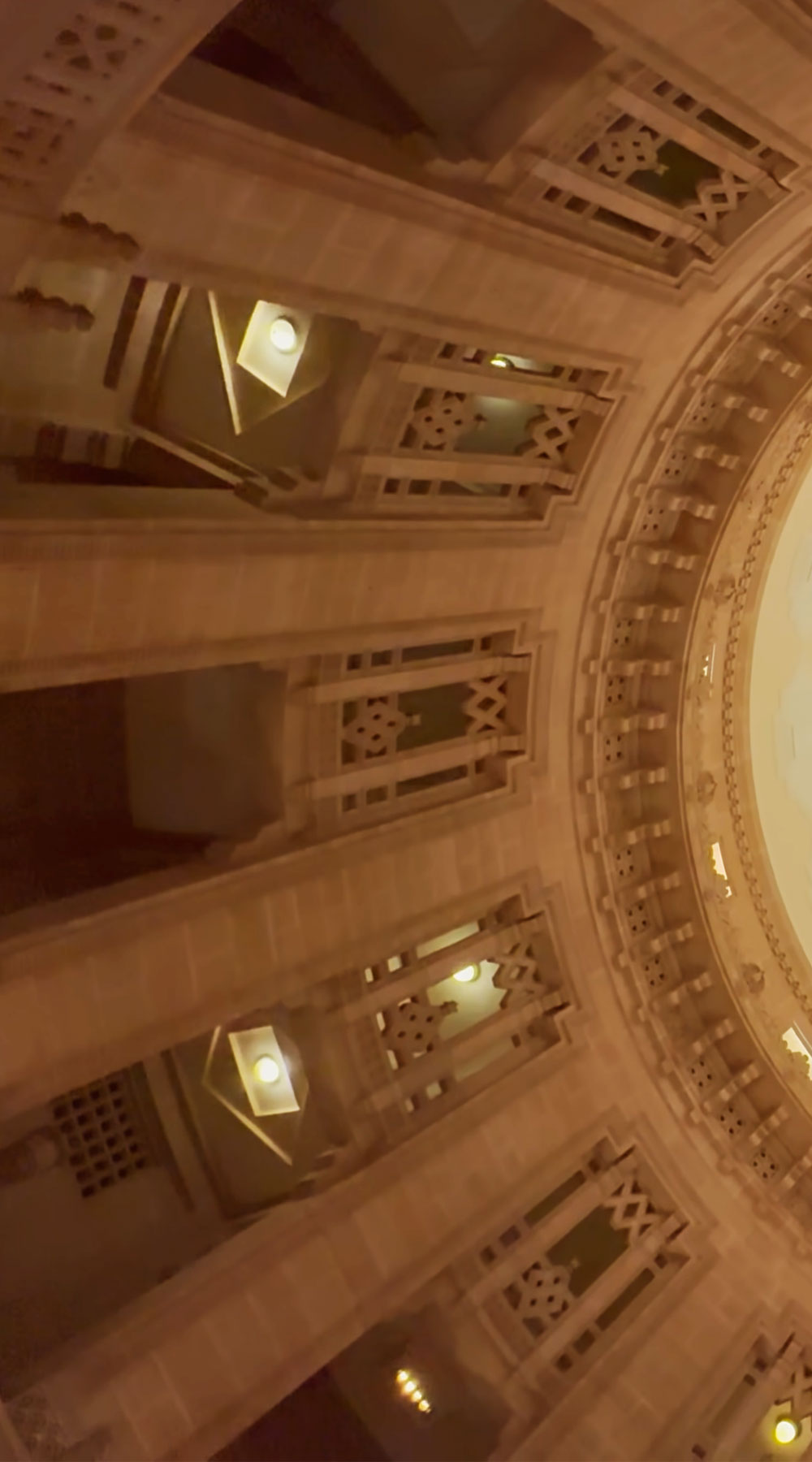
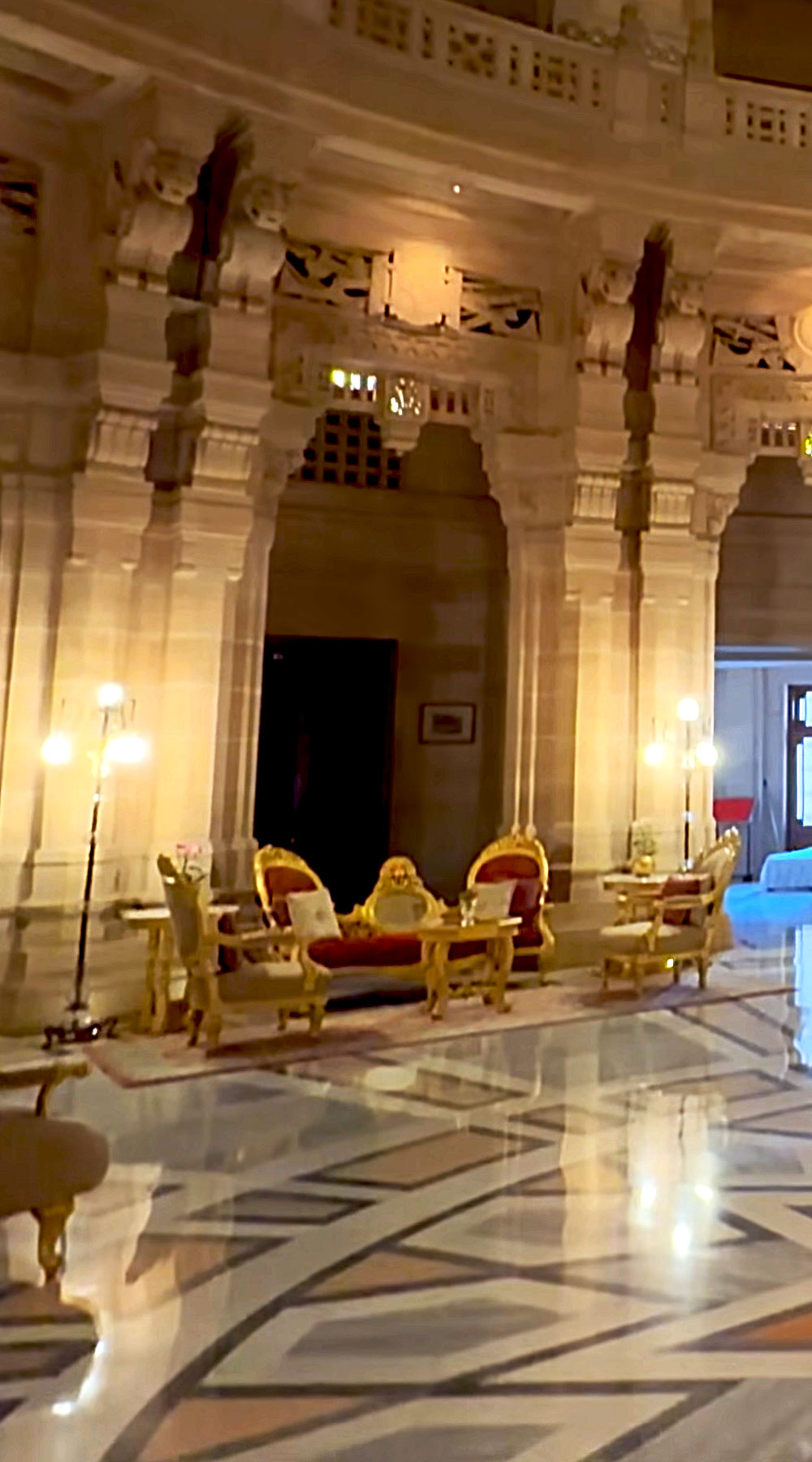
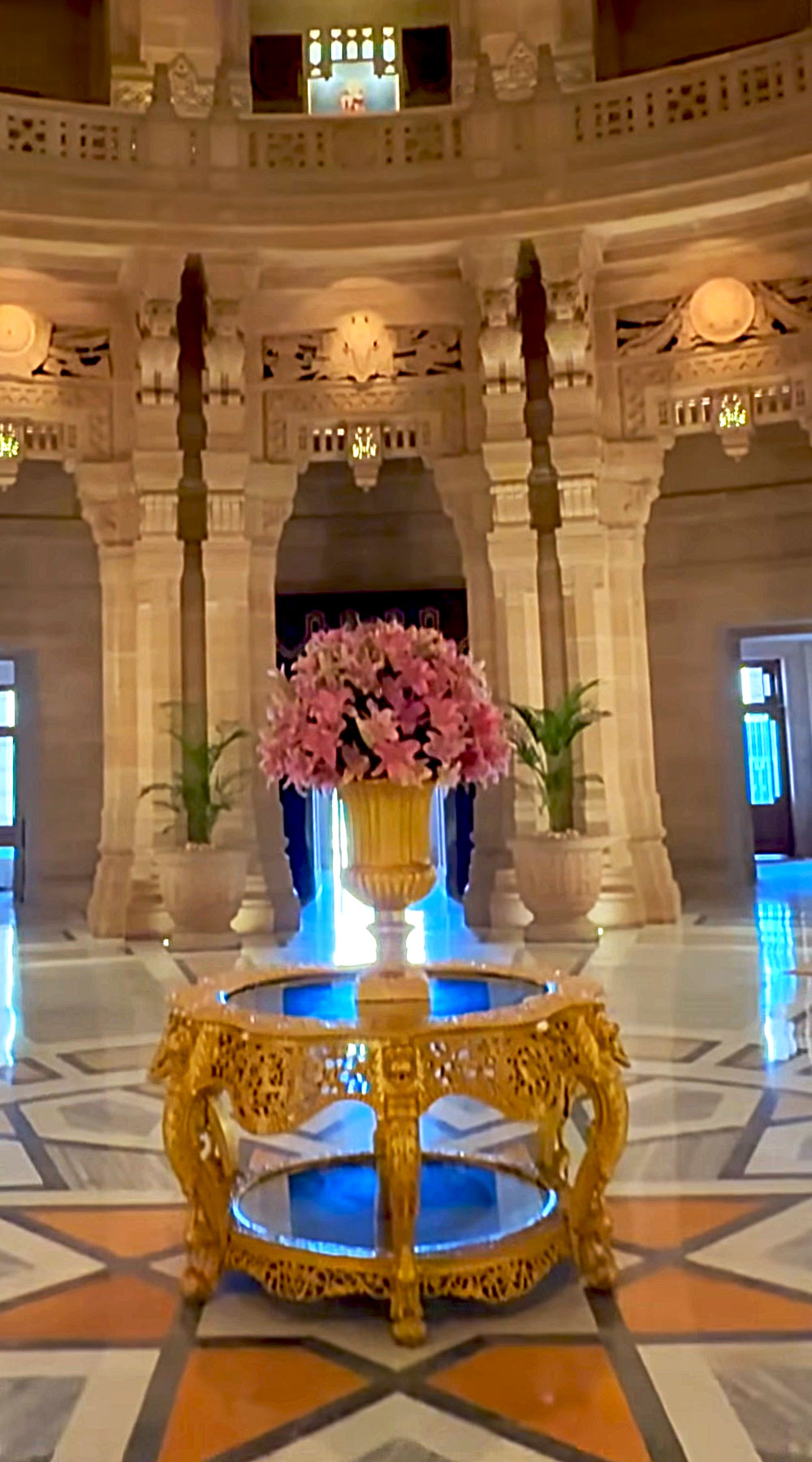
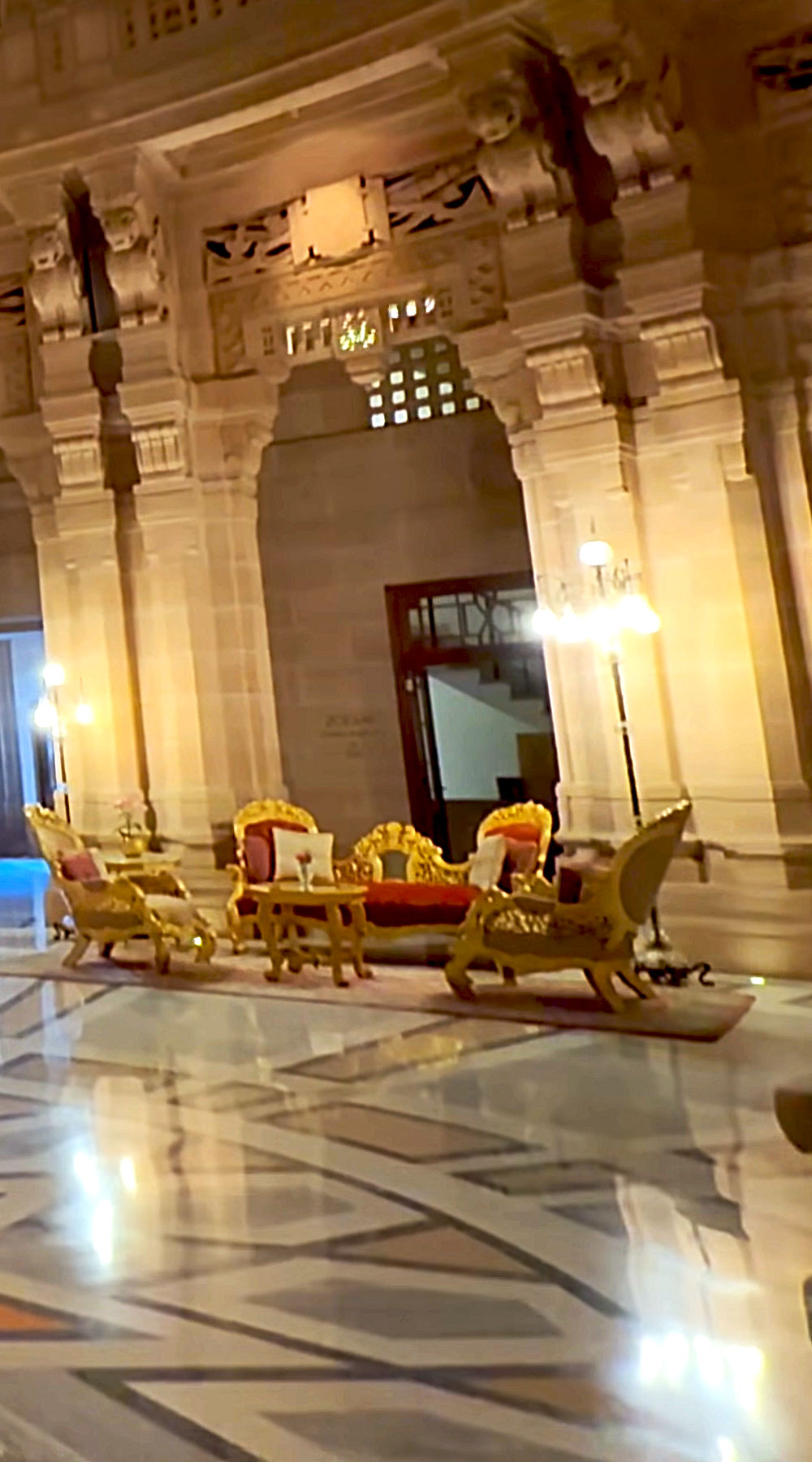
1.) Umaid Bhawan Palace, The Central Lobby/Dome Area known as the Rotunda, serves as a breathtaking greeting area under the awe-inspiring Height of a 103 foot high dome and approximately 105 feet (about 31–32 meters) in diameter.
2.) The Central Lobby/Dome Rotunda, is part of the main palace building, it serves as a central focal point, leading to other, more private, or public, parts of the hotel and museum.
3.) The Central Lobby/Dome Rotunda, is characterized by its classic opulence, featuring pink sandstone, palm court marble floors, and gilded furniture under a awe-inspiring 103 foot high dome
Website & Content Created by Richard Brafford, © 2025, All Rights Reserved, Fair Use Disclaimer for Non-Commercial Use for Educational & Entertainment Purposes OnlyTop