Gwalior Fort
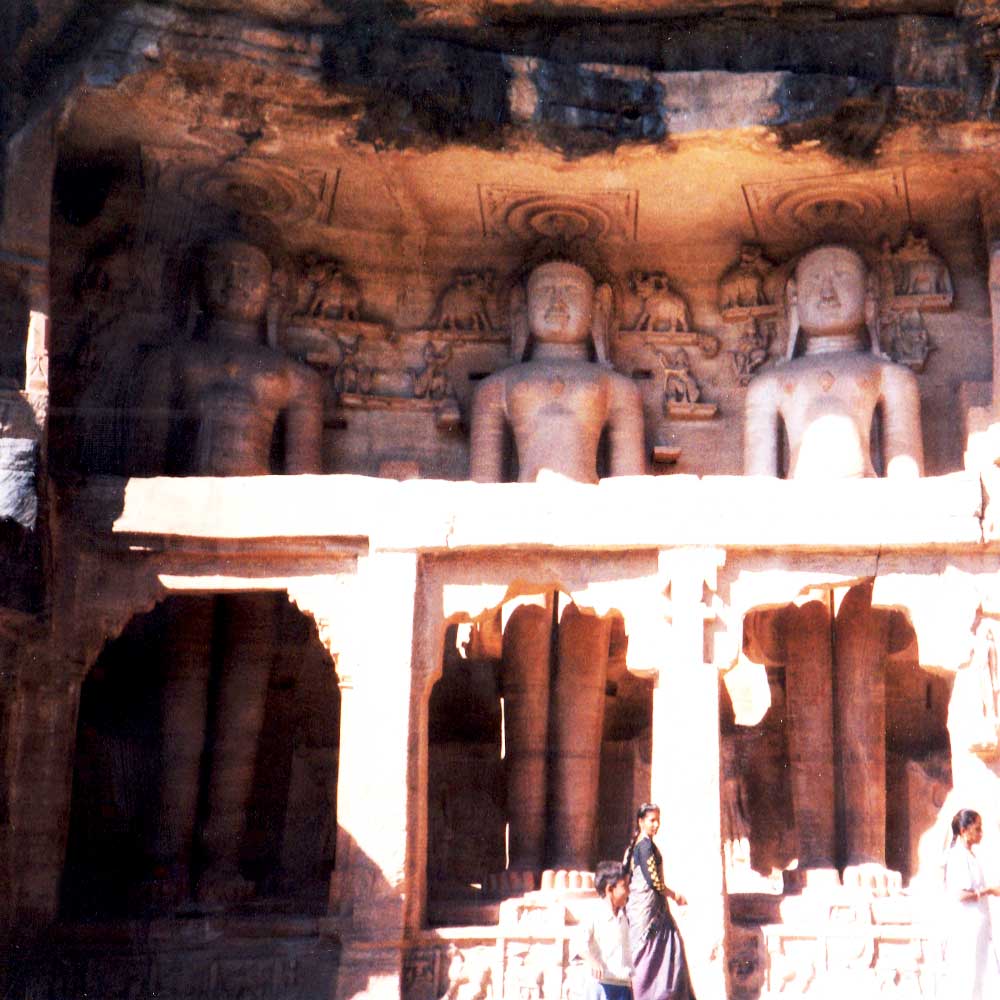
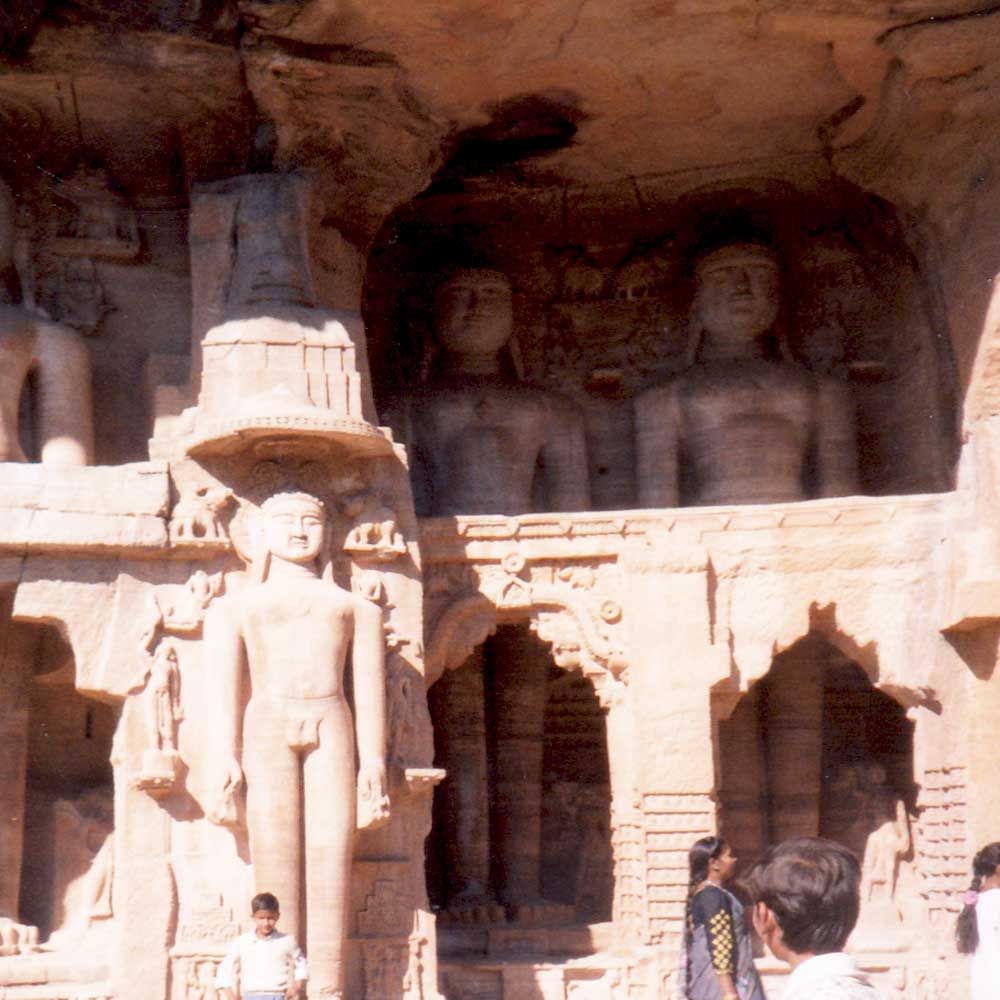
Gwalior Fort, 5th century CE, A sandstone hill fort, Gwalior, Madhya Pradesh, India, commanding a sheer sandstone plateau, Gwalior Fort is among India’s earliest and
most formidable hill forts, with origins reaching back to the 5th century or earlier. Celebrated by Emperor Babur as “the pearl among the fortresses of Hind,” its massive ramparts and
strategic height earned it the later epithet “the Gibraltar of India.” Over successive centuries, the fort served as a powerful stronghold for regional dynasties, its palaces and temples
reflecting a long, layered architectural history.
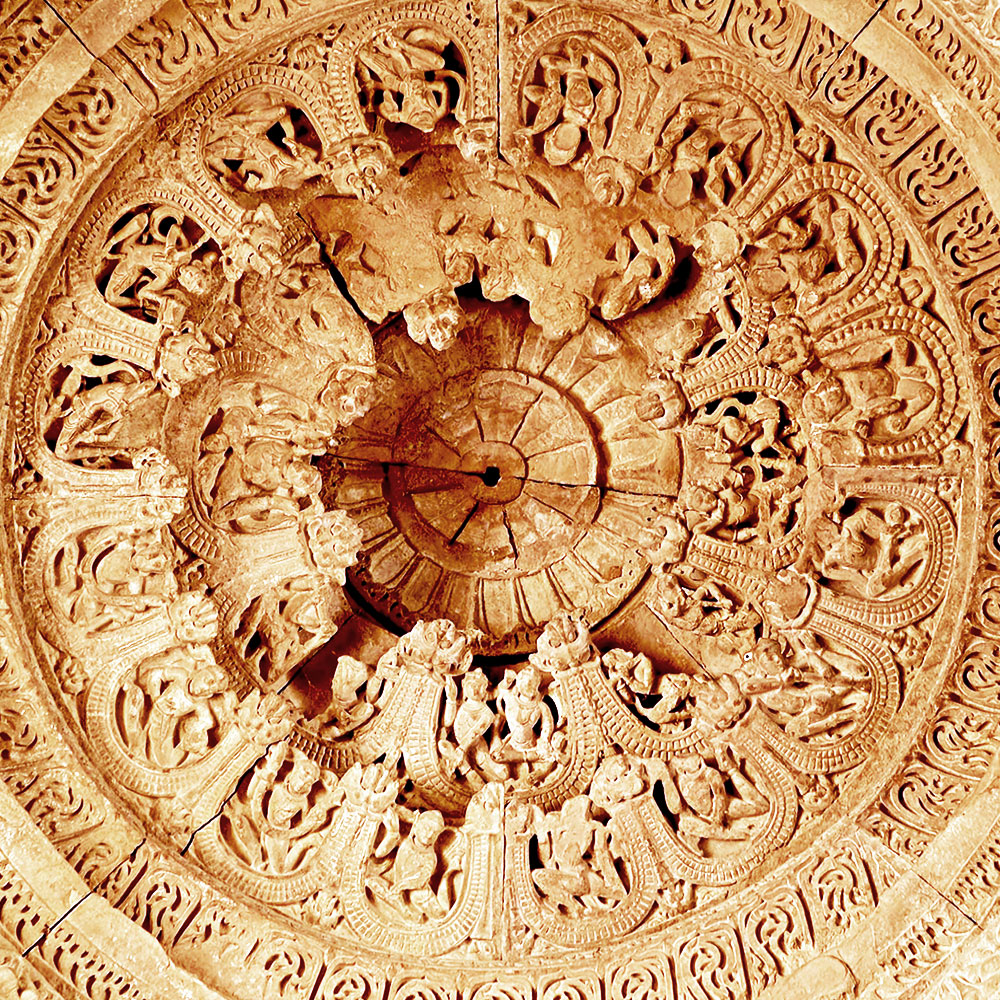
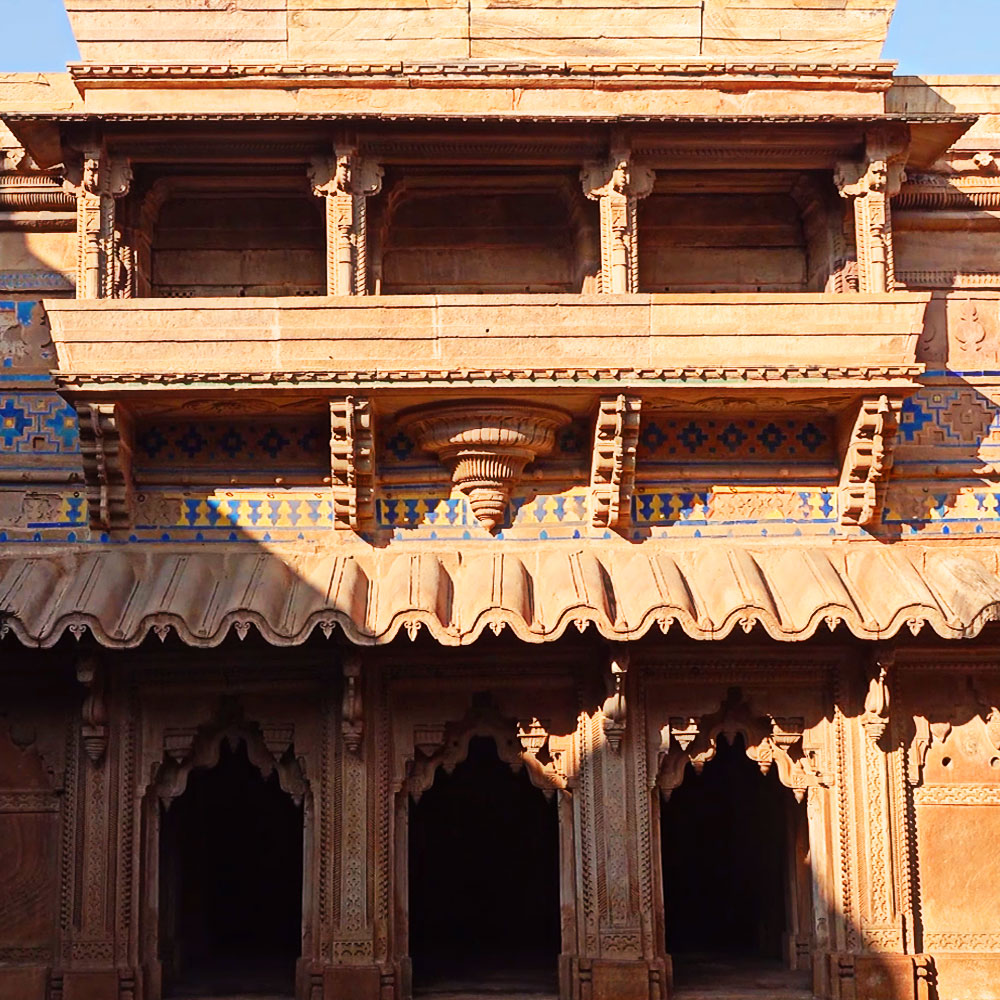
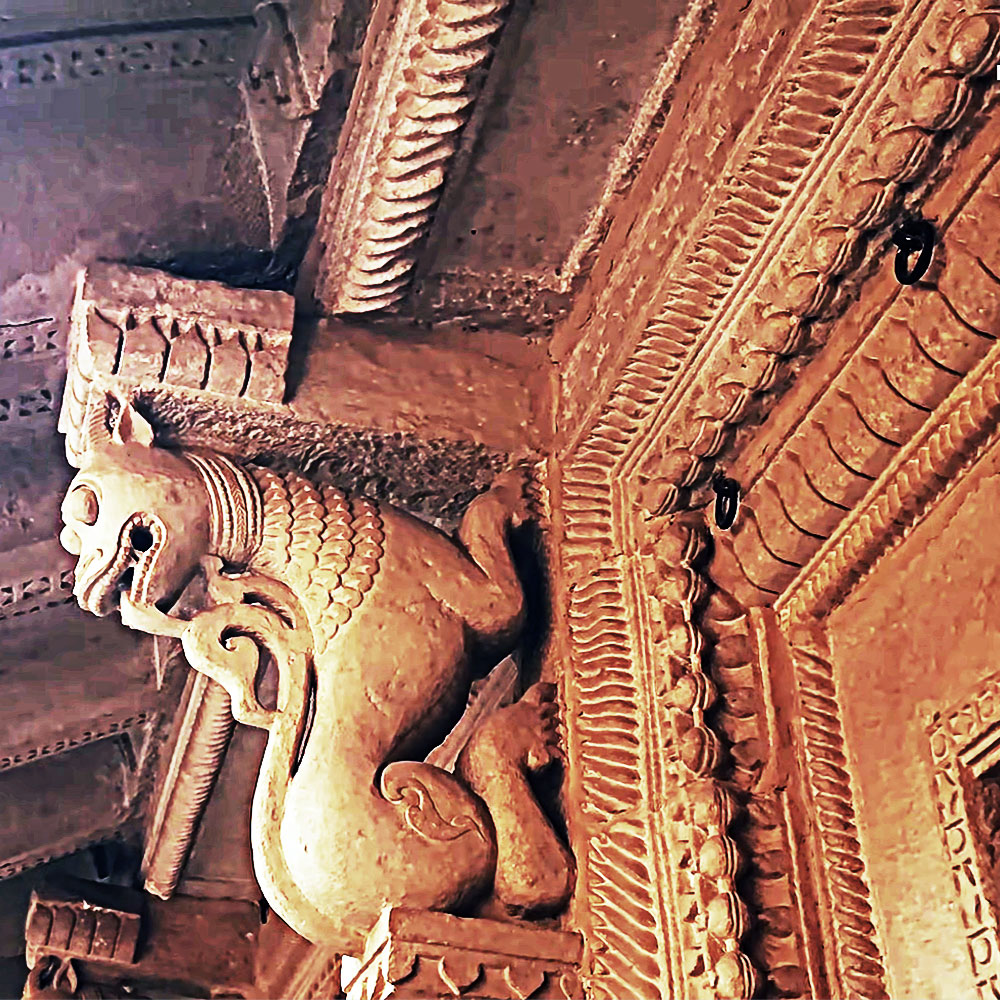
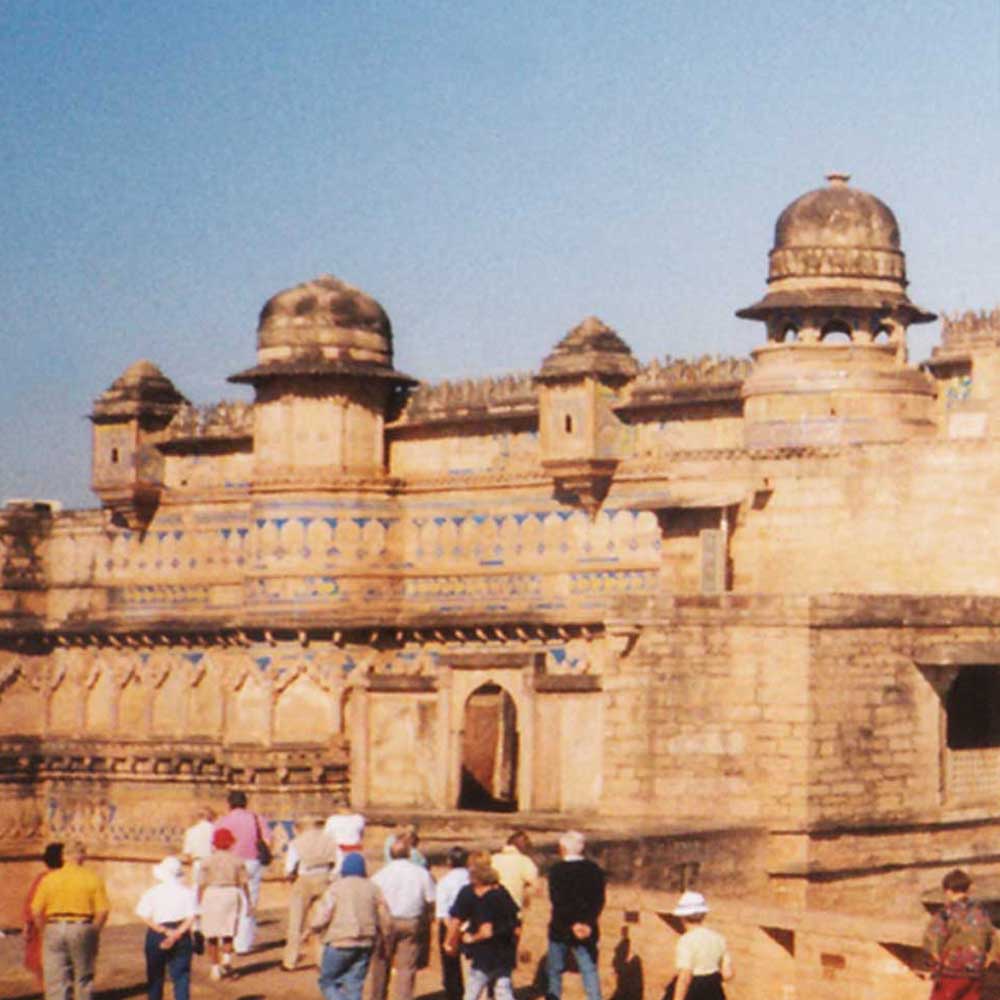 The Gwalior Fort, 15th century palace, Man Mandir
stands by the fort's gate, built by Man Singh Tomar between 1486 and 1516
The Gwalior Fort, 15th century palace, Man Mandir
stands by the fort's gate, built by Man Singh Tomar between 1486 and 1516
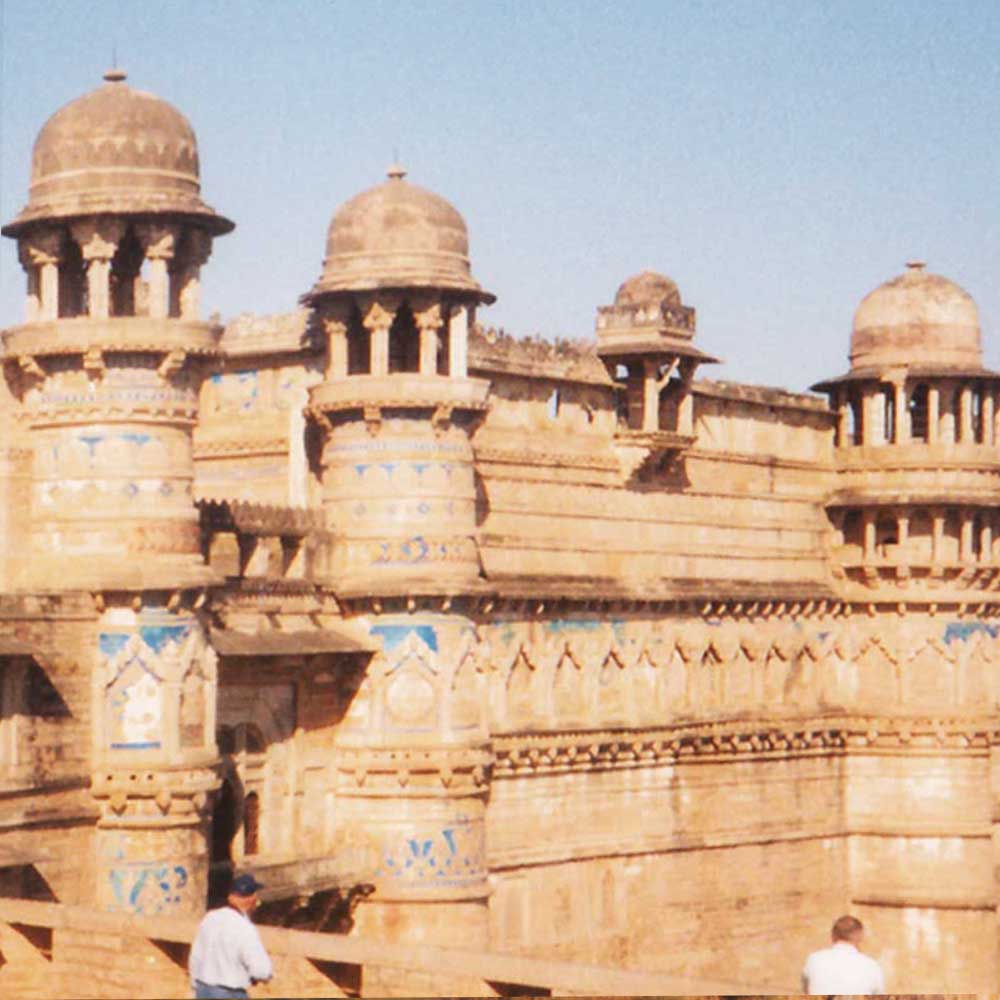 The Gwalior Fort, commonly known as the Gwāliiyar
Qila, is a hill fort near Gwalior, Madhya Pradesh, India
The Gwalior Fort, commonly known as the Gwāliiyar
Qila, is a hill fort near Gwalior, Madhya Pradesh, India
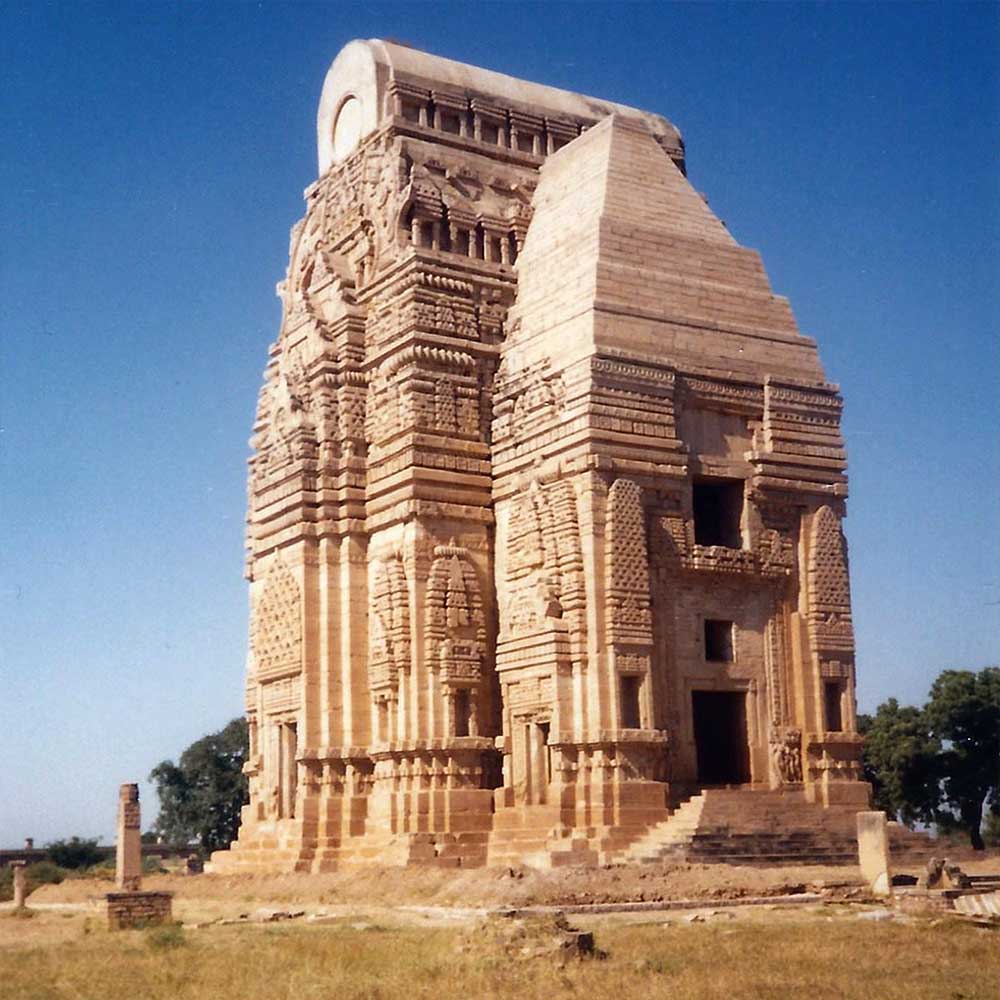
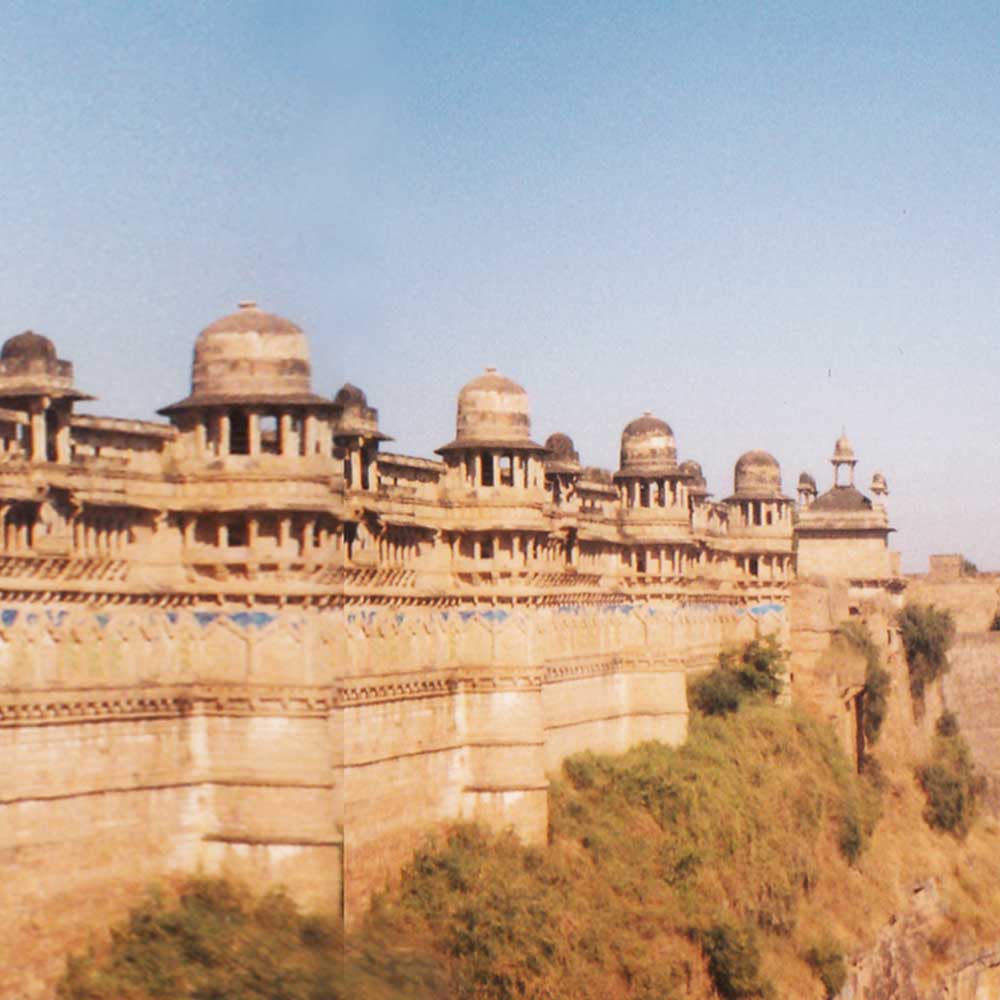 The Gwalior Fort is an excellent example of 12th
century CE Rajput architecture
The Gwalior Fort is an excellent example of 12th
century CE Rajput architecture
 Top
Top