Christie’s auctions embody a brutal irony of the art market: the farther an artist gets from their own lifetime,
the higher the numbers climb. Each record‑setting result rewards scarcity, legacy, and cultural canonization rather than the artist’s lived reality. The art market loves to mythologize
“the starving artist” while simultaneously profiting from the very conditions that kept so many artists precarious in the first place. Many artists
never saw a fraction of the wealth their work now generates. There’s something almost poetic—and deeply infuriating—about it. The cliché persists: artists spend their
lives making work in poverty, only for some wealthy collector to hang it in his penthouse and reap the rewards.
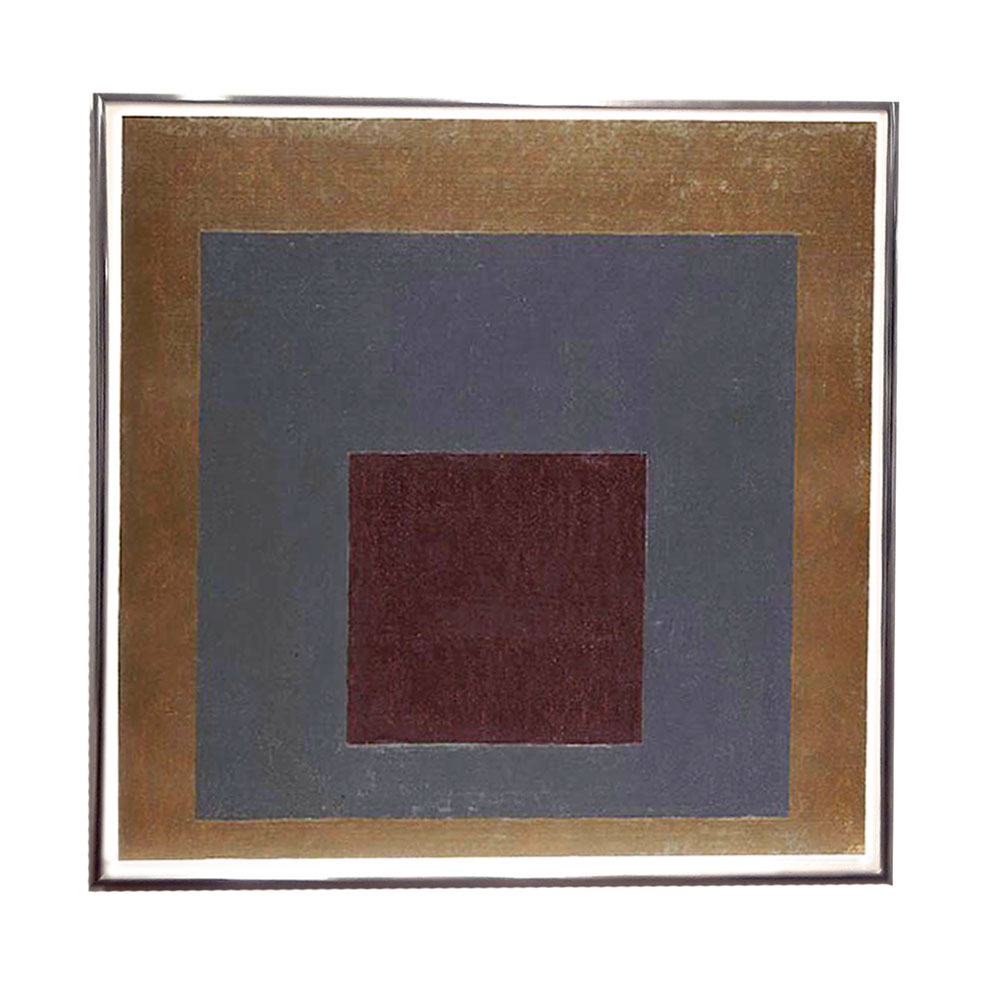
Josef Albers, Study for Homage to the
Square: De Profundo, oil on Masonite, 32 x 32 in. (81.2 x 81.2 cm.) 1968, sold at Christie's 2017, USD 672,500
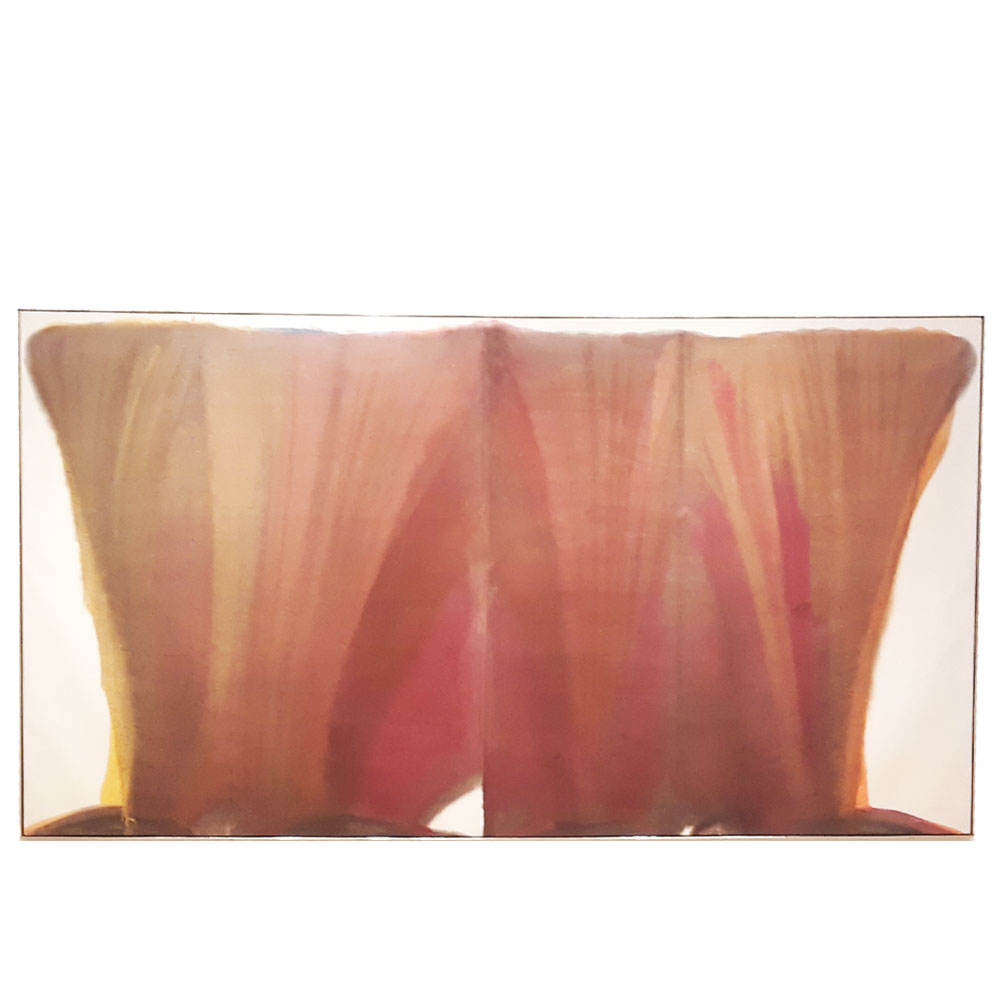
Morris Louis, Russet, 7' 8 3/4" x 14' 5 5/8"
(235.6 x 441.1 cm), 1958, sold at Christie's 2017, to MOMA for USD 2,000,000
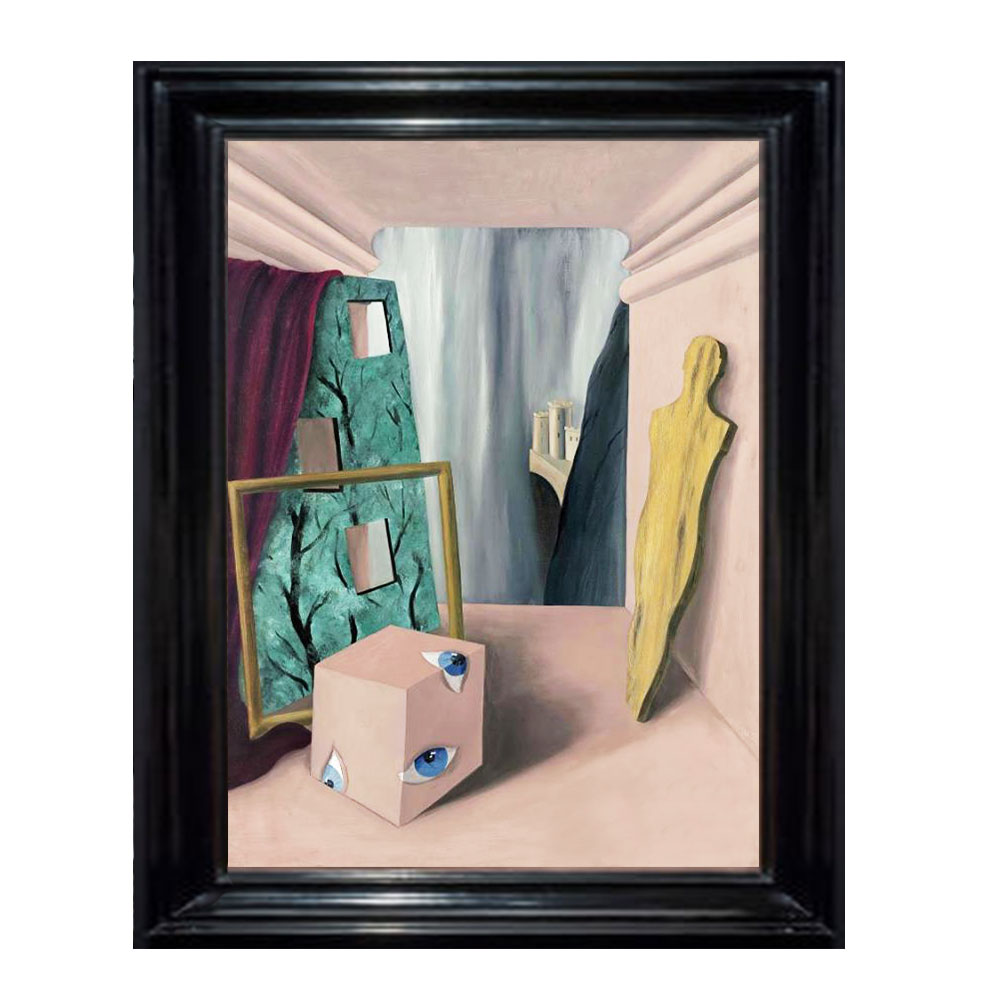
René Magritte, The Silent Group (Le groupe
silencieux), 1926, 47 x 31 in. (120 x 80 cm.), oil paint on canvas, sold at Christie's 2017, USD 10 million
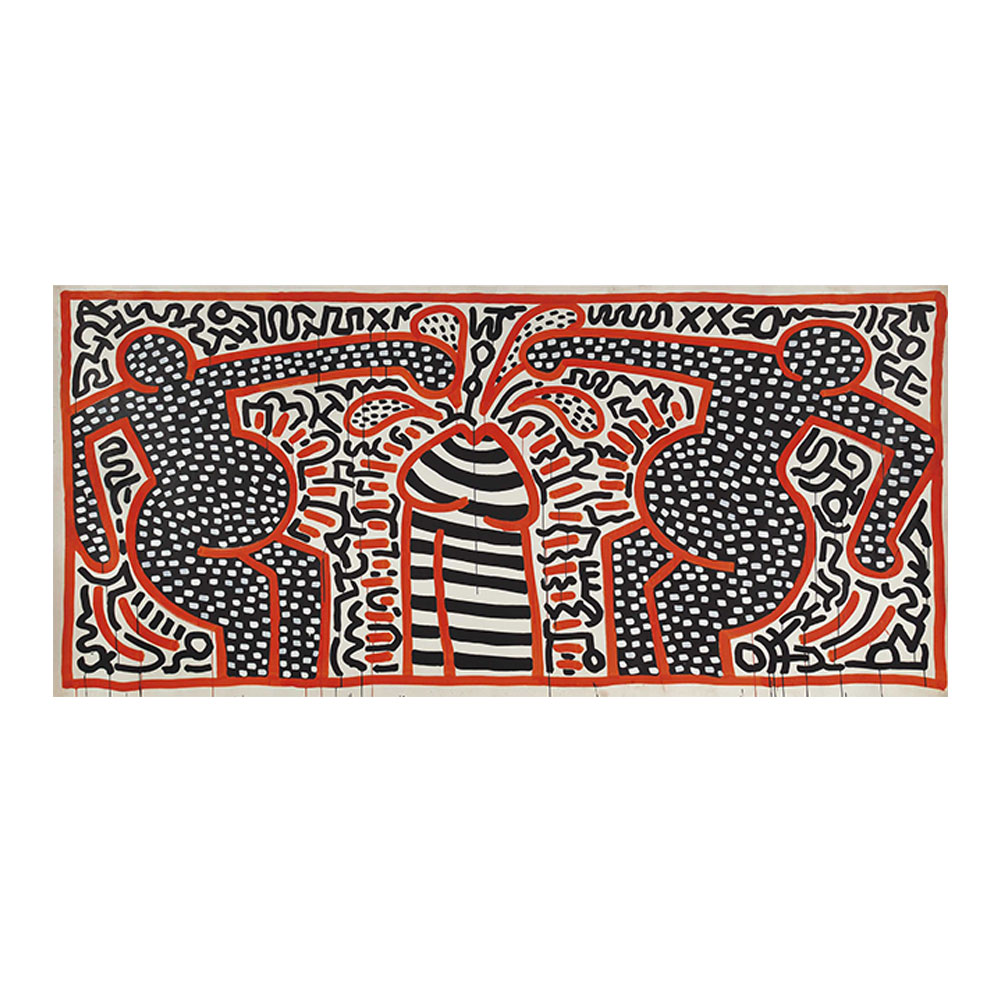
Keith Haring, Untitled (May 24-83), 1983,
Acrylic on paper, 182,9 x 376,9 cm | 72 x 148.3 in sold at Christie's 2017, USD 4,212.00
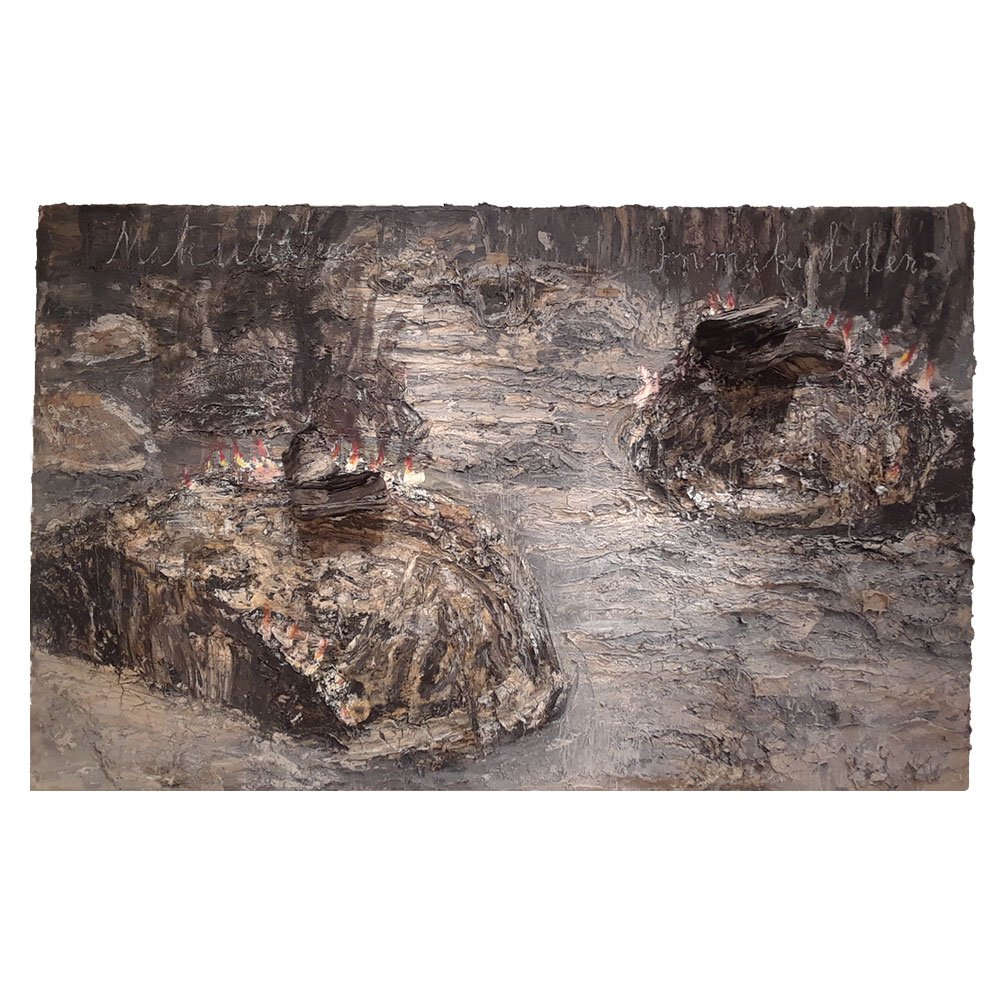
Anselm Kiefer, titled Makulisten
mmakulisten, 192 x 330 cm (75.6 x 129.9 in.), Oil, acrylic, shellac, and burnt books on canvas, sold at Christie's 2017, USD 1,032.000
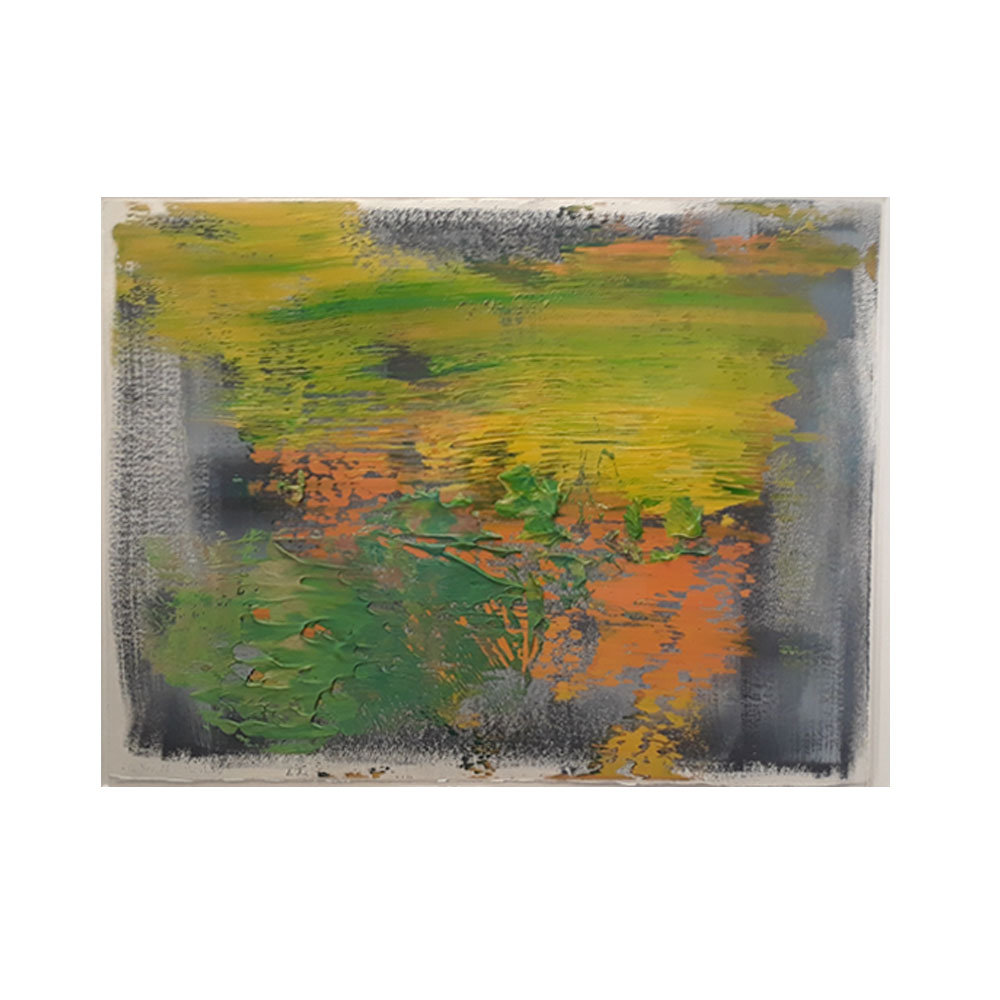
Gerhard Richter, Untitled, oil on paper,
76.2 x 55.88 cm (30 x 22 inches), 1988, sold at Christie's 2017, USD $81.3 million
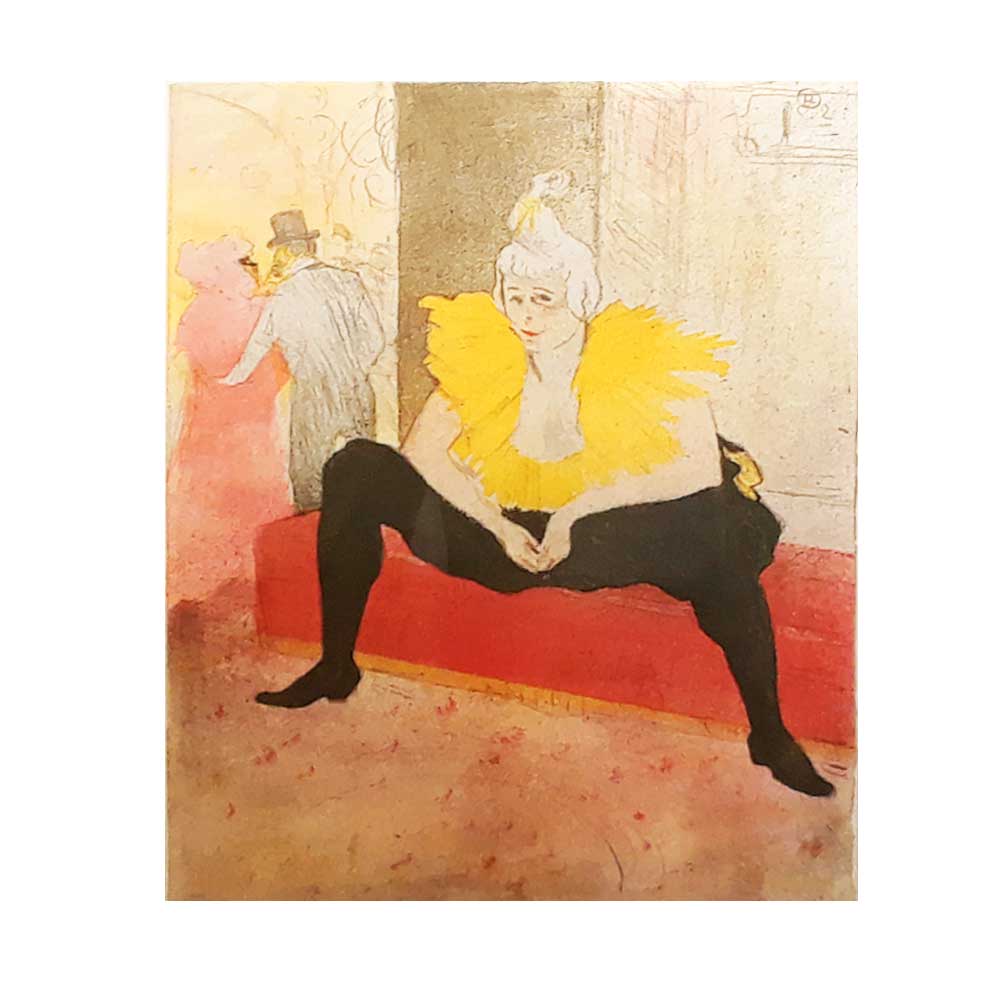
Henri de Toulouse-Lautrec, La Clownesse
assise (The Seated Clowness), sold at Christie's 2017, Original, limited-edition lithographs, USD, $50,000 a lithograph
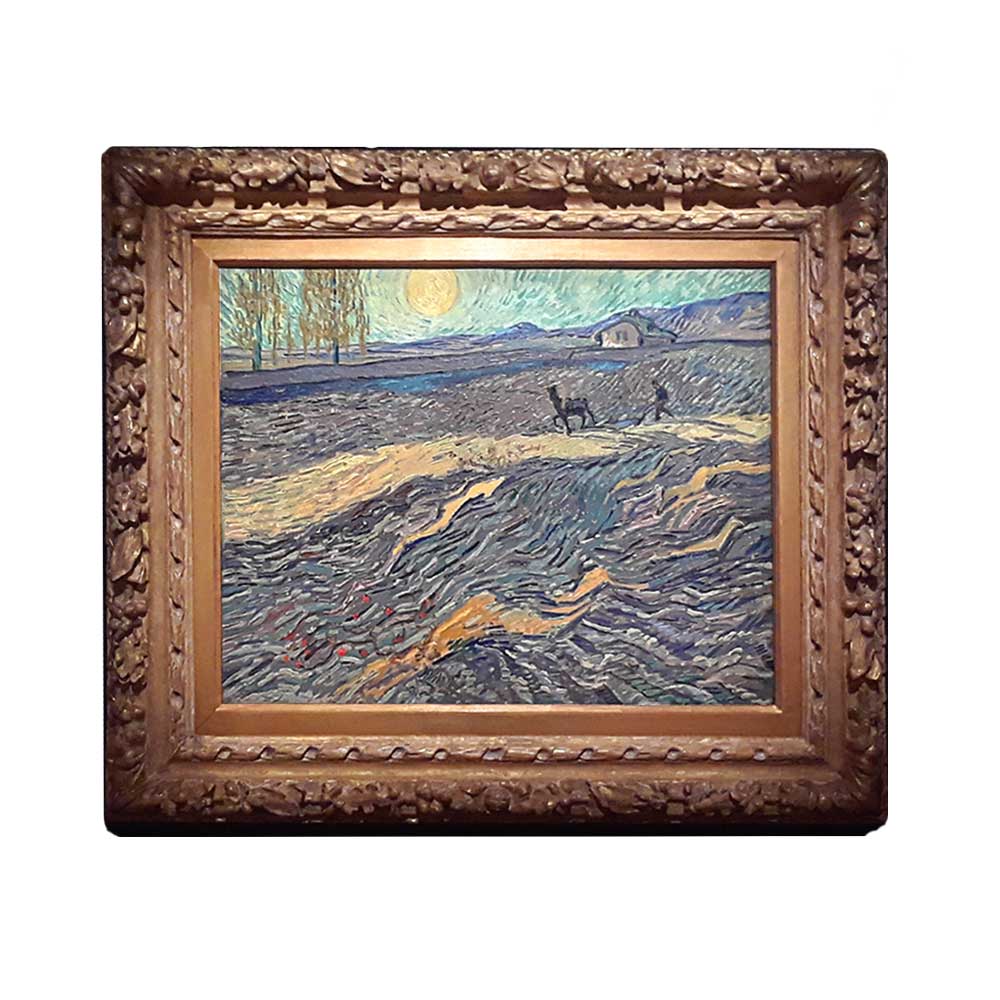
Vincent van Gogh, Labourer in a Field, 1889,
sold at Christie's 2017, USD $81.3 million
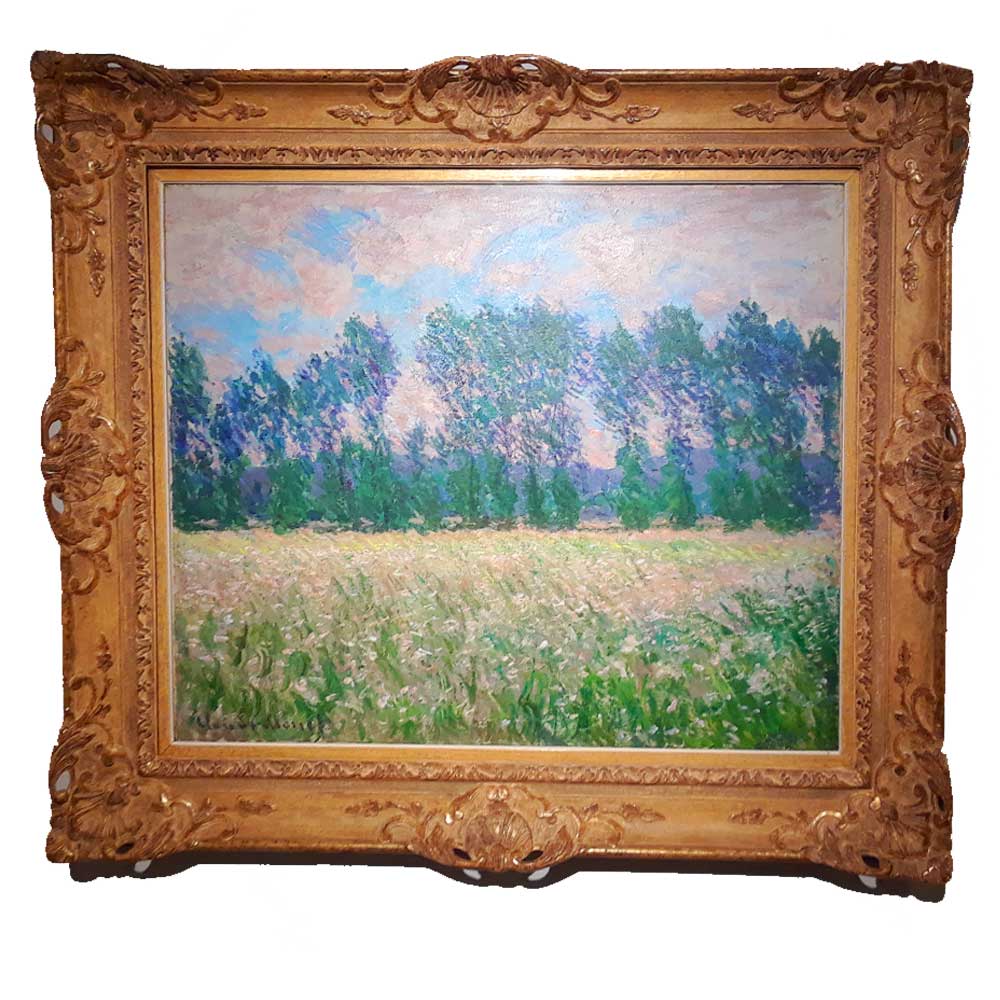
Claude Monet, "Prairie à Giverny" 1885, 25
5/8 x 32 inches (65.2 x 81.1 cm), sold at Christie's 2017, USD $2,228,000.
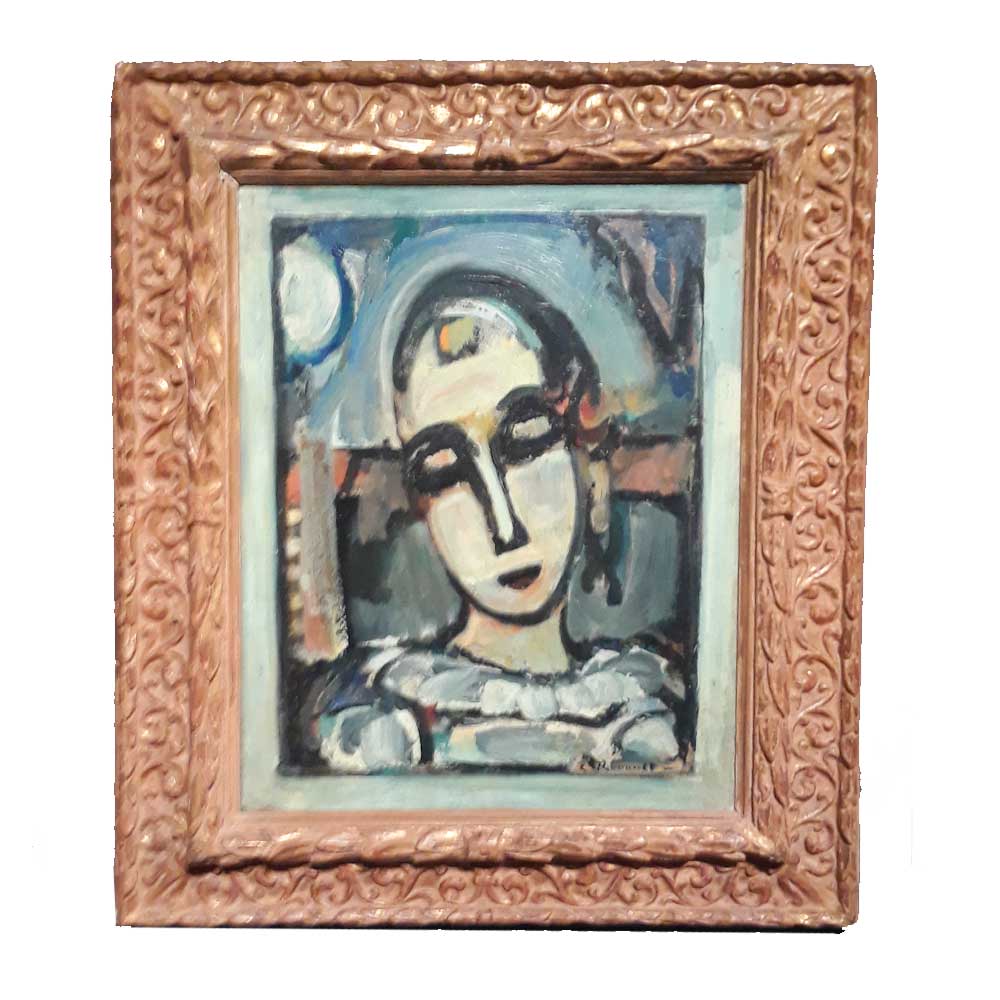
Georges Rouault, Pierrot, 1943, An oil on
paper (75 x 56.5 cm) sold at Christie's 2017, USD $866,500
René Magritte, The Empire of Light
(L'Empire des lumières), oil on canvas, 31 x 39 inches (78.8 x 99.1 cm), sold at Christie's 2017, USD $121 million
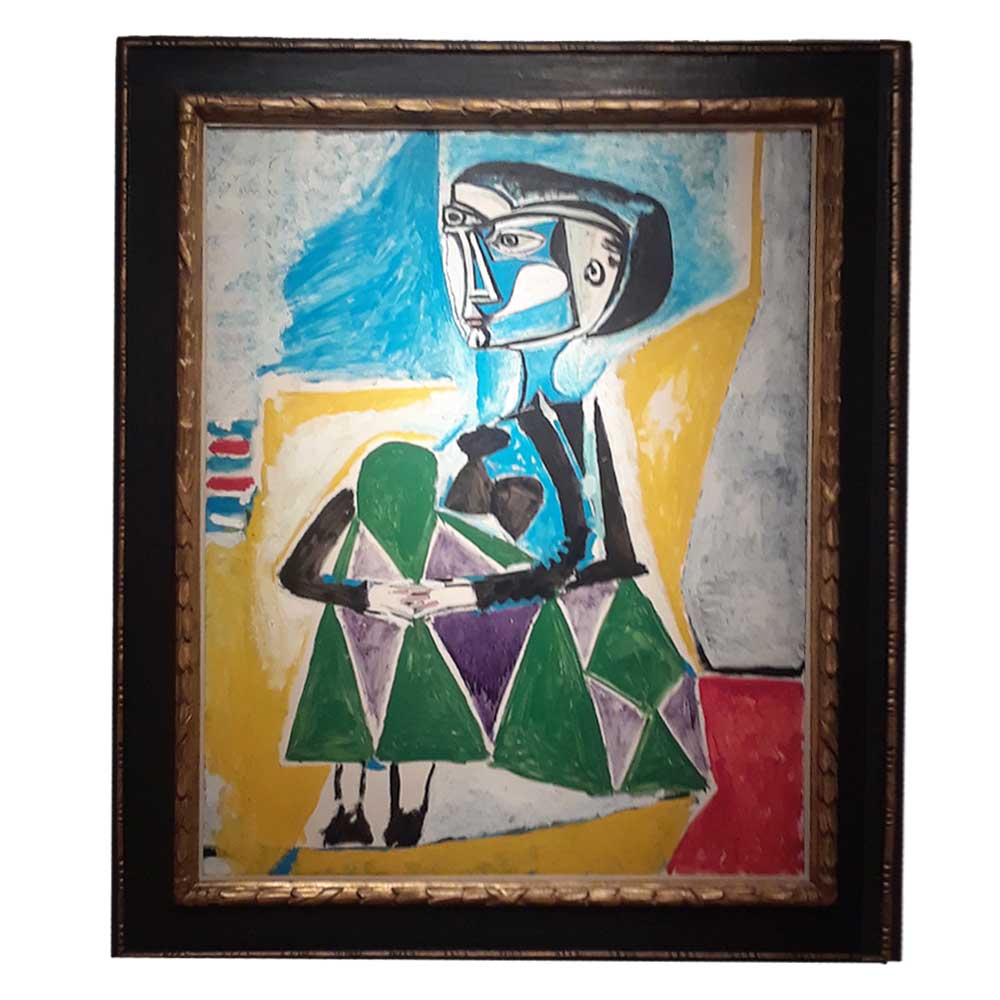
Pablo Picasso, Femme accroupie, Jacqueline,
1954. oil on paper, sold at Christie's 2017, USD $24.6 million
Richard Serra, "Kerouac" 2009, paintstick
drawing, sold at Christie's 2017, USD 2,172,500
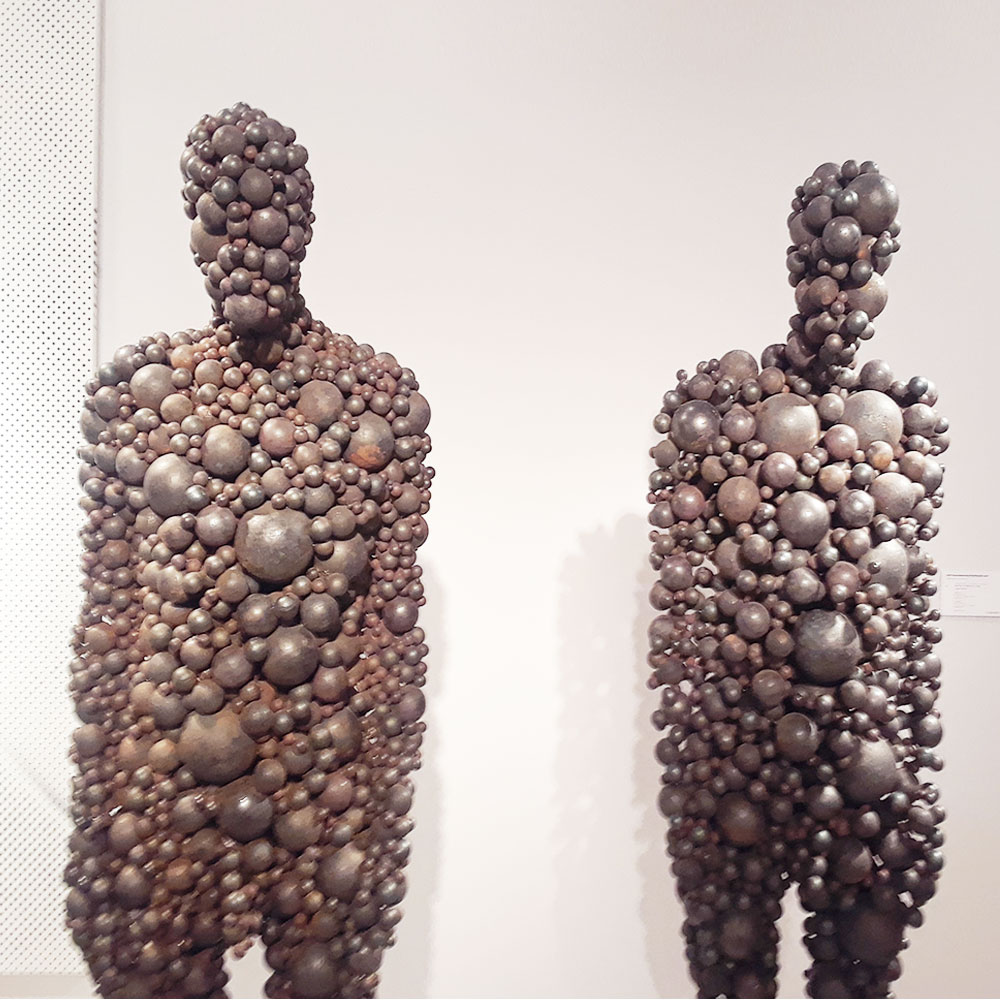
Antony Gormley, Foreign Bodies I and II,
Forged iron or steel ball bearings of varying sizes, sold at Christie's 2017, USD $672,500
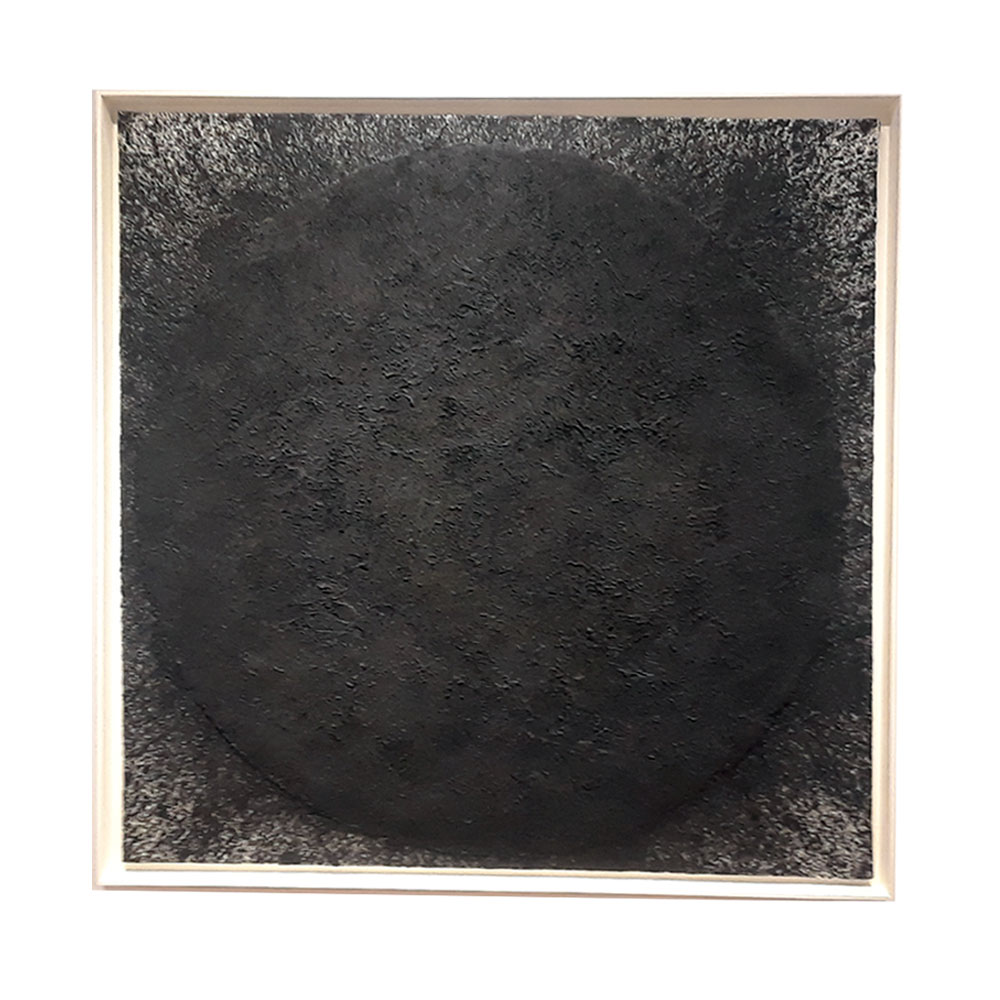
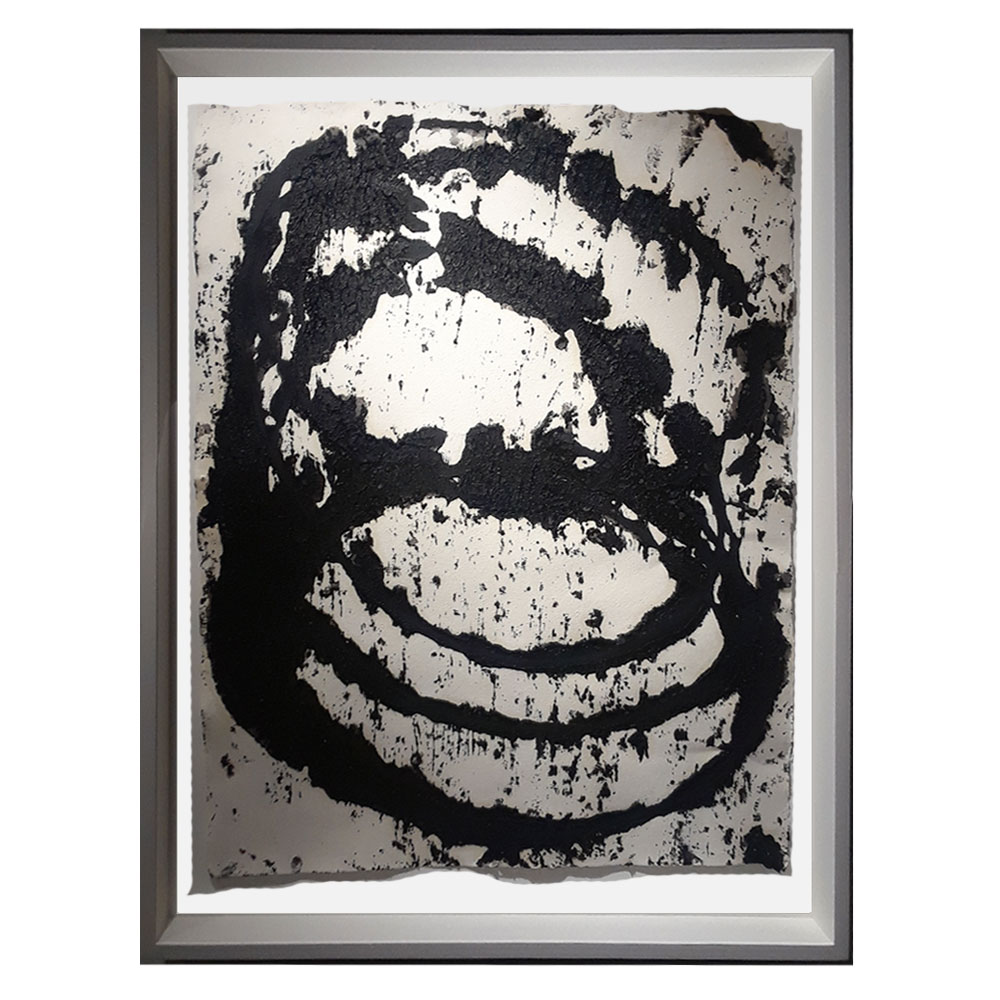
Richard Serra, drawing, black paint sticks,
(compressed tubes of pigment, wax, and paint) on handmade paper. sold at Christie's 2017, USD $887,600
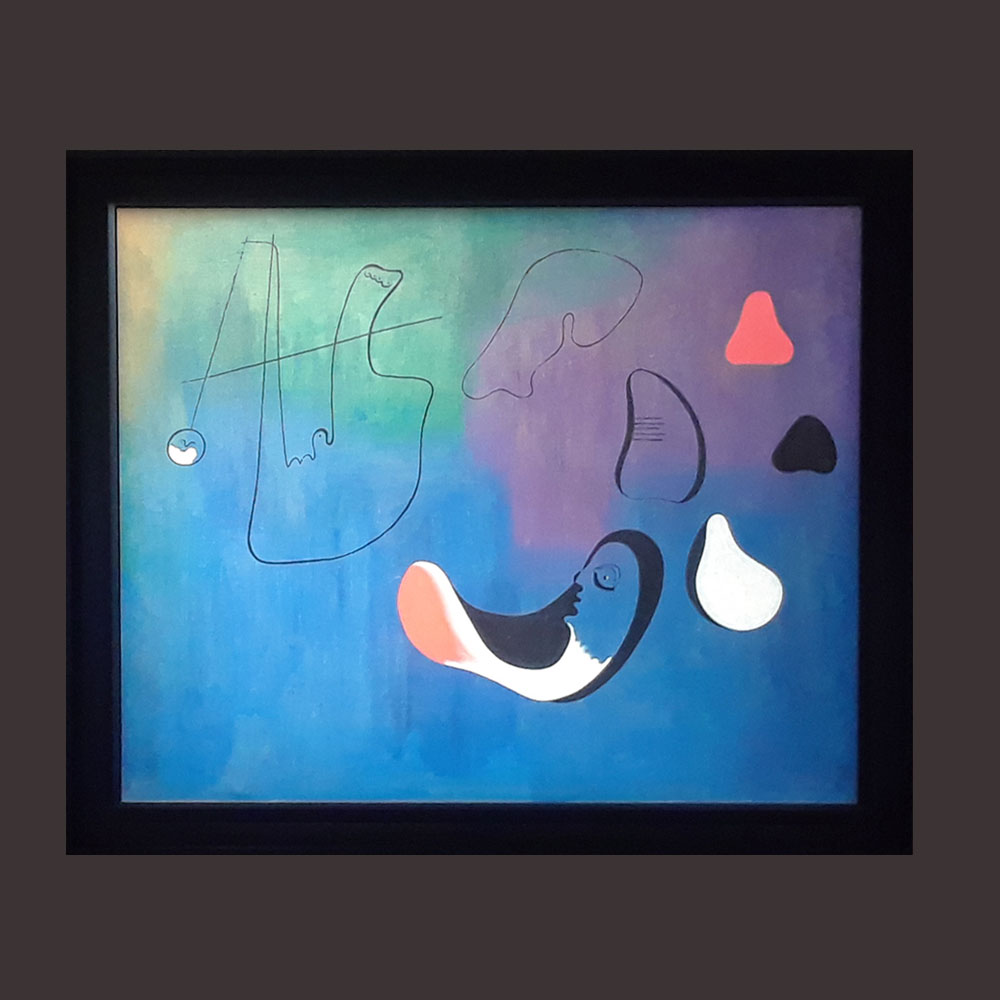
Joan Miró, Peinture, 1933, 51 1/8 x 63 ¾
in. (129.8 x 161.9 cm), sold at Christie's 2017, USD $50 million
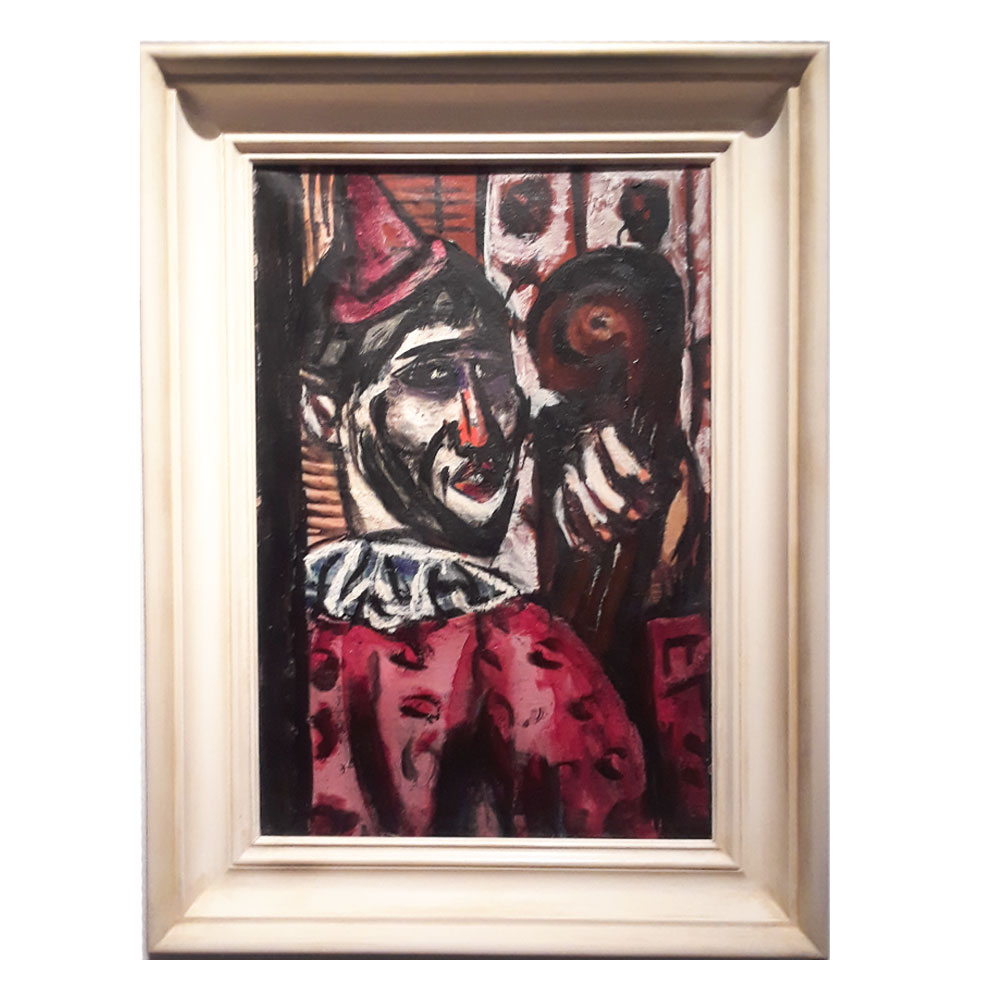
Max Beckmann, Clown, rosaviolett, an oil on
canvas, 1945, 100 x 59 cm (39 2/5 x 23 1/5 in), sold at Christie's 2017, USD $1,538,000
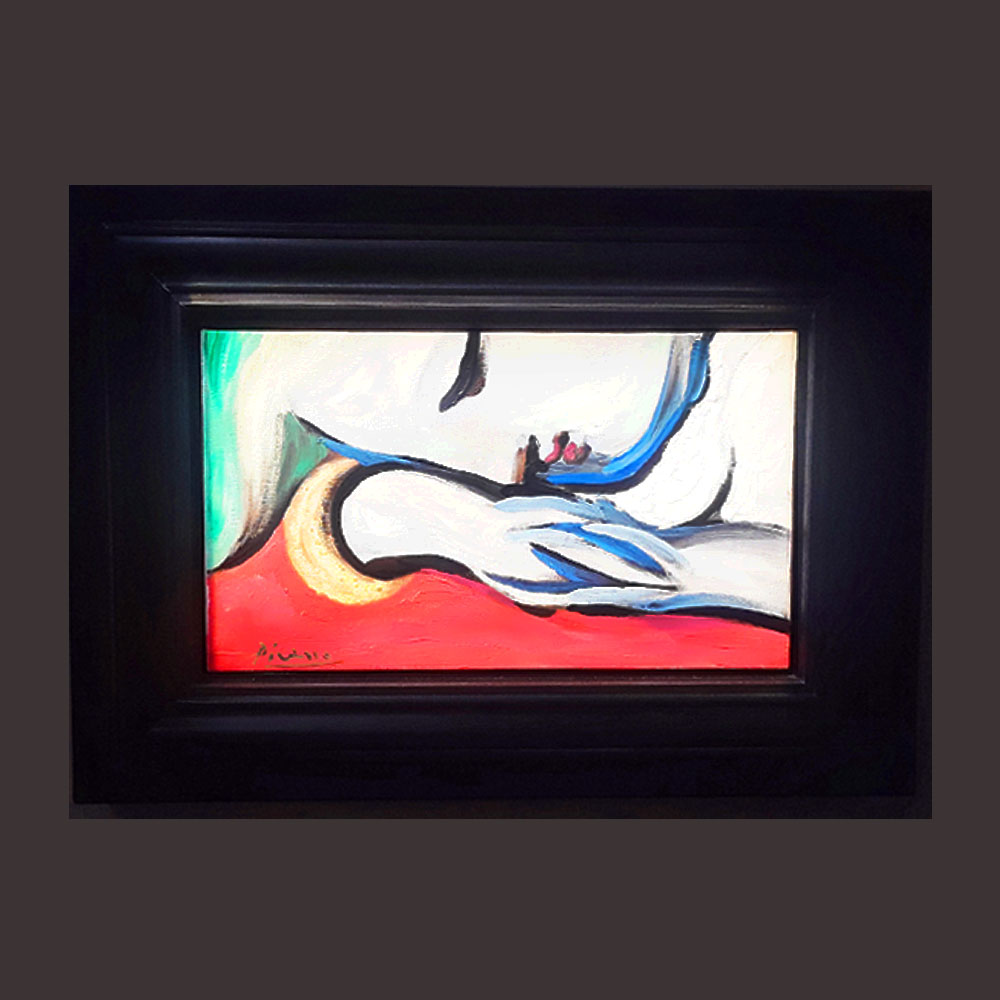
Pablo Picasso, "The Rest", or "Le Repos",
his muse, Marie-Thérèse Walter, oil paint on canvas, 1932, sold at Christie's 2017, USD 36.9 million
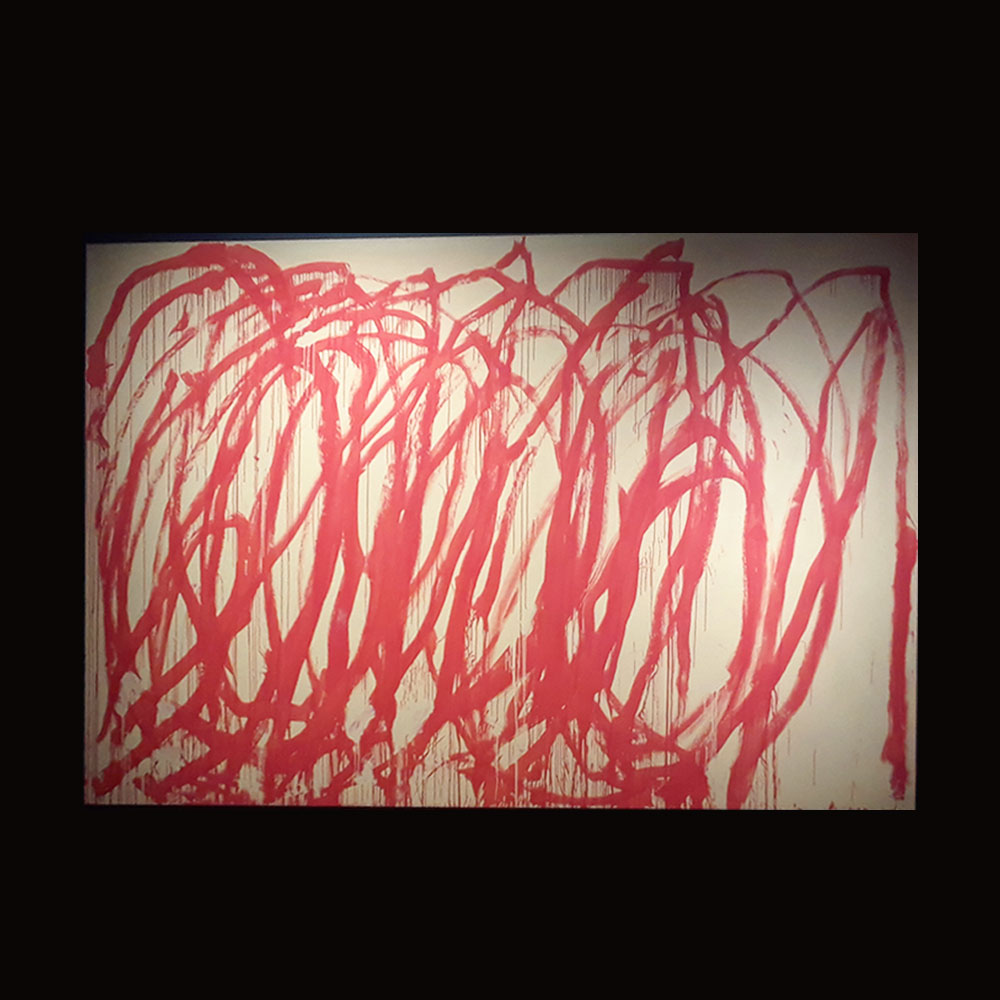
Cy Twombly, Bacchus series, 2005, Acrylic
on canvas, 325.1 cm x 494 cm or 10.7 ft x 16.2 ft, sold at Christie's 2017, USD 46.4 million
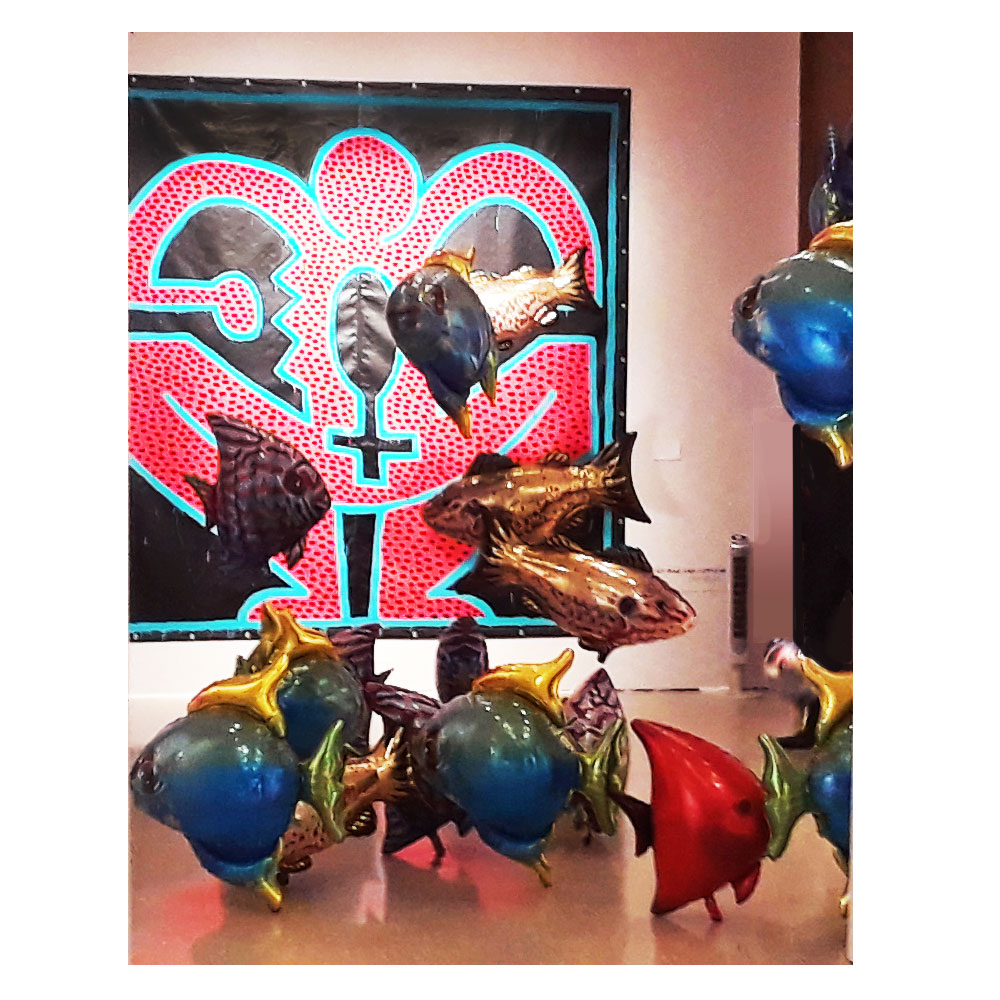
Philippe Parreno, "My Room Is Another Fish
Bowl", helium-filled Mylar balloons shaped like fish, sold at Christie's 2017, USD 516,500, background image, Keith Haring, tarpaulin canvas
painting, 1983, sold at Christie's 2017, USD 4,212,500.
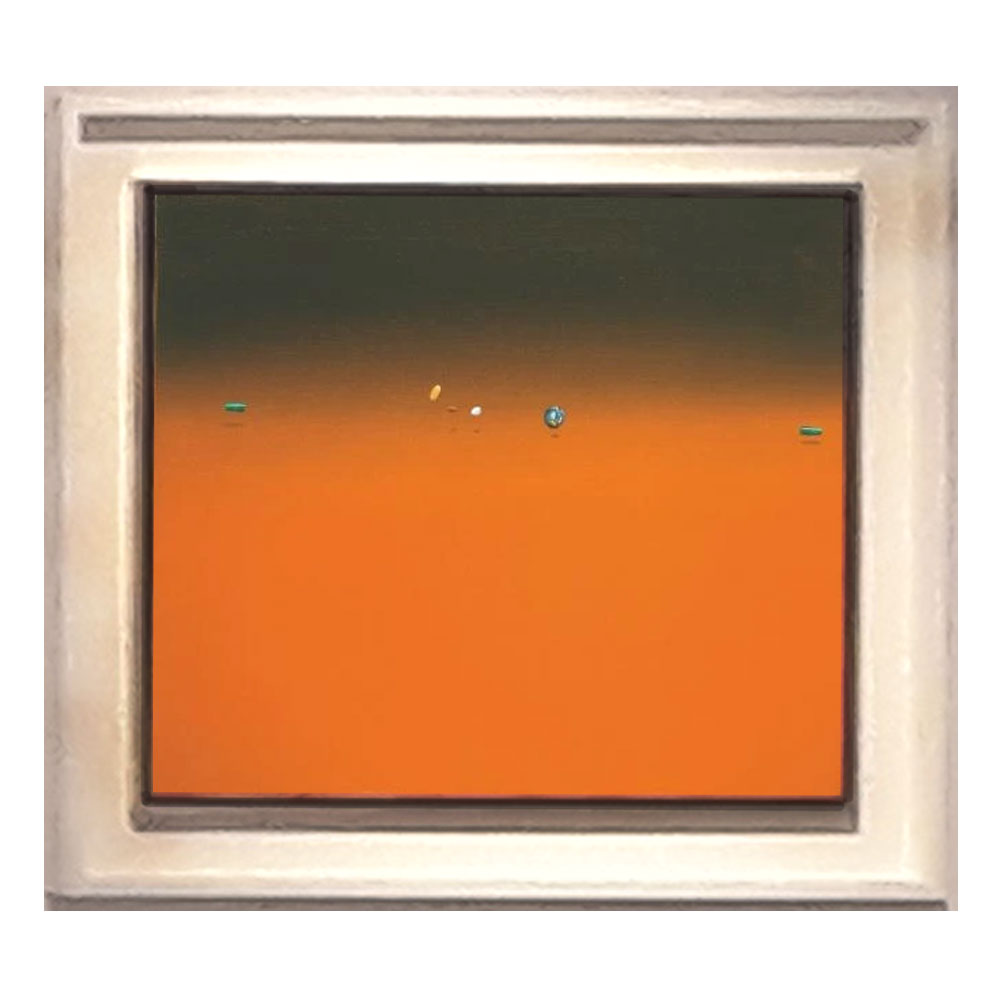
Ed Ruscha, Amphetamines, Marble, 1969, oil
on canvas Painting, 20 x 24 in. 50.8 x 61 cm sold at Christie's 2017, USD 3,558.00
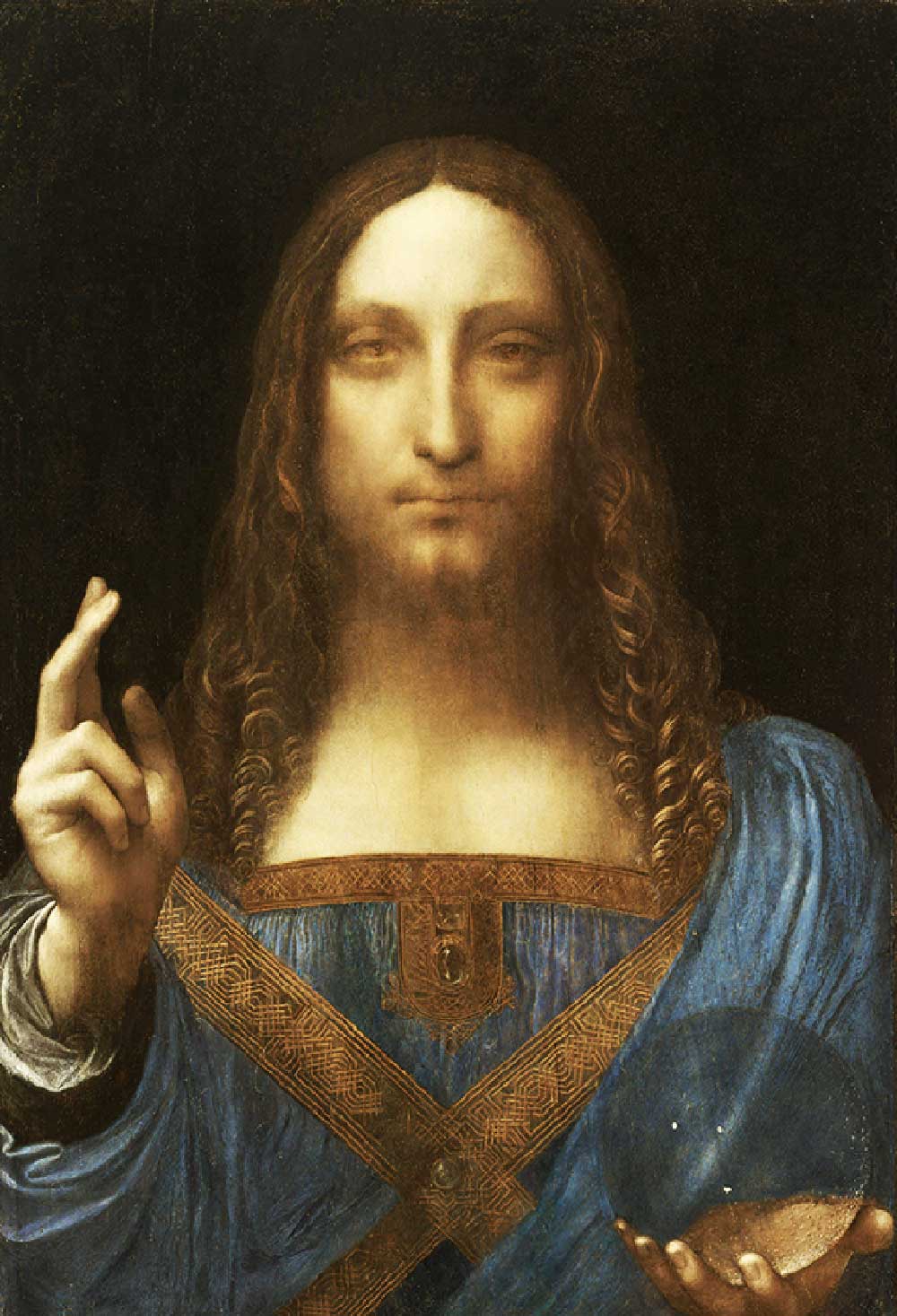
Salvator Mundi: A Enigmatic ProvenanceSalvator Mundi (“Savior of the World”) is a 15th/16th‑century oil painting
attributed to Leonardo da Vinci. It depicts Christ raising his right hand in blessing while holding a crystal orb in his left, a symbol of divine
sovereignty. Executed in oil on walnut panel around 1500, the work showcases Leonardo’s pioneering sfumato technique—soft glazes that create a smoky
haze and lifelike subtlety—most evident in the delicate rendering of the hair and the serene facial expression. A pentimento, or change in the
position of the thumb, hints at Leonardo’s evolving process. The provenance of the painting’s history is as mysterious as its gaze. Believed to have
belonged to King Charles I of England in the 17th century, it later vanished from royal collections and was long dismissed as a copy. In 1958,
heavily overpainted, it sold for just $75. Nearly half a century later, in 2005, it resurfaced at a New Orleans estate sale. After extensive
restoration, scholars began to reconsider its authenticity. In 2017, Salvator Mundi shattered records at Christie’s, selling for over $450 million,
making it the most expensive painting ever sold. Yet controversy persists: while many experts accept it as an authentic, reworked Leonardo, others
question the extent of his hand in its execution. Its planned unveiling at the Louvre Abu Dhabi was abruptly canceled, and its current location
remains unknown—adding another layer of intrigue to a painting already steeped in mystery.
Attributed to Leonardo da Vinci, Salvator Mundi ("Savior of the World"), 1510, oil on walnut panel, sold at Christie's 2017, to Mohammad bin Salman for a record-breaking USD 450 million



 Top
Top