THE BHAJA and Karli CAVES

The Bhaja Caves The Bhaja Caves (2nd century BCE) sits high above the village of Bhaja near Lonavala in Maharashtra, like a lookout post which is exactly what it was. Perched along a major trade artery connecting the Arabian Sea to the Deccan, it served as a monastic stopover for traveling merchants, monks, and artisans. A few features make Bhaja particularly compelling it was one of the earliest chaitya halls in India, its ribbed wooden ceiling (a rare survival) shows how early Buddhist architects translated timber construction into stone. The tabla carving is a delightful historical curveball. The percussion instrument depicted predates the supposed Turko-Arab introduction by centuries. Its a reminder that Indian musical traditions evolved in complex, indigenous ways. Vivid narrative sculptures like the Bhaja’s reliefs of dancers, musicians, warriors  feel almost cinematic. They’re less formal than later Buddhist art, more rooted in everyday life.
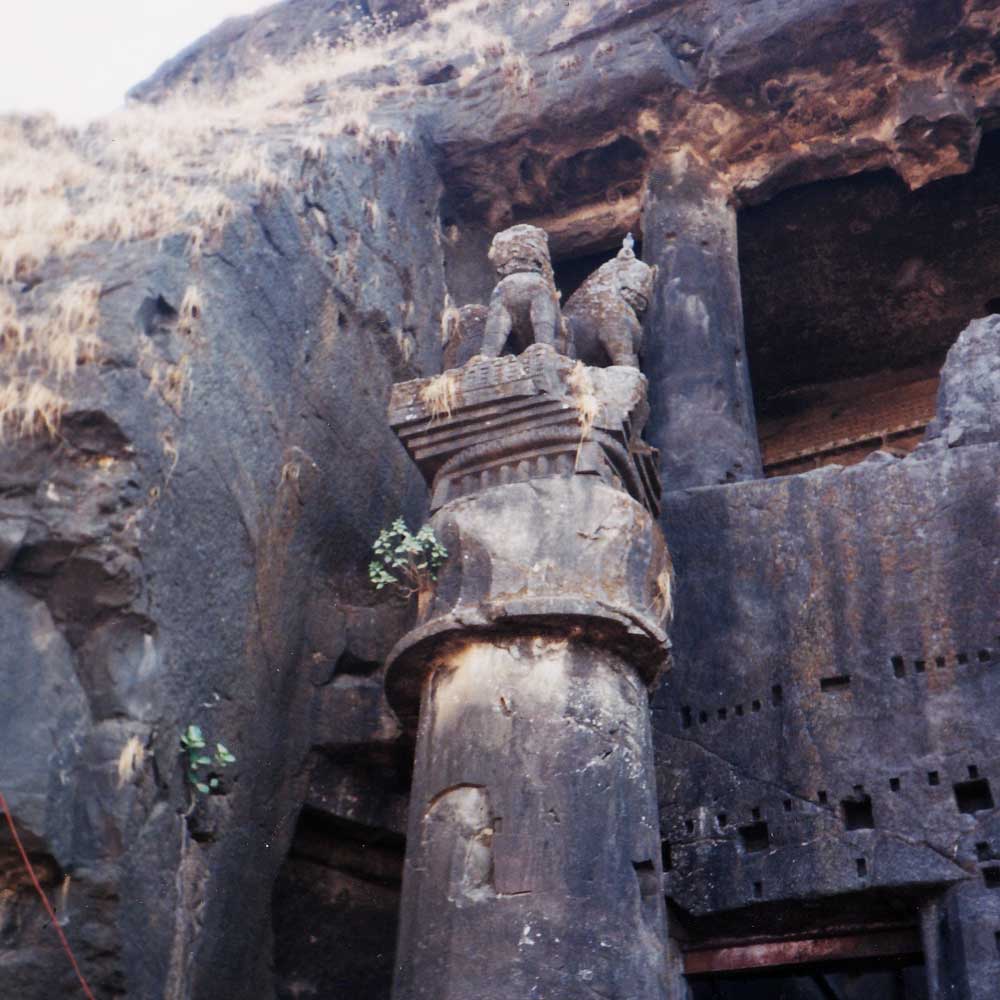
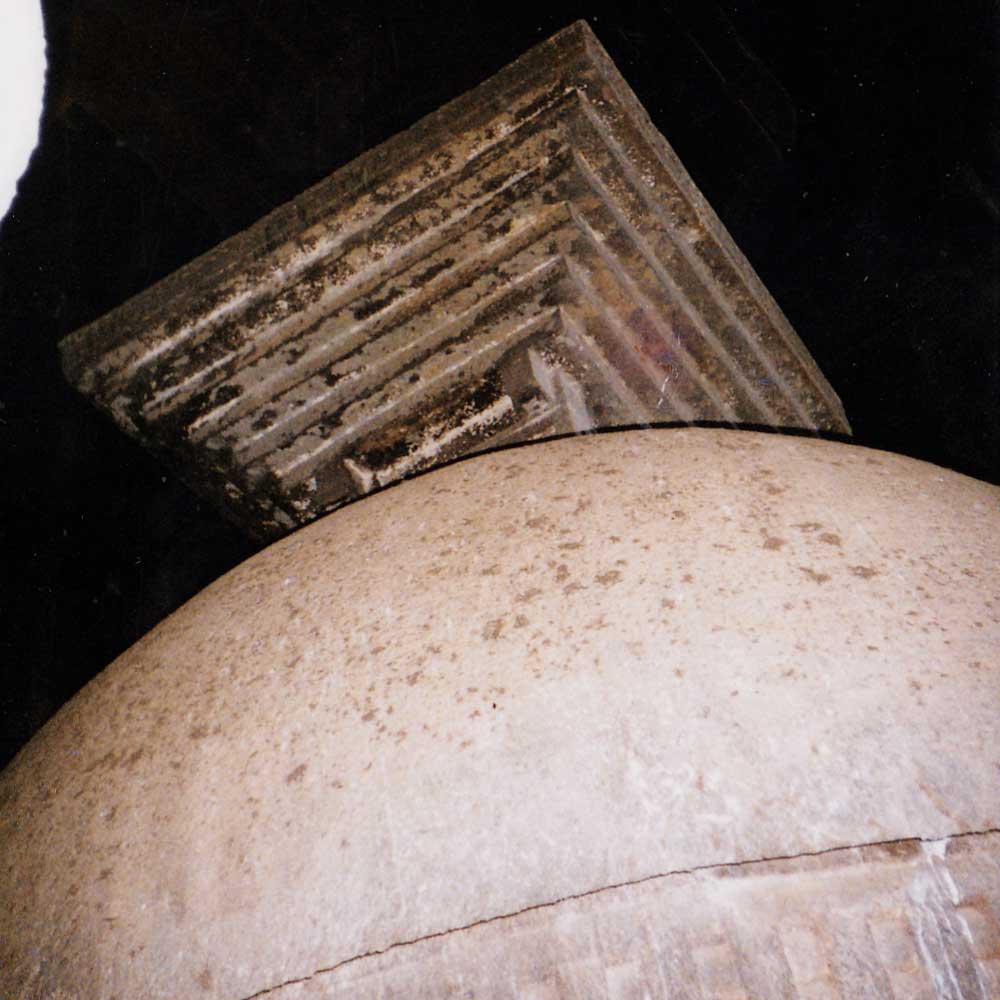
Bhaja sacred stupas, built to preserve the remains of resident monks, the site features 14 such stupas in total, with five inside a cave and nine outside.
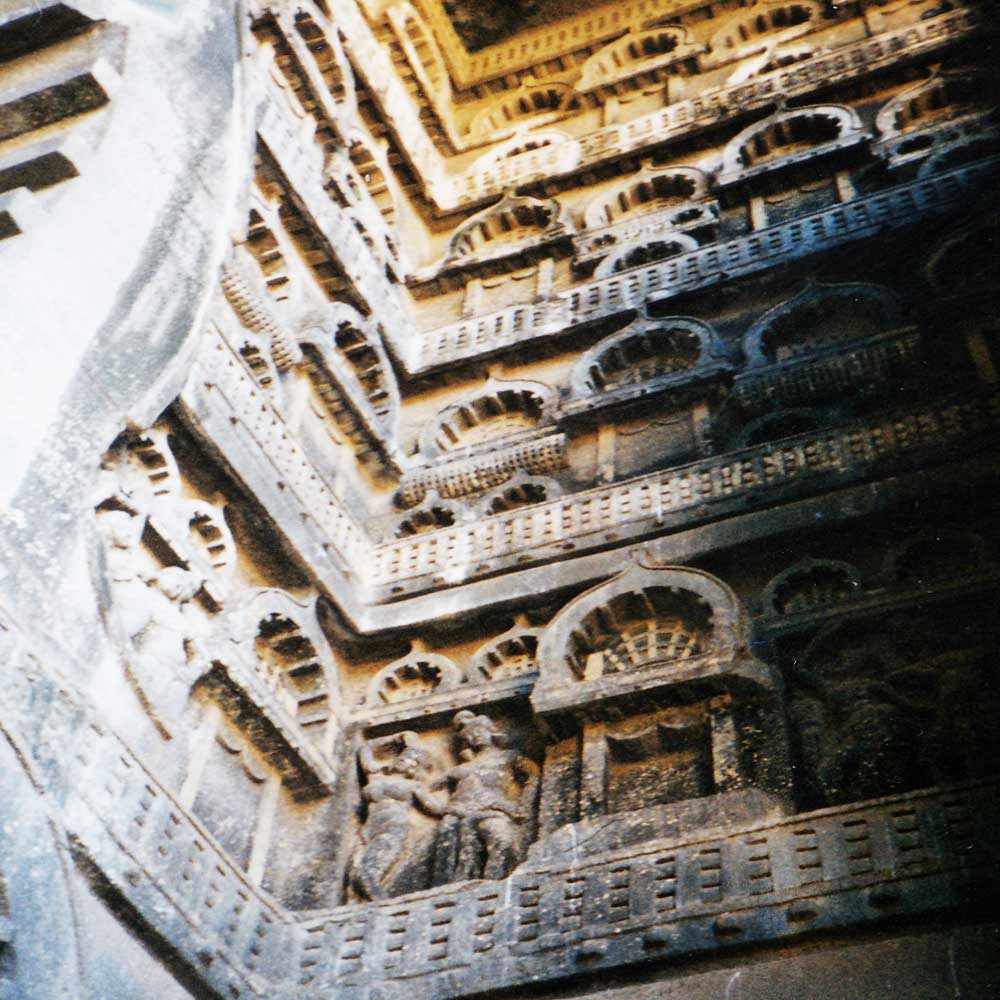
The carving from the Bhaja caves 2nd century BC depicts a woman playing a tabla, providing significant evidence that this percussion instrument was in use in India over 2 thousand years ago.
Ancient decorative carvings found within the Karli and Bhaja Caves depict donors or royal couples who contributed to the construction of the cave complex, the motifs include lotus rosettes and other symbolic floral patterns common in early Buddhist architecture.
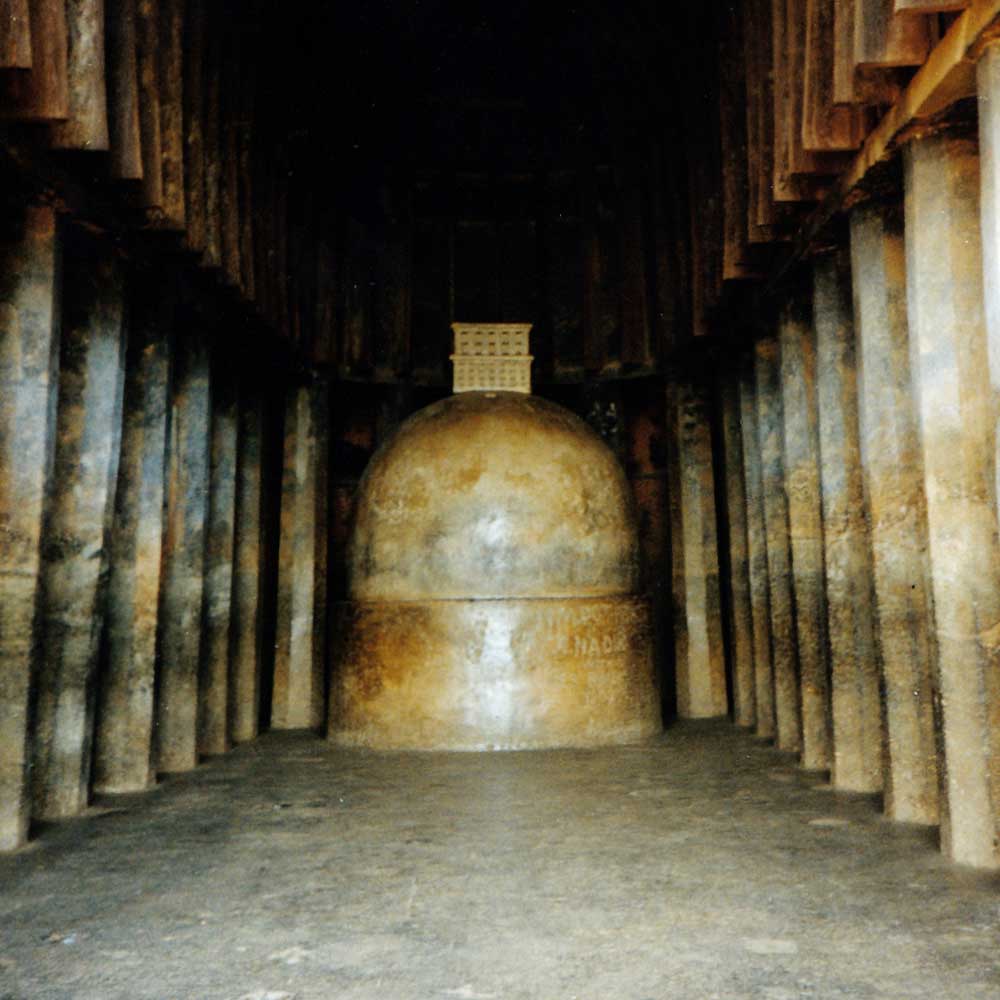
““The interior of the rock-cut Buddhist chaitya main prayer hall at the Bhaja Caves that date back to the 2nd century BC and are the earliest surviving Buddhist rock-cut temples in India
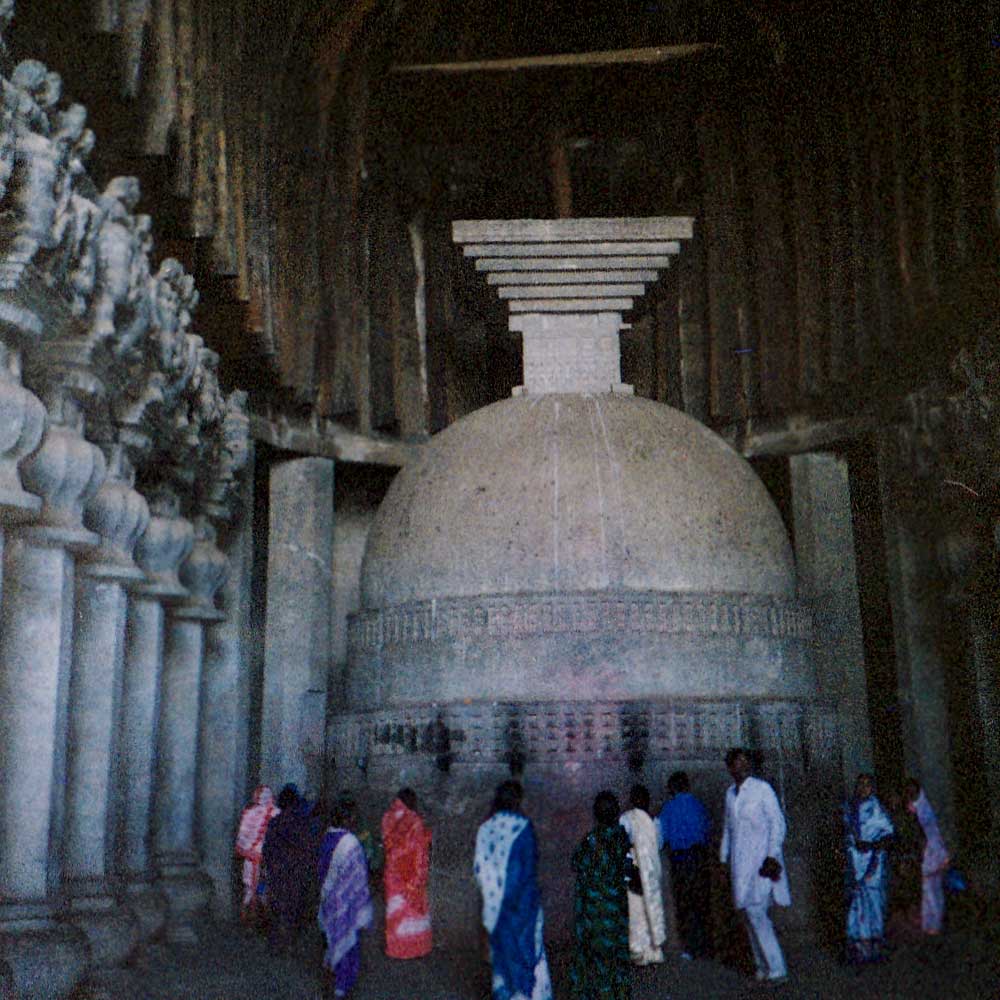
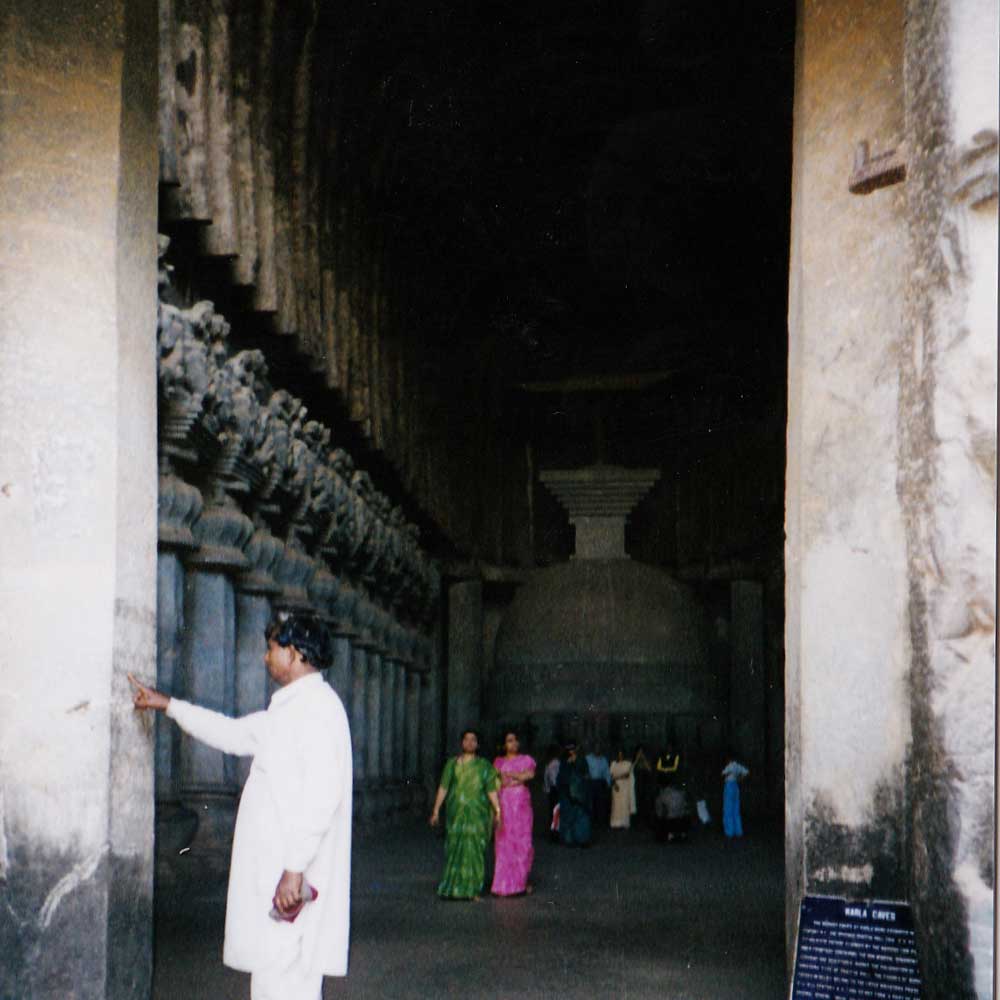
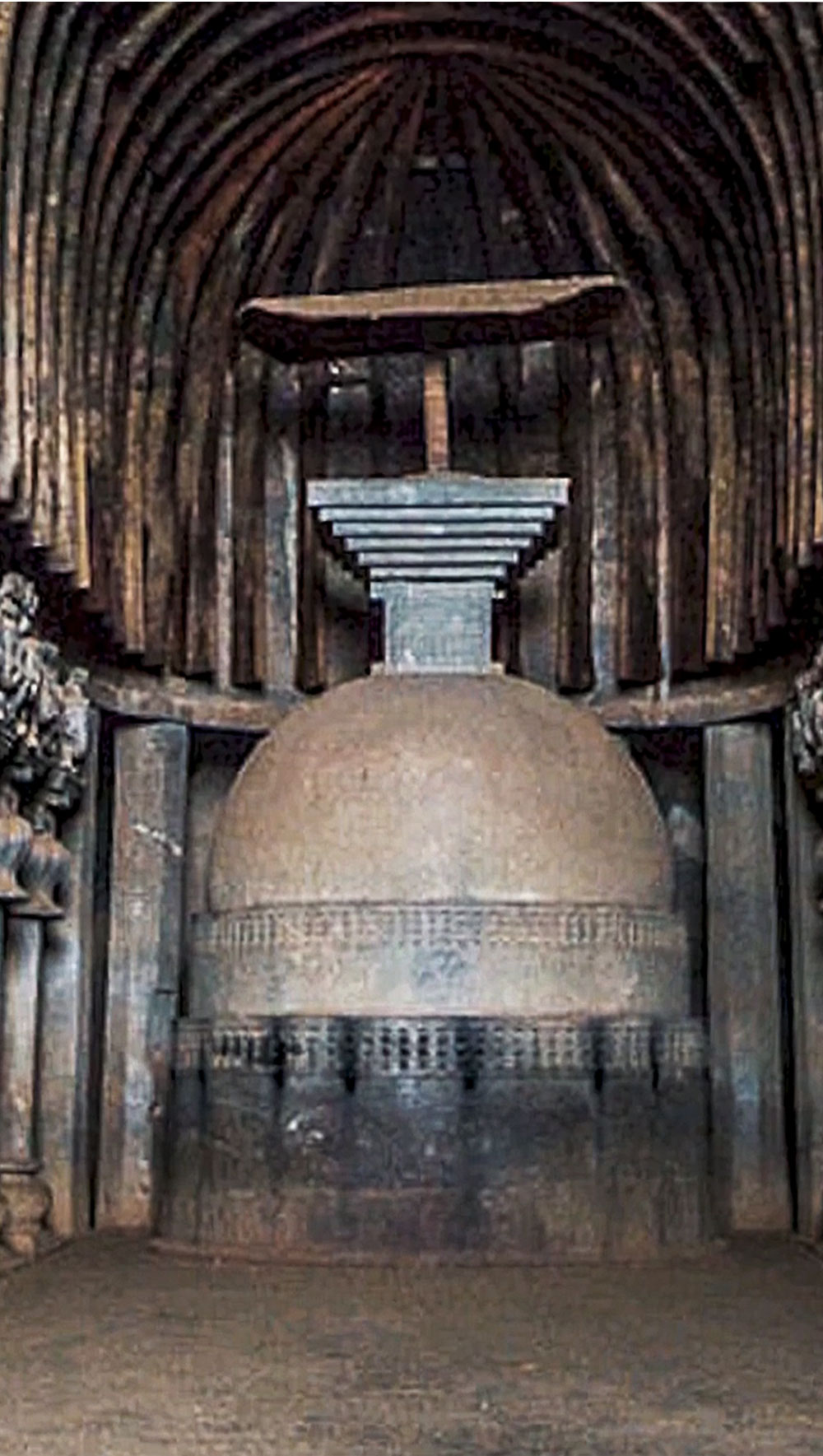
““The hall features a large, dome-shaped stupa at the far end, which serves as a reliquary, replacing the altar found in later temples.
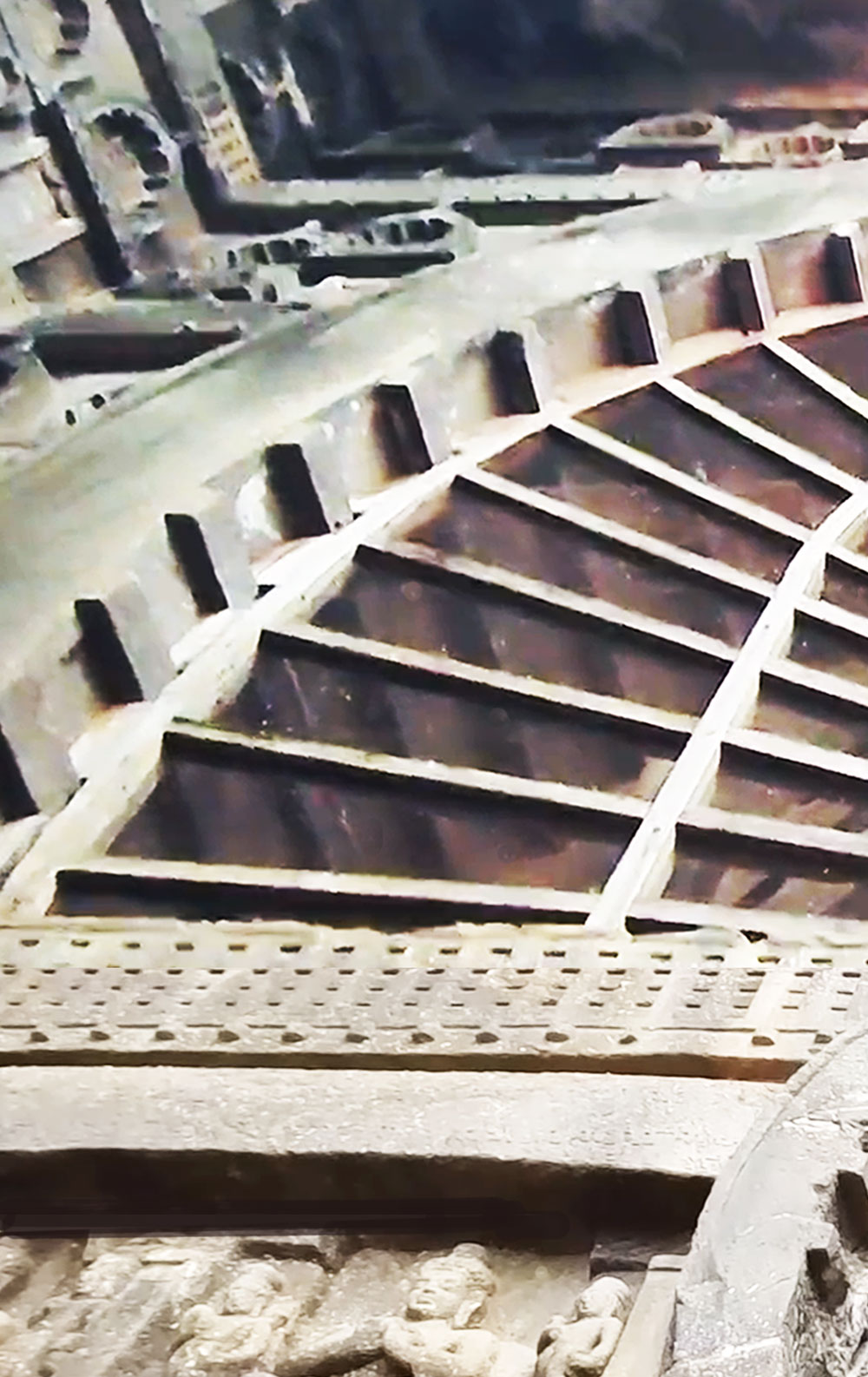
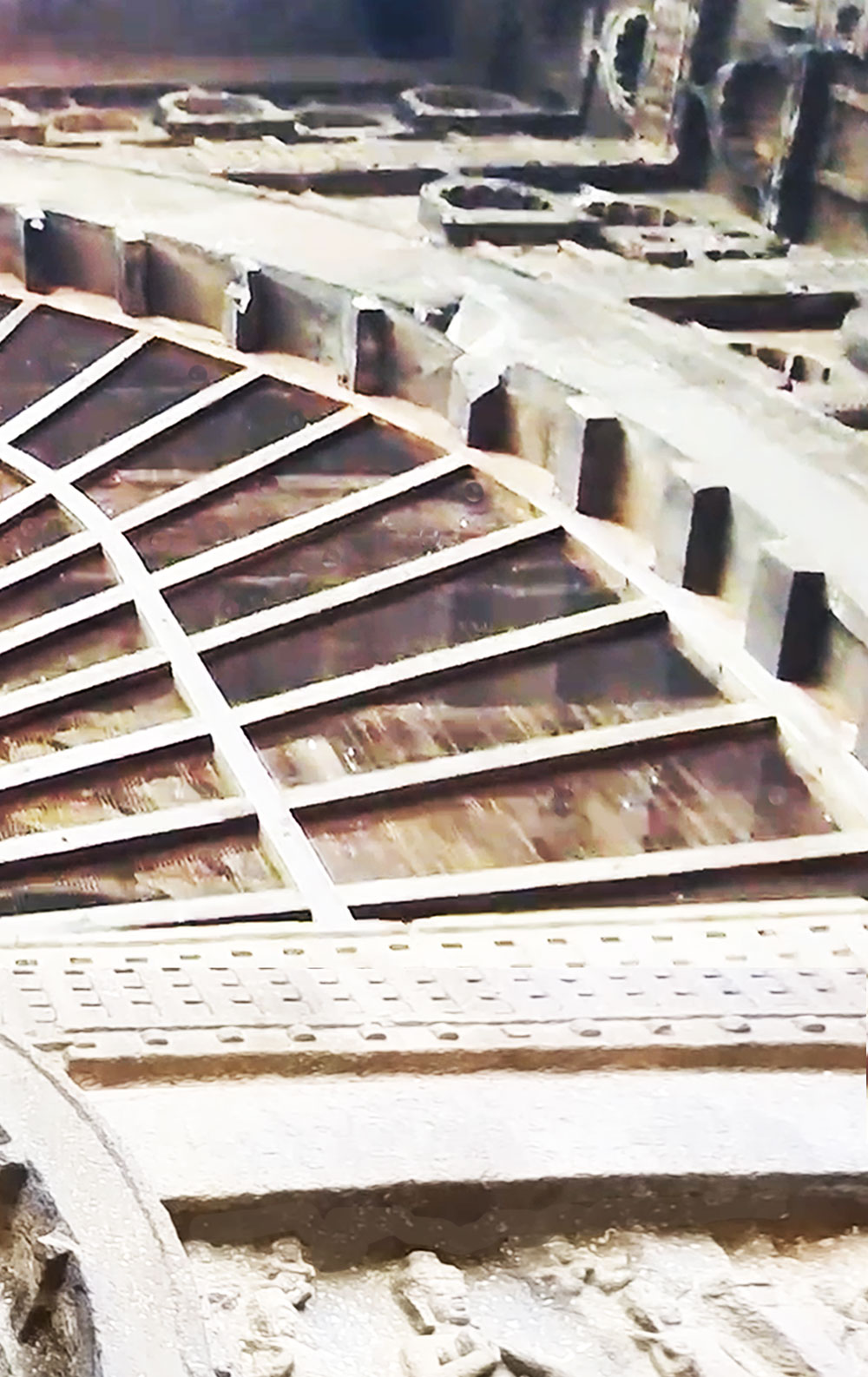
““The wooden-ribbed roof is a distinctive feature, mimicking traditional wooden architecture of the time, although the structure itself is carved directly from the rock cliff.
““Located within the ancient Bhaja Caves in Maharashtra, one of the oldest surviving examples of Indian rock-cut architecture and relief sculpture 2nd century BC, that depicts the Hindu Sun God Surya riding his chariot.
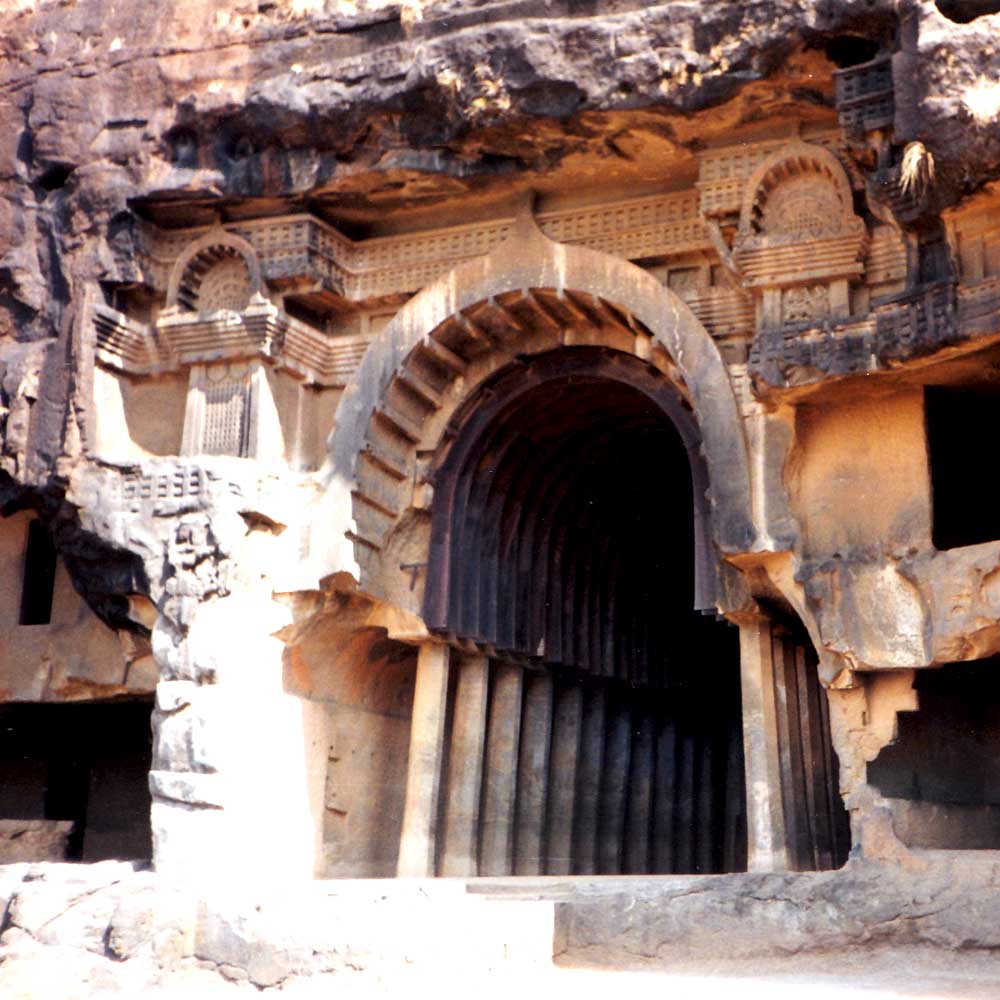
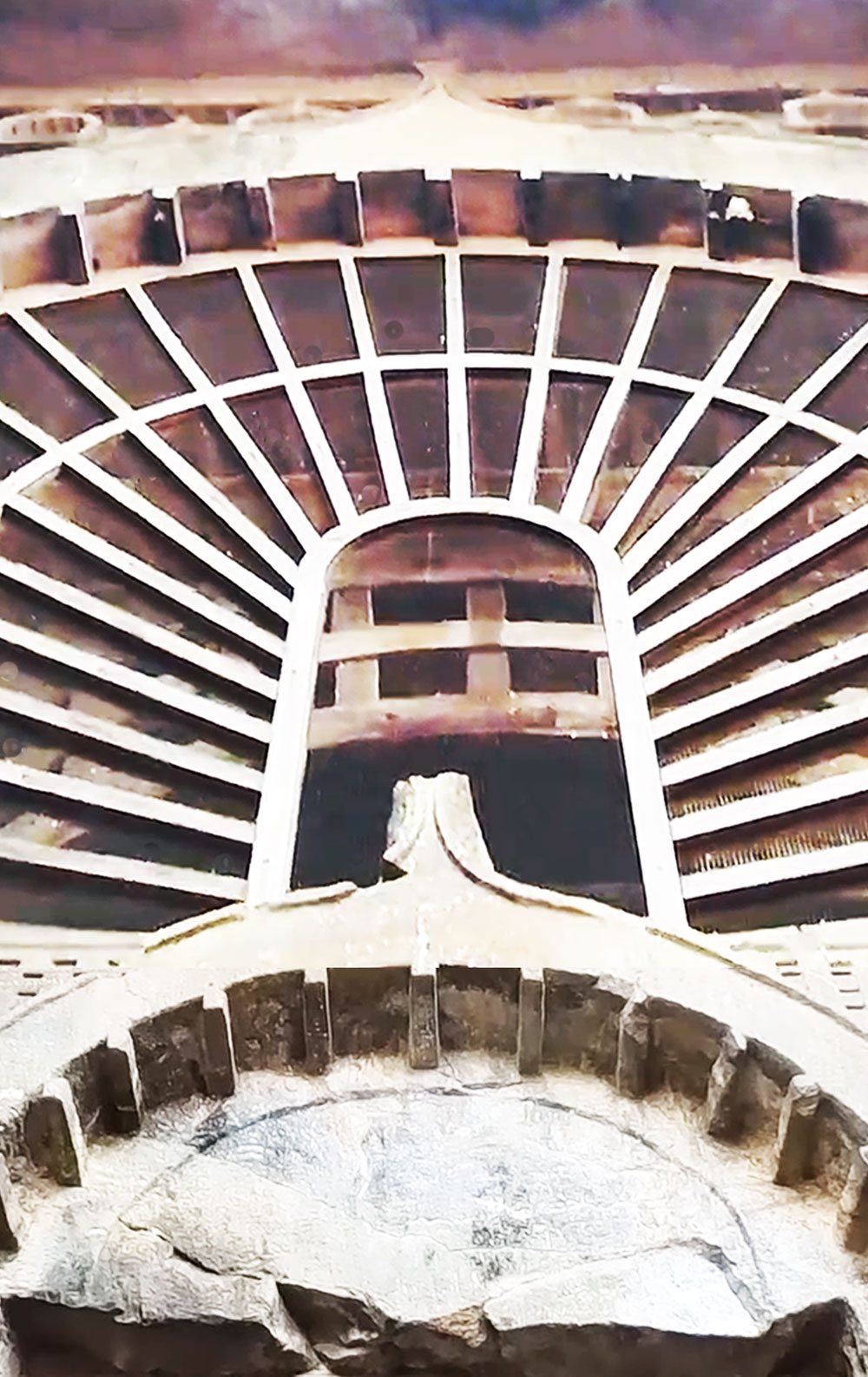
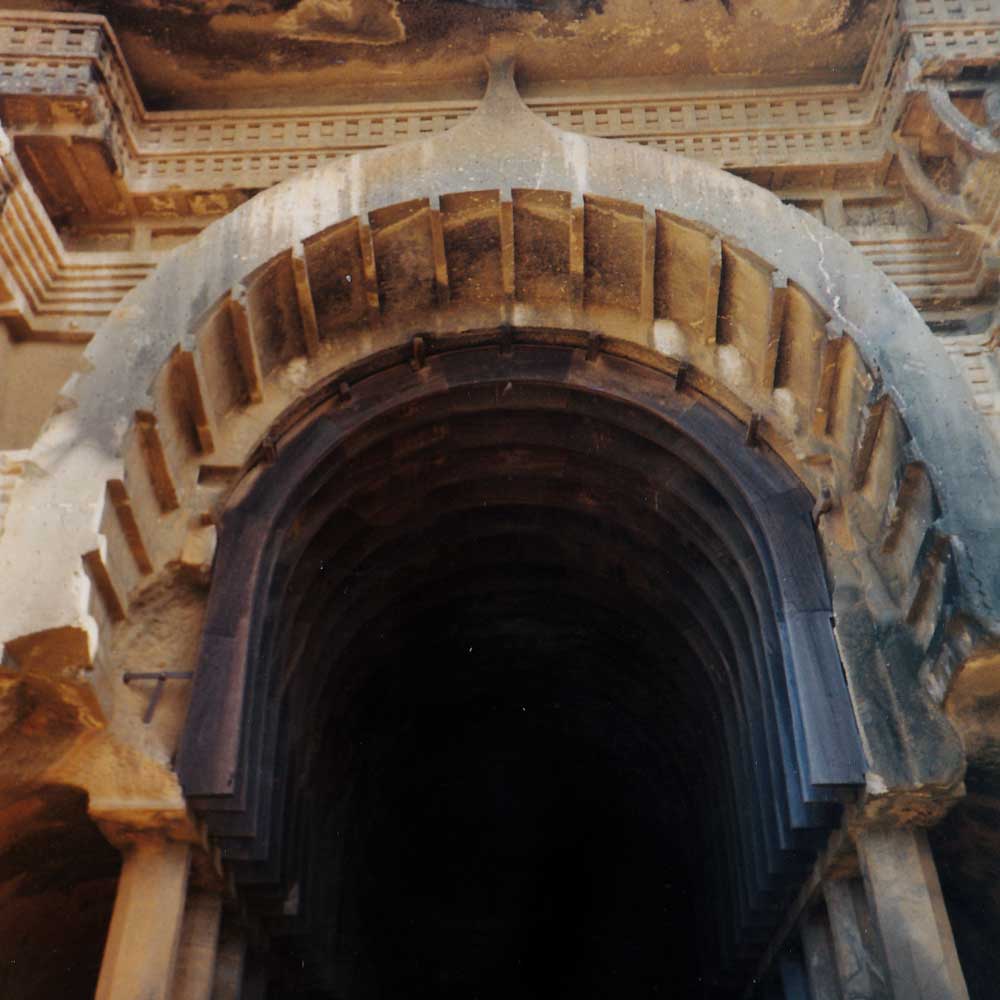
““ Entrance to the Chaitya Griha (prayer hall) at the Bhaja Caves, 2nd century BC, the architecture of the prayer hall is famous for its large horseshoe-shaped arch (chaitya arch) and demonstrates early development from wooden architecture.
““ Another historic rock-cut relief sculpture that depicts the Vedic deity Indra riding his elephant, Airavata, the Bhaja Caves in Maharashtra
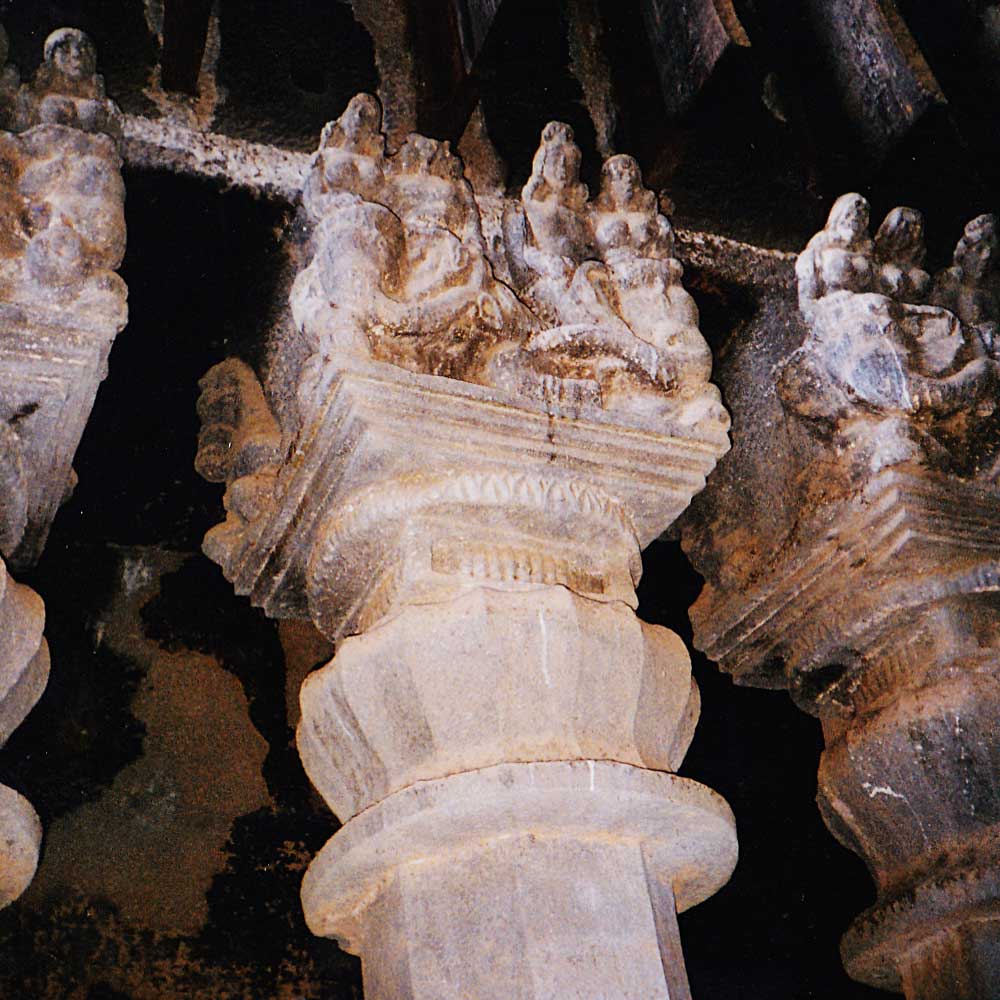
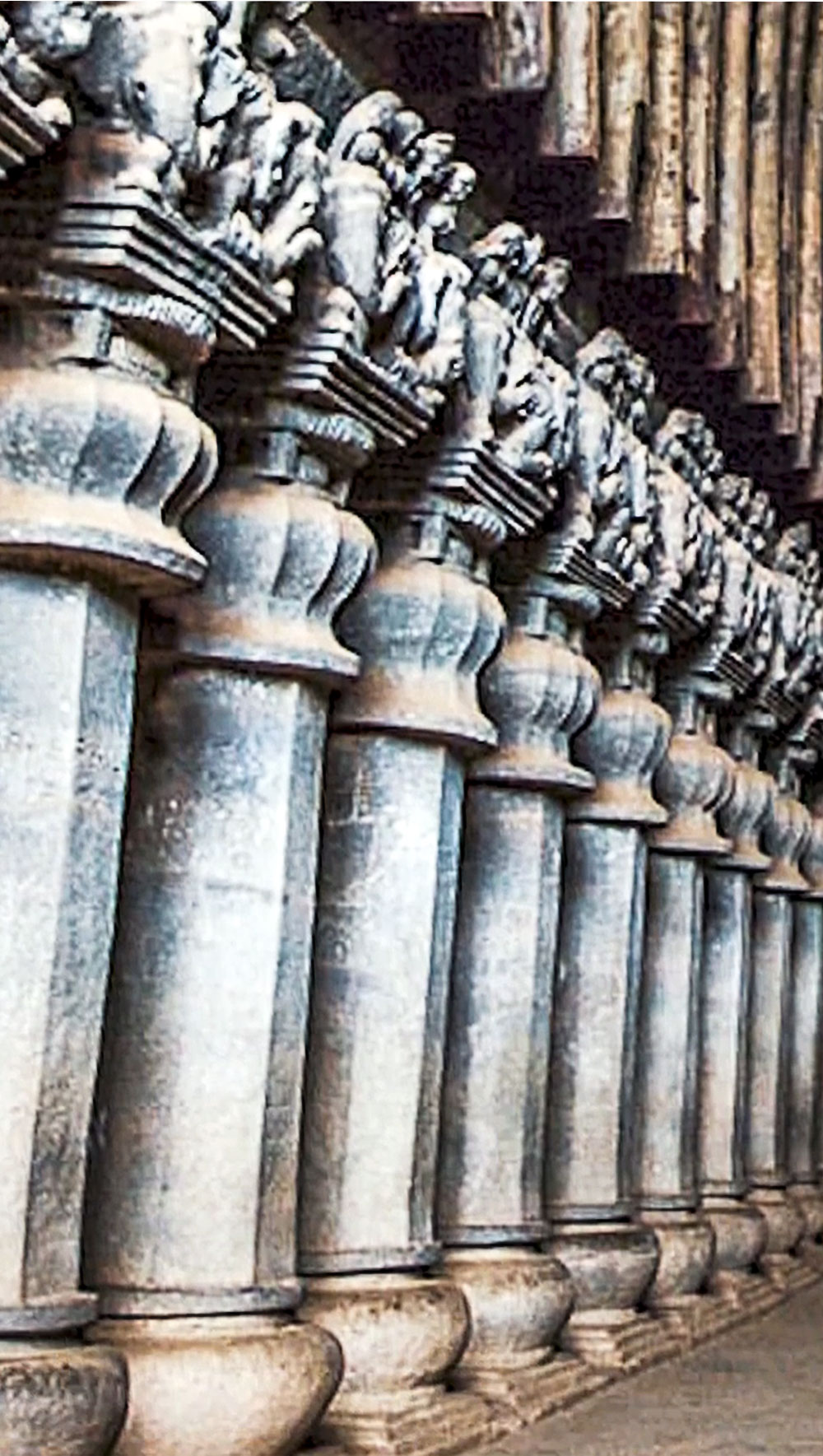
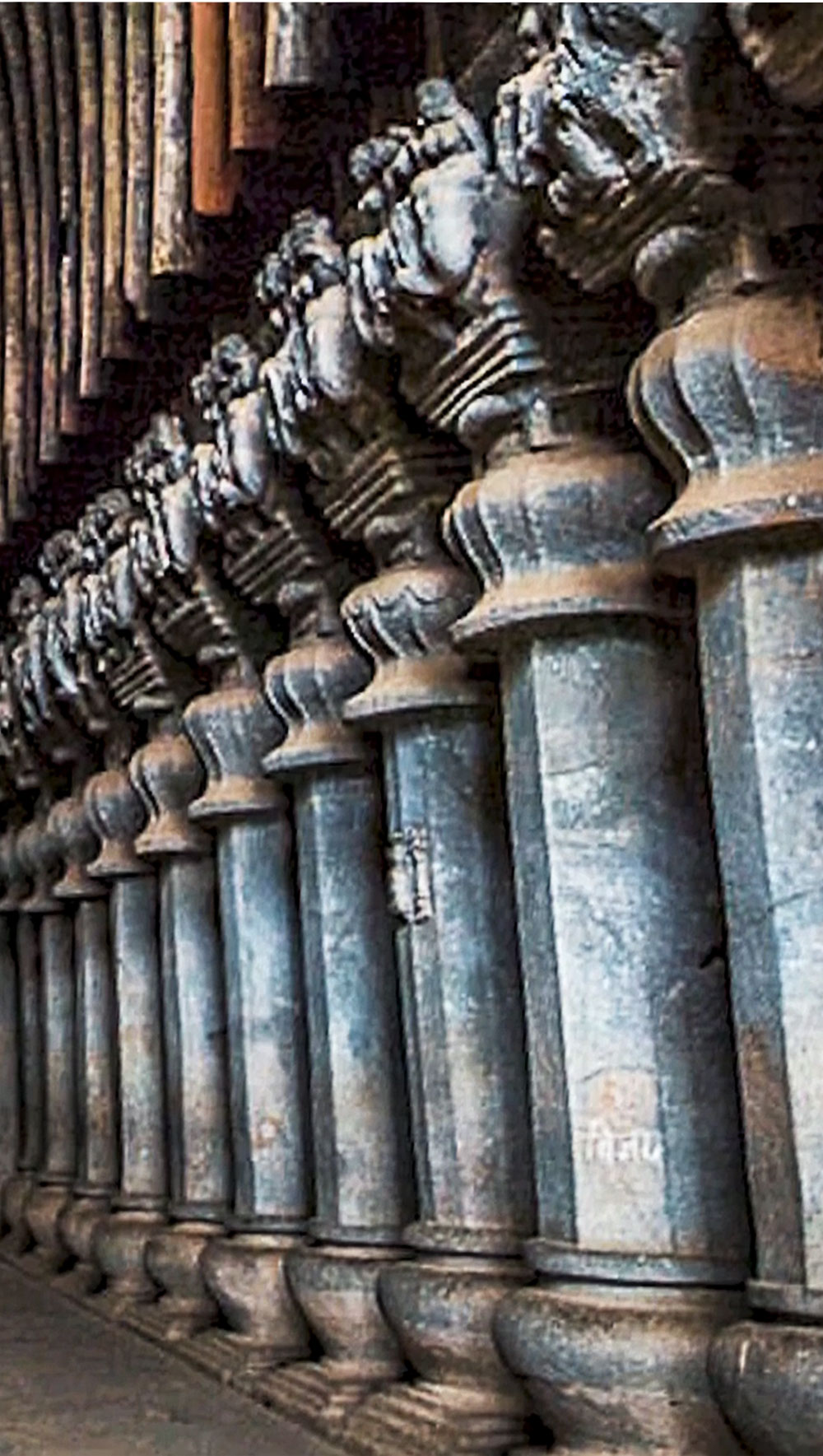
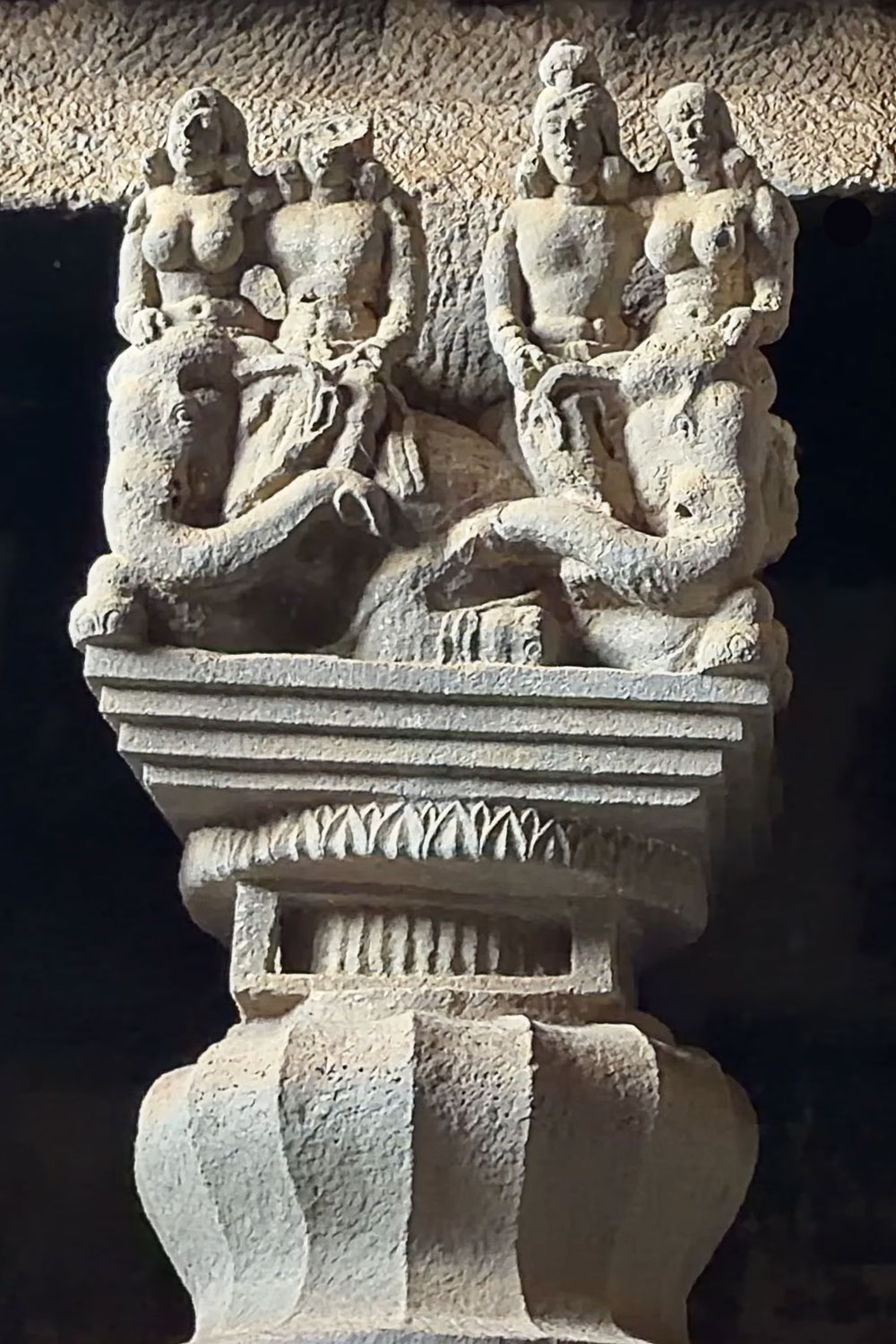
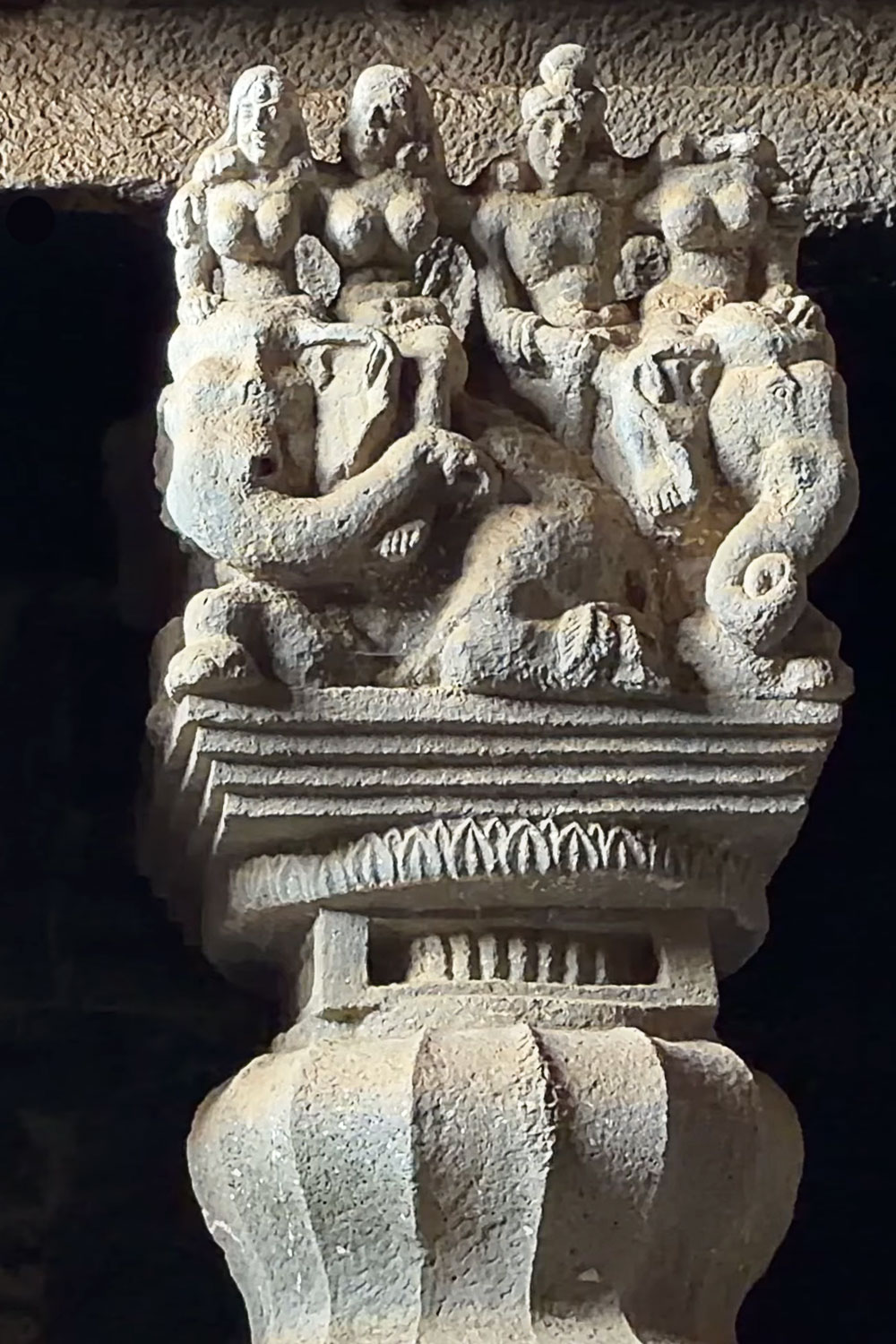
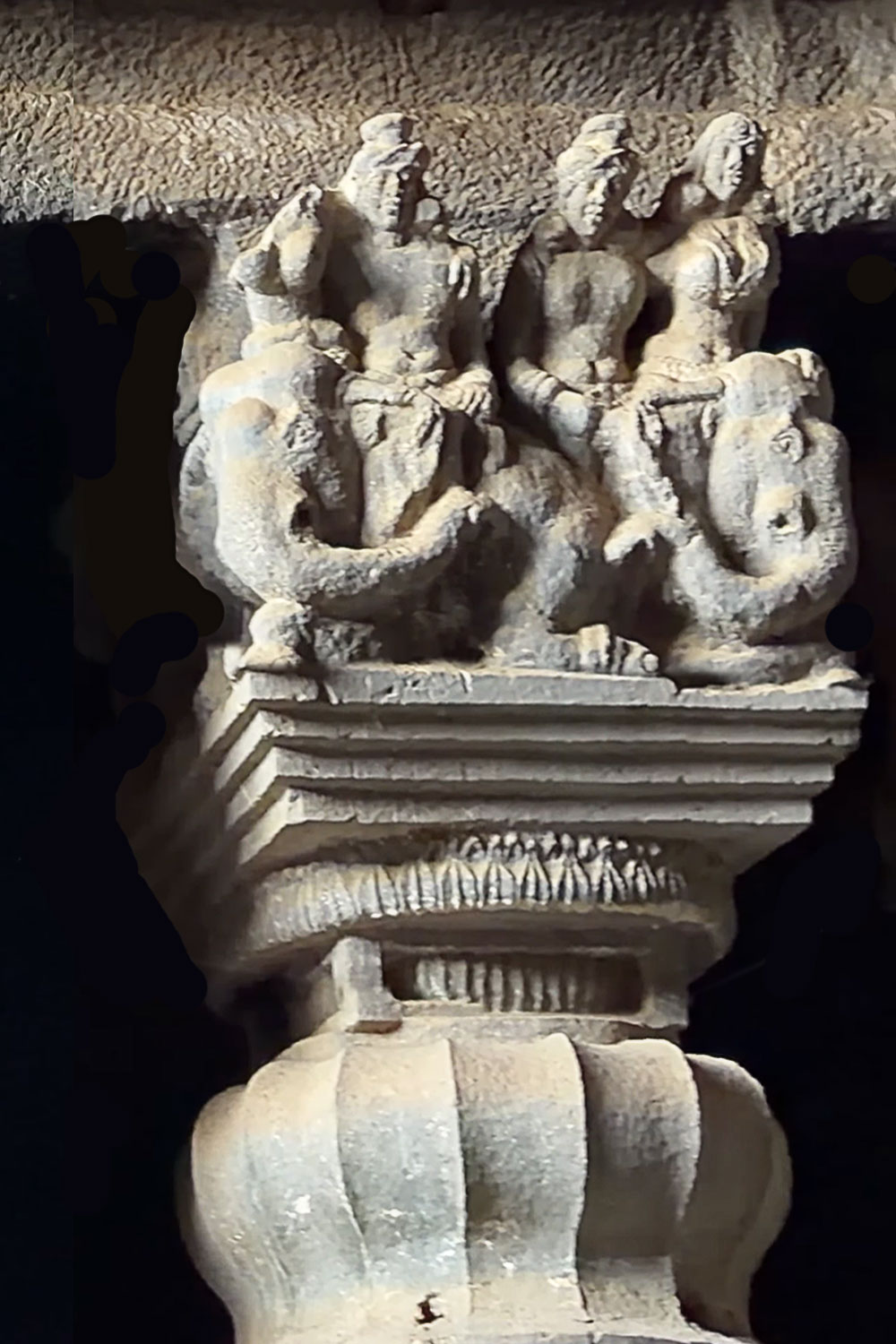
The Karli Caves Karli Caves (160 BCE onward) is the more monumental sibling — not larger in number, but grander in ambition. The Great Chaitya Hall (Cave 8) is the crown jewel of early Buddhist architecture in India. The largest and best-preserved chaitya hall of its era, a soaring apsidal hall with a vaulted ceiling and a massive stupa at its heart.  A forest of pillars each column is topped with elaborate capitals featuring elephants, riders, and guardian figures — a sculptural vocabulary that anticipates later Indian temple architecture. A living monument to trade patronage many inscriptions record donations from merchants and guilds. Karli wasn’t just a religious site; it was a commercial hub where spiritual and economic life intertwined, its strategic location, and proximity to the ancient trade route explains its scale. Wealth flowed through this corridor, and monasteries like Karli became both spiritual sanctuaries and logistical way stations.
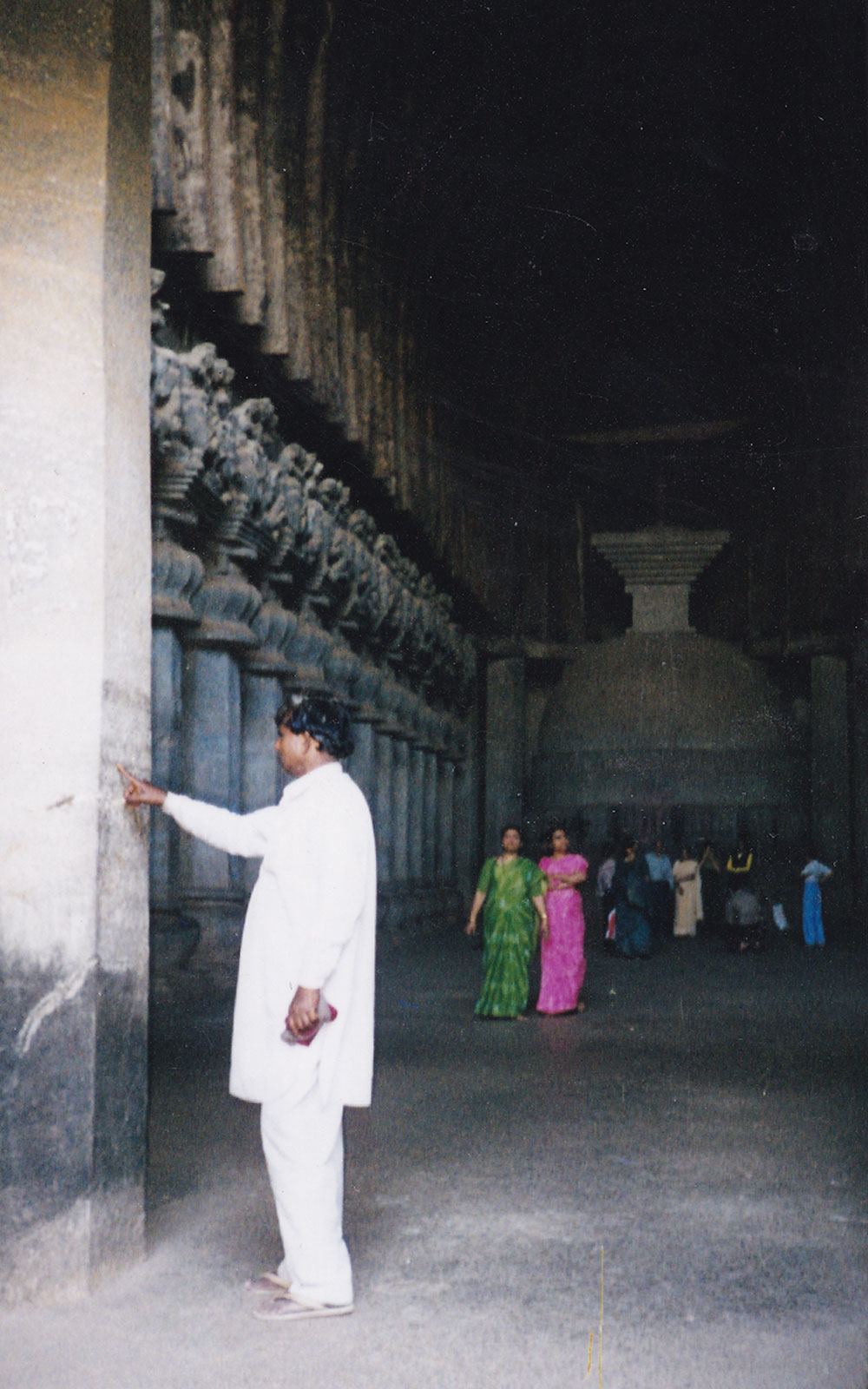
The Karli caves developed between the 2nd century B.C. and the 5th century A.D. is home to the Great Chaitya Hall, considered the largest and best-preserved rock-cut Buddhist prayer hall in India.
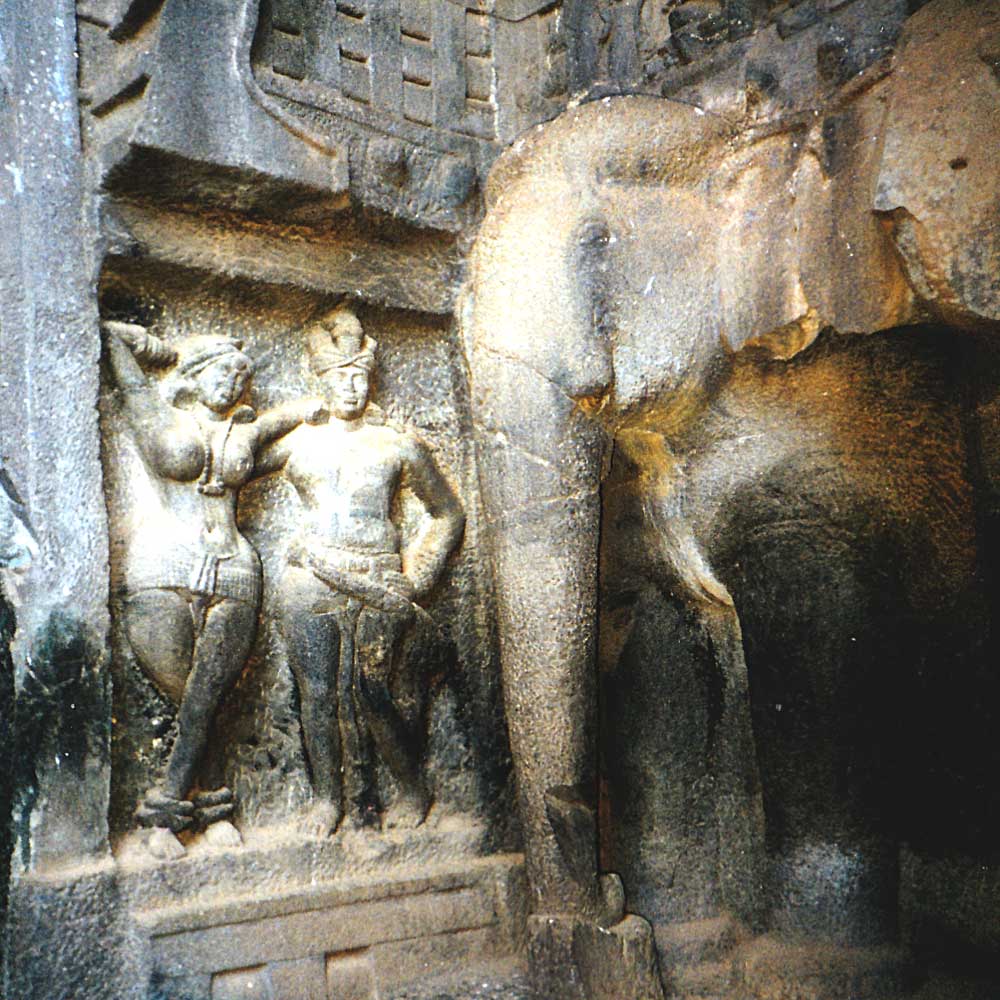
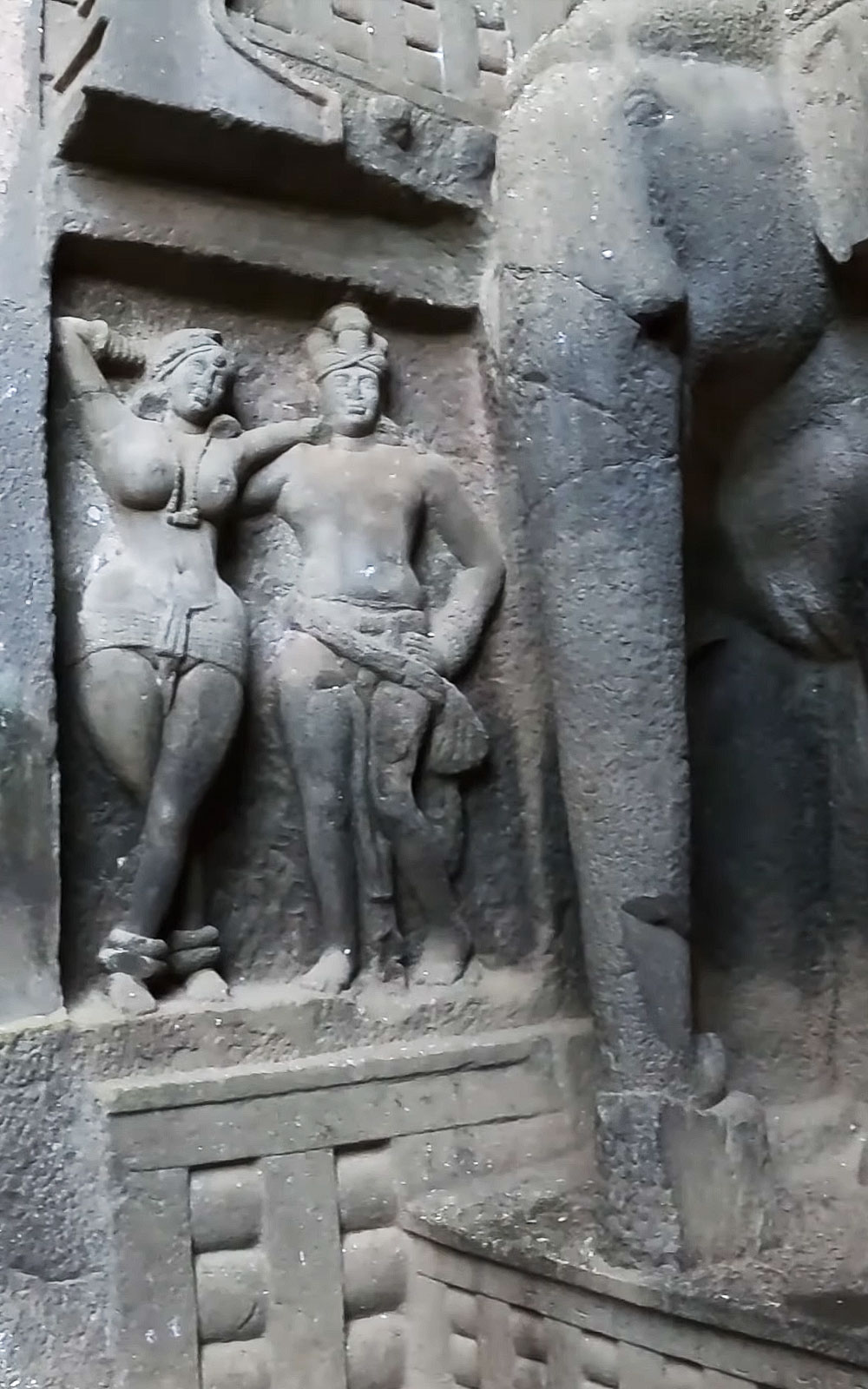
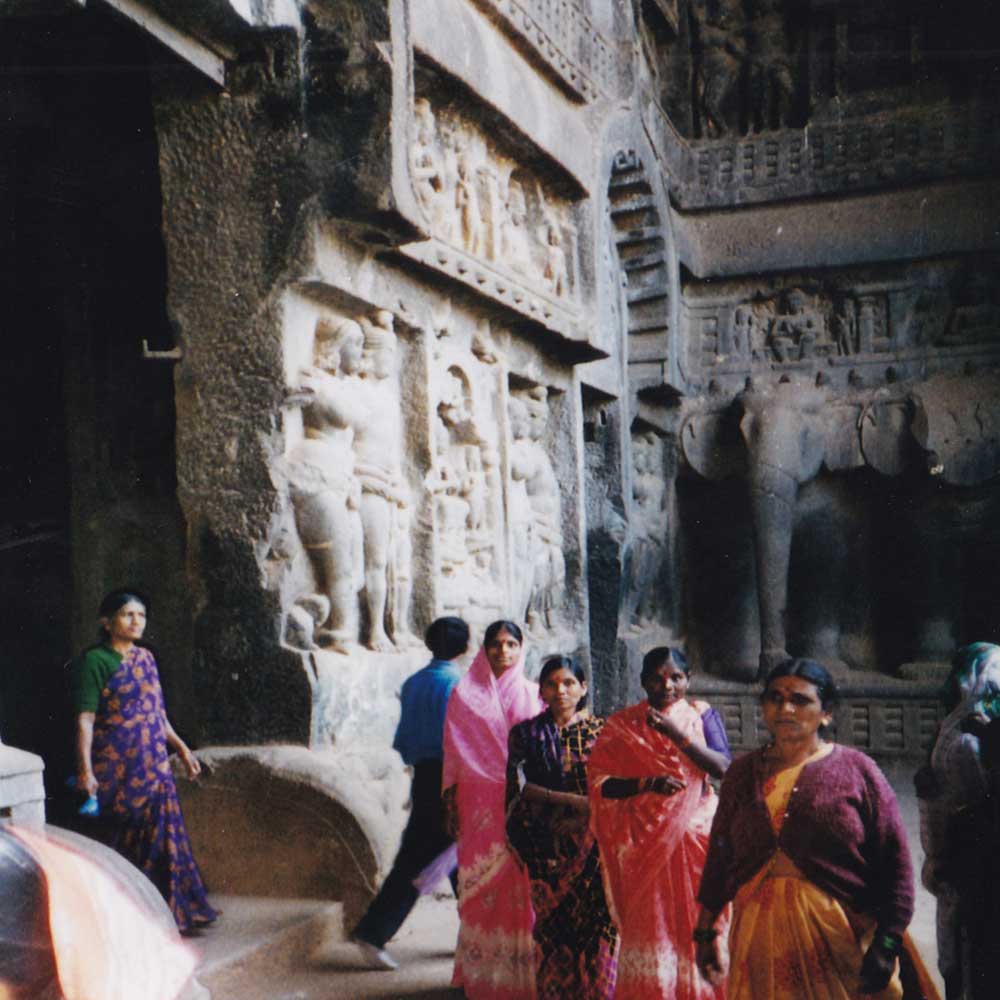
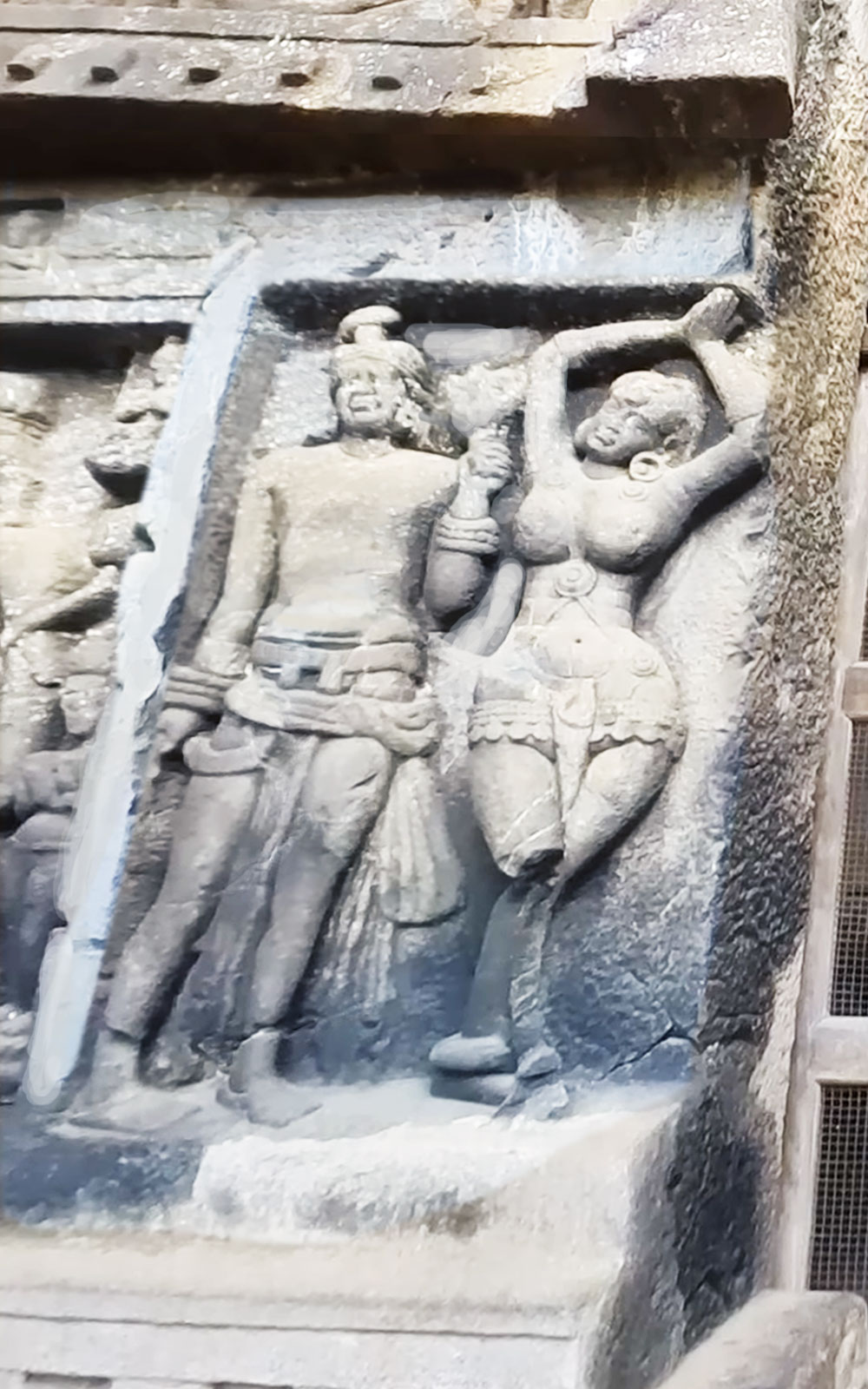
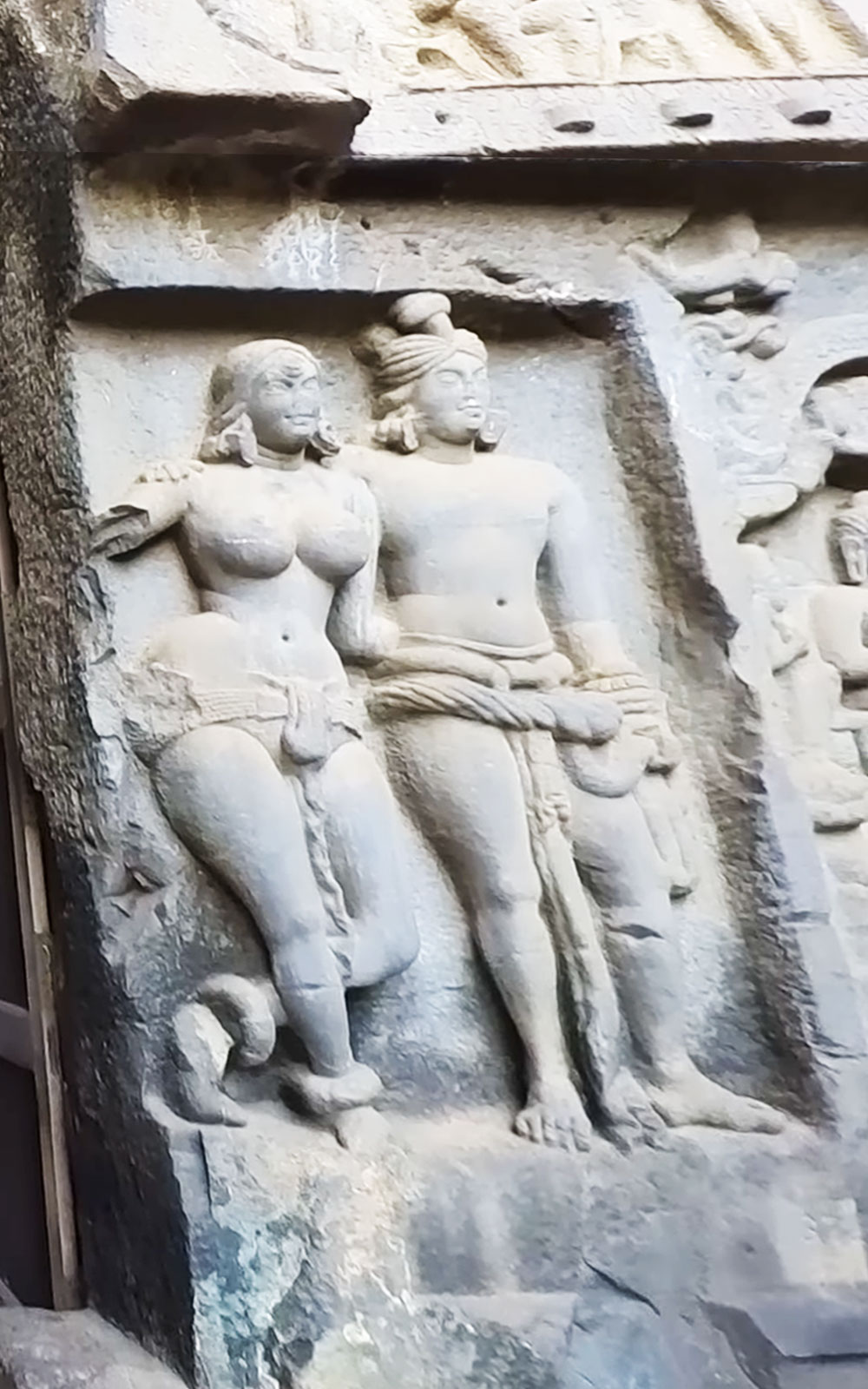
““ The architecture features intricate carvings of stone sculpture of mithuna (loving couples)and massive elephant pillars before entering the Great Chaitya Hall
““The hall interior is known for its incredible light, which filters through a wooden arched window from the top of the entrance
““A stone sculpture of a mithuna (loving couple)
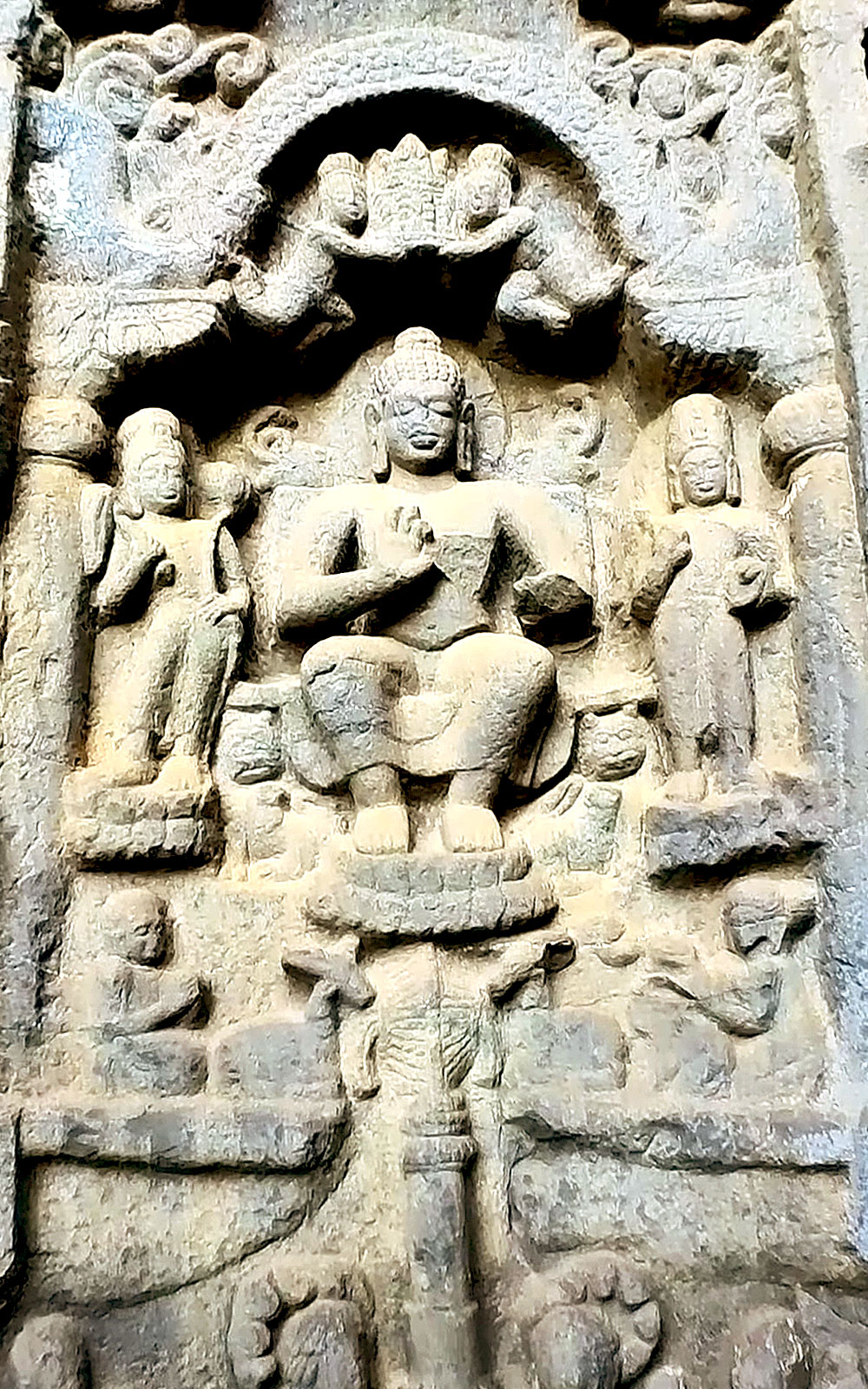
““The panel showcases Mahayana-period art, featuring Buddha in a seated pose flanked by attendants.
““A stone sculpture of a mithuna (loving couple)
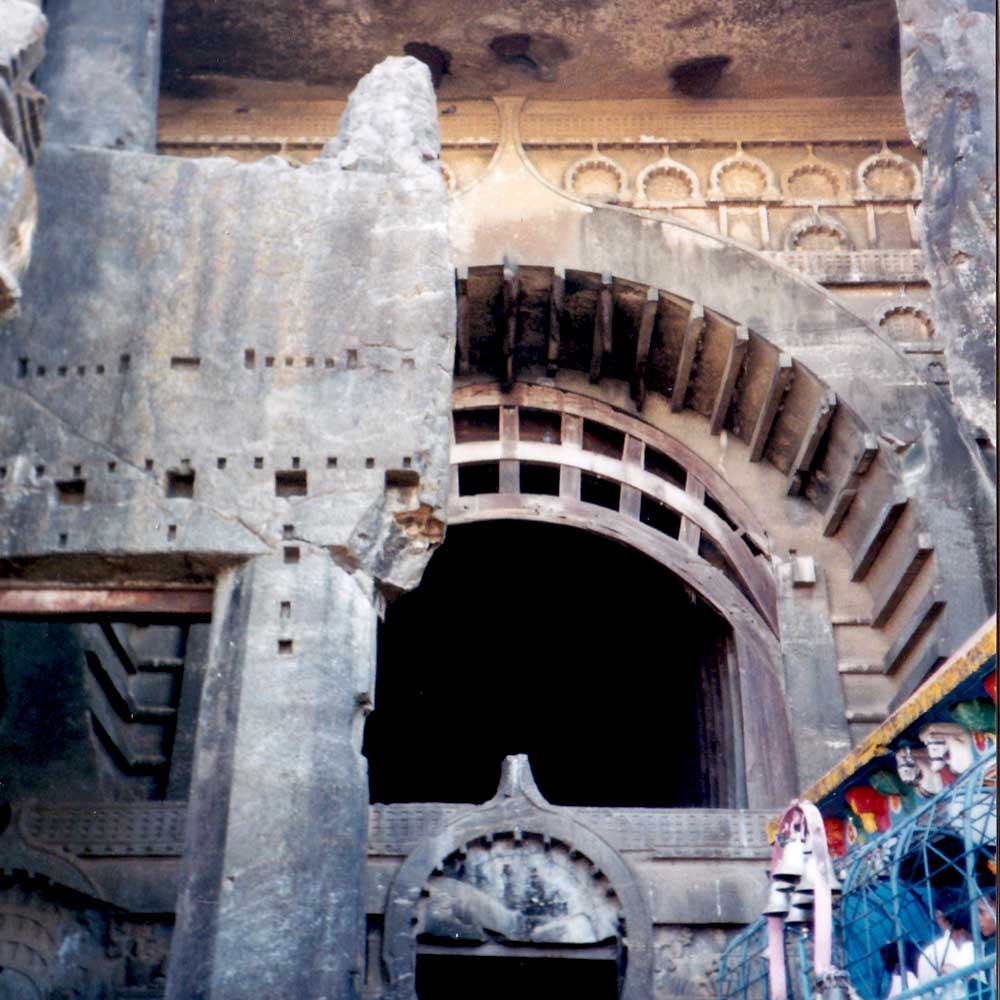
““1.) The entrance to the Grand Chaitya prayer hall (Cave 8), this is the crown jewel of early Buddhist architecture the largest and best-preserved hall in India.
““2.) A massive wooden arched window above the top of the entrance that filters light into the hall.
““3.) The carvings on the exterior depict life-size elephants and Mithuna (loving couples), which are common motifs in this architectural style.
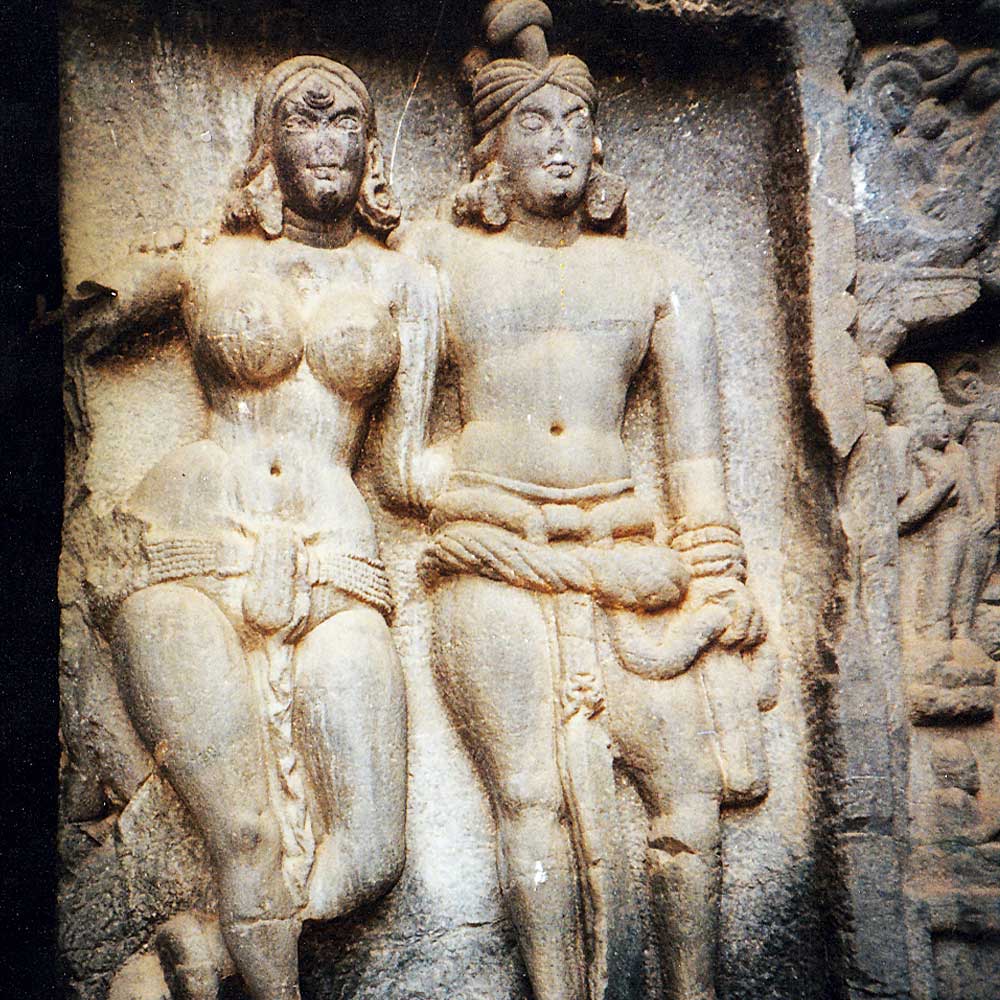
““A stone carving of a "Mithuna" or loving couple, located on each side of the entrance of the Chaitya hall in the Karla Caves
““These sculptures often depict donors or royal couples who contributed to the construction of the cave complex.
““ A Gandharva couple (divine lovers) carved into the rock face of the Karli Caves
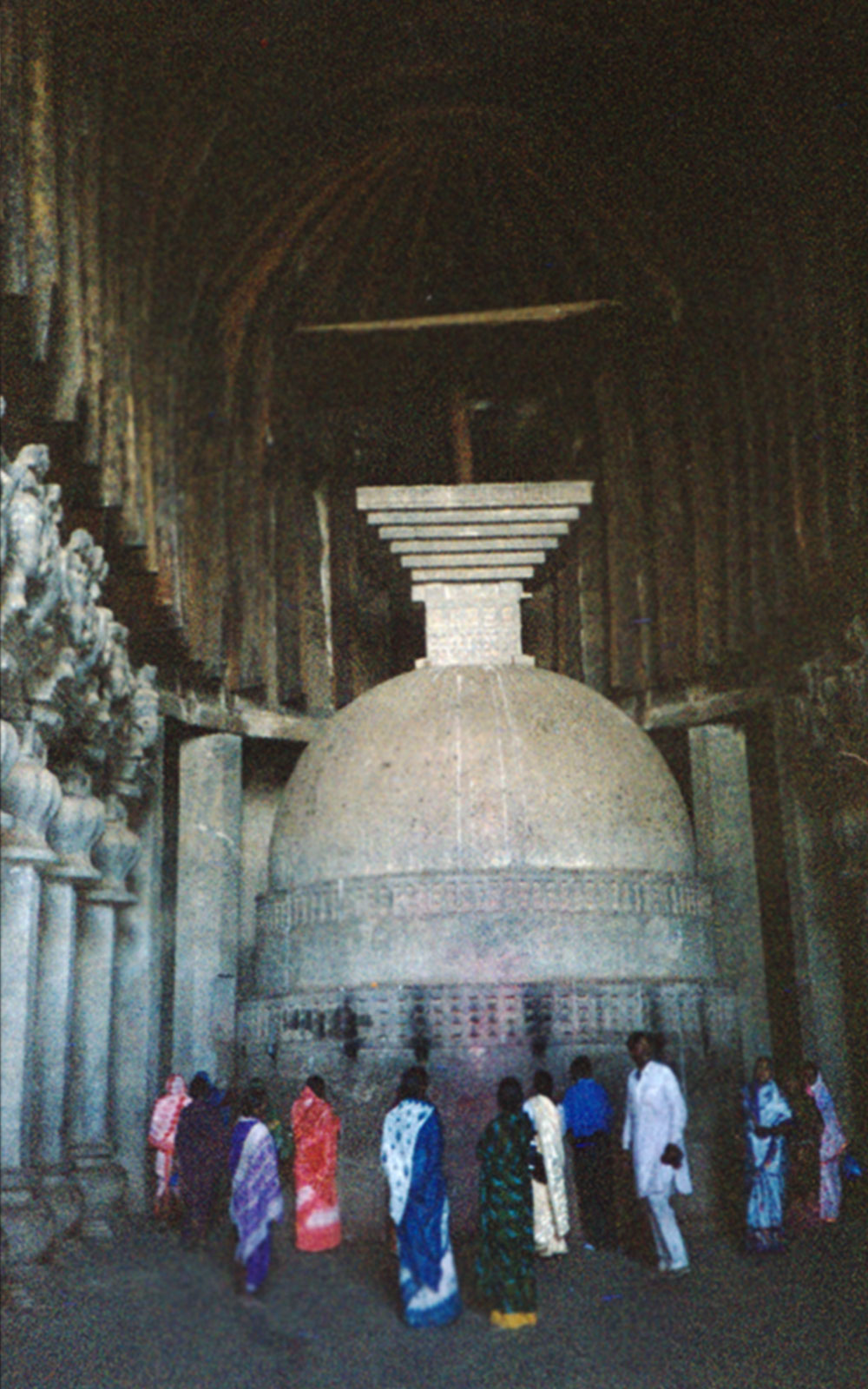
The Karli Caves, Hall of the Great Chaitya with Stupa, dimensions of the interior are 124 ft. 3 in. from the entrance to the back wall, by 45 ft. 6 in. in width, Andhra Dynasty, 1st century, AD
The Karli Caves, the Great Chaitya cave, or Cave No. 8, features a large, intricately carved chaitya within a prayer hall, dating back to 50-70 CE.
This is the largest rock-cut chaitya in India, measuring 45 metres (148 ft) long and up to 14 metres (46 ft) high. The hall features sculptures of both males and females, as well as animals such as lions and elephants.
““1.) A detail of the elephant rider sculptures located
““2.) on the pillars inside the Chaitya hall of the Karla Caves,
““3.)
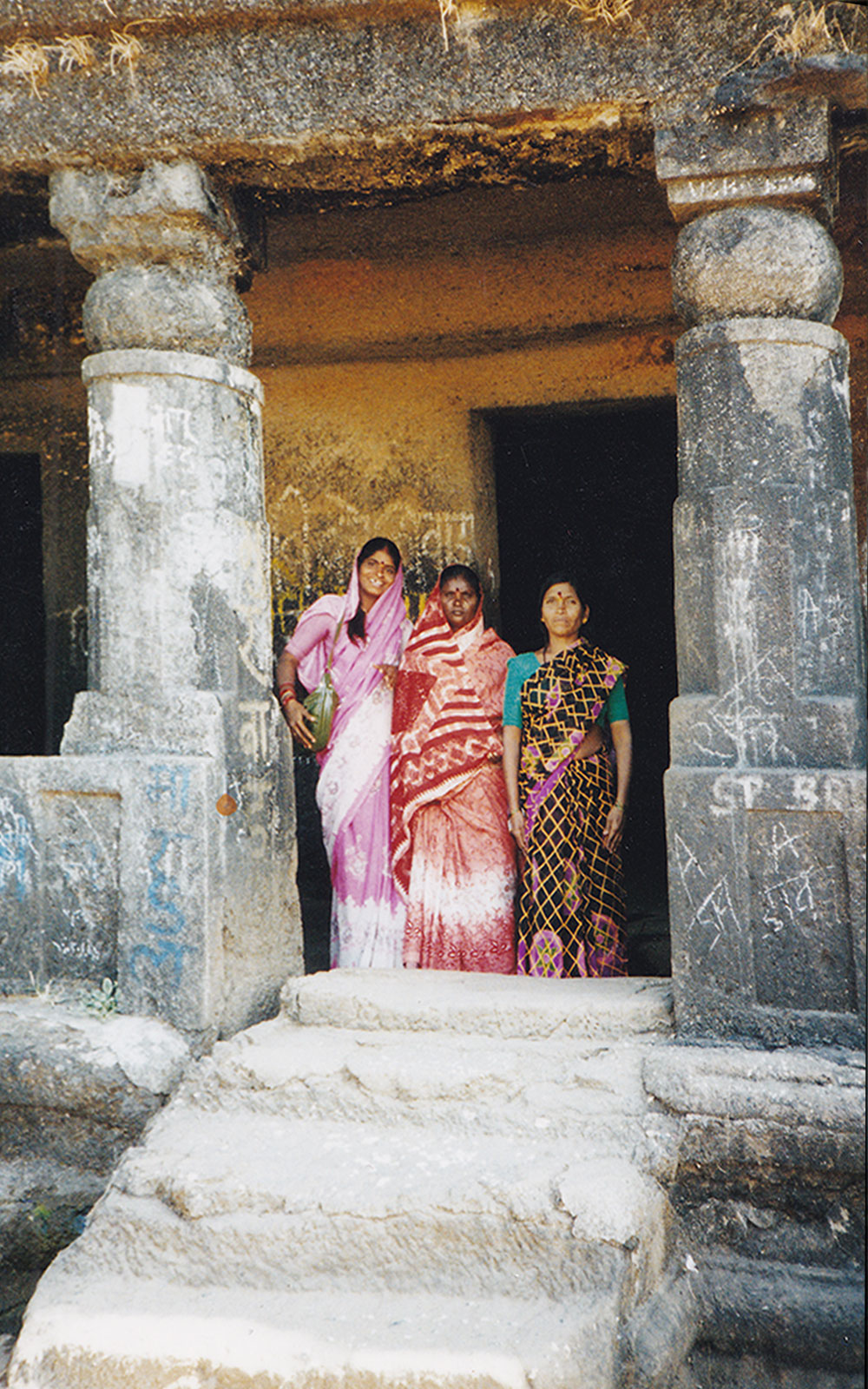
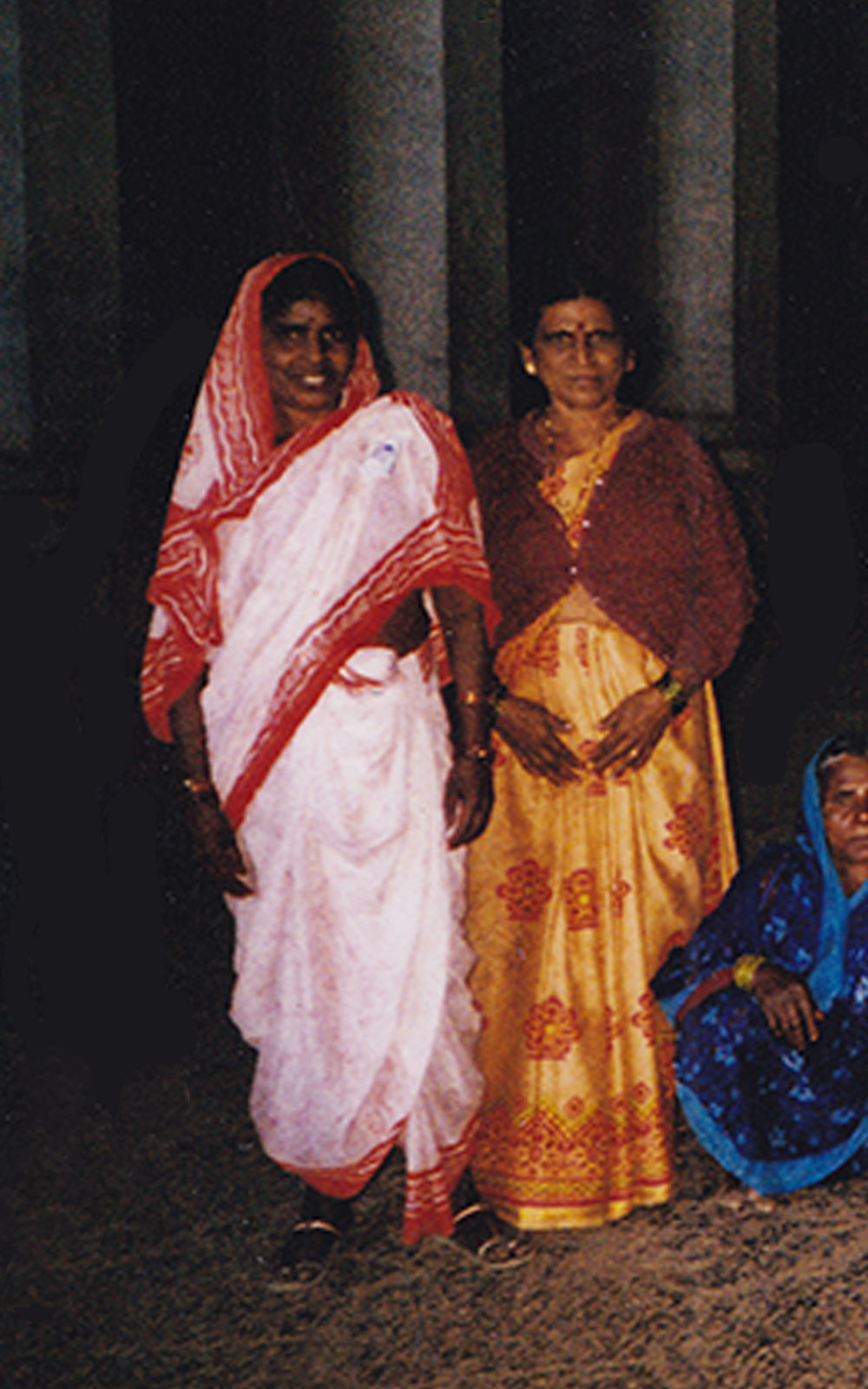
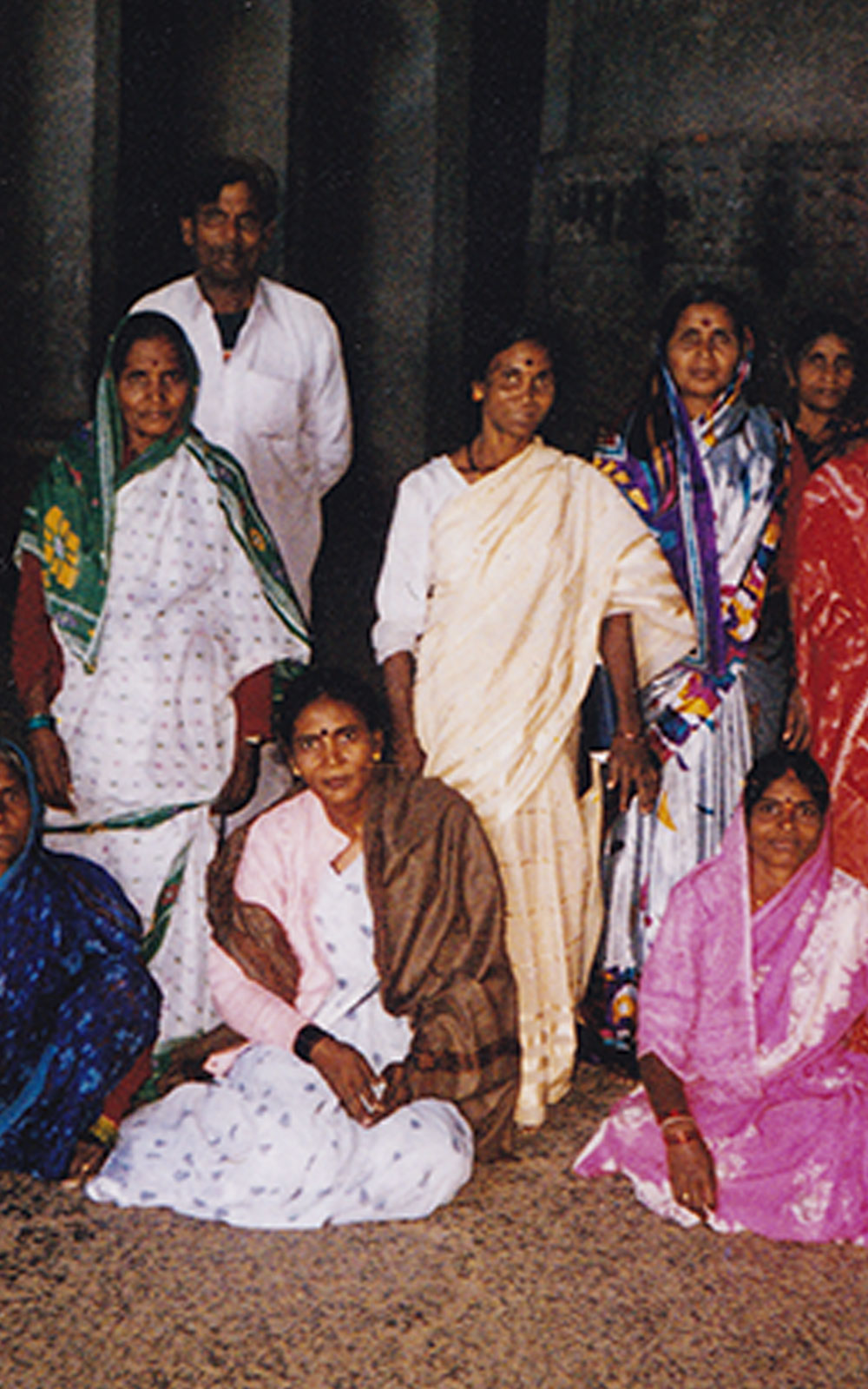
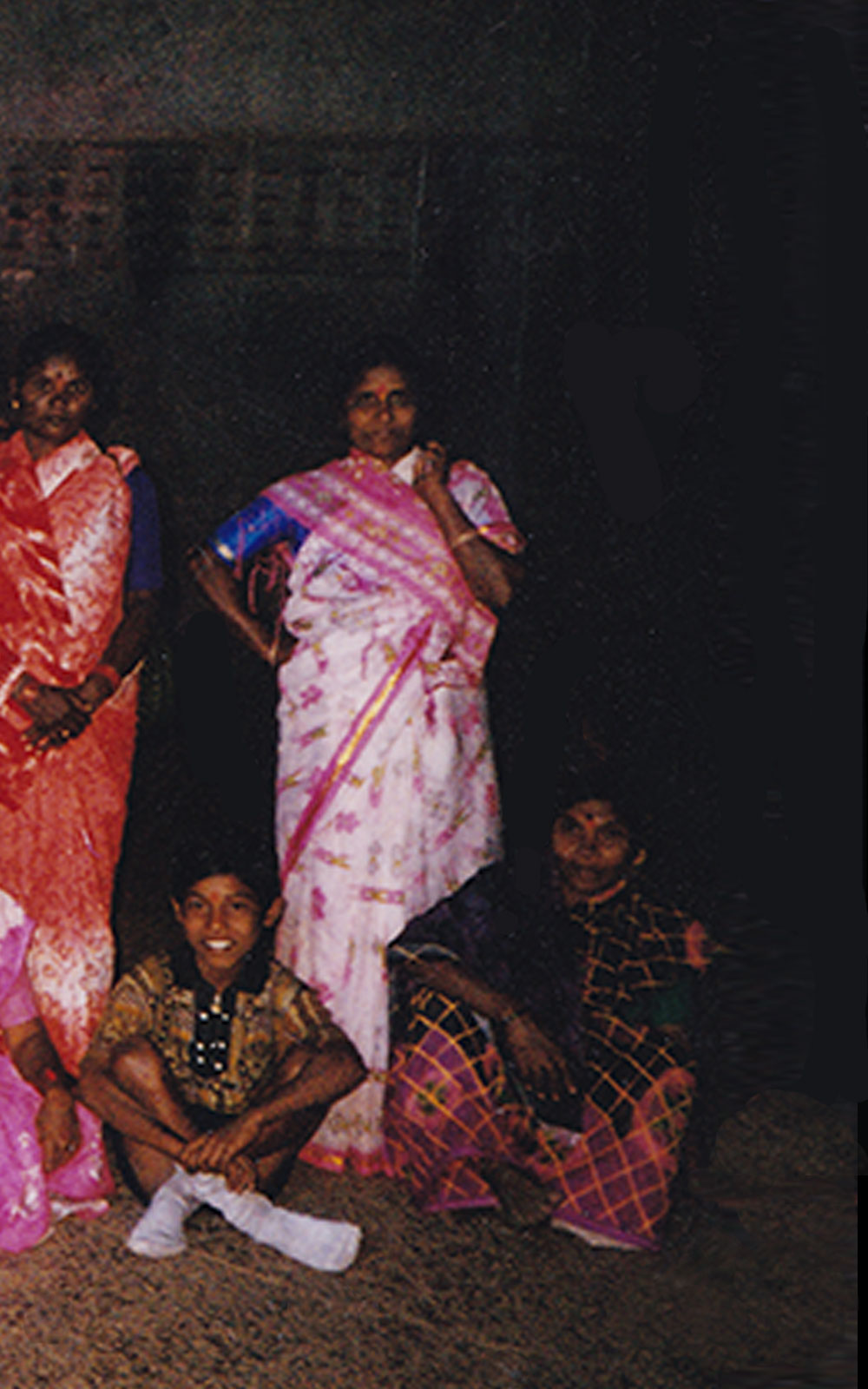
1.) I was more than honored to to take photos of local indians who wanted their pictures taken inside the Great Chaitya Hall
2.)
3.)
4.) Local Indian women wearing saree's wanting their pictures taken
5.)
6.)
Website & Content Created by Richard Brafford, © 2025, All Rights Reserved, Fair Use Disclaimer for Non-Commercial Use for Educational & Entertainment Purposes OnlyTop